Shopping in Bastia: Streets, Markets and Local Buys
Plan a shopping stroll through Bastia, from rue Napoléon and boulevard Paoli to the Place Saint-Nicolas market, with advice on timing your visit around market days.
On this page
Shopping in Bastia is not a mall trip. The useful browsing sits in a small area between the Old Port, the Citadelle and Place Saint-Nicolas, where rue Napoléon mixes established shops with newer concept stores and the main streets funnel you towards the big square.
The rhythm is set by the market: the traditional market on Place Saint-Nicolas runs on Saturday and Sunday, and a flea market joins it on Sundays. That makes a weekend the best time to combine browsing with food shopping, and it means a weekday visit is more about the streets than the stalls.
If you are weighing up how to spend a short break, our guide to things to do in Bastia sets the sights alongside this shopping plan.
What shopping in Bastia looks like
This is a compact old-town and port scene rather than a retail destination. The tourist office's own weekend route threads the Old Port, the Citadelle, the Romieu Garden and Place du Marché, and treats the shopping streets as part of that same wander rather than a separate excursion.
Plan on half a day, not a full one. The distances are short enough that you can browse rue Napoléon, walk boulevard Paoli and still have time for the Citadelle and a coffee at the port, which is a more realistic use of a two-day break than chasing individual shops.
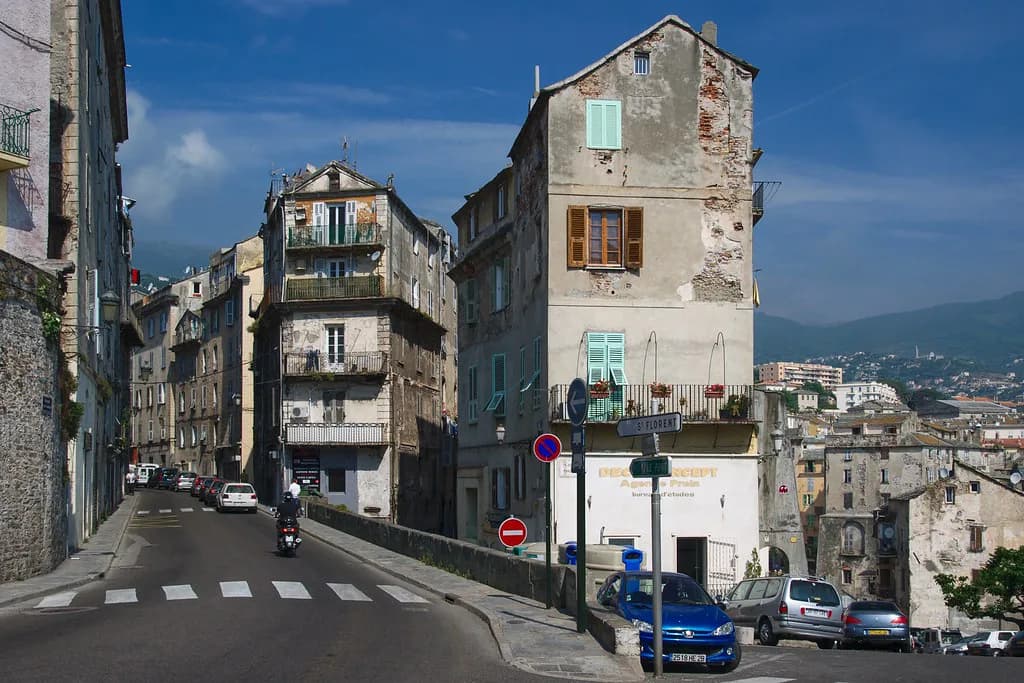
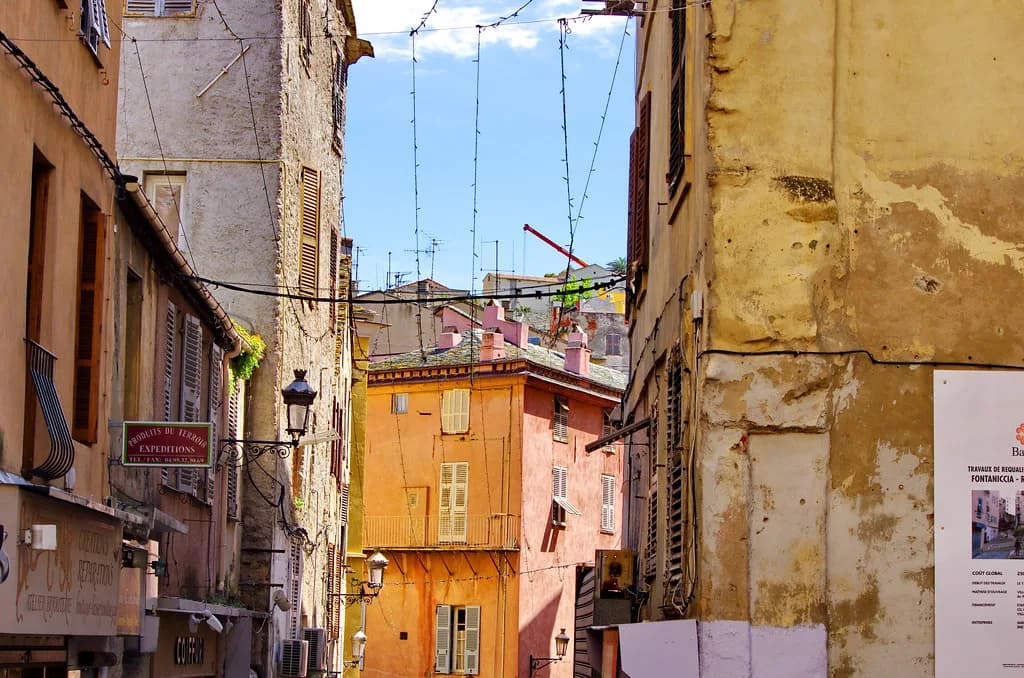
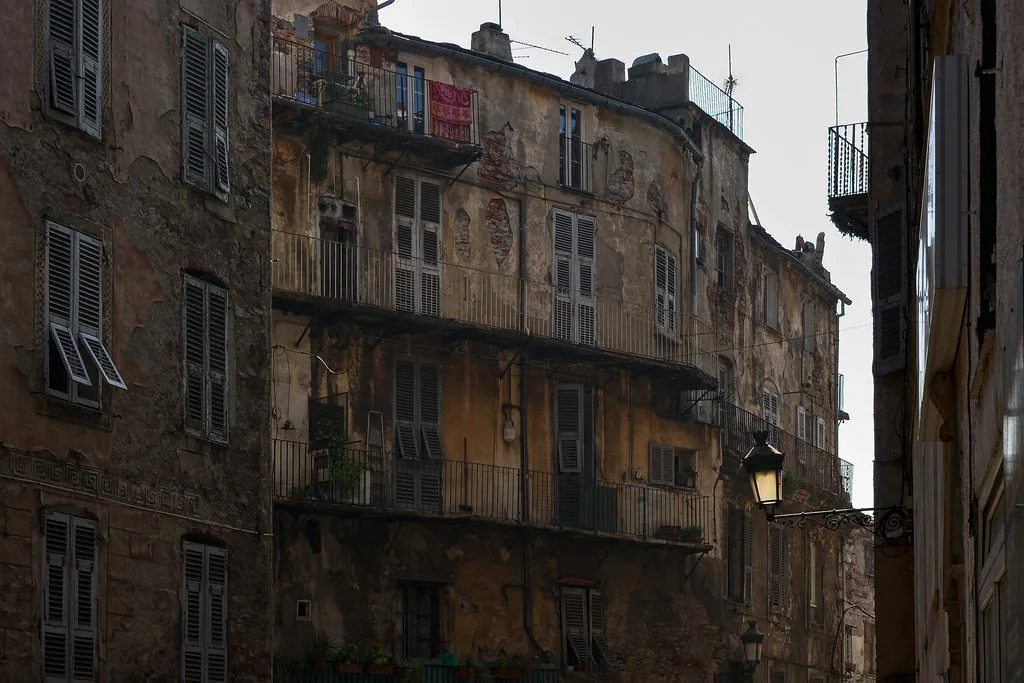
The old town, known locally as Terra Vecchia, is where the narrow streets and colourful facades sit, and it rewards slow walking rather than a list. Our Bastia Old Town guide covers the layout if you want to fold the browsing into a proper look around.
Start at the Old Port and the Citadelle
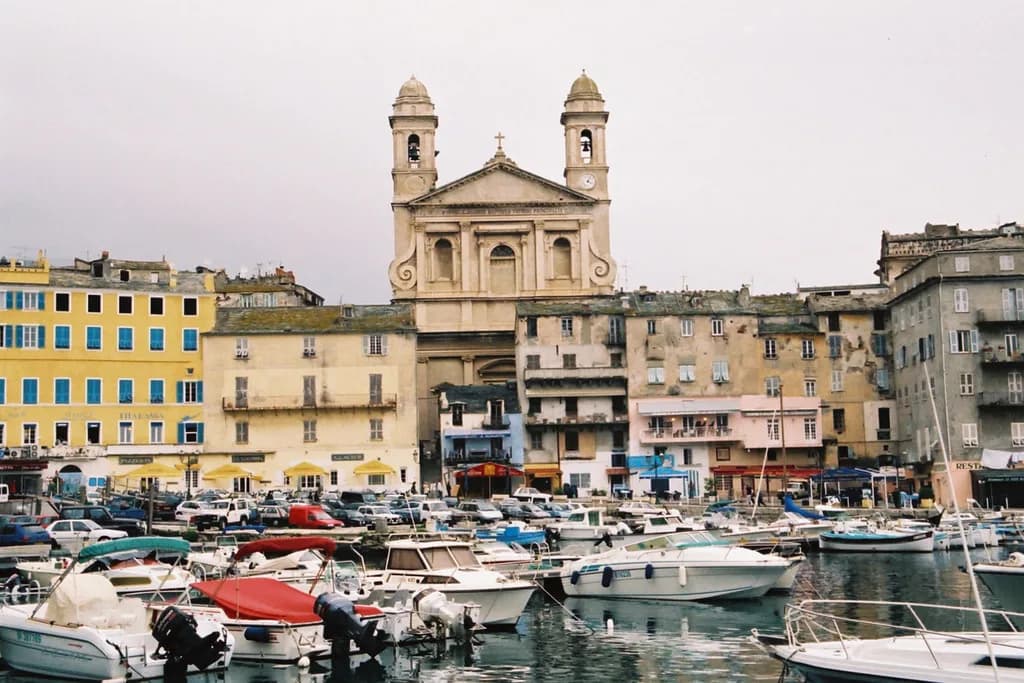
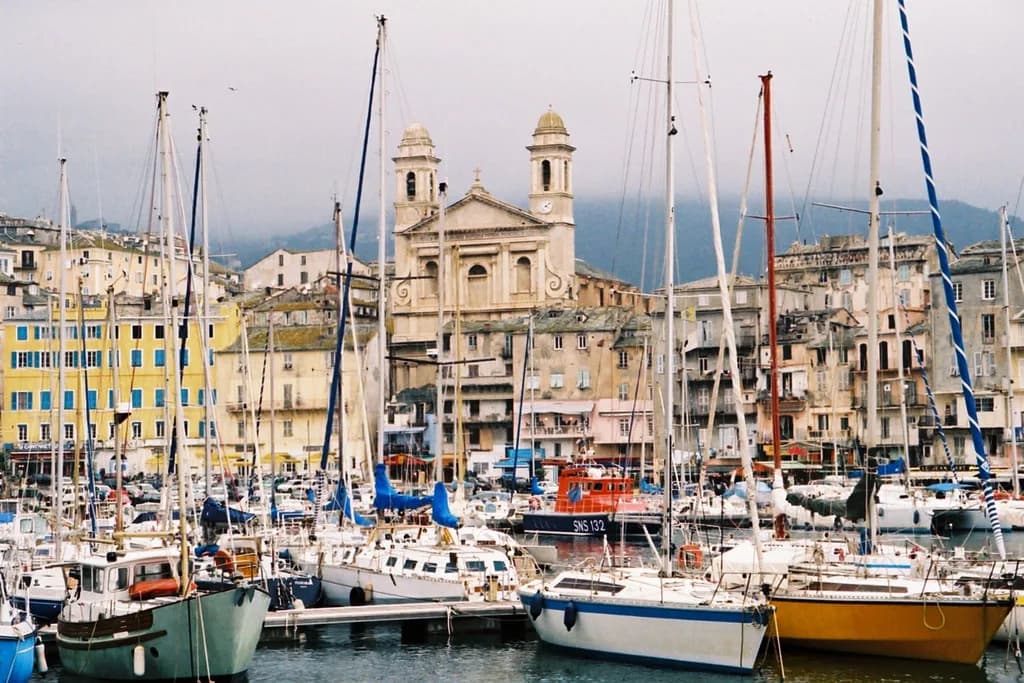
Begin at the Old Port, where the tourist office suggests a leisurely breakfast on a terrace watching the fishing boats come in. It sets the pace for the day and puts you at the bottom of the old town before the streets get busy.
From there, climb towards the Citadelle to see the morning light on the narrow streets and painted facades. The district is small enough to loop through in under an hour, and the small shops along the way are part of the walk rather than a destination in themselves.
The Romieu Garden sits close by and makes a sensible pause between the Citadelle and the shopping streets, giving you shade and a place to sit before the afternoon browse.
Rue Napoléon: old shops and new concept stores
Rue Napoléon is the street to walk if you only walk one. The tourist office describes it as a mix of old shops and new concept stores, which is the honest reason to go: you are browsing a changing street, not a curated shopping district.
Treat it as a browse rather than a mission. The pleasure is in the contrast between established shopfronts and newer arrivals, so allow twenty minutes and let the street lead you towards the port rather than working to a list.
Boulevard Paoli and rue Campinchi: the main browsing run
The tourist office's route rounds off the shopping with boulevard Paoli and rue Campinchi before arriving at Place Saint-Nicolas. Walk them in that order and the streets deliver you naturally to the square, which is where the market and the open space are.
This is the closest Bastia gets to a conventional shopping run, so it suits anyone who wants a straightforward stroll past shopfronts without the lanes of the old town. The trade-off is that it feels more like a city boulevard than a Corsican quarter.
Place du Marché: bistros and a corner of Old Bastia
Place du Marché is a corner of Old Bastia lined with bistro-restaurants that the tourist office flags as good for nibbling on the go. It works as a lunch stop in the middle of a shopping wander rather than a shopping destination in its own right.
Come hungry rather than with a shopping list. The square is about food and atmosphere, so build it into the middle of the day and keep the browsing for the streets either side.
Place Saint-Nicolas: the weekend market
Place Saint-Nicolas hosts the traditional market on Saturday and Sunday, which is the single best reason to plan a Bastia weekend around shopping. It is where local produce is sold, so it doubles as souvenir shopping and lunch provisioning.
Go in the morning. Market produce is at its best early, and the square is also the natural end point of the boulevard Paoli walk, so a Saturday or Sunday morning lets you combine the browse and the stalls in one loop.
Our Markets in Bastia guide covers the stall scene in more detail if the market is the main draw of your trip.
The Sunday flea market
On Sundays, the tourist office points visitors to a flea market on Place Saint-Nicolas alongside the traditional market. It is the reason Sunday is worth keeping free rather than treating as a lost day.
Expect browsing rather than bargains you can plan around. The flea market is a rummage, so give it time and treat anything you find as a bonus rather than a target.
Local food buys: Canistrelli and Corsican specialities
The most portable thing to take home from Bastia is food. The tourist office's own suggestion is to nibble Canistrelli dipped in coffee at an Old Port terrace, which tells you what the local biscuit is and how it is eaten.
Buy them where you see them rather than hunting a specific shop, and use the Saturday or Sunday market at Place Saint-Nicolas for the wider range of Corsican produce. Food travels better than most souvenirs and takes up less room in a weekend bag.
Artisan ice cream as a mid-afternoon break
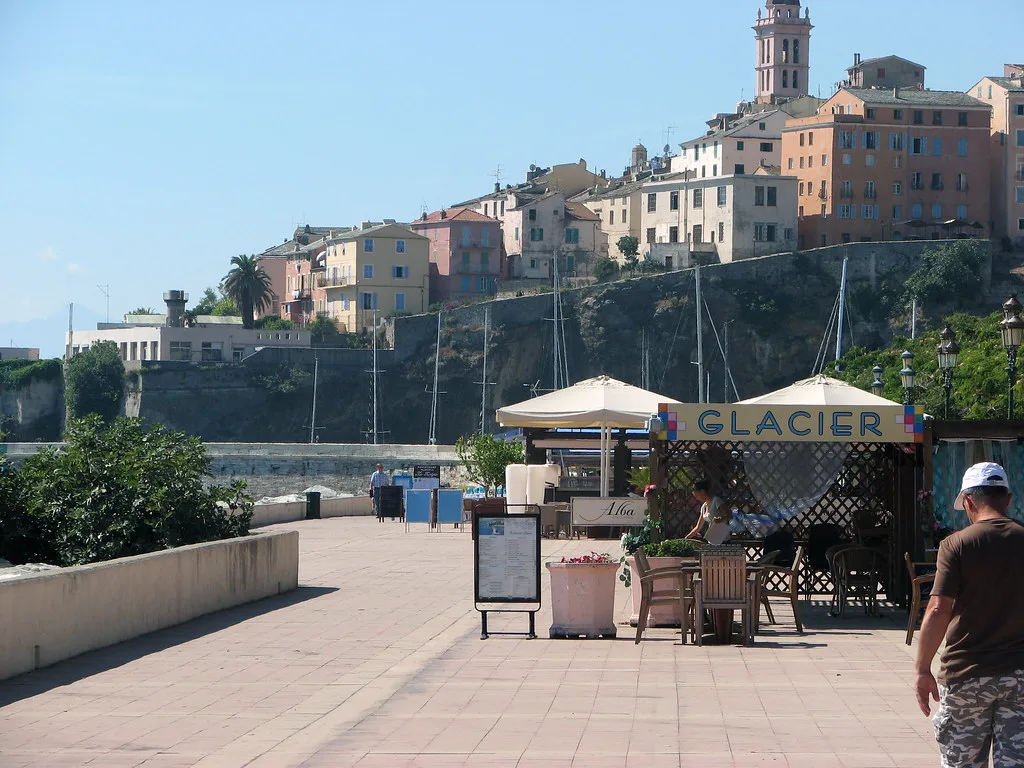
Bastia has a number of artisan ice-cream makers offering quality ice creams and sorbets, and the tourist office suggests a gourmet break around four in the afternoon. It is a sensible way to split a shopping day without stopping properly.
Use it as a marker rather than a destination. When the afternoon lag sets in, find the nearest one and sit down for twenty minutes before finishing the last stretch of streets.
Crafts and designers: what the tourist office lists
The tourist office groups shopping on its site alongside crafts and designers, and separates out souvenirs as its own category. That structure is a useful hint: if you want workshop-made goods rather than general souvenirs, start from the tourist office listings rather than walking at random.
The office sits at Place Saint-Nicolas, which puts it on the same walk as the market and the main browsing streets. It is a practical first stop if you want current listings rather than a guess.
Practical timing: market mornings and quiet streets
Build the day around the market. Saturday and Sunday mornings on Place Saint-Nicolas are the busiest and most worthwhile slot, and the streets either side of the square fill up around them.
Weekdays are for the streets, not the stalls. The traditional market and flea market run at the weekend, so a midweek visit leaves you with rue Napoléon, boulevard Paoli and the old town lanes, which are quieter and better for unhurried browsing.
Individual shop opening hours vary, so check the door or the shop's own listing on the day rather than assuming a pattern.
If you want a mall: La Galerie Rocade Furiani
La Galerie - La Rocade Furiani is the out-of-town option, a shopping centre near Bastia reached via the T11 towards Furiani, about fifteen minutes by car from the city. That makes it a car-based trip rather than part of a walking day.
It houses around 42 shops and restaurants, including an Auchan hypermarket open six days out of seven, three restaurants, a car park and free wifi. If you need household goods or a supermarket shop rather than a browse, it does that job in one stop.
The trade-off is honest: this is a retail park, not a Corsican street scene. On a short break, spend the time in the old town instead unless you specifically need the hypermarket. Our shopping in Lyon and shopping in Cannes guides show what a more conventional city shopping quarter looks like for comparison.
Fitting shopping around the sights
Shopping slots neatly around the sights because everything sits close together. The tourist office puts the Saint-Jean-Baptiste church, the largest in Corsica, on the same walk as rue Napoléon and Place Saint-Nicolas, so you can see it between browsing stops without a detour.
The Romieu Garden is the other natural pause, and the Citadelle the other half of the old-town loop. Build the day as Citadelle, Romieu Garden, rue Napoléon, boulevard Paoli, Place Saint-Nicolas, and the shopping happens without being the whole point.
If you are still deciding whether Bastia earns a weekend at all, our honest answer on whether Bastia is worth visiting covers what the city does well on a short break.
A half-day shopping route on foot
Start at the Old Port for coffee and Canistrelli, then walk up through the Citadelle lanes and pause at the Romieu Garden. From there, take rue Napoléon down towards the port, then follow boulevard Paoli and rue Campinchi to Place Saint-Nicolas.
Time it for a Saturday or Sunday so the market is running when you arrive at the square, and finish at Place du Marché for a late lunch. The whole loop is walkable in half a day at a browsing pace.
The trade-off is depth: this route gives you the shape of the city's shopping rather than every shop. On a two-day break that is the right call, and it leaves the rest of the day for the port and the old town.
Plan Your Visit
Bastia suits a browsing weekend rather than a serious shopping trip. The compact streets, the Saturday and Sunday market on Place Saint-Nicolas and the food buys do more for a short break than any single shop.
Base your day on market mornings, walk rue Napoléon and boulevard Paoli in the same loop as the Citadelle and the Old Port, and keep Sunday free for the flea market. The mall at Furiani is there if you need it, but it is a car trip rather than a city experience.
Explore more Bastia guides
Frequently Asked Questions
Where are the main shopping streets in Bastia?
Rue Napoléon is the street to walk first: it mixes old shops with newer concept stores and runs between the old town and the port. Boulevard Paoli and rue Campinchi continue the browse and lead you into Place Saint-Nicolas, where the weekend market sets up.
Is there a market in Bastia at the weekend?
Yes. Place Saint-Nicolas hosts the traditional market on both Saturday and Sunday, selling local produce. On Sundays a flea market sets up alongside it on the same square. Arrive in the morning, when the market is at its best and the square is the natural end point of a walk along boulevard Paoli.
What local products should I buy in Bastia?
Food is the most portable buy. Canistrelli, the Corsican biscuit, is traditionally nibbled dipped in coffee on an Old Port terrace, and the Place Saint-Nicolas market is the place to pick up a wider range of Corsican produce at the weekend. Bastia also has a number of artisan ice-cream makers if you want a break mid-browse.
Is there a shopping centre near Bastia?
La Galerie - La Rocade Furiani sits just outside the city, reached via the T11 towards Furiani about fifteen minutes by car. It holds around 42 shops and restaurants, including an Auchan hypermarket open six days out of seven, plus three restaurants, a car park and free wifi. It is a retail park rather than a street scene, so it only makes sense if you need the hypermarket.
Is Bastia good for shopping on a weekend break?
It is good for browsing rather than serious retail. The old town, rue Napoléon and the boulevard Paoli run are compact and walkable in half a day, and the Saturday and Sunday market on Place Saint-Nicolas gives the weekend a natural focus. If you want large stores and chains, the out-of-town centre at Furiani is the answer instead.
What can I buy in Bastia old town?
The old town's lanes, known as Terra Vecchia, are where rue Napoléon mixes established shopfronts with newer concept stores, so the appeal is browsing rather than a fixed list. Around Place du Marché the emphasis shifts to bistro-restaurants, which makes a good lunch stop in the middle of a shopping wander.
Sources
Notes for French city breaks
Optional updates to our guides.
You might also like
Continue reading
More guides you'll find useful