Things to Do in Bastia: Old Port & Citadel Guide
Plan a weekend in Bastia with the Citadel, Old Port, Place Saint-Nicolas and the Musée de Bastia, plus a guided walk and how many days it needs.
On this page
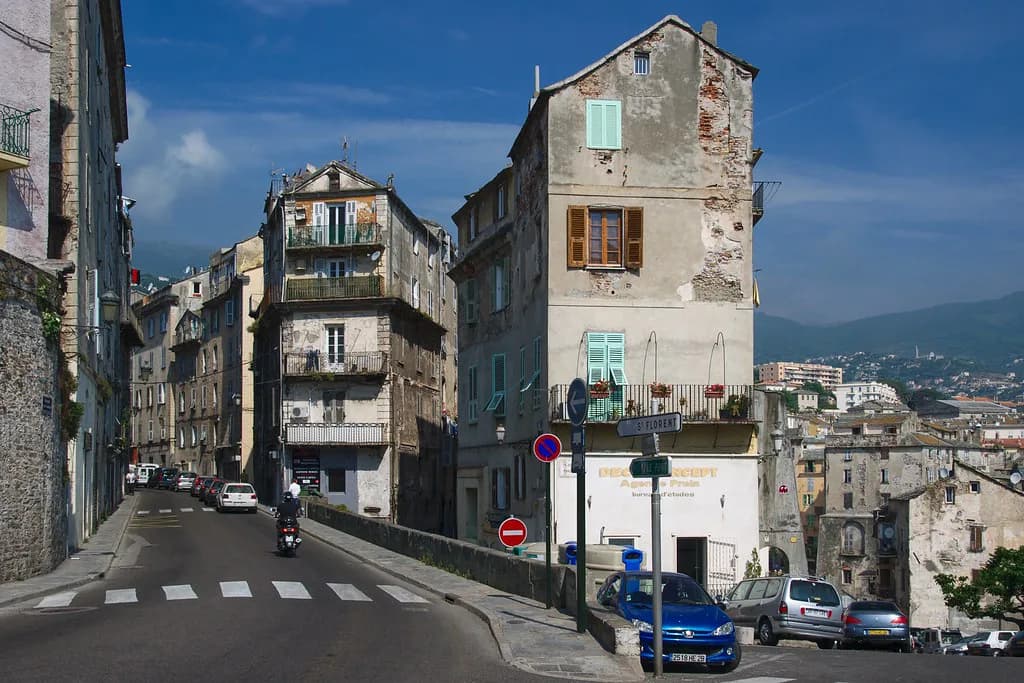
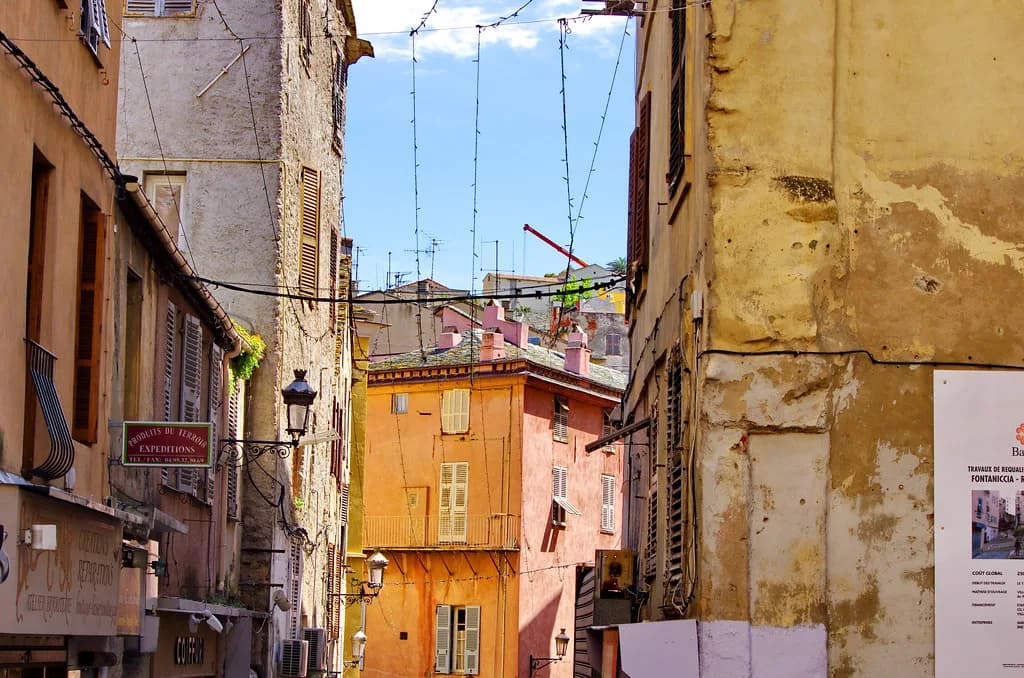
Bastia suits a short break because the pieces sit close together: Place Saint-Nicolas for the terrace, Rue Napoléon for the shops, the Old Port below the Citadel, and Place du Marché for food, all within a walk of each other. The city is smaller and less polished than Ajaccio or Nice, which is the point — you can cover the historic core in a day without rushing.
Two days is the right shape: one for the Citadel and the old streets, one for the waterfront and a half-day out at the Étang de Biguglia. Add a third day only if you want to slow down, take a boat trip from the Old Port or use Bastia as a base for Cap Corse.
How Bastia is laid out, and how the pieces fit together on foot
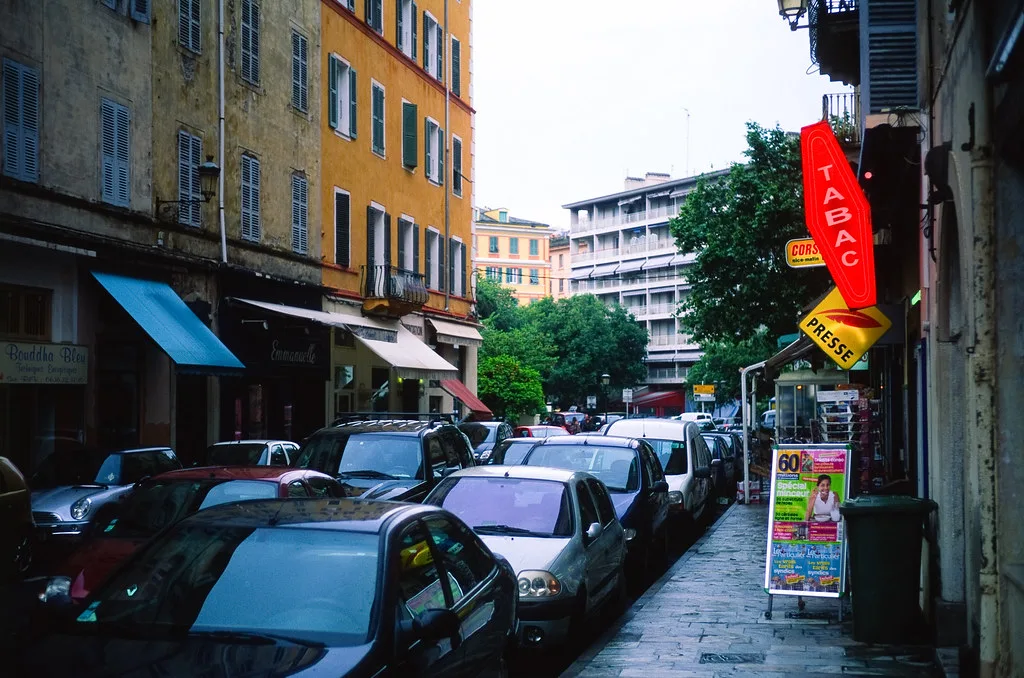
Bastia runs roughly north to south along the coast. Place Saint-Nicolas is the long, plane-lined square at the centre, with Rue Napoléon running off it as a fully pedestrian shopping street since 2013, home to the Oratories of Sainte-Croix and the Immaculate Conception. South of the square, the Old Port sits at the foot of the Citadel, and the two are connected by the Mantinum lift below the Governors' Palace or by the Romieu Garden staircase.
Plan the walking in one direction: start at Place Saint-Nicolas, drop down to the Old Port, climb or ride up to the Citadel, then come back along the water. The Citadel is genuinely hilly, so the lift is not cheating — it saves your legs for the lanes at the top, where the Governors' Palace, Sainte-Marie Cathedral, Donjon Square and the oratories are all reachable on foot.
Start on Place Saint-Nicolas and Rue Napoléon
Place Saint-Nicolas is the natural first stop: a terrace for lunch or an aperitif, family rides in season, and a base for events through the year. Cross into Rue Napoléon for the two oratories and a run of designer workshops, souvenir shops, local produce, ice-cream parlours and restaurants in a few hundred metres.
At weekends the square hosts a flea market, and there is a farmers' market selling fritters, cheese, cured meats, jam and honey that makes an easy family lunch. Confirm the day before you build a morning around it, since the schedule is published locally rather than fixed in advance here — the markets guide covers what runs and when.
Walk the Old Port and look up at the Citadel
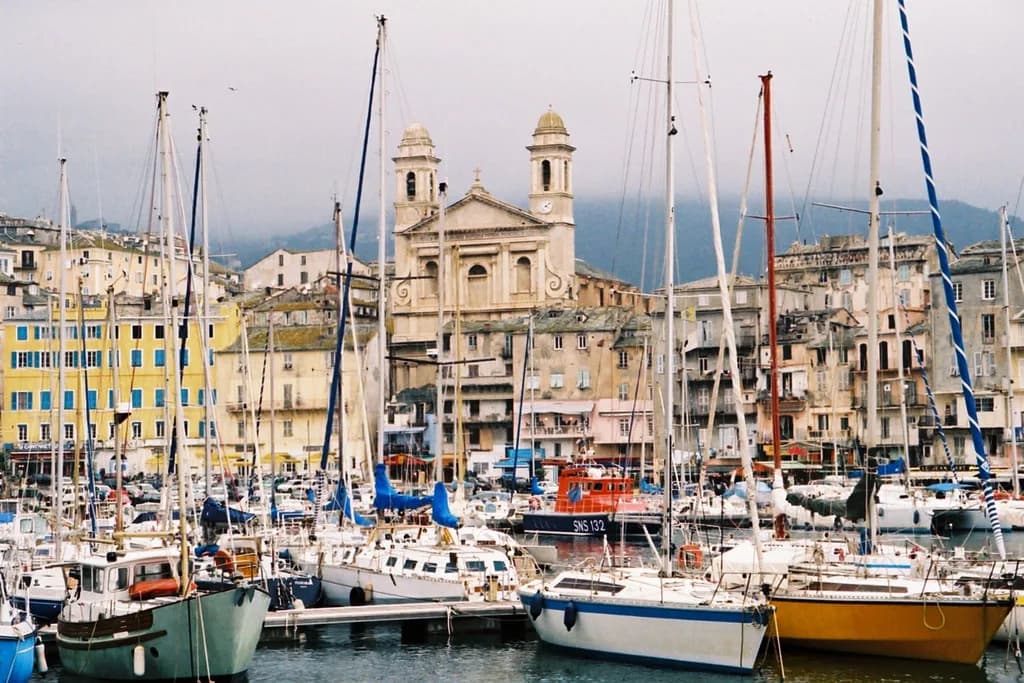
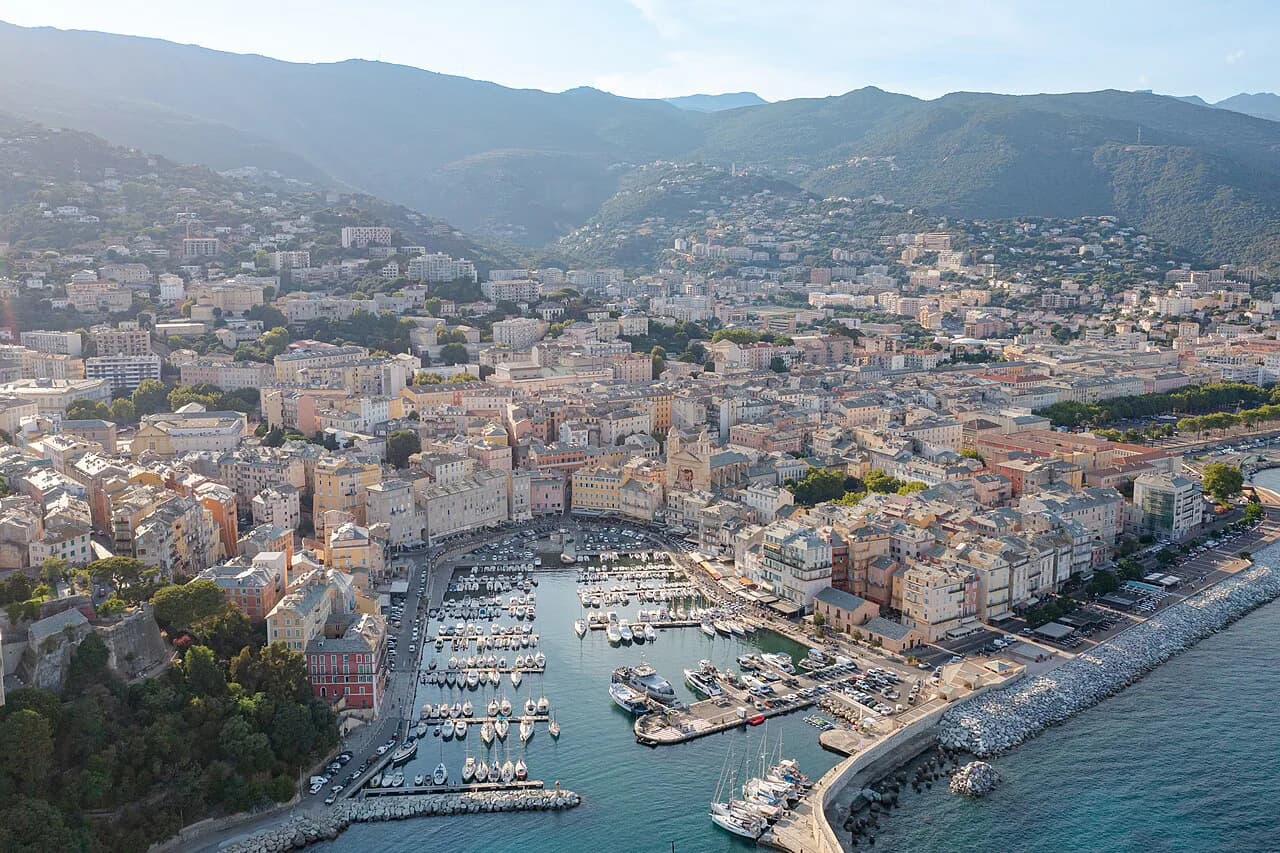
The Old Port keeps its colourful old buildings and a Tuscan feel, and it is one of the liveliest corners of the city alongside the Citadel. Boat trips leave from here for the Cap Corse coast and the marine park, which is the best use of a spare half-day if the weather holds.
From the quay, look up rather than ahead: the Citadel and the Governors' Palace sit directly above, and the terraces and staircases between the two levels are where Bastia's layers show. Allow twenty minutes to walk from the far end of the port to the Mantinum lift, more if you stop for photographs.
The Citadel: Governors' Palace, Sainte-Marie Cathedral and the oratories
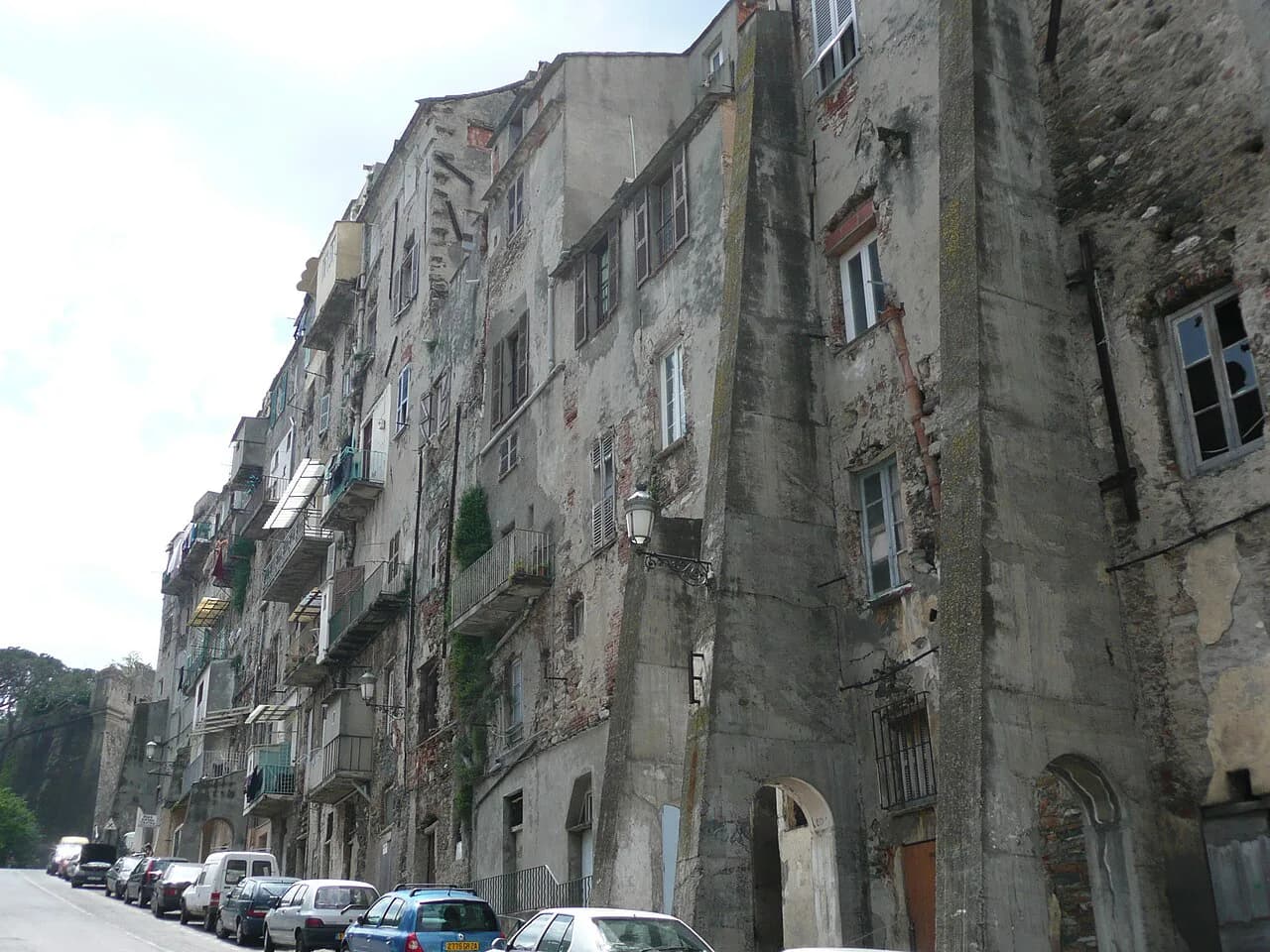
The Citadel was restored and now holds the core of the city's heritage in a compact area: the Governors' Palace, the Louis XVI Gate, Donjon Square, Sainte-Marie Cathedral and the Sainte-Croix Oratory. The palace was the seat of Genoese power from the sixteenth century until Corsica passed to France in 1768, and it now houses the city museum and stages exhibitions through the year.
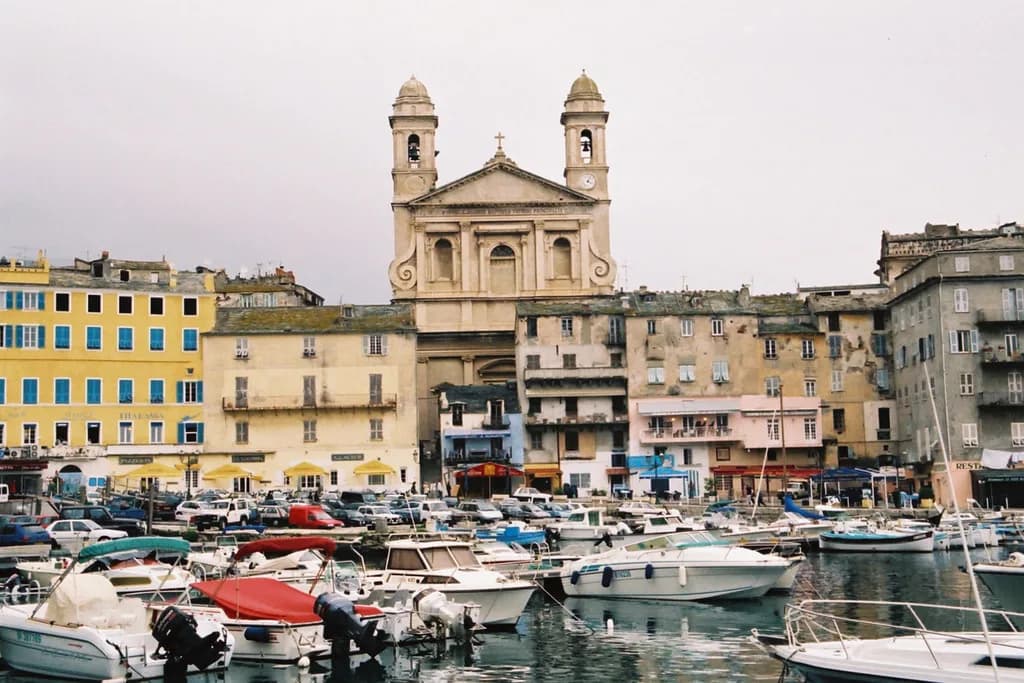
Sainte-Marie Cathedral was built between 1604 and 1619 and holds a silver statue of the Virgin carried through the streets on 15 August. The Église Saint-Jean-Baptiste dates from 1636 and has a nineteenth-century silver tabernacle on the high altar made by an Italian silversmith; its feast is marked on 23 June with a bonfire.
Treat the Citadel as a two-hour block rather than a quick look, and go early if you want the lanes to yourself before the tour groups arrive. For a fuller walk through the streets below, the old town guide picks out the lanes and viewpoints worth the detour.
The Musée de Bastia and its hanging gardens
Inside the Governors' Palace, the Musée de Bastia tells the city's story from the Genoese period onwards, and the hanging gardens behind it give you the best framing for a photograph with the harbour below. It is the single museum to prioritise if you only have time for one.
The gardens are also a practical rest stop between the Citadel and the Old Port — shaded, free to walk through, and on the way down via the Romieu Garden staircase. Combine the two rather than making separate trips up the hill.
Seaside walks: Aldilonda and U Spassimare
Aldilonda is the footbridge walk over the waves beneath the Citadel ramparts, starting from the Old Port, and it makes a short, dramatic loop at either end of the day. U Spassimare runs from the Toga marina to Arinella beach, with deck chairs and benches along the way and a children's play area at the beach end.
Keep the seaside walk for late afternoon, when the light is soft and the heat has gone out of the day; neither promenade has much shade. The walk out to Arinella is the longer of the two, so pick it only if you have energy left after the Citadel.
Eating around Place du Marché
Place du Marché, near the Old Port and lined with plane trees, is the best single spot to sample Corsican produce: fritters, cheese, cured meats, jam and honey. It works as a lunch stop between the port and the Citadel rather than a destination in itself.
For a sit-down meal, the best restaurants cluster between the Old Port and the Citadel, where you trade a view for slightly higher prices than the back streets. Book ahead on Friday and Saturday evenings, when the combination of the port and the concert crowd fills the terraces.
Guided options: Les Légendines and the little tourist train
Les Légendines is a 2h30 guided walk from Place Saint-Nicolas to the Citadel, ending with a private Corsican polyphonic concert in one of the city's oratories and a tasting of local products. It runs every Tuesday and costs €20 per person, free for children under 12; tickets come from the Bastia Tourist Office on Place Saint-Nicolas.
The Petit Train Touristique covers the typical quarters and squares in 50 minutes and runs from April to October, at €8 for adults and €3.50 for children, with group tickets at €7. It is the low-effort option for tired legs or a first overview, and tickets are also sold at the tourist office.
Both are fixed points worth booking around: put the Tuesday walk at the centre of your trip if you can, and use the train on arrival day to get your bearings.
A short evening of Corsican polyphony at Bastia in Cantu
Bastia in Cantu is an hour of Corsican polyphonic singing in the Église Saint-Jean-Baptiste, running on Fridays from June to September at €15 per person, free for children under 12. It is the easiest way to hear the island's vocal tradition without hunting for a village festival.
Tickets are sold at the tourist office on Place Saint-Nicolas, so buy them early in your stay rather than turning up at the church door. Pair the concert with dinner near the Old Port, which is a ten-minute walk away.
Half a day south: the Étang de Biguglia
The Étang de Biguglia is a nature reserve about ten minutes' drive from Bastia and one of Corsica's best-known bodies of water, with around 250 bird species recorded. Two signposted walks work well: a loop from the Fortin eco-museum through Fornaccina park, and a path from the central La Marana beach leading to a shelter for discreet birdwatching.
Spring is the strongest season here, when migrating eastern species pass through, but the reserve is a good half-day at any time and works with children who need space to run. Go in the morning and keep the afternoon free for the Citadel.
How many days Bastia needs, and how to pace a two-day trip
Give Bastia two full days. Day one: Place Saint-Nicolas, Rue Napoléon, the Old Port, the Mantinum lift and the Citadel with the Musée de Bastia, finishing with dinner at Place du Marché. Day two: the seaside walk, a boat trip or the Étang de Biguglia, then the concert or the guided walk in the evening depending on the day.
A third day only makes sense if you want to slow down, add a longer coastal excursion or spend time on the water. Bastia rewards a leisurely pace more than a packed checklist, and the compact centre means you can return to a favourite square twice without wasting time.
What to do if it rains
Rain is uncommon in Corsica, but when it comes, the practical options are a family cinema session, workshops at the Una Volta cultural centre outside the summer period, or the Casa di e Scenze science centre. All three are indoor, child-friendly and close to the centre.
The Musée de Bastia and the two oratories on Rue Napoléon also fill a wet morning without much walking between them. Save the seaside promenades for a drier slot rather than braving them in a downpour.
When to go: a quick read of the seasons
Spring and early autumn are the comfortable windows: the tourist office describes spring days stretching out, and autumn as a time to explore heritage and mountain walks. Summer brings the relaxed Bastia way of life but also the concert season and the busiest port, while winter is quieter and still sunlit by day.
Time your trip around the fixed events if polyphony or guided walks matter to you: the Friday concerts run June to September, the Tuesday walk runs year-round, and the little train operates April to October. Outside those windows the city still works, but you lose the easy evening entertainment.
Where Bastia fits alongside the rest of Corsica
Bastia is the natural first or last stop on a Corsican trip because the airport and ferry port are both here, and the Old Port puts Cap Corse within a short drive. One sentence on the cape is enough: it is a day out, not a reason to shorten your time in the city.
If you are weighing up whether the city justifies a stop at all, the honest answer is that it does for two days and not much more, which is why it pairs well with a second base elsewhere on the island. If you are comparing Corsican stops, it is worth reading up on the things to do in Ajaccio before deciding which city gets your longer stay.
Plan Your Visit
Bastia rewards a compact plan: one day in the Citadel and old streets, one on the water, and one fixed evening event to anchor the trip. Buy tour tickets at the tourist office on Place Saint-Nicolas early, use the Mantinum lift without guilt, and keep the seaside walk for the end of the day.
The city works best as a two-day stop that you build around the Tuesday walk or the Friday concert rather than a checklist you race through. Confirm any market day or seasonal schedule with the tourist office before you commit a morning to it.
Explore more Bastia guides
Frequently Asked Questions
What are the must-see things in Bastia?
The Citadel with the Governors' Palace and the Musée de Bastia, Sainte-Marie Cathedral, the Old Port beneath the ramparts and Place Saint-Nicolas. Add the Aldilonda footbridge and Place du Marché for the two halves of a good day out.
How many days do you need in Bastia?
Two full days covers the Citadel, the old streets, the waterfront and one half-day out at the Étang de Biguglia. A third day only helps if you want a boat trip, a slower pace or time on the coast.
Is Bastia worth visiting for a weekend?
Yes, if you want a compact, working Corsican city rather than a resort. The historic core is walkable, the food is good around Place du Marché, and the fixed guided walk and concert give the weekend a shape.
What can you do in Bastia when it rains?
Head for the Musée de Bastia, the oratories on Rue Napoléon, the Una Volta cultural centre outside summer, the Casa di e Scenze science centre or a family cinema session. Keep the seaside promenades for a dry spell.
Is Bastia walkable?
The centre is walkable, with Place Saint-Nicolas, Rue Napoléon, the Old Port and the Citadel within a couple of kilometres. The climb to the Citadel is steep, and the Mantinum lift or the Romieu Garden staircase shortens it.
What is there to do in Bastia with children?
The little tourist train, the flea market and farmers' market on Place Saint-Nicolas, the play area at Arinella beach and the birdwatching paths at the Étang de Biguglia. The science centre and cinema cover wet days.
Sources
Notes for French city breaks
Optional updates to our guides.
You might also like
Continue reading
More guides you'll find useful