Blois Old Town: A Walking Guide to the Historic Streets
Plan a walk through Blois old town: the château on its promontory, cobbled lanes, hidden passages, Saint-Louis Cathedral and where to pause.
On this page
Blois old town is worth a morning of your weekend, and the walk is short enough to pair with the château. The city sits in the heart of the Loire Valley, and its old town, lively centre and handsome buildings are best taken on foot, with the Royal Château of Blois as the anchor of the circuit. You can cover the lanes and squares below the château in a few hours, leaving the afternoon free for the palace itself or a longer look at the river.
Blois Old Town in a Nutshell
Blois is a City of Art and History, and its old town is the part to prioritise on a short break. The historic streets, cobbled squares and small passages sit directly below a château that once housed kings and queens, so the whole quarter reads as one continuous piece of royal history rather than a scatter of separate sights. That compactness is the appeal: you are never far from the next stop.
The old town's two registers are worth separating in your mind before you set off. Above you is the monumental, royal Blois of the château and its promontory; below is the small-scale town of cobblestones, hidden passages and parish churches. Walking both in one circuit gives you the full picture, and it is the reason the old town deserves more than a quick photo stop.
How the Old Town Is Laid Out
The Royal Château of Blois stands on a rocky promontory overlooking the city and the Loire, so the old town falls away beneath it. Use the château and the Place du Château as your orientation point, then work downhill through the lanes and squares toward the river. The geography is simple: high ground for the palace, low ground for the streets, and the Loire as the far edge of the picture.
Blois was at its height as a royal town in the 16th century, and much of the architecture in the centre reflects that period, with some buildings going back to the 12th century. Knowing that helps you read the streets: the facades you pass are not decorative backdrops but the surviving fabric of a court city.
A Suggested Walking Route Through the Old Town
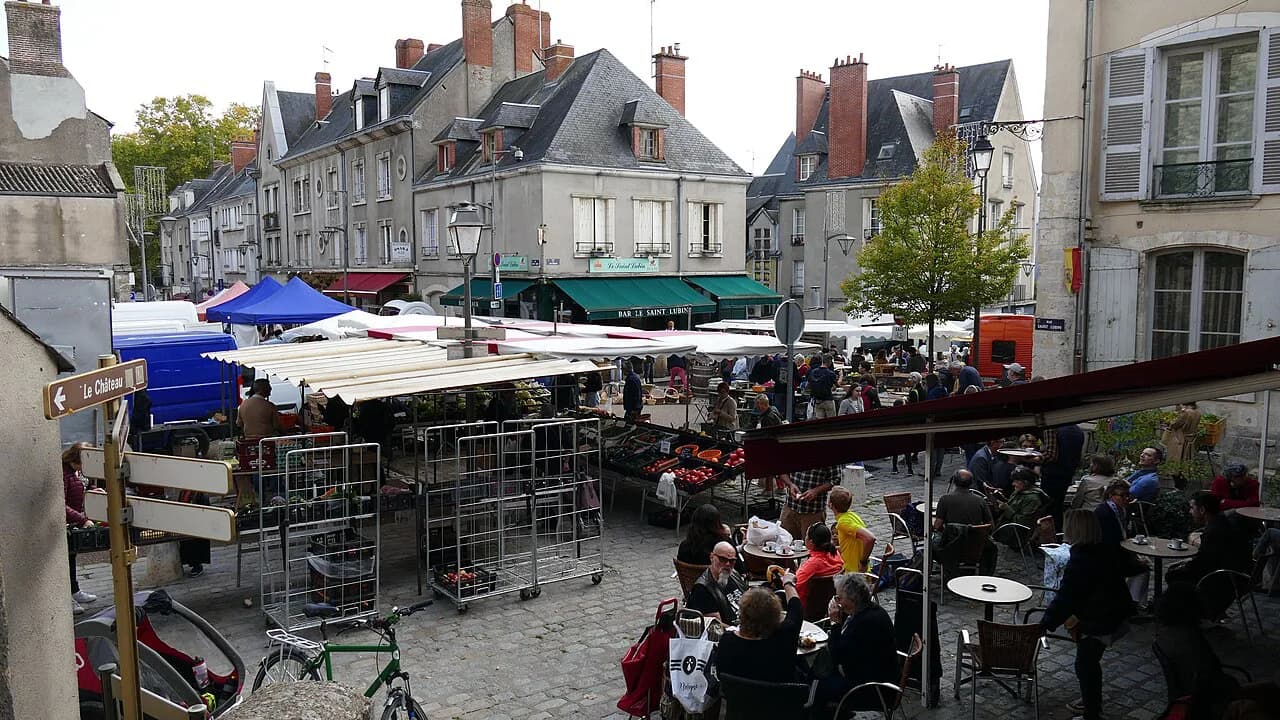
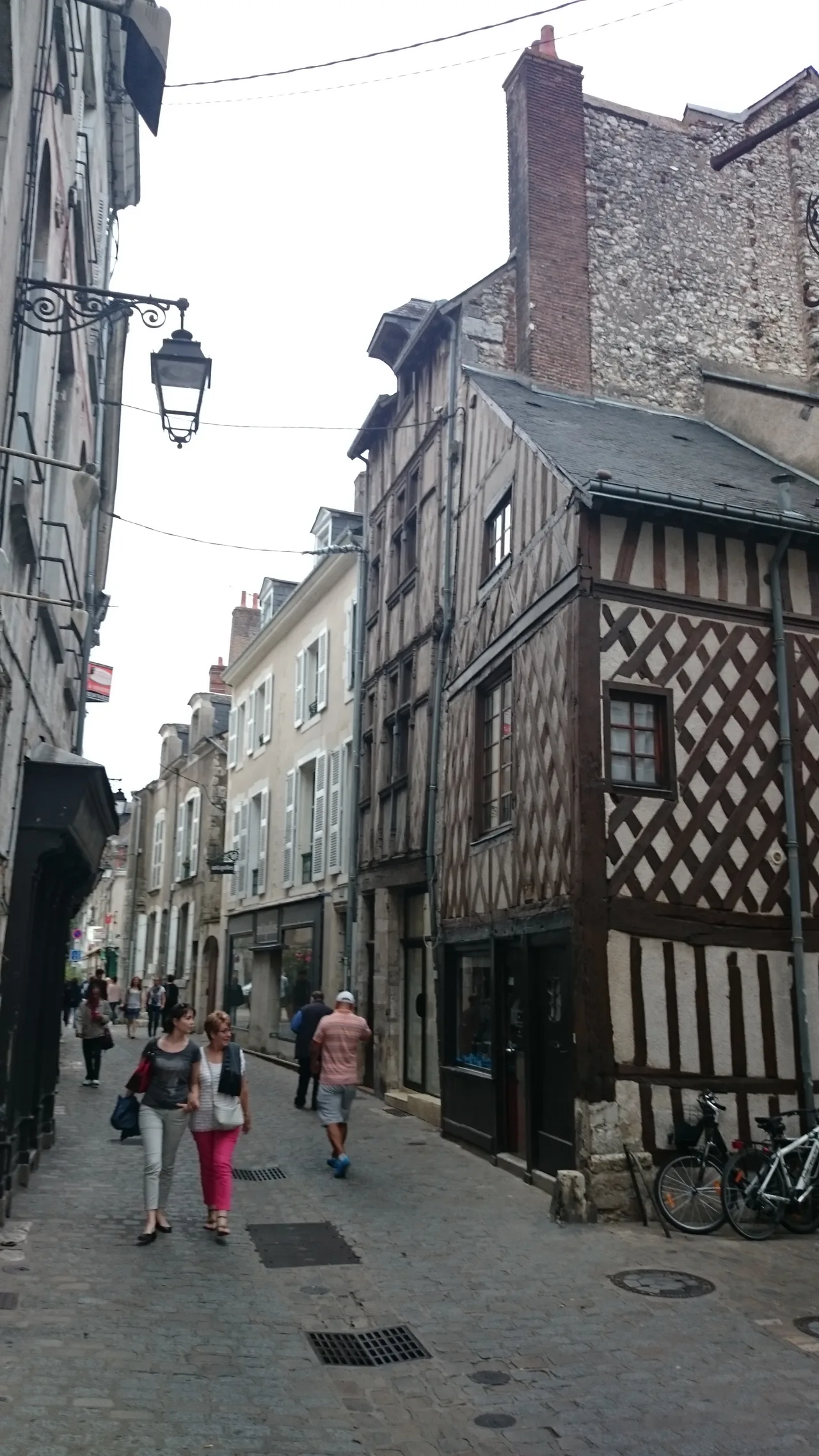
Start at the Place du Château, where the palace forecourt gives you the clearest view of the building before you descend into the streets. From there, follow the little lively streets of the old town, looking out for hidden passages and cobblestone squares as you go. The route is deliberately loose: the pleasure of Blois is in the wandering, not in ticking off a fixed sequence.
Work the churches and the art centre into the same loop rather than treating them as separate outings. Saint-Louis Cathedral and Saint-Nicolas Church sit within the historic quarter, and the Foundation of Doubt is close enough to fold into the same walk. Finish back at the château or on the riverbank, where the cathedral and bridge make a natural closing view.
The Royal Château of Blois
The château is the reason most people come, and it rewards a proper look. Each of its four facades has a distinct style, which makes the building a panorama of French architecture and of the Loire châteaux story in one place. Give the exterior a few minutes before you go in, because the four-sided contrast is the point.
The château was home to no fewer than seven kings and ten queens, including Louis XII and Francis I. Louis XII added a wing to the building, while Francis I enhanced the royal court with a stunning staircase. Those two interventions explain much of what you see on the facades, and they make the palace a useful primer if you plan to visit Chambord or Cheverny later in the trip.
Place du Château and the House of Magic
The Place du Château is both the forecourt of the palace and a square in its own right, and it is the obvious place to pause before the walk proper. On the square you will find the House of Magic, which introduces the art of illusion through exhibitions and shows. It is a good family stop and a counterweight to the royal history elsewhere in the quarter.
Treat the square as a hinge rather than a destination. Arrive early to see the château facades without a crowd in front of them, then use the Place du Château as the point you return to when you need to reorient yourself after the lanes.
Cobbled Lanes, Hidden Passages and Squares
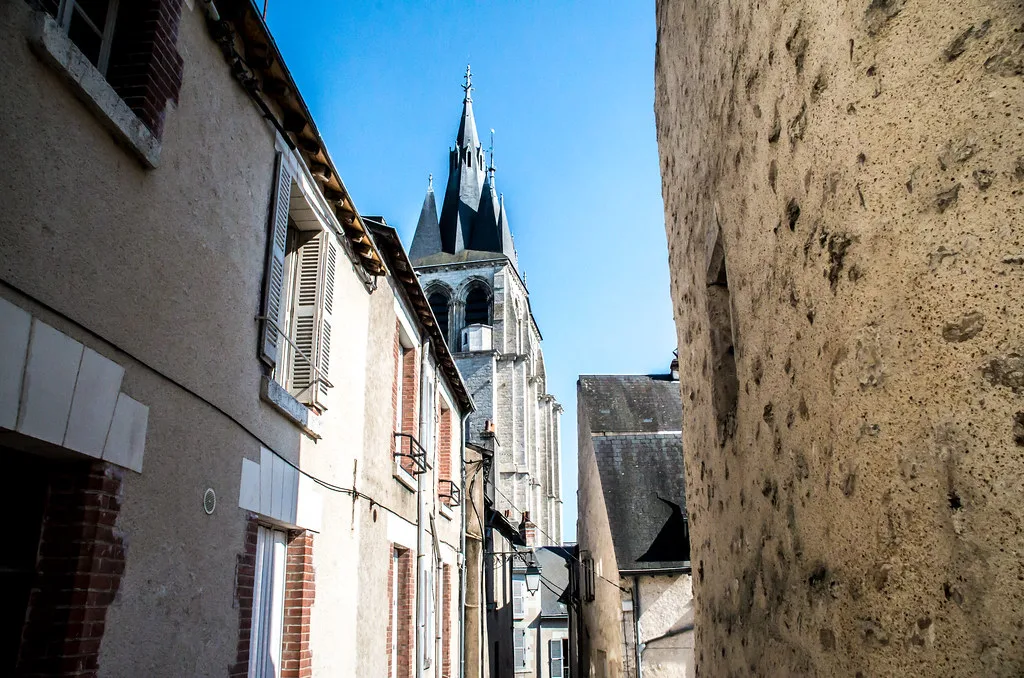
The real texture of Blois old town is in its small streets. Wander the little lively streets of the old town, discovering hidden passages and cobblestone squares, and let the route bend as it wants to. This is the part of the visit that cannot be scheduled, and it is why a loose circuit beats a strict itinerary.
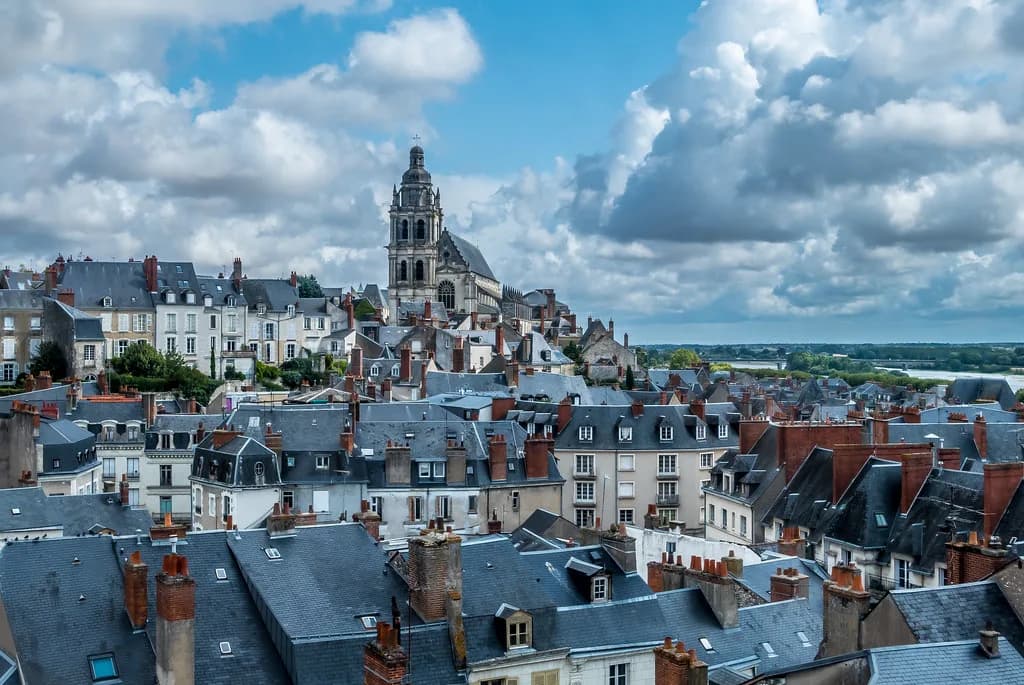
The lanes also carry the city's past in their fabric, from 16th-century royal prosperity to buildings that predate it by centuries. Look up as much as ahead: the upper storeys and rooflines tell you more about the age of the quarter than the shopfronts at street level.
Saint-Louis Cathedral
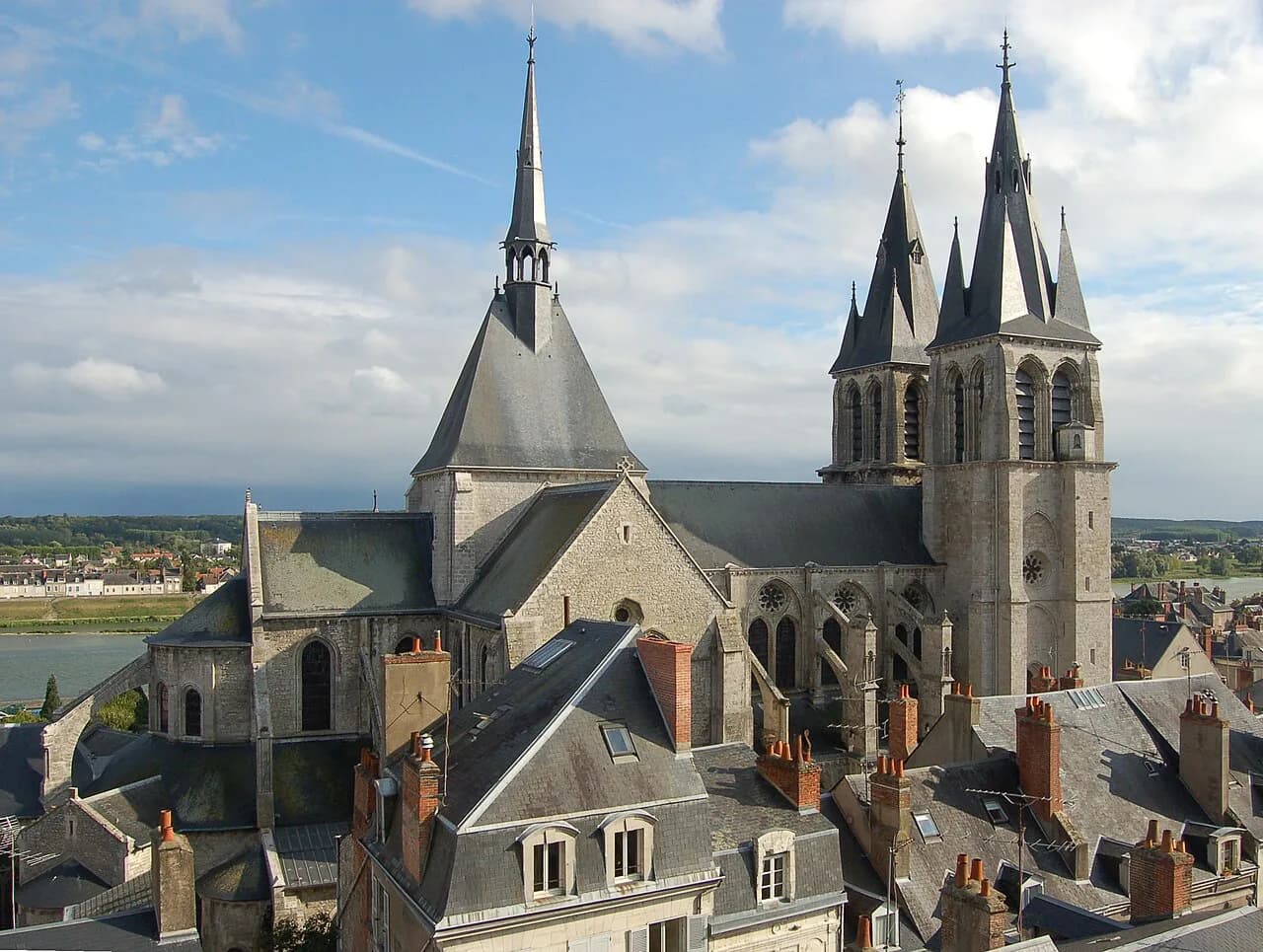
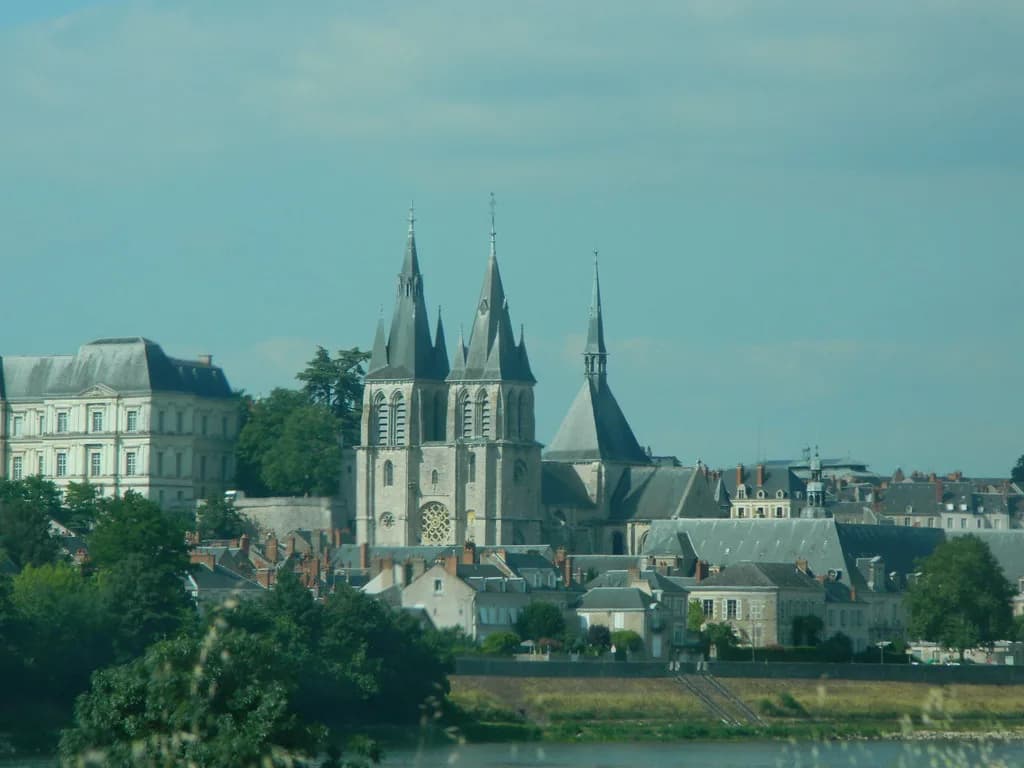
Saint-Louis Cathedral is a Gothic building with a tall, Renaissance-style tower, and the combination is worth a detour even on a short walk. The tower gives the old town one of its unmistakable vertical markers, visible from the riverbank and from the bridge. Step inside if it is open, and otherwise take the exterior in from the square.
Saint-Nicolas Church
Saint-Nicolas Church blends Roman and Gothic styles in a single building, which makes it a quieter but more instructive stop than the cathedral. If you are interested in how buildings were altered over centuries rather than replaced, this is the one to linger in. It sits naturally within the same walk through the historic quarter, so there is no reason to skip it.
The Foundation of Doubt
The Foundation of Doubt is the stop that stands apart from the rest of the old town: a unique, atypical and non-conformist creative site that will leave a strong impression. It shows art in all its forms, moving from surprise to self-reflection, with laughter and porcelain placed alongside stirring sounds and expressive silences. It is the contemporary counterpoint to the château's royal history.
For eight years the museum focused on the artist Ben, the Fluxus movement and related works, welcoming over 300 artists along with many concerts and temporary exhibitions. After reopening on 2 July 2022 it presented new works, a new exhibition design and a new café and gift shop, Le Fluxus. Knowing that history helps you read what is on show now.
Pausing Along the Way
Build pauses into the walk rather than saving them for the end. The squares of the old town are the natural places to stop, and the reopened Foundation of Doubt has its Le Fluxus café and gift shop if you want a break inside a cultural stop. Café terraces on the squares are pleasant but not the point of the visit; use them to rest your feet between the château and the churches.
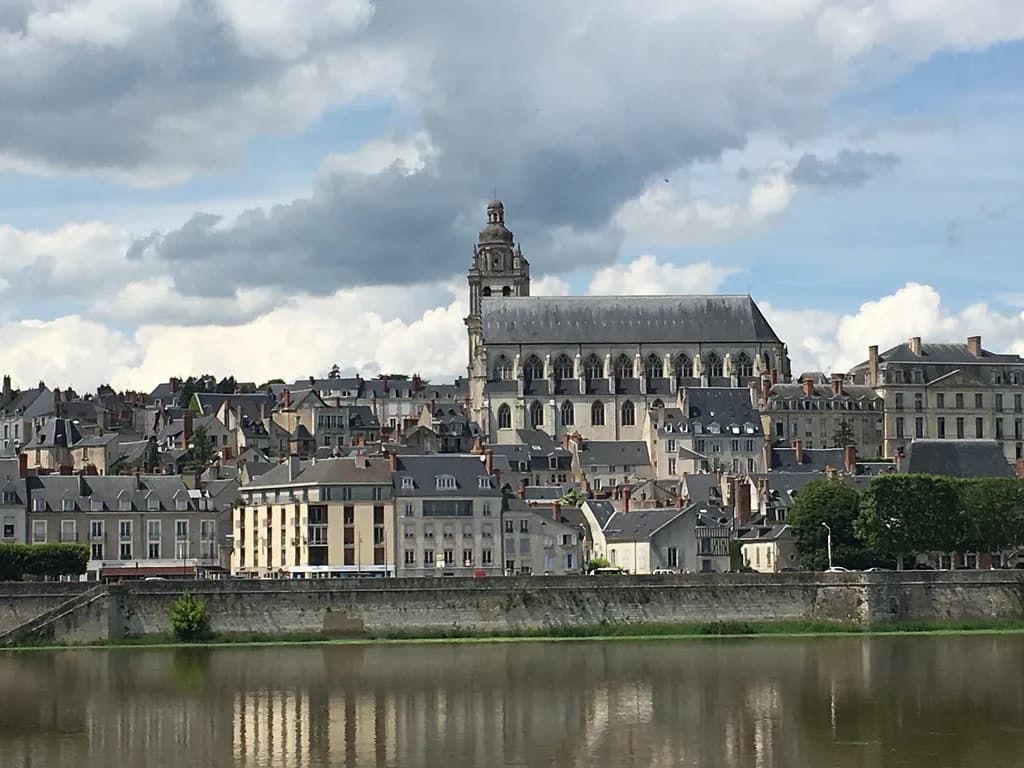
For the river view, head to the banks where the cathedral and bridge line up together. That is the photograph most visitors want from Blois, and it costs nothing. If you plan a proper meal afterwards, the best restaurants in Blois are worth booking ahead rather than improvising on a busy evening.
How Long the Old Town Needs
Give the old town alone a half-day, and treat the château as a separate block of time. The lanes, squares, two churches and the Foundation of Doubt can be walked in one circuit without rushing, but adding the château interior on top of that turns the day into a full one. If you only have an afternoon, choose the château plus the Place du Château and one church.
The combination that works best for a weekend is the old town in the morning and the château in the afternoon, or the reverse. Keep the walking circuit compact and resist the urge to add the big Loire châteaux to the same day, since Chambord and Cheverny are separate visits rather than an extension of the town.
Getting Around on Foot, and the Carriage Option
Blois old town is made for walking, and that is how most of it should be seen. The lanes and passages are short and the whole quarter is compact, so a pair of comfortable shoes covers everything in the circuit. The gradient between the château promontory and the riverside streets is the one thing to plan for.
If you would rather not walk the whole circuit, a horse-drawn carriage is an option for touring the town, and it is the way to take in Blois at a slower pace. It works best as a companion to walking rather than a replacement, since the carriage cannot take you through the hidden passages and small squares on foot.
Practical Points for the Visit
The old town is free to walk, and the main costs come from the château and the optional attractions such as the House of Magic and the Foundation of Doubt. Check the current opening days and ticket prices with each venue before you travel, because those details change and are not fixed by this guide.
Build your day around a morning start, which gives you the squares and the château forecourt before the busiest part of the day. Weekends bring more visitors to Blois and to the Loire châteaux generally, so an early start is the simplest way to keep the old town feeling like a town rather than a queue.
Where to Go Next in the Loire Valley
Blois makes an easy base for the rest of the Loire Valley, and the tourist board lists Orléans, Tours, Chartres, Bourges and Châteauroux among the cities to add to a longer trip. Within reach of the city you also have Chambord, Cheverny and the troglodyte villages. For the rest of the city beyond the old town, including the markets and shops, the local guides cover what the historic quarter cannot.
Plan Your Visit
Blois old town is a compact, walkable quarter where a royal château, cobbled lanes, two churches and a Fluxus art centre sit within one circuit. Start at the Place du Château, wander the passages and squares below, and leave the château interior for its own slot in the day. With a morning set aside, you will see the old town properly without sacrificing the rest of the city.
If you want to go deeper, the Blois Markets and Shopping in Blois guides cover the practical side of the city centre, while the main things to do guide covers the wider city.
Explore more Blois guides
Frequently Asked Questions
Is Blois old town worth visiting?
Yes. The old town concentrates a royal château on its rocky promontory, cobbled lanes, hidden passages, two historic churches and the Foundation of Doubt into one compact, walkable circuit. It works well as a morning on a weekend break and pairs naturally with the château itself in the afternoon.
How long does it take to walk around Blois old town?
Allow half a day for the old town on its own, covering the Place du Château, the lanes and squares, Saint-Louis Cathedral, Saint-Nicolas Church and the Foundation of Doubt at a relaxed pace. Treat the château interior as a separate block of time rather than trying to combine everything in one afternoon.
What can you see in Blois old town in a day?
A full day comfortably covers the Place du Château, the exterior and interior of the Royal Château of Blois, the cobbled lanes and hidden passages, Saint-Louis Cathedral, Saint-Nicolas Church and the Foundation of Doubt. If time is tight, choose the château, the Place du Château and one church.
What is there to do in Blois old town?
Walk the little lively streets and cobblestone squares, look at the château's four facades and its Renaissance staircase, visit the two churches, and spend time at the Foundation of Doubt, which focuses on Ben, Fluxus and related works and reopened on 2 July 2022 with a café and gift shop, Le Fluxus.
Why is Blois famous?
Blois was a royal town at its height in the 16th century, and its château was home to seven kings and ten queens, including Louis XII and Francis I. The four facades of the Royal Château of Blois each show a distinct architectural style, making the building a summary of the Loire châteaux in one place.
Can you tour Blois old town by horse-drawn carriage?
A horse-drawn carriage is an option for touring the town, and it suits anyone who would rather not walk the full circuit. It works best alongside walking, since the carriage cannot take you through the hidden passages and small cobblestone squares that give the old town its character.
Where should you start a walk through Blois old town?
Start at the Place du Château, which gives you the clearest view of the château facades and a natural orientation point for the quarter. From there, work downhill through the lanes and squares and finish on the riverbank, where the cathedral and bridge make the classic view of Blois.
Sources
Notes for French city breaks
Optional updates to our guides.
You might also like
Continue reading
More guides you'll find useful