Calvi Old Town: Walking the Citadel and Harbour Quarter
Walk Calvi old town from the Quai Landry to the Citadel, with its cobbled lanes, cathedral, oratory and bay views, then on to Notre-Dame-de-la-Serra.
On this page
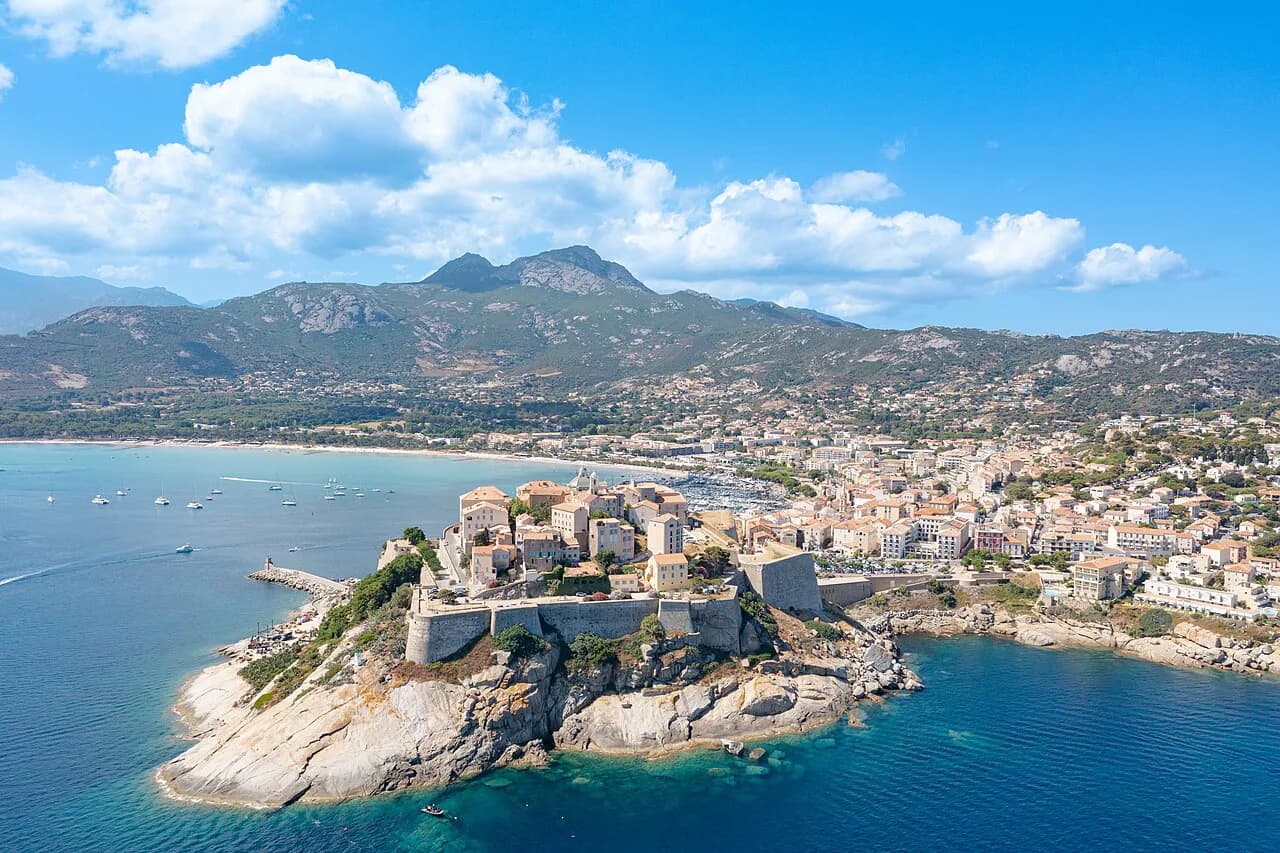
Calvi old town is really two walks joined by one short climb: the harbour front along the Quai Landry at sea level, and the walled Citadel on its rocky promontory above. Both sit within sight of each other in a small, compact town, so you can cover the pair in an afternoon without rushing. What you cannot do is treat the Citadel as a flat extension of the port, because the approach is uphill and exposed to wind.
This guide follows that geography in order: start at the marina, climb to the ramparts, then work through the buildings inside the walls before deciding whether to extend the day. If you are still choosing how to spend your break, the wider list of things to do in Calvi puts this walk alongside the town's other options.
Where to start and how the old town is laid out
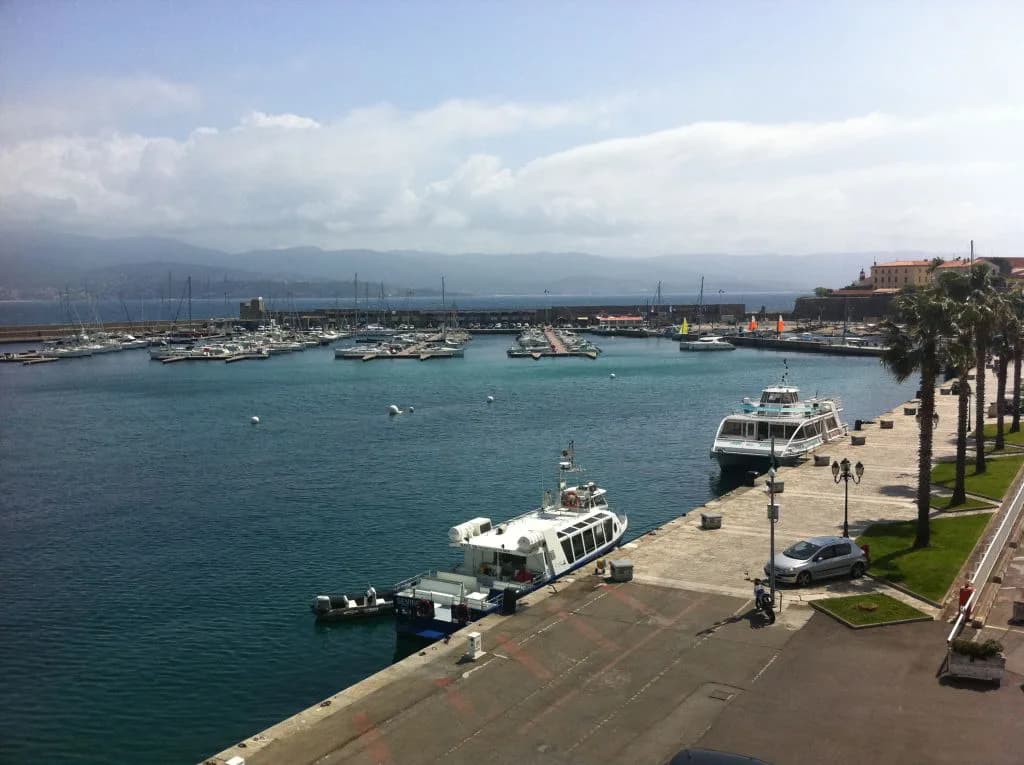
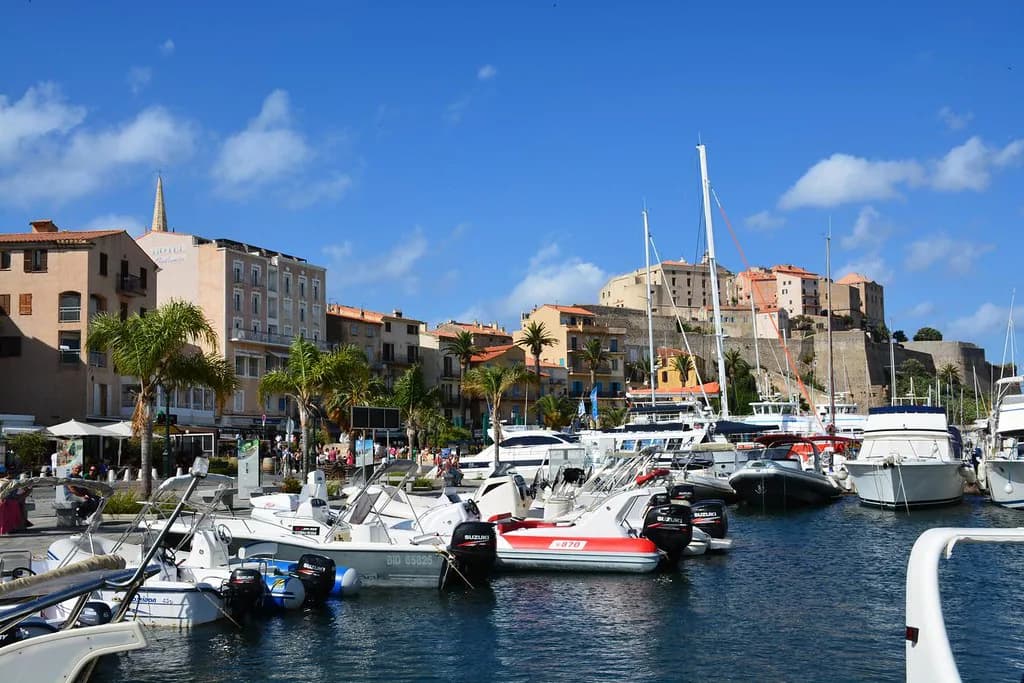
Begin at the Quai Landry, the waterfront path beside the marina, where yachts and fishing boats sit below mountains across the bay. From there the Citadel is visible for most of the town, perched on the hill above the water, so you can use it as a landmark rather than a map pin. The whole lower-town stretch is walkable in a few minutes, which makes it easy to loop back for a second pass later.
If you arrive by air, the airport transfer into town is short: the drive downtown takes about eight minutes. That makes a same-day arrival walk realistic, provided you drop bags first and start with the flat harbour before attempting the climb.
Start at the harbour: the Quai Landry waterfront
The Quai Landry is Calvi at its most relaxed. The path runs alongside the water, lined with bars and restaurants set up for al fresco dining, and the mix of yachts, small fishing boats and the mountain backdrop gives the stroll more texture than a plain promenade. Seats facing the water are the point here, so treat this as a pause rather than a transit route.
Expect the waterfront to lean expensive by Calvi standards, with menus built around cocktails and elaborate ice cream sundaes rather than quick snacks. That is a fair trade for the setting, but it is worth deciding in advance whether you want your main meal here or somewhere quieter inland. Our guide to the best restaurants in Calvi covers the wider choice if you would rather compare before committing.
Walk the marina edge in both directions before you climb. It gives you a sense of the town's scale, which is genuinely small, and lets you pick out the route up to the walls. If you want a market or a shop for picnic supplies, plan that separately around what is actually trading, since the harbour itself is food and drink rather than retail.
Climb to the Citadel: the winding path and the wind
The approach to the Citadel is a cobbled path that winds up and around the promontory, and the gusts are the part people underestimate. The north side in particular can feel strong enough to push you about, so keep hold of hats and loose layers. The climb itself is not long, but it is steady, and the surface rewards proper shoes over smooth soles.
Access to the Citadel is free and it is open all year round, so there is no ticket decision to make at the gate. Guided tours and audio-guided visits are arranged through the town's tourist office rather than sold at the entrance, which is worth knowing if you want context on the Genoese buildings.
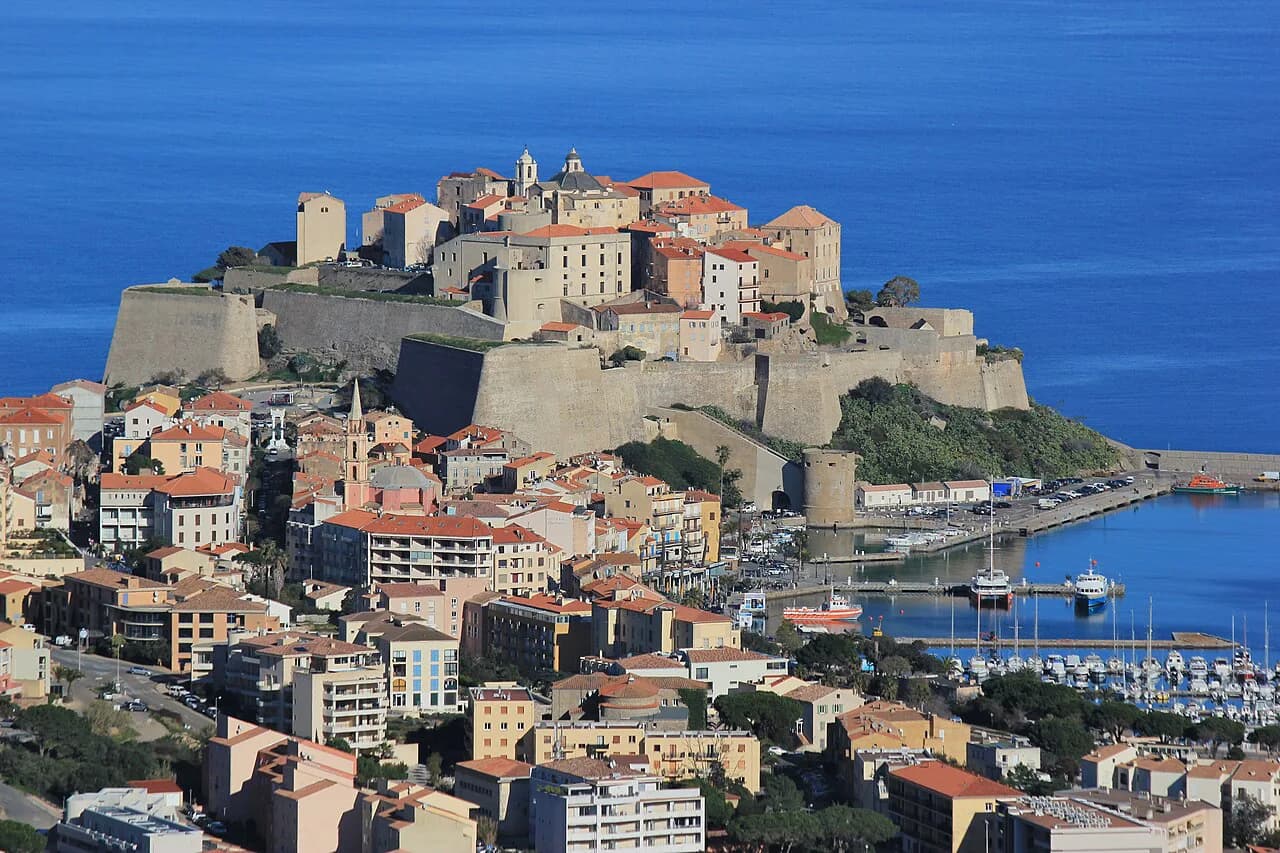
The Citadel is a former Genoese fortress, built during Genoese rule of the island, and it has stood above the town since the 12th century. It is visible from the beaches below, which is why it reads as the town's fixed point from almost anywhere on the waterfront. Once you are through the gateway, the reward is shade, stone and a spider's web of lanes rather than a single headline sight.
Inside the walls: lanes, cathedral and oratory
Inside the ramparts the streets are cobbled and lined with typical Genoese houses, and the layout is intricate enough that paths and levels lead off in all directions. Set aside time to wander rather than tick off buildings, because the pleasure is in the turns and terraces between them. The upper town also holds the local radio station, which gives the place a lived-in feel rather than a museum one.
Two religious buildings anchor the visit: Saint-Jean-Baptiste Cathedral and Saint-Antoine Oratory, both within the walls. The cathedral hosts concerts, and the citadel's religious buildings are used for polyphonic singing, so check what is on if music is your reason for climbing.
The Citadel also claims Christopher Columbus as a son of the town, and you can see the ruins of the house where he is said to have lived. Treat the claim as the local story attached to the site rather than settled biography, and enjoy it for what it is: a piece of civic pride embedded in the lanes.
In the former guard posts, exhibitions of artworks are displayed between June and August. Outside those months the cultural offer shifts indoors to the churches and cathedral, so the atmosphere of a visit changes with the season.
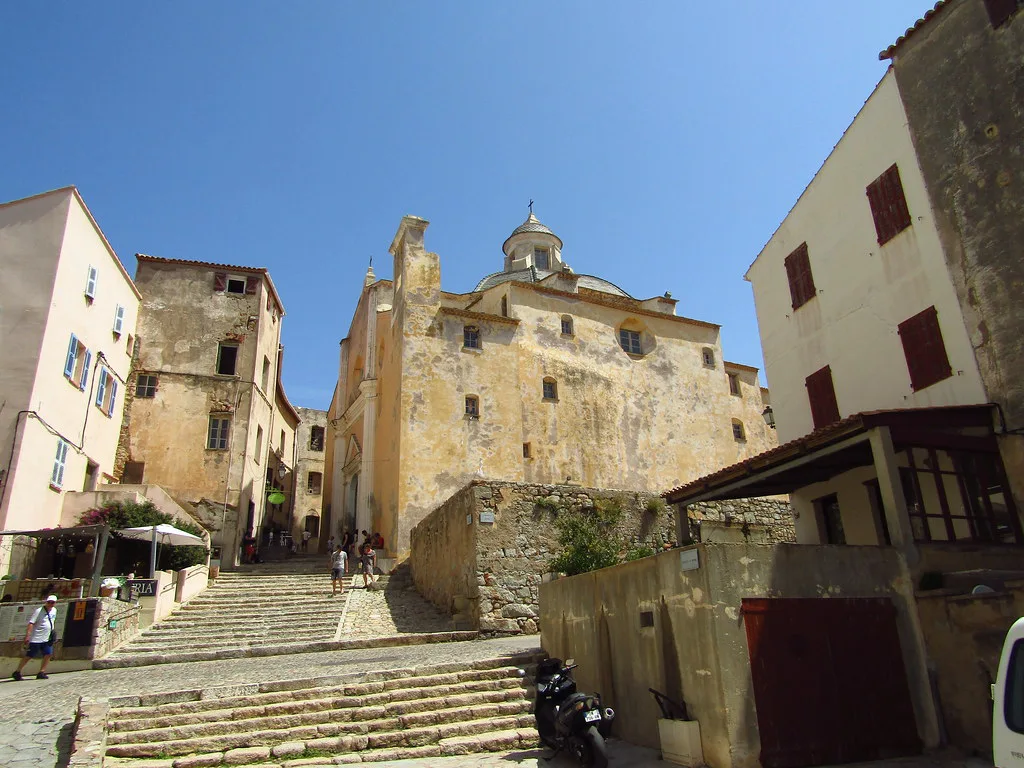
The panorama from the promontory
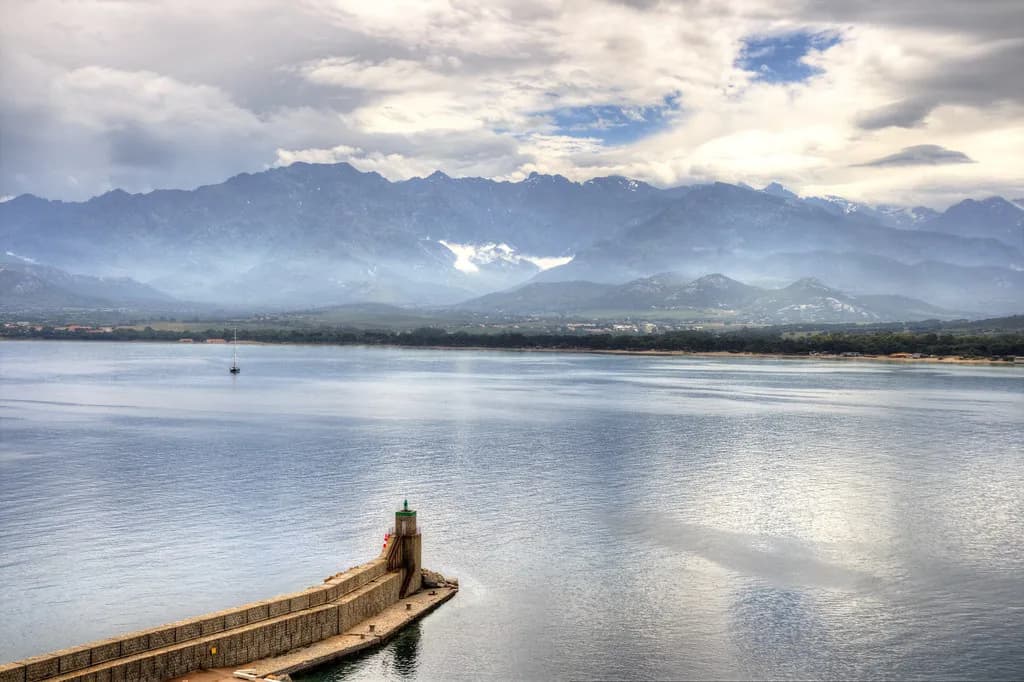
The Citadel's position on a rocky promontory gives a 360-degree view over the town, the port, the Gulf of Calvi and the mountains behind. That circuit is the reason to linger at the top rather than turn straight around, since each side of the walls frames a different part of the bay. Walk the ramparts before you descend and you will have seen the town from every angle in one stop.
There are restaurants and tea shops within the walls, along with a few small hotels, so the Citadel can absorb a meal or a drink without pulling you back down the hill. That said, the food and drink here are part of the setting rather than a destination in themselves. If eating well is a priority for the trip, the best restaurants in calvi are worth reading before you decide.
Back down: the Church of Sainte-Marie-Majeure
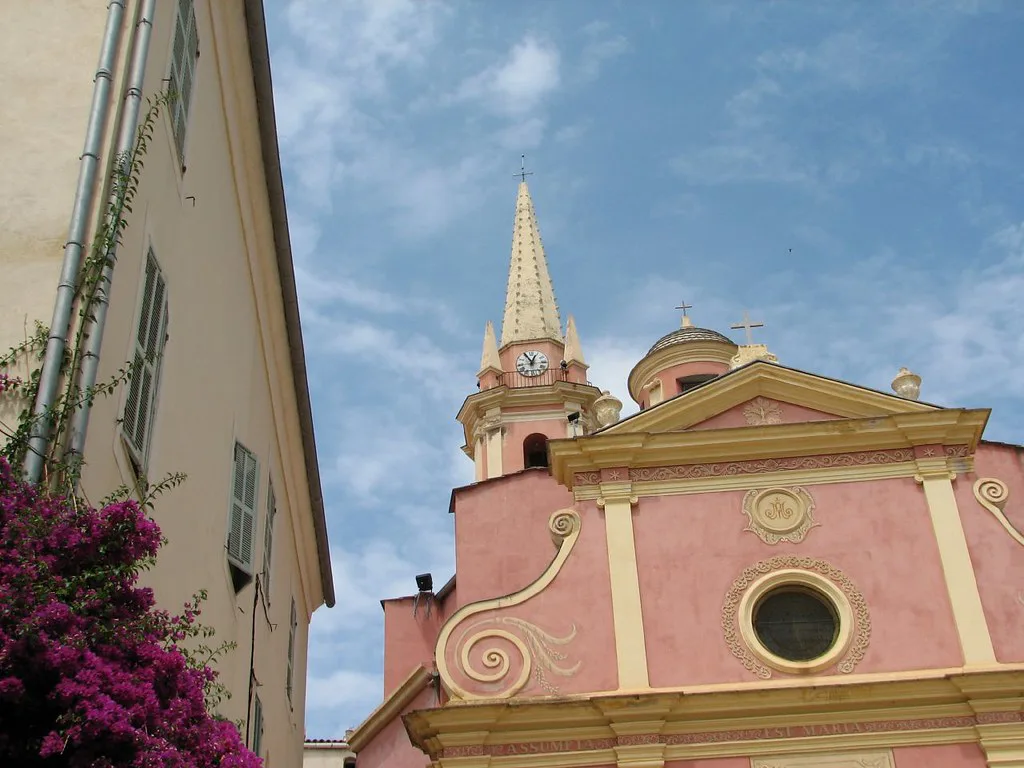
On the lower-town walk, look out for the Church of Sainte-Marie-Majeure, a pink chapel that locals visit for services. It sits among the small cobblestone paths and alleys that frame the marina, so it slots naturally into a wander between the port and the main square. The colour alone makes it the most recognisable building outside the walls.
The surrounding streets are where you get the everyday version of Calvi: small shops, places to eat, and a slight bustle at lunch as people shop or head to services. It is a good area to slow down in, because there is nothing here that requires queuing the way mainland city sights often do.
Extending the day to Notre-Dame-de-la-Serra
If your legs still have something left, the walk from downtown Calvi up to the Chapelle Notre-Dame-de-la-Serra is roughly four miles round trip, climbing inland past smaller homes and farms. The chapel sits on the hilltop, just visible from the water, and dates from the first half of the 19th century after being rebuilt following its destruction in 1740 during a siege. A large Madonna statue stands in the courtyard, with the best view back over the town.
Take this seriously as a hike: the terrain is rugged and uphill, with a few twists and turns, so sturdy shoes, water and sunblock are not optional extras. Do it after the Citadel rather than before, because the climb is longer and the wind on the higher ground is stronger. Skip it if you are on a tight schedule and the Citadel already gave you the panorama you came for.
Pacing the walk and picking your moment
The Citadel deserves real time rather than a photo stop, partly because of the levels and side paths, and partly because the town rewards a slower pace than you would keep in a mainland city. Nothing here involves queuing for hours, so the constraint is your own energy and the wind, not crowds at a ticket desk. A comfortable half day covers the harbour, the walls and a sit-down meal.
Calvi's character shifts with the season: it is a place French holidaymakers favour, and outside high summer it is noticeably quieter. That quiet cuts both ways, with fewer people on the ramparts but also less of an English-speaking buffer. If you are weighing up whether the trip is worth it for a short break, is Calvi worth visiting sets out the case honestly.
French is the working language here, and outside the summer months you should assume it rather than hope for English. Learning a few phrases pays off in shops and restaurants, and it is the practical default rather than a courtesy.
Practical notes for the Citadel visit
Access to the Citadel is free all year, and the tourist office runs audio-guided tours plus a paper-chase treasure hunt designed to keep children engaged as they explore. That family option is the single most useful thing to know if you are travelling with kids who tire of cobbles. Contact details and the tour offer are listed by the tourist office.
Beyond the walls, the one excursion worth knowing about is the coastal train towards Algajola and L'Île-Rousse, a slow, scenic run along the Mediterranean, though departures are limited outside high season. Boat trips from Calvi also reach the Scandola Nature Reserve, a UNESCO World Heritage site of red cliffs and coves accessible only by sea.
For the wider picture of what else is in town beyond this walk, Calvi Attractions gathers the individual guides in one place. Opening hours and any programme changes for the cathedral, oratory and exhibitions are published by the tourist office, so confirm before you build a day around them.
Plan Your Visit
Calvi old town works best as a two-part walk: the Quai Landry at sea level first, then the climb to the Citadel for the lanes, the cathedral, the oratory and the panorama. Free access and the compact layout mean you can be flexible about timings, but the wind on the path and the longer pull up to Notre-Dame-de-la-Serra are the two real physical demands.
If you are comparing Corsican bases or planning a longer short break, Ajaccio old town offers a very different, larger-city version of the same island history. Within Calvi itself, this walk plus a harbour meal is enough for one full day.
Frequently Asked Questions
What is there to see in Calvi old town?
The old town splits into the harbour along the Quai Landry, lined with bars and restaurants and backed by yachts and fishing boats, and the walled Citadel above it. Inside the ramparts you will find cobbled lanes and Genoese houses, Saint-Jean-Baptiste Cathedral, Saint-Antoine Oratory and the ruins of the house associated with Christopher Columbus. The promontory gives a 360-degree view over the town, port, gulf and mountains.
Is the Calvi Citadel free to enter?
Yes. Access to the Citadel is free and it is open all year round. Guided and audio-guided visits, along with a children's treasure hunt, are arranged through the Calvi tourist office rather than sold at the gate.
How long does it take to walk around Calvi old town?
A comfortable half day covers the Quai Landry, the climb to the Citadel and a sit-down meal. The town is small and walkable, and the Citadel is visible from most of Calvi, so you are never navigating far. Allow more time if you want to linger over the lanes inside the walls.
Is the walk up to the Calvi Citadel difficult?
It is short but steady, on a winding cobbled path, and the gusts on the exposed side can be strong enough to push you about. Wear shoes with grip and hold on to hats and loose layers. The effort is modest compared with the longer hill walk to Notre-Dame-de-la-Serra.
What is the Chapelle Notre-Dame-de-la-Serra walk like?
It is roughly four miles round trip from downtown Calvi, climbing inland past homes and farms to the chapel on the hilltop. The terrain is rugged and uphill, with a few twists and turns, so take sturdy shoes, water and sunblock. At the top, a large Madonna statue stands in the courtyard with the best view back over the town.
How far is Calvi Citadel from the port?
The Citadel sits on the promontory directly above the harbour and is visible from most of the town, so the distance is short but vertical. You walk from the Quai Landry to the base of the path in minutes, then climb the cobbled route to the walls.
Do you need to speak French in Calvi?
French is the practical default, and that is especially true outside the summer months when there are fewer English speakers around. Some people in tourist-facing businesses speak English, but opening in French and learning a few phrases is the sensible approach.
When are exhibitions on inside the Citadel?
In the citadel's former guard posts, exhibitions of artworks are displayed between June and August. At other times the cultural programme moves into the religious buildings within the walls, where concerts and polyphonic singing take place. The tourist office publishes what is on.
Sources
Notes for French city breaks
Optional updates to our guides.
You might also like
Continue reading
More guides you'll find useful