Best Time to Visit Cannes: Month-by-Month Weather and Crowds
Plan a Cannes break with typical monthly temperatures, sunshine and rain, plus the crowds and costs to expect each season on the Côte d'Azur.
On this page
Autumn is the best time to visit Cannes if you want warm evenings, the warmest sea of the year and thinner crowds. Late spring to early June is the better choice if long sunshine hours matter more than sea temperature and you want to be gone before the July and August peak.
Cannes sits on the Côte d'Azur between Saint-Tropez to the west and the Italian border to the east, and its Mediterranean climate is the reason the season matters so much. Summers are hot and dry, winters are mild, and the annual pattern of sun and rain is dependable enough to plan a weekend around.
Cannes' Mediterranean climate in brief
The Côte d'Azur averages some 3,000 sun hours a year, and Cannes gets the benefit of that. Rain is rare in summer and more common from autumn through spring, but the average number of wet days is around 60 or fewer a year, low compared with most European cities.
A gentle sea breeze takes the edge off hot summer days, which is why July and August feel bearable even when the temperature climbs. It also means evenings along the waterfront can be cooler than the afternoon highs suggest, so a light layer is worth packing even in midsummer.
Spring: late March to June
Spring starts in late March with mild, rainy weather and temperatures that climb steadily, becoming sunny and warm again by June. A weekend in April or May can be mixed, with showers breaking up bright spells, so build indoor options into the plan rather than committing to a full day outdoors.
By June the pattern has settled: expect long days of sunshine and warm but not punishing heat. This is the sweet spot for walking La Croisette from end to end and climbing into the old town without the summer crush.
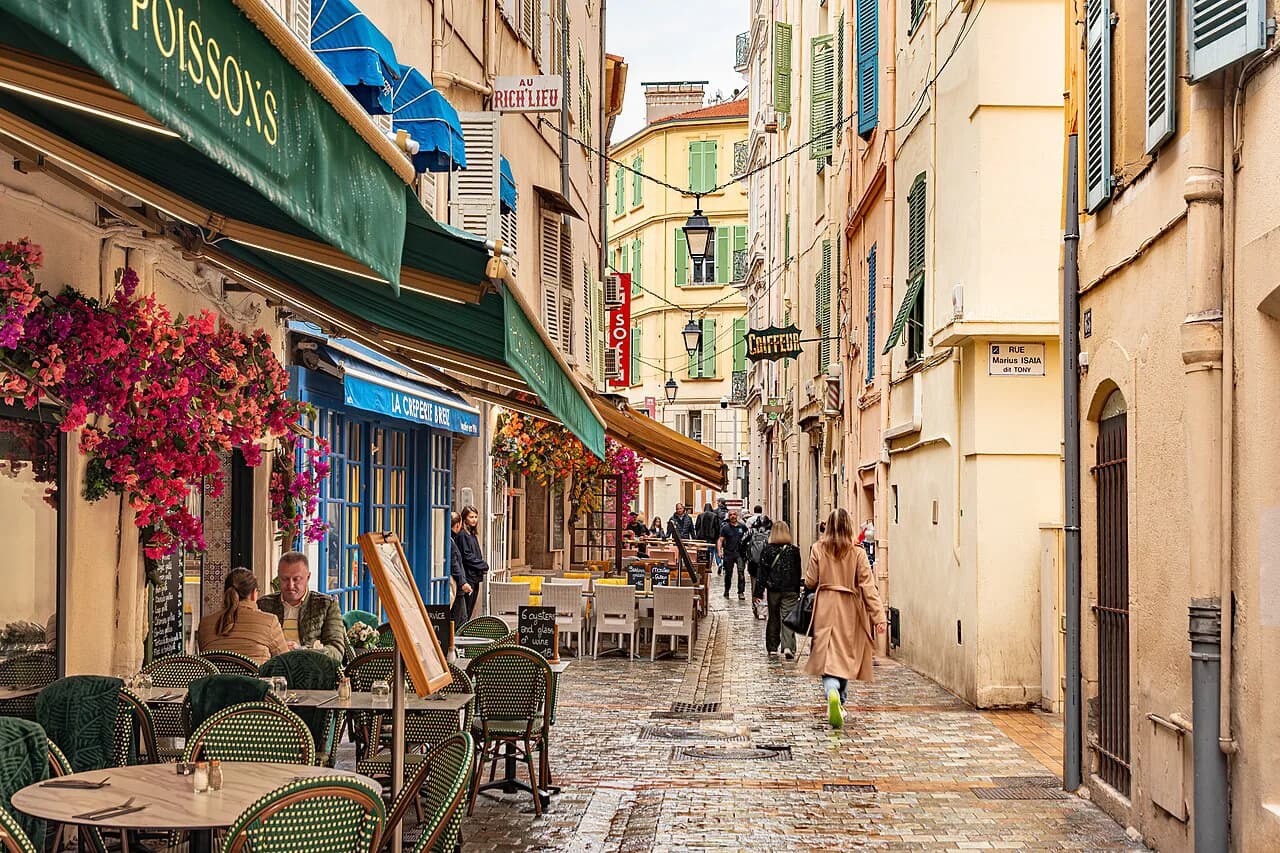
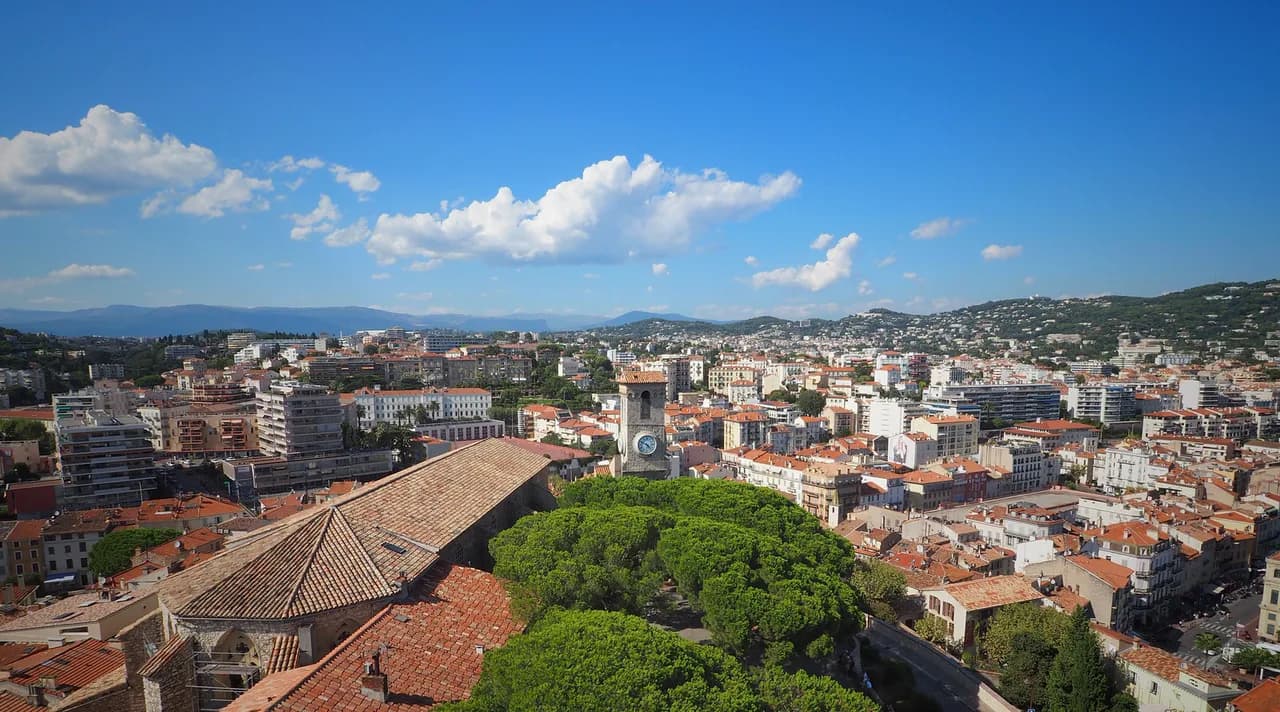
Le Suquet, the hilltop old quarter above the port, is steep and exposed, so spring shade and moderate temperatures make the climb more comfortable than in August. Allow an afternoon rather than squeezing it between two other stops.
Summer: July and August
July and August are the warmest months, with average maximum temperatures around 27°C, and sunshine averaging between 10 and 15 hours a day. Rain is rare and hot days are softened by the sea breeze, but this is unambiguously peak season for demand as well as heat.
Summer suits a short break built around early mornings and late afternoons: walk the Croisette before the heat builds, rest through the middle of the day, and head out again for the evening. Museums give you a cool, shaded couple of hours when the sun is at its strongest.
If you are planning a three-day trip in high summer, front-load the outdoor sights and keep the last day flexible in case the heat slows you down. A plan built around fixed timings will feel rushed when the afternoon is 27°C and humid.
Autumn: the warmest sea and thinner crowds
Autumn is when Cannes is at its most comfortable: temperatures stay around the 20°C mark into October before dropping to roughly 17°C in November. The water is at its warmest of the year, so swimming is genuinely pleasant rather than bracing.
The trade-off is daylight. Sunshine hours fall away from the summer peak, so late-autumn weekends have less walking time and an earlier dusk. Plan the outdoor sights for the morning and keep the afternoons for galleries, shops and long lunches.
October is the pick of the autumn months for most visitors: still warm, still swimmable, and quieter than September. If your dates are fixed to the school half-term, check what is running locally before you build a schedule around specific venues.
Winter: December to February
Winter days in Cannes are mild, typically between 11 and 17°C, though nights drop to anywhere from 4 to 9°C. Sunshine averages about five hours a day in December and January, which is enough for a pleasant afternoon on the seafront but not for a full day outdoors.
A winter weekend works best as a city break rather than a sun holiday: a couple of hours walking, a long lunch, and time in the old town's lanes. Pack layers, because a mild midday can turn cold quickly once the sun drops behind the hills.
The upside is that you will not be competing with summer crowds for space on the Croisette or the terraces along the port. If you want to see Cannes without the festival-season sheen, this is the quiet version.
Month-by-month snapshot
March is mild and changeable, with rain giving way to brighter spells towards the end of the month. April and May warm steadily, June settles into reliable sunshine, and July and August deliver the highest temperatures with the least rain. September and October stay warm with falling crowds, while November dips to around 17°C and December to February bring mild days and cool nights.
Treat these as typical climate averages rather than a forecast: they describe what a month usually delivers, not what next weekend will do. Check a short-range forecast in the week before you travel and adjust the walking plan accordingly.
Cannes in May: what to expect
May is one of the most attractive months for a weekend: mild, increasingly sunny, and not yet at summer heat. Rainfall eases through the month, though spring showers are still possible, so a light waterproof is a sensible addition alongside sunglasses.
The one thing that genuinely shapes a May visit is the Cannes Film Festival, which falls in May each year and dominates the centre of town while it runs. It is worth seeing the city dressed for the event, but expect the Croisette and the area around the Palais to be busier and more restricted than usual.
When the Cannes Film Festival falls and why it shapes a May visit
The Cannes Film Festival is the city's best-known event and takes place in May, drawing international attention and a heavy concentration of visitors and media. If your dates overlap, treat it as part of the experience rather than a nuisance: the atmosphere is the point.
The tourism office publishes what is on and when, so check the official calendar before fixing dates in May. If you want a quieter version of Cannes in spring, aim for late May or early June once the festival has finished.
Crowds and cost: peak summer versus shoulder months
Peak demand runs through July and August, when the weather is at its hottest and driest and the town fills up. The shoulder months of June, September and October offer a better balance: still warm, still open for business, and noticeably calmer on the seafront and in the old town.
September is a particularly good compromise, holding onto summer warmth while the summer crowds thin out. If your priority is a table on La Croisette without a wait, the shoulder months are the ones to aim for.
Prices and availability vary with demand, and this guide does not quote them: check rates and availability directly with the venues and providers you intend to use once your dates are set. For budgeting, assume the summer and festival weeks will be the most expensive and the winter months the cheapest.
How many days Cannes needs, and how the season changes the answer
Two full days is enough for the core of Cannes: the Croisette, the old port, Le Suquet and one museum. Three days gives you room for a slower pace and a proper lunch, which matters more in the heat of July and August than in spring.
In autumn and winter the shorter daylight hours compress the outdoor part of the day, so you may want an extra night to fit everything in without rushing. In June and September, two days will feel generous.
A weekend in Cannes built around the town itself works in every season. Adding a day trip eats into that time, so keep it to a single excursion if you want the city to be the main event.
Best time for a first-timer vs a repeat visitor
For a first visit, June or September is the best choice: warm, sunny and long enough in daylight to see the Croisette, the old town and the port without the summer crush. You get the classic Cannes experience without the peak-season strain.
For a repeat visitor, October is the more rewarding month: the sea is at its warmest, the town is quieter, and you can revisit favourite spots at a slower pace. It is also the point in the year when a long weekend feels genuinely relaxed rather than scheduled.
Best time for a budget-conscious weekend
The cheapest months are typically November to March, outside the festival and the summer peak, when demand is lowest. The weather is cooler and rain is more frequent, but days of 11 to 17°C are perfectly workable for a city break.
If you can travel midweek rather than at the weekend, you will generally find more choice and better value. Combine that with a winter or early-spring date and Cannes becomes a much more affordable short break.
Shopping is a good rainy-day fallback in the cooler months. The town's retail streets and covered options make a wet afternoon feel less like a write-off.
Practical packing for each season on the Côte d'Azur
Summer packing is about sun protection: light layers, a hat, sunglasses and refillable water. The sea breeze makes the heat feel milder than the thermometer suggests, so a shoulder cover for the evening is worth the space.
Spring and autumn need a waterproof and a warm layer, because conditions change quickly and the evenings cool off well before the sun sets. Winter calls for a proper jacket for nights and a lighter coat for mild afternoons, plus comfortable shoes for the old town's steep lanes.
Where the seasons leave your days: the Croisette, Le Suquet and the Old Port
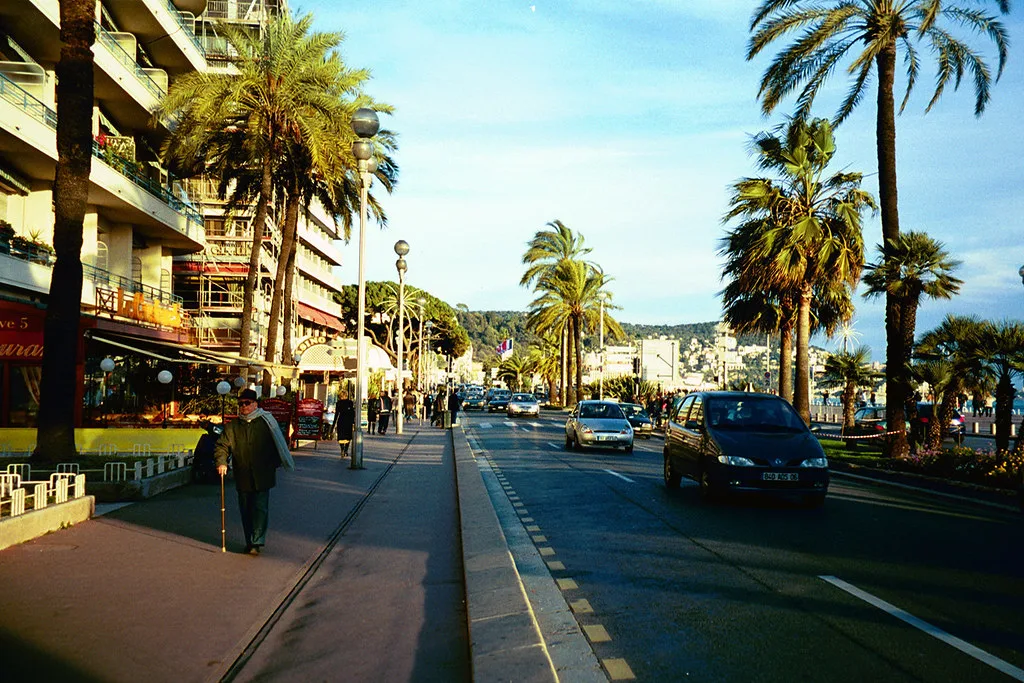
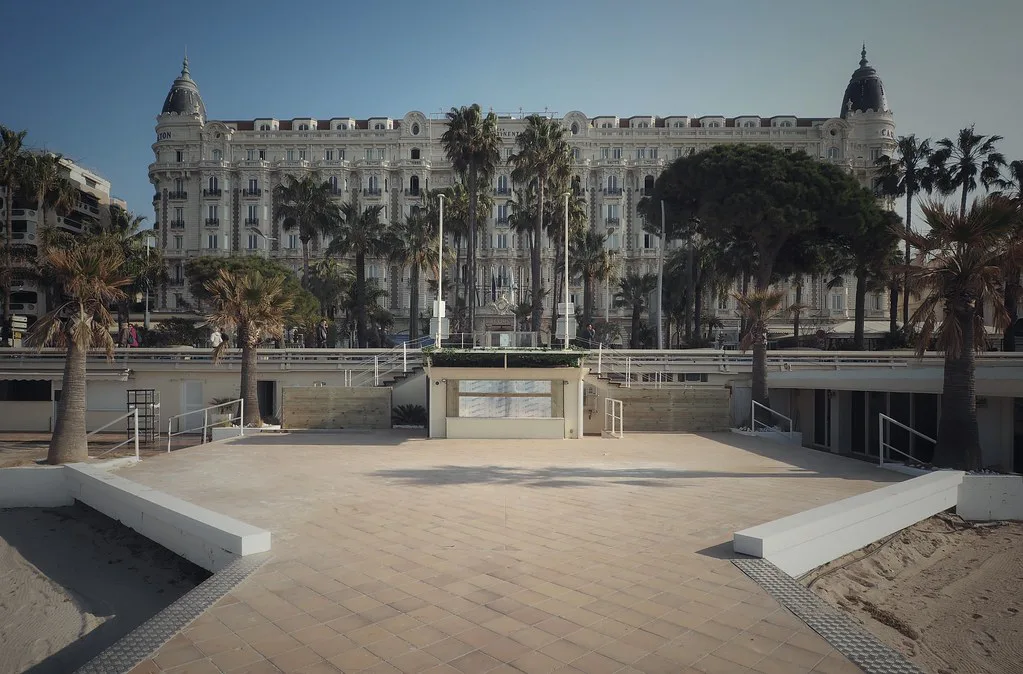
The Croisette is at its best in June and September, when the light is good and the promenade is walkable without fighting for space. In July and August, go early in the morning or after the heat of the day.
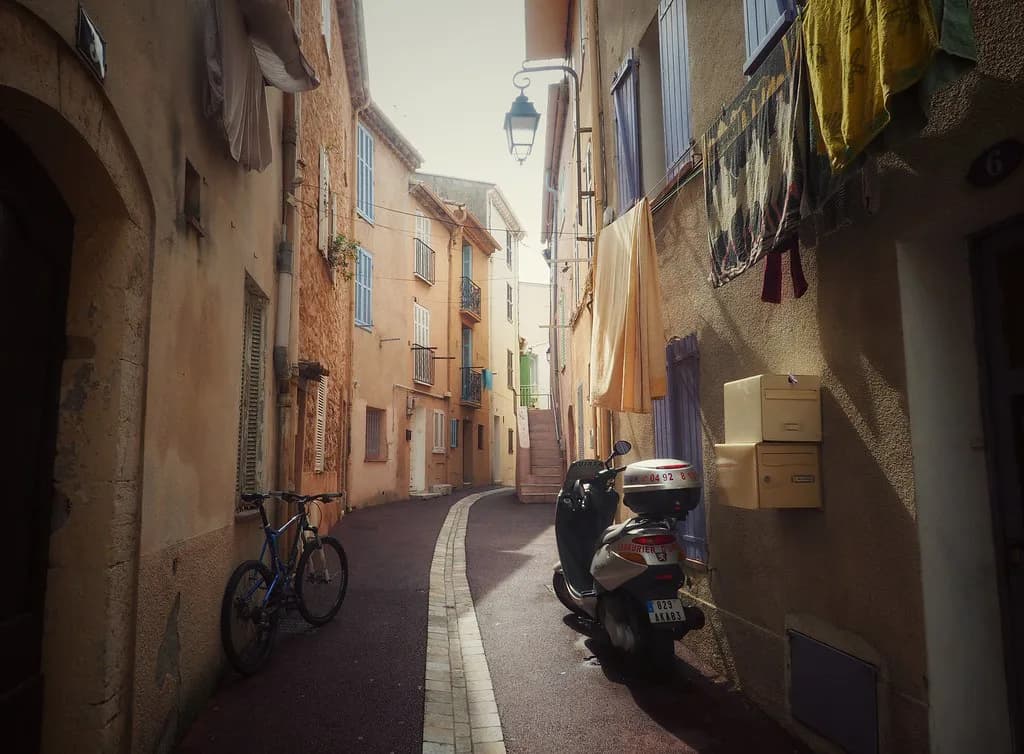
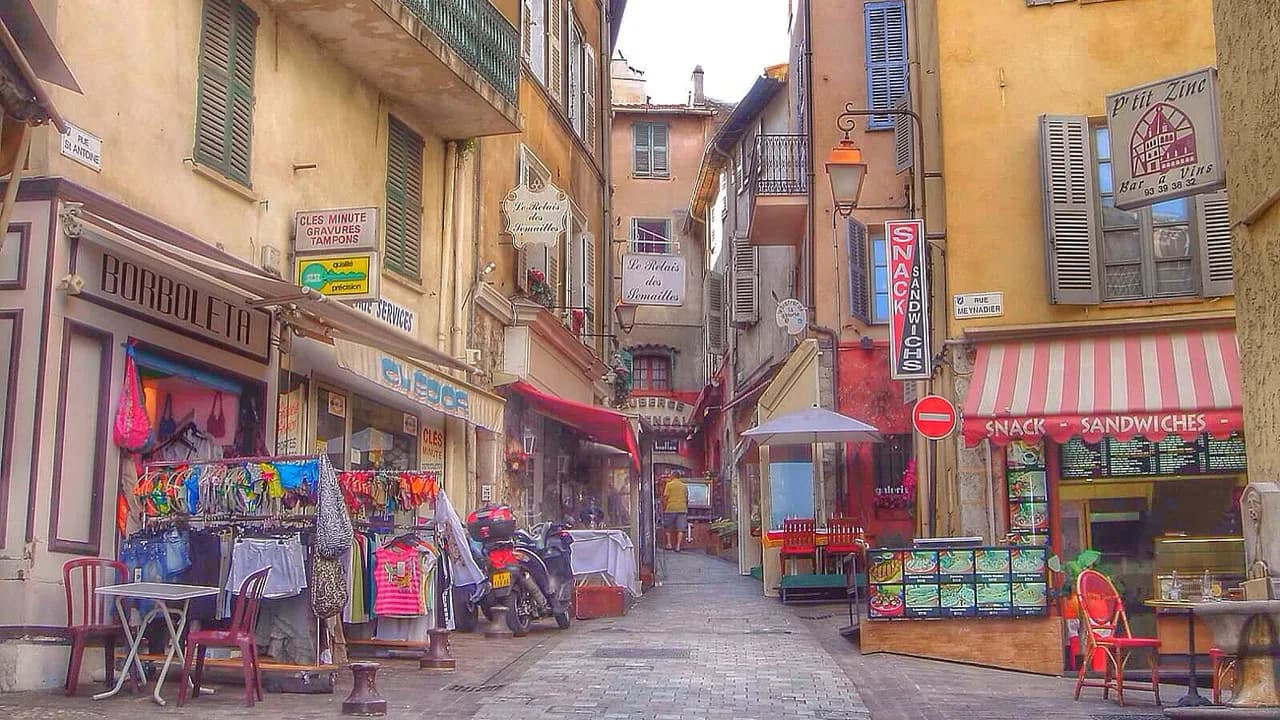
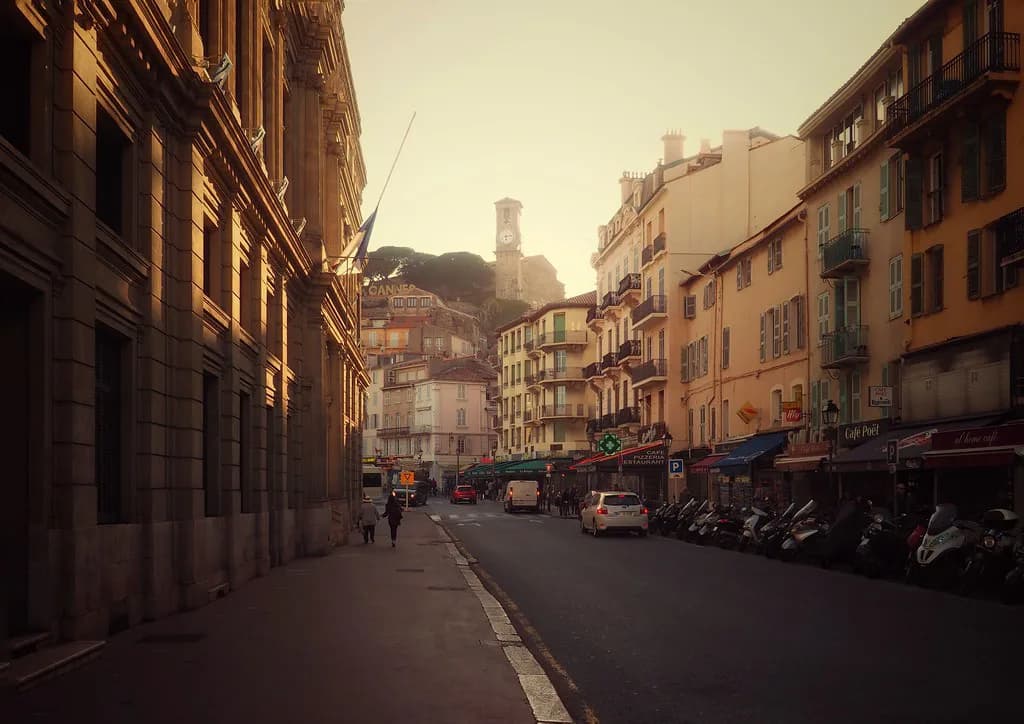
Le Suquet and the Old Port reward the shoulder months, when you can linger in the narrow streets and along the quay without the summer crowds. In winter they are quieter still, and the low sun makes the old stonework look its best.
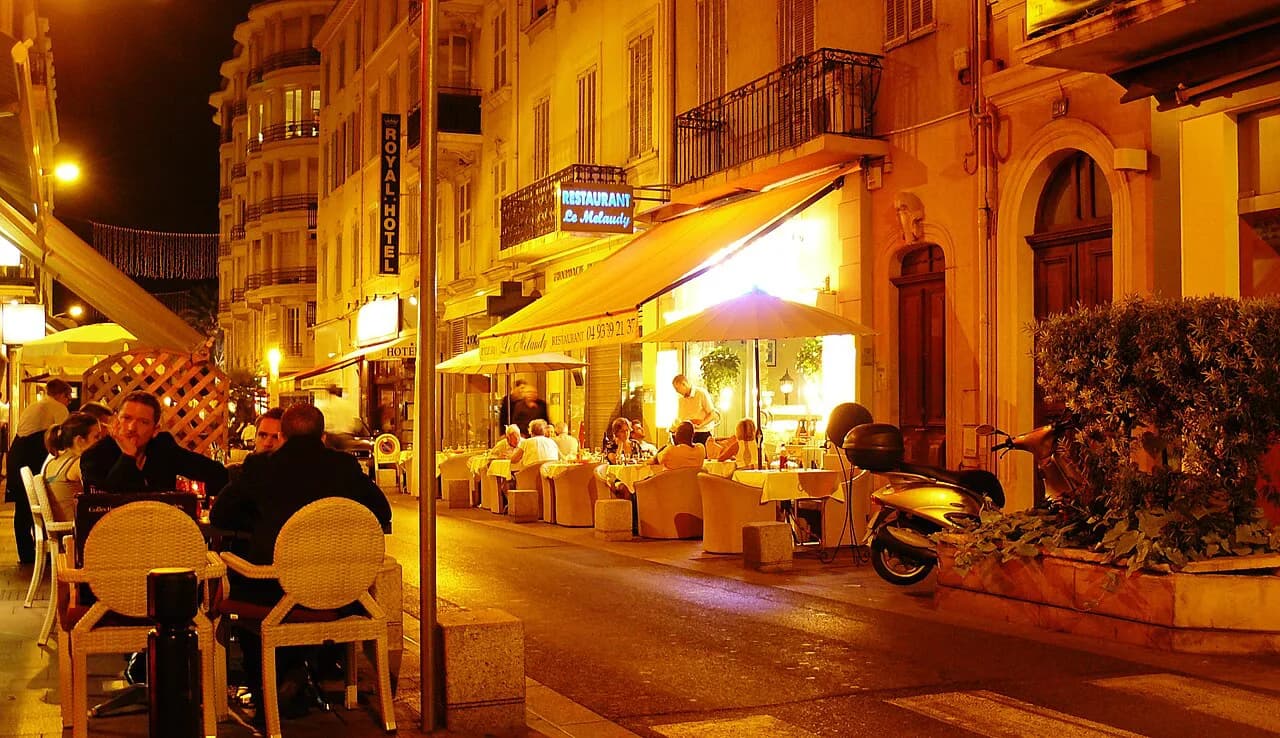
If you are building a trip around food, plan your visit for a season when you want to spend time indoors over a long lunch. The town's restaurant scene is a reason to come in its own right, whatever the weather.
Verdict: which month to pick for your trip
Choose June for long days, warm weather and the start of summer without the peak. Choose September or October for the best balance of warmth, sea temperature and thinner crowds. Choose May only if you want the festival atmosphere and are prepared for the busiest version of spring.
If you are comparing Cannes with other cities on a similar short break, the same climate logic applies along the coast and inland. A little research into typical conditions for each city will help you match the month to the trip you actually want.
Plan Your Visit
Autumn is the overall pick for Cannes: warm evenings, the warmest sea and a calmer town. Late spring and early summer run it close for sunshine hours, and winter suits anyone who wants the city without the crowds.
Whichever month you choose, check the official tourism calendar for what is on during your dates, especially in May. That single check will do more to shape your trip than any weather average.
Explore more Cannes guides
Frequently Asked Questions
When is the best time to visit Cannes?
Autumn, and October in particular, gives you warm evenings, the warmest sea of the year and thinner crowds. Late spring to early June is the alternative if long sunshine hours matter more than sea temperature and you want to be gone before the July and August peak.
What is the weather like in Cannes in May?
May is typically mild and increasingly sunny, though spring showers are still possible. It is not yet at summer heat, which makes it a comfortable month for walking the Croisette and exploring the old town, but the Cannes Film Festival falls in May and brings extra visitors and restrictions to the centre.
How hot does Cannes get in summer?
July and August are the warmest months, with typical average maximum temperatures around 27°C and sunshine averaging between 10 and 15 hours a day. A gentle sea breeze makes hot days more bearable, but this is still peak-season heat, so plan outdoor activity for the morning and evening.
Is Cannes worth visiting in winter?
Yes, if you want a quiet city break. Winter days are mild, typically between 11 and 17°C, with cooler nights and around five hours of sunshine a day in December and January. Pack layers and plan shorter outdoor stretches rather than full days outside.
How many days do you need in Cannes?
Two full days covers the Croisette, the old port, Le Suquet and one museum. Three days allows a slower pace and a proper lunch, which matters more in the summer heat, and gives you room for a single excursion if you want one.
When is the Cannes Film Festival?
The festival takes place in May each year. It dominates the centre of town while it runs, so expect the Croisette and the area around the Palais to be busier than usual. The tourism office publishes the current programme and dates.
What is the cheapest time to visit Cannes?
November to March is generally the quietest period, outside the festival and the summer peak, so demand and prices tend to be lower. The trade-off is cooler weather and more rain, but days of 11 to 17°C are workable for a city break.
Sources
Notes for French city breaks
Optional updates to our guides.
You might also like
Continue reading
More guides you'll find useful