Markets in Cannes: Days, Times and What Each One Sells
Plan a Cannes market morning with our guide to Marché Forville and the city's food, craft and antique markets, including which days each one runs.
On this page
Cannes gives you one market to plan your weekend around: Marché Forville, the covered food market on Rue du Marché Forville, which runs Tuesday to Sunday in the mornings and closes on Mondays, except in summer. Build a Saturday or Sunday morning around it and you get produce, fish and Provençal specialities in one compact hall, five minutes from the Old Port and the foot of Le Suquet. The open-air, craft, antique and summer evening markets are add-ons rather than the main event, so treat Forville as the anchor and layer the rest around it. If your travels take you elsewhere on the coast, the same logic applies to the Ajaccio market on Place Campinchi.
Why markets are worth building a Cannes morning around
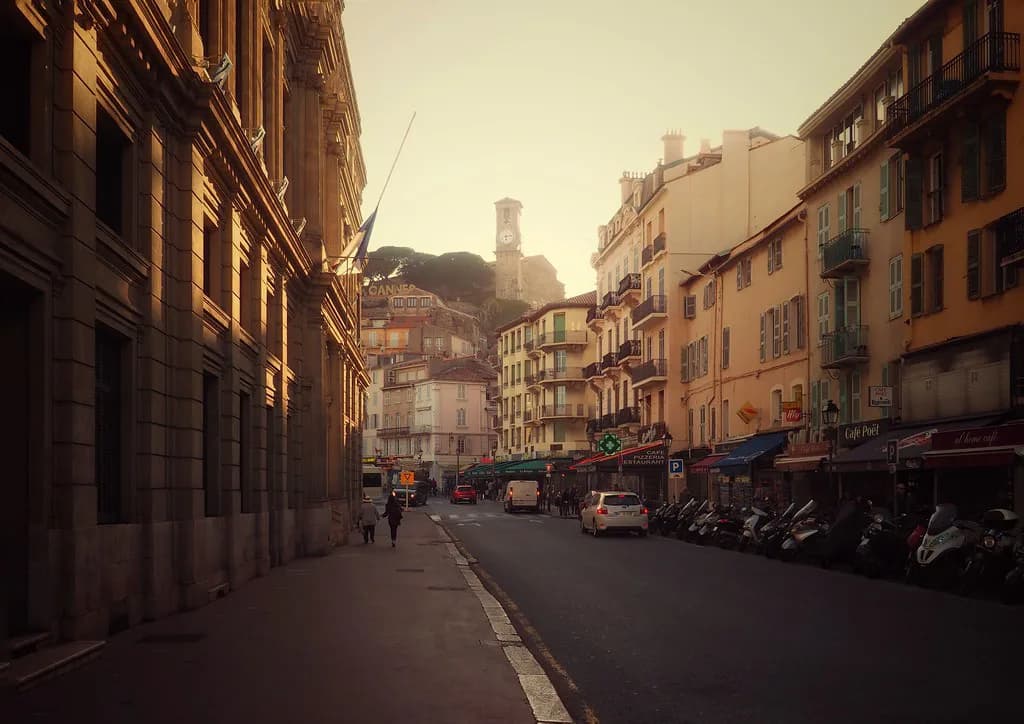
Cannes is compact enough that a market visit does not eat your day. Forville sits just inland from the Old Port, so you can buy a picnic, climb into the lanes of Le Suquet for the view over the bay and the Lérins Islands, and still be on La Croisette by early afternoon. That short chain of stops is the most efficient half-day in the city, and it works on foot without a bus or taxi.
The trade-off is timing. Markets are morning businesses, so a late start leaves you with thinning stalls and less choice, while Mondays remove the covered market entirely outside summer. If your weekend is fixed, check which mornings you actually have before you plan anything else.
Marché Forville: the covered food market on Rue du Marché Forville
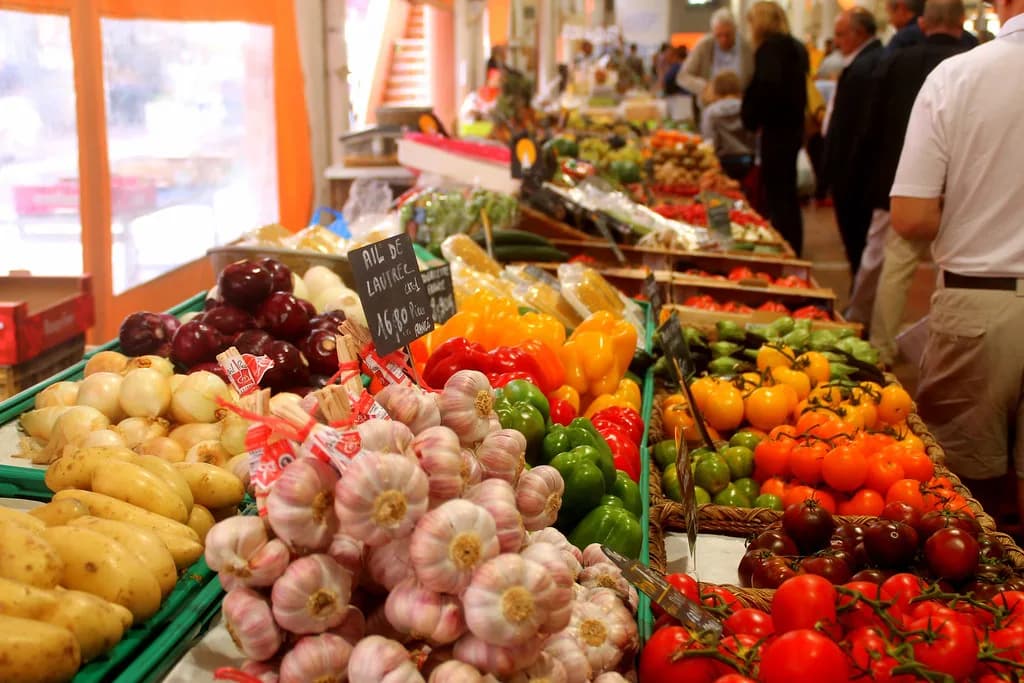
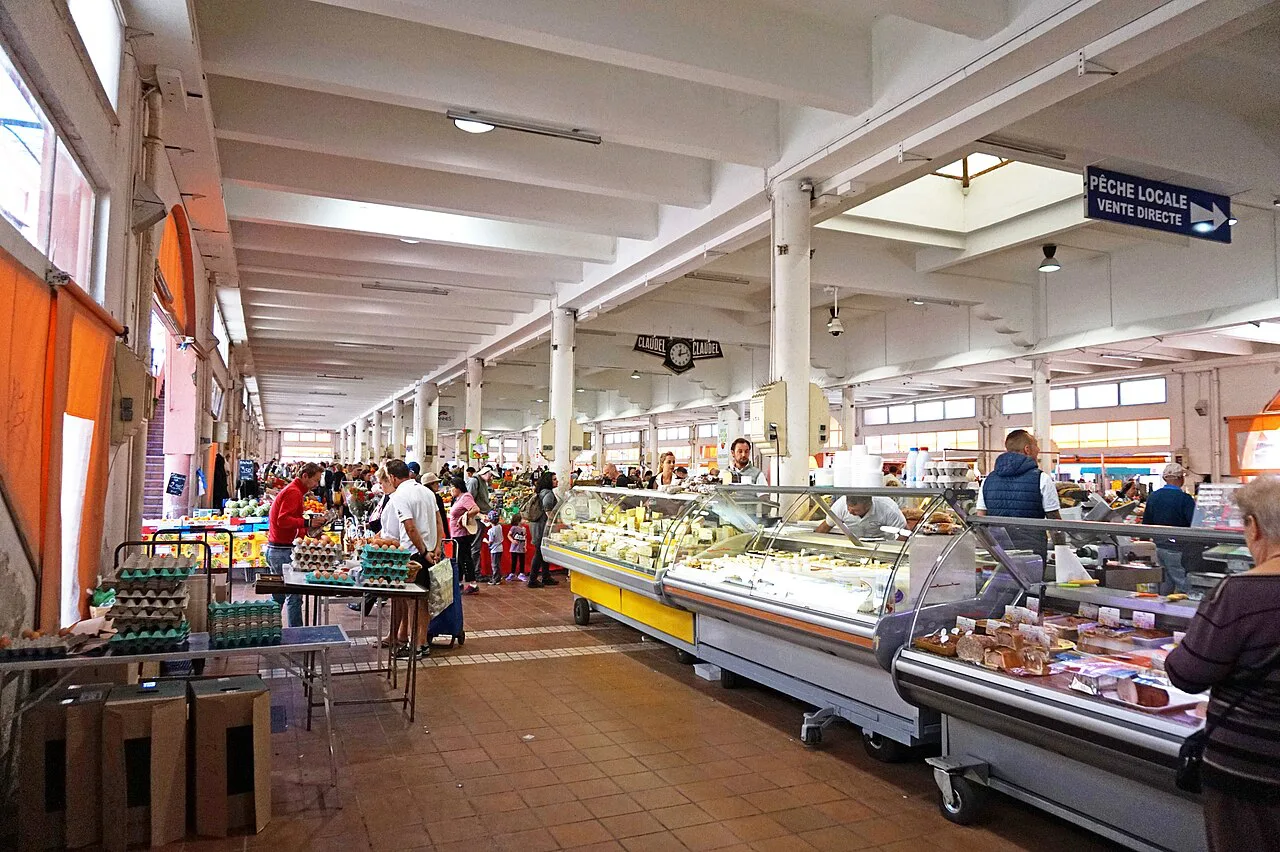
Marché Forville has anchored local daily life since 1934, and it is where Cannes actually shops rather than where it poses. The stalls run to Provençal produce, fresh fish, olives and regional specialities, all under cover and all within a few minutes of the harbour. It is the single most useful stop for anyone self-catering or assembling a picnic.
Come here first thing if you want the fish and the best of the produce, and bring a sturdy bag rather than relying on the thin carrier bags you get at a supermarket. The hall is a working market, so the pleasure is in the ordinary business of it: cheesemongers, olive stalls, vegetable displays and the smell of whatever is in season.
What to buy at Forville and how to eat it
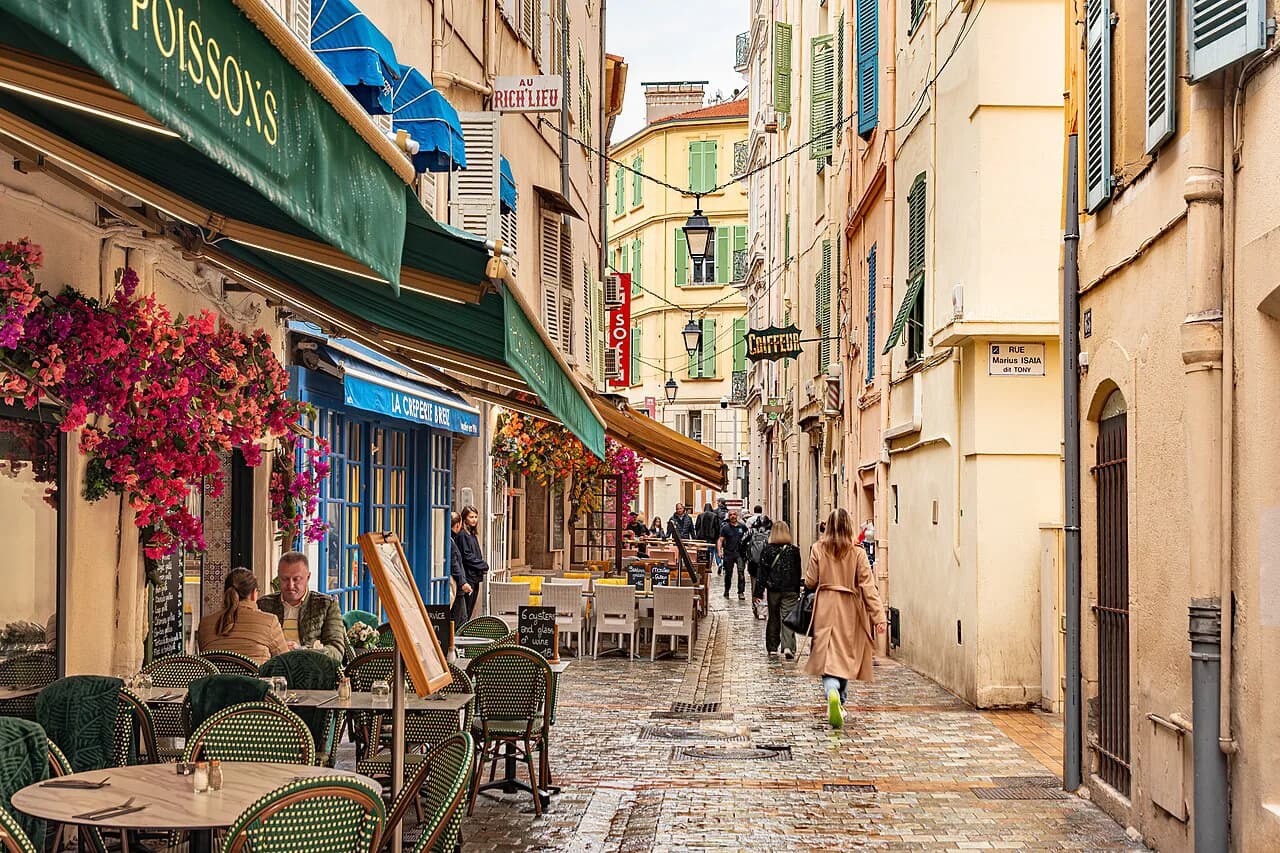
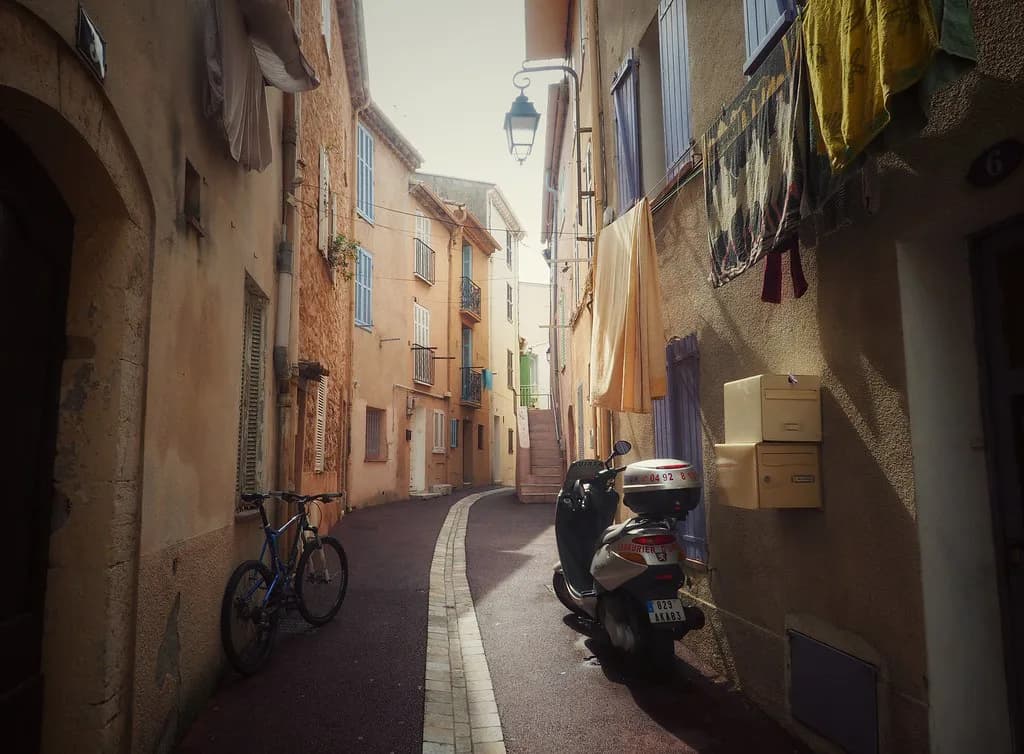
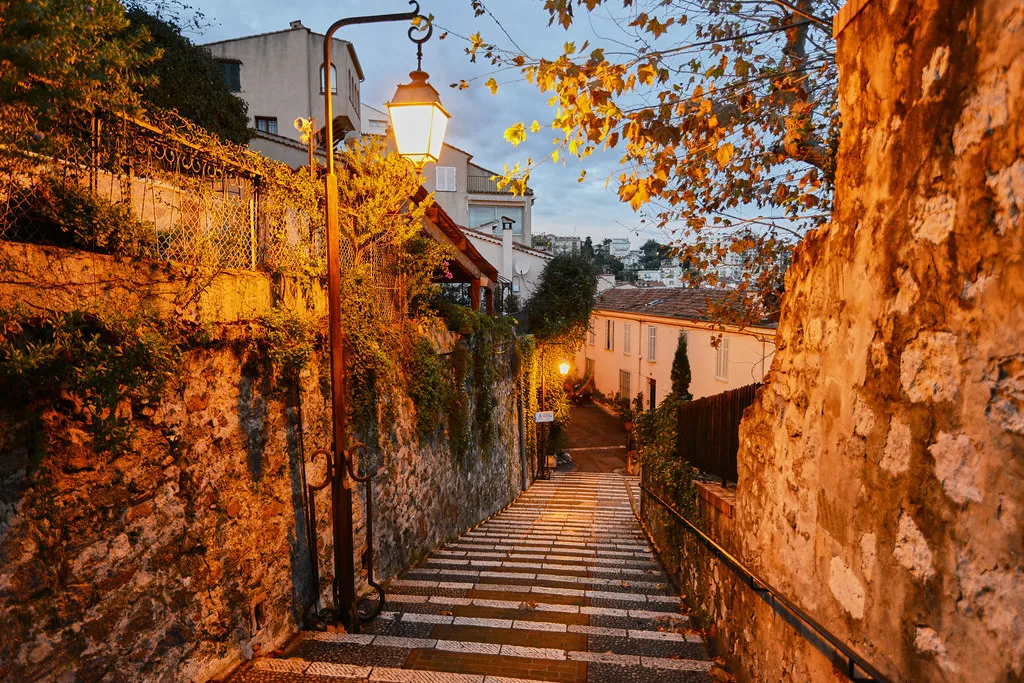
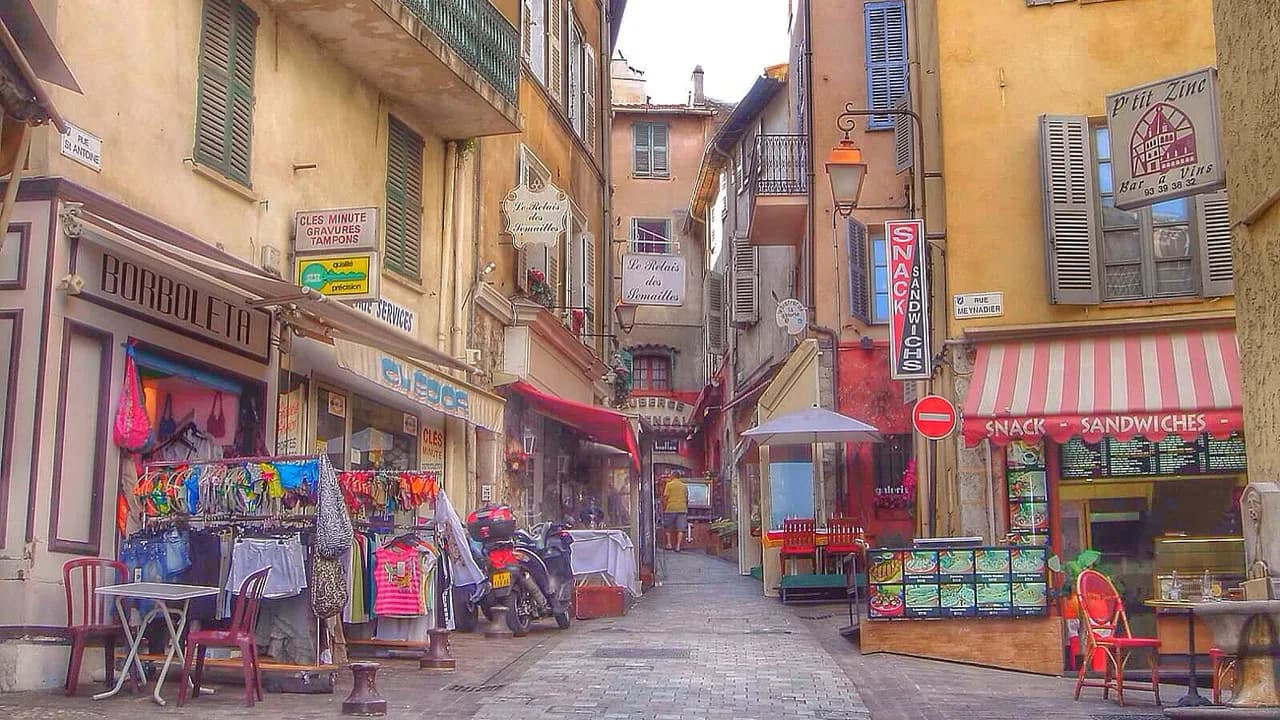
Picnic shopping is the best use of the market. Buy olives, cheese, tomatoes, fruit and bread, then carry it ten minutes uphill to Le Suquet, where the narrow cobbled streets and pastel houses give you somewhere to sit with a view back over the bay. The old fishing quarter climbs a hill above the port, with the 12th-century Tour du Suquet at the top and one of the best panoramas in Cannes.
If you are cooking rather than picnicking, buy fish in the morning and plan to cook it the same day; a holiday flat with a stove turns a market haul into the cheapest good meal of the trip. Either way, buy what looks best rather than shopping from a list, because what is on the stalls shifts with the season.
Market days: how Forville's pattern shapes a weekend
Forville runs Tuesday to Sunday in the mornings and is closed on Monday, except in summer. That single line decides your weekend: a Saturday or Sunday in Cannes puts the covered market straight into your plans, while a Monday arrival leaves you with the open-air and specialist markets as substitutes.
Friday and Saturday mornings give you the fullest choice, with Sunday a close second and often livelier with local shoppers. If your break straddles a Monday, put the market on the other morning and use Monday for the Croisette, the Palais des Festivals steps and the Allée des Etoiles du Cinéma.
Open-air and Provençal markets in Cannes
Beyond the covered hall, Cannes runs a set of Provençal and craft markets that fill squares and streets with produce, regional specialities and the work of local artisans and artists. These are the ones to use when Forville is shut or when you want something more spread out than a single hall.
Treat these as browsing markets rather than shopping-list markets: they are where you pick up a jar of tapenade, a piece of pottery or a scarf, not where you assemble dinner. They also change character through the year, so the stalls you see in one season will not be the same set in another.
Flea, antique and brocante markets
Cannes also hosts flea and antique markets alongside its food markets, and these suit a different kind of morning: slower, more rummage-based, and less about eating. If you like old glassware, linen, prints and small furniture, plan a circuit rather than a quick stop, and bring cash and a bag with room in it.
These markets are worth checking on the day rather than months ahead, because their days vary and they are not a daily fixture the way Forville is. They are the part of the Cannes market scene most likely to reward a flexible plan and most likely to disappoint a fixed one.
Summer evening markets on Quai Saint-Pierre and at Boccassienne
In July and August, the market day in Cannes extends past sunset, with the Les Nocturnes du Quai Saint-Pierre market and Les Nocturnes Boccassiennes among the evening events to look out for. These are a different proposition from the morning markets: you go after dinner, to stroll, browse and eat, rather than to shop for the week.
Quai Saint-Pierre puts you on the Old Port, next to the fishing boats and the superyachts, which makes an evening market there an easy pairing with a harbour-side walk. If you are travelling outside high summer, do not build an evening around these; keep them as a bonus if your dates land in season.
How the markets fit the city layout
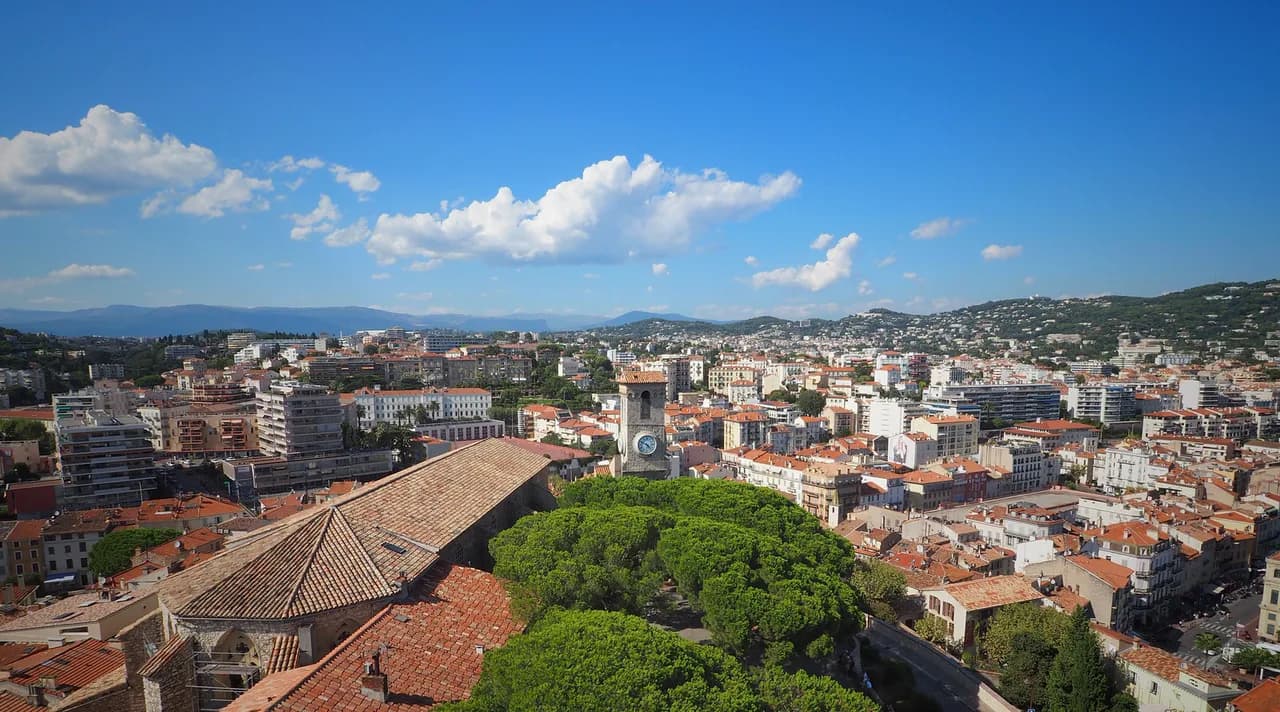
The geography works in your favour: Forville to the Old Port is a short walk downhill, Le Suquet rises immediately behind the market, and La Croisette runs east from the port along the seafront. Rue d'Antibes, the main shopping street, runs parallel to the Croisette and gives you a more affordable browsing alternative to the luxury addresses by the water.
A sensible loop is market first, then the climb to Le Suquet while your purchases are still light, then the harbour, then the seafront. Doing it in the reverse order means carrying bags uphill in the heat, which is the one mistake worth avoiding.
A realistic market morning: timing, cash and carrying your shopping
Arrive in the morning, not at lunchtime. The market is a morning operation, and the later you leave it the fewer stalls are still fully stocked; going early also means you climb Le Suquet before the day heats up. Allow an hour for the market itself and another hour for the old town and harbour.
Bring cash in small notes and a reusable bag. Card acceptance varies stall by stall, and a folding shopping bag is the difference between a comfortable morning and juggling tomatoes and a baguette for the rest of the day. Wear shoes you can climb in, because Le Suquet is cobbled and steep.
Pairing a market visit with the rest of Cannes
After the market and the old town, the obvious afternoon is the Croisette and the Palais des Festivals, where the red-carpeted steps and the handprints on the Allée des Etoiles du Cinéma are free to visit from outside. The Lérins Islands are the other half-day option, reached by boat from the Old Port, with Sainte-Marguerite's Fort Royal and Saint-Honorat's working monastery as the draws.
If you have a full weekend to fill, a market morning slots neatly into a two- or three-day plan without crowding out anything else. Book boat crossings and anything timed for the afternoon, and leave the morning loose for the stalls.
Common mistakes: Mondays, late starts and expecting the same stalls
The three reliable ways to waste a market morning are arriving on a Monday, arriving at noon, and assuming the market you read about is the market running that week. Forville's Tuesday-to-Sunday pattern removes Monday outside summer, and the specialist and evening markets are seasonal rather than permanent fixtures.
The other trap is expecting a fixed roster of stalls. Market line-ups shift with the season, so plan around the market as a place and a habit rather than a specific vendor you have read about. Turning up with an open mind and a bag works better than turning up with a checklist.
Plan Your Visit
Anchor your Cannes weekend on a Tuesday-to-Sunday morning at Marché Forville, then walk the ten minutes up to Le Suquet with whatever you have bought. Add the open-air and brocante markets if your dates match, and treat the summer evening markets on Quai Saint-Pierre and at Boccassienne as a bonus rather than the plan. Do not schedule the market for a Monday outside summer.
Explore more Cannes guides
Frequently Asked Questions
What days is Marché Forville open in Cannes?
Forville runs Tuesday to Sunday in the mornings and is closed on Monday, except in summer. Plan a Saturday or Sunday morning if you want the fullest choice of stalls, and keep Monday for the Croisette and the old town instead.
Are there Sunday markets in Cannes?
Yes. Sunday is one of the mornings Marché Forville operates, so a Sunday in Cannes still gives you the covered food market. It is often busy with local shoppers, which makes it a good morning for seeing the market in normal use.
Are there evening markets in Cannes in summer?
In July and August, evening markets including Les Nocturnes du Quai Saint-Pierre and Les Nocturnes Boccassiennes give you a market to stroll after dinner on the Old Port. They are a summer addition rather than a year-round fixture, so do not build an out-of-season trip around them.
Are there flea markets in Cannes?
Cannes hosts flea and antique markets alongside its food markets, best suited to browsing for old glassware, linen, prints and small furniture. Their days vary rather than running daily, so check what is on during your dates before you plan a morning around one.
What can you buy at the markets in Cannes?
At Forville, expect Provençal produce, fresh fish, olives, cheese and regional specialities. The open-air craft markets add pottery, textiles and local artisan work, while the flea and antique markets turn up old household pieces and collectables.
Which Cannes market is best for food rather than antiques?
Marché Forville is the food market to build a morning around, under cover on Rue du Marché Forville. For picnic shopping, buy there and carry the haul up to Le Suquet, where the cobbled streets and the Tour du Suquet give you somewhere to eat it with a view.
What time do Cannes markets open?
The markets operate in the mornings, so plan to arrive early rather than at midday, when stalls are thinning. Check the day's times with the market or the tourist office before you set out, since hours can vary by market and season.
How far is Marché Forville from Le Suquet and the Old Port?
Both are within a short walk: the Old Port is downhill towards the water and Le Suquet rises immediately behind the market. Allow about ten minutes for the climb to the top of the old town, and do it before your bags get heavy.
Sources
Notes for French city breaks
Optional updates to our guides.
You might also like
Continue reading
More guides you'll find useful