Things to Do in Cannes: A Weekend Guide by Area
Plan a Cannes short break with the Croisette, Le Suquet, Marché Forville, the Lérins islands and the best viewpoints, plus how many days you need.
On this page
Cannes is a compact, glamorous seaside town rather than a sight-heavy city, and a single full day of walking covers most of what draws people here. The Croisette, the old port, Le Suquet hill and the Marché Forville market all sit within easy reach of each other, so the main planning decisions are which order to take them and whether to give a half day to the Îles de Lérins. Two nights is the comfortable minimum for a short break.
What makes the town worth the trip is Mediterranean atmosphere rather than a checklist of monuments: a fishing-village hillside above a harbour full of superyachts, a covered market packed with Provençal produce, and a seafront promenade running the length of the bay. Budget a full day on foot for the centre, and treat the island crossing as a separate outing with its own ferry timings.
How Cannes Is Laid Out
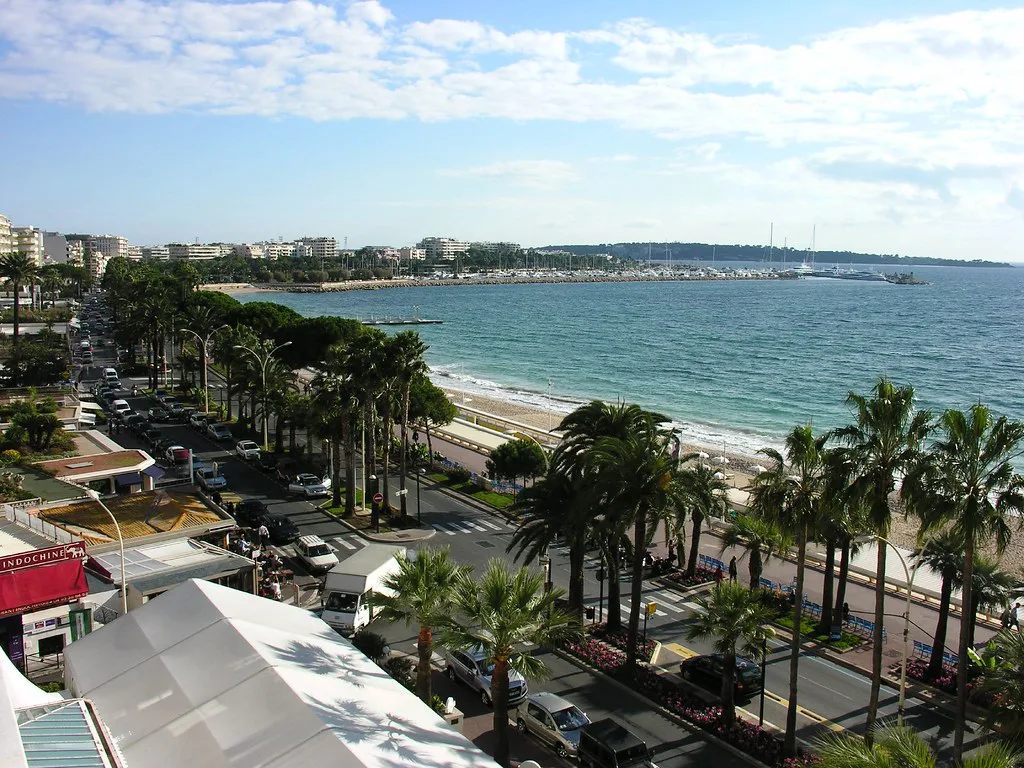
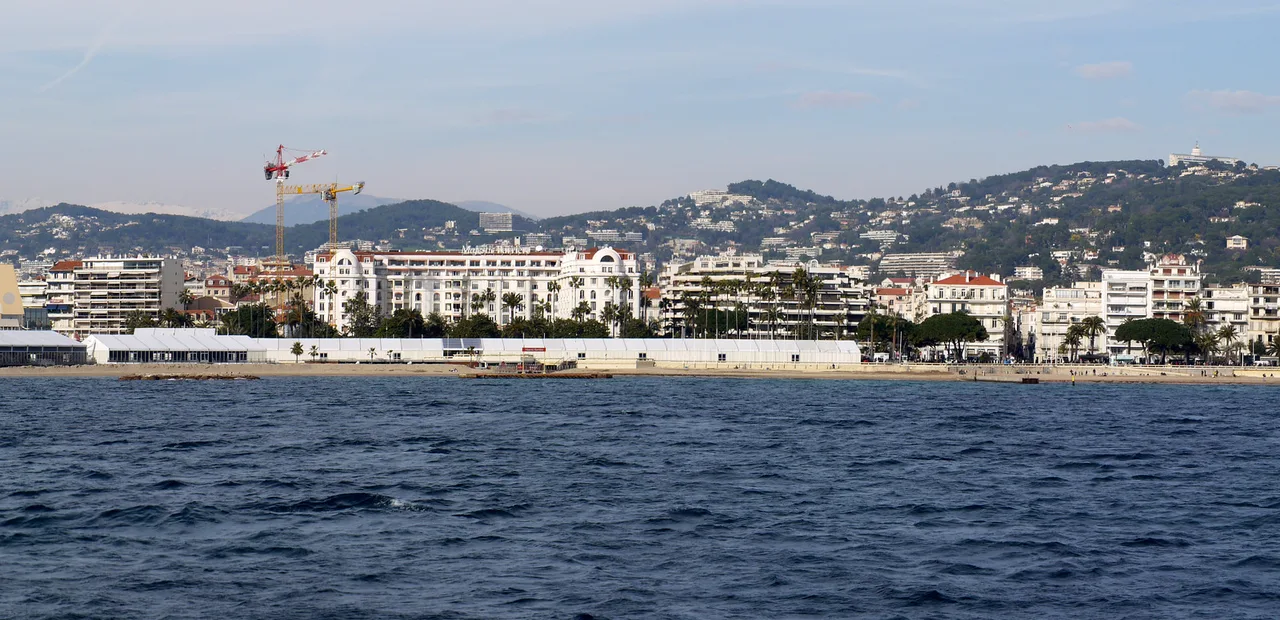
Almost everything a weekend visitor wants runs west to east along the shore. La Croisette stretches nearly two kilometres along the Mediterranean, lined with palm trees, luxury hotels and beaches, with the Palais des Festivals steps as its central landmark; the promenade is publicly accessible at all hours. Behind the seafront, Rue d'Antibes runs parallel with the shops that serve everyday Cannes rather than the postcard version.
At the western end of the seafront sits the Old Port, where traditional fishing boats sit alongside some of the Riviera's most impressive superyachts, and the harbour-side cafés along the quays make a sensible starting point for a walk. From the port you climb into Le Suquet, the old fishing quarter, and the hills of the Californie district rise further east with quieter viewpoints over the bay.
This compactness decides your days for you: you can walk from the port through the old town to the Croisette without needing transport, and save buses or bikes for the outer beaches. If you have a fixed weekend, planning around the Croisette end of town first and the port end second keeps a natural walking order.
The Seafront Essentials: La Croisette, the Red Carpet and the Handprints
The Palais des Festivals et des Congrès has hosted the Cannes Film Festival since 1982, and its red-carpeted steps are the town's most photographed spot. The exterior is accessible at all hours, so you can climb the steps and take your photo outside festival season without paying anything. Nearby, on the Allée des Etoiles du Cinéma, handprints and autographs of French and international film names are set into the pavement.
Walking La Croisette end to end is the best free activity in Cannes, and the sea side of the boulevard takes you past beach huts, beach cafés and clubs. Expect the see-and-be-seen crowd in the beach clubs and plenty of expensive metal on the road behind them. Save the boutique side for browsing rather than buying, since the luxury addresses here set the price ceiling for the whole town.
Le Suquet: Climbing the Old Town
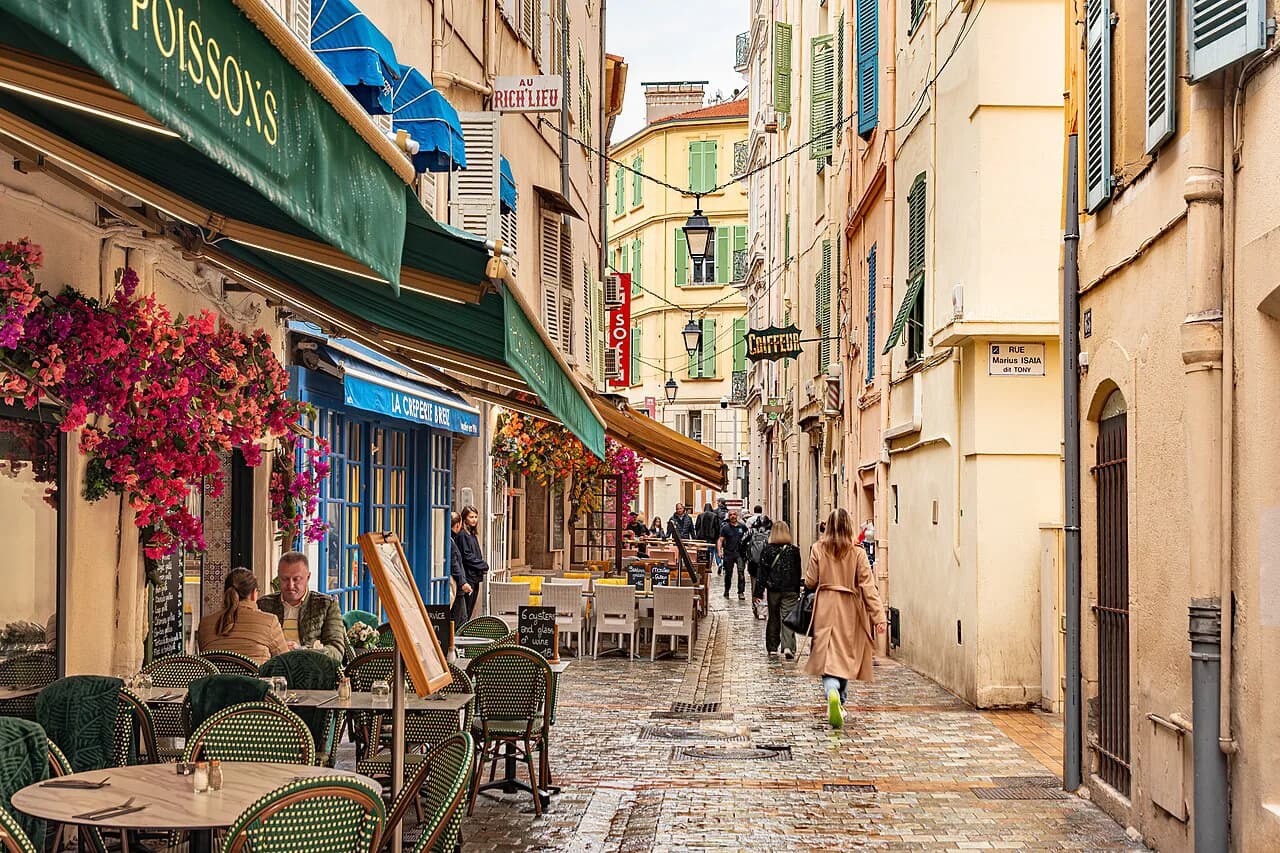
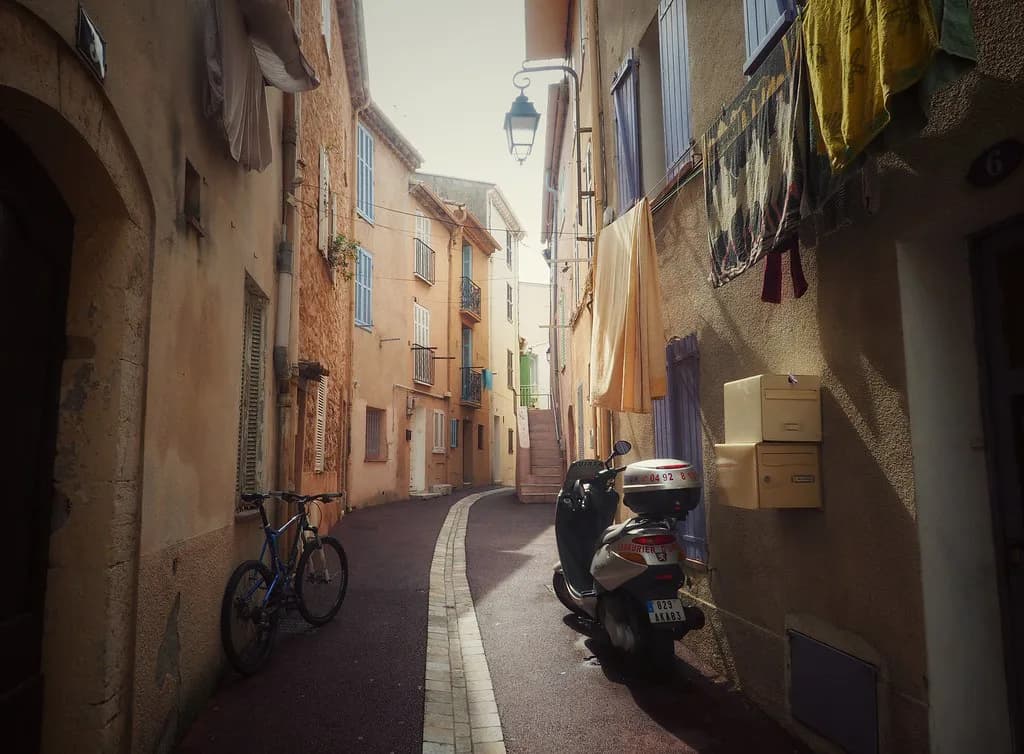
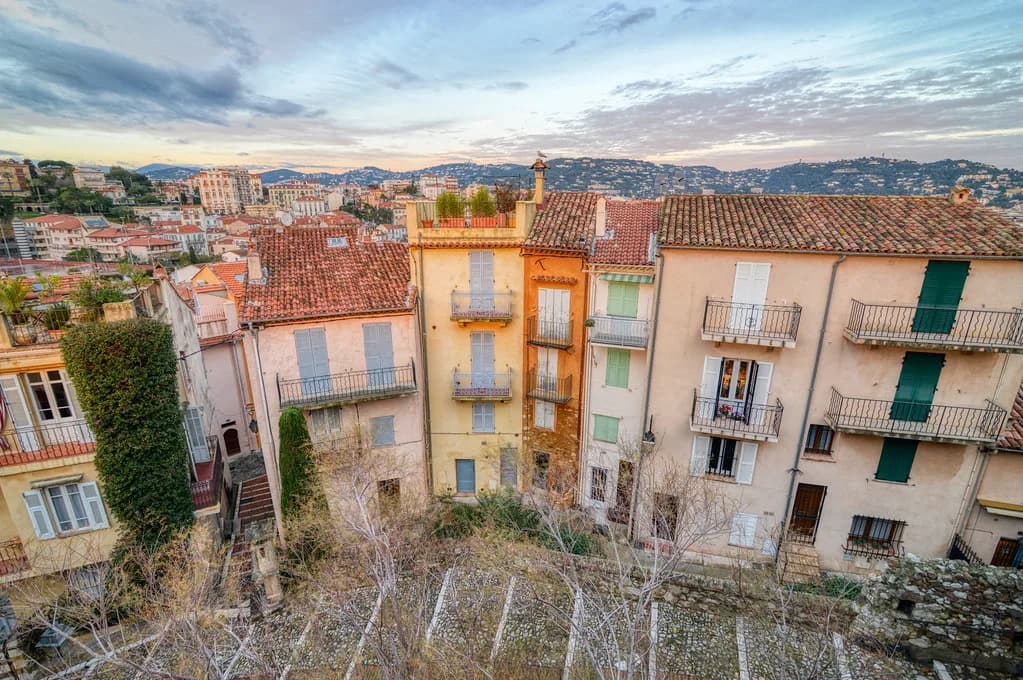
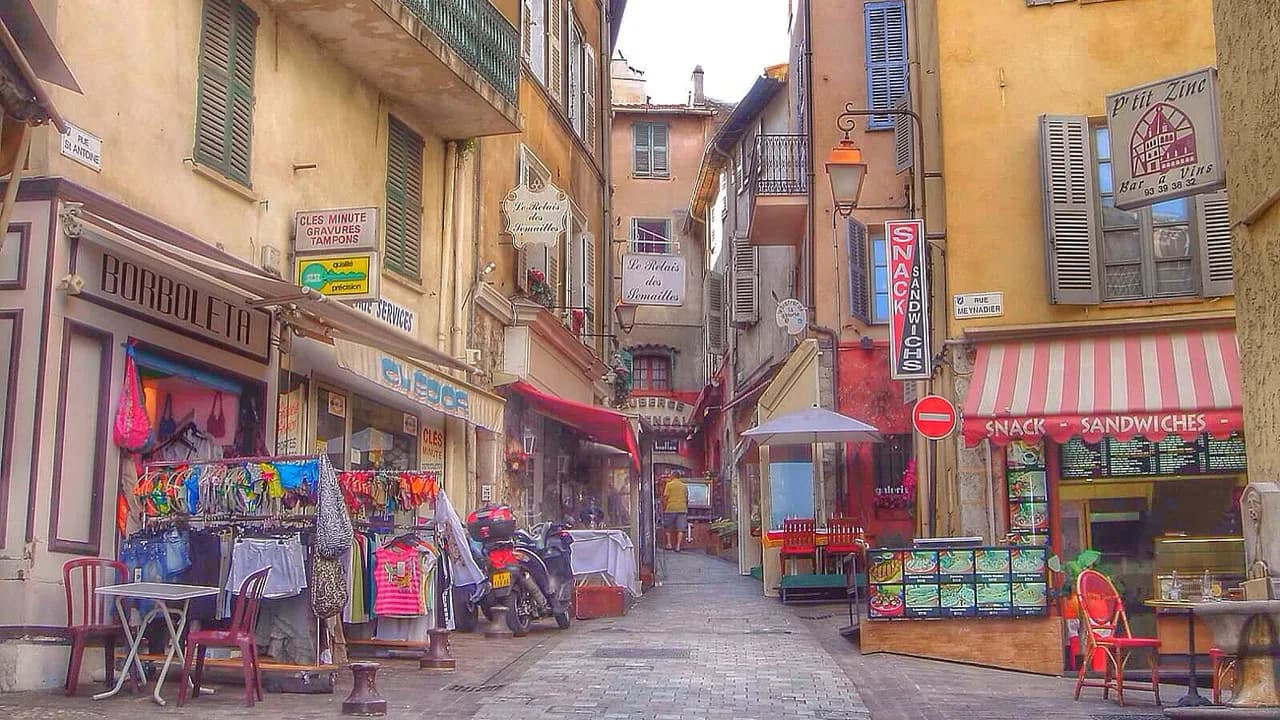
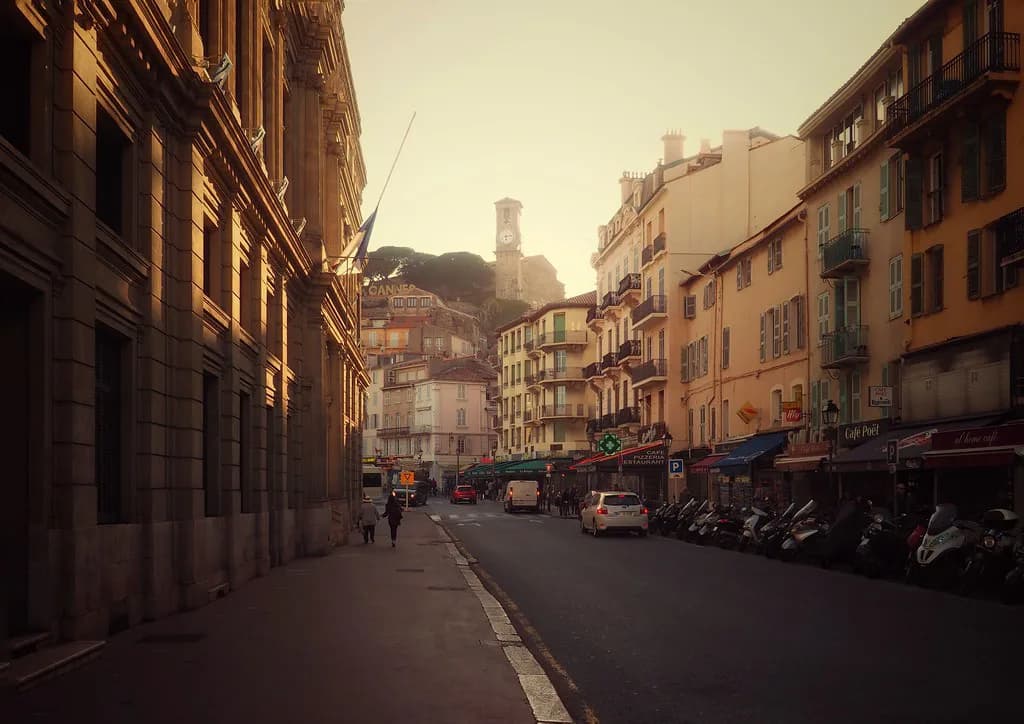
Le Suquet is the original fishing village, a knot of narrow cobbled streets climbing the hill above the port, with pastel houses and the 12th-century Tour du Suquet keeping watch over the harbour. The quarter is open to walk at any time, and the top rewards you with one of the best panoramic views of the bay and the Lérins islands, particularly in late-afternoon light.
Be honest about the trade-off: the lower lanes carry souvenir shops and tour groups in quantity, and the climb involves real altitude and stairs. Take a few turns into the quieter side alleys and the crowds thin quickly, which is where the old town becomes worth the effort. Read more on where to wander in our guide to Cannes Old Town.
If you only have one day, do Le Suquet before the afternoon. The hill is the most atmospheric part of Cannes for many visitors, but it is also where the tourist crush is concentrated, and the side alleys are far pleasanter when the coach groups are still at lunch.
The Best Viewpoints in Cannes
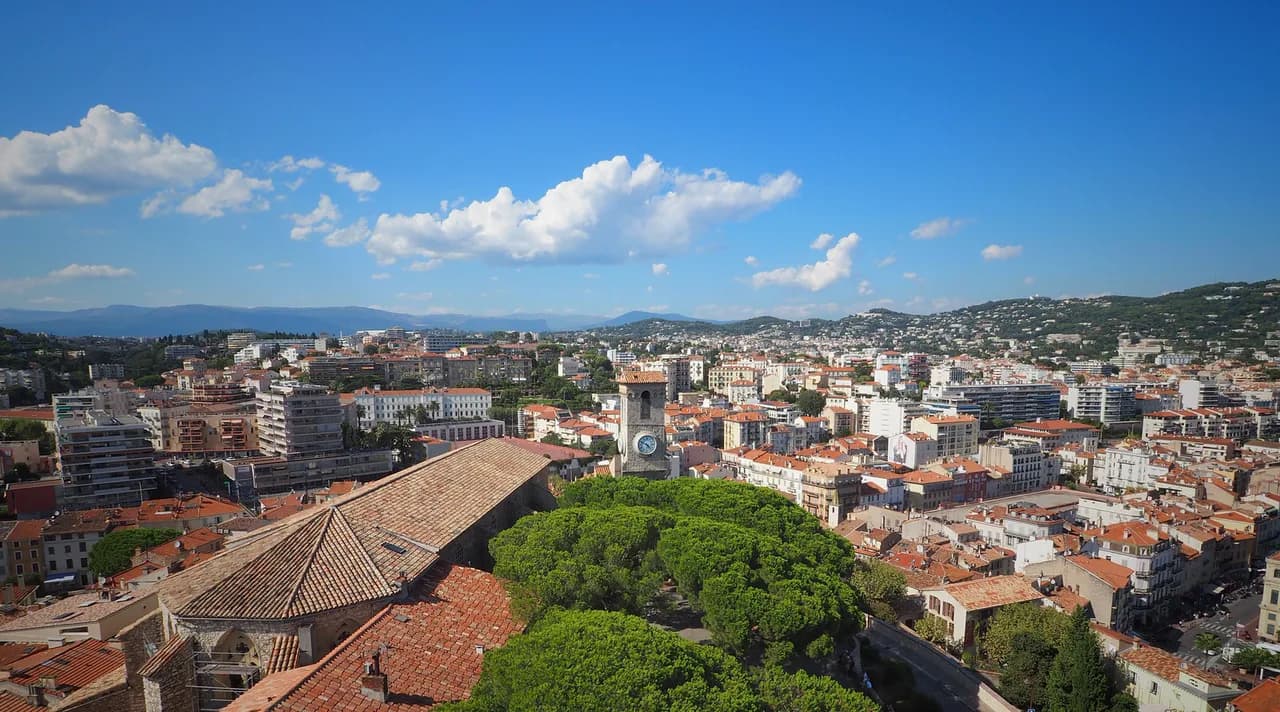
Above the old town, the Église Notre Dame d'Esperance is a 16th-century church and one of Cannes' postcard images, with a busy square in front looking over the bay. Trees partially interrupt the panorama from the square itself, so the church terrace is a good view rather than a perfect one.
The better trick is next door: the entrance to the Musée des Explorations du Monde sits right beside the church in a former castle, and you can climb the museum tower for an unobstructed view in every direction. Admission is 6.50 euros for adults and free for students and under-26s with ID. That makes the tower the best-value panorama in town, and our pick for photographs.
For a quieter alternative, the Observatoire de la Californie sits on a residential hill on the Boulevard de la Californie, with sweeping views over the bay, the islands and the Estérel mountains. It is accessible during daylight hours and attracts far fewer people than Le Suquet. Check it against the wider list of museums if you want to build a wet-weather plan.
Marché Forville: What to See and How to Time It
Marché Forville, the covered market on Rue du Marché Forville, has been the heart of daily Cannes life since 1934, with stalls of Provençal produce, fresh fish, olives, cheese and regional specialities. It opens Tuesday to Sunday in the mornings and closes on Monday, though summer brings a different pattern, so check the exact hours before an early start.
Arrive early: the market runs from 7:30am to 12:30pm, extended to 1:30pm in July and August, and it is the best place in town to assemble a picnic for the beach or the hill. Look for the red-sign stall called Socca'nnes, in the corridor opposite the Spar, for socca, the chickpea-flour pancake baked in a wood oven and finished with pepper. It is an easy, budget-friendly way to eat well in the morning.
Pair the market with lunch or a snack nearby rather than a full restaurant booking: a morning at Forville followed by a slow walk through Le Suquet fills half a day without spending much. If you want the market to anchor a food-focused trip, our guide to markets covers what runs when, and the best restaurants in Cannes picks up where the stalls leave off for a sit-down meal.
Beaches: Croisette Clubs Versus the Quiet Public Stretches
The Croisette's sea-facing side is roughly three kilometres of beach houses, cafés, restaurants and beach clubs, where the point is as much being seen as swimming. The club scene is expensive and body-conscious, and if that is not your idea of a holiday you have better options a short distance away.
Plage Gazagnaire, across the bay, is public, relatively narrow and close to the road but genuinely good for swimming, and kayak hire at the northern end runs at roughly 20 euros an hour for a two-seater. Further west, Rochers de la Bocca has rock formations that give it a wilder, more natural feel than the groomed Croisette sand.
Choose according to your day: a Croisette beach club if you want loungers and service, Gazagnaire or La Bocca if you want a towel on the sand and a swim without a bill. A morning at Marché Forville followed by an afternoon at Gazagnaire makes an inexpensive, well-paced day.
Crossing to the Îles de Lérins: Sainte-Marguerite
A few hundred metres off the mainland, the Îles de Lérins rise from the water, and Sainte-Marguerite, the largest of the four, is the classic half-day outing. Boats with Trans Côte d'Azur leave from Port de Cannes at quai Laubeuf, and the crossing takes roughly 15 to 20 minutes. Boats run every one to two hours through the year, with a denser service in high season.
On the island, walk about ten minutes from the boat dock to Fort Royal, where part of the site served as a state prison for centuries and held the mysterious man in the iron mask for 11 years. The oldest section is now a museum with archaeological finds, and the panoramic terrace beyond it is the high point; admission is 6.50 euros. There are no cars or buses on the island, so everything is done on foot.
Most people come for the coves, cliffs and clear water, with quiet spots still findable among the pines even when dozens of boats crowd the coast in high season. Whether the half day is worth it depends on your appetite for walking versus swimming: the fort and terrace suit a sightseeing mood, the coves a lazy one. If you are weighing up a longer trip, see whether Cannes is worth visiting for a short break.
Using the Old Port as Your Base for a Walk
The Old Port, around Quai Saint-Pierre, mixes working fishing boats with the superyachts that fill the harbour during the film festival and the big boat shows. Its harbour-side restaurants and cafés make it a pleasant place for a coffee while you watch the traffic on the water. It is also where the island boats leave, so it doubles as a natural start or end point for a day.
A sensible walking order is port first, then Le Suquet above it, then the Croisette: you start where the town is still a working harbour and finish on the promenade. Allow most of a morning for the harbour and the old town, and leave the afternoon for the seafront or the market depending on the day.
Shopping and Everyday Cannes: Rue d'Antibes
Rue d'Antibes runs parallel to La Croisette and serves as Cannes' main shopping street, with a mix of high-street brands and smaller independent shops rather than the luxury houses on the seafront. It is the affordable alternative to the Croisette addresses, and there are cafés and bakeries along the way for a break. Shops generally open from 10:00 to 19:00, though individual businesses set their own times.
Treat Rue d'Antibes as a way to see ordinary Cannes behind the film-festival gloss: pick up picnic supplies, look at the everyday shopfronts and use it as a short cut between the seafront and the old town. It is a fifteen-minute walk end to end rather than a sight in itself.
How Many Days Cannes Needs
One full day on foot covers the centre: the Old Port, Le Suquet and the Église Notre Dame d'Esperance viewpoint, the Palais des Festivals steps and the Croisette. Add a half day for Sainte-Marguerite and you have a comfortable two-day break without rushing. That leaves the second evening free for the harbour or a longer dinner.
With three days you can spread the Croisette and the beaches over separate afternoons and still fit the market, the museum tower and the island without squeezing anything. The trade-off is that Cannes has less to fill a third day than a bigger city, so many visitors use it as a slower final day or a base for the coast.
Where to Eat and Drink
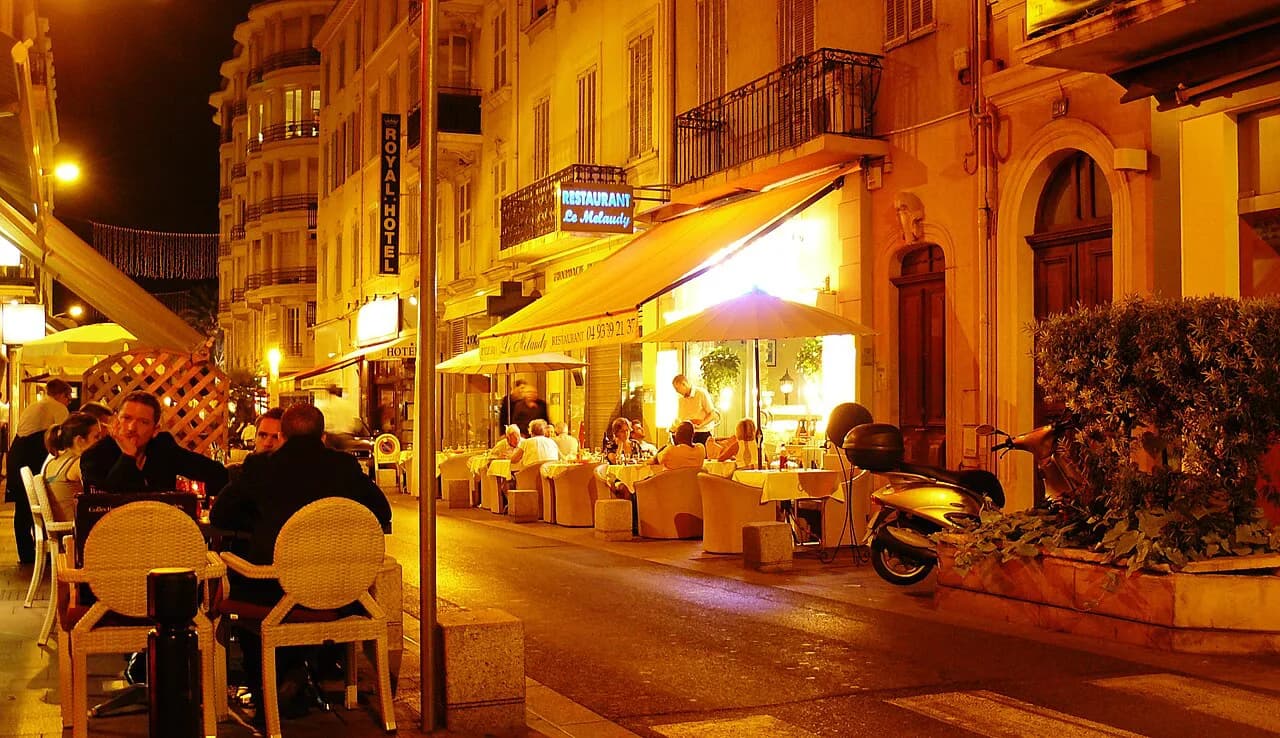
The cheapest good food in Cannes is at the market: socca at Socca'nnes, picnic ingredients from the stalls, or a salad from the charcuterie counters. For a sit-down lunch, the old town around Le Suquet holds most of the casual addresses worth knowing, with Italian-inspired kitchens and pavement tables within a few minutes of the market.
Beach-club lunches on the Croisette are a different calculation: you are paying for the setting and the sea view, and main courses there are priced for the postcode rather than the food alone. A reasonable plan is one beach-club meal as an occasion and the rest of your eating at the market and in the old town.
What to Skip on a One-Day Visit
With a single day, skip the island. The crossing and a walk round Fort Royal take a half day by the time you have waited for a boat, and the town centre rewards the time more. Leave Sainte-Marguerite for a two-day trip.
Skip the Croisette beach clubs if the weather is doubtful or the budget tight, and skip a second sweep of Le Suquet's lower lanes once you have seen the main streets: the side alleys are better. Spend the saved time on the museum tower for the view and the market for food.
When to Go
The Film Festival in May draws the crowds and the prices that Cannes is famous for, and the Lérins boats fill accordingly. Outside that period the town is calmer, and the shoulder months on the French Riviera are comfortable for walking the old town and the seafront. September is a good middle ground, with the sea still warm and the summer crush gone.
October brings quieter streets and a gentler pace without the summer crowds, and the public beaches and market remain the backbone of a short break at that time of year. Check our month-by-month guides before booking, and use them to set expectations rather than to chase specific dates.
Putting the Weekend Together: A Two-Day Route
Day one: start at the Old Port for coffee, climb Le Suquet to the Église Notre Dame d'Esperance and the museum tower, and come down for a market lunch at Marché Forville, which is open mornings and closes on Monday. Spend the afternoon on the Croisette, take the Palais des Festivals steps and the handprints, and finish with a beach walk at sunset.
Day two: take an early boat from quai Laubeuf to Sainte-Marguerite, walk to Fort Royal for the museum and terrace, and swim in a cove before catching a return crossing. If the weather turns or the schedule is tight, swap the island for Gazagnaire beach and Rue d'Antibes shopping, which need no ferry.
Plan Your Visit
Cannes rewards a short, well-ordered weekend rather than a long list of sights: the harbour, the old town hill, the market and the Croisette fit into one day of walking, and the island fills a second. Pick your beach by temperament and your viewpoint by patience, and the town delivers without much planning.
If you are building a wider trip along the coast, the same slow, area-by-area approach works well in other Provençal towns, and there are good options for things to do in Aix-en-Provence and things to do in Arles if you want a city break that leans more on museums and Roman remains.
Explore more Cannes guides
Frequently Asked Questions
How many days do you need in Cannes?
Two nights is comfortable. One full day on foot covers the Old Port, Le Suquet, the Église Notre Dame d'Esperance viewpoints, the Palais des Festivals steps and the Croisette, and a half day more lets you take the boat to Sainte-Marguerite without rushing.
Is Cannes worth visiting for a weekend?
Yes, if you want a compact seaside town with a strong sense of place rather than a checklist of major sights. The harbour, the old fishing quarter, the covered market and the promenade are enough to fill a short break, and the island gives a second day a purpose.
What can you do in Cannes in one day?
Start at the Old Port and climb Le Suquet to the church square and the museum tower, then lunch at Marché Forville, which opens Tuesday to Sunday in the mornings. Spend the afternoon on the Croisette with the Palais des Festivals steps and the Allée des Etoiles du Cinéma, and finish with a beach walk.
When is Marché Forville open?
The market runs Tuesday to Sunday in the mornings and closes on Monday, with longer summer hours. Arrive early to see it at its best, and check the current pattern before planning your day around it.
How do you get to Sainte-Marguerite island from Cannes?
Boats leave from Port de Cannes at quai Laubeuf, and the crossing takes roughly 15 to 20 minutes. Services run year-round at intervals, more frequently in high season; the return times shape your day.
What is there to see in Cannes old town?
Le Suquet climbs a hill above the port, with cobbled lanes, pastel houses and the 12th-century Tour du Suquet. The Église Notre Dame d'Esperance square has a bay view, and the museum tower beside it gives a clearer panorama in every direction.
Which beaches in Cannes are free and public?
Plage Gazagnaire across the bay is public and good for swimming, and Rochers de la Bocca to the west has rock formations and a wilder feel. The Croisette side is where the beach clubs and paid loungers are concentrated.
Is Cannes walkable for sightseeing?
Yes, the centre is compact: the Old Port, Le Suquet, Marché Forville and the Croisette all sit within walking distance of each other. The climbs in the old town involve stairs, and the island has no cars or buses, so comfortable shoes matter more than transport.
Sources
Notes for French city breaks
Optional updates to our guides.
You might also like
Continue reading
More guides you'll find useful