Best Restaurants in Cannes: Where to Eat by Area and Budget
A practical guide to eating in Cannes, from Forville market seafood and Le Suquet Provençal cooking to Croisette brasseries and a boat lunch on the islands.
On this page
The best eating in Cannes clusters around Marché Forville and the old town, with La Croisette charging for its address and the Lérins islands offering a lunch that comes with a boat crossing. Plan each day's main meal near the quarter you are already walking, because the city is compact but the good-value cooking and the sea-view cooking sit at opposite ends of it. Provençal and Niçois staples, seafood and a strong Italian thread run through all of it.
A weekend works best with two booked meals and the rest kept loose: one long lunch near the market, one dinner where the view matters more than the bill. Everything else can be assembled from market stalls, a bowl of pasta and a gelato.
What Cannes food is actually like
Expect Provençal and Niçois cooking with a Mediterranean seafood spine: tapenade, socca, fruits de mer, grilled fish and olive oil rather than butter. Italian influence is genuine and visible, from house-made pasta to gelato made with milk from Alpine pastures. This is a city where a market breakfast, a long seafood lunch and a light dinner is a better plan than three heavy sittings.
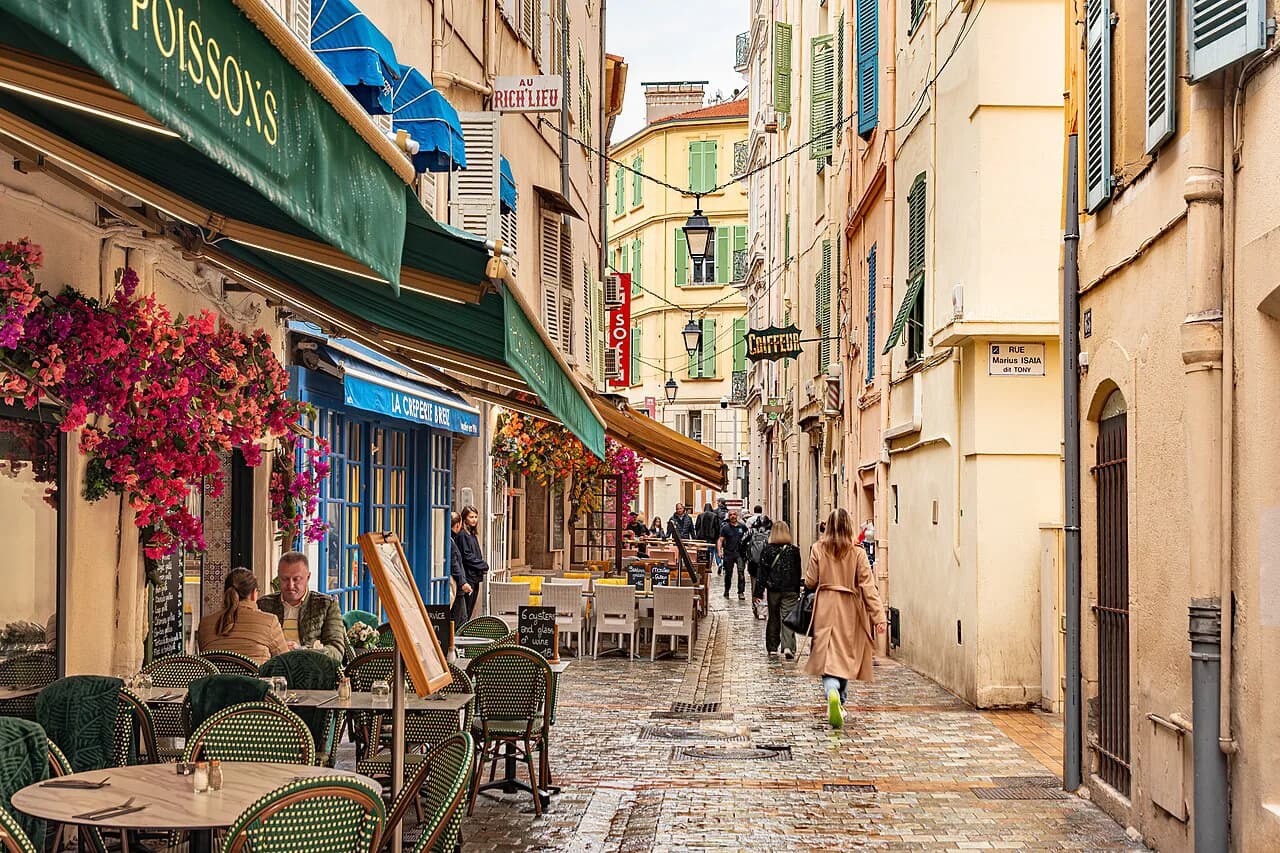
Cannes has a reputation for expensive dining, and the Croisette end earns it. The value sits nearer the market and in the backstreets of Le Suquet, where family-run places serve dishes such as foie gras maison and grilled lamb with thyme, and where the city's millennium-old lanes reward a slow lunch.
How the city layout shapes where you eat
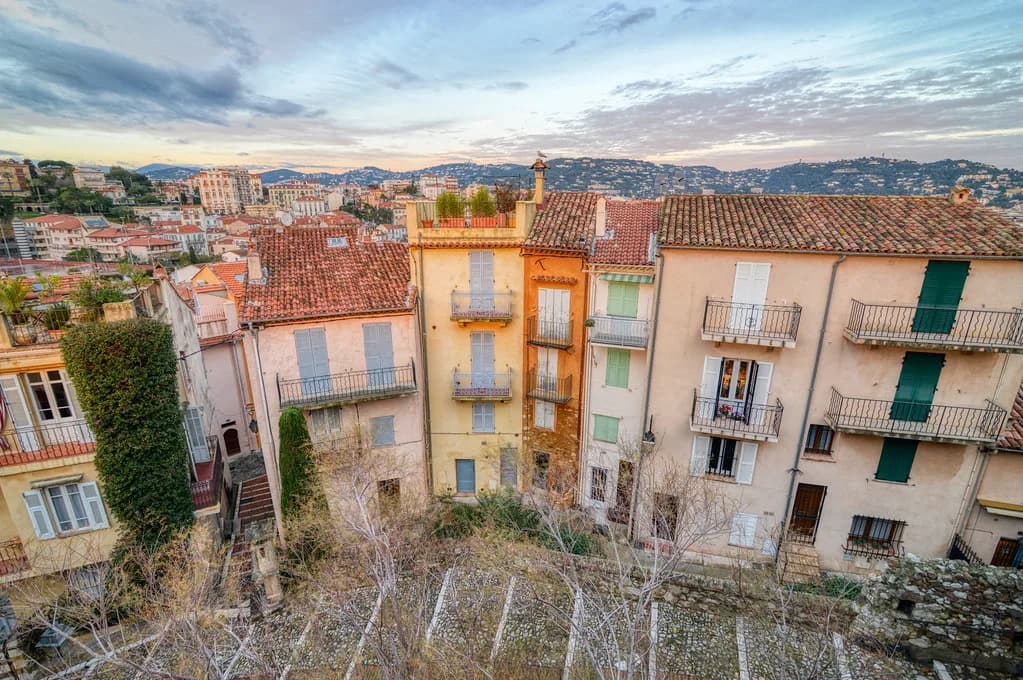
Treat Cannes as four eating zones. Marché Forville and Le Suquet sit inland from the port and reward a morning or lunch visit. La Croisette is the seafront strip of grand hotels and brasseries, Pointe Croisette is quieter and residential, and the Lérins islands need a boat each way.
Build the day around one big meal rather than criss-crossing town. The Forville stalls, a bustling market with black olive tapenade, still-warm socca and a technicolour flower section, trade daily before 1pm, so pair them with a wander through the cobbled old town afterwards instead of doubling back later.
Around Marché Forville and Le Suquet
Start at Forville and buy what you can carry, treating the rest as a recce for lunch. Just off the market, Poissonnerie Forville is the obvious seafood stop, where Cannois drink crisp whites or Provençal rosés with oysters and platters of fruits de mer. Order a shared platter and a glass rather than a full three courses, then leave room for the old town.
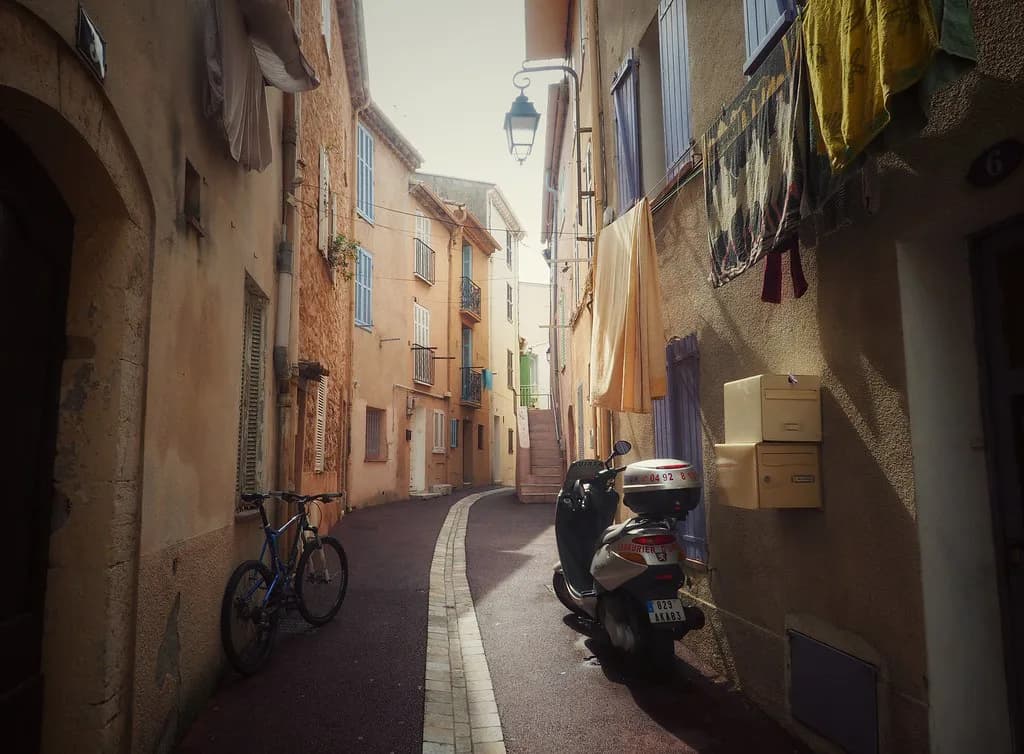
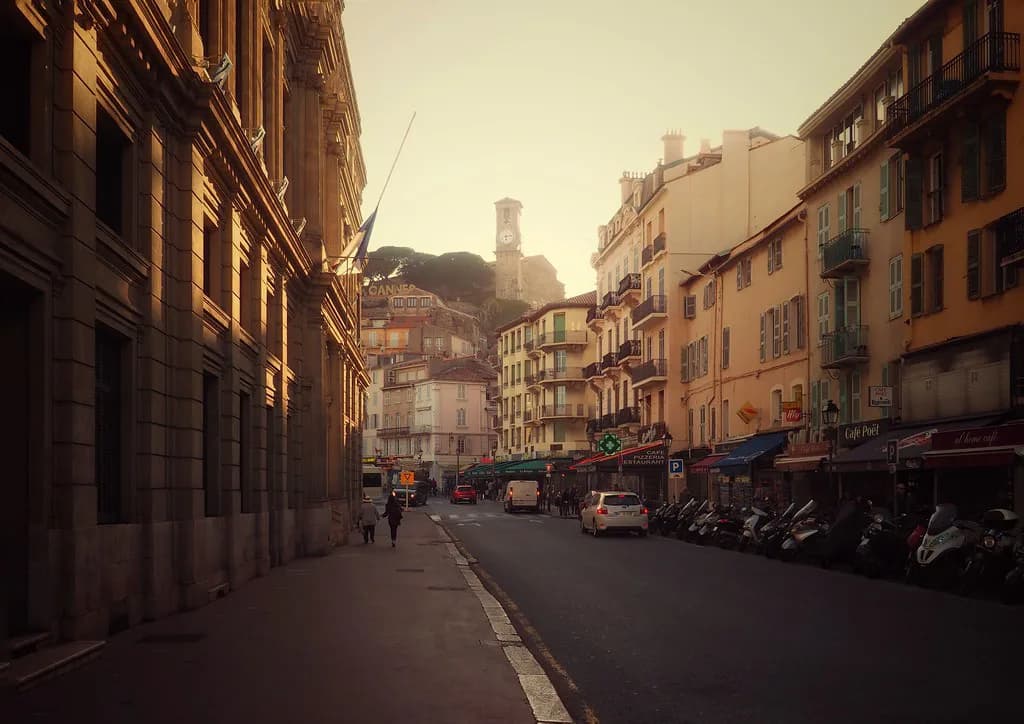
Above the market, La Suquet is hilly cobbles, pocket-sized bars, boutiques and family-owned restaurants serving Provençal cooking. Lunch is the easier meal here: the streets are quieter, the light is better and you are not competing with the evening promenade. Book dinner only if you want the atmosphere of the lanes after dark.
Italian and casual picks
Da Laura is an Italian trattoria near Forville with flamingo-pink walls, a plant-covered ceiling and mismatched chairs, and its house-made pasta is the reason to go. Il Labo next door sells dry pasta so you can recreate the trofie with pesto or spicy penne arrabbiata at home.
For dessert, Niva gelateria is a five-minute stroll from that pair, using milk from Italian Alpine pastures with ingredients such as Piedmontese hazelnut and hand-crushed dark chocolate. It makes a sensible end point to a market morning without committing to a sit-down meal.
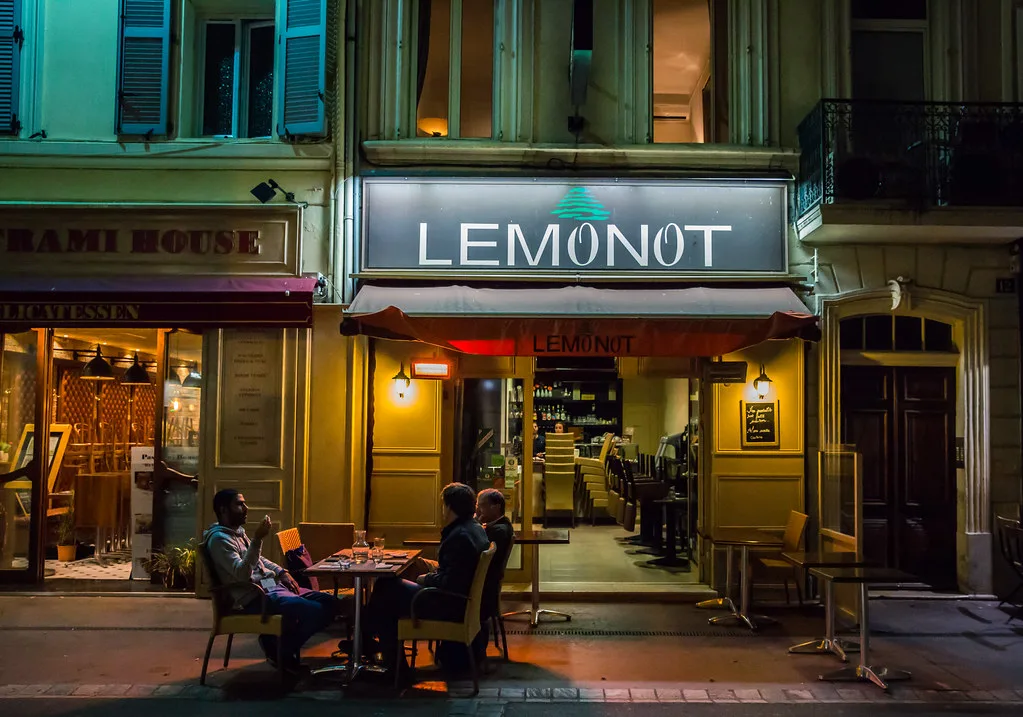
On and near La Croisette
Le Fouquet's, just off the Croisette Beach and linked to chef Pierre Gagnaire, serves reimagined brasserie classics including a terre et mer tartare of raw steak, smoked herring, red tuna and Beaufort cheese. Finish with the profiteroles, where molten chocolate is poured at the table. You are paying for the address and the polish as much as the cooking.
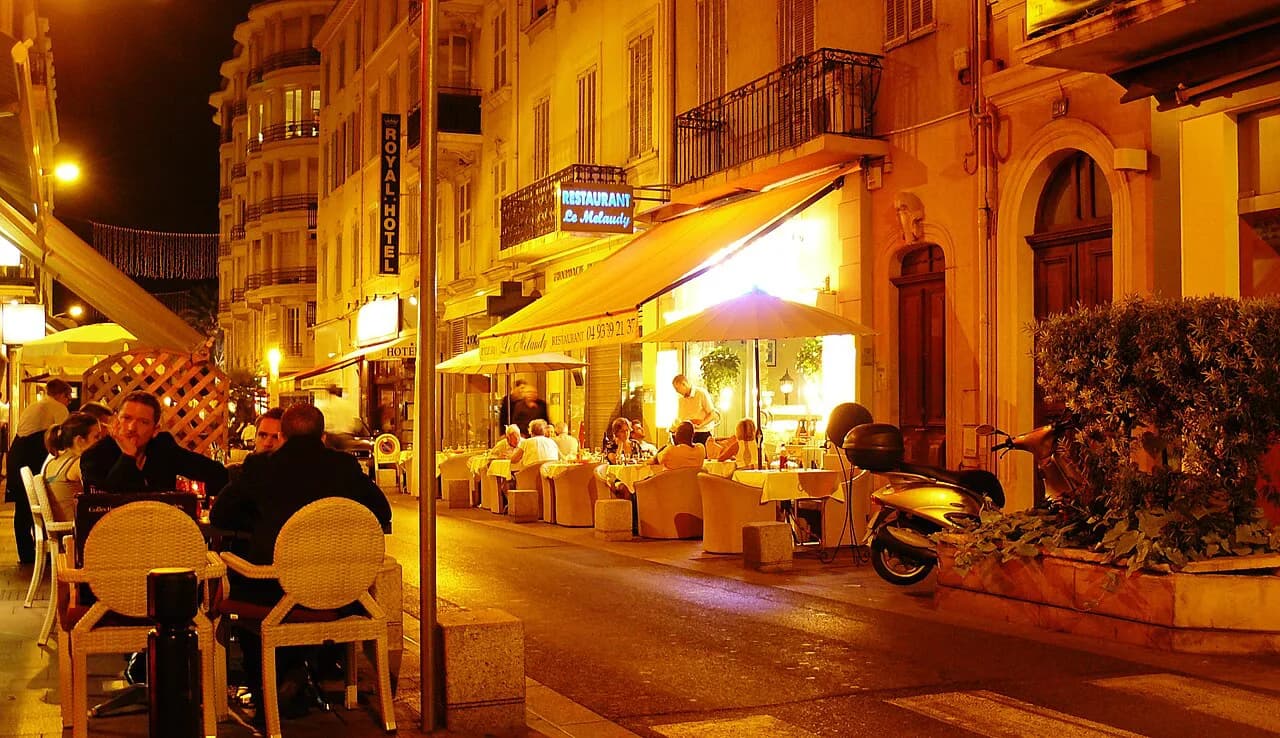
If you want the seafront without a full brasserie bill, walk the promenade first and eat further back. The seafront is also where the shopping and people-watching concentrate, so a Croisette stroll can sit either side of a lighter meal.
The quieter side: Pointe Croisette
Fred l'Écailler sits in the calmer Pointe Croisette neighbourhood, where the owner scales and serves the daily catch alongside shellfish, oysters, scallops and langoustines. The sun-facing terrace is the draw, and dishes like crispy calamari or ray with capers suit a long, unhurried lunch better than a quick stop.
This is the trade-off worth making: less polished room, better sense of a working seaside neighbourhood. The Riviera dining scene also runs to festive bars and beach-club restaurants, which are a different evening altogether, so pick your mood before you pick the quarter.
Seasonal and rooftop eating: Bella at Hôtel Belle Plage
On the rooftop of Hôtel Belle Plage in the Suquet district, Bella serves Mediterranean sharing plates that change with the season and the chef's daily market finds, such as whole sea bream with roasted tomatoes and lemons, or beef carpaccio with pine nuts and crushed pepper. Order across the menu and share rather than taking a solo main.
Late on Sunday morning the rooftop turns into a brunch spot with a crêpe station, homemade pastries and sea views. That makes it the natural anchor for a Sunday in Cannes, with the market and old town saved for Saturday.
A boat lunch on Île Sainte-Marguerite
From April to October, speed boats and yachts dock alongside Île Sainte-Marguerite for La Guérite, a restaurant running since 1902 under Aleppo pine and eucalyptus, with jasmine-lined paths and blond wooden tables. The menu runs to seared octopus with Camargue salt, Greek salad with spiced feta and spiny lobster, and the mood is celebratory rather than hushed.
The Lérins islands are a 15-minute boat ride from the centre, with several companies running regular crossings in both directions. Combine lunch with the monastery on Saint-Honorat or the pine and eucalyptus forest on Sainte-Marguerite, and treat the whole outing as half a day rather than an add-on.
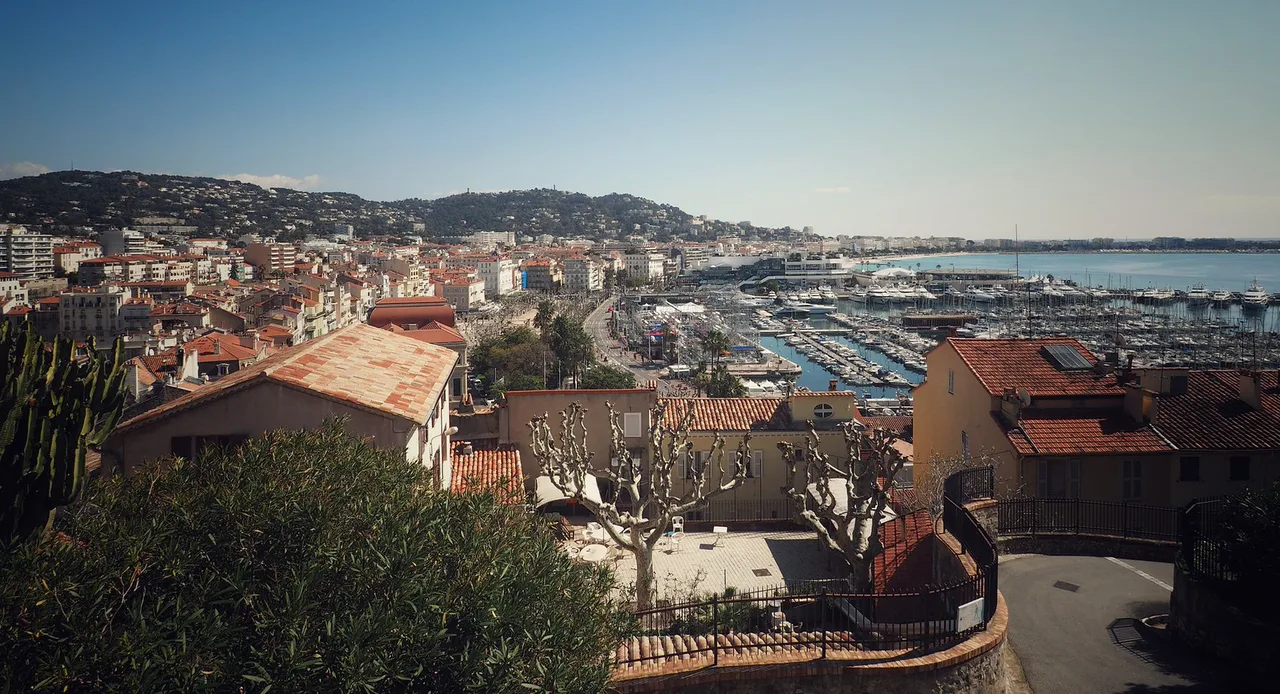
Budget and timing trade-offs
The cheapest good eating is market-adjacent and at lunch: a shared seafood platter, a plate of pasta, a gelato. Croisette dinners cost far more for a comparable standard of cooking, so spend there only if the setting is the point.
Sunday changes the shape of the day: Bella's brunch is a late-morning affair, and the Forville stalls operate before 1pm, so a Sunday lunch on a rooftop and a Saturday market morning is the cleaner arrangement. Restaurant hours in Cannes vary by venue and season, so check the restaurant's own site for the day you plan.
The film festival in May fills the city and pushes prices up, so a spring or autumn weekend gives you better value and easier tables. The best time to visit guide covers how the seasons change the mood and the crowds.
Practical notes for a weekend of eating
Book the two meals that matter — a rooftop table or an island lunch — and leave the rest flexible. Portions at Bella and Poissonnerie Forville are built for sharing, which keeps the bill down and lets you try more.
Walking times are short: Forville to Le Suquet is a few minutes uphill, and the Croisette to Pointe Croisette is a seafront stroll. Plan one meal per quarter per day and you will spend your time eating rather than crossing town.
Plan Your Eating Around Your Visit
Build your Cannes eating around the market and the old town first, then decide whether your splurge is a Croisette brasserie or a boat lunch on Sainte-Marguerite. Either way, keep one meal loose and local. The wider things to do in Cannes guide helps you slot restaurants between sights rather than around them.
If you are still deciding whether the city suits a short break, the honest guide to whether Cannes is worth visiting sets out the trade-offs plainly. For a like-for-like comparison of Provençal cooking in a calmer city, the best restaurants in Aix-en-Provence are a useful benchmark.
Explore more Cannes guides
Frequently Asked Questions
What are the best restaurants in Cannes?
It depends on the quarter. For market-adjacent seafood, Poissonnerie Forville just off Marché Forville is the obvious pick, with oysters and fruits de mer. For old-town Provençal cooking, the family-run places in Le Suquet suit a long lunch. For a polished brasserie on the seafront, Le Fouquet's is the classic choice, and La Guérite on Île Sainte-Marguerite is a seasonal boat lunch.
What food is Cannes famous for?
Provençal and Niçois cooking with a strong seafood accent: tapenade, socca, fruits de mer, grilled fish and olive oil. Italian influence is real too, from house-made pasta at Da Laura to gelato at Niva made with milk from Alpine pastures.
Where can you eat cheaply in Cannes?
The market and old town end. Marché Forville sells tapenade, socca and produce before 1pm, and a shared seafood platter at Poissonnerie Forville or a plate of pasta at Da Laura keeps costs down. Gelato at Niva is a low-cost dessert stop.
Which Cannes restaurants are in the old town?
Le Suquet, the hilly old quarter above the port, is where the family-owned restaurants serving Provençal dishes such as grilled lamb with thyme sit. Poissonnerie Forville and Da Laura are just off the nearby market rather than inside the old lanes.
Is Marché Forville open every day?
Yes. Forville operates daily before 1pm, with local specialities, a flower market and stalls selling tapenade and warm socca. Afternoon visits will find it closed.
When is La Guérite open?
La Guérite runs from April to October, when boats dock alongside Île Sainte-Marguerite. It is a seasonal lunch, not a year-round option, and reaching it involves a short boat crossing from Cannes.
Do you need to book restaurants in Cannes?
Book the meals that matter — a rooftop table at Bella, an island lunch at La Guérite, a Croisette brasserie — and keep market lunches and pasta stops flexible. Avoid the film festival in May if you want easier tables and better value.
Sources
Notes for French city breaks
Optional updates to our guides.
You might also like
Continue reading
More guides you'll find useful