Things to Do in Versailles: Palace, Gardens and Town
Plan things to do in Versailles, from the Palace and gardens to the Estate of Trianon, with opening days, ticket options and a realistic day's shape.
On this page
The Palace of Versailles is the reason most people come, and it deserves the first half of your day: the Palace opens at 9.00 am and closes at 6.30 pm, and the Estate of Trianon follows from 12.00 pm to 6.30 pm. Both are shut on Mondays, along with 25 December, 1 January and 1 May, so Monday is the one day to rule out when you book.
Give the estate a full day if you want the Palace, the gardens and the Trianon without rushing, or half a day if you keep to the Palace and the central gardens. The town of Versailles itself is a short walk from the gates and makes a sensible add-on for an evening meal or a second morning rather than a headline sight. If you enjoy sizing up a town around a single monument, our guide to things to do in Aix-en-Provence shows the same Palace-plus-old-town pattern in a smaller setting.
What to Do in Versailles in a Nutshell
Build the day around three blocks: the Palace first, the gardens and Park second, the Estate of Trianon third. Each sits at a different distance from the others, and the order matters because the Trianon does not open until 12.00 pm while the Palace is already admitting visitors from 9.00 am.
The town is the fourth block, worth an hour or two once the estate closes or on a separate morning. Treat the Palace as the fixed point and let everything else flex around your timed entry slot, which is printed on the ticket and gates your arrival at Entrance A.
How Versailles Is Laid Out
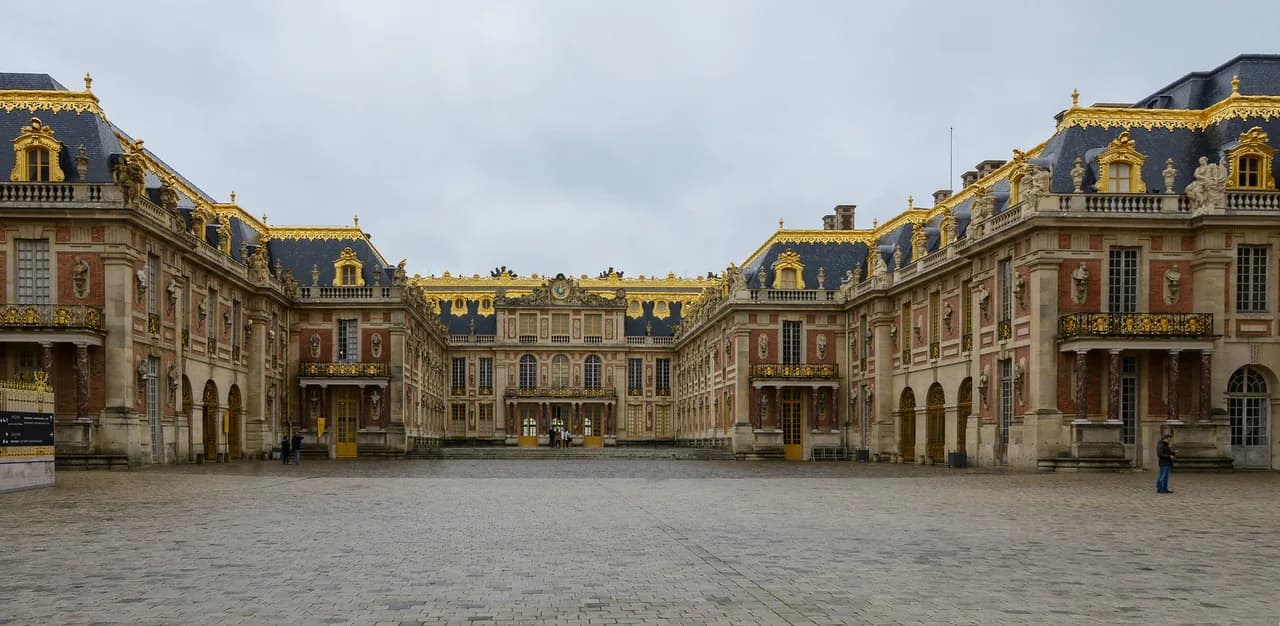
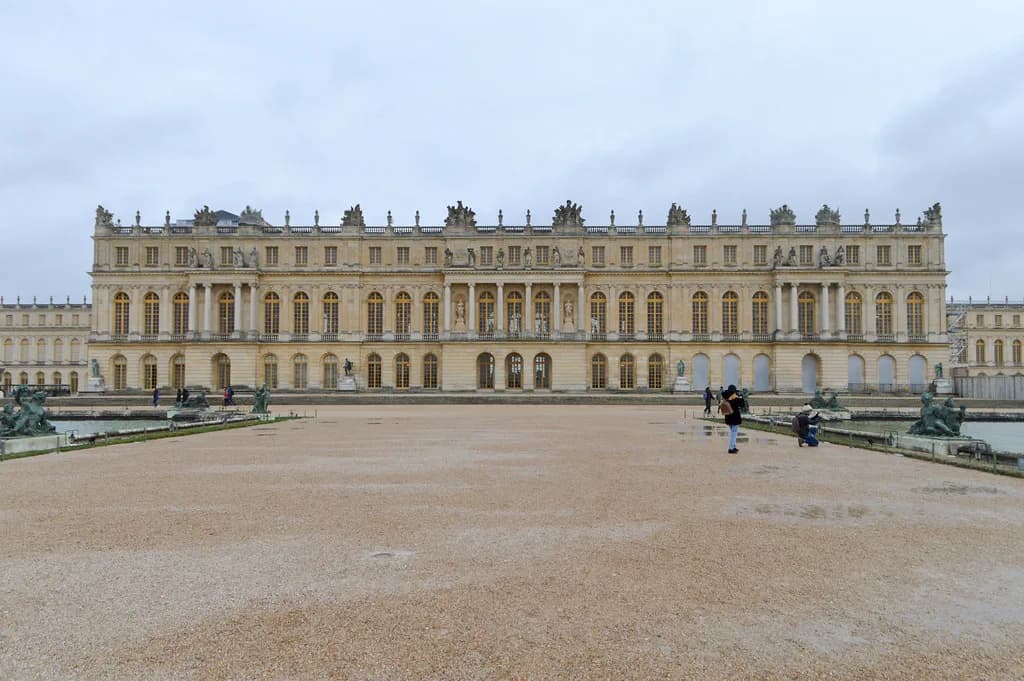
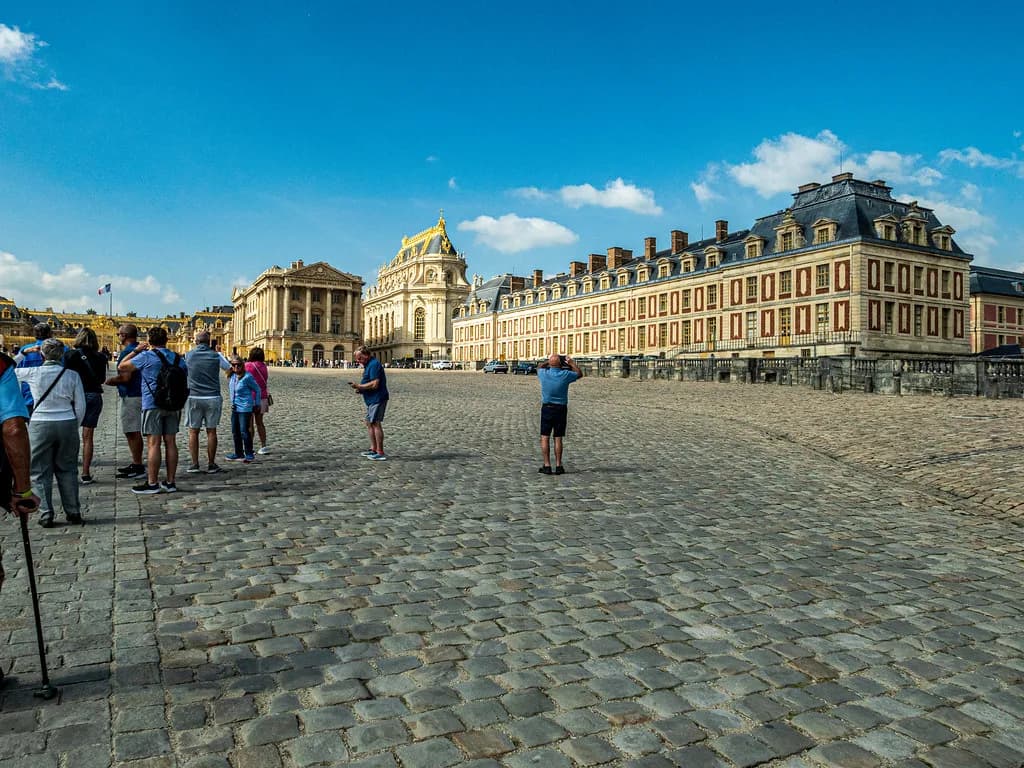
Everything starts at the Place d'Armes, the forecourt where the Palace sits and where you arrive from all three train stations. Behind the Palace the gardens run west to the Grand Canal, with the Park beyond, and the Estate of Trianon sits across the grounds to the west, reached by the little train from the Grand Canal or Water Parterre stops, which is why the little train exists.
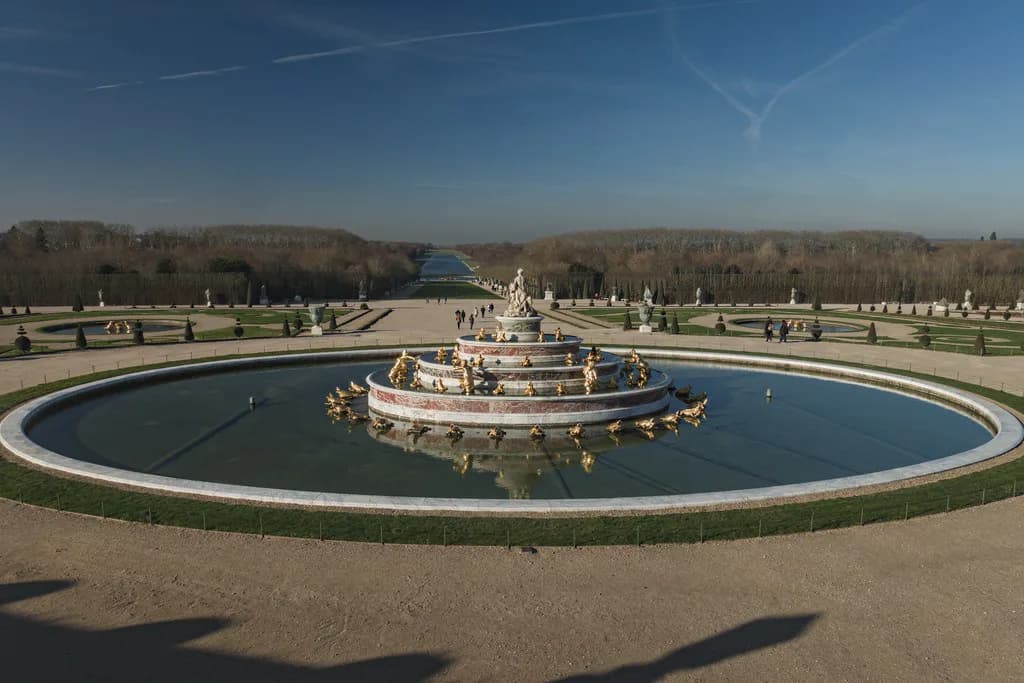
For scale: the gardens run from 7.00 am to 8.30 pm and so does the Park, so both stay open long after the Palace shuts. The Bassin d'Apollon sits on the central axis between the Palace and the Grand Canal, which makes it a natural turnaround point if you are walking rather than riding.
The Palace of Versailles: How the Day Works
Tickets carry a timed entry slot, and the official route for a 9.00 to 10.30 am slot puts the Palace first, with around an hour and a half inside before you move out to the gardens. Arrive at Entrance A at the time shown on your ticket rather than early, and expect security queues to eat into that buffer.
Buy through the official ticket office: the Palace warns that counterfeit tickets circulate and recommends purchasing admission only from its own sales channel. Rates vary by country of residence, nationality, age and time of visit, so the price you pay depends on who you are and when you go, and the official tickets and prices page is the only place to confirm it.
If your slot falls later in the day, the estate publishes separate route advice for 11.00 am to 1.00 pm, 1.00 pm to 3.00 pm and after 3.00 pm arrivals. A late slot still leaves time for the gardens but squeezes the Trianon, which closes at 6.30 pm.
What to Prioritise Inside the Palace
The Hall of Mirrors is the set piece most visitors come for, and it is also used for the Royal Serenade on evening show nights, so a daytime visit is the reliable way to see it at leisure. Beyond that, the State Apartments carry the weight of the collection, and the palace holds some 90,000 artworks that are catalogued online if you want to pick favourites before you go.
Allow an hour and a half for the Palace interior, which is the official estimate for the morning block; adding a guided tour such as the King's Private Apartments stretches that, as the tour runs 1½ hours and is charged on top of admission. That tour includes narrow passages under 80 cm wide, which is worth knowing if anyone in your group has mobility limits.
The Gardens and the Park: Groves, Mirror Pool and Grand Canal
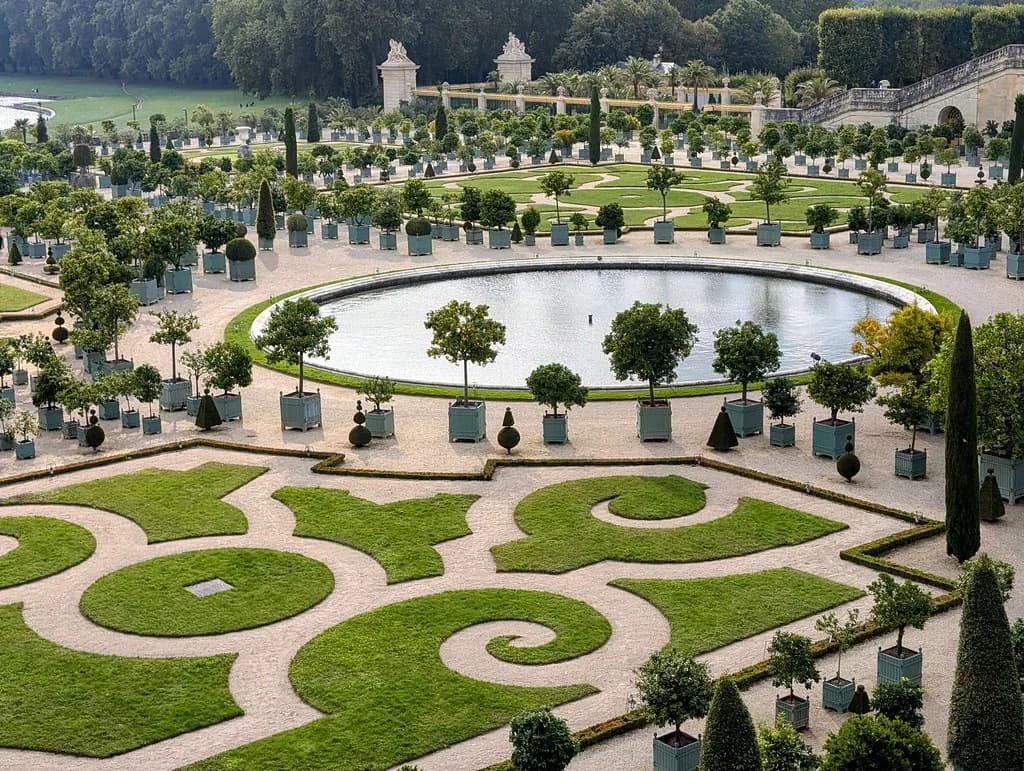
The gardens open from 7.00 am, with the groves — the walled green rooms off the main paths — as the reward for wandering away from the central axis. The Mirror Pool and the Neptune Fountain anchor the formal layout, and the Grand Canal gives you a long flat stretch for a loop on foot.
Small electric vehicles can be rented on the north terrace of the Water Parterre for getting around the gardens, the Park and the Trianon, which is the practical answer if walking the full estate is too much. On non-show summer days the gardens stay open until 8.30 pm and the groves until 7.00 pm, so an evening stroll after the Palace closes is genuinely possible.
Musical Gardens and Musical Fountains Show Days
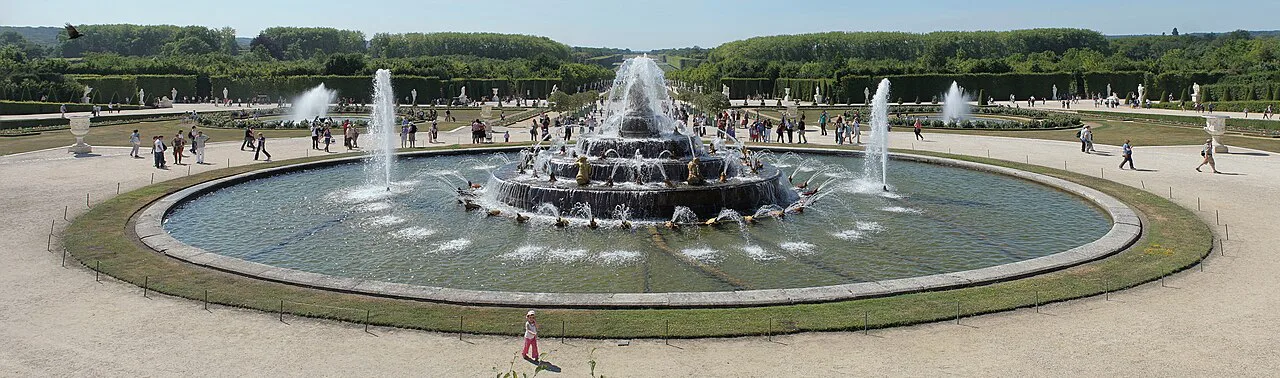
From 1 April to 1 November 2026 the estate runs the Musical Gardens and the Musical Fountains Show, which turns a garden walk into a ticketed, timed experience. On those days the water features run from 11.00 am to 12.00 pm and again from 3.30 pm to 5.00 pm, with the Neptune Fountain finale from 5.20 pm to 5.30 pm.
Show days are a different visit, not just a surcharge: some groves open only for the occasion, and on Musical Gardens days only the Mirror Pool, Neptune Fountain and Water Theatre Grove run their water. If fountains are the point of your trip, check the calendar for your dates and pick a show day deliberately, then time your garden block to the 11.00 am or 3.30 pm water window.

The Estate of Trianon: An Afternoon Block
The Grand Trianon, Petit Trianon and Queen's Hamlet sit in the quieter western part of the estate and open at 12.00 pm, closing at 6.30 pm. The official itinerary slots them from about 2.00 pm to 5.00 pm after lunch, reached by the little train from the Grand Canal or Water Parterre stops, or on foot if you have the legs for it.
Angelina sits at the exit from the Petit Trianon if you want a sit-down break before the walk back. Guided tours of the Trianon can be booked online, which is the way to get context on the Queen's Hamlet without carrying a guidebook around.
Getting There from Paris: Transilien versus RER
Three rail routes serve the estate: Transilien from Gare Saint-Lazare to Versailles Rive Droite, Transilien from Montparnasse to Versailles Chantiers, and the RER from Javel to Versailles Rive Gauche. Allow at least half an hour for the journey, per the official site, and add the walk from your station to the Place d'Armes.
All three stations work in reverse for the trip home, which is the detail that saves you a wasted evening: return to the station that matches your departure line. Rive Gauche is the closest to the Palace gates, Rive Droite and Chantiers need a short walk through town.
Tickets and Passes: When the Passport Makes Sense
On Musical Fountains and Musical Gardens show days the official advice is to buy the Passport ticket, which covers the whole estate: Palace, gardens, Estate of Trianon and the Park. That removes the friction of buying garden access separately and is the straightforward choice if you plan to see all four blocks.
On ordinary days a Palace ticket plus garden access covers most of what a first-time visitor wants, with the Trianon as the optional extra. Admission prices are not quoted here because they change and vary by nationality, age and time slot, so check the official tickets and prices page before you commit.
Beyond the Palace: A Second Day Around Versailles
If you stay a second day, the countryside west of the Palace is the payoff: the Buc Aqueduct, a 580-metre, 24-metre-high structure built to feed the Palace fountains, and the Allée Royale towards Villepreux, a car-free straight through open fields. Both suit walkers and cyclists.
The Étangs de la Minière offer a gentler waterside walk with parking for those arriving by car. None of these are essential on a first weekend, but they give the town a reason to hold you an extra night.
How Many Days Versailles Needs
Half a day covers the Palace and the central gardens and is enough if you are short on time: arrive for a 9.00 to 10.30 am slot, leave by early afternoon. A full day adds the Trianon and a proper garden loop, which is the shape the official itinerary assumes.
Two days makes sense if you want the town as well as the estate, with the second morning on the old town streets and the surrounding countryside. One night in Versailles also removes the return-train pressure and lets you catch an evening in the gardens, which stay open to 8.30 pm.
When to Go: Seasons and Crowds
The fountain season runs 1 April to 1 November 2026, so a spring-to-autumn visit gets you the show days and the long garden hours. Outside that window the estate is quieter, and the water features stay still, with the groves open on ordinary terms.
Attendance levels are published on the official site for each area, with the Palace rated as average and the Trianon as low, which is a fair guide to how the crowds distribute. Book the Palace slot first and let the rest of the day follow.
Eating on the Estate and Heading Back
For lunch on the estate the official itinerary names La Flotille and La Petite Venise in the park, both serving through the middle of the day. Angelina at the Petit Trianon is the afternoon stop, and it works well as a pause between the Trianon and the Neptune Fountain finale.
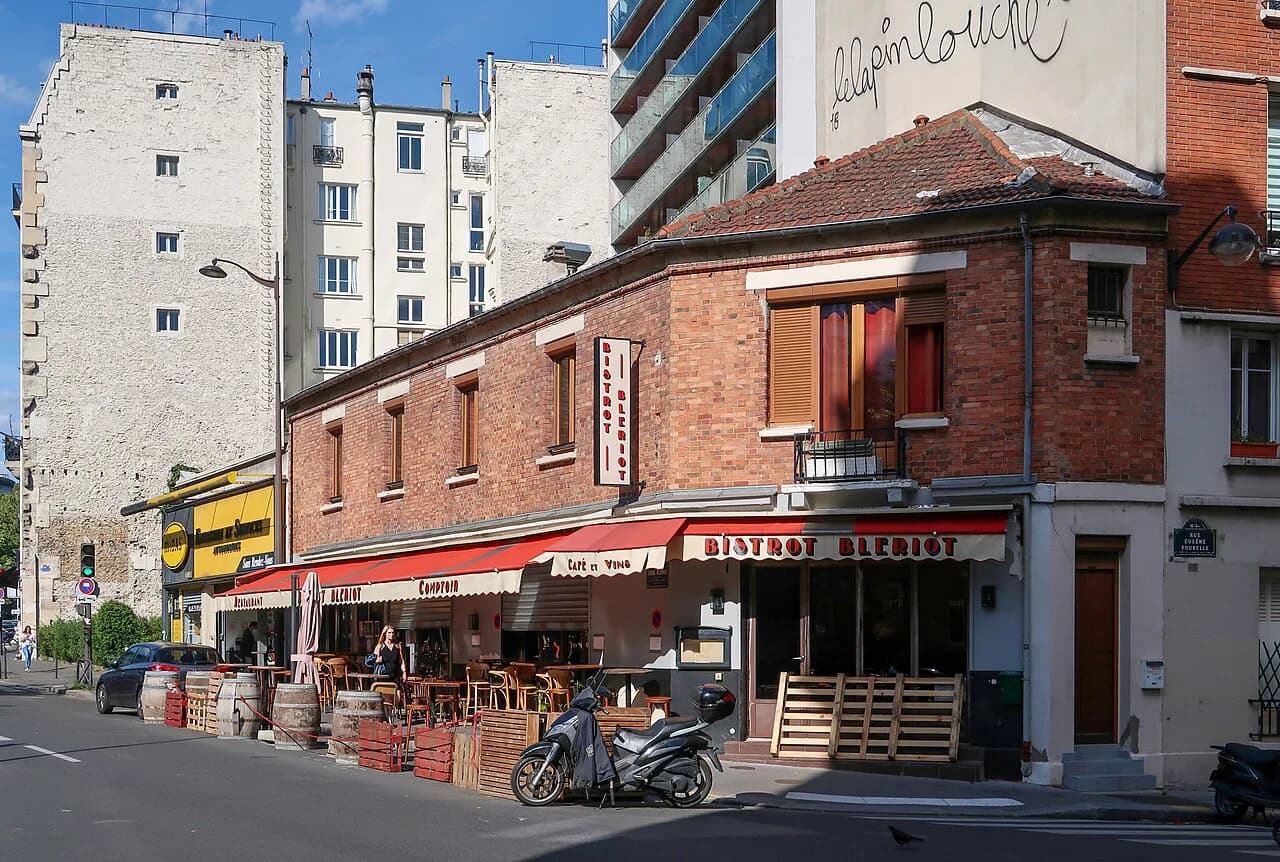
If you would rather eat in town, the restaurants around the old town clusters close to the three stations, which keeps the evening return simple. Aim to be back on a train before the last service on your line, and check the timetable for your station.
Common Mistakes That Wreck a Versailles Day
Booking a Monday is the big one: Palace and Trianon are both closed, along with 25 December, 1 January and 1 May, and the gardens alone will not fill a day. The second is arriving without a timed slot at the Palace, which leaves you queuing without a guaranteed entry time.
The third is leaving the Trianon for after 5.00 pm, which leaves no meaningful time there before the 6.30 pm close. The fourth is walking the whole estate on a tight schedule: use the little train or a rented electric vehicle, and save your legs for the gardens.
Plan Your Visit
Book the Palace slot first, build the gardens and Trianon around it, and avoid Monday entirely. A full day on the estate is the honest default, with half a day as the fallback if the timetable gets tight.
If you have a second day, the old town and the countryside west of the Palace give you a different side of Versailles, and the markets and shops are worth a morning in their own right. Check the official site for the season's opening pattern before you fix dates, especially around public holidays.
Explore more Versailles guides
Frequently Asked Questions
What is closed at Versailles on Mondays?
The Palace of Versailles and the Estate of Trianon are both closed on Mondays, along with 25 December, 1 January and 1 May. The gardens and Park follow their own seasonal hours, so a Monday visit leaves you outside looking in at the Palace. Pick any other day of the week for the main visit.
How long do you need at Versailles?
Half a day covers the Palace and the central gardens if you arrive for an early slot. A full day adds the Estate of Trianon, which opens at 12.00 pm, and a proper garden loop, which is the shape the official day route assumes. Two days lets you add the town and the countryside around the Palace.
Do you need a timed ticket for the Palace?
Yes. Palace tickets carry a timed entry slot, and you arrive at Entrance A at the time shown rather than earlier. Later slots have their own route advice from the estate, and a late slot squeezes out the Trianon before its 6.30 pm close, so book the morning if you can.
Is the Passport ticket worth it?
On Musical Gardens and Musical Fountains Show days the official advice is to buy the Passport, which covers the Palace, gardens, Estate of Trianon and the Park. On ordinary days a Palace ticket with free garden access covers most first visits. Admission prices vary by nationality, age and time slot, so check the official tickets and prices page before booking.
How do you get from Paris to Versailles?
Three routes run from Paris: Transilien from Gare Saint-Lazare to Versailles Rive Droite, Transilien from Montparnasse to Versailles Chantiers, and the RER from Javel to Versailles Rive Gauche. Allow at least half an hour for the journey, plus the walk from your station to the Place d'Armes at the Palace gates.
When do the fountains run at Versailles?
The Musical Gardens and Musical Fountains Show run from 1 April to 1 November 2026. On show days the water features operate from 11.00 am to 12.00 pm and again from 3.30 pm to 5.00 pm, with the Neptune Fountain finale from 5.20 pm to 5.30 pm. Outside that season the fountains stay still.
What can you do in Versailles beyond the Palace?
The town around the Place d'Armes has markets, shops and restaurants, and the countryside west of the Palace has the Buc Aqueduct and the Allée Royale towards Villepreux, both free and suited to walkers and cyclists. The Étangs de la Minière add a waterside walk with parking if you have a car.
How much does it cost to visit Versailles?
Admission prices are not fixed across the board: the official site states that rates vary by country of residence, nationality, age and time of visit, and that garden access is charged on show days but not on ordinary days. Check the official tickets and prices page for the figure that applies to you before booking.
Sources
Notes for French city breaks
Optional updates to our guides.
You might also like
Continue reading
More guides you'll find useful