Best Time to Visit Versailles: Month, Day and Season Guide
Plan around the Monday closure, Tuesday and weekend crowds, and seasonal tickets. See which months and weekdays suit a Versailles day trip from Paris.
On this page
Wednesday to Friday is the best window for Versailles, and the months from April to October give you the longest opening hours and the running fountains. The palace shuts every Monday, and Tuesday inherits the overflow when the Louvre is also closed. Choosing your day and season carefully matters more here than at almost any other French sight, because tickets are timed and the estate is big enough to swallow a whole day.
The trade-off is straightforward. High season buys you extra evening time, garden and fountain displays and warmer weather, at higher ticket prices and heavier crowds. Low season brings cheaper entry and quieter galleries, but the palace closes an hour earlier and the fountains stay off. Your job is to decide which of those you value more, then pick a weekday to match.
The short answer: why Wednesday to Friday, April to October, works best
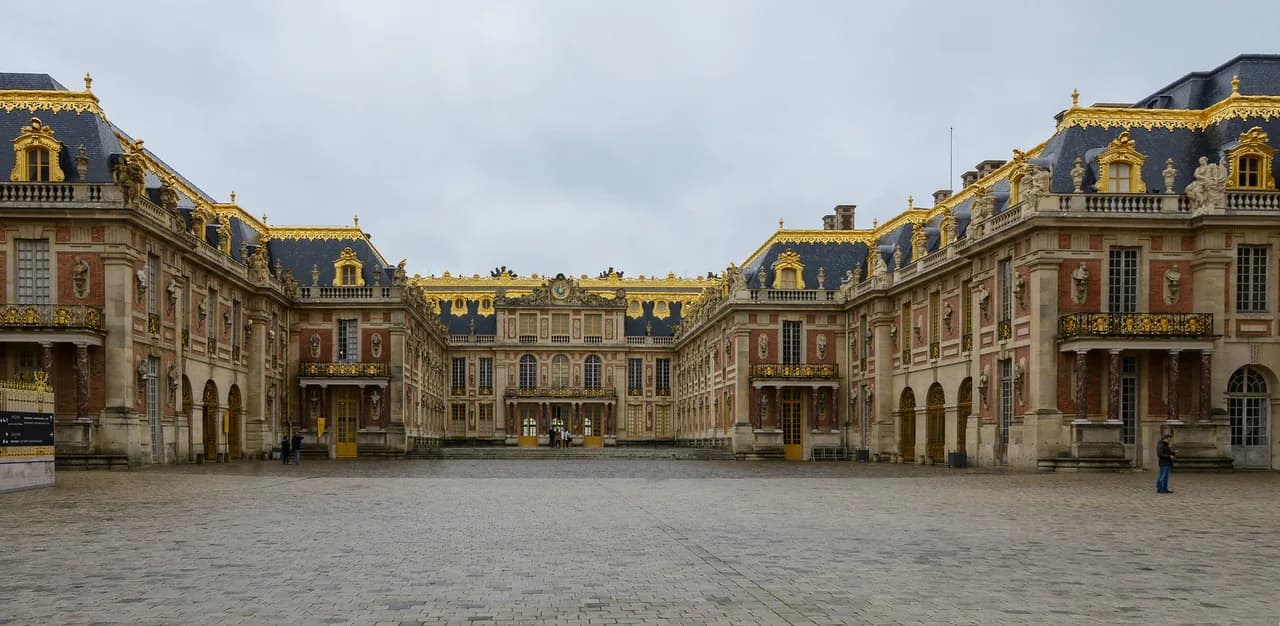
Midweek, outside Monday, is the least painful time to walk the Hall of Mirrors without feeling herded. Sunday and Tuesday carry the heaviest pressure because Monday is closed, and Wednesdays and Fridays are relatively calmer, so a Wednesday, Thursday or Friday visit from April to October gives you long hours and slightly thinner rooms. If your Paris itinerary is tight, moving Versailles off the Tuesday is the single easiest improvement you can make.
October to April is the better bet for anyone who dislikes queueing. The same source notes that even a Wednesday morning slot in November can be full, so early booking still matters, and the fountain displays are a summer feature rather than a year-round one. You are trading warmth and waterworks for elbow room, which suits a two-night break better than a rushed summer weekend.
Versailles' weekly rhythm: closed Mondays, busiest Tuesdays and weekends
The palace is closed every Monday throughout the year, so never build your short break around a Monday visit. Tuesday is the trap: the Louvre is closed, more visitors head out to Versailles, and anyone who missed the palace on Monday tends to arrive the next day. Weekends are busy year-round, and from June to August the whole week behaves like a weekend.
The practical fix is to slot Versailles into the middle of your trip and keep Monday for a museum that stays open, or for the town itself. If you only have a weekend, accept the crowds and book the earliest time slot you can, since early slots sell out first on the busiest days.
Opening hours by season for the palace, Trianon Estate, gardens and park
Opening hours split cleanly between the two halves of the year. From 1 April to 31 October the palace runs Tuesday to Sunday from 09:00 to 18:30 with last admission at 17:45, and from 1 November to 31 March it closes at 17:30 with last admission at 16:45. The Trianon Estate opens later in the day, at 12:00, closing at 18:30 in high season and 17:30 in low season, which dictates the order of your route.
The gardens and park sit outside the palace timetable and stay open daily, from 08:00 until 20:30 in high season and until 18:00 in low season. That gives you a legitimate early start in the grounds before the château opens, or a late stroll after the state apartments close. Because the Trianon does not open until midday, the sensible sequence is palace first, gardens second, then the Trianon Estate and Queen's Hamlet in the afternoon.
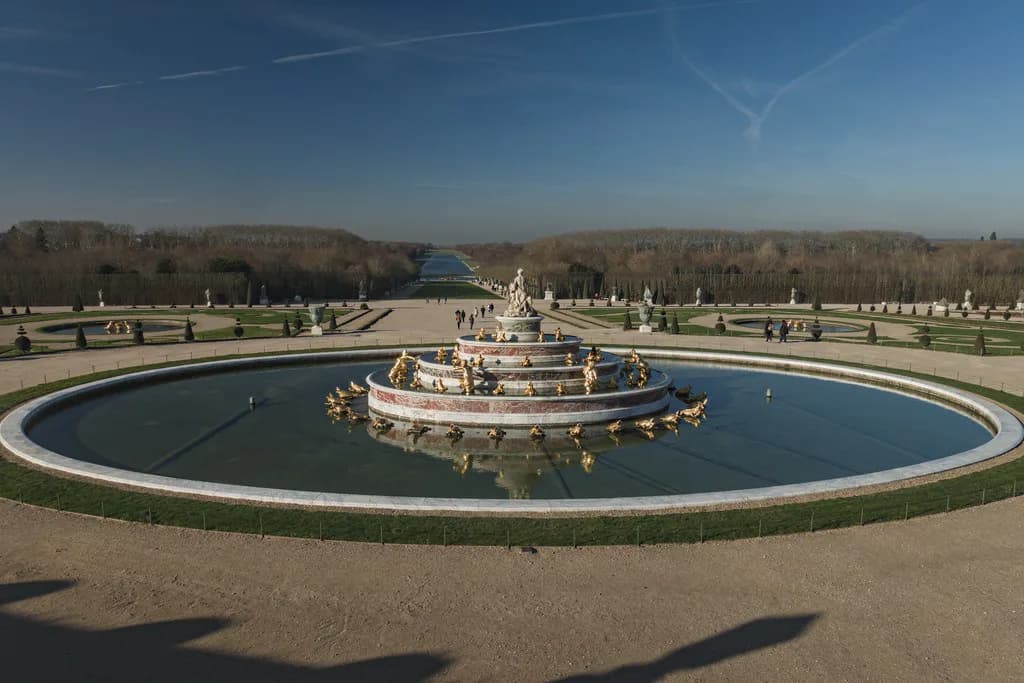
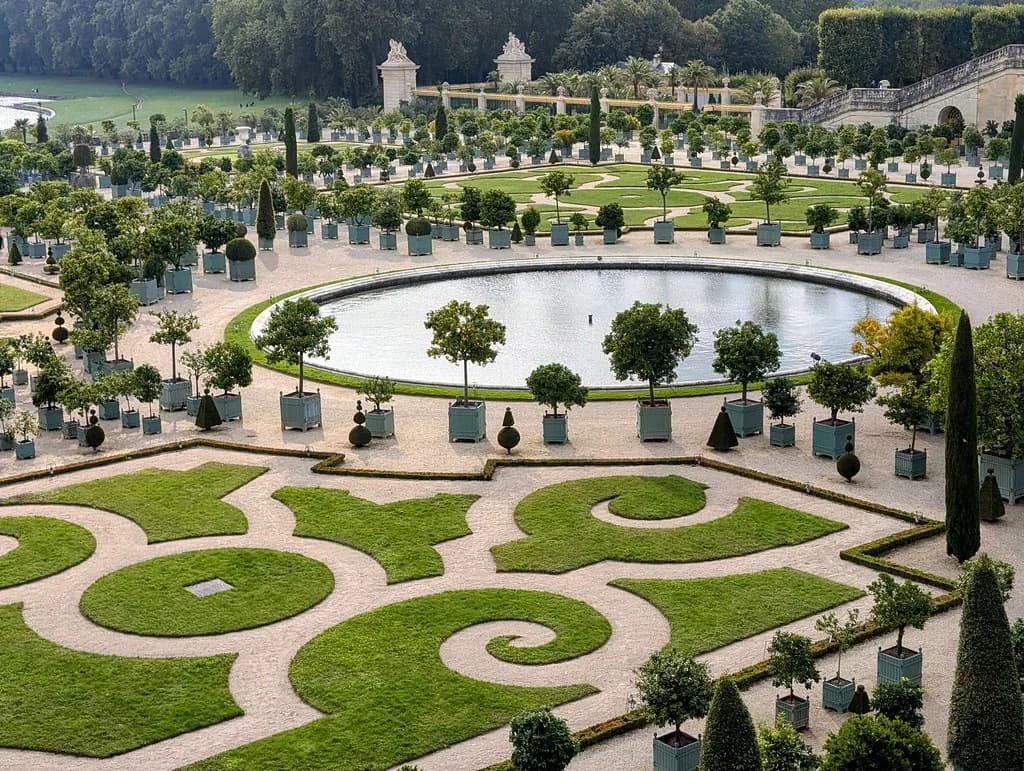
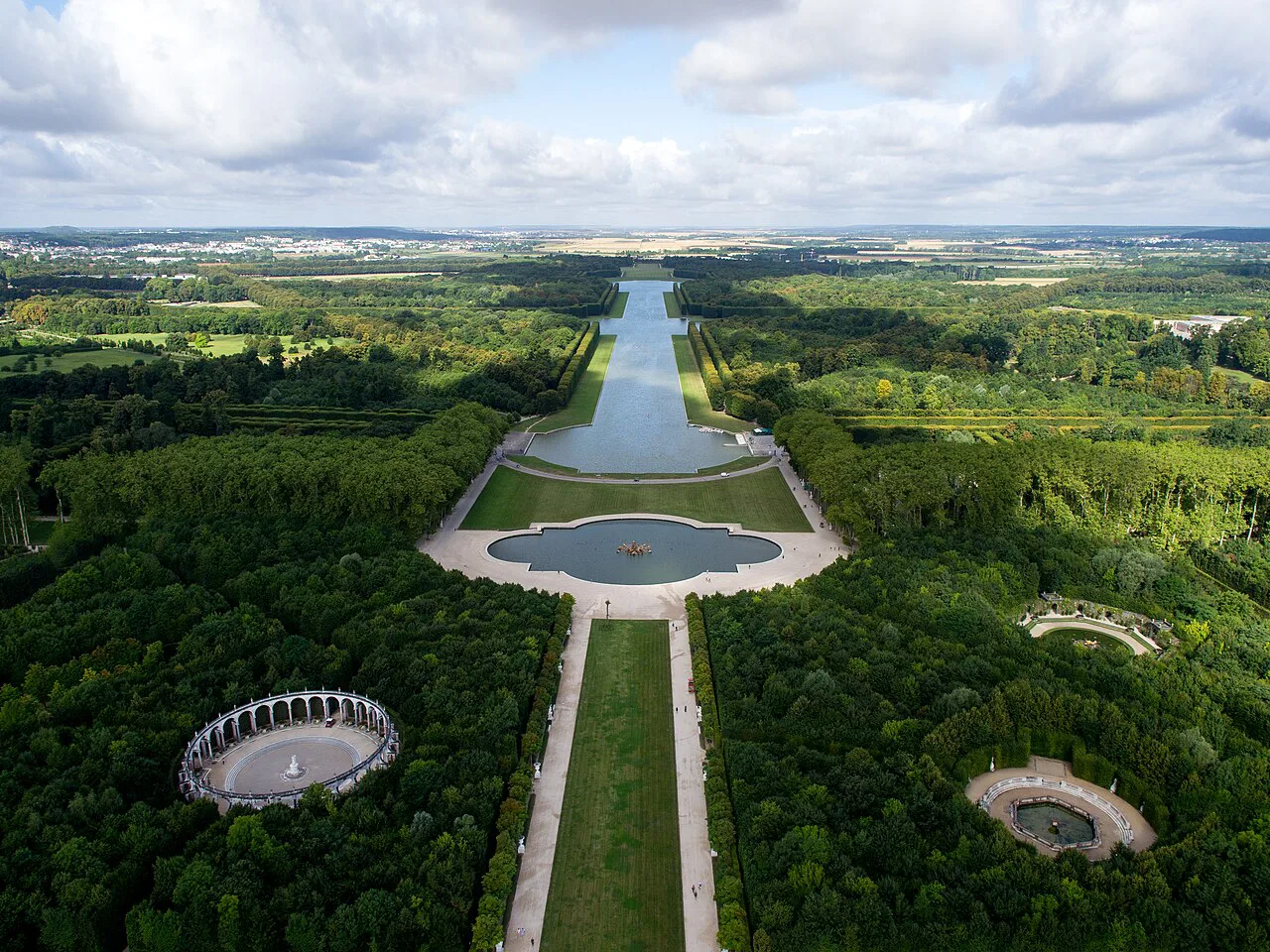
The gardens themselves are where the estate earns its scale, with the Grand Canal and the formal beds stretching well beyond the palace façade. Give the outdoor half of the visit its own slot rather than treating it as an afterthought, and read up on the layout before you go.
Ticket prices by season and who pays what
The Passport ticket, which covers the palace, gardens, Trianon Estate and Queen's Hamlet, costs more in the warmer half of the year and less in winter. Published rates put the high-season Passport at 35 euros for a non-EEA adult and 25 euros for an EEA adult, dropping to 32 and 22 euros respectively in low season. Children under 18 and EEA visitors under 26 enter free on the Passport, so a family with teenagers pays only for the adults. Palace-only tickets are cheaper again, and the Trianon-only ticket is the cheapest way to see the estate's quieter half.
The higher summer price is not arbitrary. The Passport automatically includes the musical gardens and fountain shows when they run, so part of what you pay in July and August buys the outdoor spectacle rather than the rooms. If you would skip the fountains anyway, the winter rate is simply better value for the same interiors.
Spring: gardens at their best, but expect queues
From 1 April the palace switches to its long hours and the gardens come back to life, which makes spring the most photogenic shoulder season. The catch is that Easter and the school holidays push demand up sharply, so book a timed slot well ahead and take the earliest entry you can bear. Spring weather in the Paris region is changeable, so layers and a waterproof beat optimism.
Spring is also when the outdoor estate starts to justify the Passport on its own. Walking the full grounds from the palace to the Grand Canal and on to the Trianon is a serious amount of ground on cobbles, so wear shoes you have already broken in. Treat the gardens as the main event of the morning and the palace as the afternoon, or the reverse if you have early entry.
Summer: longest hours, musical fountain days, biggest crowds
June, July and August give you the longest days and the only realistic chance of catching the fountains in action, but they also bring the heaviest pressure of the year. Every open day behaves like a peak day, and the early morning slots are the first to disappear. If summer is your only option, choose a Wednesday or Friday and accept that the Hall of Mirrors will be busy whenever you go.
The fountain displays only run in the warmer months, roughly April to October, so a summer visit is the way to see water in the basins rather than dry stone. Check the schedule before you commit to a date, because the shows do not run every day within that window and a display day changes both the ticket and the crowd pattern. Late summer evenings in the gardens, after the day-trippers have thinned, are the reward for putting up with the midday crush.
Autumn: thinner crowds and lower prices from 1 November
Autumn is the sweet spot for anyone who wants the full estate without the summer scrum. Through October you still have high-season hours, and from 1 November the price drops and the palace quietens, at the cost of an hour less in the afternoon. Early autumn is a reasonable compromise: decent daylight, manageable lines on a midweek day, and gardens that still reward a long walk.
If your trip falls in the second half of October, you get the lower crowds while still on high-season hours, which is the best of both. Book a Wednesday or Thursday and plan the Trianon for after midday as usual. The one thing about to close is the fountain season, which ends with October.
Winter: cheapest tickets, shortest hours and free first Sundays
Winter is the cheapest time to see Versailles and the easiest for getting a clear view down the Hall of Mirrors. The palace closes at 17:30 and the Trianon at 17:30 with a 12:00 opening, so the day is shorter and the route needs to be tighter. Cold, wet weather makes the walk to the Trianon and Queen's Hamlet a commitment rather than a stroll.
The Passport is free every first Sunday of the month between November and March, but you still need a timed slot and those days are predictably rammed. Free entry and a calm visit do not come together here, so weigh the saving against the experience you actually want. If you take the free day, arrive early and head for the Trianon side once it opens at midday.
How long to allow: 2–3 hours versus a full 6–8 hour day
A palace-only visit takes roughly 2 to 3 hours, which covers the state apartments and the Hall of Mirrors at a decent pace. Add the gardens and you are into 4 to 5 hours, and adding the Trianon Estate and Queen's Hamlet pushes the day to 6 to 8 hours including the train from Paris. Decide which of those three you are doing before you book, because the ticket and the time slot should match.
The mistake most day-trippers make is buying a full-estate ticket and then running out of energy before the Trianon. If you have only half a day, buy palace-only, see the gardens briefly and leave the estate's far side for a return visit. If you want the whole thing, protect the afternoon: palace in the morning, lunch, then the walk out to the Trianon.
Getting there and back: RER C versus the L line
The RER C from Invalides to Versailles Château Rive Gauche is the closest and simplest approach, with a walk of about 10 minutes from the station to the palace gates and trains roughly every 15 minutes taking 35 to 45 minutes. The alternative is the L line from Gare Saint-Lazare to Versailles Rive Droite, which suits anyone staying on the Right Bank but leaves a longer walk at the other end. Only one of the three Versailles stations puts you near the palace, so name it carefully when you check times.
Allow a full hour door to door each way once you factor in the metro to your train and the walk at either end. An early departure is worth the alarm, because arriving for opening means you clear security before the coach parties land. Keep your train ticket for the return leg and check the last service back if you are staying for a late garden walk.
Where to eat without losing the afternoon
Eating inside the estate saves the walk back into town but costs time and money. La Flottille by the Grand Canal and La Petite Venise in the grounds both serve lunch, and Angelina inside the palace handles teas and light plates, all of which keep you on site. Alternatively, pick up bread, cheese and pastries in Versailles before you enter and picnic near the Grand Canal, which is cheaper and quicker.
The town side has more choice, including the covered Marché Notre-Dame for picnic supplies, and a proper sit-down lunch within a short walk of the gates. Book ahead if you want a table in the high season, and eat before the Trianon walk rather than after. Plan your food stop as part of the day's structure, not as an improvisation when everyone is flagging.
The honest trade-offs: free days, fountain days and sold-out slots
Every saving at Versailles comes with a cost in comfort. The free winter Sundays mean queues, the fountain days mean higher ticket prices and busier gardens, and the summer months mean the longest hours but the thickest crowds. Pick the compromise that matches your priorities rather than trying to have all three.
Timed tickets sell out days to weeks ahead in the busy season, and turning up without one risks being offered a slot hours later or not at all. Book before you travel for any visit between April and October, and for weekends or school holidays at any time of year. A printed or downloaded ticket plus a named time slot is the difference between a smooth morning and a wasted one.
Plan Your Visit
Lock in a Wednesday, Thursday or Friday, decide between a half-day palace visit and a full-estate day, and book a timed slot before you leave home. April to October gives you long hours and fountains; November to March gives you cheaper tickets and quieter rooms. Match the season to the trip you want, then build the rest of your Versailles time around it.
If Versailles is one stop on a longer French break, give it a full day rather than squeezing it between two city days. The estate rewards the time, and the train back to Paris is far more pleasant when you are not sprinting for it. If you are weighing a second stop in Provence and wondering when to go, the same logic about best time to visit Aix-en-Provence applies to matching season to the trip you want.
Explore more Versailles guides
Frequently Asked Questions
What day of the week is Versailles closed?
The palace closes every Monday throughout the year, and the Trianon Estate follows the same pattern. Tuesday then absorbs the visitors who could not go on Monday, so it is the busiest weekday. Sunday is also heavy, while Wednesday to Friday are the calmest options.
Can you do Versailles in four hours?
Yes, if you stick to the palace and a quick loop of the gardens. The state apartments and Hall of Mirrors take around two to three hours at a steady pace, and a further hour covers part of the grounds. Reaching the Trianon Estate and Queen's Hamlet adds several hours, so a four-hour visit means skipping them.
How many days do you need for Versailles?
One full day covers the palace, gardens, Trianon Estate and Queen's Hamlet if you start early and keep moving. A half day is enough for the palace and a short garden walk. Two days lets you split the busy interiors from the quieter estate without rushing either.
Is Versailles better in summer or winter?
Summer gives you the longest hours and the fountain displays, at higher ticket prices and heavier crowds. Winter is cheaper and quieter, with an earlier closing time and no fountains. Midweek in late spring or early autumn is the usual compromise.
When are the Versailles musical fountains on?
The fountain displays run during the warmer months of the year, roughly from April to October, and not on every day within that window. They are covered by the Passport ticket when they run. Check the published schedule for your dates before booking, since a display day changes both crowds and cost.
Sources
Notes for French city breaks
Optional updates to our guides.
You might also like
Continue reading
More guides you'll find useful