Markets in Versailles: What to See and When to Go
A practical guide to the Versailles market at Place du Marché Notre-Dame, covering what the covered hall and street stalls sell and how to fit it into a short break.
On this page
The main food market in Versailles sits on Place du Marché Notre-Dame, in the Notre-Dame quarter a short walk from the Château. It combines a covered hall dating from 1841 with outdoor stalls that spread across the square, and makes a natural half-day alongside the palace rather than a quick stop.
Allow two to three hours to shop the hall, wander the surrounding antiques lanes and walk the neighbouring Saint-Louis district. Pair it with an afternoon palace slot so you start the day with the market at its liveliest, then move on to the Château grounds.
Where the Market Is and How to Reach It
The market address is Place du Marché Notre-Dame, 78000 Versailles, in the Notre-Dame quarter. The square sits within the grid of streets Louis XIV laid out in the 17th century to give his palace a fitting town, and the neighbourhood still follows that building code.
From the Château de Versailles, walk south through the Notre-Dame quarter to reach the square; the stroll takes around 15 to 20 minutes at an easy pace. If you arrive by train from Paris, head west from the station rather than north towards the palace.
Why Notre-Dame Market Exists: The 1669 Edict and the 1841 Hall
Louis XIV issued a royal edict in 1669 creating a market in the Notre-Dame district, and the site has traded food ever since. The covered building you see today went up in 1841.
That history explains the square's shape: a permanent hall at its centre with open space around it for temporary stalls. On market days, vendors set up additional stands on the streets outside the hall, so the whole area becomes the market rather than just the building.
What You'll Find: Fruit, Vegetables, Cheese and Preserves
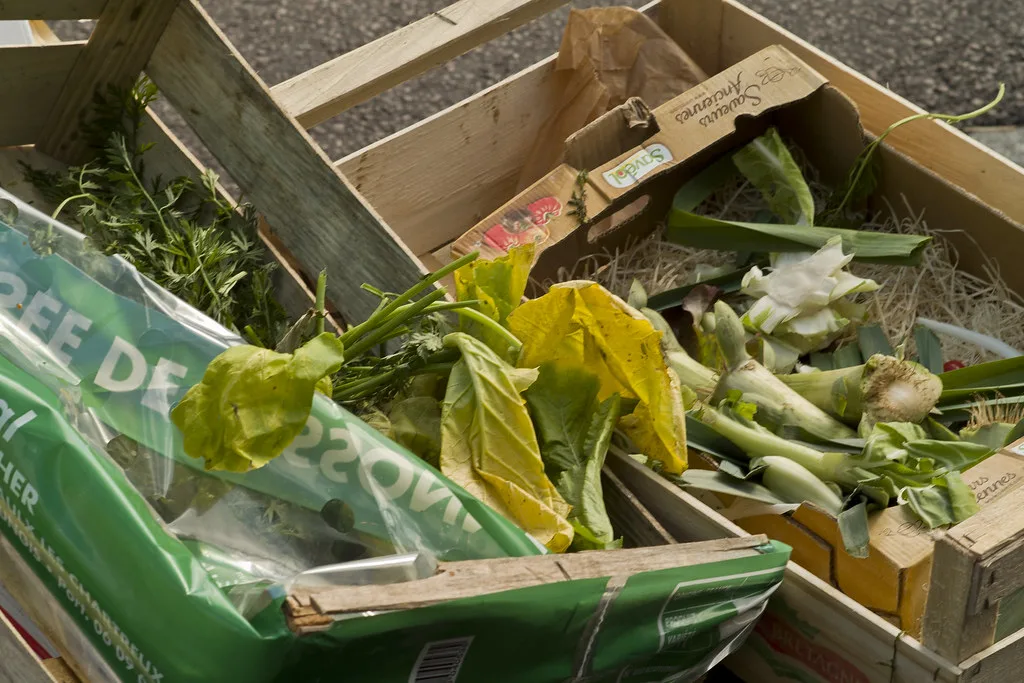
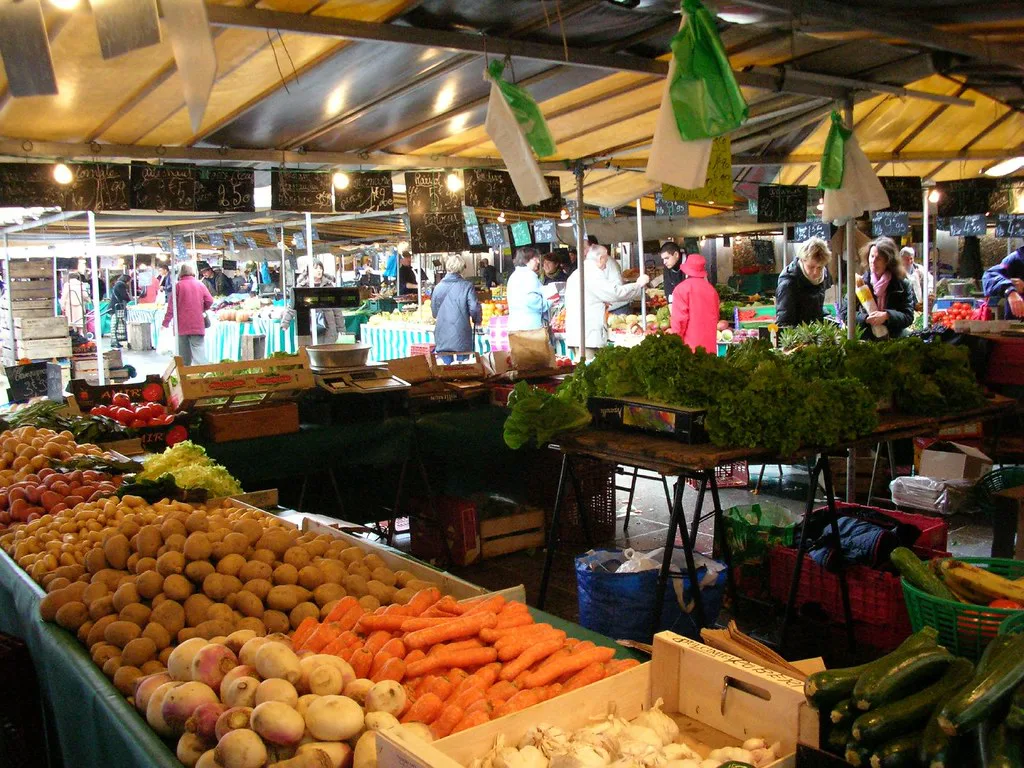
Stalls stock fruit and vegetables, cheese, preserves and other local food products, and the market serves as the everyday food shop for residents as much as a visitor stop. Treat it as a place to assemble a picnic for the palace gardens rather than a quick photo opportunity.
Some of the produce ties back to the Potager du Roi, the royal kitchen garden just outside the palace walls, which supplies the market with fruit, vegetables and preserves. That link makes the market a useful first stop before visiting the garden itself.
Stalls Inside the Hall Versus Stalls on the Surrounding Streets
The covered hall holds permanent traders, and additional vendors set up stalls on the streets outside on several days a week. The result is two overlapping markets: a fixed indoor one and a shifting outdoor one that changes with the day.
Visitors report the market running most days, with the weekend bringing noticeably more stallholders onto the square. Check the days before you build a morning around it, because the outdoor half is what you are really coming for.
Which Days Are Busiest and Why Weekends Add Extra Stallholders
Saturday and Sunday are the fullest days, when extra stallholders join the regular traders and the square fills out. The trade-off is crowds and slower service at the most popular stands, so arrive early if you want to shop comfortably.
Weekday mornings are calmer and closer to how locals use the market, but expect fewer outdoor stands. If your break falls midweek, plan the market as a shorter stop and give the antiques lanes more time instead.
How the Market Fits Around a Palace of Versailles Visit
Start with the market in the morning, then walk to the Château for an afternoon slot. The order matters: the market is at its best before lunch, and the palace and gardens reward the longer, unhurried block later in the day. If you are comparing market towns for a short break, the Ajaccio market follows a similar morning-first rhythm.
For a wider plan of what to see across a short break, use this guide to things to do in Versailles and slot the market in as a food-and-neighbourhood morning rather than a separate excursion. That keeps the palace, gardens and old town in one coherent route.
The Antiques Dealers Around the Passage de la Geole
The backstreets near the market form the best antiques district in Versailles, with dozens of dealers trading along the Passage de la Geole, a lane that once led to the town prison. Shops here stock furniture, clocks, jewellery, ceramics, paintings, sculpture and lighting.
Most palace-focused visitors never reach these lanes, which makes them a worthwhile detour after the market. Browse after you shop, when the dealers are open and the morning crowds have thinned.
The Potager du Roi and the Produce It Sends to the Market
The Potager du Roi was planted between 1678 and 1683 by Jean-Baptiste de la Quintinie for Louis XIV, and covers about 22 acres of plots, walls and outdoor rooms around a central fountain. It still grows beans, tomatoes, asparagus, strawberries and many other fruits and vegetables, including heirloom varieties.
Produce, juice and preserves from the garden are sold on site and at the Versailles market, so a visit connects the two. The garden now forms part of the French national school for landscape architecture, which explains its carefully maintained structure.
Practical Tips for a Short Break: Mornings, Cash and Timing
Go in the morning, when produce is freshest and the outdoor stalls are still fully set up. Bring a bag, and keep your palace entry time in mind so you do not overrun.
Wear shoes you can walk in, since the square is cobbled and the surrounding lanes are uneven. If you plan a picnic, buy bread, cheese and fruit at the market and carry it to the palace gardens rather than eating on the square.
Nearby Streets to Walk After the Market: Notre-Dame and Saint-Louis
The Notre-Dame quarter is the market's home, but the Saint-Louis district next door holds a cluster of 18th-century residences and the Potager du Roi. Walk between the two after shopping to see how Versailles functions as a town rather than just a palace backdrop.
The two quarters together fill a leisurely half-day, so build in time for a coffee and a look at the shopfronts. If you are weighing up whether the town merits more than a day, this take on whether Versailles is worth visiting helps you decide how much to allocate.
Parks and Gardens to Carry a Market Picnic To
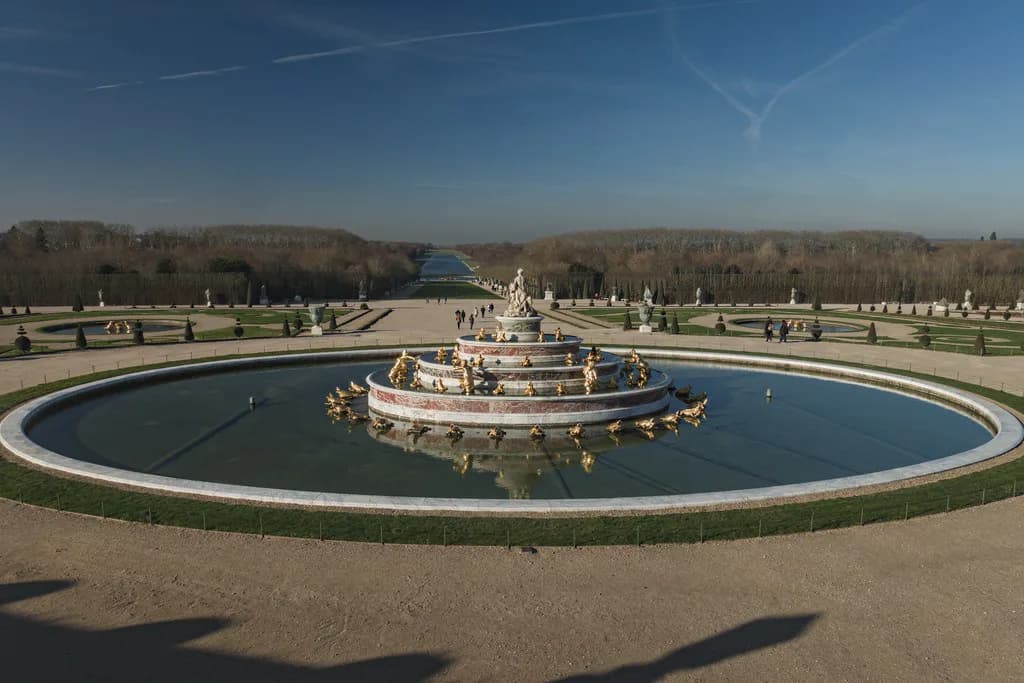
The palace gardens laid out by André Le Nôtre in the late 17th century make the obvious place to eat what you have bought, with terraces, lawns and tree-lined walks. On summer weekends, fountains across the gardens run displays set to classical music, which makes an afternoon there worth planning around.
Beyond the formal gardens, the wider estate includes the Petit Trianon and the Hameau de la Reine, Marie-Antoinette's mock village, which are quieter and better suited to a slow afternoon. Our guide to Versailles parks and gardens sets out the routes through them.
Plan Your Visit
Treat the market as the anchor of a morning in the Notre-Dame quarter, then use the afternoon for the palace or the gardens. Starting early gives you the best of the outdoor stalls and leaves the rest of the day free.
If you are still building the trip, our Versailles itinerary shows how the market, old town and palace fit into one or two days, and the attractions hub collects the individual guides in one place. Build the market in first and the rest follows easily.
Explore more Versailles guides
Frequently Asked Questions
What is the famous market in Versailles?
Place du Marché Notre-Dame, in the Notre-Dame quarter, is the town's main food market. It combines a covered hall built in 1841 with outdoor stalls on the surrounding square, and sells fruit, vegetables, cheese and preserves. It is a short walk from the Château de Versailles, so it fits neatly into a morning before a palace visit.
What can you buy at the Notre-Dame market in Versailles?
Expect fruit and vegetables, cheese, preserves and other local food products, which makes the market a good place to assemble a picnic for the palace gardens. The backstreets around the market also hold the town's antiques dealers, with furniture, clocks, jewellery, ceramics, paintings and lighting along the Passage de la Geole.
Is the Versailles market open every day?
The market trades most days, and weekends bring noticeably more stallholders onto the square alongside the permanent traders in the covered hall. The mix of indoor and outdoor stands changes with the day, so confirm the schedule for your dates with the market or the local tourist office before you build a morning around it.
Where is the antiques district in Versailles?
It sits in the backstreets next to Place du Marché Notre-Dame, with dozens of dealers lining the Passage de la Geole, a lane that once led to the town prison. Because most visitors go straight to the palace, these lanes stay quiet, and they make an easy detour after a morning at the market.
What is the Potager du Roi and can you buy its produce?
The Potager du Roi is the royal kitchen garden planted between 1678 and 1683 by Jean-Baptiste de la Quintinie for Louis XIV, covering about 22 acres just outside the palace walls. Produce, juice and preserves from the garden are sold on site and at the Versailles market, which links a garden visit with a market morning.
Sources
Notes for French city breaks
Optional updates to our guides.
You might also like
Continue reading
More guides you'll find useful