Things to Do in Troyes: Old Town, Stained Glass and Markets
Plan a short break in Troyes with half-timbered lanes, stained glass museums, churches and the covered market, plus how many days the city needs.
On this page
Troyes suits a weekend because everything worth seeing sits inside a compact medieval core you can cross on foot in under half an hour. The city was a wealthy textile trading centre between the 12th and 15th centuries, and the merchant fortunes paid for the half-timbered houses, carved church interiors and stained glass that visitors come for now. Direct trains from Paris take roughly 90 minutes, which makes it viable as a two-night break rather than a stopover.
Why Troyes Is Worth a Weekend
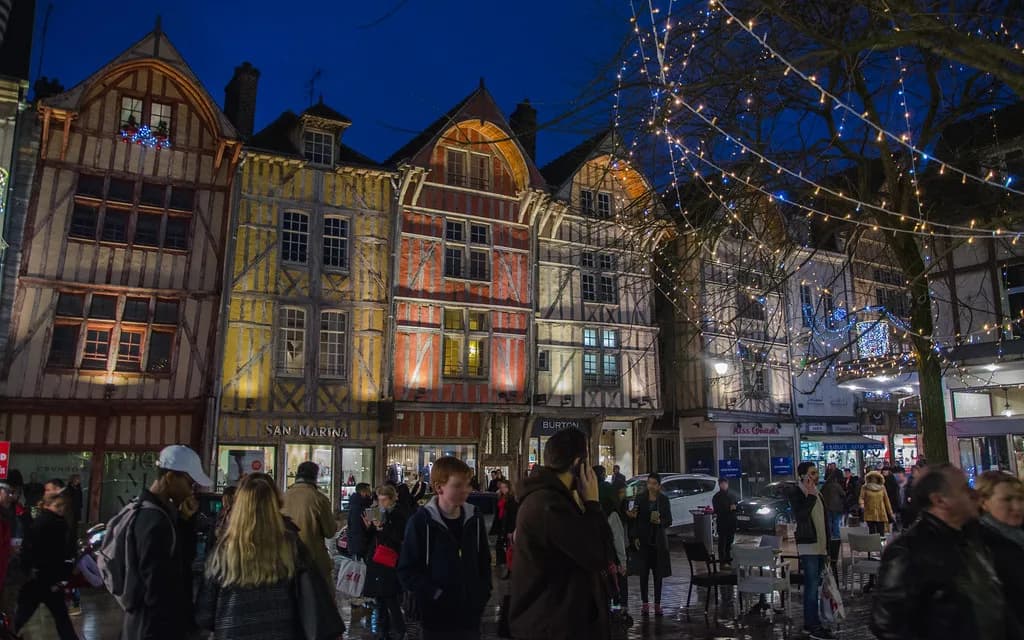
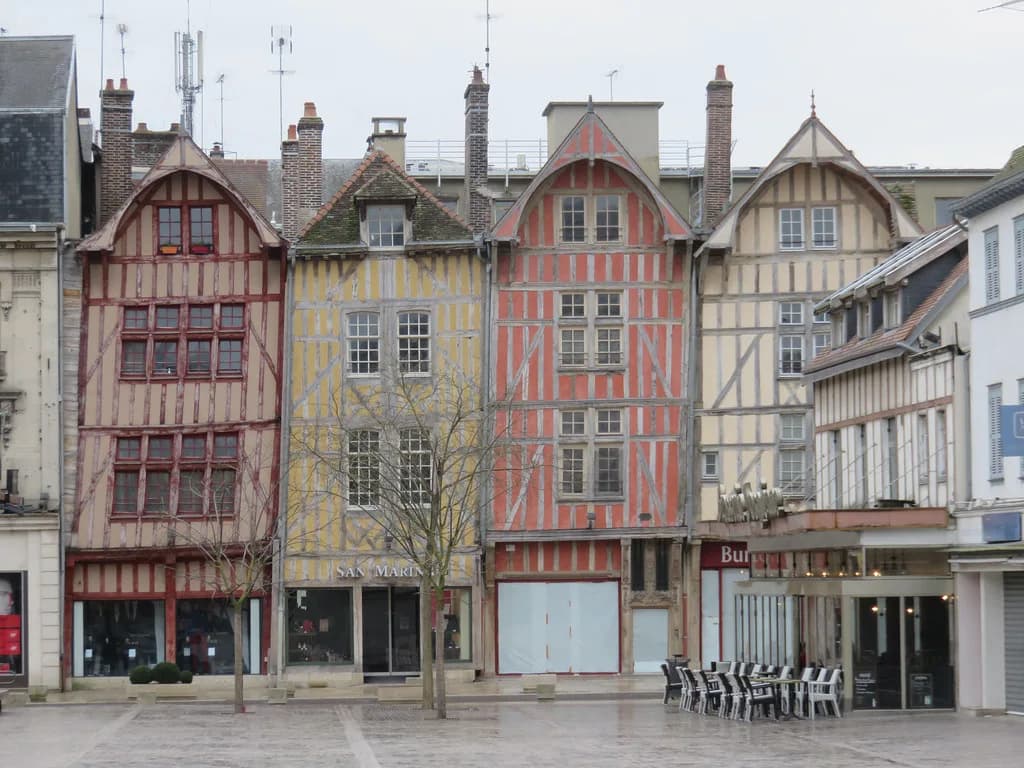
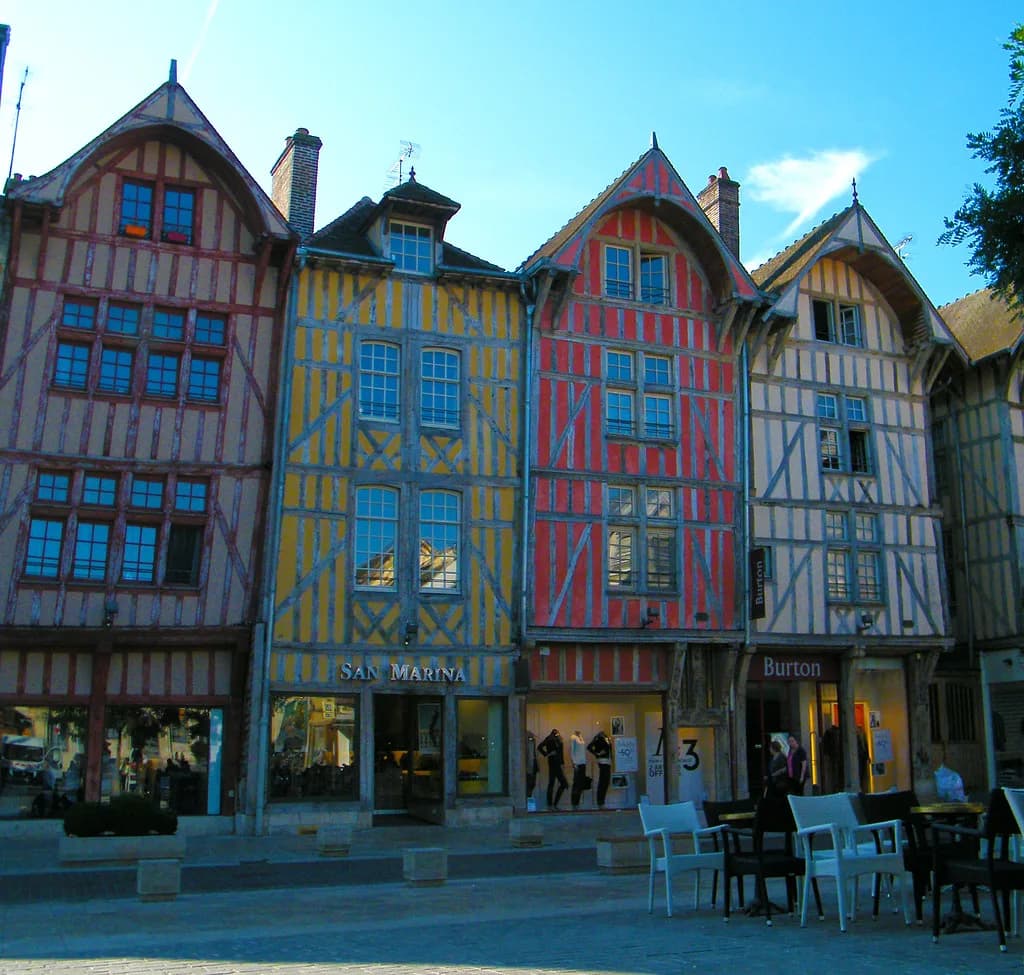
The pitch is simple: a storybook old town of crooked timber-framed houses, a serious concentration of historic stained glass, and a food scene built on local specialities. Because the centre is small, you spend your time looking at buildings rather than riding across a city. That compactness is also the honest limit: if you want big-city museums and nightlife, a weekend here will feel slow.
The textile trade explains almost every sight in the centre. Weavers, drapers and dyers grew rich from medieval fairs that drew merchants from Flanders, Germany, Italy and Spain, and they spent the money on grand houses and church windows. Knowing that turns a wander into a story about merchant ambition rather than a random collection of pretty streets.
One practical caveat: Troyes sits in the Champagne region, but the town itself is a historic city, not a vineyard village, and the well-known Champagne houses are out at Montgueux and beyond. Treat any tasting as a separate half-day rather than something you fold into a walking loop around the centre.
How Troyes Is Laid Out
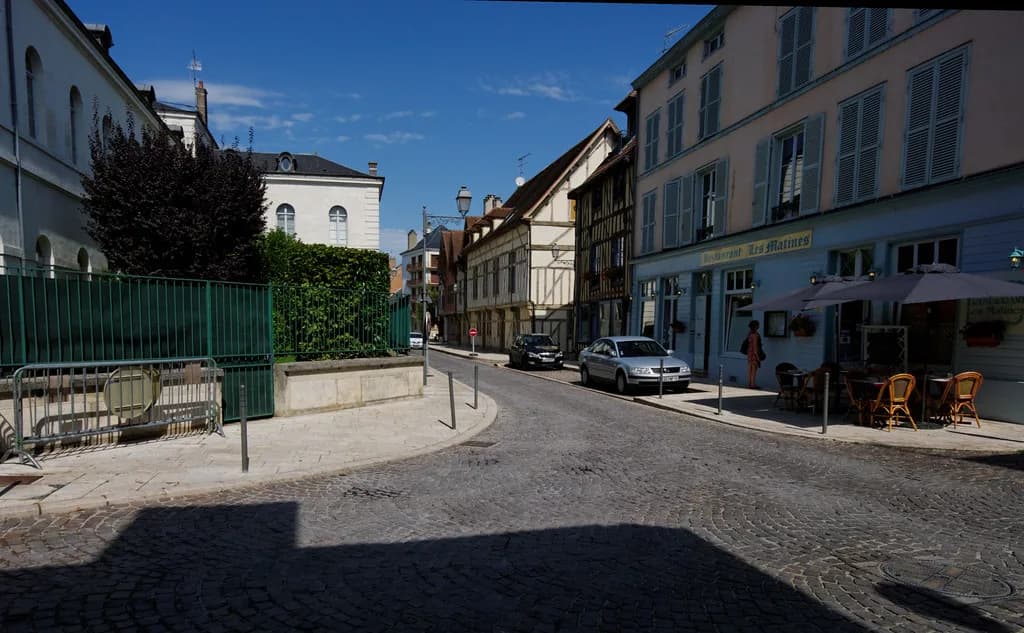
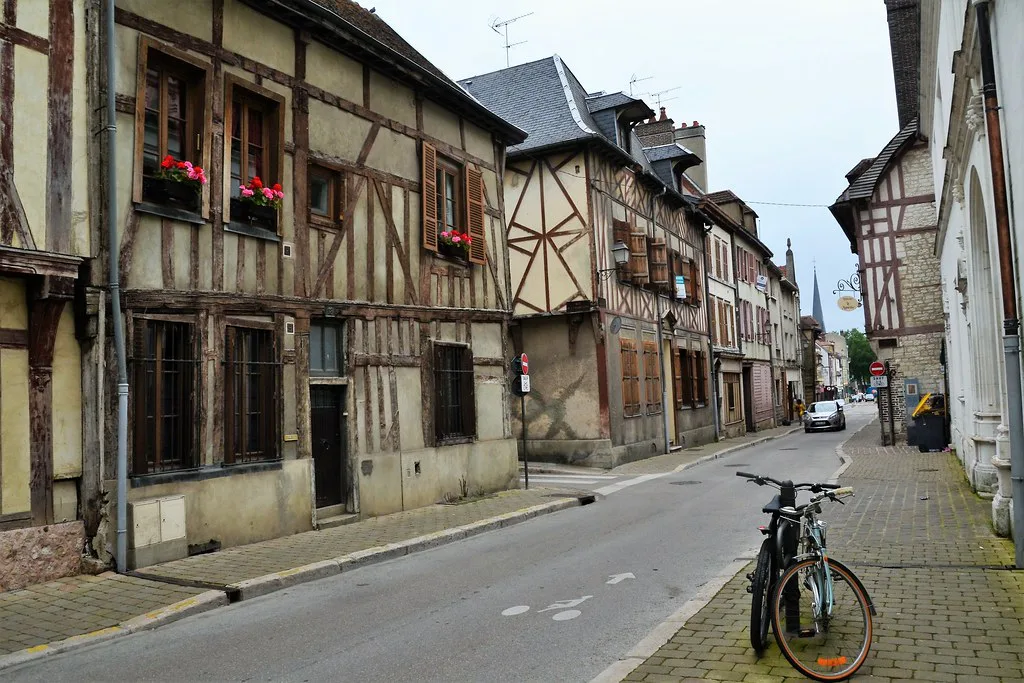
Locals describe the old town as shaped like a champagne cork, and the image is genuinely useful for navigation. The lower, rounded half is the medieval old town of lanes and timber-framed houses; the upper section held the spiritual and political centre, and the cathedral stands there today. Pick up a map from the Tourist Office on Place Alexandre Israël and the two halves make sense immediately.
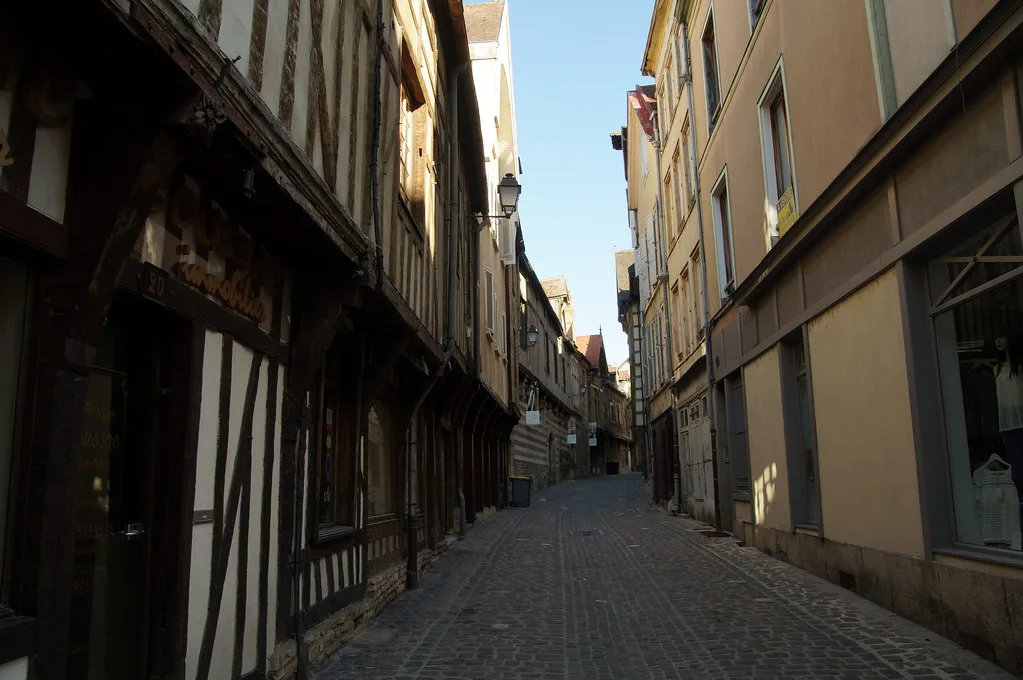
Plan your days by quarter rather than by tick-list. The lanes around Rue Champeaux, the Ruelle des Chats and the churches of Sainte-Madeleine and Saint-Jean-au-Marché cluster together, while the cathedral, Cité du Vitrail and Musée d'art moderne form a second group a short walk apart. Grouping them saves you from criss-crossing the centre twice and leaves room for a proper lunch.
The Old Town on Foot: Rue Champeaux and the Ruelle des Chats
Start at the corner of Rue Champeaux and Rue Paillot de Montabert, where the Baker's House and the Goldsmith's House face each other. Look up at the Baker's House dormer and you can still see the pulley used to haul flour sacks into the attic; the Goldsmith's House answers with an exterior staircase corbelled into a turret, a signal of merchant wealth.
Nearby, the Ruelle des Chats is the narrowest street in Troyes and the reason a cat became the city mascot. The rooftops along the lane sit close enough for cats to jump between them, and carved cat faces appear on some of the wooden beams if you look at eye level. It takes a few minutes to walk through, so treat it as part of a loop rather than a destination in itself.
For a fuller route through these lanes, with the courtyards and church stops that fit between them, use the old town guide as your walking spine and slot the museums in afterwards.
The Churches and Their Windows
Roughly ten churches stand in the city centre, and two reward a deliberate stop even if religious buildings are not usually your thing. Église Sainte-Madeleine dates back to 1120 and holds one of only ten surviving rood screens in France, a 16th-century carved stone partition separating chancel and nave. Its windows read almost like comic strips, laid out to teach Bible stories to worshippers who could not read.
Église Saint-Jean-au-Marché carries the English connection: Henry V of England married Catherine of France here in June 1420. A short walk away, Église Saint-Pantaléon was a parish of wealthy bourgeois in the Renaissance, and after the Revolution sculptures rescued from other buildings were brought inside, leaving an unexpectedly rich collection under a wooden barrel-vaulted ceiling about 28 metres high.
Watch the time splitting here. Saint-Pantaléon opens Tuesday to Saturday 9.30am to 12.30pm and 2pm to 6pm, and Sunday afternoons only, with free admission, so a midday visit means waiting out the two-hour gap. Build lunch into that window rather than arriving at 12.45pm and finding the door shut.
Cité du Vitrail: France's Stained Glass Centre
Around 40 percent of the world's stained glass is found in Troyes and the surrounding Aube department, which makes a dedicated museum here feel earned rather than parochial. The Cité du Vitrail opened in the 18th-century Hôtel-Dieu-le-Comte in December 2022 as France's first centre devoted to the craft, and it displays windows at eye level instead of high in a church, with rotating exhibitions mixing old panels and modern work.
It opens Tuesday to Sunday, 10am to 6pm, closing at 5pm in winter, with tickets from 7 to 10 euros. That winter closing time matters on a short November or December break, when daylight is gone by late afternoon anyway; go in the morning and keep the cathedral for the brighter hours.
Troyes Cathedral
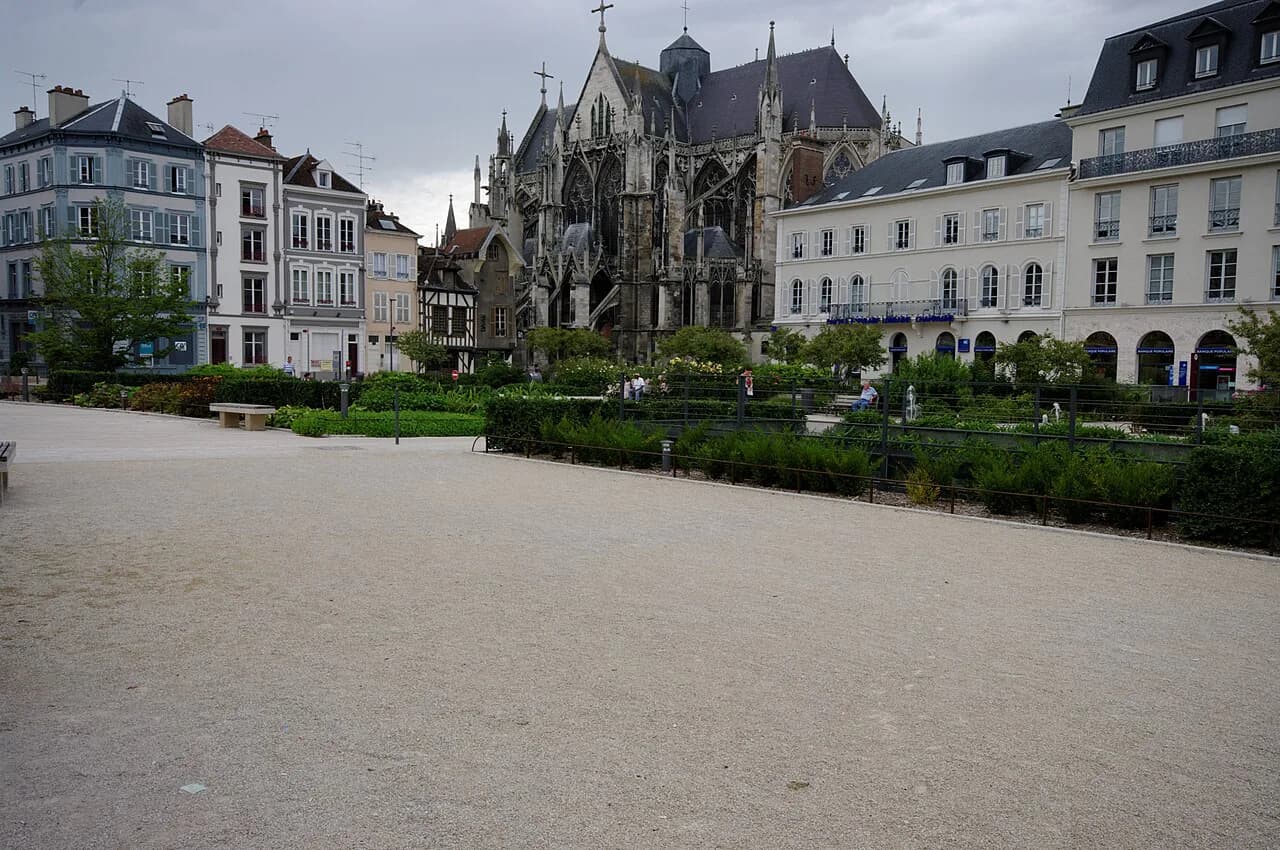
Construction of the Cathédrale Saint-Pierre-et-Saint-Paul stretched over five centuries and never finished: the north tower of St Peter stands, while the planned south tower of St Paul was never built because the church ran out of money. The missing tower is the first thing to look for, and the reward inside is a set of very large stained glass windows plus a relic collection that includes the skull of Bernard of Clairvaux.
Admission is free, which makes it the best-value stop in the city. It opens Monday to Saturday 9.30am to 12.30pm and 2pm to 6pm; Sunday Mass runs at 10.30am and visitors are welcome from 2pm to 6pm. Pair it with the Cité du Vitrail, a short walk away, and you get the craft explained and then seen in its original setting on the same afternoon.
Musée d'art Moderne de Troyes and the Lévy Collection
The Musée d'art moderne reopened in 2022 after a four-year renovation, and its collection came from Pierre and Denise Lévy, who made their fortune in textiles. That origin ties the museum to the city's story: works by Degas, Gauguin, Matisse, Millet and Rodin sit here because a local industrial family collected them.
It opens Tuesday to Sunday, 10am to 6pm, with adult tickets at 8 euros and children at 4 euros. Allow a couple of hours if art is your reason for coming, and head for the top floor first: that is where the strongest of the collection is displayed, and it deserves more than a rushed final twenty minutes.
MOPO and the Musée de la Bonneterie: The Textile Story
The Maison de l'Outil et de la Pensée Ouvrière, known as MOPO, occupies the Hôtel Mauroy, a Renaissance building founded in 1570 as a hospital and college for orphans taught spinning and hand knitting. Today it holds more than 12,000 handmade tools from the 17th to 19th centuries, arranged by trade. Explanatory panels are in French, though an English audio guide is available, so non-French speakers should pick one up at the desk.
MOPO opens 9am to 12pm and 2pm to 6pm daily, closes on Tuesdays from October to March, and charges 8 euros for adults with under-12s free. The winter Tuesday closure catches people out on short breaks, so check which day you land before building the morning around it. Across the street, the Musée de la Bonneterie in the 16th-century Hôtel de Vauluisant tells how Troyes became France's knitted-textile capital, with knitting machines from 18th-century wooden frames to modern equipment and a reconstructed hosiery workshop. It opens Tuesday to Sunday, 10am to 1pm and 2pm to 6pm, and costs 5 euros, making it the cheapest museum stop here.
The Marché Central des Halles and a Market Lunch
The Marché Central des Halles holds around 35 food stalls selling andouillette, Chaource cheese and Prunelle de Troyes. There is a dedicated eating space, Les Halles, à table!, where you can picnic on whatever you bought inside the market. Outdoor stalls ring the building on Wednesdays, Fridays and Saturdays, which makes those the fullest days to visit.
Timing decides whether the market is your lunch or a locked door. It closes at 1pm Monday to Thursday and on Sundays, but stays open all day Friday and Saturday. A Sunday in Troyes therefore needs a different lunch plan, and a weekday market lunch means arriving well before one o'clock.
For sit-down meals built around the same local produce, the best restaurants in Troyes cover everything from bistro cooking to white-tablecloth dining, and booking ahead is sensible for Saturday night.
Eating in Troyes: Andouillette, Chaource and Prunelle
Andouillette de Troyes is the local signature: a sausage made from pork intestines and stomach, seasoned with onions, salt and pepper and served in its own skin. It is not a shy dish, and if offal is not for you the region offers easier routes in, notably creamy Chaource cheese and buttery pastries.
Prunelle de Troyes, a sloe-based liqueur, is sold at Cellier St Pierre opposite the cathedral, a 12th-century building that once belonged to the church. The shop stocks wine and liqueurs and offers tastings, so it works as a short stop between the cathedral and the museums rather than a destination of its own.
Outlet Shopping: Worth Half a Day?
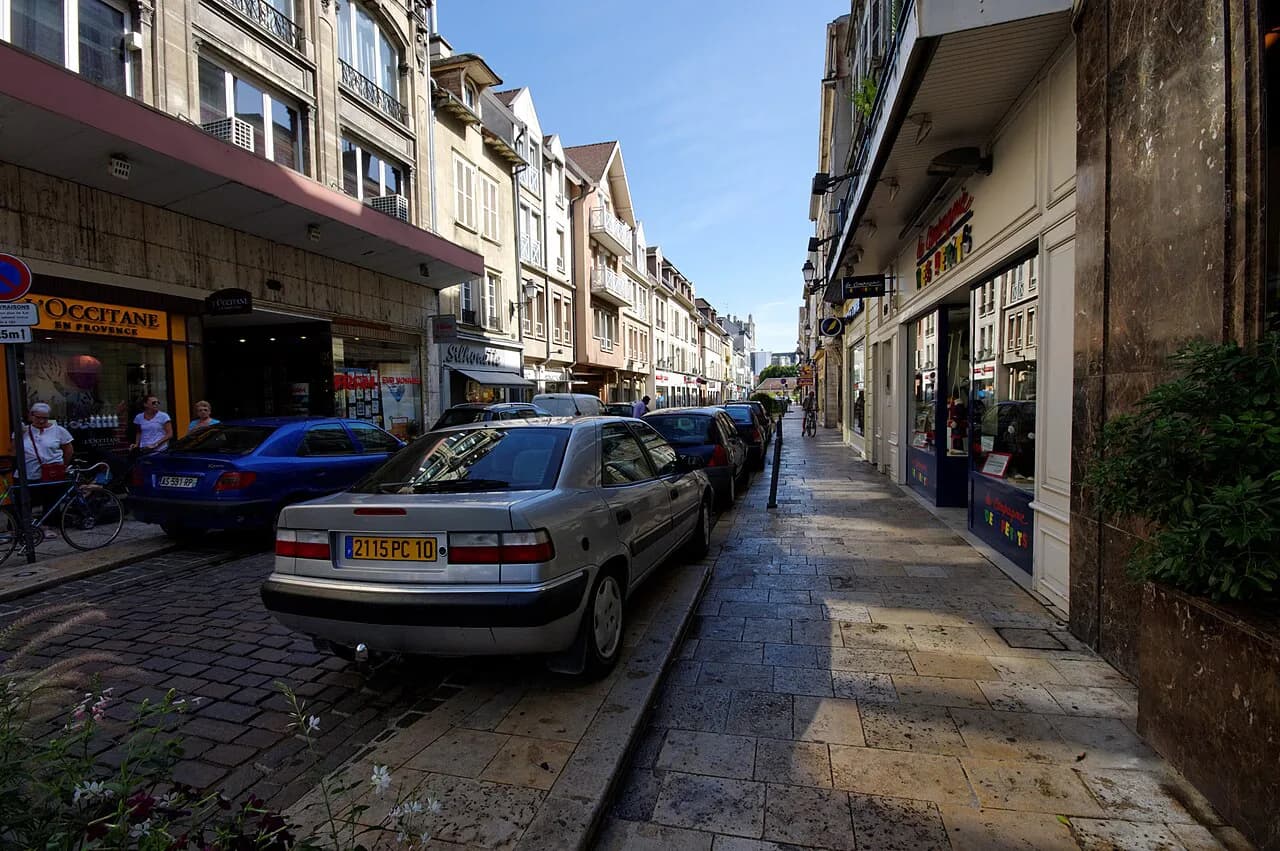
Troyes is where the first factory outlets in France opened, and two clusters now sit outside the centre. McArthurGlen Designer Outlet Troyes carries local labels such as Lacoste alongside names like Naf Naf, and Marques Avenue covers brands including Le Creuset, Adidas and Delsey. Both are a bus or drive from the historic core, so they eat half a day that would otherwise go to a museum or a long lunch.
Take bus 1 or 12 from Les Halles to reach the designer outlet, and plan the visit around the fact that shopping and sightseeing compete for the same hours. On a two-night break, choose one afternoon for outlets or museums, not both.
How Many Days Does Troyes Need?
One full day covers the old town on foot, the cathedral and at least one church, plus a market or restaurant lunch. To add the Cité du Vitrail, the Musée d'art moderne and MOPO without rushing, you need two full days, which is why a two-night stay suits the city better than a single overnight.
If you are weighing up whether the city justifies the trip at all, the honest verdict on whether Troyes is worth visiting comes down to what you want from a weekend: medieval streets and stained glass yes, big-city energy no.
When to Go
Troyes has a continental pattern of cold winters and warm summers, and it can snow; a winter visit is atmospheric but the days are short and the Cité du Vitrail shuts an hour earlier. Summer heat is real too, and the hotel courtyards and shaded lanes are where you will want to be at midday.
Check opening days before booking, because several sights here close on Mondays or Tuesdays and a badly placed weekend leaves you locked out of the best museums. The market's early close on weekdays is the other rhythm that shapes a short break.
Getting There, Getting Around and Rough Costs
Direct trains from Paris take around 90 minutes, which puts Troyes within easy reach for a UK weekend via Eurostar and a connection. Once there, the historic centre is genuinely walkable, and the Tourist Office sits in the middle of town on Place Alexandre Israël where you can pick up a map and details of guided tours.
Museum tickets add up modestly, but entry fees vary by museum and season. The Cathedral of Saint-Pierre-et-Saint-Paul and Église Saint-Pantaléon are free, while the Musée d'art moderne, the Musée de la Bonneterie, MOPO and the Cité du Vitrail all charge admission — the Cité du Vitrail, France's first centre dedicated to stained glass, is well worth budgeting for. Check current prices and opening times directly with each museum before you travel, as they change seasonally.
Plan Your Troyes Weekend
Build your break around two halves of the champagne-cork shape: one day for the lanes, the Ruelle des Chats and the churches, another for the cathedral, the Cité du Vitrail and a museum. Fit the market into a Friday or Saturday lunch and keep a weekday morning free for MOPO.
If stained glass and merchant houses are what you want from a French city break, Troyes delivers in a weekend. If you are still deciding between destinations, compare it with other compact options such as things to do in Amboise before you commit.
Explore more Troyes guides
Frequently Asked Questions
Is Troyes worth visiting for a weekend?
Yes, if medieval streets, stained glass and a strong food scene are what you want. The compact centre covers the main sights in a day, and two full days let you add the Cité du Vitrail, the Musée d'art moderne and MOPO without rushing.
What can you do in Troyes in one day?
Spend the morning on the old town lanes around Rue Champeaux and the Ruelle des Chats, then visit Église Sainte-Madeleine and the cathedral. Add an afternoon at either the Cité du Vitrail or the Musée d'art moderne, and eat lunch at the covered market if it is a Friday or Saturday.
Why is Troyes famous for stained glass?
Around 40 percent of the world's stained glass is found in Troyes and the surrounding Aube department. The city opened the Cité du Vitrail in 2022 as France's first centre dedicated to the craft, and the churches and cathedral hold exceptional historic windows.
Which days are the museums and churches open in Troyes?
The Cité du Vitrail and the Musée d'art moderne open Tuesday to Sunday. MOPO opens daily but closes on Tuesdays from October to March, while Saint-Pantaléon opens Tuesday to Saturday with a lunchtime gap and Sunday afternoons. Confirm times before you travel.
When is the covered market open in Troyes?
The Marché Central des Halles closes at 1pm Monday to Thursday and on Sundays, and stays open all day Friday and Saturday. Outdoor stalls surround it on Wednesdays, Fridays and Saturdays, which are the fullest days to visit.
How long does it take to get from Paris to Troyes?
Direct trains from Paris take around 90 minutes, making Troyes an easy add-on to a Paris trip or a standalone weekend from the UK via Eurostar and a connection.
What is Troyes' local food speciality?
Andouillette de Troyes, a pork sausage served in its own skin, is the signature dish. Chaource cheese and Prunelle de Troyes, a sloe liqueur sold at Cellier St Pierre, are the easier local specialities to try.
Is the old town easy to explore on foot?
Yes. The old town is compact and walkable, with the medieval half and the cathedral quarter forming the two halves of the champagne-cork shape. Pick up a map from the Tourist Office on Place Alexandre Israël and group sights by quarter.
Sources
Notes for French city breaks
Optional updates to our guides.
You might also like
Continue reading
More guides you'll find useful