
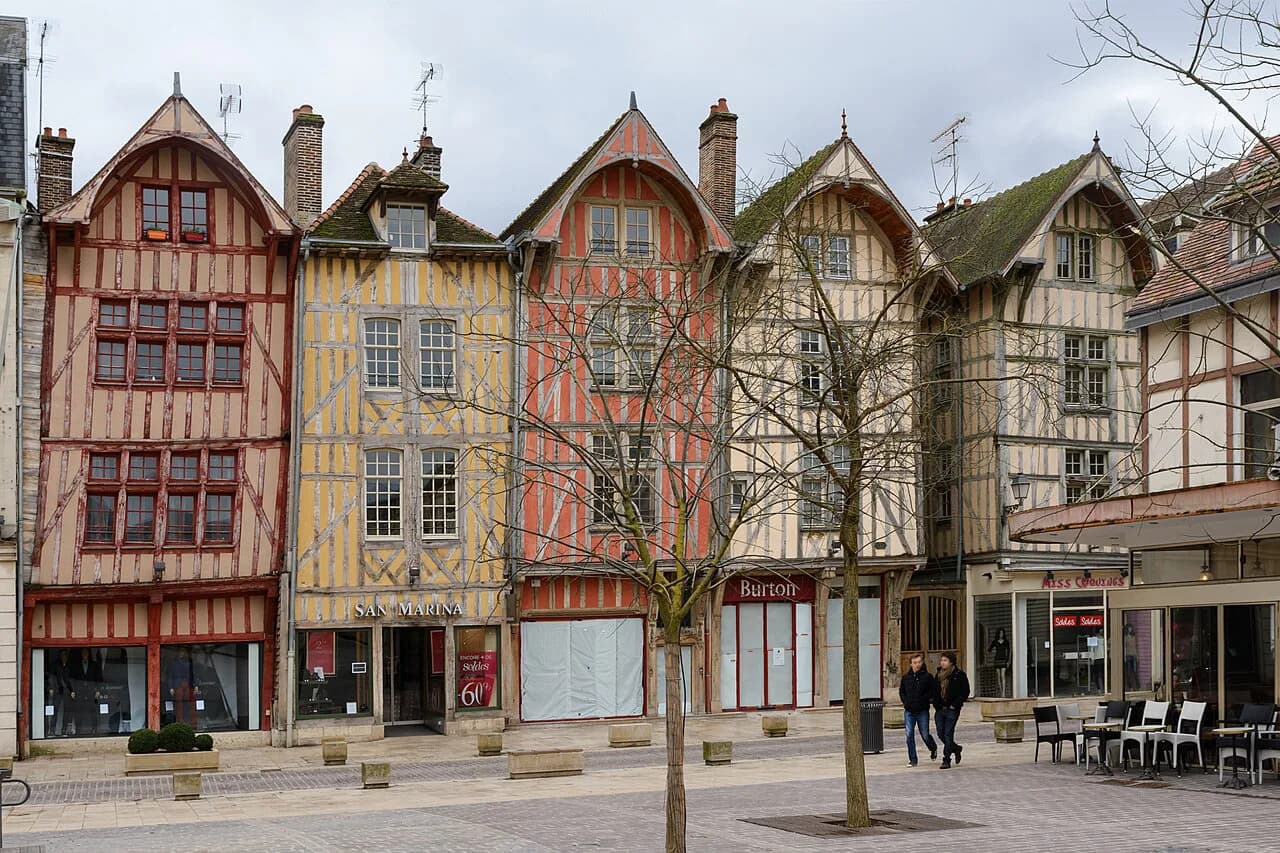
Troyes Attractions: 6 Visitor Guides
Troyes's half-timbered centre hides churches with remarkable stained glass, the narrow Ruelle des Chats, a tool museum and a modern-art museum beside the cathedral. These guides cover each sight.
Troyes attraction guides
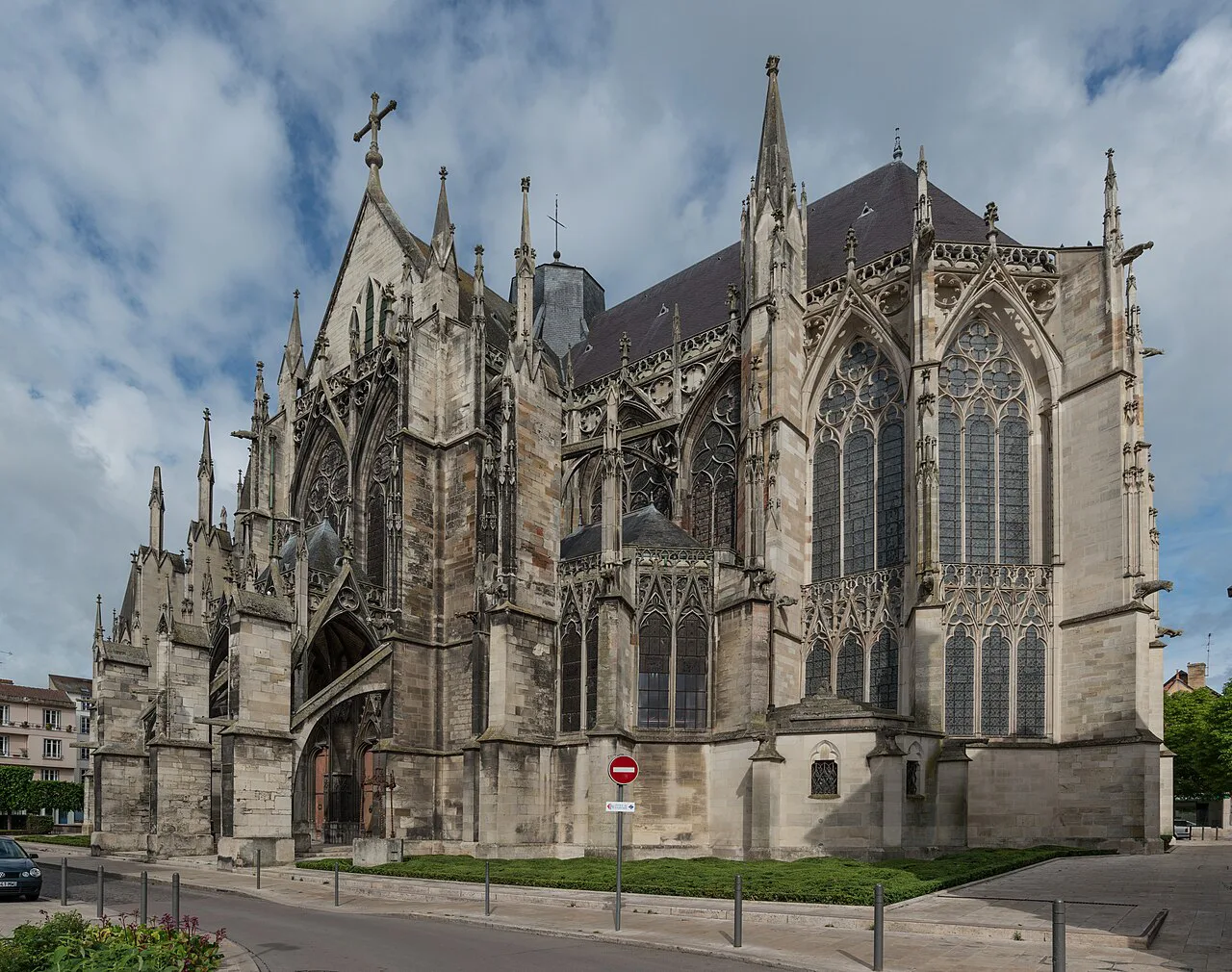
Basilique Saint-Urbain, Troyes: Gothic Gem Visitor Guide
Saint-Urbain is Troyes at its most concentrated: a compact Gothic church on Place Vernier with original 13th-century glass, a carved Last Judgement and a sculpture worth crossing town for. Allow under an hour, go in daylight, and pair it with the old town lanes nearby.
Maison de l'Outil et de la Pensée Ouvrière Troyes Guide
The Maison de l'Outil et de la Pensée Ouvrière holds 12,000 hand tools in the Renaissance Hôtel de Mauroy on rue de la Trinité in old Troyes. Here is what the displays cover, how the building shapes the visit, how much time to allow and where to confirm tickets before you go.
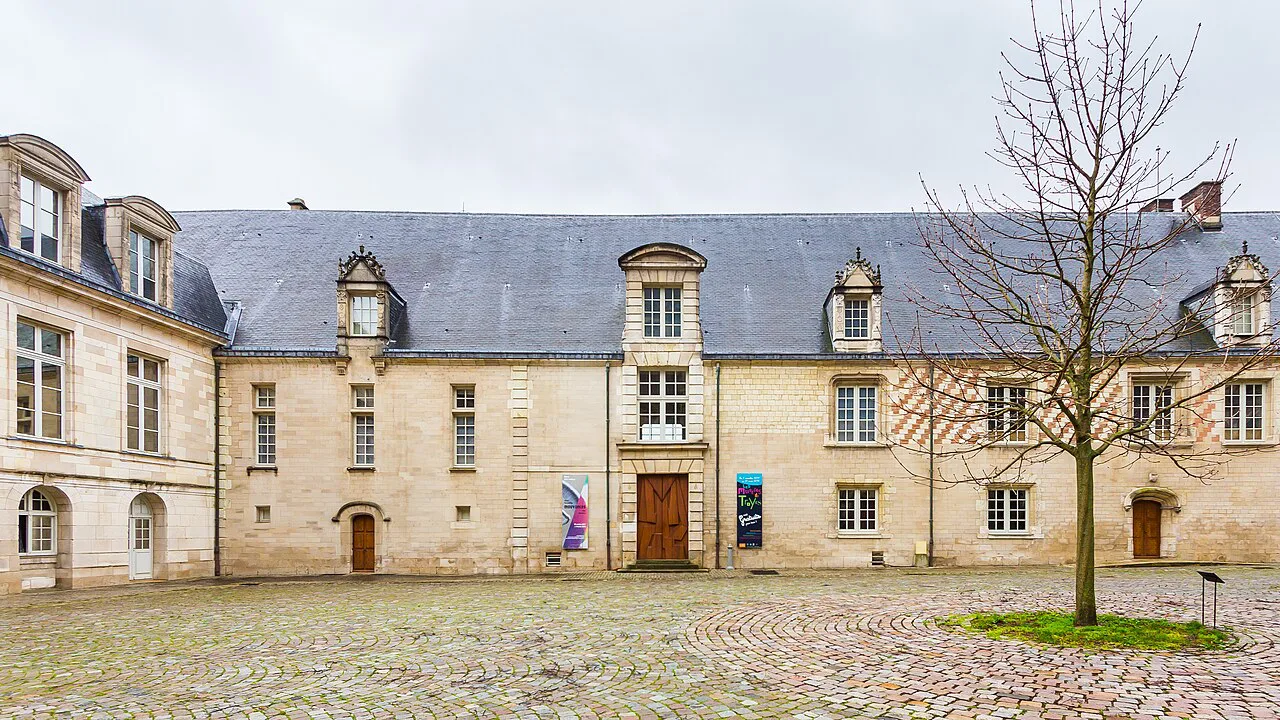
Musée Art Moderne Troyes Guide: What to See and How Long
The Musée d'Art Moderne de Troyes holds the Pierre and Denise Lévy national collection in the former bishop's palace beside the cathedral. The route runs from Realism on the second floor down through Nabis, Fauves and Cubists to the Second School of Paris, with monographic rooms for Marinot and Derain and a sculpture garden outside.
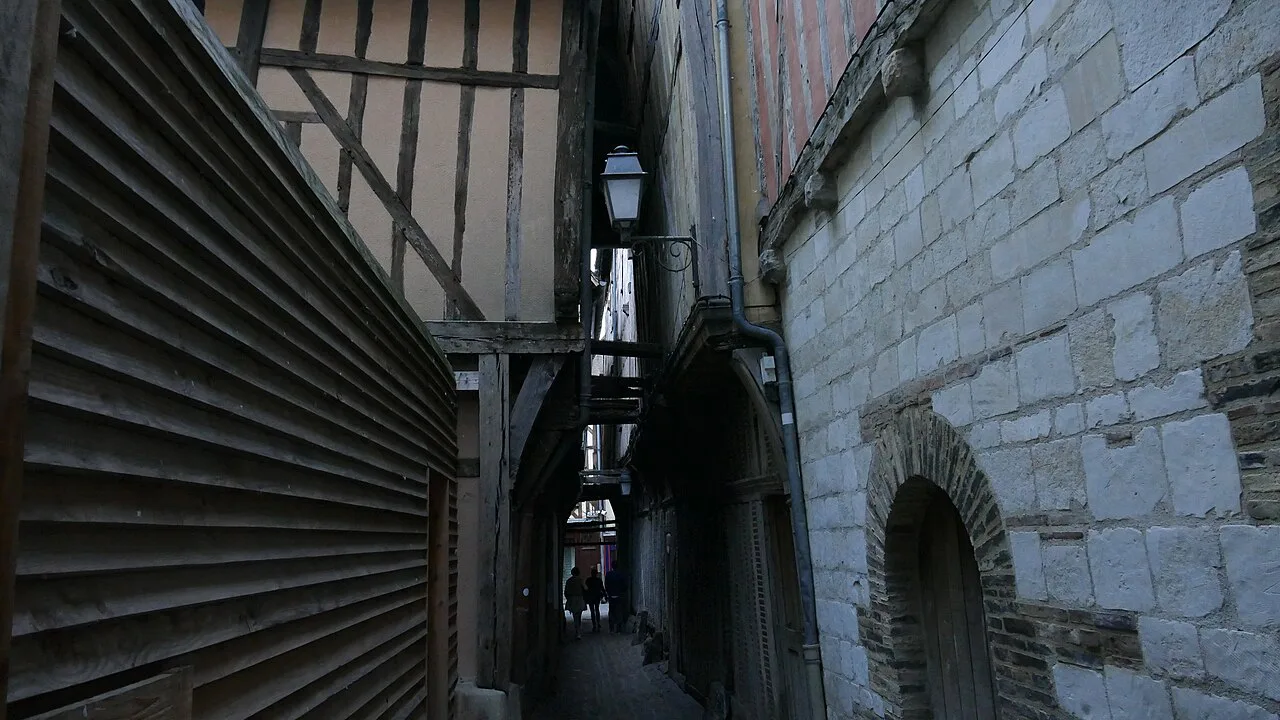
Ruelle des Chats, Troyes: Visiting the Cat Alley
The Ruelle des Chats is a sliver of half-timbered Troyes, a couple of minutes from the Tourist Office on Place Alexandre Israël. Allow 10 to 15 minutes, look up for the carvings, and pair it with the old town's churches, gardens and glass.
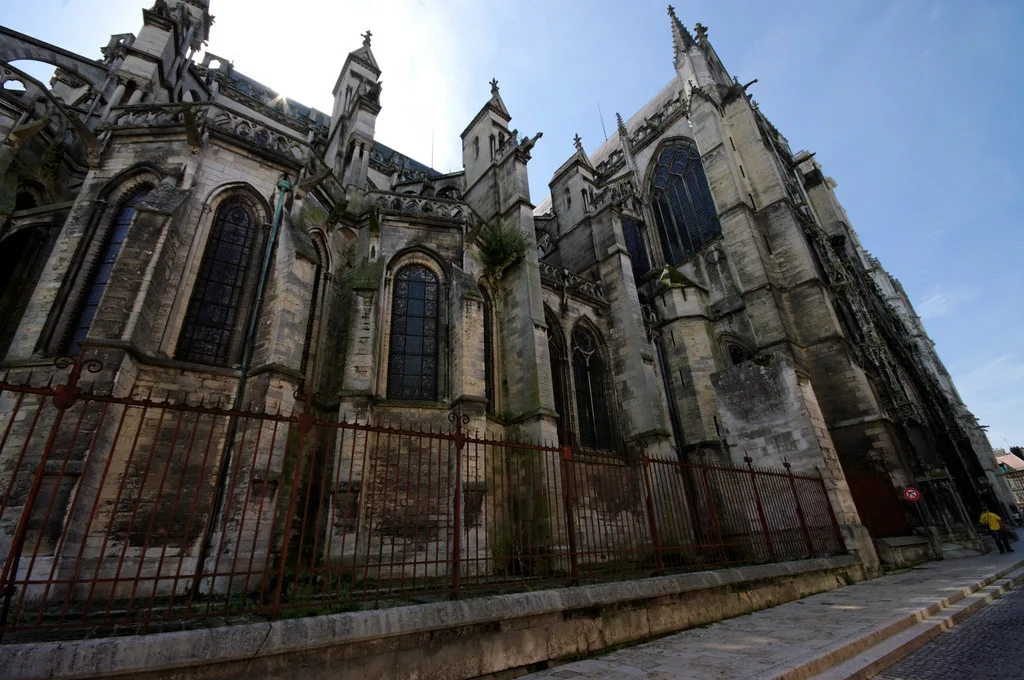
Troyes Cathedral Guide: Plan Your Visit to Saint-Pierre
Troyes Cathedral is the city's Gothic cathedral, begun around 1200 and built across three centuries, which is why its stonework reads as layers rather than a single design. Allow about an hour for the interior, with stained glass and arcading as the highlights.
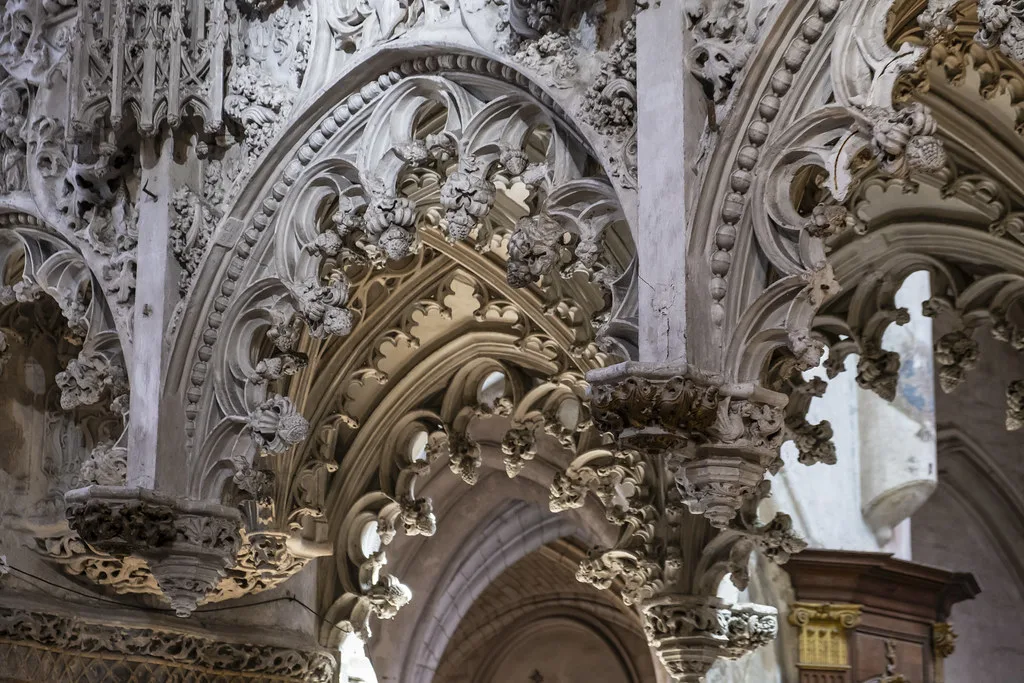
Église Sainte-Madeleine, Troyes: What to See Inside
A small parish church with a big draw: a flamboyant stone jubé, a fine set of sixteenth-century windows and a seasonal opening pattern that rewards planning. Here is what to look for and how long to give it.