
Musée d'Art Moderne de Troyes: What to See and How Long to Allow

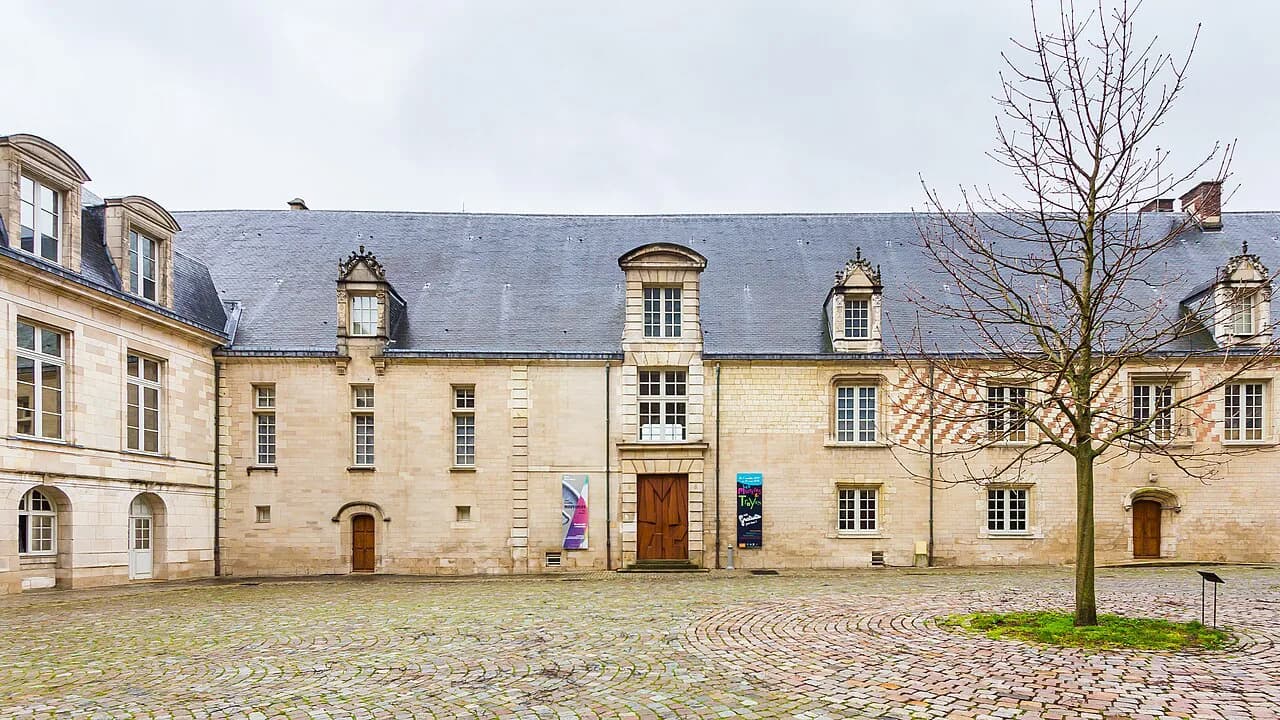
The Musée d'Art Moderne de Troyes is a single-house museum built around one outstanding gift: the Collections nationales Pierre et Denise Lévy. It occupies the former bishop's palace next to Troyes cathedral, and its three floors trace European art from Realism to the years after the Second World War. Allow roughly two hours for a focused visit, and treat it as a half-day rather than a whole-day outing.
The visit runs downwards rather than upwards: you start on the second floor and finish at ground level. That inverted order is worth knowing before you climb the stairs, because it explains why the earliest works sit highest in the building.
What the museum is
This is the Musée d'Art Moderne, Collections nationales Pierre et Denise Lévy, the modern art museum of Troyes. The collectors Pierre and Denise Lévy built the core of the holdings, and the museum's identity rests on that single, coherent group of paintings and sculptures rather than on an encyclopaedic survey. A whole room is given over to the couple, with an animated film telling their story.
The building itself is part of the appeal: a former bishop's palace adjoining the cathedral of Saint-Pierre-et-Saint-Paul, with a garden that was redesigned during the renovation. Because the museum is compact, you can see the permanent collection properly without the stamina a large city gallery demands.
Where it is and how to reach it
The museum sits in the historic centre of Troyes, in the old episcopal palace beside the cathedral. Once you are in the old town, the cathedral is the landmark to aim for, and the museum entrance is right there. The centre is compact and largely pedestrian, so the practical approach is to walk in from wherever you are staying in the medieval core.
If you are planning the day around the museum, build the cathedral into the same outing, since the two sit side by side. The lanes of the old town, including the famous Ruelle des Chats, are a short stroll away and make a natural continuation after the galleries.
The second floor: Realism, post-impressionism and the Nabis
The chronological route begins at the top with the Realists, including Daumier and Courbet, the mid-nineteenth-century current that opens the Lévy collection. From there the hang moves through the post-impressionists, with Seurat and Metzinger among the names, and into the Nabis.
The Nabis room is where the collection's character comes through most clearly: Bonnard, Édouard Vuillard, Ker-Xavier Roussel and Maurice Denis hang together, alongside a group of non-Western pieces that the modern artists collected and studied. Give this floor the most time if you care about the roots of modern painting.
The Fauve and Cubist rooms
The same upper route carries the Fauves and the Cubists in one sweep. Vlaminck, Raoul Dufy, Braque and Derain represent the Fauve colourists, while Henri Hayden and Juan Gris carry the story into Cubism. It is a compact sequence, which is exactly what makes it readable: you can follow the shift from bright surface colour to fractured form in a single gallery.
Several of these works were used in the museum's own reopening campaign, among them Modigliani's portrait of Jeanne Hébuterne, Marinot's view of Paris from a fifth floor and Delaunay's Les Coureurs. Knowing that helps you pick them out, since they are the pictures the museum itself treats as signature pieces.
The first floor: Marinot and Derain in depth
The first floor holds two monographic spaces devoted to Maurice Marinot and André Derain, both close friends of the Lévy collectors. These rooms are the reason to slow down halfway: instead of another chronological sweep, you get depth on two artists whose work sits at the heart of the gift. The floor also covers Surrealism with Max Ernst and André Masson, Expressionism with Chaïm Soutine and Georges Rouault, and the interwar years.
If your taste runs to glass and painting by the same hand, the Marinot room is the highlight of the building, since he worked in both. Derain's range, from the Fauve canvases upstairs to later figurative work, reads differently once you have seen the dedicated room.
The ground floor and the collectors' room
The route closes at ground level with figurative art: Balthus, Raoul Dufy again and Bernard Buffet, then the Second School of Paris with Maria Elena Vieira da Silva and Nicolas de Staël. A room devoted to Pierre and Denise Lévy, with an animated film, explains how the collection came together, and further spaces present later donations to the museum.
Ending here rather than upstairs is deliberate: after the dense early-modern hang, the postwar rooms feel lighter. If you are short of time, the collectors' room is the one to keep, because it makes sense of everything you have just walked past.
The garden and sculpture trail
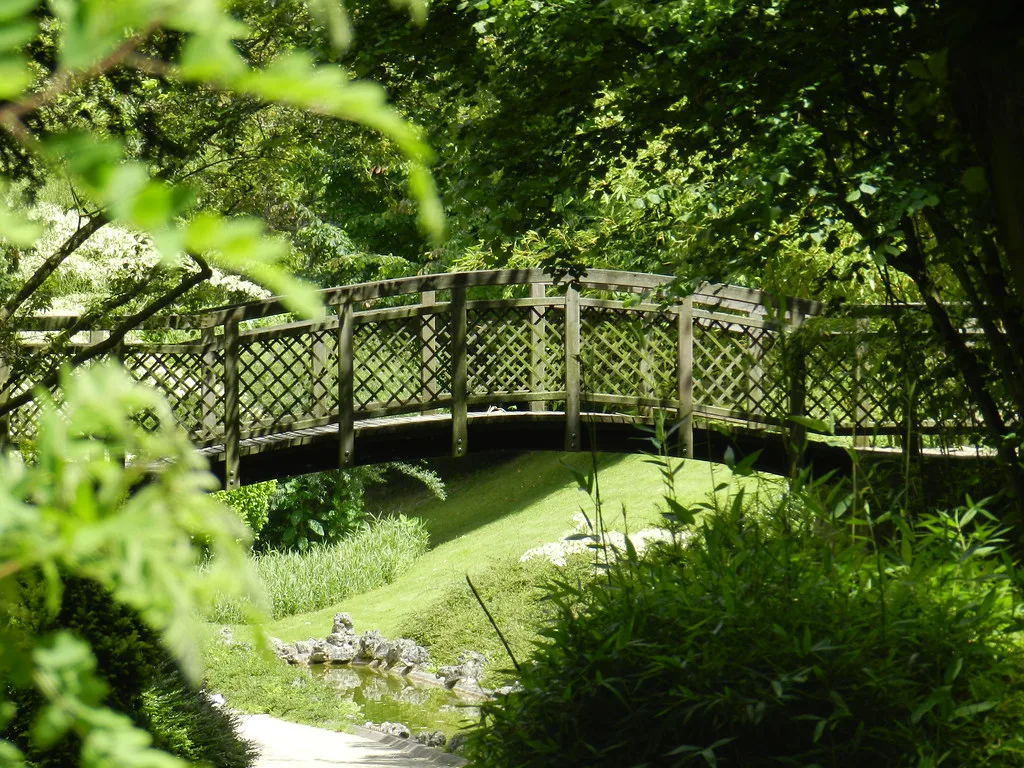
The museum garden was entirely reworked during the renovation and turned into a sculpture trail that opens onto contemporary art, with new pieces added to the outdoor route. It is a genuine part of the visit rather than a strip of grass around the building.
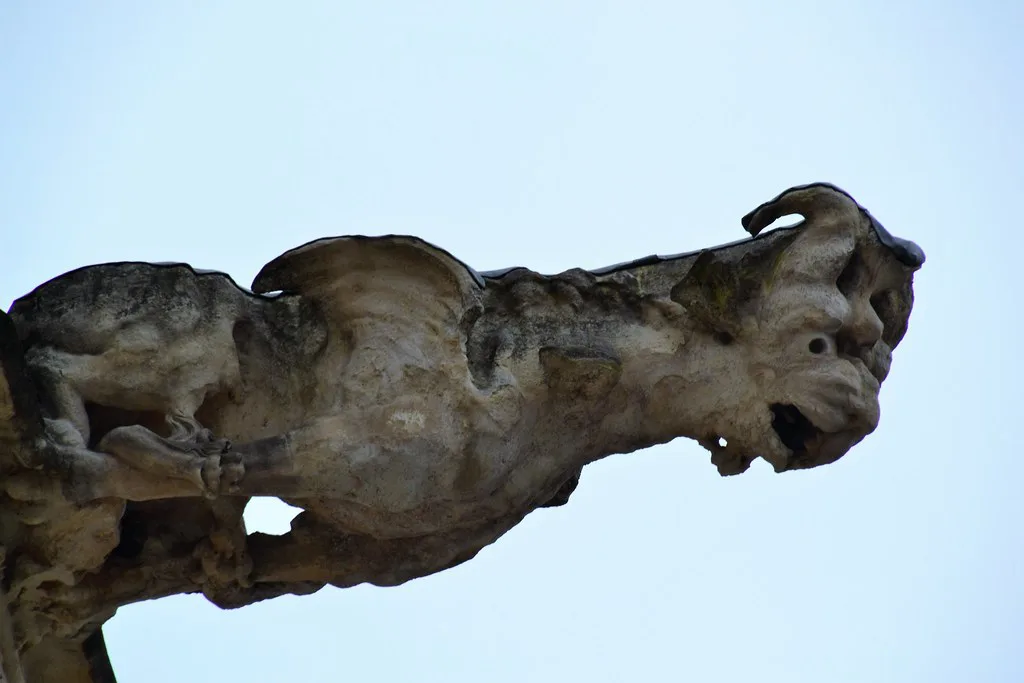
The garden sits against the cathedral, so you get modern sculpture and Gothic stonework in one view. On a fine day, save fifteen minutes for it after the galleries rather than before.
How the route works
The museum reopened in two acts. The first, on 27 December 2022, brought back a ground-floor space on the history of the collections and the start of the permanent route on the second floor, plus a new reception with shop, toilets and cloakroom. The full three-floor route opened on 16 April 2024 after four years of work, and entry was free for everyone from 16 April to 12 May 2024 to mark it.
The renovation added around 400 square metres of display space by converting former offices and created a prints and drawings cabinet, shown in rotation. Temporary exhibitions have their own space on the first floor, so check what is on before you go if you want to see a specific show alongside the collection.
How long to allow
Two hours covers the permanent route at an unhurried pace, and that includes the garden. With a temporary exhibition or a stop in the collectors' room for the film, budget closer to three. The building is small enough that a half-day is realistic, which leaves the afternoon free for the old town.
With only an hour, ride the stairs to the second floor for the Nabis and Fauve rooms, drop to the first floor for Marinot, and skip the postwar ground floor. That order preserves the collection's strongest holdings and still lets you end in the garden.
Tickets and opening times
Admission charges, any free-entry days and the weekly closing day are set by the Musées de Troyes and can change with the season, so confirm them on the museum's own pages before you travel. The same applies to temporary exhibition supplements, which are often priced separately from the permanent collection.
The museum does publish a podcast series, Dessine-moi une collection, which ran to eleven episodes around the reopening and covers the renovation and individual works. Listening to an episode before you arrive is a good way to orient yourself without relying on an audio guide inside.
Nearby: what to pair with the museum
The cathedral of Saint-Pierre-et-Saint-Paul is next door, and its stained glass is the obvious pairing with a modern art visit. Troyes is also a town of churches: the Église Sainte-Madeleine and the Basilique Saint-Urbain are both within the old centre and reward a short detour each.
For a contrasting museum, the Maison de l'Outil et de la Pensée Ouvrière covers the craft traditions of the region rather than fine art. The narrow lanes and timbered houses around the Ruelle des Chats round off a walking half-day neatly, without any need for transport.
Practical trade-offs
The honest assessment is that this is a single-house collection rather than a great municipal gallery. Its strength is the Lévy gift and the depth it allows on a handful of artists, so come for the Nabis, the Fauves and Marinot rather than expecting a survey of all modern art. If you want breadth, the city's other museums fill the gaps. If you are weighing up Champagne towns for a longer trip, our guide to things to do in Reims covers a cathedral city with a very different museum and cellar scene.
Plan it as a half-day and let the cathedral and the old town carry the rest of your time. Also check the day you intend to visit against the museum's published hours, since a wasted morning on a closed day is the commonest way to lose half a weekend break.
Making the Most of Your Visit
The Musée d'Art Moderne de Troyes rewards a visit planned around its route: start on the second floor, work down through the monographic rooms, and finish with the garden and the cathedral next door. Two hours is enough for the collection, and a half-day covers it comfortably alongside the old town.
Check current opening days and ticket prices on the Musées de Troyes pages before setting out, and build the rest of your Troyes weekend around the streets and churches within walking distance.
Frequently Asked Questions
What is the Pierre and Denise Lévy collection?
It is the core holding of the Musée d'Art Moderne de Troyes, assembled by the collectors Pierre and Denise Lévy and given national collection status. It runs from Realism through the Nabis, Fauves and Cubists to the interwar years and the Second School of Paris, and includes close friends of the couple such as Maurice Marinot and André Derain.
Which works should I not miss?
Prioritise the Nabis room with Bonnard and Vuillard on the second floor, the Fauve and Cubist galleries, the monographic rooms for Marinot and Derain on the first floor, and the room devoted to the Lévy collectors on the ground floor. Modigliani's Jeanne Hébuterne and Delaunay's Les Coureurs are among the museum's own signature images.
How long does a visit take?
Allow about two hours for the permanent route and the sculpture garden. With a temporary exhibition or the film in the collectors' room, plan for closer to three, and treat the museum as a half-day alongside the cathedral and the old town.
Where is the museum and how do I get there?
It occupies the former bishop's palace adjoining Troyes cathedral, in the historic centre of Troyes. Once you are in the old town, head for the cathedral and the museum entrance is beside it, all on foot.
Is the museum free?
Entry was made free for all visitors from 16 April to 12 May 2024 to mark the full reopening, which was a time-limited offer rather than a standing policy. Current admission charges and any free days are published by the Musées de Troyes, so check before you travel.
What is the best day to visit?
The museum's weekly closing day and seasonal hours are set by the Musées de Troyes and change through the year, so check the published schedule for the week you plan to be in Troyes. Building the visit around the cathedral on the same day keeps the outing flexible if hours shift.