
Maison de l'Outil et de la Pensée Ouvrière: Troyes' Tool Museum
The Maison de l'Outil et de la Pensée Ouvrière is Troyes' museum of hand tools, housed in the Hôtel de Mauroy at 7 rue de la Trinité in the old centre. Its collection runs to 12,000 tools, the largest of its kind, displayed by trade, by tool family and by function.
This is a focused single-subject museum rather than a general history collection, and it suits travellers who like craft, workshop detail and old buildings in equal measure. Allow roughly an hour and a half, longer if you linger in the library, and treat it as one anchor of a half-day walk through old Troyes.
What the Museum Is
The museum, known locally as the MOPO, was created around the collection of Paul Feller, a Jesuit teacher, and entrusted to the Compagnons du Devoir, who enlarged and arranged it; it opened in 1969. It carries the musée de France designation, granted on 17 September 2003.
The headline figure is 12,000 tools, described in the museum's own record as the largest collection of its kind in the world. The tools are hand tools for shaping wood, iron, leather and stone, and the oldest reach back to the seventeenth century.
The stated purpose is not simply to preserve the past: the museum wants the tools used as a way into understanding how skilled trades think and work. That framing shapes what you see, because every case is trying to explain a gesture rather than just label an object.
Where It Sits: Rue de la Trinité and the Hôtel de Mauroy
The address is the Hôtel de Mauroy, 7 rue de la Trinité, 10000 Troyes, in the Aube department of the Grand Est region. It stands within the historic centre, a short walk from the streets most visitors cover on a Troyes weekend.
The street name is a clue to the building's history: the road takes its name from the Collège de la Trinité, the school founded here for orphans. The house itself is protected as a monument historique, and the surrounding area is a protected heritage site, so the walk to the door is part of the visit.
Because the museum sits in a townhouse rather than a purpose-built gallery, rooms are domestic in scale and the collection is spread across several levels and spaces. Expect stairs and narrow passages rather than long open halls, and plan accordingly if anyone in your group tires easily.
Getting There on Foot from Central Troyes
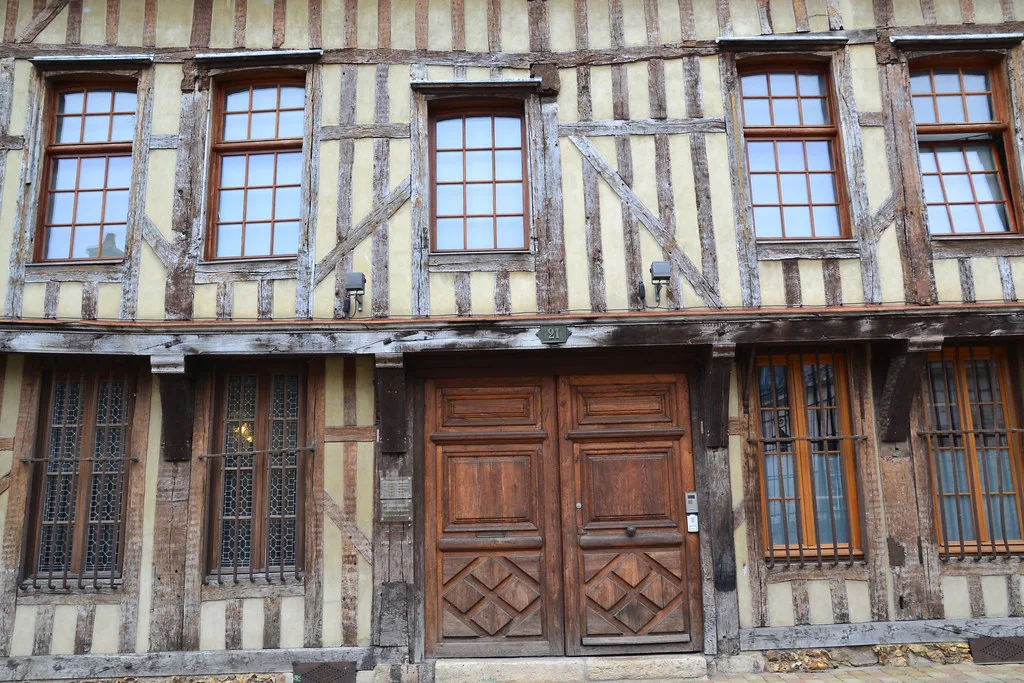
Rue de la Trinité lies in the old town, and the practical approach is on foot from wherever you are staying in the centre. The streets around it are pedestrian-friendly, with the timber-framed houses and narrow lanes that define central Troyes.
If you are building a walking route, pair the museum with the cathedral and the lanes nearby so you are not crossing the centre twice; the Troyes Cathedral (Cathédrale Saint-Pierre-et-Saint-Paul) and the Ruelle des Chats both sit comfortably in the same half-day. The museum's own site, mopo3.com, is the place to check the door details before setting out.
Troyes is compact enough that most central sights are within a twenty-minute walk of each other, so a car is a hindrance rather than a help for this visit. Wear shoes you can walk in on cobbles, since the old centre's surfaces are uneven.
The Building: From 1524 Fire to Orphan School
The Hôtel de Mauroy was ravaged by fire in 1524 and rebuilt from 1556 by Jean Mauroy, provost of the mint and lord of Colaverdey. He then founded a hospital and the Collège de la Trinité on the site to teach trades to orphaned children, modelled on the Enfants de la Trinité in Paris.
That origin explains the fit between building and collection: a house built to train young people in manual trades now holds the tools of those trades. The city of Troyes bought the hôtel in 1966 and handed it to the Compagnons du Devoir at the end of 1969.
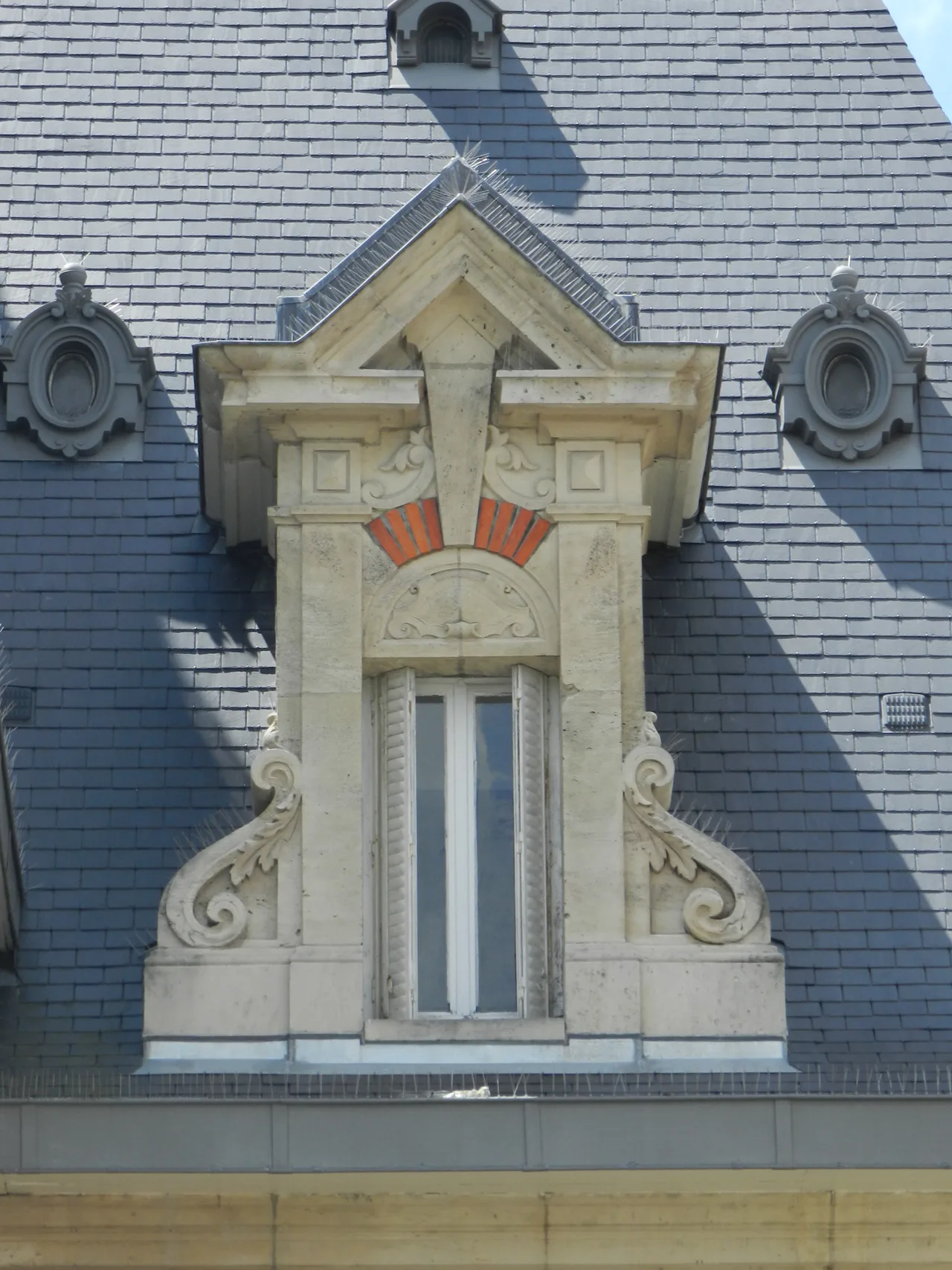
Look at the fabric as you move through: the courtyard, the stonework and the proportions of the rooms are Renaissance domestic architecture, and the ticket buys you the house as much as the display. Give the building ten minutes of your time on its own before you start on the cases.
What to See Inside: Three Ways of Ordering the Tools
The display cases, designed by the scenographer Daniel Pillant, are arranged in three overlapping ways. Some group tools by trade, so you meet the roofer, the cooper and the farrier as separate sets; others group by tool family, such as files, hammers or trowels; a third arrangement follows function, covering marking, measuring and drilling.
That triple logic is the key to enjoying the museum. Follow the trade cases first to see complete working kits, then the family cases to compare how one tool evolved, then the function cases to see how different trades solved the same problem.
The tools cover work in wood, iron, leather and stone, which means the collection spans joinery, metalwork, leatherwork and masonry rather than one craft. If you only have a short window, pick the trades that interest you and let the family and function cases fill the gaps.
Highlights to Look For
Start with the files, hammers and trowels, the plain everyday tools whose variety is easiest to underestimate. The cases by trade are where the museum is strongest: the roofer's kit, the cooper's barrel tools and the farrier's shoeing equipment each show a complete working world rather than a single object.
The marking and measuring tools are the quiet highlight, because they show the precision behind work that looks purely physical. Objects date from the seventeenth century onward, so you can trace changes in design across several hundred years in a single case.
The 32,000-Volume Technical Library
The museum holds a resource centre of 32,000 old and contemporary works, open to the public, and it is described as the second technical library in France. That makes it a draw in its own right, not an appendix to the tool cases.
For most weekend visitors the library is somewhere to look in on rather than to work in, but if you have a serious interest in craft history or book arts, budget extra time. Ask at the desk how access works on the day, since study access and gallery visiting are not necessarily the same thing.
The Courtyard Garden
The museum has a small garden in its courtyard, and it is replanted with a fresh scheme each year for the summer season. It is a seasonal pleasure rather than a fixed display, so what you see depends on the time of year you arrive.
Treat the courtyard as a breather between the tool cases rather than a destination on its own. It is also the obvious place to sit for a few minutes before heading back into the old town.
How Long to Allow and How to Pace It
An hour and a half covers the main cases at a reasonable pace; two hours lets you read the labels properly and spend time in the trade sets. The collection is dense and repetitive by design, so shorter visits with a clear focus often work better than trying to see everything.
Pace it by picking two of the three orderings to follow closely and skimming the third. If you are visiting with children, the trade cases hold attention best because the tools belong to recognisable jobs.
Tickets, Opening Days and What to Confirm
Opening days, ticket prices and any reduced rates are set by the museum, and the reliable way to get them is the museum's own site and phone line before you travel. Its listed contact is 03 25 73 28 26 and contact@mopo3.com, with mopo3.com as the website.
French museums often close on a Monday or Tuesday and many Troyes sights keep their own weekly rhythm, so line this visit up against the days your other stops are open. Check the day you plan to come before you set out, since the Maison de l'Outil et de la Pensée Ouvrière follows the same pattern of varying opening days as other museums in the city.
Pairing the Visit with Old Troyes
The museum works best as one stop in a walking day through the old centre. Beyond the cathedral and the Ruelle des Chats, the Église Sainte-Madeleine, Troyes is a short walk away and adds a completely different register of church architecture and glass.
If you have a second day, the Basilique Saint-Urbain in Troyes and the Musée d'Art Moderne de Troyes give you a Gothic church and a modern collection within the same compact centre. Either pairs well with a morning at the tool museum.
Plan the day around a single loop: rue de la Trinité first, then the cathedral quarter, then the lanes and half-timbered houses on the way back. That sequence keeps the walking short and leaves the museum for the part of the day when you have the most energy.
Who Will Enjoy It and Who Might Skip It
This museum rewards anyone interested in craft, engineering, design or social history, and it is one of the few places where you can see a complete working toolkit of a nineteenth-century trade in one case. Visitors who like old houses will also get value from the Hôtel de Mauroy itself.
Travellers who want a broad art collection, or who are travelling with children who need interactivity, may find the dense cases heavy going. If your weekend is short, choose between this and one of Troyes' larger museums rather than trying to fit in both. If you would rather spend a short break on cathedral and cellar visits, our guide to things to do in Reims covers a comparable city weekend.
Plan Your Visit
The Maison de l'Outil et de la Pensée Ouvrière is a compact, specific museum in a Renaissance townhouse, and its appeal lies in the detail of the tools rather than in scale. Build it into a walking day in old Troyes, give it ninety minutes and go in with a plan for which cases to follow.
Settle the opening day and ticket cost directly with the museum before you set out, then use the rest of your time on the streets around rue de la Trinité. The city's other sights are close enough that nothing has to be rushed.
Frequently Asked Questions
What is the Maison de l'Outil et de la Pensée Ouvrière?
It is Troyes' museum of hand tools, created around the collection of Paul Feller and run by the Compagnons du Devoir. It holds 12,000 tools and is housed in the Hôtel de Mauroy at 7 rue de la Trinité in the old centre.
How many tools does the museum hold?
The collection numbers 12,000 hand tools, described as the largest collection of its kind in the world. They are tools for shaping wood, iron, leather and stone, with the oldest dating to the seventeenth century.
Where is the museum in Troyes?
It is at 7 rue de la Trinité, 10000 Troyes, inside the Hôtel de Mauroy in the historic centre. The street takes its name from the Collège de la Trinité, the orphan school once run on the site.
How long does a visit take?
Allow about ninety minutes to see the main display cases at a reasonable pace, and up to two hours if you want to read the labels and study the trade sets closely. Add time if you plan to use the technical library.
What are the opening hours and ticket prices?
The museum publishes its opening days and ticket prices on its own website, mopo3.com, and can confirm them by phone on 03 25 73 28 26. Check the day you intend to visit before travelling, as weekly closing days vary between French museums.
What else is there to see nearby?
The old centre of Troyes is compact, with the cathedral, the Ruelle des Chats and the Église Sainte-Madeleine all within walking distance of rue de la Trinité. The Musée d'Art Moderne de Troyes and the Basilique Saint-Urbain are also in the centre.
What is inside the display cases?
The cases, designed by Daniel Pillant, group the tools three ways: by trade, such as roofer, cooper or farrier; by tool family, such as files, hammers or trowels; and by function, such as marking, measuring or drilling.
Is the building itself worth seeing?
Yes. The Hôtel de Mauroy was rebuilt from 1556 by Jean Mauroy after a 1524 fire and is protected as a monument historique, and its courtyard garden is replanted each year for the summer.