Is Troyes Worth Visiting? An Honest Weekend Verdict
Yes, Troyes is worth visiting for its half-timbered old town, stained glass and short train ride from Paris. Here is who it suits and how long to give it.
On this page
Yes, Troyes is worth visiting if you want a compact French city of half-timbered houses, stained glass and good eating, roughly an hour and a half by regional train from Paris. It is not a mini-Reims: the champagne houses sit out in the villages, not in town, so anyone booking Troyes expecting cellar tours on the doorstep should look elsewhere. Treat it as an architecture and museum weekend with excellent local food, and it delivers.
The centre is small enough to cross in about 25 to 30 minutes on foot, which makes a two-night stay genuinely restful rather than a logistical exercise. The trade-off is pace: many places of interest close by around 6pm, and museums and some businesses shut for an hour or two at lunchtime, so the day needs shaping rather than drifting.
What a Troyes weekend actually gives you
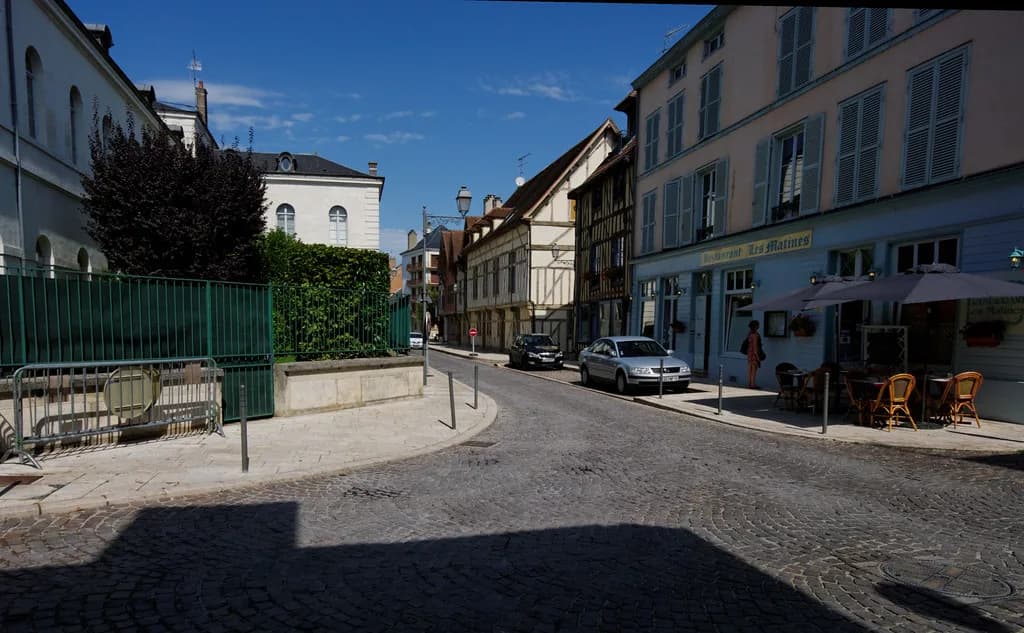
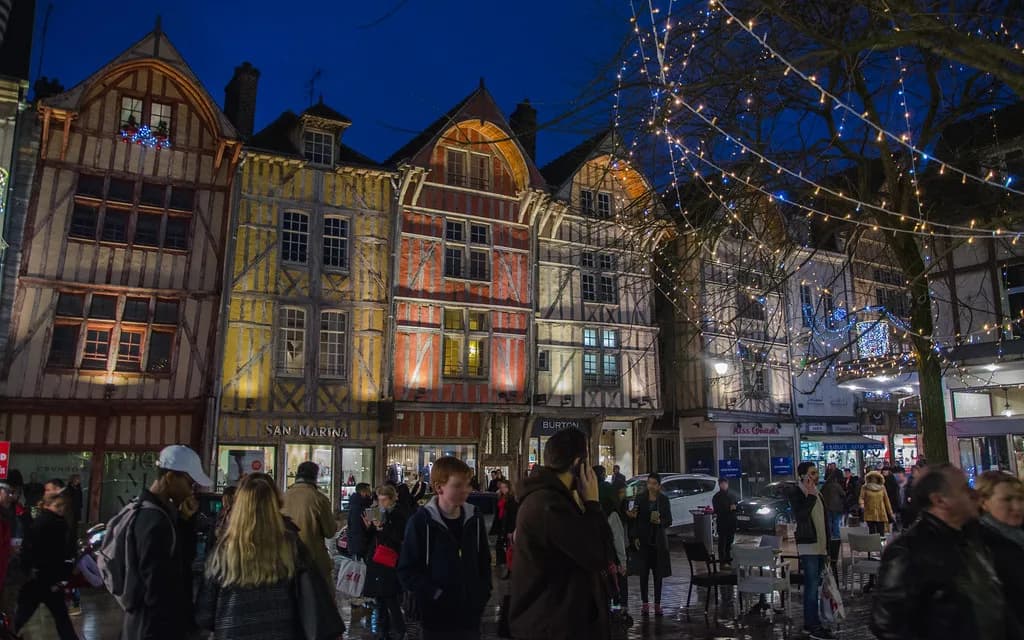
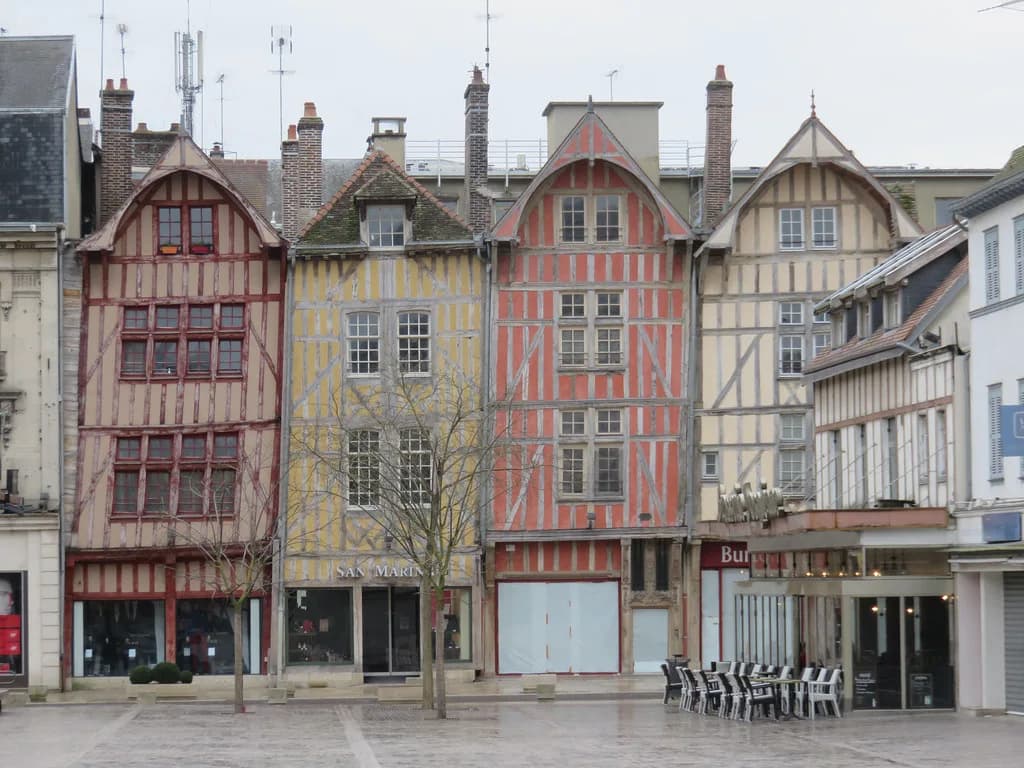
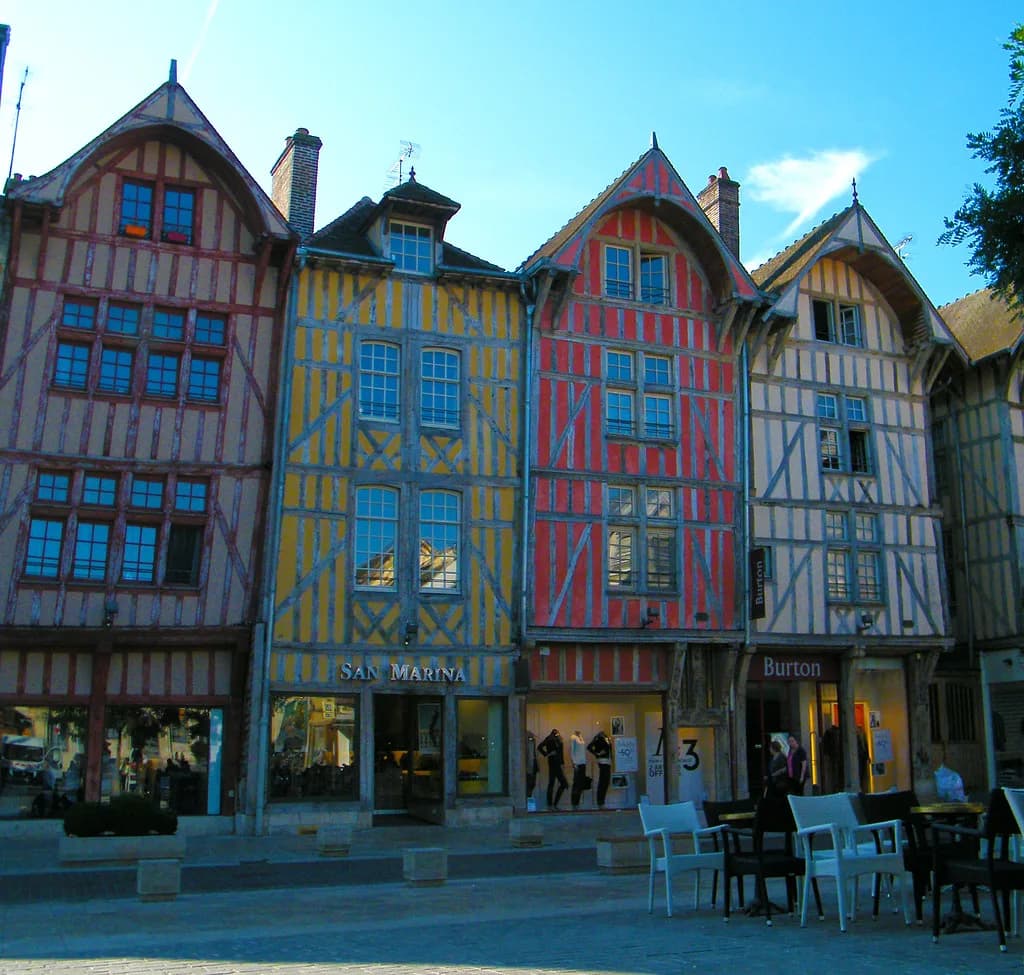
The core offer is architectural: a medieval and Renaissance street pattern packed with timber-framed houses, much of it rebuilt after the great fire of 1524, when households that could not afford stone reproduced their old homes in wood and plaster. Colourful facades, narrow cobbled lanes and a handful of standout churches make wandering the old town the main event rather than a filler between sights.
It suits couples and solo travellers who like churches, stained glass and small museums, plus anyone breaking a longer French trip with a quiet, walkable city. It suits less well anyone whose ideal weekend is bar-hopping, big-name shopping or champagne tastings: the outlet stores lie outside the historic centre and the bubbles are a drive away. The city is quiet by design, and that is the point.
For a fuller list of named sights, streets and venues to slot into your days, the things to do in Troyes guide is the natural companion to this verdict.
Why Troyes is famous: timber frames and the medieval core
Troyes sits in the Grand Est region and is known above all for the density of its half-timbered houses. The old town is best taken slowly: look up at the overhanging upper storeys, down at the cobbles, and through gateways into courtyards. Signage and modern shopfronts intrude on some of the most photogenic facades, so the best views often come from standing back across the street.
Beyond the timber, Troyes has a well-known outlet shopping scene, with more than 200 stores in the area, which pulls in a different kind of weekend visitor. If that is part of your plan, our guide to shopping in Troyes covers the practical side of it.
The setting: southern Champagne, in the Aube
Troyes lies in the southern part of the Champagne region, in the Aube department, and locals enjoy pointing out that the old centre is shaped, with imagination, like a champagne cork. But the champagne houses are not in the city: you need a car to reach the vineyards and cellars around it. Montgueux, a champagne village close to Troyes, has houses to visit, and it pays to contact one in advance rather than turning up on spec.
That absence of champagne houses in town is a genuine factor in the verdict. If tasting and cellar tours are the reason for your trip, base yourself in Reims or Épernay instead and visit Troyes as a contrast; if architecture, churches and food are the draw, the quieter local drinks scene is no loss at all.
Getting there and getting around on foot
From Paris, regional TER trains leave from Gare de l'Est and take a little over an hour and a half, so Troyes works as a day trip but rewards an overnight stay. The station sits within easy reach of the centre, and once you are in the old town everything is walkable: crossing the historic core takes roughly 25 to 30 minutes on foot.
Plan your day around the closing pattern rather than fighting it. Many places of interest shut around 6pm, and museums break for lunch for an hour or two, in some cases letting you return later the same day with your ticket. That makes a museum morning, a long lunch and an afternoon of churches and streets a more sensible shape than cramming everything into one block.
What to see in the old town
Start with the Ruelle des Chats, the narrow alley where the houses lean so close at the top that cats could once hop from roof to roof. It takes a minute to walk through, and several good restaurants cluster in the same pocket, so it works as both a sight and a dinner stop. The Cour du Mortier d'Or, a typical Troyen courtyard with a well at its centre, is another short, rewarding detour.
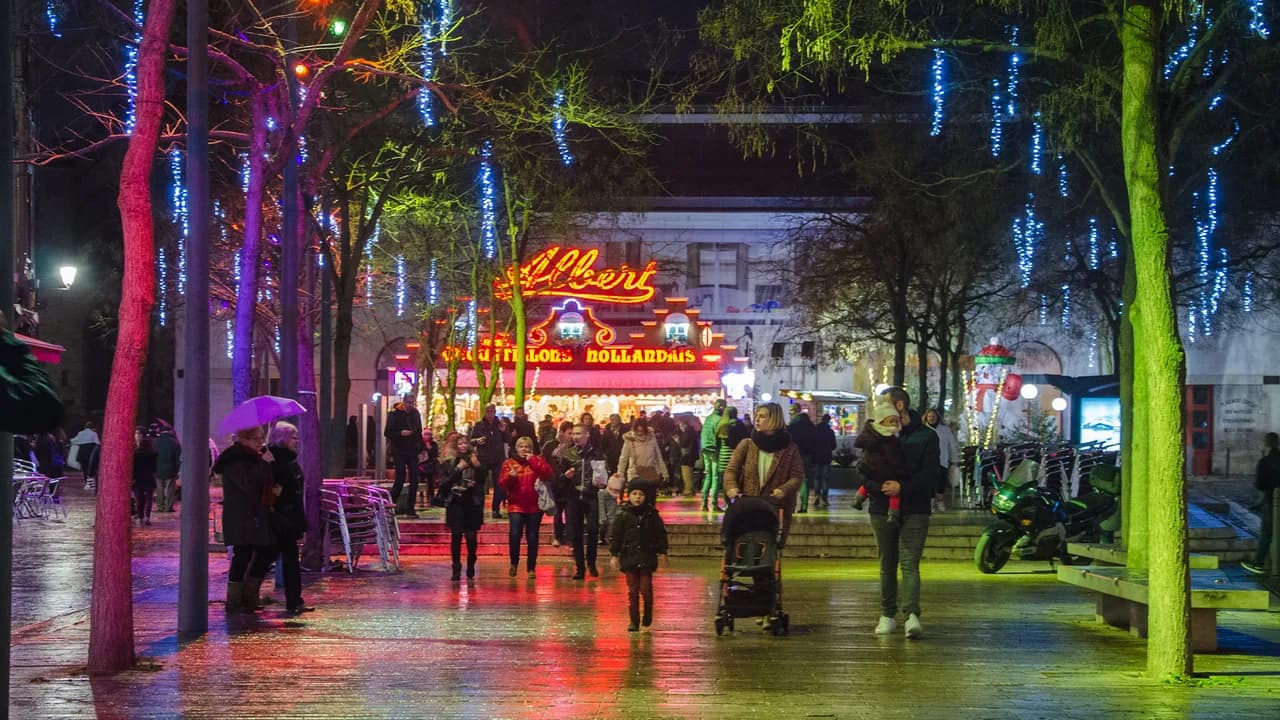
Public sculpture is scattered through the streets and you will meet it without trying. The big stainless-steel heart, weighing two tons and lighting up red at night, is the obvious photo stop, and the bronze figure of Lili ou la dame au chapeau waits on a bench for passers-by. The tiny Jardin des innocentes makes a calm pause between sights.
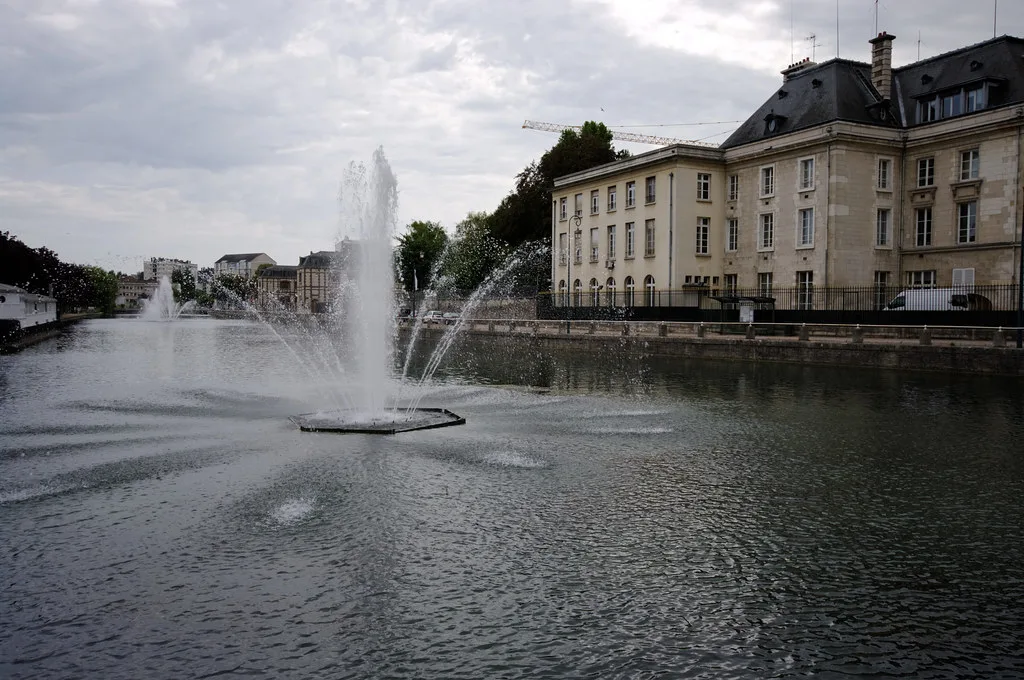
Churches and stained glass
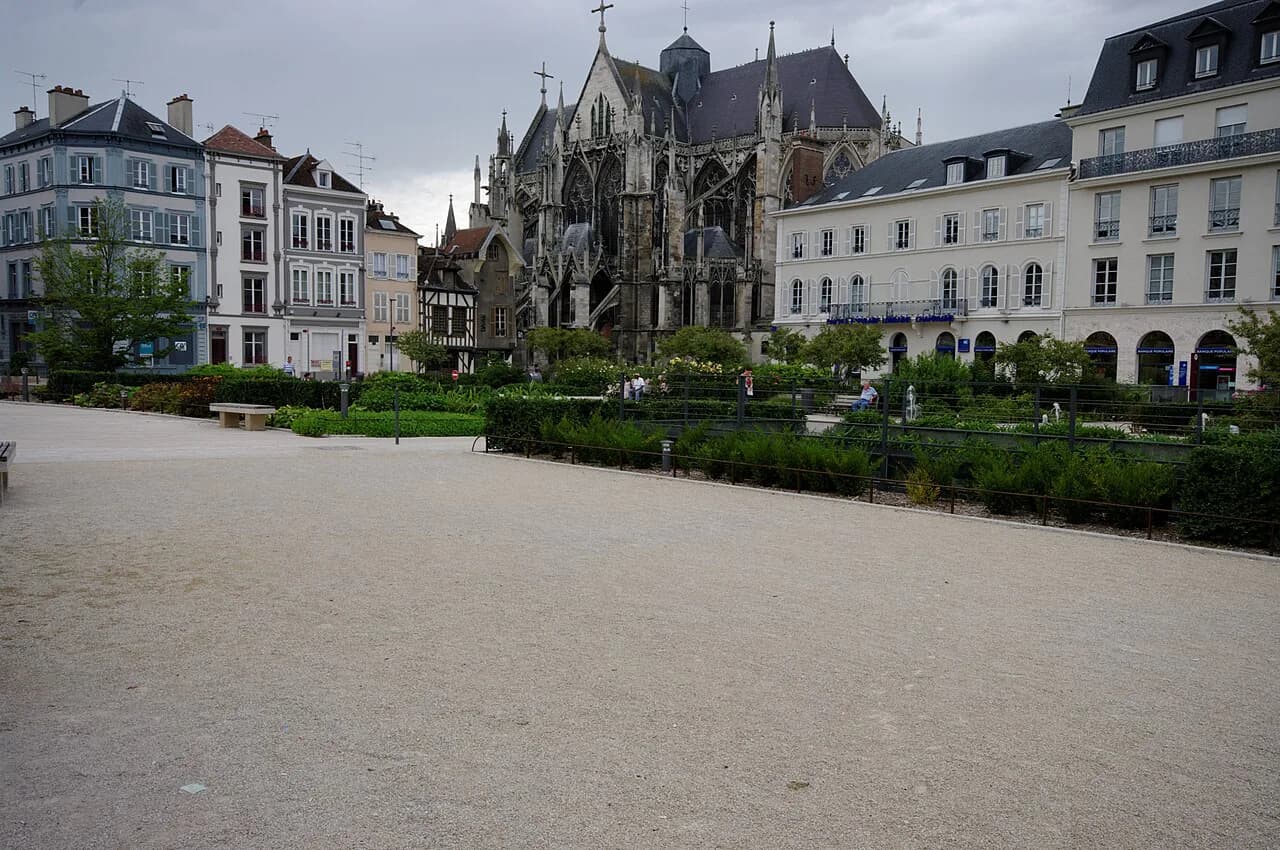
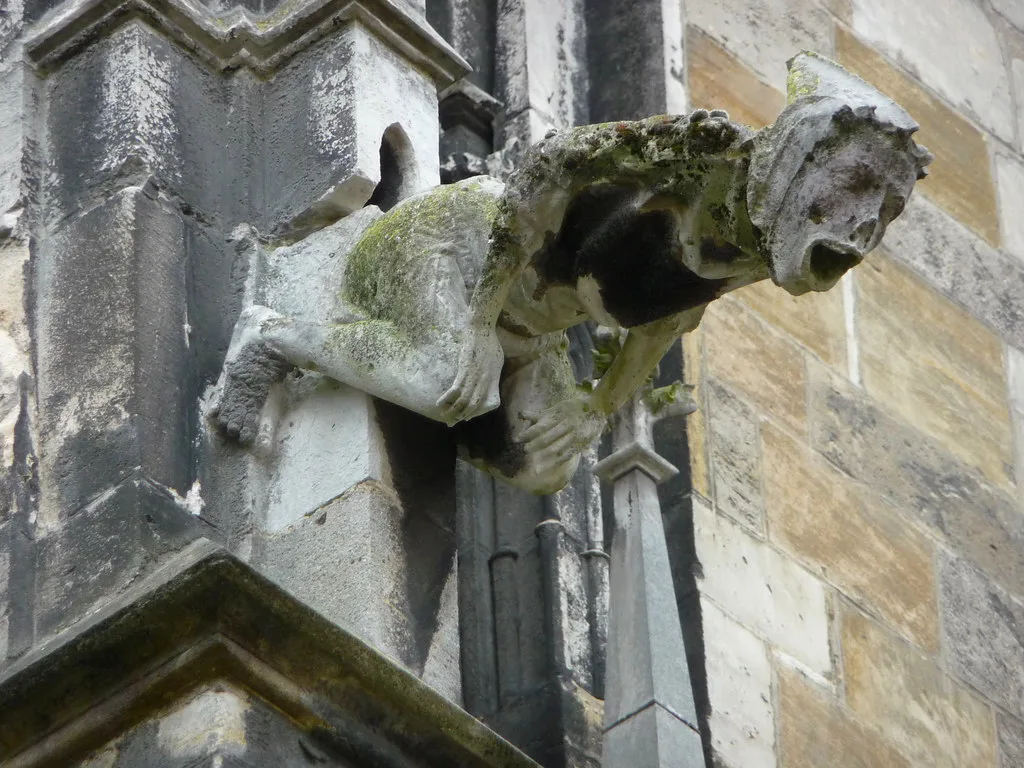
The Cathédrale Saint-Pierre-et-Saint-Paul was built over several centuries and never finished, leaving a tower unbuilt for want of money, and it holds a collection of relics and over a hundred sacred objects alongside its glass. The Basilique Saint-Urbain, birthplace-linked to Pope Urban IV whose remains are buried there, is admired for its Gothic lines and large windows. Église Sainte-Madeleine is among the oldest churches in the city and is known for its stone rood screen.
Almost all the churches are free to enter, according to one visitor account, and the stained glass is the reason to linger rather than tick them off. If the windows hook you, a specialist stained glass museum in the city lets you go deeper into the craft.
Museums worth your hours
The Musée Saint-Loup covers fine arts, archaeology and natural history in one building, with taxidermy on the ground floor, paintings above and a sculpture room, so an hour is a fair allowance. The Musée d'Art Moderne, covering work from 1850 to 1960, reopened in December 2022 after renovation, and the Apothicairerie at the Hôtel-Dieu-le-Comte, the old hospital pharmacy, reopened at the same time.
Two more collections add range: the Maison de l'Outil et de la Pensée Ouvrière, with its handmade tools from dozens of trades, and the Musée de Vauluisant, on the textile industry and sixteenth-century Troyen art. The Hôtel-Dieu-le-Comte is also worth a short stop for its gateway and garden alone. Check days and times with each museum before you go, since French museums in this part of the country commonly close one day a week.
The audio guide route
The tourist office in the centre is the practical starting point, and its film on the city's history runs about fifteen minutes and costs a few euros. From there, pick up the audio guide, which covers 39 sights along a route through the main landmarks and churches; the full circuit is estimated at three hours if you walk it without stopping.
Use it selectively. Some commentary runs long, so choose the stops that interest you, keep the map in hand because ground arrows can be hard to spot, and there is no time limit on the device beyond returning it by closing time. A free version of the route exists online, but the handset is easier to follow while walking.
Local food and drink to order
Andouillette de Troyes is the dish to try at least once: a hand-made sausage of pork intestines and stomach, seasoned with onions and herbs and cooked slowly in stock, served hot or cold. It is full-flavoured and texturally challenging, so order it knowingly. Chaource, a soft cow's-milk cheese from the Aube just south of town, is the gentler local buy.
Finish with Prunelle de Troyes, a liqueur made from sloe stones and produced by Cellier Saint-Pierre near the cathedral since 1840. It works as a digestif, over ice or poured on sorbet, and the shop is the place to buy a bottle; ask whether you can see the cellar below.
Where to eat and drink
The square by the tourist office and town hall is the heart of the centre but reads as a tourist square, so walk further for better value. Many restaurants close after lunch, around 2pm, and reopen in the evening, so a late-afternoon meal is the plan to avoid; book ahead for anywhere specific.
Le Jardin, a favourite in one account from 2023, offers a fixed three-course dinner menu for 45 euros and a lunch menu at around 25 euros, and it is worth calling ahead to secure a courtyard table. B.A.M., a small restaurant open since 2020 in an old timbered building, changes its short menu daily, so lunch is the fallback when dinner is full.
For an evening drink, Le Millésimé wine bar sits on a busy square with a view of the church, while the narrow Rue Champeaux fills with outdoor seats after dark. Our best restaurants in Troyes guide lists more tables for a longer stay.
One day or two? How much time Troyes needs
One day covers the cathedral, a couple of churches and a walk through the timbered lanes, but it leaves no room for museums or a proper lunch. Two nights is the sweet spot: a museum morning, a long midday meal, churches and courtyards in the afternoon, and an evening in the Rue Champeaux, with the audio route folded in as you go.
The lunchtime shutdown is the single biggest planning constraint. If you only have a day, choose either museums or churches rather than both, and build the day around the fact that many places of interest close around 6pm. A Sunday visit narrows things further, since some shops and businesses close then; check the current state of play with the tourist office before booking.
Who will love it and who will not
Architecture lovers, stained glass enthusiasts and anyone who likes a walkable city with serious local food will find Troyes easy to love. Museum-goers get a strong, varied set of small collections within a few minutes of each other, which is rare for a city this size. Shoppers get more than 200 outlet stores in the area, though the historic centre is the better reason to come.
Champagne hunters should think twice: the houses are out in villages like Montgueux rather than in the city, so a car and advance contact are needed. Anyone wanting late-night energy or a big-city feel will find Troyes too quiet, and that same quiet is exactly what others come for. If you are weighing it against another short-break city, our verdicts on is Aix-en-Provence worth visiting and is arles worth visiting make useful comparisons.
Markets and practical day planning
Troyes holds regular markets, and their days and locations vary by square, so check the tourist office's current listings before you build a morning around one. Our markets in troyes guide sets out which markets run and on what pattern, which is the reliable way to match a market to your dates.
Build the day in two halves with a proper break in the middle. Mornings work for museums before the lunch shutdown, early afternoons for the churches and courtyards that stay open, and late afternoons for the audio route and a drink; keep the evening free, since many places of interest close by around 6pm.
The Verdict: Book Troyes for a Quiet Weekend
Book Troyes if you want timber-framed streets, first-rate stained glass and a compact centre you can walk in half an hour, with local food worth planning around. Skip it if your weekend depends on champagne cellars in town, late-night bars or big-city energy, because the city is quiet and the houses are out in the villages.
Two nights is the honest minimum to do it justice, with one museum morning, one church-heavy afternoon and an evening in the Rue Champeaux. Before you travel, confirm current museum days, market mornings and Sunday opening with the tourist office, then let the lunchtime shutdown shape the day rather than surprise you.
Frequently Asked Questions
Is Troyes worth visiting for a weekend?
Yes, if you want half-timbered streets, stained glass and a compact centre you can cross on foot in under half an hour, with a regional train from Paris taking a little over an hour and a half. It is a quiet city, so it suits architecture and museum weekends better than anyone chasing buzz or cellar tours in town.
How many days do you need in Troyes?
Two nights gives you a museum morning, a long lunch, an afternoon of churches and courtyards and an evening out, without rushing. One day is enough for the cathedral and a walk through the timbered lanes, but the lunchtime shutdown and the roughly 6pm closing of many places of interest make a single day tight.
Why is Troyes famous?
Chiefly for the density of its half-timbered houses, many rebuilt after the great fire of 1524, along with its churches and their stained glass. It also draws outlet shoppers, with more than 200 stores in the area, though the historic centre rather than the shops is the stronger reason to make the trip.
Are Troyes museums closed at lunchtime?
Museums in the city commonly break for an hour or two at lunchtime, and in some cases your ticket lets you return later the same day to finish the visit. Days vary between institutions, so confirm the current timetable for each museum before you set out.
Is Troyes good for champagne tasting?
Not in the city itself: there are no champagne houses in Troyes, and the vineyards and cellars lie in villages such as Montgueux, which need a car and a call ahead. If cellar tours are the point of your trip, Reims or Épernay makes the better base.
What should you eat in Troyes?
Try andouillette de Troyes, a slow-cooked pork sausage served hot or cold, and Chaource, a soft cow's-milk cheese from the Aube. Finish with Prunelle de Troyes, a sloe-stone liqueur made by Cellier Saint-Pierre near the cathedral since 1840.
Sources
Notes for French city breaks
Optional updates to our guides.
You might also like
Continue reading
More guides you'll find useful