Museums in Troyes: Which Ones Are Worth Your Time
Plan your museum time in Troyes: the Musée Saint-Loup's art and archaeology, the Cité du Vitrail, what each holds and how long to allow.
On this page
Two museums in Troyes justify a half-day of your weekend: the Musée Saint-Loup, which packs art, archaeology and natural history into a former abbey, and the Cité du Vitrail, devoted to the stained glass the town is known for. Everything sits in the compact historic centre, so you can pair them without spending your break on buses. This guide covers what to see in each, pacing, and the one closure that shapes your plan.
Why Troyes suits a short museum break
Troyes is built for a weekend because the sights cluster together. The Musée Saint-Loup, the cathedral and the Cité du Vitrail all sit within a few hundred metres of each other in the old centre, so museum time slots neatly between walks. For a wider plan of what else fills the days, see our guide to things to do in Troyes, and note that this is a city in the Grand Est where a short break rarely needs a car.
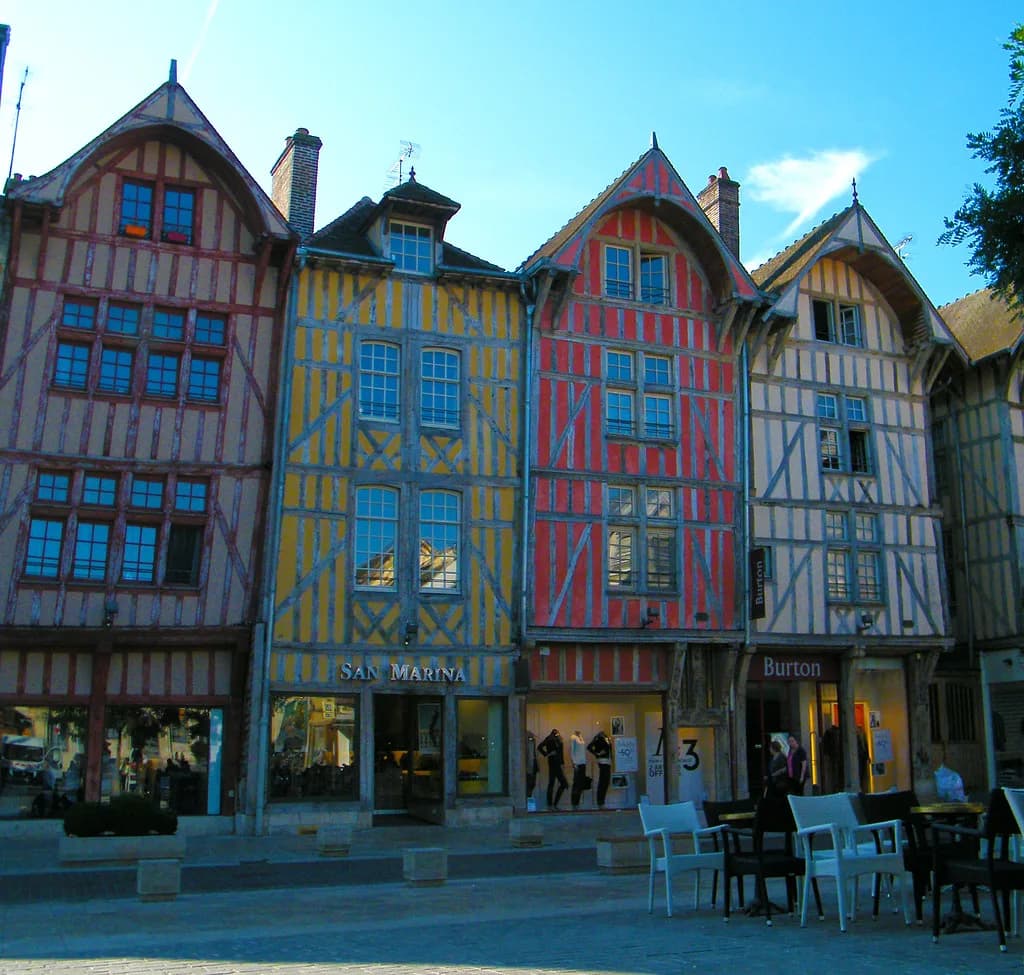
The practical upshot is that you do not have to choose between museums and sightseeing. Even a single rainy afternoon can absorb both collections, and the streets between them are the Renaissance half-timbered ones people come for. If you are still weighing up the trip, our honest verdict on whether Troyes is worth visiting covers the trade-offs; the old town is covered in more depth on its own page.
Musée Saint-Loup: the abbey setting and what's inside
The Musée des Beaux-Arts et d'Archéologie de Troyes, usually called the Musée Saint-Loup, occupies the former Abbey of Saint-Loup at 1 Rue Chrestien de Troyes. The setting matters: the archaeological collections sit in the abbey's vaulted cellars, while the painting galleries are on the upper floors of the Simart and Audifred pavilions. It is a mixed museum, combining fine art, regional archaeology and a natural history collection, which suits curious generalists better than anyone hunting a single subject.
It is also one of the closest museums to the station, roughly a 15-minute walk of about a kilometre, and about ten minutes on foot from the cathedral. That makes it a sensible first stop if you arrive by train and want to drop into culture before checking in.
What to see at Saint-Loup
The painting floors trace European art from the Middle Ages to the 1800s, with Flemish, Dutch, Italian and French works. Look for pieces attributed to Rubens and works by French painters including Charles Le Brun, Philippe de Champaigne and the Troyes-born Pierre Mignard, whose presence gives the collection a local anchor.
Down in the cellars, the archaeology wing holds Etruscan, Greek and Egyptian artefacts alongside regional finds. The standout is the 5th-century Treasure of Pouan, a hoard of jewellery, weapons and ornamental fastenings found in a tomb north of Troyes, which rewards a slow look rather than a glance.
Elsewhere in the building you will find sculpture, including a bust of Louis XIV by François Girardon, and the Gallo-Roman bronze known as the Apollo of Vaupoisson. A natural history section with skeletons and taxidermy adds an unexpected variety for anyone travelling with children, and photography without flash is permitted.
How long Saint-Loup takes and how to pace it
Budget two to three hours for a standard visit. A reasonable split is about an hour in the painting and sculpture halls, then 45 to 60 minutes in the archaeology cellars, with the rest for the natural history cases. Serious art or history browsers should set aside closer to four hours, because the painting galleries reward slow looking.
Go to the paintings first if you are short on time and the cellars second; the underground rooms are the more atmospheric, and it is easier to cut natural history than to rush Rubens. If you are visiting with children, lead with the archaeology and taxidermy, which hold attention better than still lifes.
Cité du Vitrail: stained glass in the Hôtel-Dieu-le-Comte
The Cité du Vitrail occupies the west wing of the Hôtel-Dieu-le-Comte on the Quai des Comtes-de-Champagne, an 18th-century building in the city centre. Its permanent exhibition of original stained glass explains both the craft and its history, with windows displayed at eye level so you can study the glass up close rather than squinting at a church window.
The route starts on the third floor and descends through four levels and two entresols, finishing in the Hôtel-Dieu-le-Comte chapel. The chapel has been restored and its eight bays alternate monumental stained glass, including a choir window by artist Fabienne Verdier, with natural light. It is a good complement to the cathedral windows, giving you the technique before you see the finished work in situ.
The Apothecary next door
The same entrance ticket covers the Apothecary, a large room listed as a Monument Historique. It holds 319 painted wooden pharmaceutical boxes from the 18th and 19th centuries and almost 300 earthenware pots decorated with blue flower motifs, plus a collection of pharmacy items.
Because one entry covers both, the Cité du Vitrail is effectively two sights, which makes it good value in a short break. Allow extra time for the Apothecary rather than treating it as a five-minute add-on; the painted boxes are the sort of detail that absorbs a curious visitor.
Linking the two: how to sequence a half-day
The two museums sit a few hundred metres apart in the historic centre, with the Cité du Vitrail about 300 metres from Saint-Loup, so pairing them in one half-day is easy on foot. Start at Saint-Loup when it opens in the morning, break for lunch, then take in the Cité du Vitrail and Apothecary in the afternoon. If you want a proper sit-down meal in between, our picks for the best restaurants in Troyes cover the centre.
If you only have one afternoon, choose Saint-Loup for breadth or the Cité du Vitrail for a tightly focused experience. The stained glass centre is the more distinctive of the two and the better pick if you have already seen plenty of provincial fine art museums. If you are weighing this same choice on another break, our guide to the museums in Annecy covers which collections there deserve your time.
Opening days: plan around the Tuesday closure
The Musée Saint-Loup opens Monday and Wednesday to Sunday from 10:00 to 13:00 and 14:00 to 17:00, and is closed on Tuesdays. Note the lunchtime gap, which splits the day in two and catches out anyone arriving at half past twelve. Sunday opening makes it viable for a weekend break, though hours can change on public holidays.
Treat Tuesday as your walking or shopping day and save the museums for the other six days. A Tuesday in Troyes still works well if you use it for the old town streets rather than the galleries.
Sights within minutes of Saint-Loup
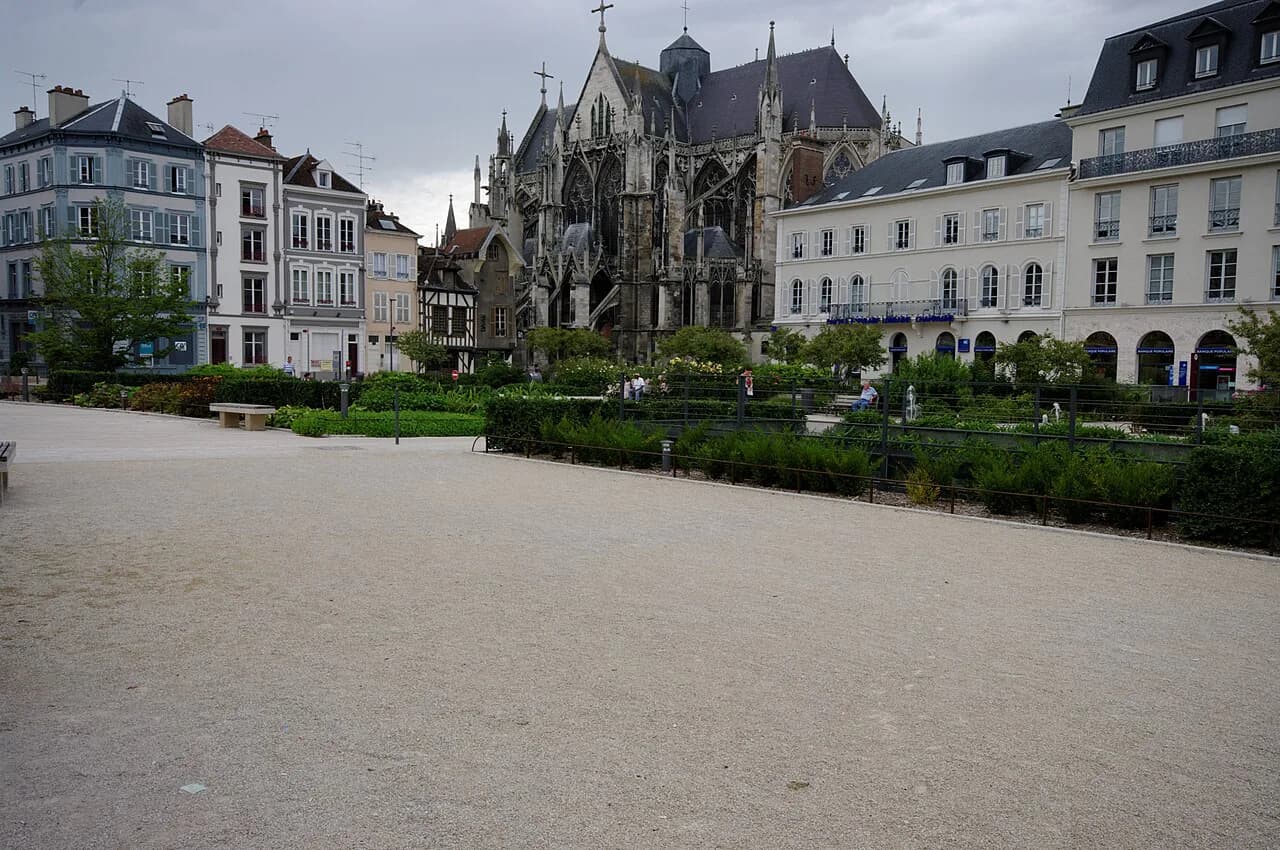
The cathedral and the Basilique Saint-Urbain are both within a short walk of Saint-Loup, and the Museum of Modern Art of Troyes sits about 100 metres away. The Cité du Vitrail is roughly 300 metres off, with Saint-Urbain around 400 metres, so none of these eats into your day with travel. Use our Troyes Attractions hub to plan which of these gets your remaining time.
The stained glass theme carries beyond the Cité du Vitrail: the tourism board publishes a stained glass route that takes you to windows in situ across town. It is a self-guided way to see the real thing after learning how it is made.
A realistic one-day plan versus a two-day spread
With one day, do Saint-Loup in the morning for two to three hours, linger over lunch, then spend the afternoon at the Cité du Vitrail and Apothecary before an evening walk through the old town. That covers both museums plus the main streets without rushing.
With two days, spread the museums across separate mornings and use the afternoons for the cathedral, Saint-Urbain and the half-timbered lanes. That leaves room for a market if one falls on your dates, and our guide to the Troyes Markets will tell you which mornings to keep free.
What to skip or save for a longer trip
If your taste runs to single-subject collections, the mixed nature of Saint-Loup may feel scattered, and you might prefer to give the Cité du Vitrail the fuller share of your time. Skip the natural history section if skeletons and taxidermy are not your thing; it is a bonus, not the reason to come.
Travellers who have already seen a lot of European painting should prioritise the archaeology cellars at Saint-Loup and treat the galleries as a bonus. The Apollo of Vaupoisson and the Treasure of Pouan are the pieces to seek out first.
Practical points: tickets, photography and getting there
Photography without flash is allowed at Saint-Loup, so you can capture favourite rooms and works. Ticket prices are not something we quote here; check the museum's own website, museеs-troyes.com, or ask at the desk before your visit.
By car, the parking Saint-Urbain is the convenient paid option near the centre. By train, the walk from Troyes Gare is about 15 minutes, and bus lines A, B, C and E stop near the Hôtel de Ville or the station. If you are booking the journey around a short break, our Troyes Attractions: 6 Visitor Guides page helps order the rest of your time.
Plan Your Museum Time in Troyes
Troyes hands you two central museums that fit into a weekend without stress: the Musée Saint-Loup for breadth and atmosphere, and the Cité du Vitrail for focus and the Apothecary in one ticket. Plan around the Tuesday closure at Saint-Loup, allow two to three hours there and a couple more for the stained glass, and you can cover both in a single relaxed day.
Explore more Troyes guides
Frequently Asked Questions
What day are museums closed in Troyes?
The Musée Saint-Loup is closed on Tuesdays; its full week runs Monday and Wednesday to Sunday from 10:00 to 13:00 and 14:00 to 17:00. Plan a Tuesday as a walking day and save the galleries for the rest of the week.
Is the Musée Saint-Loup worth visiting?
It is worth it if you like variety: Old Master paintings including works attributed to Rubens, the vaulted archaeology cellars with the Treasure of Pouan, and a natural history section. Single-subject specialists may find it scattered; generalists who enjoy mixing art and history will get the most from it.
How long does the Musée Saint-Loup take?
Allow two to three hours for a standard visit, split roughly into an hour in the painting and sculpture halls and 45 to 60 minutes in the archaeology cellars. Serious browsers should allow closer to four hours.
What is the Cité du Vitrail in Troyes?
It is a stained glass centre in the west wing of the Hôtel-Dieu-le-Comte on the Quai des Comtes-de-Champagne. Its permanent exhibition explains the craft and history of stained glass, with original works displayed at eye level and a route finishing in the restored chapel.
Can you visit the Apothecary with the Cité du Vitrail ticket?
Yes, the Apothecary is accessible with the Cité du Vitrail entrance ticket. It holds 319 painted wooden pharmaceutical boxes and almost 300 earthenware pots, so build in time for it rather than racing past.
How far is the Musée Saint-Loup from Troyes station?
The walk from Troyes Gare is about 15 minutes, roughly one kilometre. By car, the Parking Saint-Urbain near the centre is the convenient paid option.
Sources
Notes for French city breaks
Optional updates to our guides.
You might also like
Continue reading
More guides you'll find useful