Troyes Old Town: What to See and How to Walk It
Troyes old town is a compact web of half-timbered streets and courtyards. Here is what to see, how the centre is laid out, and how to walk it in a day.
On this page
Troyes old town is the historic heart of a city that mostly took its present shape in the 16th century, and it rewards walking rather than ticking off sights. The centre is compact enough to cover on foot in a single unhurried day, with half-timbered facades, cobbled lanes and courtyards doing most of the work. It is also a calmer, cheaper-feeling alternative to Paris for a short break, and the direct train back to the capital takes around one hour and thirty minutes.
What Troyes old town is and whether it is worth your weekend
Troyes is a city in the Champagne region whose old town is largely a 16th-century creation, which is why the streets feel unusually coherent rather than patched together. Locals call that period the “beautiful 16th century”, and the surviving timber-framed houses, shutters and rooflines are the reason to come. If you are weighing up a weekend here against another French city, the honest answer is that Troyes suits travellers who enjoy wandering, looking up at facades and pausing in courtyards more than those who want blockbuster monuments.
The city grew up in the Roman era as Augustobona Tricassium, at the hub of roads including the Via Agrippa, so the centre has been a crossroads for a very long time. That history shows in the density of the old town rather than in any single ruin: you are walking through layers, not visiting one site. For a wider list of named sights and outlying draws, see our guide to things to do in Troyes, and if you are still deciding whether the city justifies a trip, our piece on whether Troyes is worth visiting sets out the trade-offs.
How the old town is laid out
Think of the centre as a loose circle of lanes and small squares rather than a grid, with the timber-framed streets packed tightly together. Because everything sits within a short walk, the practical approach is to pick a direction, loop through the core and let the streets pull you sideways; a ten- to fifteen-minute wander puts you in the thick of it from the edge of the centre. The map matters less than the sequence, so build your day around one continuous loop instead of criss-crossing.
Allow a full day if you want streets, a museum and a proper lunch without rushing, or half a day if you are treating Troyes as a stopover. The centre is small enough that a few hours covers the main lanes, but the pleasure here is in the pauses: a courtyard, a coffee, a second look at a facade. If you only have an afternoon, choose either the streets or one museum rather than trying to do both at speed.
A walking route through the old town, quarter by quarter
Start in the densest half-timbered lanes and walk without a fixed target for the first hour, looking at the facades rather than hunting for a specific address. Once you have a feel for the streets, head for the Musée d’Art Moderne and treat it as the midpoint of the loop, then come out and continue through the quieter lanes towards the canals. This order keeps you moving in one direction and avoids retracing your steps, which matters more than it sounds in a centre this compact.
Build in a coffee or bakery pause roughly halfway, then finish with a sit-down lunch or an early dinner so the day ends on food rather than footsoreness. If you are travelling with someone who wants shops as well as streets, the outlet shopping is on the edge of the centre rather than in the old lanes, so decide in advance whether to fold it in. Our shopping in Troyes guide covers that side of the city if you want to combine the two.
The old town rewards a slow pace, and the courtyards and cobbles are the point rather than the backdrop. If you are used to walking old towns in other French cities, the scale here is closer to Amboise or Aix-en-Provence than to a major capital, which is exactly why a single loop works. Keep the route flexible: the best moments are usually the lanes you did not plan to turn down.
The half-timbered streets: what to look for
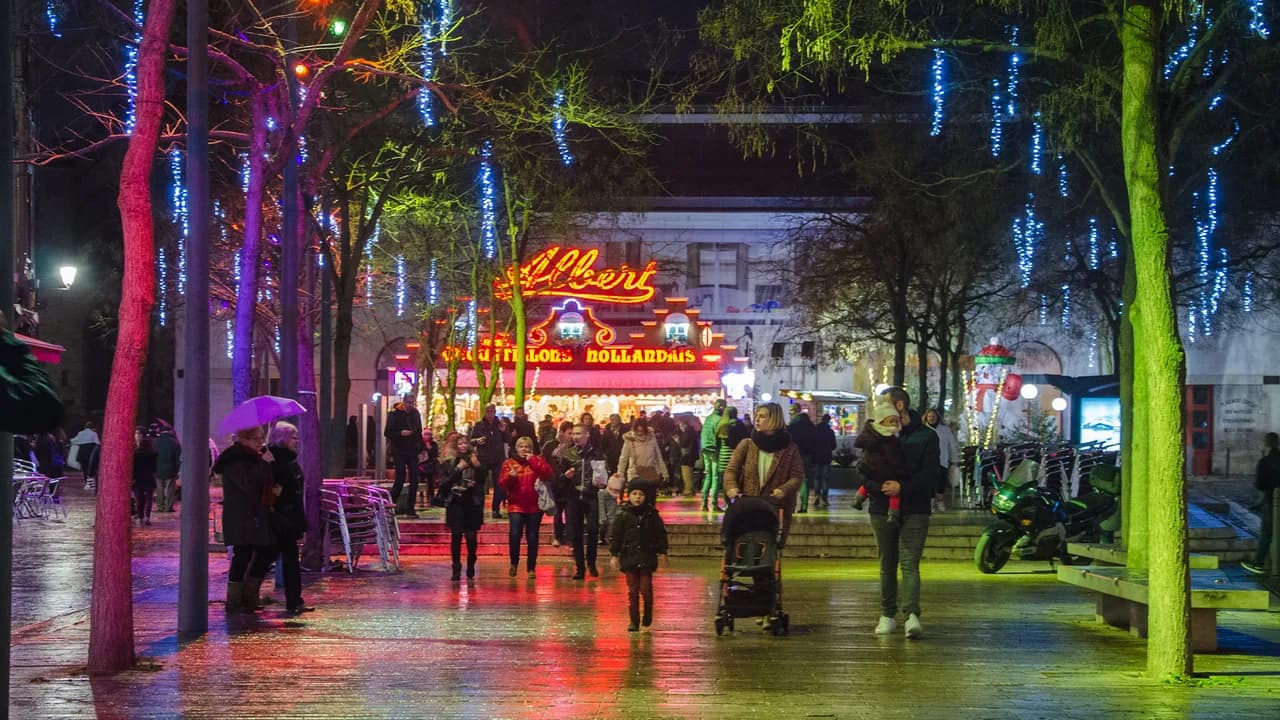
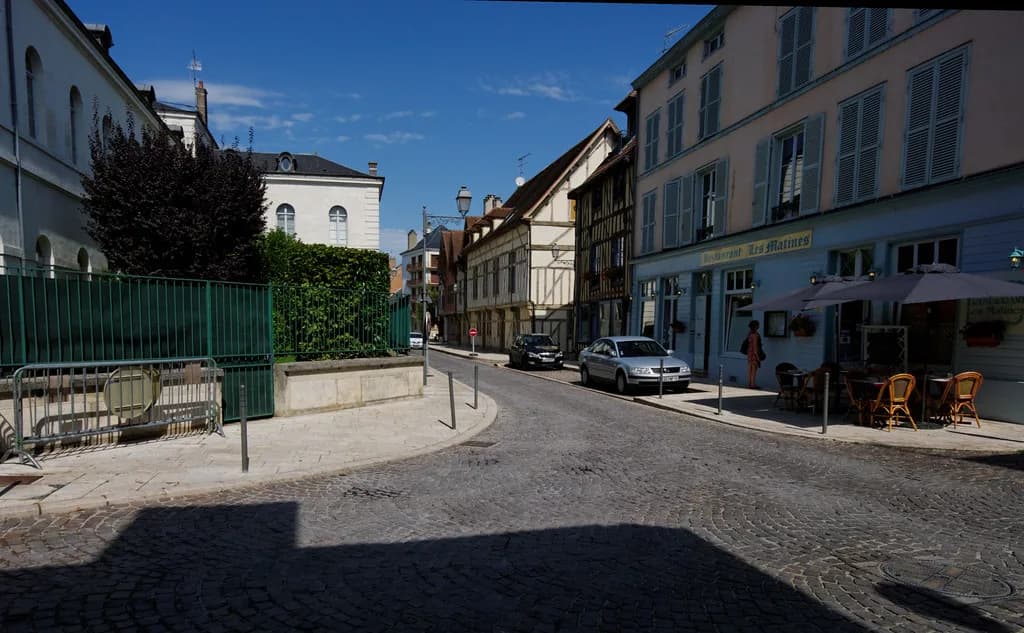
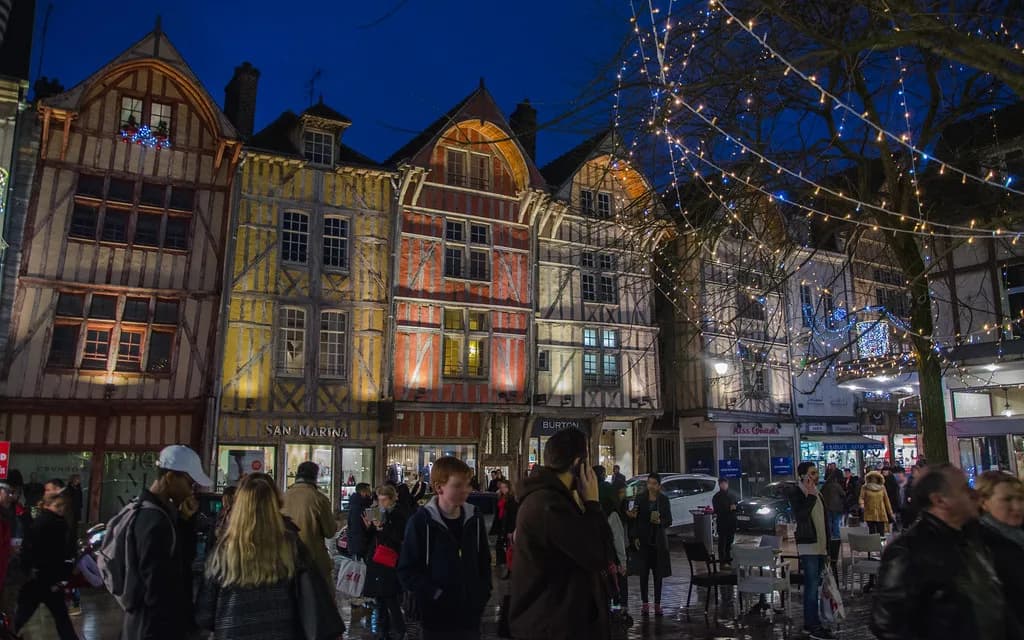
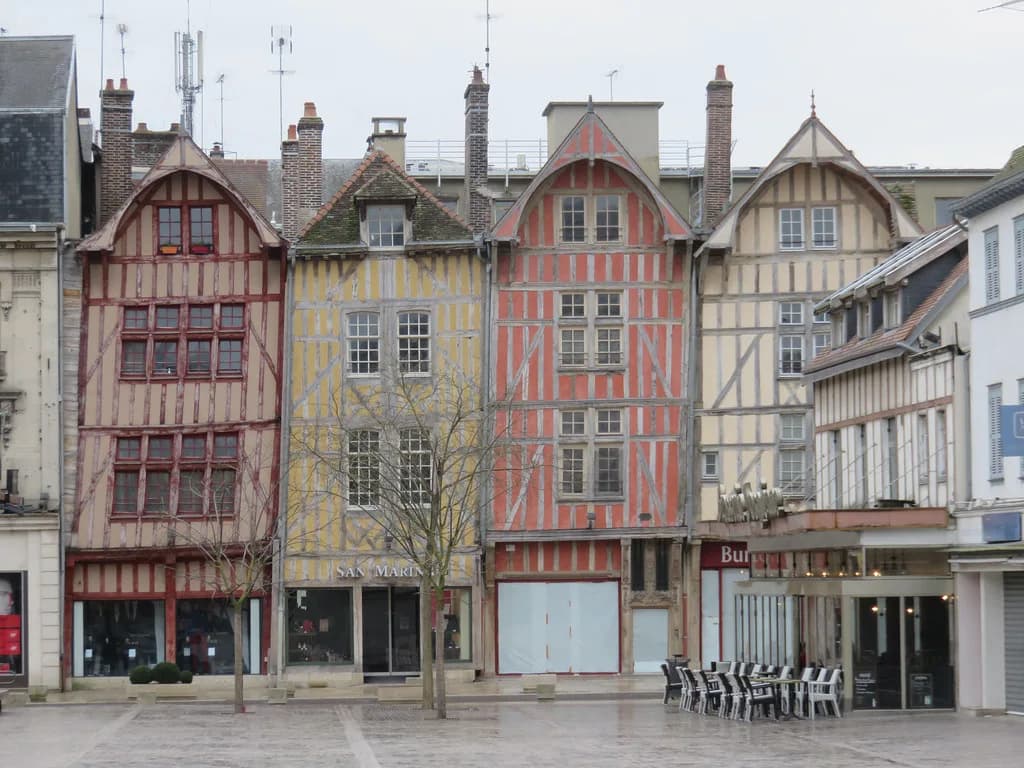
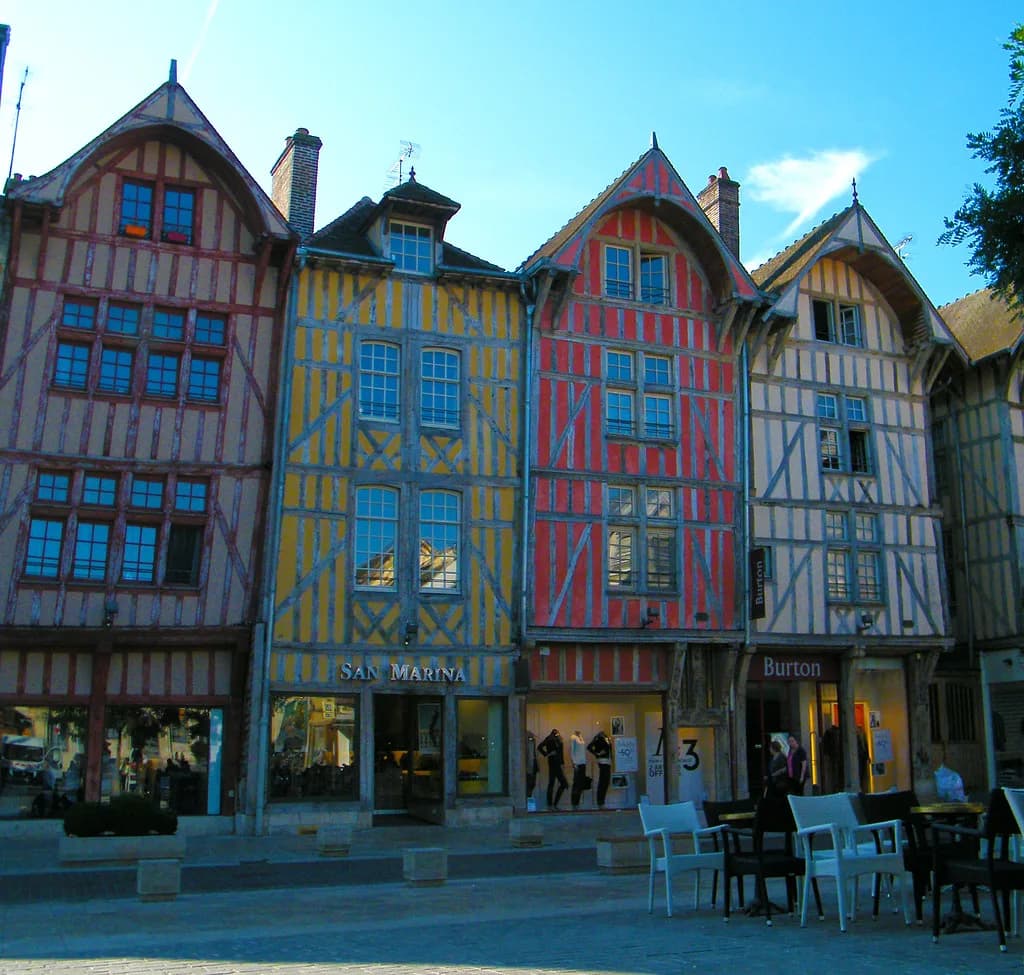
The facades are the main event: crooked timber frames, pastel shutters and rooflines that lean into the street. Look at how the upper storeys overhang the ground floor, a hallmark of timber construction, and notice how the colours shift from street to street. The overall effect is storybook, and it is the reason Troyes is often described as a place that feels lifted from a fairy tale.
Walk the lanes in the morning if you want softer light and fewer people, then use the middle of the day for a museum or a long lunch when the streets are busiest. The centre is small, so you can afford to revisit a favourite street later in the day when the light changes. The 16th-century layout means the streets are narrow and shaded, which makes walking pleasant even in warm weather.
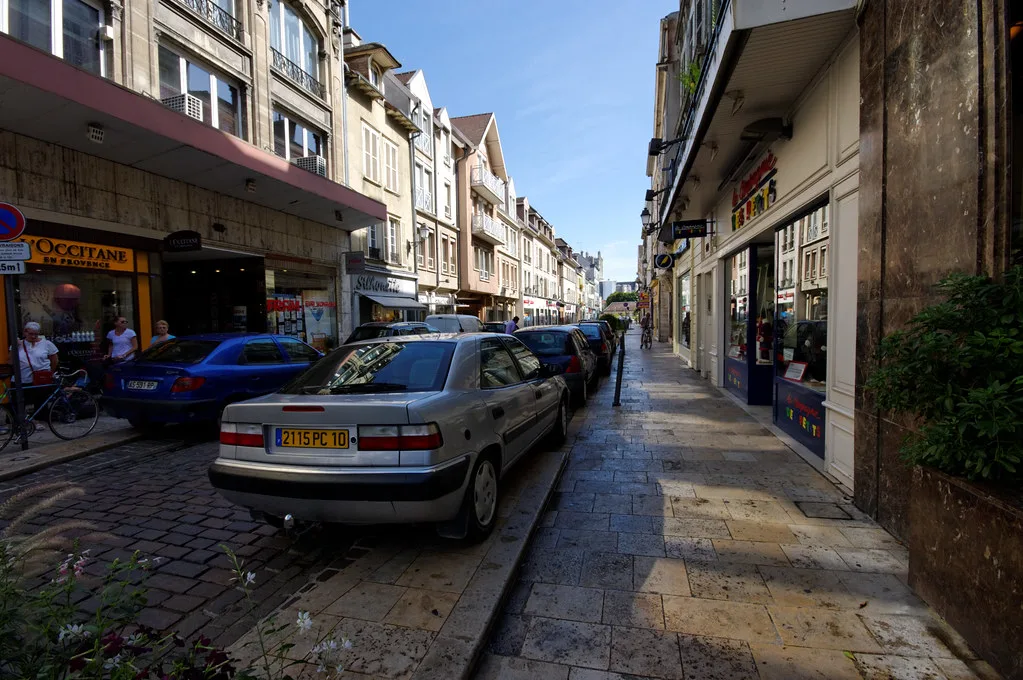
Musée d’Art Moderne: the modern-art pause
The Musée d’Art Moderne is the natural museum stop on a walking loop, and it gives you a reason to sit down indoors for an hour or so. The city’s museum scene is broader than this one institution, so if modern art is not your priority, our museums in Troyes guide sets out the alternatives, including the Musée Saint-Loup. Check the museum’s own site before you go, since French museums often close one day a week.
Build the museum into the middle of your walk rather than saving it for the end, when tired legs make galleries feel like a chore. A short visit is enough to break up the streets, and you come out with fresh eyes for the facades. If you are short on time, this is the museum to keep and the others to drop.
The stained glass museum: Troyes’ glassmaking heritage
Troyes has a long association with stained glass, and the stained glass museum is the place to see that heritage gathered in one visit. It fits neatly into a walking day because it is indoors and relatively contained, making it a good counterpoint to the streets. Pair it with the cathedral if you want to see glass in its original setting, but keep the museum as the explanatory stop.
If your time is tight, choose between the stained glass museum and the modern-art museum rather than trying to fit both around a long lunch. The glass collection is the more distinctive of the two for a first visit, and pairing it with the cathedral shows glass in its original setting.
Markets and food stops: bakery treats and a sit-down lunch
For a bakery stop, Tonton Farine is a short walk from the heart of the old town and is known for its pastries, including a strawberry éclair. It works well as a mid-morning pause: grab something to take away and eat it in a nearby square rather than sitting down. The bakery is around a fifteen-minute walk from the central hotels, which gives you a sense of the scale of the centre.
For a proper sit-down meal, a leisurely lunch in the sunshine with a croque monsieur and a glass of local Champagne is the classic Troyes move. If you want more choice, our guide to the best restaurants in Troyes covers sit-down options beyond the old-town casual spots. Book ahead for dinner if you are visiting at a weekend, when the centre fills up.
Market days and times vary, so check locally before you set your heart on a market morning; our Troyes Markets guide is the place to start. If you are self-catering or picnicking, a bakery stop plus a market browse covers lunch without a restaurant booking. Keep the food side flexible so it fits around the walking rather than dictating the route.
Regional food to try: Chaource, andouillette and local Champagne
Troyes sits in the Champagne region, and the local specialities are worth seeking out: Chaource cheese, andouillette for the brave, buttery croissants and a glass of local Champagne. These are the dishes that give the old town its character, and they are best tried in a simple bistro rather than a formal restaurant. If you are unsure about andouillette, ask for a small portion or share it as a starter.
Pair lunch with a glass of Champagne rather than a full tasting, which is a separate outing and better left for another trip. The local bubbly is widely available in the centre, and a single glass with a croque monsieur is a good introduction. If you want a more structured food day, our best restaurants in Troyes piece covers the sit-down options in more detail.
Getting there and orienting yourself
Troyes is easy to reach from Paris by direct train, with a journey of around one hour and thirty minutes, which makes it viable for a weekend or even a long day trip. From the station, the old town is a short walk or taxi ride, and once you are in the centre everything is on foot. The city’s history as a road hub on the Via Agrippa is a reminder that this has always been a place people passed through and paused in.
If you are coming from the UK or Ireland, Troyes is often combined with a longer French road trip, and it works well as a stopover that feels like a destination in its own right. The centre is compact enough that you do not need a car once you arrive, so park once and walk. For a broader sense of the region, our Grand Est coverage and things to do guide are useful planning companions.
Practical trade-offs: what to skip when time is short
With only a few hours, skip the second museum and the outlet shopping, and concentrate on the half-timbered streets plus one food stop. The centre is small enough that a rushed circuit misses the point, and the courtyards and lanes are where Troyes earns its reputation. If you have a full day, add one museum and a long lunch; if you have two, slow down further and revisit the streets in different light.
Do not treat Troyes as a mere stopover: the city rewards lingering, and the calm is part of the appeal. The trade-off is that it is quieter than Paris, so if you want big-city energy this is not the place. For a weekend break, that quiet is usually the reason people come.
Plan Your Visit
Troyes old town is best treated as a walking day: a loop through the half-timbered lanes, one museum, a bakery stop and a proper lunch. Check museum opening days and any market times directly before you travel, since these change by season and are not fixed in this guide. If you are still deciding, our Troyes Attractions hub pulls the main options together, and our guide to the old town of Amboise offers a useful comparison for a smaller French centre.
Frequently Asked Questions
Is Troyes old town worth visiting?
Yes, if you enjoy walking historic streets rather than visiting blockbuster monuments. The centre is a largely 16th-century web of half-timbered houses and courtyards that is compact enough to cover on foot in a day, and it makes a calm alternative to Paris for a short break.
How long does it take to walk around Troyes old town?
A continuous loop through the main lanes takes a couple of hours at an easy pace, but most visitors should allow a full day to include a museum, a bakery stop and a sit-down lunch. With only a few hours, concentrate on the streets and one food stop rather than trying to see everything.
What food is Troyes famous for?
Local specialities include Chaource cheese, andouillette, buttery croissants and Champagne from the surrounding region. A croque monsieur with a glass of local Champagne is a simple way to try the local style, and bakeries such as Tonton Farine are good for pastries.
How do I get to Troyes from Paris?
Direct trains from Paris take around one hour and thirty minutes. From the station, the old town is a short walk, and once you are in the centre everything is on foot.
Are the museums in Troyes open every day?
Opening days vary by museum, so check the museum’s own website before planning your day. The Musée d’Art Moderne and the stained glass museum are the two most useful stops on a walking loop, and both are best booked into the middle of the day rather than the end.
Sources
Notes for French city breaks
Optional updates to our guides.
You might also like
Continue reading
More guides you'll find useful