
Tour des Minimes: Inside the Château Royal d'Amboise's Spiral Ramp
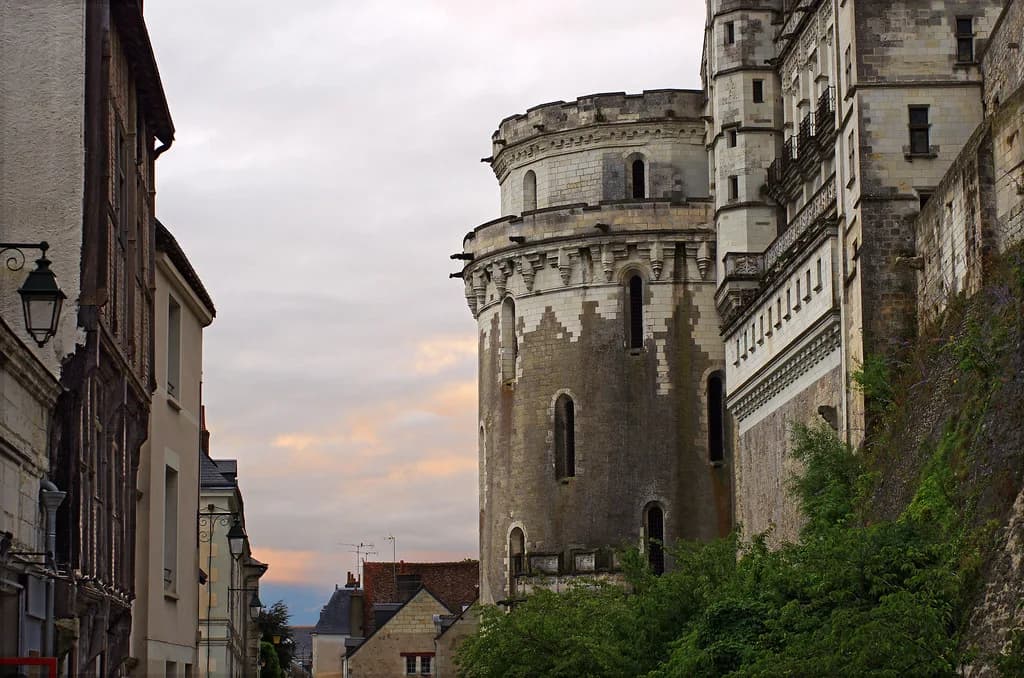
The Tour des Minimes is one of two cavalry towers at the Château Royal d'Amboise, a cylindrical structure built around a spiral ramp rather than a staircase. It stands on the Loire side of the château, and its companion, the Tour Heurtault, forms the other half of the pair. Both are part of the fortress that became a royal residence under Charles VIII and François I, perched on a headland above the river.
You see the towers as part of a normal château visit rather than as a separate sight with its own ticket. The château publishes an average visit length of two hours, which is a sensible budget for the towers, the gardens, the chapel and the state rooms together.
What the Tour des Minimes is
The Tour des Minimes is a cavalry tower: a round tower whose interior is a continuous helicoidal ramp, wide enough for horses and wheeled vehicles to climb. It is paired with the Tour Heurtault, and the two towers are the structures most often singled out when the château's military architecture is described. The tower is not a lookout you climb for a view; the ramp is the point of it, an engineered route from river level to the upper terrace.
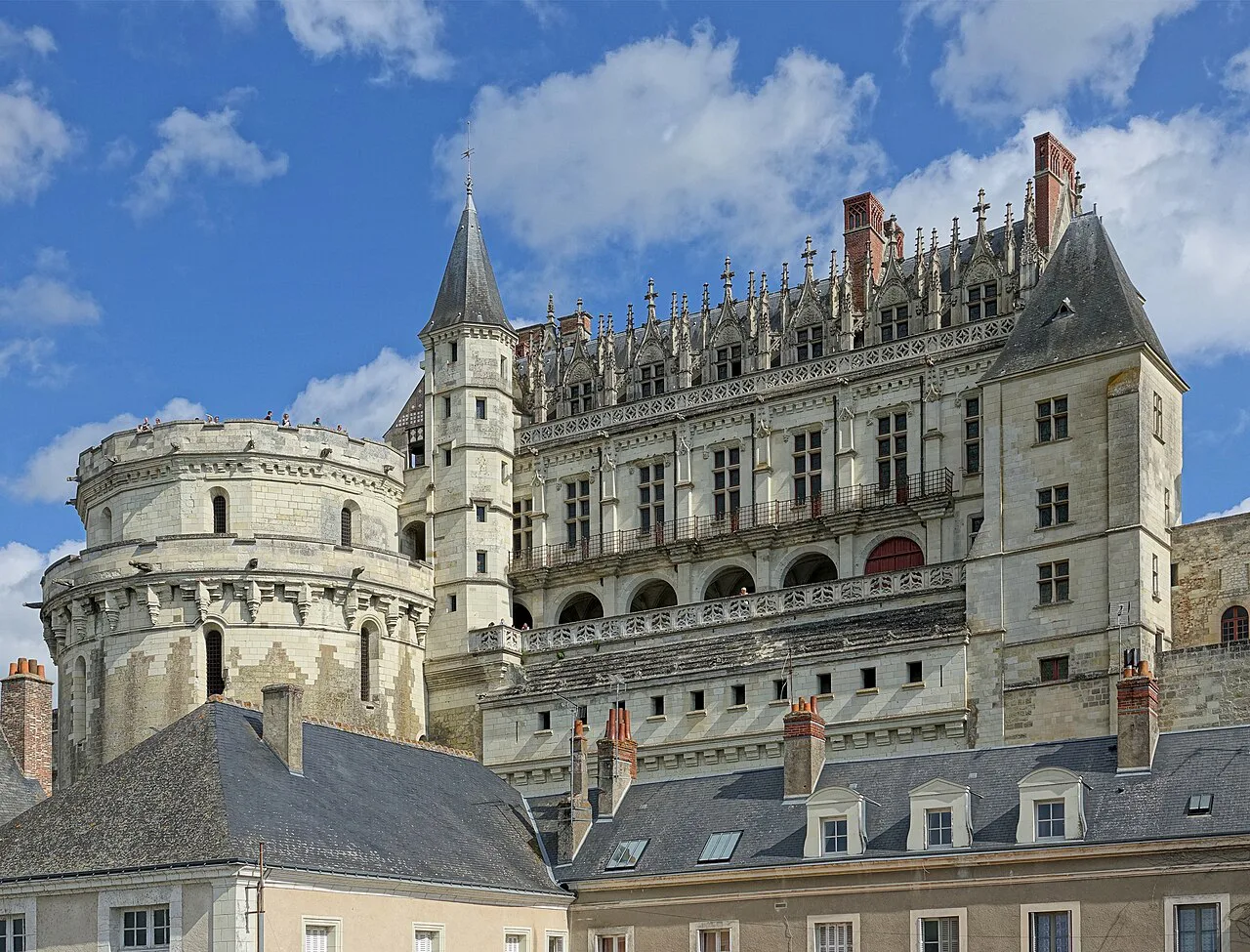
The château itself began as a medieval fortress and was turned into a royal residence in the reigns of Charles VIII and François I, who drew artists and courtiers to Amboise. That courtly chapter is why the site holds Gothic and Renaissance furniture and why the gardens were laid out in the Italian style. The towers belong to the earlier, defensive reading of the building, and pairing a look at them with the state rooms gives you both halves of the story.
Where it sits within the château
The château sits on a headland overlooking the Loire, with the towers and the ramps on the river side and the terraces and gardens above. Because the site is built on a spur, the walking is short but vertical: you move between the entrance, the towers, the upper courtyard and the terrace in a compact area. Allow the two hours the château suggests and you will not need to rush the climb between levels.
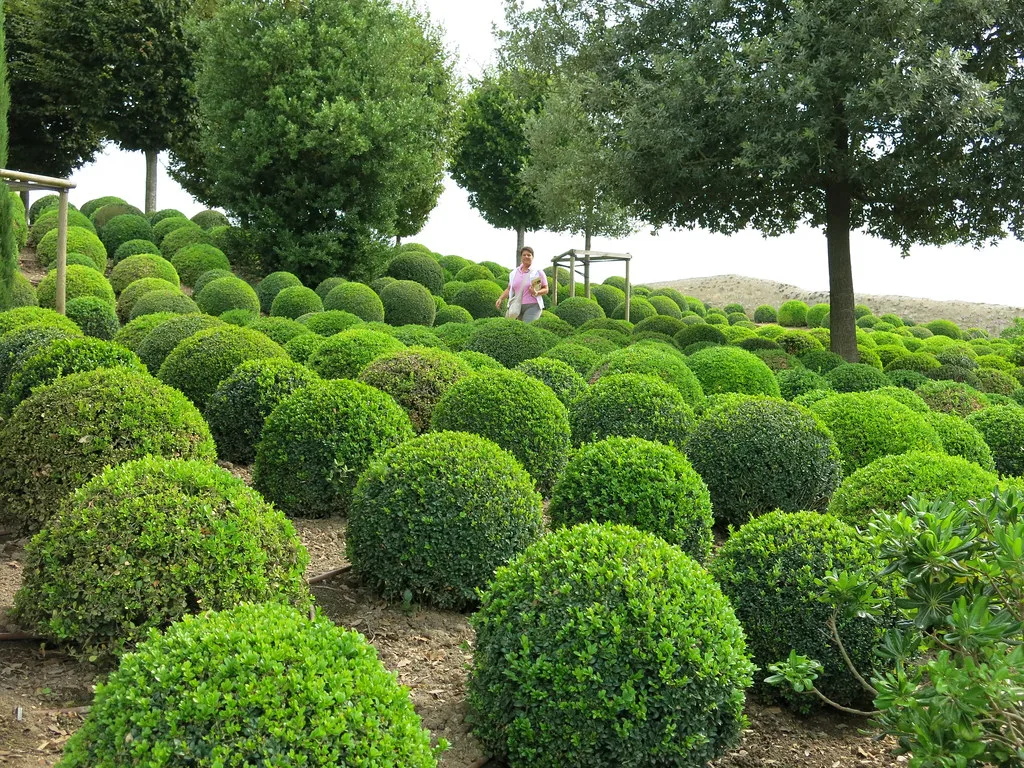
The panoramic grounds carry the Jardin Remarquable label, awarded for the quality of their composition, planting and upkeep, and the Naples Terrace re-creates the garden's earlier states with 3D displays at its entrance. Treat the terrace as the natural place to pause after the towers rather than as a separate excursion. The view back over the river is the reason the position was chosen in the first place.
The spiral ramp inside
Inside the towers, two helical ramps wind upwards, one in the Tour des Minimes and one in the Tour Heurtault. The design let people on horseback and loaded carts reach the upper levels without dismounting or unloading, which is the practical answer to a château built on a steep spur above a river. Read the towers as infrastructure first and as architecture second, and the shape of the place makes sense.
Access rules inside the towers are set by the château and can change with works or staffing, so confirm on arrival what is open on the day of your visit. The ramp is the reason the tower is worth seeking out, and it is easiest to appreciate once you have seen how far above the river the courtyard sits.
Why there are two towers
The Minimes and Heurtault pair gave the château two independent spiral routes up the same slope, which is unusual enough that the Heurtault has been described as unique in Europe. Two ramps mean two streams of traffic: riders, carts and supplies could move up and down without meeting head-on. Look at the two towers together and the logistics of a royal household on a fortified spur become concrete.
The château interprets this history through guided tours, family tours and behind-the-scenes routes into the towers and cellars, so the towers are not always a simple walk-through. If the engineering is what draws you, ask at the ticket desk which of the day's formats includes the tower interiors. That question is worth more than any fixed plan made in advance.

Tickets and time needed
One ticket covers the château, the towers, the gardens and the chapel. The published full adult price is 17,30 €, with a discount rate of 14,40 €, a child rate of 11 €, a group rate of 12,40 € and another rate of 13,60 €; a free rate applies. Budget for around two hours, which is the château's own average figure for a visit.
Payment is accepted by debit card, American Express, cheque, holiday vouchers and cash, which matters if you are travelling with a UK or Irish card and prefer not to carry cash. For the wider choice of sights in town, the Amboise Attractions: 6 Visitor Guides collection sets this château alongside the rest.
Opening periods through the year
The château publishes its hours as dated ranges rather than one year-round timetable, and the ranges run well into 2027 and early 2028. In high season it stays open from 09:00 to 19:00, while in November and December the day splits into 09:00 to 12:30 and 14:00 to 17:00. That lunchtime closure is the trap: an early-afternoon arrival in winter can meet a locked gate.
Early January is the tightest window, opening only from 10:00 to 12:30 and 14:00 to 16:30, before lengthening again in February and spring. Check the range that covers your dates before you fix a train or a lunch booking around the visit.
Elsewhere in the château
Beyond the towers, the château holds a collection of Gothic and Renaissance furniture and the chapel where Leonardo da Vinci is buried. The Chapelle Saint-Hubert, Amboise is the building to look for if the tomb is your reason for coming, and it fits naturally into the same visit. Leonardo died in Amboise, and his grave here is the reason many people make the trip at all.
On-site facilities include a picnic area, a shop, luggage storage and catering, plus accredited access for hearing, mental, motor and visual disabilities. If you arrive with bags before a train, the luggage storage removes the awkward detour. The Château d'Amboise guide covers the state rooms in more depth once you have seen the towers.
Nearby in Amboise
The château's own site is reason enough for a half-day, but the town fills the rest of a weekend. Clos Lucé, Amboise, Leonardo's last residence, is the obvious companion sight and sits within walking distance of the centre. Pair the two and you have the Leonardo thread running through the day without any need for a car.
Further out, the Pagode de Chanteloup is a survivor of the Duc de Choiseul's estate and makes a different sort of excursion from the château. Église Saint-Denis d'Amboise is the parish church in the town itself if you are already walking the centre. Our things to do in Amboise guide pulls the options together if you are still choosing, and our Blois city guide shows how the same château-and-old-town day works further up the Loire.
Practical tips for the visit
The château carries the Accueil Vélo label and offers secure bike parking and repair kits, so it works as a stop on a Loire à Vélo ride rather than a place to bypass. Cyclists should build the visit around the split-shift winter hours, since a two-hour stop will not fit a lunchtime gap. Keep the ramp in mind as the reason to come, and the rest of the château as the reward.
Pets are welcome, though the château advises contacting the site directly about the arrangements for leashes and which areas they can enter. If the tower engineering is the draw, target a guided or behind-the-scenes format rather than a plain admission. The rest is a matter of timing your arrival away from the winter midday closure.
Plan Your Visit
The Tour des Minimes is the structural curiosity of the Château Royal d'Amboise: a round tower wrapped around a ramp built for horses and carts on a spur above the Loire. Give it the two hours the château suggests, arrive outside the winter midday closure, and it slots neatly into a day that also takes in Leonardo's tomb and the Naples Terrace.
Check the dated opening range for your dates and the admission prices on the Loire Valley tourism page before you travel, then plan the rest of the town around the château rather than the other way round.
Frequently Asked Questions
What is the Tour des Minimes at Amboise?
It is one of two cavalry towers at the Château Royal d'Amboise, a cylindrical tower whose interior is a continuous helicoidal ramp. It is paired with the Tour Heurtault, and the two are the château's best-known military structures, built so riders and vehicles could climb from the Loire side.
Can you walk up the spiral ramp of the Tour des Minimes?
Access inside the towers depends on the château's arrangements, including guided and behind-the-scenes formats that vary by day. Ask at the ticket desk which of the day's visits includes the tower interiors; check current details before you go.
How long does a visit to the Château Royal d'Amboise take?
The château publishes an average visit length of two hours, covering the towers, state rooms, chapel and gardens. Some visitors move faster and some linger on the terrace, so treat it as a working budget rather than a rule.
How much does it cost to visit the Château Royal d'Amboise?
One ticket covers the château, towers, gardens and chapel, with separate adult, discount, child, group and other rates plus a free rate. The official price list is published on the Loire Valley tourism page for the Royal Château of Amboise, which is where to check the current figures before you budget.
When is the Château Royal d'Amboise open?
Hours are published as dated ranges rather than a single year-round timetable, with longer summer days and a split winter day of 09:00 to 12:30 and 14:00 to 17:00 in November and December. Early January is shorter still, from 10:00 to 12:30 and 14:00 to 16:30. Check the range covering your dates before booking travel.
Where is the Tour des Minimes in relation to the Tour Heurtault?
The two towers stand as a pair on the Loire side of the château, each containing its own helical ramp. Seeing them together shows how a royal household moved people and supplies up the slope without traffic meeting head-on.
Is the château suitable for cyclists on the Loire à Vélo route?
Yes. The château holds the Accueil Vélo label and offers secure bike parking and repair kits, so it works as a stop on a ride. Time your arrival around the winter split hours, since a two-hour visit will not fit a lunchtime gap.
What else is there to see near the château?
Clos Lucé, Leonardo da Vinci's last residence, is the natural companion sight within walking distance of the centre. Further out, the Pagode de Chanteloup survives from the Duc de Choiseul's estate, while the Église Saint-Denis serves the town centre itself.