
Château d'Amboise: A Visitor's Guide to the Royal Castle

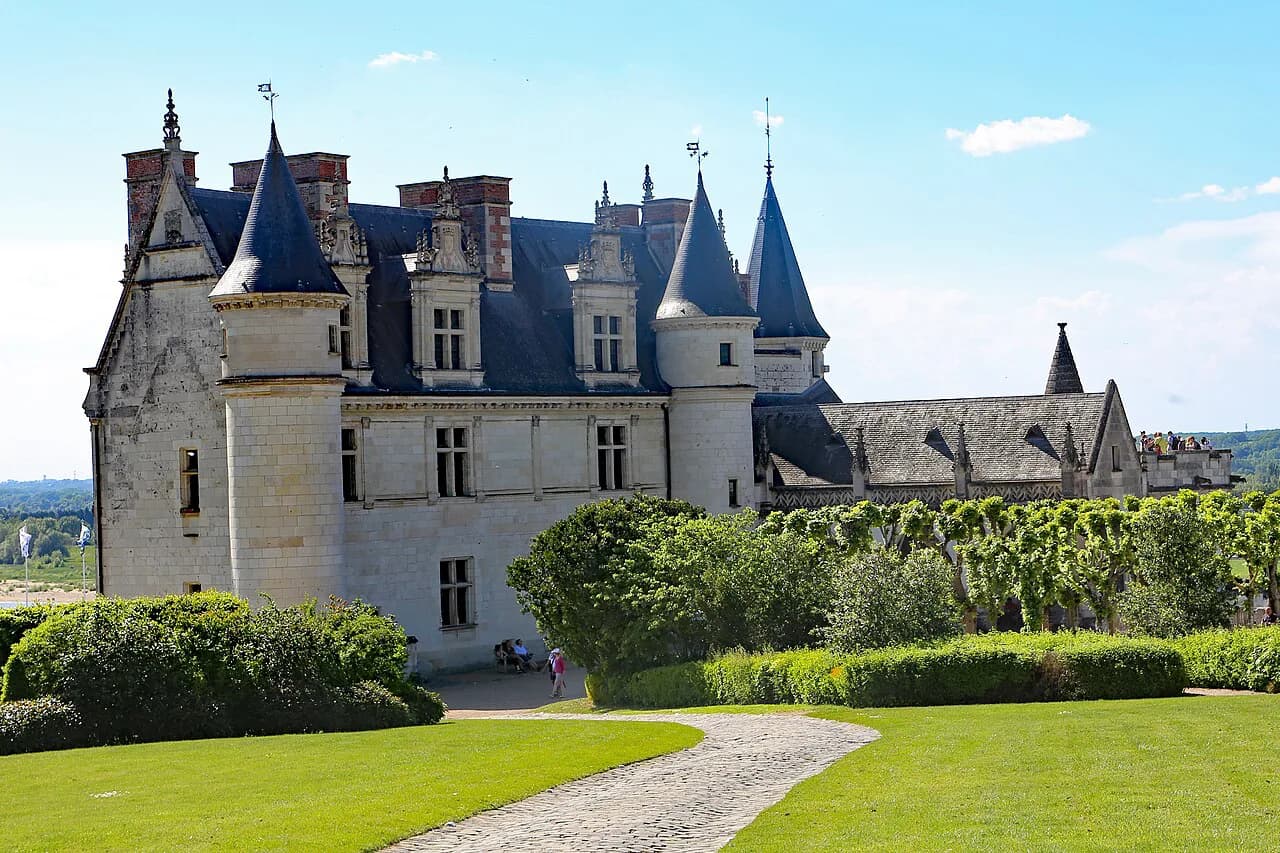
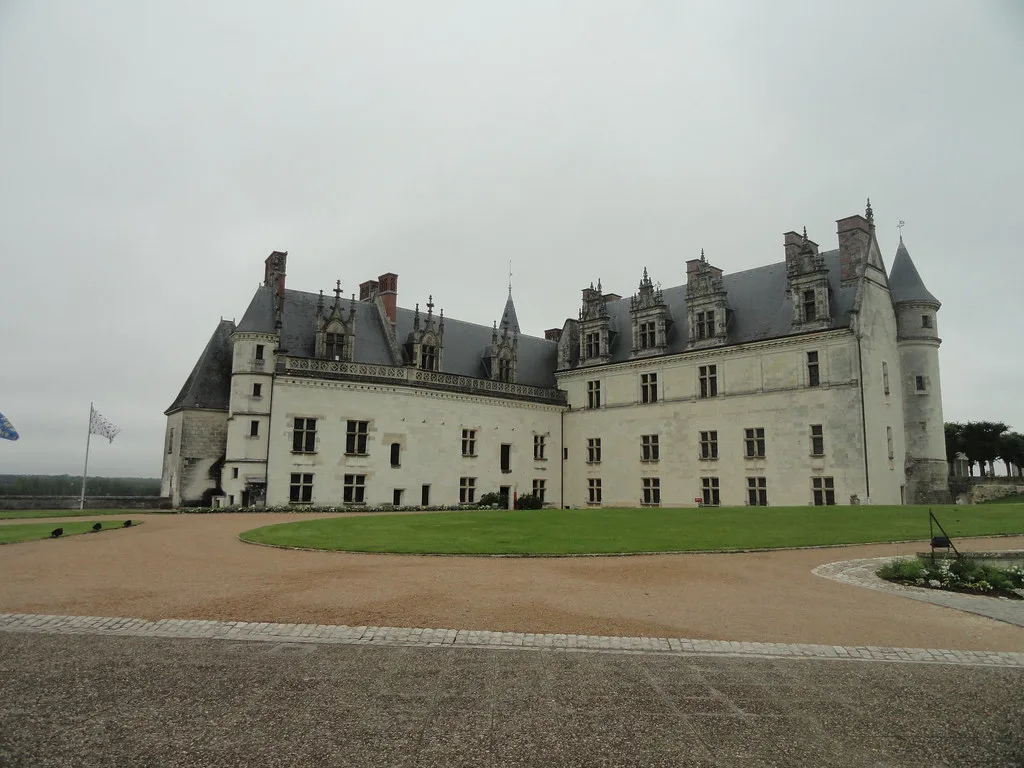
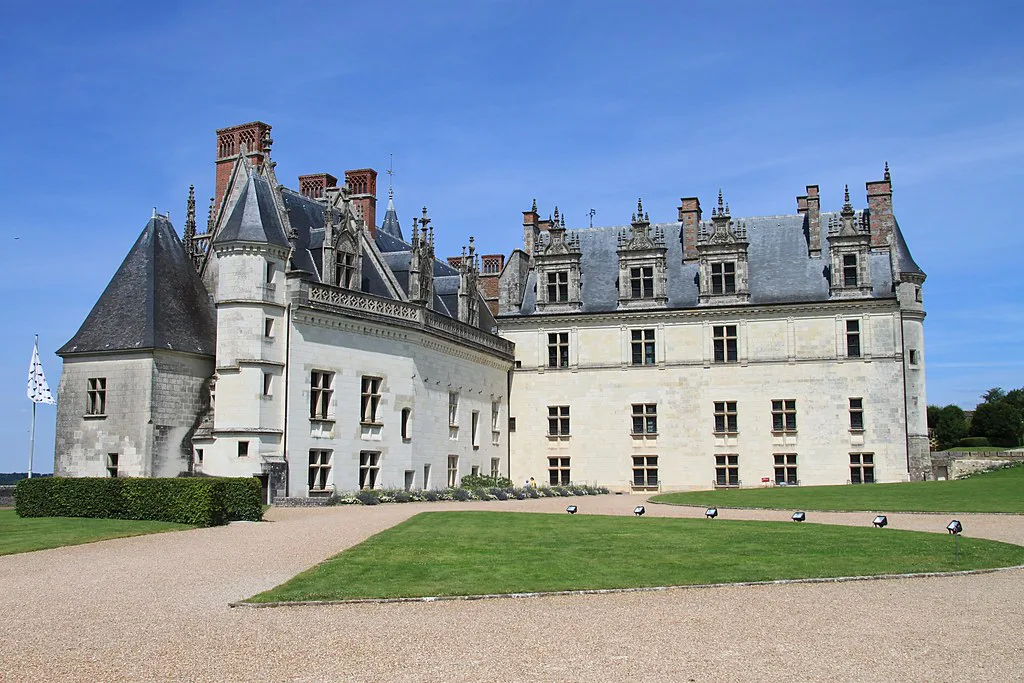
The Château d'Amboise is the royal castle that sits directly above the town of Amboise, on a promontory over the Loire in the Indre-et-Loire. It was a favourite residence of the kings of France during the Renaissance, and it holds the grave of Leonardo da Vinci in its chapel. A visit of two to three hours covers the interiors, the gardens and the panorama without rushing.
What the Château d'Amboise is and why it matters
The castle was one of the preferred sites of the French kings while they reshaped the country during the Renaissance, and it is associated with Anne de Bretagne and François I as well as with Leonardo da Vinci, who is buried in the castle chapel. The official site presents the château as a palace on a promontory over the Loire, with hanging gardens between the sky and the river. It also promises a 360-degree view over landscapes listed as World Heritage by UNESCO, a listing that applies to the surrounding Loire landscape rather than to the building itself.
That combination of royal history, Renaissance interiors and a river panorama is why the castle earns a place on any short break in Amboise, and why it pairs naturally with a visit to Clos Lucé, Leonardo's former residence on the other side of town. Treat the château as the historical anchor of the day and build the rest of your time around it.
Where it is and how to get there
The address is Montée de l'Emir Abd El-Kader, 37400 Amboise, and public access is via the Emir Abd El-Kader sloping walkway, taken from the Place Michel Debré opposite the Pâtisserie Bigot. That detail matters: visitors who head for the walls from the riverside end up searching for an entrance that is not there. Aim for Place Michel Debré first and walk up from the town centre.
By rail, the nearest mainline station is Tours-Saint-Pierre-des-Corps, about 20 km from the château, from where you continue by train or bus to Amboise. Cyclists can follow the Loire à Vélo route along the riverbank, and there is bus and coach parking in town with charging stations for electric cars. Luggage storage is available for a fee on the approach to the castle, before you reach the ticket office, which helps if you arrive with bags before check-in.
Opening times: a worked example
Published opening hours shift with the season, so use the official listing for the day you travel rather than a figure remembered from a previous trip. As a worked example, the castle listed a 09:00 to 17:30 window for 1 to 31 October, which is a useful benchmark for an autumn visit but not a year-round rule. Check the current opening times and last entry before you set out, especially outside the main season.
Ticket prices in euros
The published rates are 17.30 euros for adults, 14.40 euros for students and 11.00 euros for children, with free entry for children under seven. These are the figures on the official rates page, and they are the numbers to budget with for a family or a group. Reductions and combined tickets are listed alongside them, and booking online through the official ticketing service is the simplest way to secure a slot.
Self-guided with the HistoPad, or a guided visit
Entry includes a self-guided visit with the visitor guide, or the HistoPad tablet, both free of charge. The HistoPad is a handheld augmented-reality tablet that layers reconstructions over the rooms, which suits visitors who want to move at their own pace and linger where something interests them. Guided visits are the alternative if you prefer a narrative delivered in person and a fixed route through the main halls.
For pacing, the self-guided option is the flexible choice with children or when you want to break the visit with time in the gardens. A guided visit front-loads the history and keeps a group moving, so it works better if your time in town is short.
Leonardo da Vinci's grave in the castle chapel
Leonardo da Vinci is buried in the chapel of the castle, which is the reason many visitors come. The chapel is the Chapelle Saint-Hubert, a small Gothic building on the terrace, and it is the focal point of the visit for anyone following Leonardo's trail through Amboise. Expect a modest space rather than a grand monument, and give it a few quiet minutes.
He died at Clos Lucé in 1519, a short walk from the castle, which is why his grave sits here rather than in Italy. Visiting the two sites on the same day gives the fullest picture: the house where he worked and the chapel where he was buried.
What to see inside: royal apartments, gardens and the panorama
The route through the castle takes in the royal apartments, the furnished Renaissance rooms once used by the court, and then opens onto the terraced gardens. The official site describes a living castle open to nature, with a haven for more than 90 species of birds, so the grounds are part of the visit rather than a backdrop. Allow time to walk the terraces rather than treating them as an exit route.
The 360-degree panorama over the Loire is the highlight of the terrace, and it is best in clear weather when the river and the opposite bank are visible in detail. The Tour des Minimes, the spiral ramp tower that once let horses and carts climb from the river level to the castle, is a striking piece of engineering on the way round.
How much time to allow
Two to three hours is a realistic budget for the interiors, the chapel, the gardens and the terrace, with extra time if you use the HistoPad thoroughly or stop for the panorama. Visitors with a tight schedule can see the main apartments and the chapel in about 90 minutes. Families tend to need longer because the gardens and the birdlife slow the pace in a good way.
What else is nearby
Clos Lucé, Leonardo's last home, is within walking distance of the castle and is the obvious second stop of the day. The Pagode de Chanteloup, the surviving pagoda of a pleasure pavilion built for the Duc de Choiseul, sits a few kilometres outside town and rewards anyone with a car or a bicycle.
In the town itself, the Église Saint-Denis d'Amboise is a short walk from the Place Michel Debré approach, and the riverside makes an easy loop back. If you are planning a full weekend, the guide to things to do in Amboise puts these pieces into a sequence.
Practical trade-offs: crowds, weather and evening events
The castle is a headline sight in a small town, so mid-morning and early afternoon in high season bring the heaviest footfall; arriving at opening gives you the apartments and the chapel with more room. The terrace is exposed, so wind and rain change the experience quickly, and the gardens are at their best in dry weather.
The château also runs candlelight evening strolls and a Christmas programme; for the 2026 season the nocturnal strolls were listed for 17, 24 and 31 October, with Noël au Pays des Châteaux from 28 November 2026 to 3 January 2027. These are dated events rather than a permanent fixture, so check the agenda if an evening visit appeals.
Plan Your Visit
Book online, arrive via Place Michel Debré, and give the castle a half-day so the chapel, the apartments and the terrace all get their due. Pair it with Clos Lucé for the full Leonardo story, and keep the Pagode de Chanteloup for a second day if you have transport.
Frequently Asked Questions
Why is Leonardo da Vinci buried in Amboise?
He died at Clos Lucé in Amboise in 1519, a short walk from the castle, and was buried in the castle chapel, the Chapelle Saint-Hubert. The chapel remains the site of his grave and is part of the castle visit.
In which castle is Leonardo da Vinci buried?
Leonardo da Vinci is buried in the chapel of the Château d'Amboise, the royal castle above the town of Amboise in the Loire Valley.
Who lived at the Château d'Amboise?
The castle was a favourite residence of the kings of France during the Renaissance and is associated with Anne de Bretagne and François I, among others. Leonardo da Vinci spent his final years nearby at Clos Lucé and was buried in the castle chapel.
Who is buried at the Château d'Amboise?
The most famous grave is that of Leonardo da Vinci, in the castle chapel. The château was a royal residence, so it also carries the history of the French court of the Renaissance.
Is the Château d'Amboise worth visiting?
Yes, if you want Renaissance royal interiors, terraced gardens, a wide Loire panorama and Leonardo's grave in one compact site. Two to three hours is enough to see it properly, and it pairs easily with Clos Lucé on the same day.
How much does the Château d'Amboise cost?
The official rates page lists separate adult, student and child prices, with free entry for children under seven. Check the official site for current rates, reductions and combined tickets before booking.
How do you get to the Château d'Amboise?
Access is via the sloping walkway from Place Michel Debré in the town centre, opposite the Pâtisserie Bigot. By rail, the nearest mainline station is Tours-Saint-Pierre-des-Corps, about 20 km away, with onward connections to Amboise.