Museums in Montpellier: What to See and When to Go
Musée Fabre, MO.CO. and Montpellier's smaller galleries: what each holds, how long to allow, closing days and free-entry days, plus which are worth your time.
On this page
Montpellier suits museum-goers who prefer quality over quantity. The Musée Fabre holds the big-name paintings, MO.CO. covers contemporary work, and a handful of smaller venues fill an afternoon between café stops. Almost everything sits within walking distance of the Écusson, so you can see two or three collections in a day without touching a tram.
Plan around the Musée Fabre and you have a natural anchor for the day. Its galleries run Tuesday to Sunday from 11am to 6pm, and the permanent collection is free on the first Sunday of the month, according to a city guide that also lists the museum's location on Boulevard Bonne Nouvelle. Everything else fits around that rhythm.
What Montpellier's museums are like and how they fit a weekend
This is not a Paris-scale museum city, and that works in your favour. A weekend gives you the Musée Fabre properly, one contemporary space and one smaller collection without rushing. The main venues cluster in and around the old town, so a half-day route needs no transport planning.
The trade-off is thin opening hours. Several spaces open only in the afternoon or close for lunch, and a single Monday or Tuesday can wipe out your museum plan. Book the Musée Fabre into a midweek or Saturday slot and treat the smaller galleries as flexible extras.
Musée Fabre: the city's flagship fine-arts collection
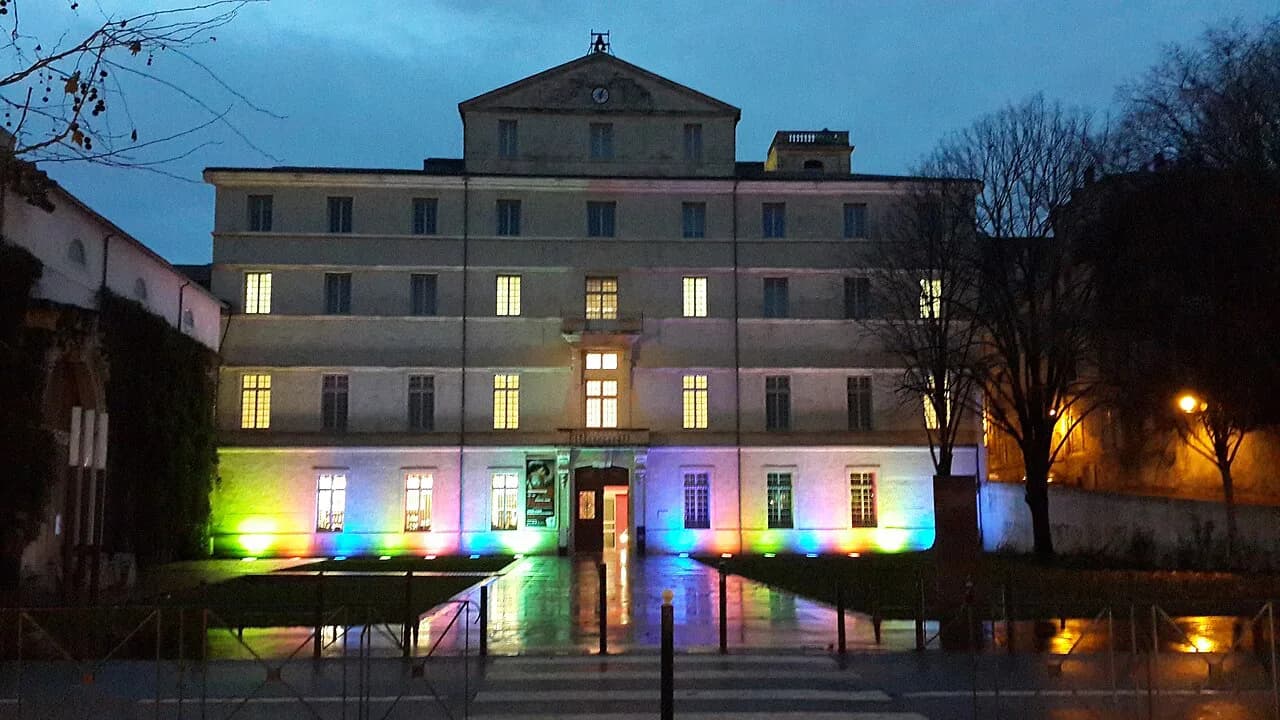
The Musée Fabre is the museum to build a day around. Founded in 1828 by the Montpellier-born painter François-Xavier Fabre, it occupies a large building on Boulevard Bonne Nouvelle, a short walk from Place de la Comédie. Its collection moves from medieval and Renaissance work through Dutch and Flemish painting to French landscapes and modern pieces.
Entry times vary by season and exhibitions are ticketed separately, so confirm the day's hours and ticket price on the museum's own site before you travel. Standard entry is not something to guess at from a blog.
What the Musée Fabre holds and how long to allow
Set aside two hours as a minimum for the main galleries, and longer if the temporary show appeals. The permanent collection includes works by Delacroix, Courbet and Rubens alongside Frédéric Bazille, the Montpellier-born Impressionist, and Pierre Soulages. That spread means one visit covers both the old masters and modern French painting.
The museum's own layout rewards a targeted approach. If you have only an afternoon, head for the Bazille and Soulages rooms first, then work backwards through the older galleries. That way a delayed start or an early closing time costs you the least.
Check the museum's official site for the day's opening hours and ticket price before you set out, and note that the free first-Sunday arrangement applies to the permanent collection rather than the temporary exhibitions.
MO.CO.: Montpellier's contemporary art network
MO.CO. Montpellier Contemporain is the city's contemporary art ecosystem, described by the tourist board as running from training to collection, with several venues to discover. It is a different proposition from the Musée Fabre: expect rotating exhibitions rather than a fixed historical hang. For that reason, check what is actually on before you commit a slot to it.
If contemporary work is your priority, MO.CO. deserves the bigger share of your time; if you want the Bazille and Soulages, give the Musée Fabre the morning instead. Trying to fit both into one afternoon leaves you skimming.
Pavillon Populaire: photography shows off the Esplanade
The Pavillon Populaire sits on the Esplanade Charles-de-Gaulle, a few minutes' walk from Place de la Comédie. It shows temporary photography exhibitions rather than a standing collection, with themes changing from one show to the next. That makes it a low-commitment stop if you are already crossing the Esplanade.
Because the programme changes, confirm what is on and whether there is an entry charge before you go. A show that does not appeal costs you nothing to skip, and the Esplanade itself is a pleasant place to wait.
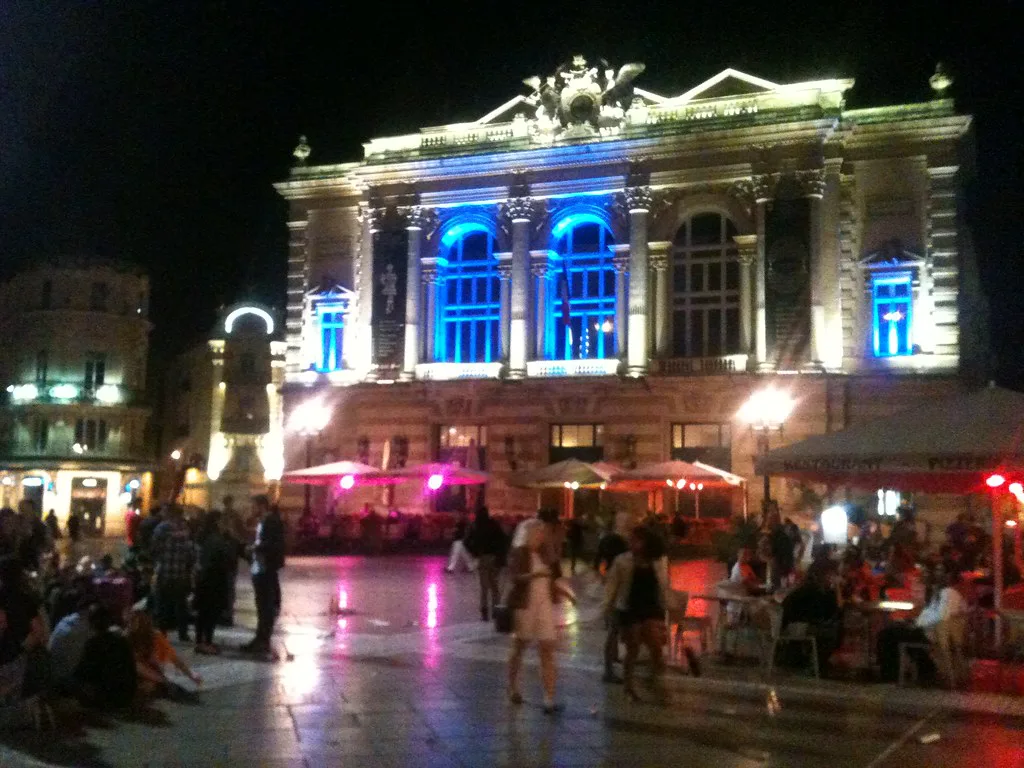
Carré Sainte-Anne: contemporary art in a converted church
Carré Sainte-Anne is a 19th-century neo-Gothic church turned exhibition space, with over 600 square metres given to contemporary art by French and international artists. The contrast between the building and the work inside is the draw. It sits on Rue Philippy, inside the old town.
Treat it as a 45-minute stop rather than a half-day. Exhibitions rotate, so what you see depends on when you visit, and the space works best as a break between the Musée Fabre and a walk through the surrounding streets.
Smaller and specialist collections worth an hour
Beyond the headline venues, Montpellier has smaller collections to slot in. The Musée de la Résistance et de la Déportation in nearby Castelnau-le-Lez covers the Second World War through documents and personal histories. It suits anyone who wants a serious hour away from the art circuit.
The Jardin des Cinq Continents, at MO.CO. Hôtel des Collections near Montpellier Saint-Roch station, is free to enter. It combines contemporary design with plants from different parts of the world, which makes it an easy add-on before a train rather than a destination in itself.
Free entry and reduced tickets: what to look for
Free entry exists, but it is patchy. The Musée Fabre opens its permanent collection free on the first Sunday of each month, and the Jardin des Cinq Continents is free to enter. Temporary exhibitions at the Fabre are usually priced separately, so a free permanent collection does not mean a free visit.
For everything else, check each venue's own site or ask at the Montpellier tourist office before you book a city-wide free day. Reduced rates for students and under-26s vary by institution, and a museum pass is only worth buying if it covers the places you actually plan to visit.
Opening days and the Monday and Tuesday problem
The Musée Fabre runs Tuesday to Sunday from 11am to 6pm, so it closes on Monday rather than the more common Monday-only pattern. Use Monday for the outdoor sights instead: the Promenade du Peyrou, the aqueduct and the old town lanes. Then give the museums a full day from Tuesday onwards.
Smaller venues keep their own calendars. Some open only in the afternoon, some close at lunchtime, and several change hours seasonally. Confirm the day's hours on the venue's site the week you travel, especially if you are building a route around one specific show.
A half-day museum route through the Écusson
Start at the Musée Fabre on Boulevard Bonne Nouvelle when it opens, and give it two hours. Walk north through the old town lanes to Carré Sainte-Anne on Rue Philippy for a 45-minute contemporary stop. Both sit in or beside the Écusson, so the walk between them takes minutes rather than a tram ride.
If you still have energy, cross to the Esplanade Charles-de-Gaulle for whatever is showing at the Pavillon Populaire, then finish on Place de la Comédie. If it is Sunday and the first of the month, reverse the order and take the Musée Fabre last so you catch the free permanent collection.
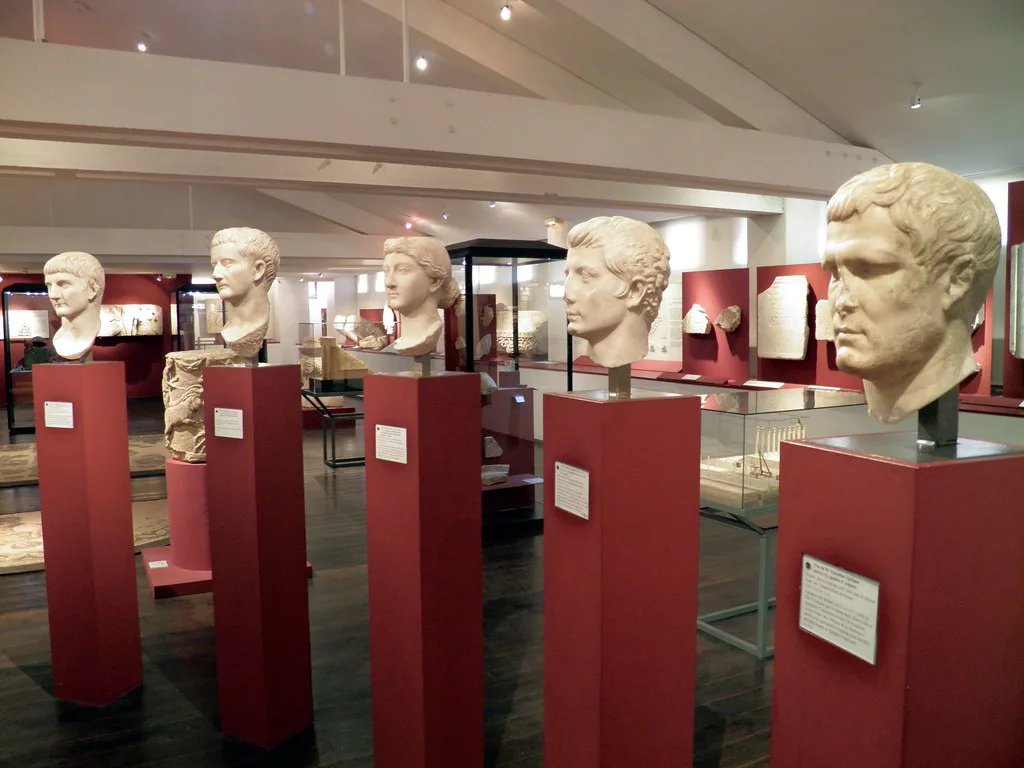
Where to break for lunch between museums
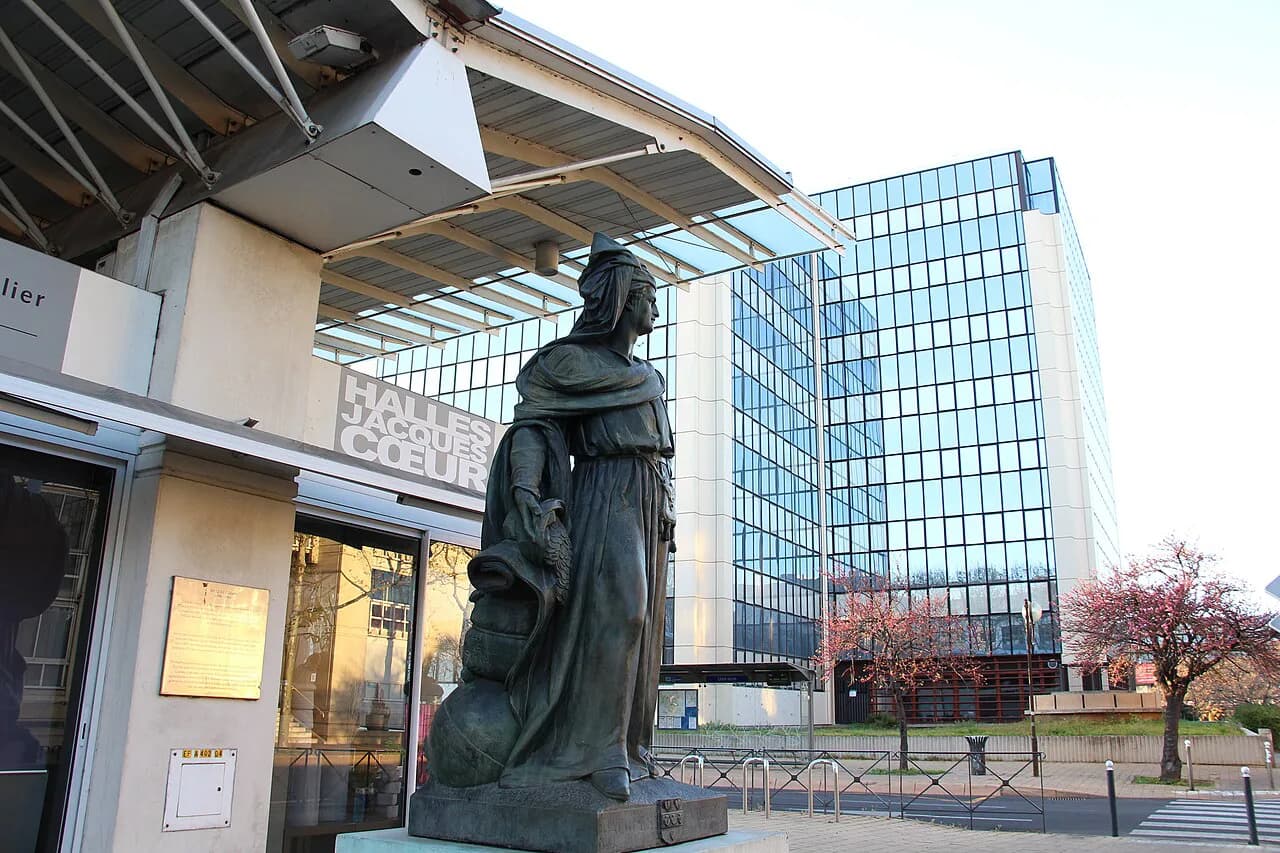
The Écusson's dense grid of lanes means lunch is never far away, and the squares around Place de la Canourgue and Place du Marché aux Fleurs are the obvious pause points. Les Halles Castellane, the covered market on Place Castellane, has around 30 food stalls and is handy for a quick sit-down between venues.
Market hours and restaurant service windows shift, so check the venue's own information for the day rather than relying on a fixed timetable. If you want a proper sit-down meal instead of a market lunch, look at the wider shortlist of places to eat in the city.
Museums versus the rest of the city: an honest trade-off
Montpellier's museums are good, but they are not the reason to come. The old town lanes, the Peyrou views and the Antigone district compete for the same hours. Spending a full day indoors is the wrong call for a first weekend, especially in warm months.
A sensible split is one museum morning, one outdoor morning and one flexible afternoon for whichever smaller space appeals. If you are weighing the city against other French options, the case for a short break stands on the mix rather than the galleries alone. If you would rather build a trip around collections, compare it with the museums in Aix-en-Provence before deciding.
If you only have one rainy afternoon
Go straight to the Musée Fabre and stay there. It is the only collection with the depth to fill a wet afternoon properly, and it sits close enough to the old town that you can reach it without a tram. Aim to arrive shortly after opening so you finish before the late-afternoon crowds.
If you have a second hour, walk to Carré Sainte-Anne rather than adding a third museum. The church setting gives you a change of pace, and the short walk between the two keeps the afternoon manageable in poor weather.
Plan Your Museum Weekend
Build your weekend around the Musée Fabre on a Tuesday-to-Sunday day, add MO.CO. or Carré Sainte-Anne for contemporary work, and treat the Pavillon Populaire as a bonus on the Esplanade. Check the day's hours and ticket price on each venue's site a week before you travel.
If you are still deciding whether the city justifies the trip, read the case for a short break and compare it with the wider list of things to do in Montpellier before you lock in dates.
Explore more Montpellier guides
Frequently Asked Questions
What is the most famous museum in Montpellier?
The Musée Fabre is the city's flagship, founded in 1828 by the painter François-Xavier Fabre and holding works by Delacroix, Courbet, Rubens, Bazille and Soulages. It sits on Boulevard Bonne Nouvelle, a short walk from Place de la Comédie.
Are there free museums in Montpellier?
The Musée Fabre opens its permanent collection free on the first Sunday of each month, and the Jardin des Cinq Continents at MO.CO. Hôtel des Collections is free to enter. Temporary exhibitions are usually charged separately, so check the venue's own site before you plan around a free day.
How long does the Musée Fabre take?
Allow at least two hours for the main galleries. If you want to cover the old masters as well as the Bazille and Soulages rooms, three hours is more realistic.
Are Montpellier museums open on Mondays?
The Musée Fabre runs Tuesday to Sunday from 11am to 6pm, so Monday is out for the flagship collection. Use Monday for the Promenade du Peyrou and the old town lanes, and check each smaller venue's own site for its calendar.
Is MO.CO. free to visit?
MO.CO. is the city's contemporary art network with several venues to discover. Entry arrangements vary by venue and exhibition, so check the current programme and ticket details on MO.CO.'s own pages before you go.
Sources
Notes for French city breaks
Optional updates to our guides.
You might also like
Continue reading
More guides you'll find useful