Best Time to Visit Montpellier: A Month-by-Month Guide
Montpellier's best time to visit depends on heat, crowds and what is open. Compare spring, summer, autumn and winter, with market days and honest trade-offs.
On this page
Late April to early June and September to mid-October deliver the best balance for a Montpellier weekend: warm but walkable days, manageable queues, and the markets and restaurants you would expect to use all running on normal schedules. If you want hot, sunny weather and long evenings, July and August work, but you will pay more and share the coast with day crowds. Winter is the value window, with mild temperatures, fewer visitors and shorter days. The trade-off is that many shops and some restaurants close on Sunday, and the summer sun makes the middle of the day a poor time to walk the Écusson.
Quick answer: the best months for a Montpellier weekend and why
Book May, June or September for the easiest balance of weather and city logistics. Spring in Montpellier typically sees temperatures around 18 to 22C and long sunny spells, while the summer brings heat and a busier, beach-driven rhythm to the city and the coast. These shoulder months suit a two- or three-night break: you can walk the old town in the morning, use the markets for lunch, and still have enough energy for an afternoon museum or a tram ride out to the Lez. If your dates fall in July or August, expect the heat and crowds to push you towards earlier starts and indoor stops.
How Montpellier's climate shapes a short break: Mediterranean heat, sunshine and the build-up to summer
Montpellier sits roughly 13km from the Mediterranean and has a Mediterranean climate with long sunny stretches. The city claims around 300 days of sunshine a year, and spring days often sit in the high teens to low twenties Celsius, which is ideal for walking. The practical effect for a weekend is that the sun is strong enough to make midday uncomfortable from June onward, so plan outdoor sightseeing for the morning and late afternoon. The city is compact and best explored on foot, with places like the Promenade du Peyrou catching a breeze because of its slightly higher position, which makes it a good afternoon stop on a warm day.
Spring (March to May): warm days, manageable crowds and a lively café scene around Place de la Comédie
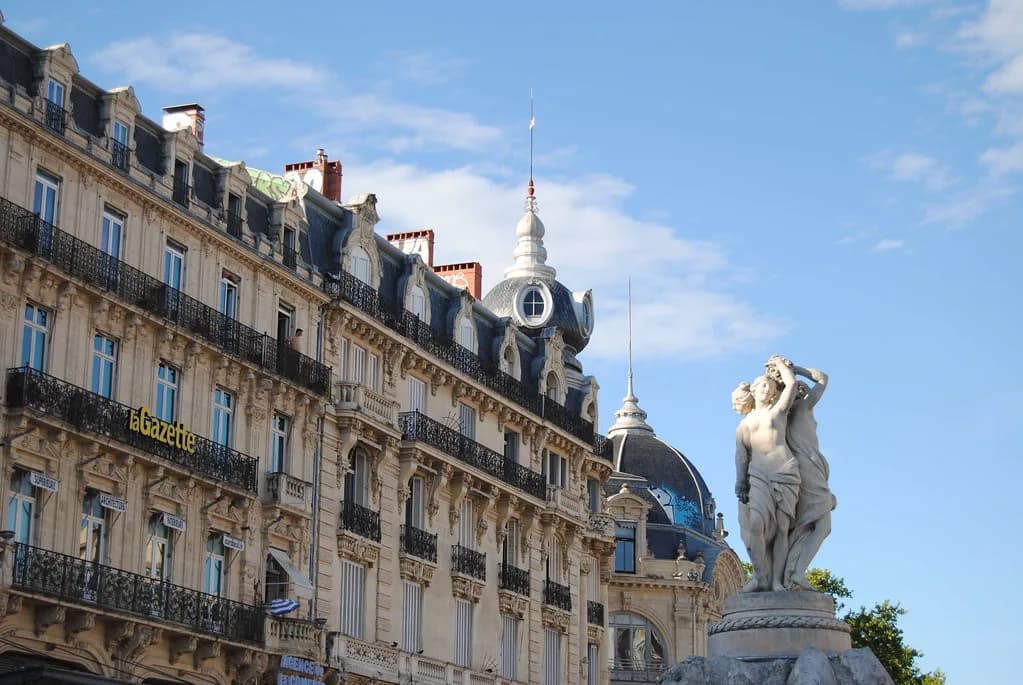
Spring is the strongest all-round season for a short break. April and May bring 18 to 22C typical highs, and the city is busy without being overwhelmed. Place de la Comédie is the natural first stop: the cafés spill onto the square, street performers appear on sunny days, and the Opéra Comédie sits right on the edge. From there you can walk into the Écusson in minutes. The one thing to watch is that spring weather can be changeable, so pack a light layer and keep an indoor option, such as a museum or the covered halls, in reserve.
March is cooler and quieter, with shorter daylight hours, but it is a good month if you want lower prices and fewer crowds. The markets run on their normal schedules, and the café terraces are pleasant without being packed. For a short break, late April through May is the sweet spot: the days are long enough for an evening stroll and the summer heat has not yet arrived. The main drawback is that school holidays in some European countries can make a late-spring weekend busier, so book transport early if you are travelling on a bank holiday weekend.
Summer (June to August): long sunny days, but heat and beach crowds at Palavas-les-Flots change the pace
Summer is the most reliably sunny window, with long daylight hours and a strong café culture that runs late into the evening. The catch is heat: walking the Écusson in the middle of the day is tough in July and August, so shift your sightseeing to early morning and after 6pm. The coast is the biggest change: Palavas-les-Flots can get overcrowded at weekends, so a weekday visit is calmer. The Lez river path gives you a shady, flat alternative to the beach when you want to be outdoors without the coastal crowds.
For a weekend break in summer, the city itself is quieter than the coast: many locals head to the beaches, and the streets around the old town are more manageable than you might expect. The covered markets and the air-conditioned shopping centre at Le Polygone are useful refuges on a hot afternoon. The main cost is accommodation, which rises with demand. If you are flexible, late June and early September give you most of the summer weather with fewer crowds.
Autumn (September to November): warm sea, quieter streets and the best window for walking the Écusson
September and early October are the best months for a walking-focused break. The summer heat fades, the light is softer, and the streets of the Écusson are easier to navigate without the July crowds. The sea stays warm enough for a swim well into September, and the coastal towns are calmer than in August. This is also a strong period for markets: the farmers' markets and the Sunday flea market on the Promenade du Peyrou run through the season, giving a weekend a natural structure of morning marketing and afternoon walking.
November is cooler and wetter, and the days are shorter, but prices drop and the city feels local. It is a good month if you want museums, food and a slower pace rather than beach time. The trade-off is that the weather is less predictable, so a plan that depends on outdoor activities needs a backup. For a short break, mid-September to mid-October is the safest bet.
Winter (December to February): mild, cheap and quiet, with shorter days and some Sunday closures
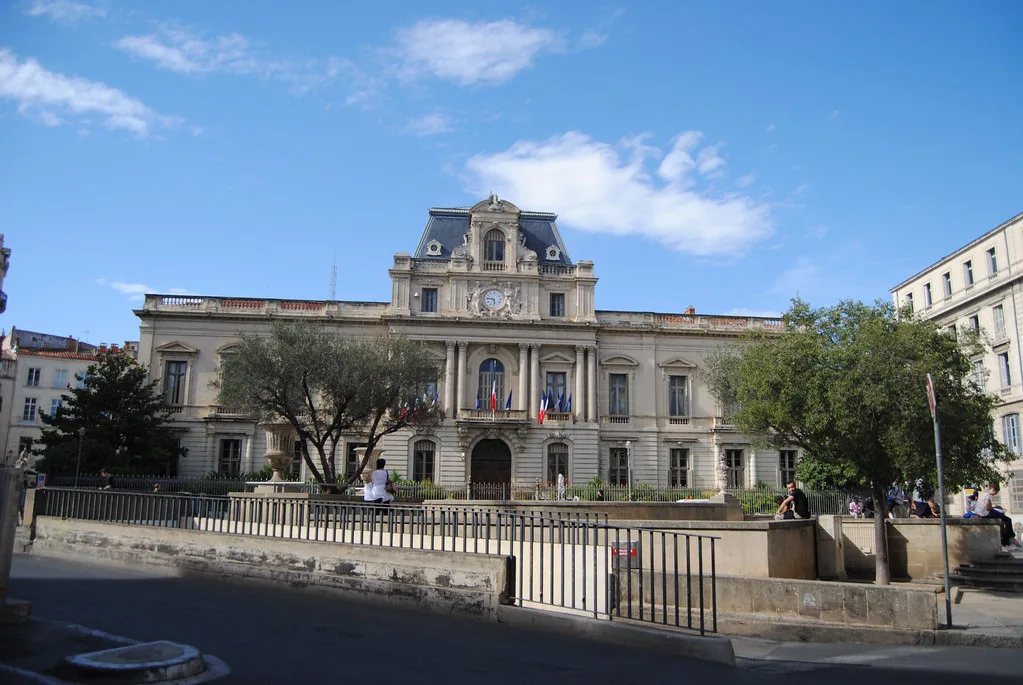
Winter is the value season. Daytime temperatures are mild by northern European standards, and the city is quiet, which makes the markets, museums and cafés easier to enjoy without queues. The catch is that many shops and some restaurants close on Sunday, and restaurant kitchens often stop serving in the early afternoon. If you arrive on a Sunday, plan around a market that runs that day, such as the Marché Antigone, or a café that stays open, so you are not counting on shops that will be shuttered. The Promenade du Peyrou and the Esplanade Charles de Gaulle are still pleasant for a short walk in the middle of the day, but the light fades early.
Month-by-month cheat sheet: what each month suits best
March: cooler and quiet, good for museums and low prices. April and May: the best balance of warmth, daylight and manageable crowds, with café terraces in full swing. June: hot but not at peak, with long days and a lively city. July and August: hottest and busiest, best for beach days and early starts, with Palavas-les-Flots busiest at weekends. September and October: warm, quieter, ideal for walking the Écusson and the Lez path. November: cool and changeable, suited to a food-and-culture weekend. December to February: mild, cheap and quiet, with shorter days and some Sunday closures.
Day-of-week planning: which days markets such as Le Marché des Arceaux and Le Marché Antigone run
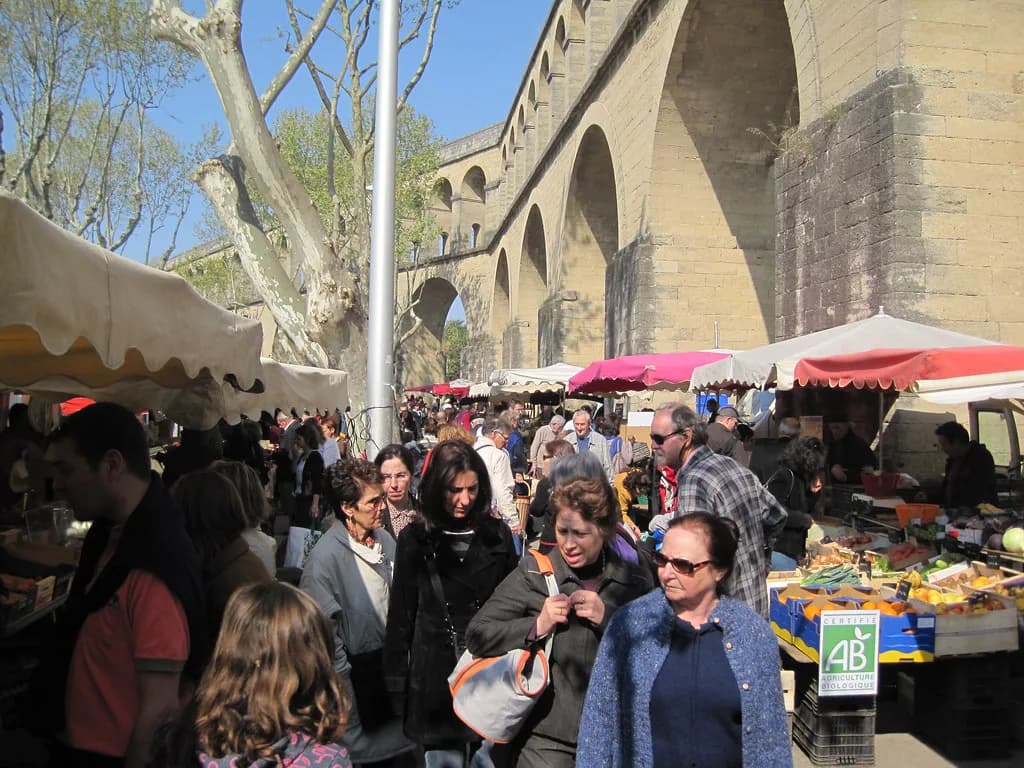
The day of the week matters as much as the month. Le Marché des Arceaux runs on Tuesday and Saturday mornings, Le Marché Antigone on Wednesday and Sunday mornings, and the flea market on the Promenade du Peyrou on Sunday mornings. Les Halles Castellane and Les Halles Laissac are covered markets open daily, with Les Halles Castellane closing at lunchtime on Sunday. If your weekend must include a market, a Friday-to-Sunday trip catches the Saturday Arceaux market and the Sunday Peyrou flea market, while a Wednesday-to-Sunday trip adds the Antigone market.
How the season changes what you do: beaches, the Lez river path, the Promenade du Peyrou and Antigone
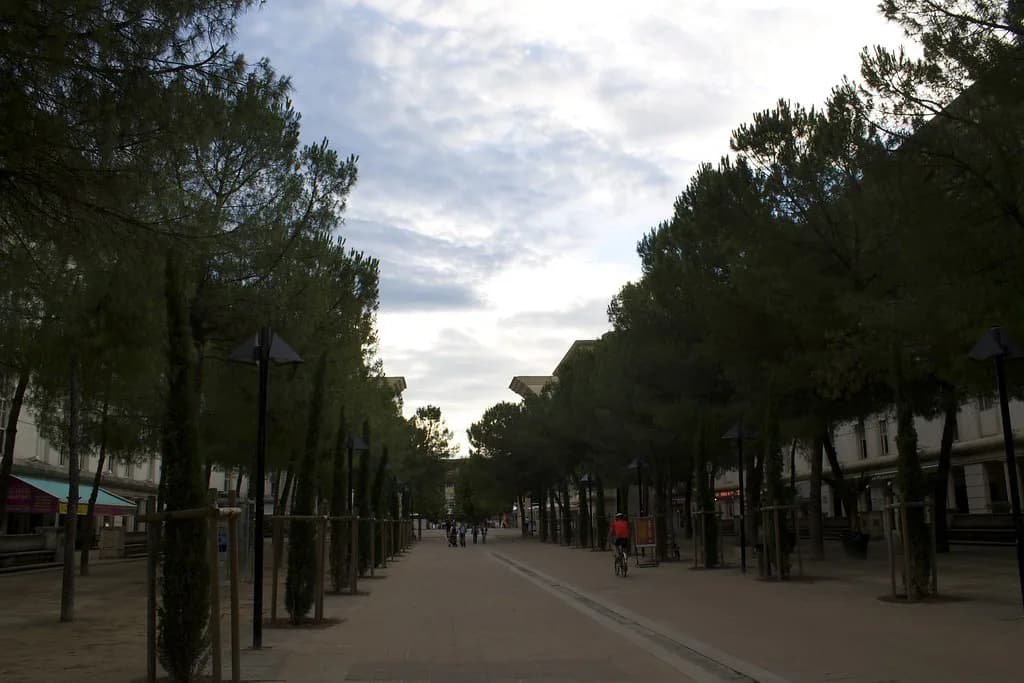
In warm months, the Lez river path and the beaches west of the city become the main outdoor draw. The path along the Lez is flat and shaded in places, and a bike ride or walk takes you out of the city towards the coast. The beaches at Villeneuve-Lès-Maguelone are the most pristine within easy reach, but there is little boardwalk, so cycling along the road is the practical option. In cooler months, the Promenade du Peyrou and the Antigone district are better: the Peyrou catches a breeze and gives long views, while Antigone's neo-classical avenues and wide spaces are pleasant to walk without summer heat.
Prices and crowds by season: when a weekend break costs least
The cheapest months for a weekend are generally November through March, outside school holidays, when demand for accommodation drops and the city is quiet. Spring and autumn sit in the middle: popular enough to keep restaurants and markets lively, but without the summer peak. July and August are the most expensive and the busiest, especially at the coast. The trade-off is straightforward: lower prices in winter come with shorter days and some Sunday closures, while summer costs more but gives you reliable sunshine and long evenings.
Practical trade-offs: museum opening days, restaurant lunch hours and Sunday shop closures
Restaurant kitchens often break in the early afternoon, and many shops close on Sunday, so a Sunday arrival needs a plan that does not depend on browsing. Markets are a good Sunday option, with the Antigone market and the Peyrou flea market running on Sunday mornings, and some covered markets open in the morning. Museums are worth checking directly for their opening days, since a Monday or Tuesday closure can disrupt a short break. For the rest of your day, build in an indoor stop such as the Musée Fabre or the Jardin des Plantes so a change in weather does not leave you stuck.
Verdict: the single best time to book a Montpellier weekend
For most readers, late April to early June and September to mid-October are the best windows. They give you warm but comfortable walking weather, the markets on their normal schedules, and a city that is busy enough to feel alive without being overwhelmed. If you are comparing a short break against another southern French city, the same rule of thumb applies when working out the best time to visit Aix-en-Provence. If you want the cheapest and quietest trip, aim for November to March and plan around Sunday closures. If you want the beach as part of your weekend, go in September when the sea is still warm and the coastal crowds have thinned. Check the market calendar when you pick your dates, because a Wednesday-to-Sunday trip catches a different set of markets from a Friday-to-Sunday one.
Plan Your Visit
Montpellier rewards a short break in almost any season, but the trip changes with the weather. Spring and autumn give the best balance for walking, markets and cafés, while summer suits beach days and early starts and winter suits a quieter, cheaper city break. Use the market days to structure your weekend: the Arceaux market on Tuesday and Saturday, the Antigone market on Wednesday and Sunday, and the Peyrou flea market on Sunday. If you are still deciding whether the city is worth the trip, the honest answer is that it is strongest for food, architecture and a compact, walkable centre rather than for headline sights, as our guide to whether Montpellier is worth visiting sets out.
Explore more Montpellier guides
Frequently Asked Questions
What is the weather like in Montpellier in May?
May is typically warm and sunny, with average daytime temperatures around 18 to 22C. It is a good month for walking and café terraces, but spring weather can be changeable, so pack a light layer.
How many days do you need in Montpellier?
Two full days cover the old town, the markets and a museum, and three days give you time for the Lez river path or a beach visit. Most of the central sights are within walking distance of Place de la Comédie.
Does Montpellier get snow?
Snow is rare in Montpellier. Winter is mild compared with northern Europe, with cooler, wetter weather rather than sustained cold.
Is Montpellier worth visiting in winter?
Yes, if you want a quiet, lower-cost city break with markets, museums and cafés. The trade-off is shorter days and more Sunday closures, so plan around a market or an indoor stop.
Which months are quietest in Montpellier?
November through March, outside school holidays, is generally the quietest period. Summer and the Christmas period are busier, and the coast is busiest at weekends.
When is it warm enough to swim near Montpellier?
The sea is usually warm enough for a swim from June through September, and September is a good compromise between warm water and fewer coastal crowds.
Sources
Notes for French city breaks
Optional updates to our guides.
You might also like
Continue reading
More guides you'll find useful