Things to Do in Nancy: Art Nouveau & Old Town Guide
Plan a short break in Nancy with Place Stanislas, Art Nouveau sights, museums, parks and the old town, plus how to shape one day or two in the city.
On this page
Nancy rewards a short break because its headline sight sits in the middle of the city rather than on an industrial edge. Place Stanislas and its surrounding ensemble are UNESCO-listed, and the tourist office treats them as the first thing to see. Build your day outward from there and you can reach the old town, the museums and the gardens on foot.
Why Nancy rewards a short break
Two themes carry a visit to Nancy. The first is the eighteenth-century set piece of Place Stanislas and its UNESCO ensemble, which Destination Nancy lists as a must-see and the anchor of the historic centre. The second is Art Nouveau, the movement that gave the city the Villa Majorelle and a dedicated museum, and which the tourist office frames as a defining part of its identity.
The scale is what makes it work for a weekend. You are not crossing a capital to tick off three sights; the historic centre, the museums and the parks are close enough that a single day of walking covers the core. Save the slower material, the botanical garden and the Meurthe banks, for a second day. If you are still weighing the trip, our answer to is Nancy worth visiting sets out the case plainly.
Nancy's Art Nouveau reputation is serious enough that the tourist office calls the city the French capital of Art Nouveau. Frommer's singles out the Musée de l'École de Nancy for its glasswork and its Belle Époque setting. If that style is the reason you are coming, give it a proper half-day rather than an hour squeezed between squares.
How Nancy is laid out
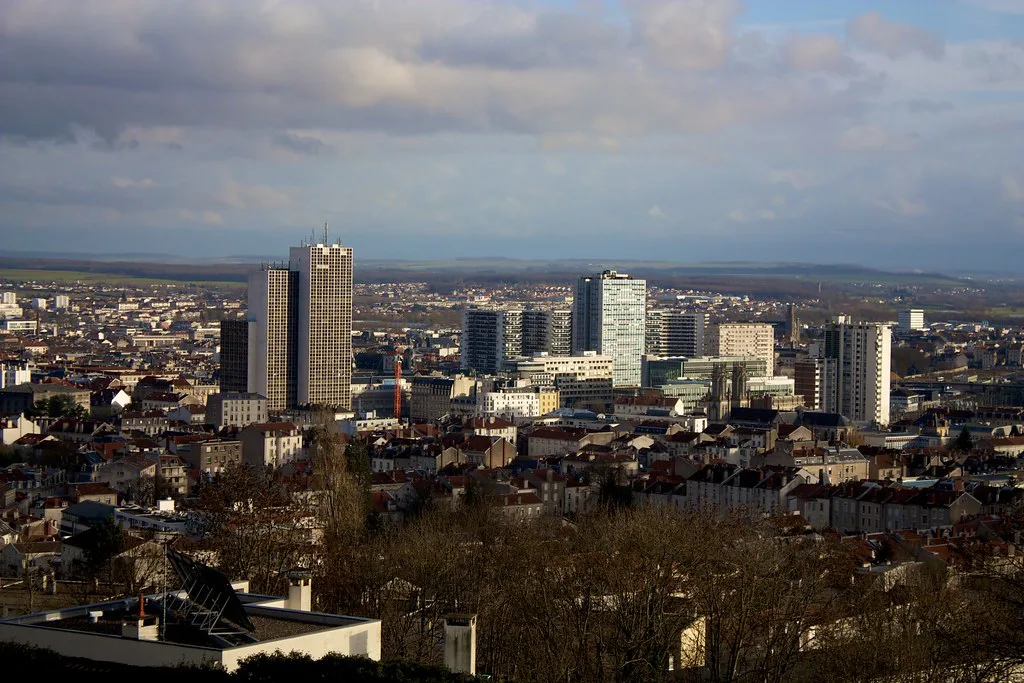
Think of Nancy in three bands. Place Stanislas and the surrounding historic centre sit at the top, the old town runs alongside it, and the Meurthe banks and parks lie to the south and east. Once you understand that, you can plan a loop rather than zig-zagging across town.
The Saurupt district and the Villas quarter are the other piece of the map worth knowing, because that is where the Art Nouveau villas sit. They are a different kind of sightseeing: houses to look at from the street rather than museums to enter. Pair them with Villa Majorelle rather than treating them as a separate outing.
For the medieval core, our guide to the Nancy old town picks out the streets and squares that are worth the detour. It sits close enough to Place Stanislas that you can walk between the two without planning transport. That proximity is the main reason a one-day visit to Nancy feels unhurried rather than rushed.
Place Stanislas and the UNESCO ensemble: what to look at
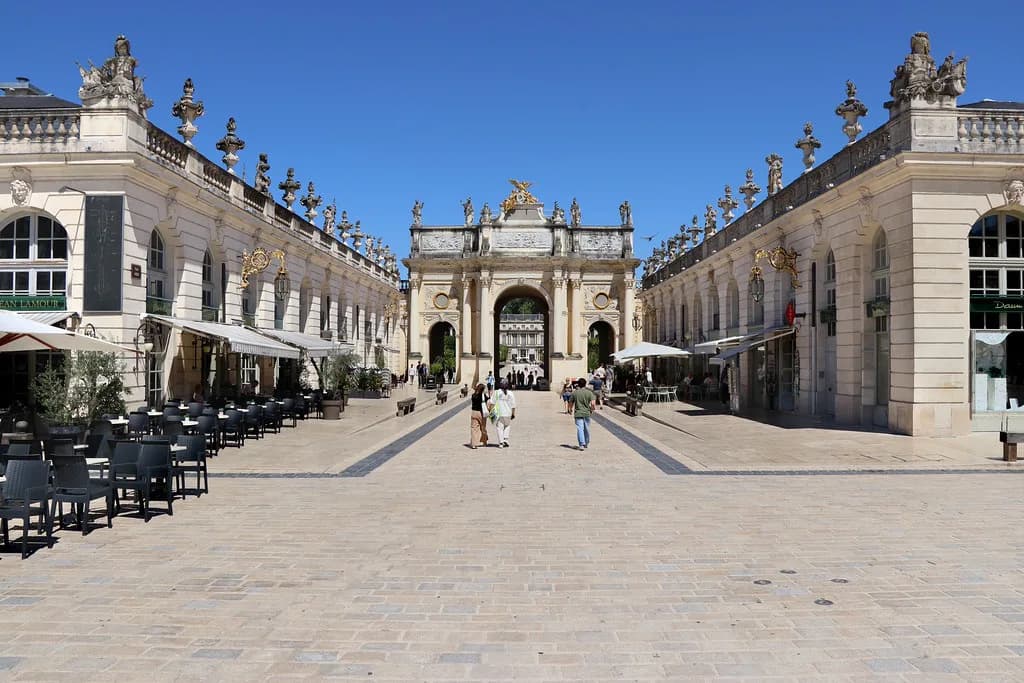
Place Stanislas is a square to stand in rather than an exhibit to file past, and the surrounding UNESCO ensemble includes the streets and gates that connect it to the old town. Allow an hour to look properly, then use it as a hinge: coffee on one side, the old town on the other. It is also where the tourist office sits, at 1 place Stanislas, which makes it a sensible first stop for maps and current information.
The square doubles as the city's shopping address, so it is the natural place to combine sightseeing with browsing. Our shopping in Nancy guide covers the streets around it, including the concept stores and designer boutiques the tourist office points visitors towards. Keep this for the end of the day so you are not carrying bags around the museums.
Eating near the square is easy, and the surrounding streets hold most of the city's reliable options. If you want to book ahead rather than gamble, our pick of the best restaurants in Nancy is organised around exactly that stretch of the centre. Reserve for dinner on a Saturday, when the centre fills up.
Art Nouveau in Nancy: Villa Majorelle or the Museum of the School of Nancy
If you only have time for one Art Nouveau stop, choose Villa Majorelle. It is the original house, the architecture itself is the exhibit, and it gives you the movement in its domestic setting. It is also the more memorable of the two for most visitors, because you are standing inside the design rather than looking at objects in cases.
Pick the Museum of the School of Nancy instead when you want the objects, the glasswork and the explanation of the movement as a whole. Frommer's describes it as a Belle Époque building holding a collection devoted to the city's Art Nouveau output. It is the better choice in poor weather, and the better choice if you are travelling with someone who prefers museums to architecture.
Do both only if Art Nouveau is the point of your trip. Otherwise you risk spending a short break indoors, which is a poor trade when Place Stanislas and the old town are free to walk. For the wider set of collections in the city, our guide to museums in Nancy covers the options and how they fit together.
Museums worth your hours: Fine Arts and the Museum-Aquarium
The Museum of Fine Arts is the city's heavyweight collection and a sensible wet-afternoon anchor; our Musée des Beaux-Arts de Nancy page covers what is inside and how long to give it. The Nancy Museum-Aquarium is the other indoor option, and works well with children or as a shorter stop. Neither needs to be booked into a rigid slot, but leaving one of them for the rainiest part of the day is a practical habit in this part of Lorraine.
Check opening days directly with each museum before you build a day around one, since French museums commonly close on a Monday or Tuesday. The tourist office site and the museums' own pages carry the current pattern.
The Old Town district
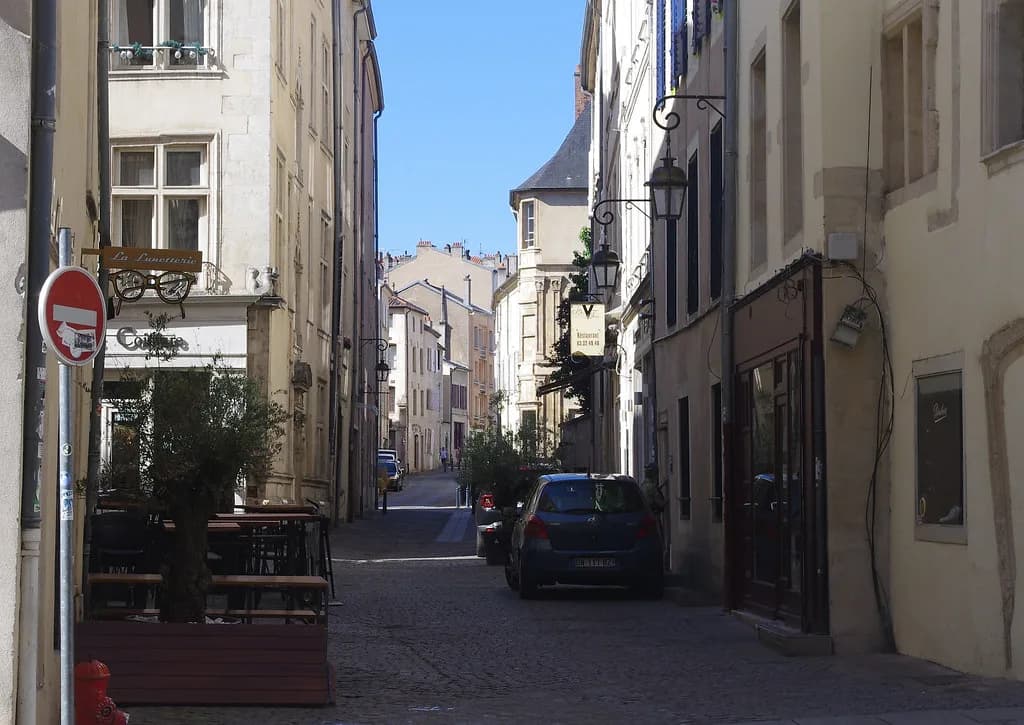
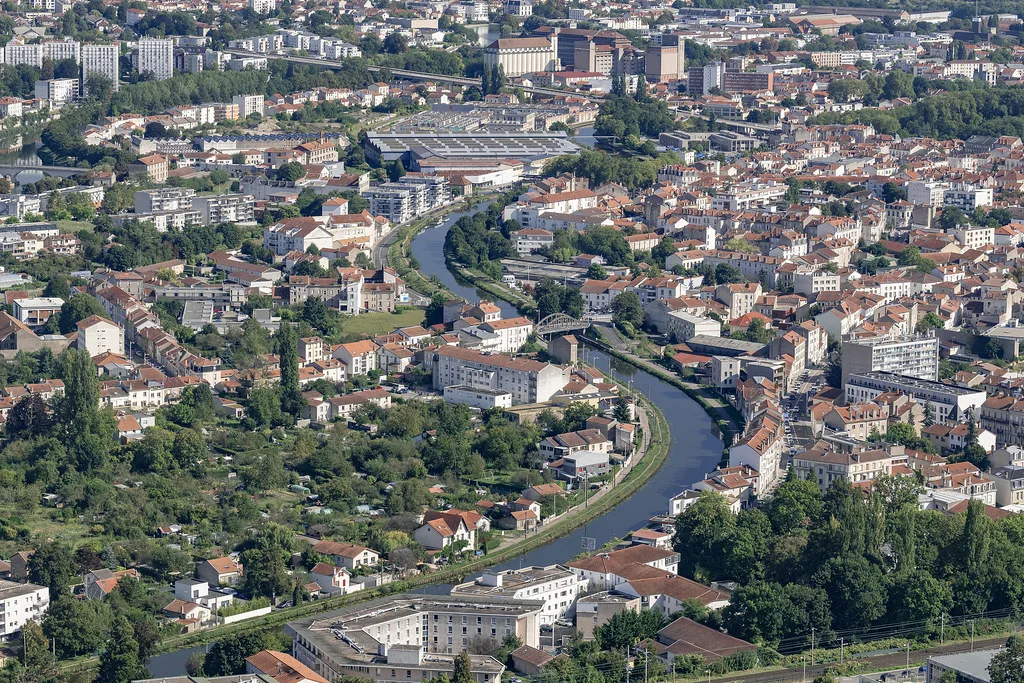
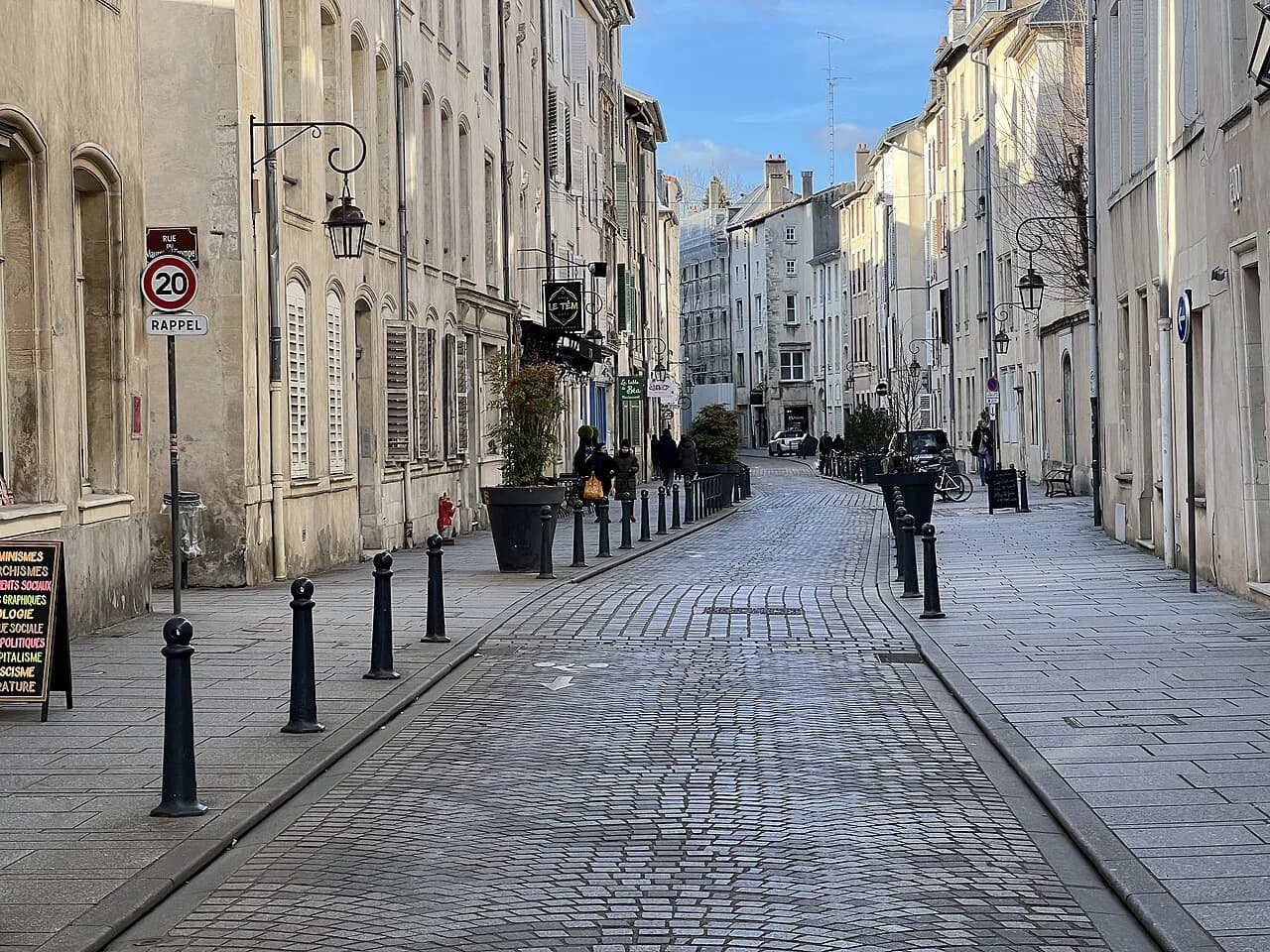
Nancy's old town is the medieval core, and its interest is in the streets, the surviving ducal history and the way it sits right beside the formal eighteenth-century square. Walk it without a fixed route rather than treating it as a single monument to tick off. Our Vieille Ville guide marks the parts worth seeking out if you want structure.
The honest trade-off is that the old town is a complement to Place Stanislas rather than a rival to it. Give it ninety minutes to two hours, ideally in the late afternoon when the light softens and the streets empty out. If your weekend is only one day, this is the part you compress, not the square.
Green and slow: Pépinière, botanical garden and the Meurthe banks
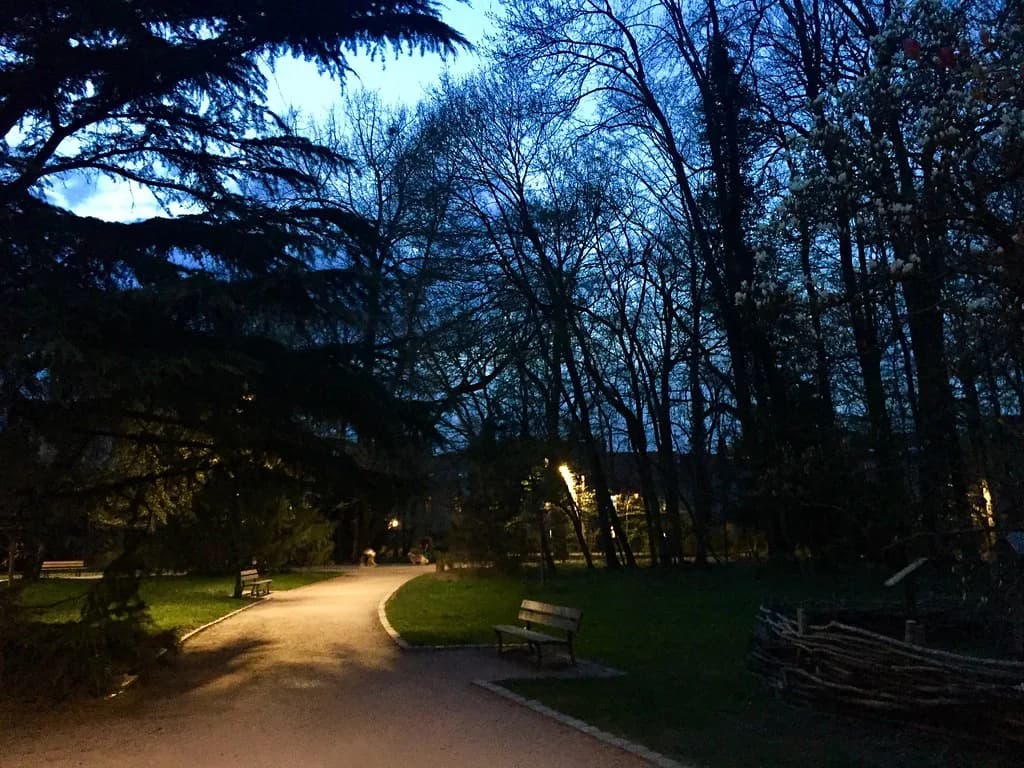
Parc de la Pépinière is the central green space and the easiest place to add breathing room to a sightseeing day; our guide to Nancy parks covers it alongside the city's other green corners. The Jean-Marie Pelt Botanical Garden is the more deliberate outing and suits a morning when you want to be outdoors rather than in galleries. The banks of the Meurthe are the third piece, and the most pleasant way to see the city from a different angle.
Treat this whole group as the second-day half of your break. Slotting parks between museums on day one leaves you walking more than looking, and Nancy's green spaces reward a slower pace than that.
Nancy Thermal and the well-being side of the city
Nancy Thermal is the city's spa and well-being address, listed by the tourist office alongside the parks as part of the calmer side of a visit. It is a sensible addition if you are travelling in colder months or want one restorative afternoon in the middle of a walking break. Book with Nancy Thermal directly and check current opening times and treatment slots before you turn up.
Food and shopping: the sweet side of Nancy
Nancy has a recognised sweet tradition, and the tourist office groups it under Nancy Sweet Passions, with chocolatiers treated as a category of their own. Plan this as a deliberate stop rather than a snack grabbed on the move, since the point is the local speciality. Lorraine cooking in general is hearty, so a large lunch argues against a big dinner.
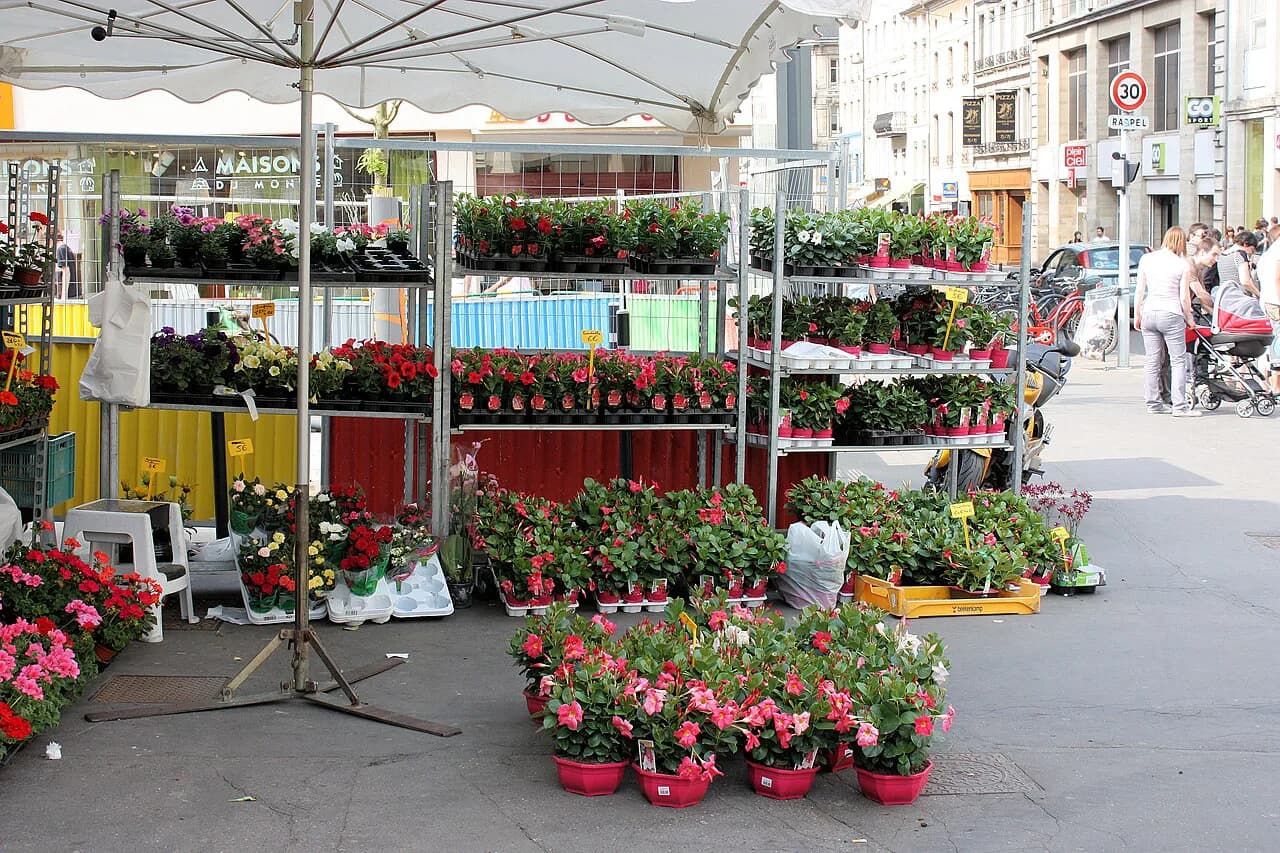
For markets, the tourist office lists a flea market section among the city's activities, which is the right place to start if browsing stalls is part of your weekend. Our Nancy market guide sets out the options and what each one is good for. Market days vary, so fix your plan around the one that falls on your visit rather than the other way round.
How many days Nancy needs
One day covers the core: Place Stanislas and the UNESCO ensemble in the morning, the old town after lunch, and one museum or a walk in the Parc de la Pépinière to finish. That is a full but not punishing day, and it is the right shape if Nancy is a stop on a longer trip. Destination Nancy publishes 24-, 48- and 72-hour versions of the city, which is a fair signal that a single day is a real option rather than a compromise.
Two days is the better fit for a weekend. Day one takes the square, the old town and the Fine Arts museum; day two gives you Art Nouveau in the morning and the parks or the Meurthe banks in the afternoon. A third day adds the botanical garden, Nancy Thermal and the Saurupt villas at a relaxed pace, and suits travellers who would rather see four things properly than eight badly.
When to go
Nancy has a continental Lorraine climate with proper seasons, and the tourist office organises its advice by spring, summer, autumn and winter rather than pushing a single best month. Spring and early autumn suit walking the centre and the parks, while high summer is the easiest time to spend long evenings outdoors. Winter is the quietest and cheapest-feeling season but the coldest for wandering between sights.
A general travel guide summarises Nancy's conditions, but a snapshot of current weather is not a guide to what a weekend in three months will feel like. Treat any single temperature figure you see as a snapshot and plan layers instead.
Practical points: walking, the CityPass and the tourist office
Nancy is a walking city. Place Stanislas, the old town, the central parks and the main museums all sit within a manageable radius, and you will spend more time on foot than on transport. Wear shoes you can walk in for a full day, and expect cobbles around the historic centre.
The Nancy CityPass is the city's own cost tool, marketed by the tourist office as a way to save money while visiting with complete freedom. Whether it pays depends on how many paid sights you actually plan to enter, so compare it against your shortlist before buying. The tourist office at 1 place Stanislas is the place to pick one up and ask about current inclusions.
Honest trade-offs
If time is short, skip the second Art Nouveau site and the botanical garden. Place Stanislas, the old town and one museum give you the essence, and adding more turns a pleasant weekend into a schedule. The Saurupt villas are the most skippable item for anyone who is not already interested in architecture.
Nancy is a medium-sized city rather than a capital, and it works precisely because of that: you get a UNESCO square, a genuine art movement and green space without the crowds or the metro map. Travellers who want big-city scale and all-day choice should look elsewhere. Those who want a compact, walkable French city with real substance will find the two days fill easily.
For a sense of how a similarly sized French city structures a short break, our things to do in Aix-en-Provence guide shows the same one-day-versus-two-day logic in the south. The comparison is useful mainly for calibrating expectations about scale.
Plan Your Visit
Start with Place Stanislas, add the old town and one museum, then decide whether Art Nouveau or the parks deserve your second day. That order keeps you walking in loops rather than crossing the city, and it leaves room for the sweet shops and a market without squeezing them in.
Confirm museum opening days and any CityPass details with the tourist office or the venue before you travel, since those are the two things most likely to reshape a short itinerary. Everything else, including the square, the old town and the parks, you can plan around on foot.
Explore more Nancy guides
Frequently Asked Questions
What are the best things to do in Nancy?
Lead with the UNESCO ensemble around Place Stanislas, then walk into the old town for the medieval streets and the ducal history. Add one museum, either the Museum of Fine Arts or the Art Nouveau collections, and finish in the Parc de la Pépinière or along the Meurthe banks.
Is Nancy worth visiting for a weekend?
Yes, if you want a compact, walkable French city with a genuine architectural theme. Place Stanislas and its ensemble, the old town, the museums and the parks sit close enough to cover on foot, so two days gives you the core plus either Art Nouveau or the green side of the city.
How many days do you need in Nancy?
One day covers Place Stanislas, the old town and one museum or a park walk. Two days is the better shape for a weekend, adding Art Nouveau in the morning and the parks or the Meurthe banks in the afternoon. A third day allows the botanical garden, Nancy Thermal and the Saurupt villas.
What is Nancy famous for?
Nancy is known for Place Stanislas and its UNESCO-listed ensemble, and for Art Nouveau, which the tourist office treats as a defining part of the city's identity alongside the Villa Majorelle and a dedicated museum. It also has a recognised sweet tradition, with chocolatiers grouped as a category of their own.
Is Nancy good for Art Nouveau?
Destination Nancy calls the city the French capital of Art Nouveau. Choose Villa Majorelle if you want to stand inside the original architecture, and the Museum of the School of Nancy if you want the glasswork and the movement explained. Do both only if Art Nouveau is the main reason for your trip.
Is Nancy walkable?
Yes. Place Stanislas, the old town, the central parks and the main museums sit within a manageable radius, so you will spend more time on foot than on transport. Wear shoes you can walk in for a full day and expect cobbles around the historic centre.
Sources
Notes for French city breaks
Optional updates to our guides.
You might also like
Continue reading
More guides you'll find useful