Shopping in Nancy: Streets, Souvenirs and Local Specialities
Plan shopping in Nancy around the old town streets, Place Stanislas and the central market, plus Lorraine specialities worth packing in a weekend bag.
On this page
Shopping in Nancy works best as something folded into a weekend rather than a trip of its own. The centre is compact, the commercial streets sit within a short walk of Place Stanislas, and the most distinctive purchases are edible: bergamotes, mirabelle plum products, madeleines and Nancy's own rustic macarons.
Plan around two separate errands. Food shopping belongs to le marché central and a handful of named speciality shops, while clothing and design browsing clusters on four streets that run close together. Treat museum opening days as the spine of the weekend and hang the shopping off them, because the city's Art Nouveau sights come with their own time constraints.
How Nancy is laid out for shoppers
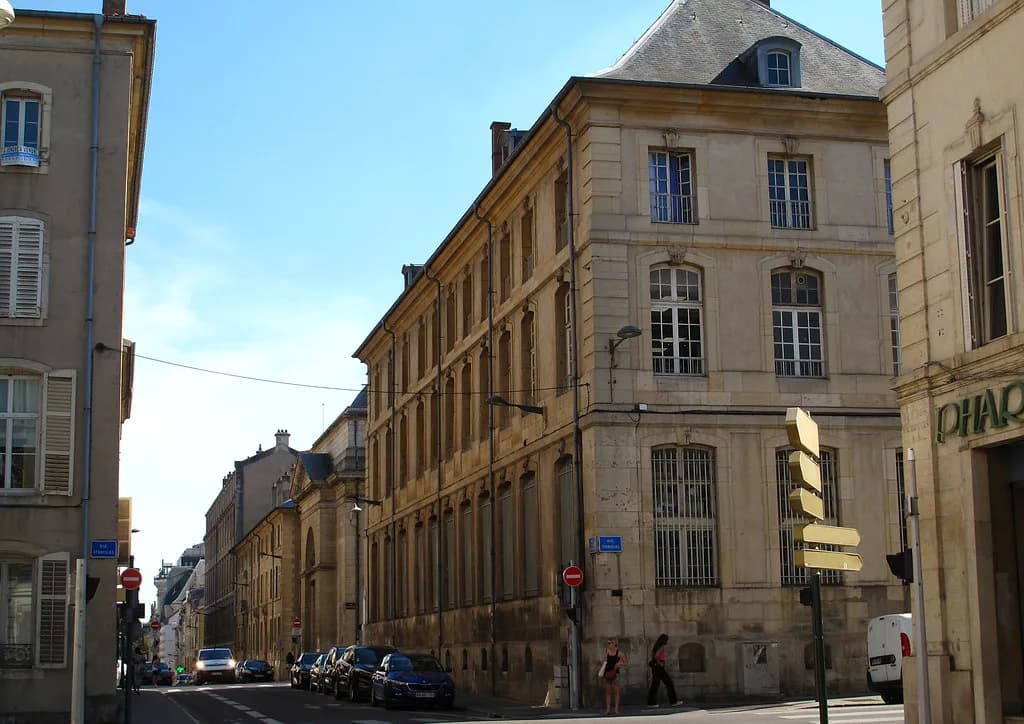
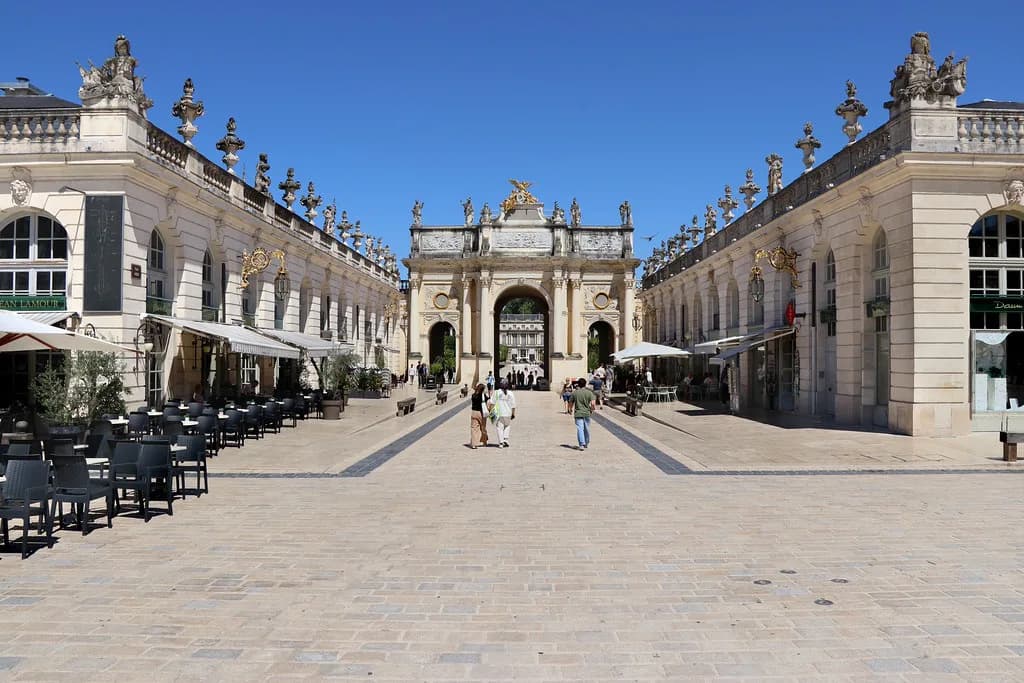
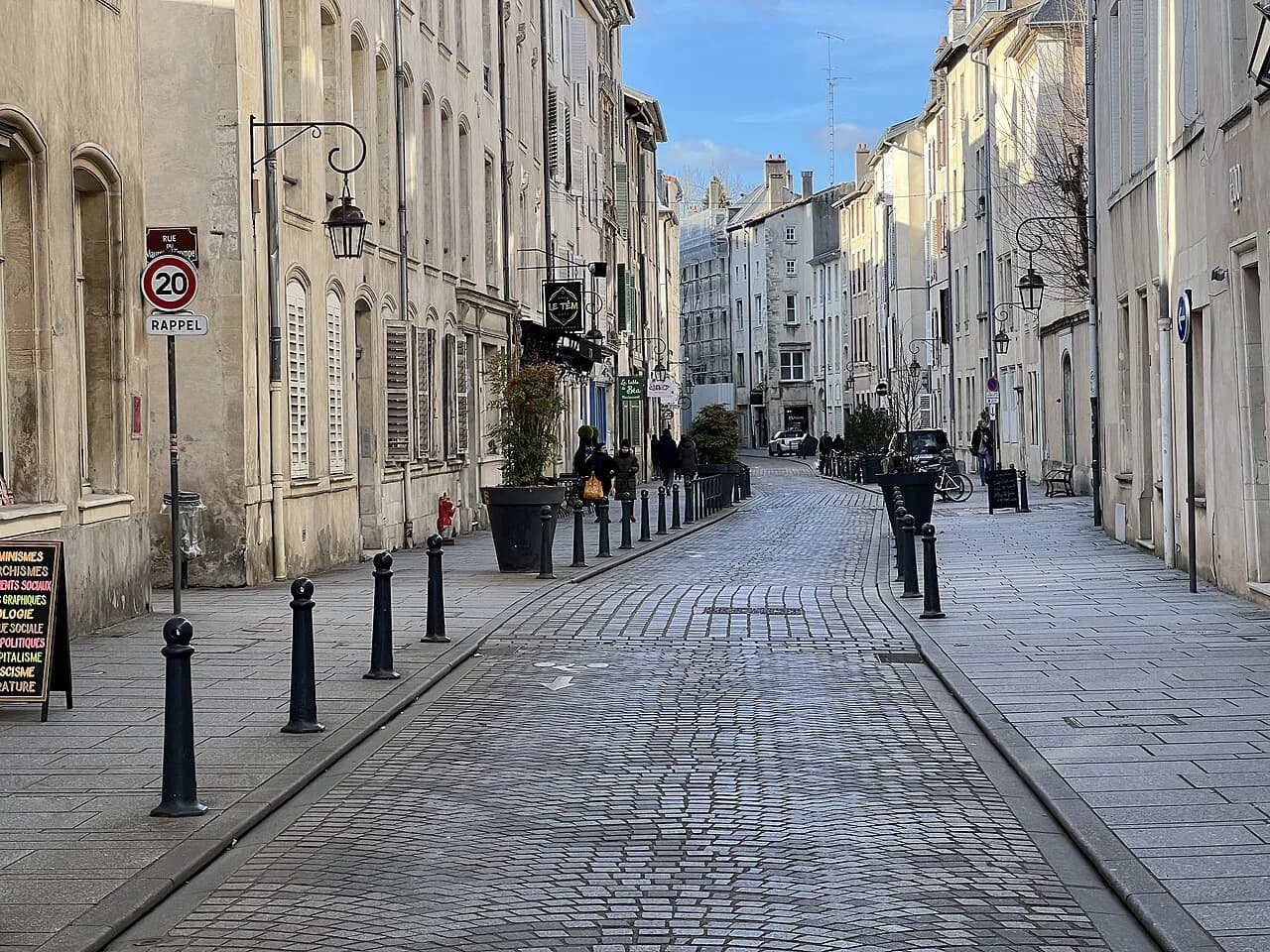
The historic centre is small enough to cross on foot in a morning. Place Stanislas anchors the western edge with its gilded gates and ochre stone, the Vieille Ville spreads east around the Grande Rue, and the shopping streets sit between the two. That geometry means you can browse, visit a museum and eat lunch without ever needing transport.
Place Charles III, a short walk away, is described as a likelier spot for a drink than the main square and less touristy than Place Stanislas. It makes a sensible hinge between a browsing session and an evening: shop first, then settle onto a café terrace. If your interest runs more to eating than buying, the best restaurants in nancy cluster around streets such as rue de la faïencerie and rue de primatiale.
The main shopping streets: rue Saint-Dizier, rue Saint-Nicolas, rue Saint-Jean and rue Saint-Georges
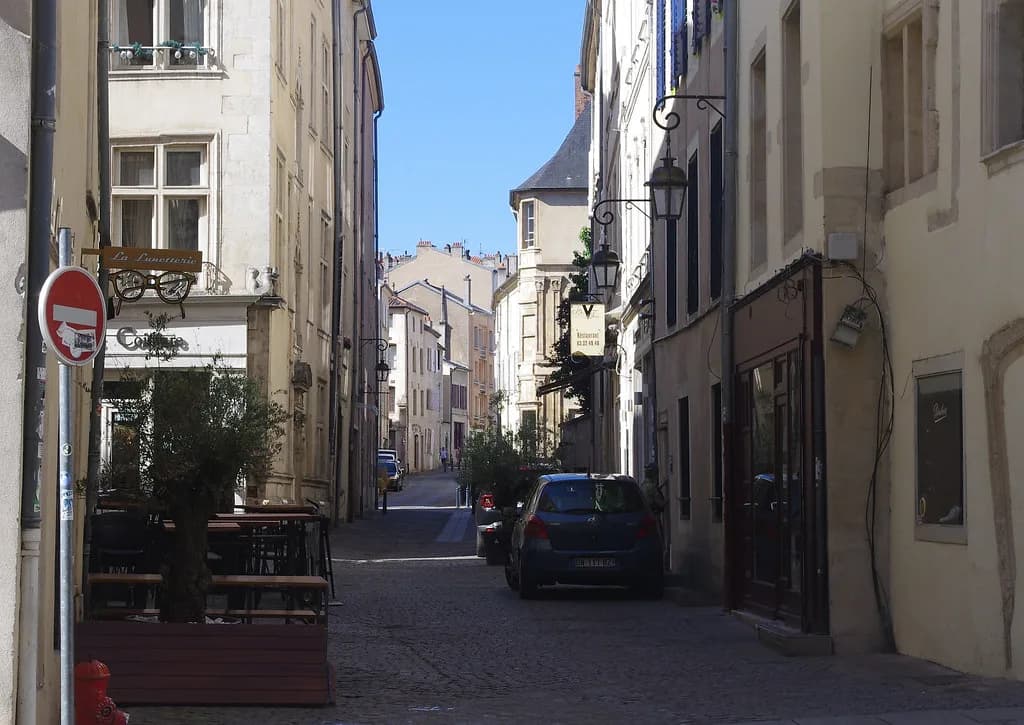
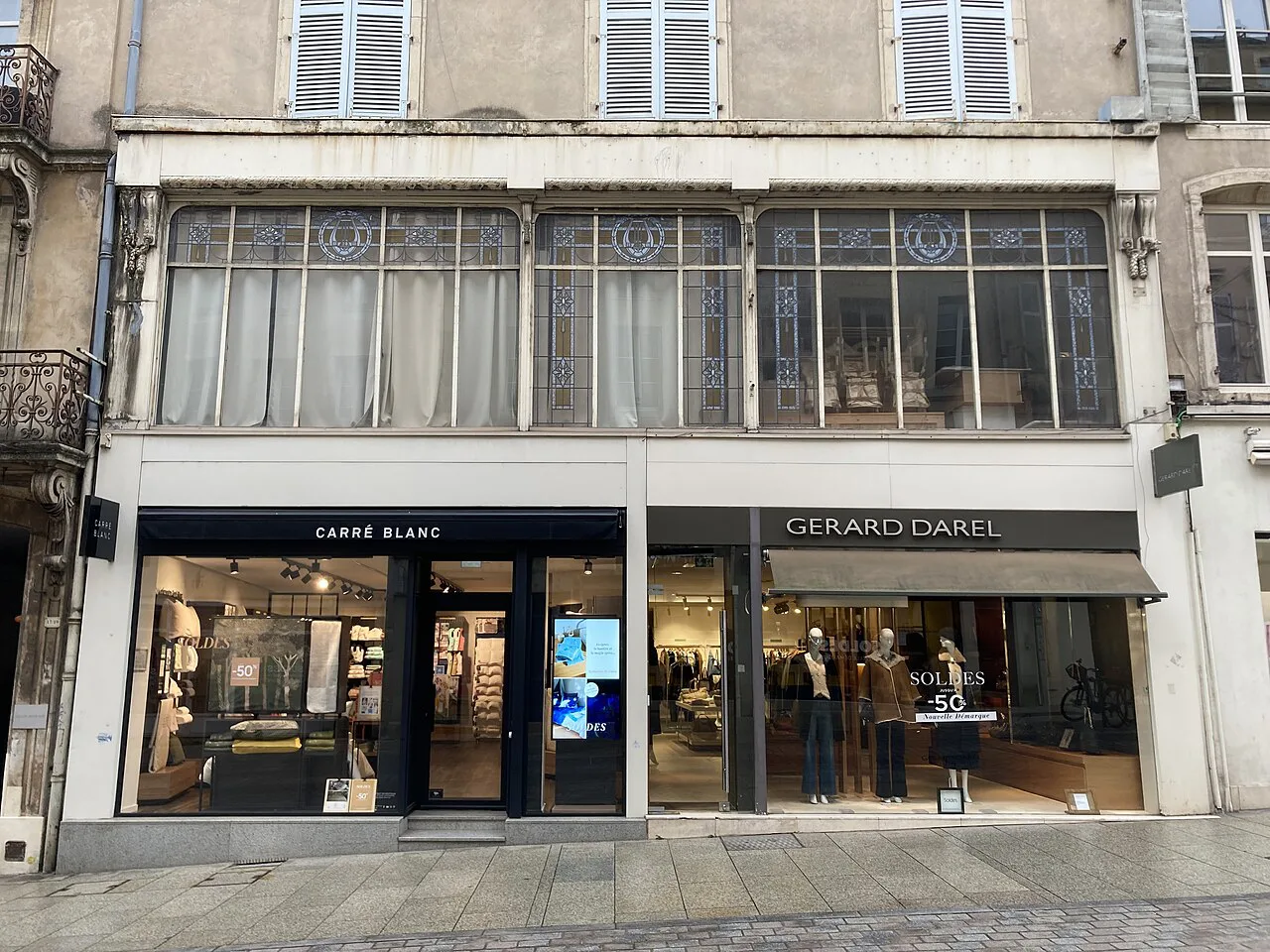
Four streets carry most of the central browsing: rue Saint-Dizier, rue Saint-Nicolas, rue Saint-Jean and rue Saint-Georges. They sit close enough together to walk as one loop rather than criss-crossing the city, which is the efficient way to handle a short break. Start on rue Saint-Dizier near Place Stanislas and work east through the other three.
Expect a mix of national chains and independent shops rather than a single department-store district. If you want to see what the tourist office currently flags, the city's official shopping pages break addresses into gourmet shops, concept stores, design boutiques and partner businesses, all worth skimming before you set out.
Place Stanislas and the surrounding quarter
Place Stanislas is a UNESCO-listed ensemble, and the surrounding streets reward slow browsing between the sights. The square is framed by the City Hall, the opera house, the Jacquet Pavilion, the Musée des beaux-arts and the Héré Arch, with two Rococo fountains at the northern corners. Building a browsing loop around it means you can dip into shops and step back out to look at the architecture.
The Musée des beaux-arts sits on the square in an eighteenth-century pavilion and holds European works from the Middle Ages to modern times. Its position makes it easy to pair a gallery hour with shopping on the same afternoon, rather than dedicating a whole day to either. For the wider gallery picture across the city, the museums in nancy guide sets out what each one covers.
Le marché central: the covered market for food and edible souvenirs
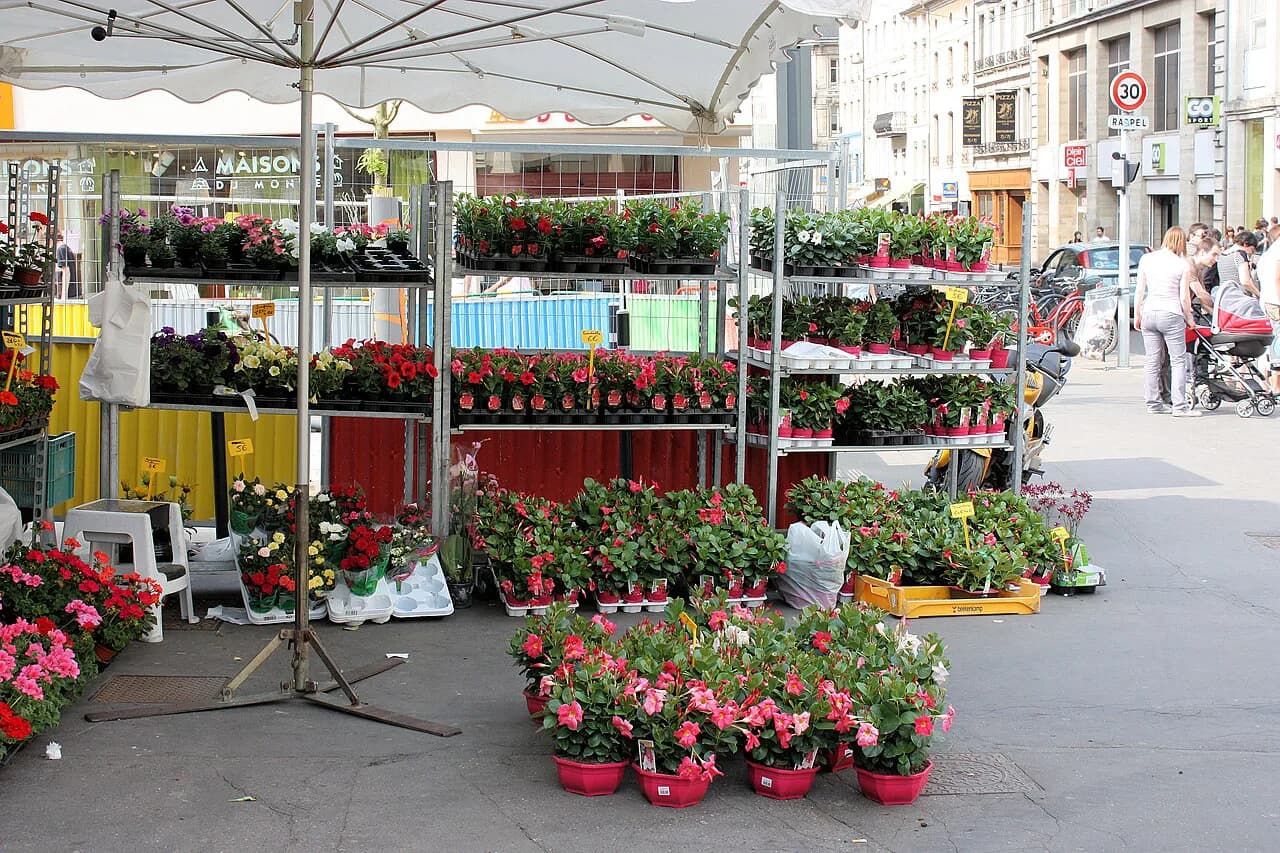
Le marché central is the covered market, and it is where the local food shopping happens: quiche Lorraine, cheese, regional sweets and the like. Go early in the day rather than late, since market stalls wind down as the morning wears on and you want the full spread to choose from. Our guide to the market in Nancy maps out the halls and what each one is best for.
Because the market is a food hall rather than a shopping street, it is the single most efficient stop for edible souvenirs in the city centre. Bring a foldable bag and buy conserves and sweets here rather than at the station. What travels well matters: tins and jars survive a train journey; a quiche does not.
What to buy in Nancy: bergamotes, mirabelles and madeleines
Bergamotes de Nancy are hard candies developed in the nineteenth century from bergamot essential oil, and they are the most portable souvenir in the city. Mirabelle plums are the regional fruit, sold fresh in summer and worked into candies and cakes the rest of the year. Madeleines come from Liverdun and Commercy in Lorraine; you will find them in Nancy shops in almond, lemon, mirabelle and bergamot variations.
The baba au rhum has a genuine local story: Stanislas I is said to have found a dry cake improved by liqueur, and the rum version came later from Nicolas Stohrer, pâtissier to his daughter Marie Leszczyńska. Buy a bergamot tin for the cupboard and a box of madeleines for the journey home; both are light and neither needs refrigeration.
Macarons from La Maison des Soeurs Macarons
Nancy has its own macaron tradition, older and plainer than the brightly coloured sandwich version. La Maison des Soeurs Macarons, founded in 1793, is described as the oldest macaron shop in Nancy and the place to try the rustic almond sort. Buy a small box rather than a large one: they are best eaten within a couple of days.
This is the clearest example of a Nancy-specific purchase. A supermarket macaron travels home in the same condition as one bought anywhere in France; a box from an old city shop is worth the detour. Pair it with the market stop, since both sit in the same central walking zone.
Quiche Lorraine and cheese: food shopping that travels
Quiche Lorraine turns up in practically every bakery in Nancy, and it makes a good lunch rather than a souvenir. If you like cheese, two well-known addresses are Le bouche à oreille and Les Frères Marchand, the latter with a cheese shop for taking something away; both take reservations seriously, so book ahead for dinner.
For the journey home, hard cheese and vacuum-packed portions are more practical than soft or runny ones. Vegetarians should note that ham appears in many local specialities, though leek quiche is a common alternative. If food is your main reason for the trip, read the guide to shopping in Lyon afterwards for a comparison of how another French city handles its food halls.
Art Nouveau as a buying theme: museum shops and Parc Saurupt
Nancy is one of the two French capitals of Art Nouveau, and the style gives your browsing a theme. The Musée de l'École de Nancy holds Art Nouveau interiors, glassware and a garden; the Villa Majorelle is a residence with period rooms. A combined pass covers both, but the Villa Majorelle needs a reserved time slot, so book the slot before you plan the rest of the day around it.
The museum shops tied to these two sites are where to buy reproductions and design gifts that carry the city's own style rather than generic French souvenirs. Parc Saurupt is the free alternative: a residential neighbourhood you can stroll to see Art Nouveau architecture without buying a ticket. Brasserie L'Excelsior, near the station, is a period room worth seeing over a meal.
Design and concept stores: using the tourist office's lists
The tourist office splits Nancy shopping into gourmet shops, concept stores and design boutiques, and its own Arty Shop, which is a useful shortcut when you want a shortlist rather than a wander. Reading the categories in advance saves you from walking the same four streets twice. Pick two or three targets and let the rest of the browsing happen naturally.
If you have browsed design shops in Cannes, the shopping in Cannes guide gives a useful contrast in scale: that city's browsing follows the Croisette, while Nancy's is compressed into a handful of walkable streets. Neither approach needs a car.

Practical rhythm: Saturday, Sunday and lunchtime
Saturday is the straightforward day: shops open, the market busy, the museums running. Sunday is where the plan needs care, since some shops close and many restaurants shut on particular days. Nancy's tourist office publishes current opening information and a CityPass, which is the place to confirm what is running on your dates.
Lunchtime is the other trap. Small independent shops in French cities often close for a couple of hours at midday, though no source here confirms the pattern for specific Nancy addresses, so check on the door or by phone. Aim for the morning for food shopping and the mid-afternoon for browsing.
A half-day shopping route that fits around the museums
Start at Place Stanislas in the morning, cross to the streets around rue Saint-Dizier and the three neighbouring shopping streets, and finish at le marché central before the stalls thin out. Lunch on quiche Lorraine, then spend the afternoon in the Musée des beaux-arts or the Art Nouveau sites, picking up a museum-shop gift on the way out.
Allow roughly half a day for the shopping itself and the rest of the weekend for the sights. If the weather turns, the nancy parks are a fair-weather option and the museums are the wet-day one. For a wider sanity check on whether the city earns a weekend at all, read is Nancy worth visiting before you book.
What to skip
Skip the fridge magnets and the generic French souvenir racks. The city's worthwhile purchases are edible or architectural: bergamotes, mirabelles, madeleines, macarons, and design pieces tied to the Art Nouveau heritage. One exception worth naming is the Daum crystal factory shop, a recognised Nancy name for glassware.
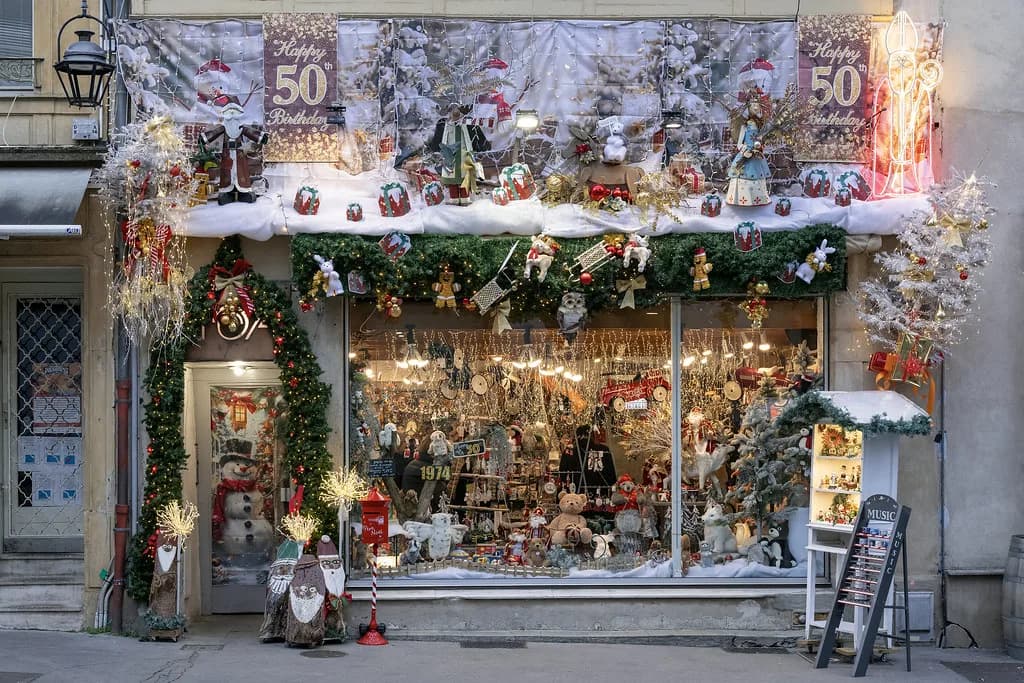
The Saint-Nicolas villages and Christmas markets are a seasonal bonus rather than a shopping strategy, and they crowd the squares. For the full picture of what else the city offers beyond the shops, the Nancy Attractions hub collects the individual guides.
Plan Your Visit
Shopping in Nancy rewards a light plan: four streets walked as one loop, the market for food, and the museum shops for design. Do the buying in the morning, leave the afternoon to the collections, and you will see the city without spending the weekend in shops.
The two things worth confirming before you travel are the museum slots, especially the Villa Majorelle, and which shops open on your Sunday. Everything else can be decided on the day, on foot.
Frequently Asked Questions
What is there to buy in Nancy?
Edible Lorraine specialities are the strongest buys: bergamotes de Nancy, mirabelle plum products, madeleines and the rustic macarons from La Maison des Soeurs Macarons. For design, the museum shops tied to the Musée de l'École de Nancy and the Villa Majorelle carry Art Nouveau reproductions.
Where are the main shopping streets in Nancy?
Rue Saint-Dizier, rue Saint-Nicolas, rue Saint-Jean and rue Saint-Georges carry most of the central browsing and sit close enough together to walk as a single loop. Start near Place Stanislas and work east.
Is shopping in Nancy good on a Sunday?
Sunday needs planning: some shops close and restaurant closing days vary. The city tourist office publishes current opening information, so check your targets for that specific date; a Saturday pattern may not hold.
What food souvenirs should I bring back from Nancy?
Tins of bergamotes, boxes of madeleines, mirabelle conserves and a small box of macarons all travel well by train. Hard cheese from a cheese shop keeps better than soft; a quiche Lorraine is best eaten in the city, not carried home.
How long do you need for shopping in Nancy?
Half a day covers the four commercial streets and the central market comfortably. Fit it into a two-day weekend alongside the Musée des beaux-arts and the Art Nouveau sights rather than treating shopping as a separate trip.
Where can I buy bergamotes and macarons in Nancy?
Bergamotes and other regional sweets are sold at le marché central and in the city's gourmet shops. La Maison des Soeurs Macarons, founded in 1793, is the specialist address for the traditional macaron.
Sources
Notes for French city breaks
Optional updates to our guides.
You might also like
Continue reading
More guides you'll find useful