Museums in Nancy: Which Ones Are Worth Your Weekend
Nancy's museums in one practical guide: the Musée des Beaux-Arts and its Daum glass, the Musée de l'École de Nancy and Villa Majorelle.
On this page
Nancy's museum strength is Art Nouveau, and two addresses carry it: the Musée des Beaux-Arts, whose basement holds the Daum crystal collection, and the Musée de l'École de Nancy, a former home packed with Gallé and Majorelle pieces. Add the Villa Majorelle on Avenue Foch and you have a coherent weekend rather than a checklist. Use this guide to decide what to pay for and what to see free in the streets. If you are weighing another Provençal city for a similar short break, our guide to museums in Aix-en-Provence covers the same decisions.
The city is compact enough that none of this demands a bus pass. Place Stanislas, the Vieille Ville and the museum quarter sit within easy walking distance of each other, while Saurupt lies south of the centre and is easiest reached by tram. For the non-museum side of the trip, our things to do in Nancy guide covers the squares and streets around them.
How Nancy's Museums Fit Together
The Musée des Beaux-Arts sits by Place Stanislas, which makes it the natural first stop on any walk through the centre. The Musée de l'École de Nancy lies across town in a former residence once owned by Eugène Corbin, the movement's financier, so reaching it takes a deliberate detour rather than a passing call. The Villa Majorelle is on Avenue Foch, reachable on foot from the historic core.
Saurupt, the garden suburb built to show off École de Nancy architecture, is south of the centre; the tram stops at Exelmans or Jean Jaurès put you between the two ends of the district. Nancy's business district, a few blocks from Place Stanislas, is the other free concentration of Art Nouveau façades. Both let you see the style without a ticket, which matters if you are watching your budget.
Musée des Beaux-Arts and the Daum Crystal Collection
The Musée des Beaux-Arts is one of France's oldest museums, and its basement holds the reason most Art Nouveau fans come: rows of Daum vases, urns and glassware produced by the Nancy family firm. The display moves from earlier classical glass through the Art Nouveau pieces the manufacture is known for and on to Art Deco and later work, including pieces made in partnership with Salvador Dalí. Look out too for the stone ramparts in the basement, the last remnant of the walls that once circled the city.
Give the museum two hours if glass is your priority, and less if you only want the Daum room. The upper collections are small but strong on late 19th-century work, so a quick circuit is enough for most visitors. The Daum shop sits across Place Stanislas from the museum if you want to see current production after the historical pieces.
Musée des Beaux-Arts: Prices, Hours and the Tuesday Closure
Full-price entry is 10 euros, with a reduced rate of 7.50 euros; the reduced price for those who qualify is 7 euros or 5 euros. Guided tours cost 3 euros for one-hour tours and 4 euros for tours of 1.5 to 2 hours, charged on top of admission. Budget for the supplement only if the tour timing suits your day, since the permanent collection is easy to cover alone.
The museum opens every day from 10am to 6pm except Tuesday, and closes on 1 January, 1 May, 14 July and other listed public holidays. Tuesday is the constraint that shapes a short break: if your weekend runs Sunday to Tuesday, put this museum on the Sunday and leave the Tuesday for the École de Nancy museum or the streets of Saurupt. Check the museum's own site before you travel if a public holiday falls in your dates.
Musée de l'École de Nancy: Gallé, Majorelle and the Corbin House
This museum occupies Eugène Corbin's former home, and the domestic scale is the point: beds, desks, lamps, chairs and armoires fill the rooms as if the household had just stepped out. Émile Gallé's bed, known as Dawn and Dusk and his last design, carries butterflies on both headboard and foot. Elsewhere you will find a piano called Death of a Swan by Louis Majorelle, a planter by Gallé and pieces by Prouvé, along with a tiled bathing nook whose maker is unknown.
Allow 90 minutes to two hours if you read the labels and linger over the stained glass, which includes work by Jacques Grüber. The nearby Rue Félix Faure is worth adding on the way out: houses by César Pain and a few by Émile André line the street. Check the museum's own opening hours and ticket price before setting out, since these are not fixed in the sources used here.
Villa Majorelle on Avenue Foch
Louis Majorelle built this house, which he called Villa Jika after his wife Jane Kretz, as an experimental showcase, bringing in architect Henri Sauvage and sculptor Alexandre Charpentier to let their imaginations run. Majorelle's studio occupied the top floor behind a huge half-moon window. The result caused a furore when it went up in the early 1900s, and the waves and swirls are still the reason to go.
Capacity is limited to 60 visitors at a time, and advance booking is required, so this is the one Nancy sight that can derail a spontaneous plan. The villa opens only in the afternoons, which means it cannot be your morning stop. Book before you leave home and build the rest of the day around that slot rather than the other way round.
École de Nancy Museum or Villa Majorelle: Pick One if Time Is Tight
With two nights, doing both is realistic: the museum in the morning and the villa in the afternoon of the same day works with the villa's afternoon-only opening. The split is genuinely complementary, since the museum shows furniture, glass and interiors while the villa shows how one family lived with the style. If you must drop one, choose the museum for breadth and the villa for architecture and the sensation of a single house.
Skip neither if Art Nouveau is why you came to Nancy. If you are ambivalent, the Musée des Beaux-Arts plus a free walk through Saurupt delivers a strong taste at lower cost and without a booking. That is the honest trade-off: depth on one street versus range across the city.
Planning Around Closing Days and Afternoon Openings
The Musée des Beaux-Arts closes on Tuesday, and the Villa Majorelle opens in the afternoons only, so a Tuesday arrival should go straight to Saurupt and the business district for façades rather than chasing tickets. A Sunday or Monday start lets you put the Musée des Beaux-Arts first and the villa the following afternoon. Build the plan around those two facts and the rest of the weekend falls into place.
The city centre layout keeps travel time low, so two museums and a walk in one day is comfortable rather than rushed. Food stops fit easily: the Excelsior brasserie near the centre has Art Nouveau woodwork by Majorelle and stained glass by Grüber, though the Art Nouveau itinerary suggests reserving. For other options around the squares, see our best restaurants in Nancy.
Prices, Passes and Whether to Add a Guided Tour
Museum entry across Nancy is modest, and the Musée des Beaux-Arts is the one place where published figures let you plan precisely: 10 euros full, 7.50 euros reduced, 7 or 5 euros for the reduced category, with tours adding 3 euros for an hour or 4 euros for longer. Glass and furniture fans should not skip the Daum room to save time; it is the collection you cannot see elsewhere in the same concentration.
The Nancy City Pass covers public transport across the city and entry to the museums named here, which makes it worth pricing against your own list of visits rather than assuming it saves money. Prices for the École de Nancy museum and the villa vary by ticket type, so compare on their own sites. If you plan to add markets or shopping, our Markets in Nancy and shopping pages cover those separately.
Art Nouveau Beyond the Museum Walls
Saurupt was laid out as a private development for well-off residents, a gated community of 88 homes whose gate on Jules-Dorget square was designed by Louis Majorelle. The original grand vision was scaled back and cheaper row houses were built, and the park was finally completed in the 1930s, which is why you will spot Art Deco alongside Art Nouveau. The tram stops at Exelmans or Jean Jaurès drop you between the two ends of the district.
The business district a few blocks from Place Stanislas is the easiest free fix: many buildings now house banks and companies, so you look up and step inside lobbies to see the Art Nouveau that survived. The Nancy Tourisme website publishes downloadable itineraries for both the business district and the residential neighbourhoods. Pair a walk with the old town for a day that costs nothing in tickets.
One Museum Deep or Three Shallow
On a two-night stay, the better trip is usually one museum in depth plus one house, with the free streets filling the gaps. Trying to cover the Musée des Beaux-Arts, the École de Nancy museum and the Villa Majorelle in a single day leaves no time for the glass or the interiors to register. The villa's 60-person limit and booking requirement make it the weakest link in an over-packed plan.
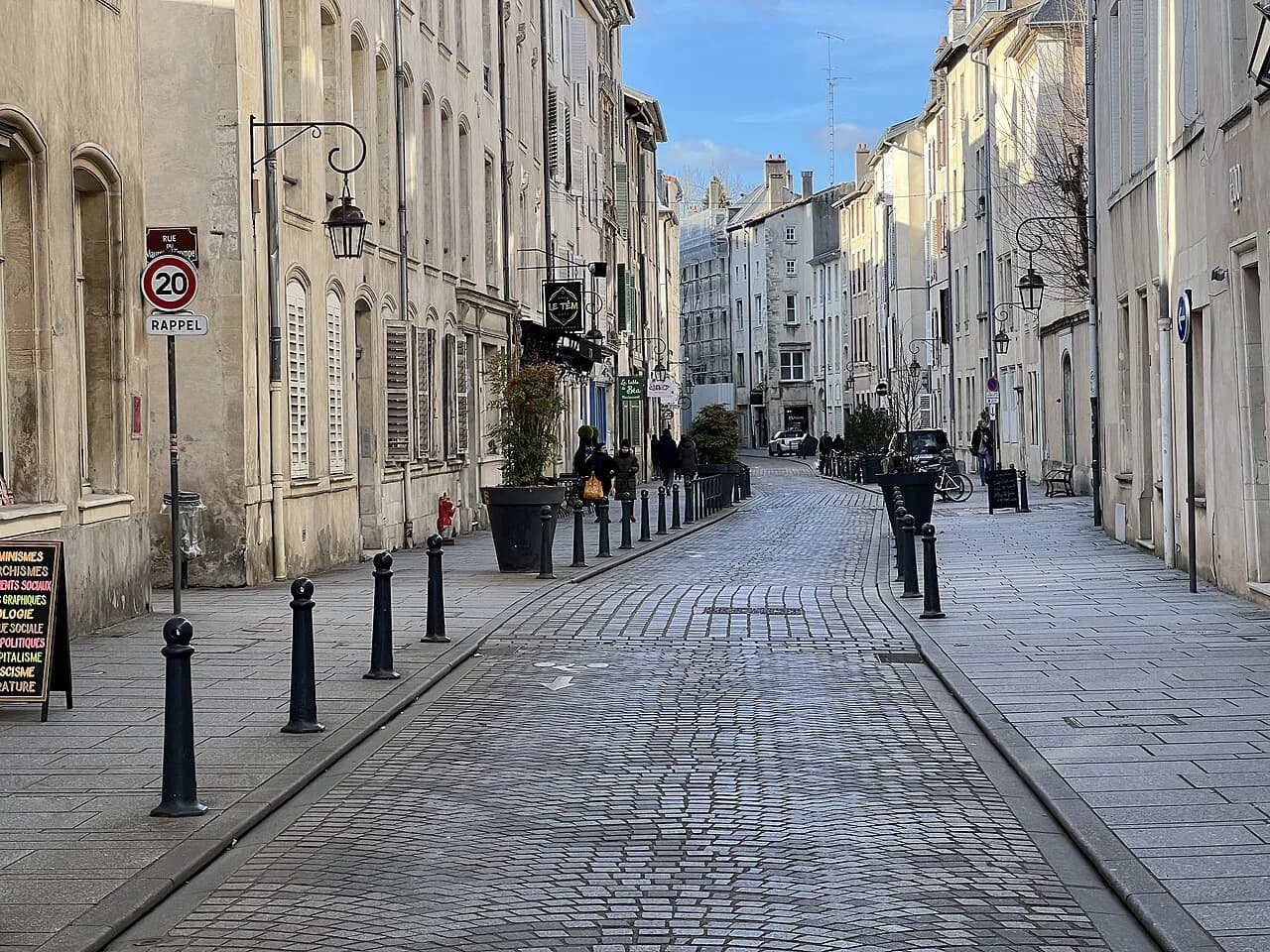
Part of the appeal is simply wandering: Nancy is a city best seen looking upwards, since Art Nouveau details sit above street level on buildings now used as offices and banks. Leave an hour unbooked for that. If you want green space between museum stops, our Nancy parks guide covers the options.
A Half-Day and Full-Day Museum Plan
Half a day: start at the Musée des Beaux-Arts when it opens, spend the morning on the Daum collection in the basement, then walk to Place Stanislas for lunch. In the afternoon, take the tram to Saurupt and walk the streets between Exelmans and Jean Jaurès. That gives you glass, architecture and fresh air without a booking.
A full day: see the Musée de l'École de Nancy in the morning, take lunch near the centre, then visit the Villa Majorelle in its afternoon slot with your booking confirmed. Finish with a walk through the business district before dinner. The order matters: the villa cannot move to the morning.
Museums and the Place Stanislas Lunch Break
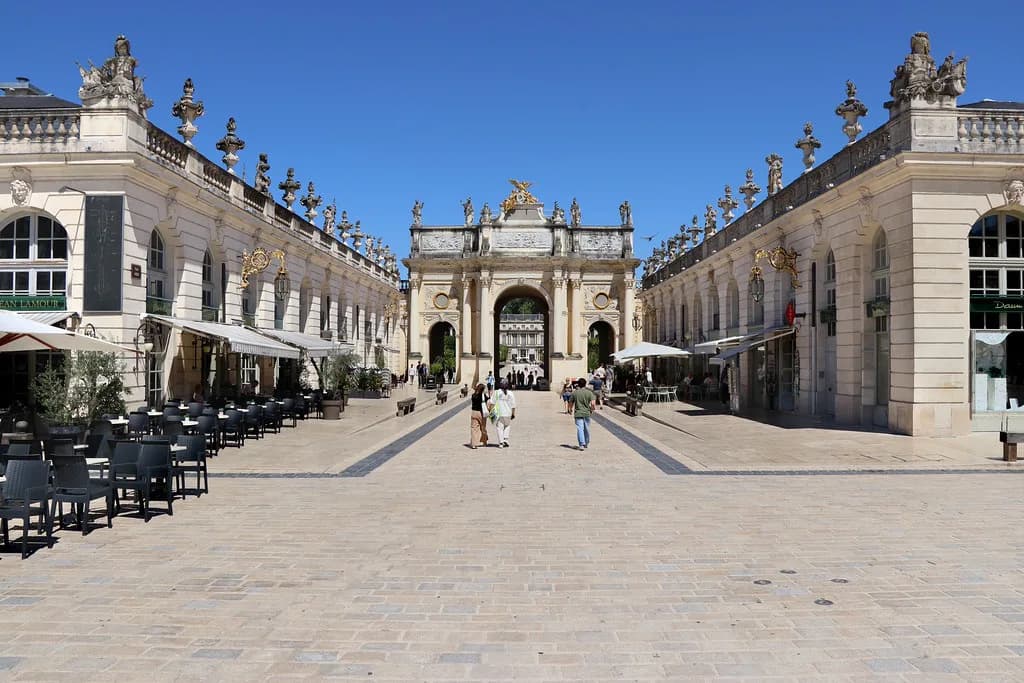
Place Stanislas works as the hinge of a museum day: the Musée des Beaux-Arts is close by, the Daum shop faces the square and cafés line the edges for a sit-down break. The Art Nouveau itinerary suggests the Excelsior brasserie for its décor as much as its food, with a reservation advised. A café on the square at dusk, waiting for the blue hour, is a good way to close the day.
If you would rather graze than sit, a bakery quiche Lorraine is the local quick lunch and fits a tight schedule between museum slots. Nancy's small scale means you can return to the centre between visits without losing the afternoon. Read our Nancy Attractions hub for the rest of the city's sights beyond the museums.
Plan Your Visit
Nancy rewards a short break organised around two fixed points: the Musée des Beaux-Arts, closed Tuesday and open 10am to 6pm otherwise, and the Villa Majorelle, afternoon-only and bookable in advance. Fill the rest with the École de Nancy museum and free walks in Saurupt and the business district. Confirm prices and opening times on each site before you travel, then plan your days the other way round.
Explore more Nancy guides
Frequently Asked Questions
What museums are worth visiting in Nancy?
Three stand out: the Musée des Beaux-Arts for its Daum crystal collection in the basement, the Musée de l'École de Nancy for Gallé and Majorelle furniture in Eugène Corbin's former home, and the Villa Majorelle for Majorelle's own experimental house on Avenue Foch. The first two reward two hours each, while the villa needs a booked afternoon slot.
How much does the Musée des Beaux-Arts in Nancy cost?
The museum publishes full, reduced and guided-tour rates on its official prices page, and rates change, so check the figure there before you go. The guide above gives the published amounts alongside the page that lists them.
Is the Musée des Beaux-Arts in Nancy open on Tuesdays?
No. It opens every day from 10am to 6pm except Tuesday, and also closes on 1 January, 1 May, 14 July and other listed public holidays. Plan Tuesday around the École de Nancy museum or the free Art Nouveau streets in Saurupt instead.
How long do you need at the Musée de l'École de Nancy?
Allow 90 minutes to two hours if you read the labels and linger over the stained glass and furniture. The house is domestic in scale, so it never feels like a large gallery. Add time for the nearby Rue Félix Faure houses on the way out.
Do you have to book Villa Majorelle in advance?
Yes. Only 60 visitors can be inside at a time, and the villa opens only in the afternoons, so advance booking is required. Book before you leave home and build the rest of the day around that slot, since the villa cannot be moved to a morning.
Is the Nancy City Pass worth it for museums?
The pass covers public transport across Nancy and entry to the museums named here, so it is worth pricing against your own list of visits. If you plan to see two or three of them in a weekend and use the tram for Saurupt, it can make sense. Compare its current price on the official tourist office site first.
Which Nancy museum is best for Art Nouveau?
The Musée de l'École de Nancy is the best single introduction, since it shows the period's furniture, glass and interiors together in a former home. For glass specifically, the Daum collection in the Musée des Beaux-Arts basement is the draw. The Villa Majorelle adds architecture and a sense of how one designer lived with the style.
Sources
Notes for French city breaks
Optional updates to our guides.
You might also like
Continue reading
More guides you'll find useful