Parks in Nancy: Green Spaces Worth a Weekend Stroll
A practical guide to parks in Nancy, from the Parc de la Pépinière beside Place Stanislas to Parc Sainte-Marie near the Musée de l'École de Nancy.
On this page
Nancy rewards travellers who treat its green spaces as route markers rather than destinations. The Parc de la Pépinière sits minutes from Place Stanislas, Parc Sainte-Marie is close to the Musée de l'École de Nancy, and Parc de la Cure d'Air trades convenience for a panorama over the city. Slot them between museums and the old town instead of dedicating a day to them.
What Nancy's parks add to a weekend
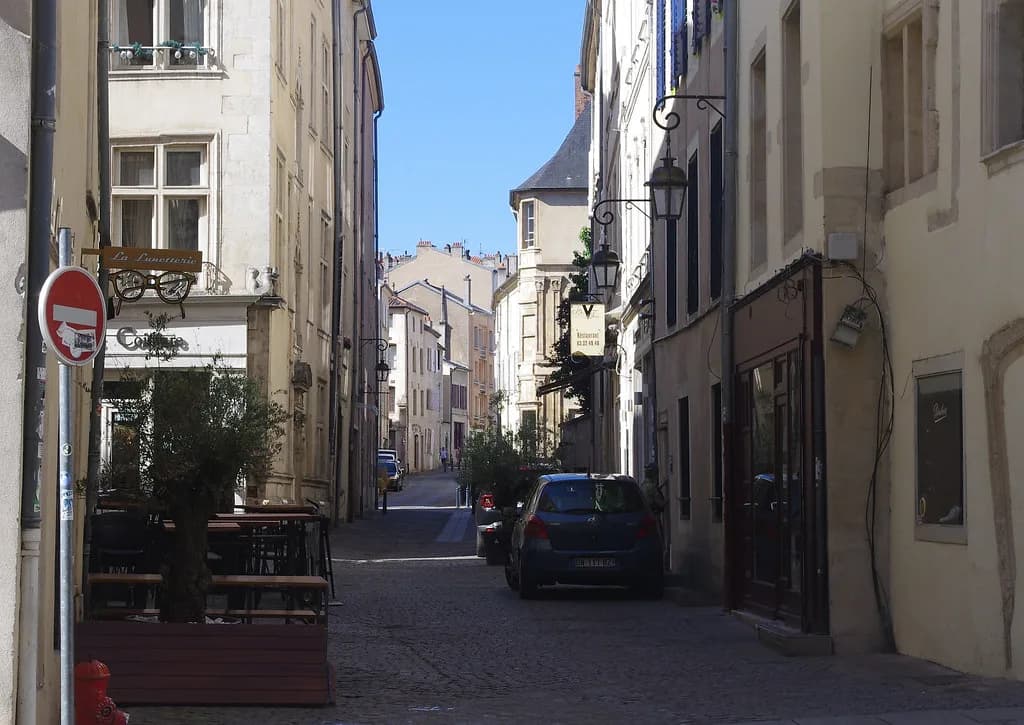
Nancy is compact enough to cross on foot, and its parks work best as breathing space between dense sights. The historic core around the Grande Rue and Place Saint-Epvre is a tangle of medieval streets and Renaissance mansions, so an hour on grass resets the day before an afternoon of Art Nouveau interiors. Build the parks into your plan for things to do in Nancy rather than treating them as a separate outing.
Expect urban gardens, not wilderness. The city's green spaces are formal, central and easily reached from the sights you came for, which makes them ideal for a short break where time is tight. Anyone weighing up whether the city justifies the trip at all will find the answer in its architecture and squares rather than its lawns, and travellers comparing greener stops can weigh these against the parks in Montpellier.
Parc de la Pépinière: the central green lung
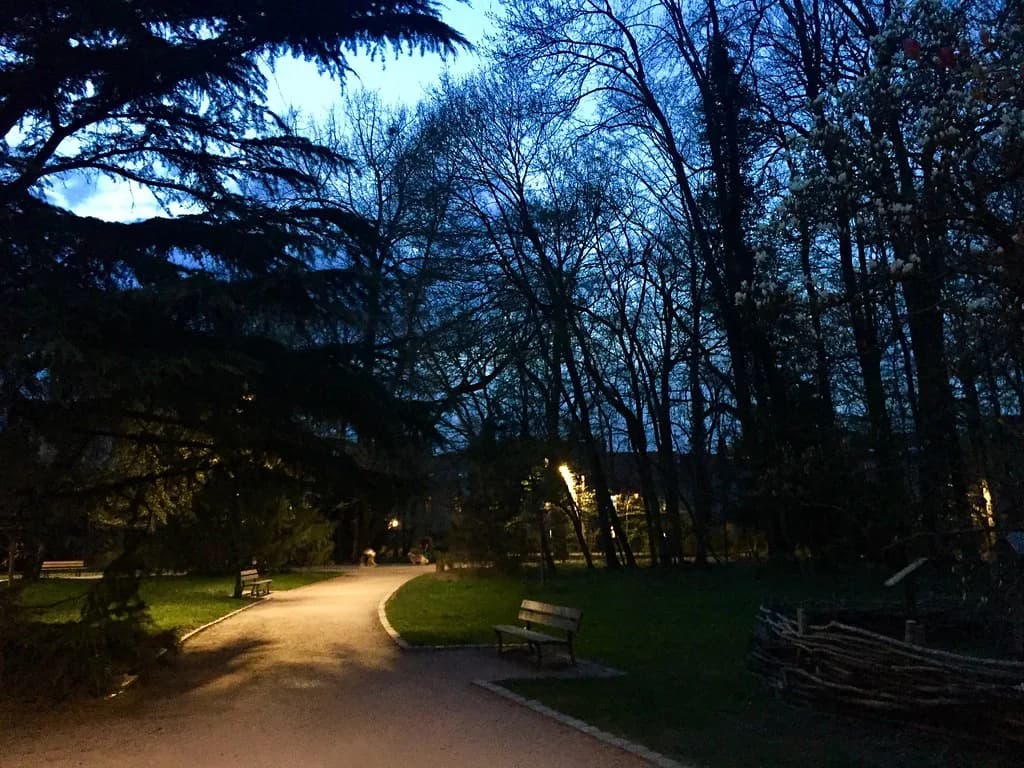
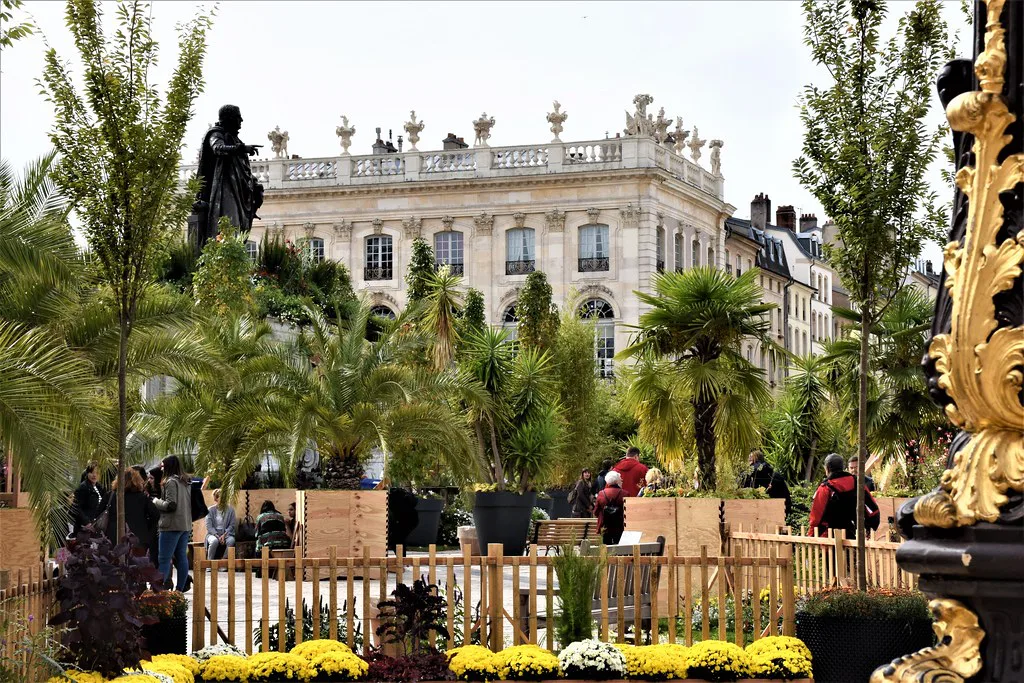
The Parc de la Pépinière covers almost 21 hectares near Place Stanislas and locals call it the city's green lung. It is the most useful park for a weekend because it sits in the heart of the centre: lawns for picnics, a rose garden with a range of flower species, playgrounds, a merry-go-round and even a puppet theatre, plus a small animal enclosure with monkeys, deer and mouflon. Families get the most out of it; couples after a quiet bench should head for the quieter corners away from the play areas.
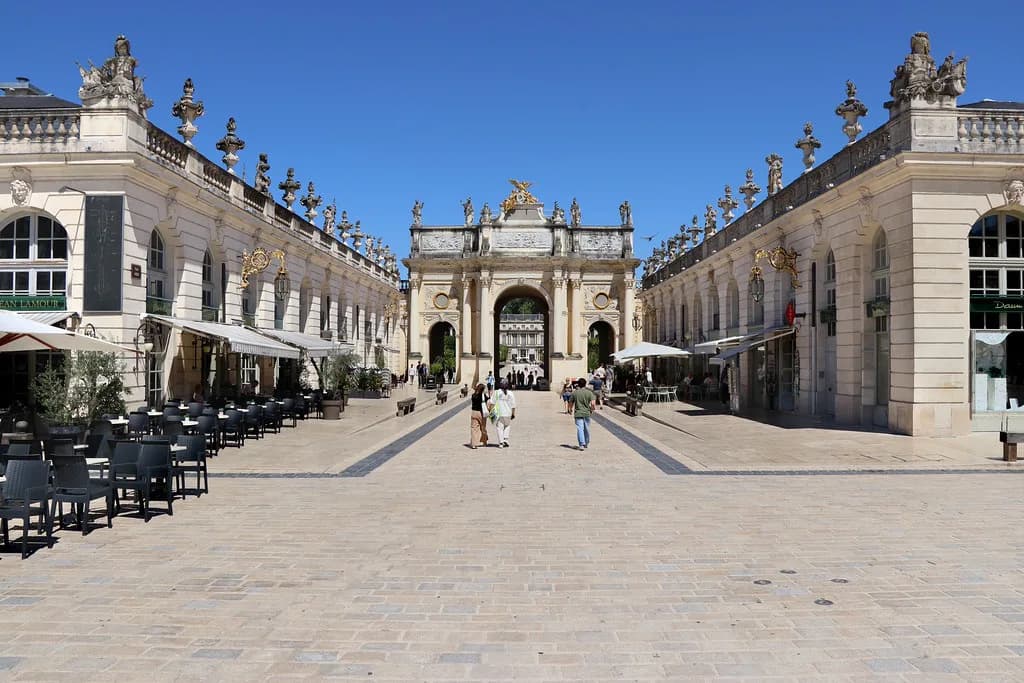
Pair it with the square itself. Place Stanislas is a UNESCO-listed ensemble of 18th-century classical architecture, with gilded wrought-iron gates by Jean Lamour and two fountains, and the Musée des Beaux-Arts occupies one of its pavilions. A loop that takes in the square, the museum's Daum glass collection in the basement and a lap of the Pépinière fills a comfortable half-day without any transport.
Rue des Écuries and its footbridges over the Pépinière
For a short detour on the edge of the old town, look for the Rue des Écuries, named for the stables that once served the Duke of Lorraine. Its private houses are linked to the Parc de la Pépinière by small bridges and suspended footbridges, a quirk that makes a five-minute walk feel like a discovery. Take it as a connector between the historic centre and the park rather than a sight in its own right.
Parc Sainte-Marie: the natural pairing with the Musée de l'École de Nancy
Parc Sainte-Marie sits near the Musée de l'École de Nancy and is planted with trees from around the world, which makes it the easiest park to combine with an Art Nouveau morning. The museum occupies Eugène Corbin's former home and holds stained glass, furniture, ceramics and glassware from the movement, so a walk among mature trees afterwards balances a dark, object-heavy interior.
Plan the pairing around the Villa Majorelle, a short walk away on Rue Louis Majorelle. It was the first entirely Art Nouveau house in Nancy, and visits run in the afternoons only, with a limited number of people admitted at a time, so a reserved slot is essential. Book the villa, then use the park and the École de Nancy museum to fill the rest of the day; the two museums are a few minutes apart on foot.
Parc de la Cure d'Air: the climb and the view
Parc de la Cure d'Air is the one green space that asks for effort. It sits further from the centre and the approach involves hills and steps, which is the trade-off for a panoramic view back over Nancy. Wear proper shoes and go on a clear morning rather than squeezing it into a tight schedule; the climb is the point, not an obstacle to be rushed.
If knees or time are limited, drop it without guilt. The central parks deliver the greenery a weekend needs, and the Cure d'Air view duplicates what you can see from street level around the old town's gates and towers. Save it for a second visit or a longer stay.
Parc de Saurupt: a walk through Art Nouveau housing, not a park
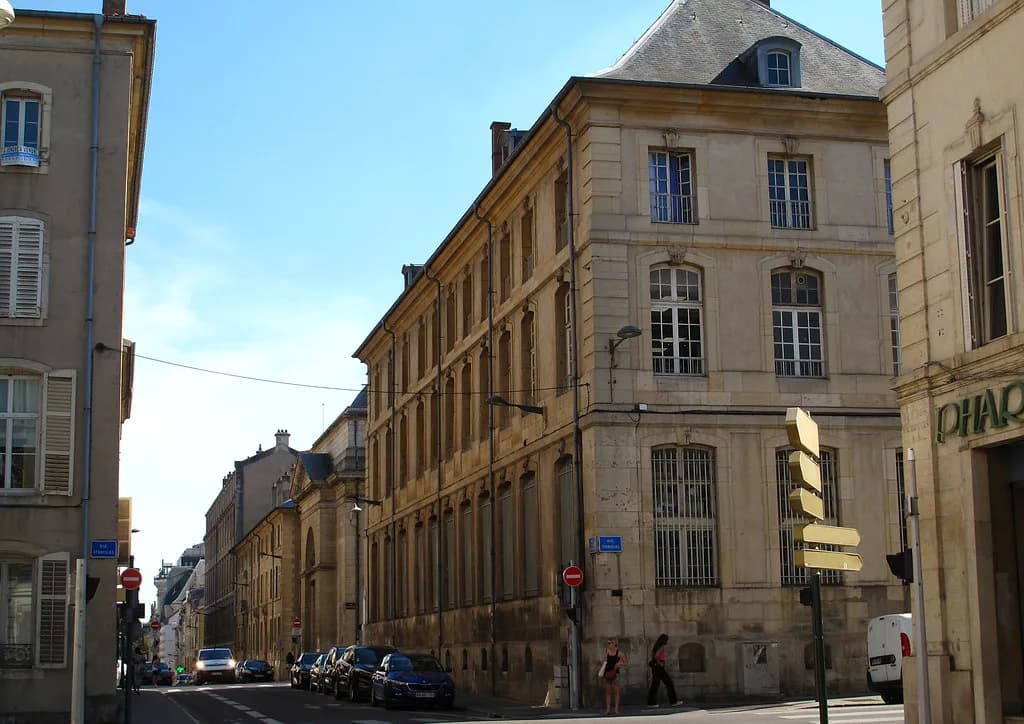
Saurupt is not a landscaped garden to sit in; it is a residential development south of the centre, laid out to show off École de Nancy architecture for well-off buyers. The original plan for 88 homes was scaled back, the whole park was finished only in the 1930s, and the result mixes Art Nouveau houses with straighter Art Deco buildings. Treat it as an architecture walk and keep your voice down: people live here.
Reach it by tram and get off at Exelmans or Jean Jaurès; the streets you want lie between the two stops. The gate on Jules-Dorget square was designed by Louis Majorelle, and the stroll is free, which makes it a good counterweight to ticketed interiors. Add it to an Art Nouveau afternoon rather than a park day.
Fitting the green spaces around Place Stanislas and the Ville Vieille
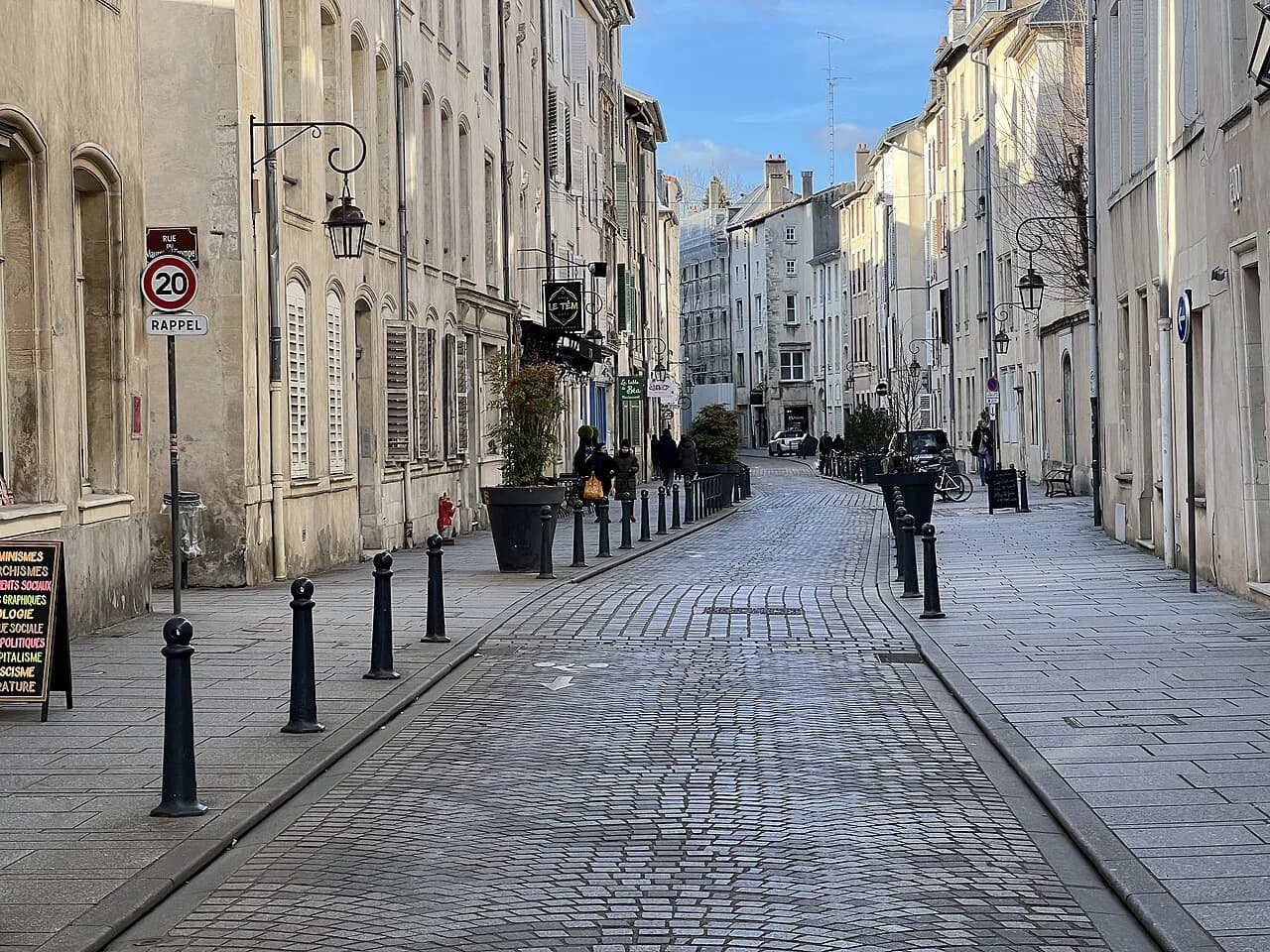
The Ville Vieille, Nancy's medieval heart, clusters around the Grande Rue, the Ducal Palace and the Porte de la Craffe, the oldest surviving piece of the city's walls. From there it is a short walk to Place Stanislas and then the Pépinière, so a single loop covers Gothic gates, Renaissance mansions, an 18th-century square and a park without public transport. Start at Place Saint-Epvre, follow the Grande Rue to the Craffe gate, then drift towards the square.
The order matters more than the distance. Museums and interiors eat time and attention, so put the park at the end of the loop, when you want daylight and no queues. If you are browsing the shops along Rue Saint-Dizier and the surrounding commercial streets, the Pépinière is the obvious place to pause between purchases.
Practical points: market days, Sunday closures and timing
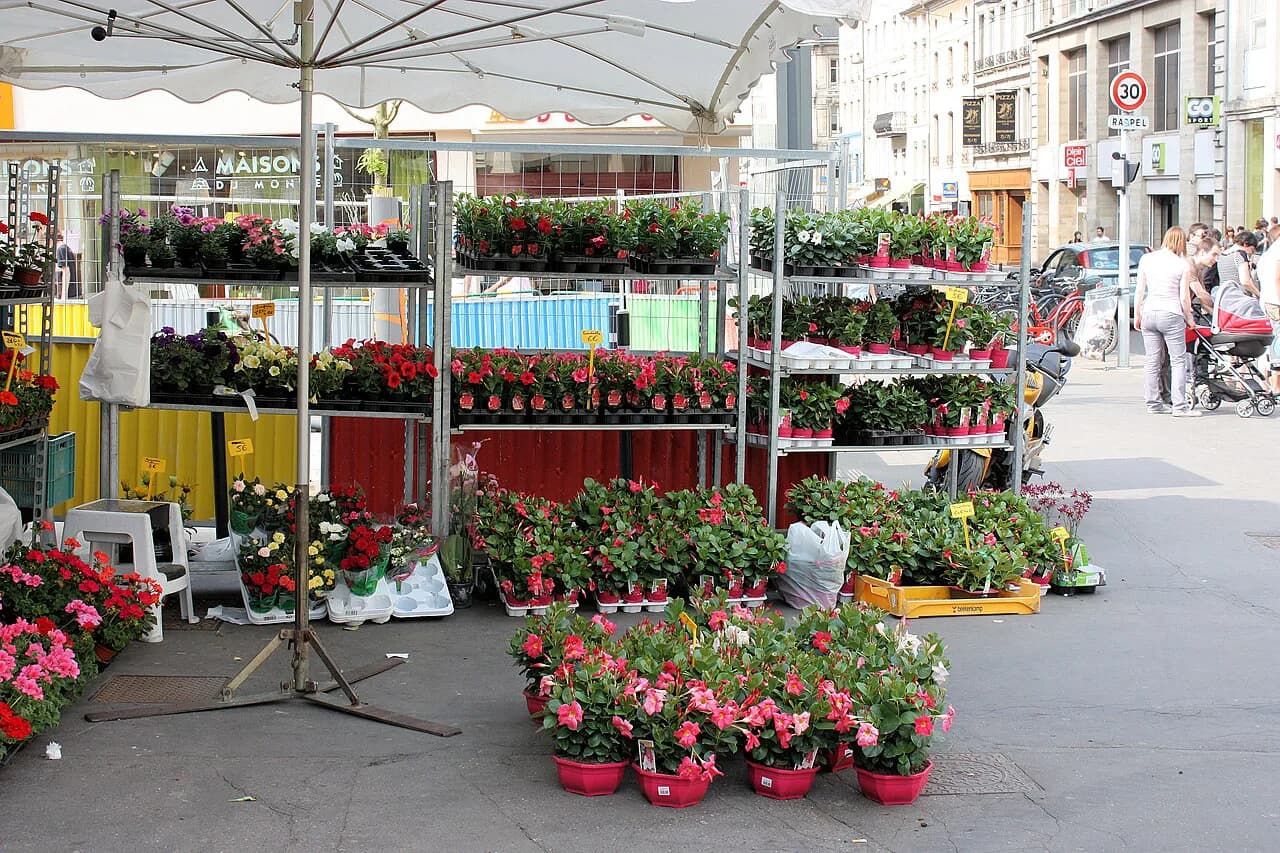
The covered Nancy market on Rue Saint-Dizier brings together almost 60 traders in a U-shaped building, with produce, flowers and books alongside small places to eat. It is open five days a week, so check the current days before you build a morning around it. A market breakfast followed by a walk in the Pépinière is the most efficient use of a short weekend morning.
Work your days around fixed commitments rather than the other way round. The Villa Majorelle admits visitors in reserved afternoon slots, and the École de Nancy museum and the Musée des Beaux-Arts carry their own calendars. Check each museum's current days and any combined pass before you travel, since these determine whether your park time fits before or after your visits.
Two sentences of advice cover the rest: check the tourist office website for current park facilities and museum opening days shortly before you go, and keep one flexible afternoon for weather. Christmas markets and Saint-Nicolas festivities fill the squares at the turn of the year, but they are a bonus rather than a reason to plan the trip around parks.
Where parks sit in a one-day or two-day Nancy plan
With one day, skip the Cure d'Air and string together the old town, Place Stanislas and the Pépinière on foot. Add either the Musée des Beaux-Arts or the Musée de l'École de Nancy, not both, and finish with the Daum shop across from the museum if glass is your interest. That leaves a genuine half-day of Art Nouveau rather than a rushed circuit.
With two days, give the first to the Ville Vieille and the central squares, with the Pépinière as your rest stop, then use the second for Art Nouveau: the museum, a reserved Villa Majorelle slot and a Saurupt walk. Squeeze Sainte-Marie in between the museum and the villa, and take the Cure d'Air climb only if the weather and your legs cooperate. The full menu of sights, including the squares and the Porte de la Craffe, is worth a scan before you commit.
Plan Your Visit
Nancy's parks work as punctuation: the Pépinière for a picnic near the square, Sainte-Marie for a quiet hour after the École de Nancy museum, the Cure d'Air for a view if you fancy the climb. Saurupt belongs with the architecture, not the gardens, and the central green spaces alone justify only an hour or two of a weekend. Give the Art Nouveau interiors and the old town the bulk of your time and let the parks fill the gaps.
Explore more Nancy guides
Frequently Asked Questions
What parks are there in Nancy?
The main ones are the Parc de la Pépinière near Place Stanislas, Parc Sainte-Marie near the Musée de l'École de Nancy, and Parc de la Cure d'Air further out, which involves a climb. Saurupt is often mentioned in the same breath but is a residential development of Art Nouveau and Art Deco houses rather than a landscaped garden, so treat it as an architecture walk.
Is the Parc de la Pépinière worth visiting?
Yes if you want a central pause. It covers almost 21 hectares, is nicknamed the city's green lung, and has a rose garden, playgrounds, a puppet theatre and a small animal enclosure. It sits close enough to Place Stanislas to combine with the square and the Musée des Beaux-Arts in a single loop.
How far is Parc Sainte-Marie from the Musée de l'École de Nancy?
The two are near each other, which is why the park makes an easy pairing with the museum. Allow a few minutes on foot between them and check the museum's current days before you go, then slot the park in either before or after your visit.
Is Parc de Saurupt a park?
No. It is a residential neighbourhood south of the centre, planned to showcase École de Nancy architecture, with the whole development finished only in the 1930s. You go for the houses, the Majorelle gate on Jules-Dorget square and the mix of Art Nouveau and Art Deco facades, not for lawns.
Can you walk between Nancy's parks and the old town?
The central parks and the old town are walkable on one loop: Place Saint-Epvre, the Grande Rue, the Porte de la Craffe, then Place Stanislas and the Pépinière. Parc de la Cure d'Air is the exception, needing a climb and a longer approach, so use public transport or accept a longer walk.
What can you do in Nancy's parks with children?
The Parc de la Pépinière is the family choice, with playgrounds, a merry-go-round, a puppet theatre and a small zoo with monkeys, deer and mouflon. The other green spaces are quieter and better suited to a stroll than to entertaining young children.
How should parks fit into a one-day Nancy itinerary?
Use the Pépinière as your rest stop between the old town and Place Stanislas, then pick one museum rather than two. Skip the Cure d'Air climb on a single-day trip and leave Saurupt for a second visit or a longer Art Nouveau afternoon.
Sources
Notes for French city breaks
Optional updates to our guides.
You might also like
Continue reading
More guides you'll find useful