Parks in Lyon: Green Spaces Worth a Detour
A practical guide to parks in Lyon, from Parc de la Tête d'Or to Jardin Rosa Mir, with what each offers and how to fit one into a city break.
On this page
Lyon's parks are worth an hour or two of a city break, but only Parc de la Tête d'Or justifies half a day on its own. The rest work best as deliberate pauses between the sights you came for, whether that is a stretch of the Croix-Rousse slopes or a breather after a long lunch. Pick one large park or one small garden and build the day around it rather than trying to tick off every green space.
What Lyon's parks add to a short break
The city's green spaces give you a reason to cross from one quarter to another, and that movement is often the point. A morning in the museums followed by an afternoon under trees resets the pace, especially in summer when stone squares hold the heat. Treat parks as glue between the headline sights rather than as destinations that compete with them.
The practical decision is size versus proximity. Parc de la Tête d'Or sits north of the centre within the city grid, Parc Blandan occupies a former military site on the eastern side, and Jardin Rosa Mir is a tiny walled garden on the Croix-Rousse slopes. If you have only one free afternoon, choose the green space that sits closest to where you already plan to be. For the wider sight list, the things to do in Lyon guide sets out the museums, quarters and riverbank walks you are fitting the parks around.
Parc de la Tête d'Or: the big one, and what it holds
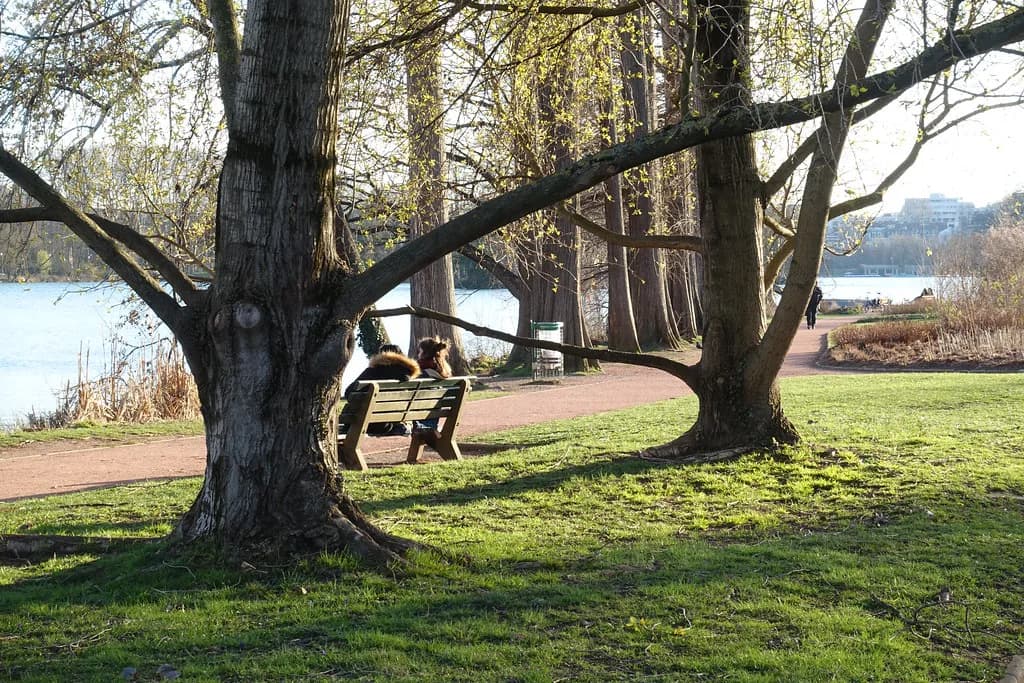
Parc de la Tête d'Or is Lyon's principal park and the one place where a half day is realistic rather than indulgent. The city's own parks listing names it first among the places to go for a stroll, and the Tripadvisor nature and parks list for Lyon also puts it at the top of its rankings. Inside the gates you will find the Zoo de Lyon, which appears as a separate entry on that same attractions list, so plan whether the animals are part of your visit before you set out.
Because the park is large, decide in advance how you will use it: a circuit on foot, a picnic, or a targeted stop at the zoo. A single loop with a pause takes roughly ninety minutes at an unhurried pace; adding the zoo or a long lunch pushes it towards a half day. The park is the strongest single argument for giving Lyon a second day, and it pairs naturally with the museums and riverbank on the same side of the city. If you are still weighing up the trip, the case for why Lyon is worth visiting rests on exactly this density of things to do within a compact centre.
Parc Blandan: a different, more urban kind of green space
Parc Blandan appears on Lyon's official parks and gardens listing, and it behaves quite differently from the Tête d'Or. It occupies a former military site and mixes open lawns with the retained walls and structures of the old barracks, which gives it a more architectural, less pastoral character. That makes it a good choice if you want a green pause that still feels like part of the city rather than an escape from it.
Allow around an hour here unless you plan to eat or let children run, and treat it as a stop on the way between other sights rather than a headline destination. It rewards travellers who have already seen the centre and want to understand how Lyon absorbs its former military land into everyday life. For a first weekend, it sits behind the Tête d'Or in priority; for a return visit or a slower trip, it earns its place.
Jardin Rosa Mir: the small, unusual stop
Jardin Rosa Mir is the odd one out among Lyon's green spaces: a small garden on the Croix-Rousse slopes, listed on the city's official parks page and also appearing on the Tripadvisor nature and parks list. Its reputation rests on its densely decorated surfaces rather than on lawns or scale, which is why it takes minutes rather than hours. Come for the curiosity value and the setting, not for a long afternoon outdoors.
The trade-off is straightforward. It is small enough that a dedicated trip across the city would feel thin on its own, so it works best folded into time on the Croix-Rousse. Check the current access arrangements before you build a morning around it, since a garden of this size can be affected by seasonal arrangements or restoration work. Standing in a stair-lined quarter with silk-workers' history around you is a good part of the reward.
The Fine Arts Museum garden and other central green pauses
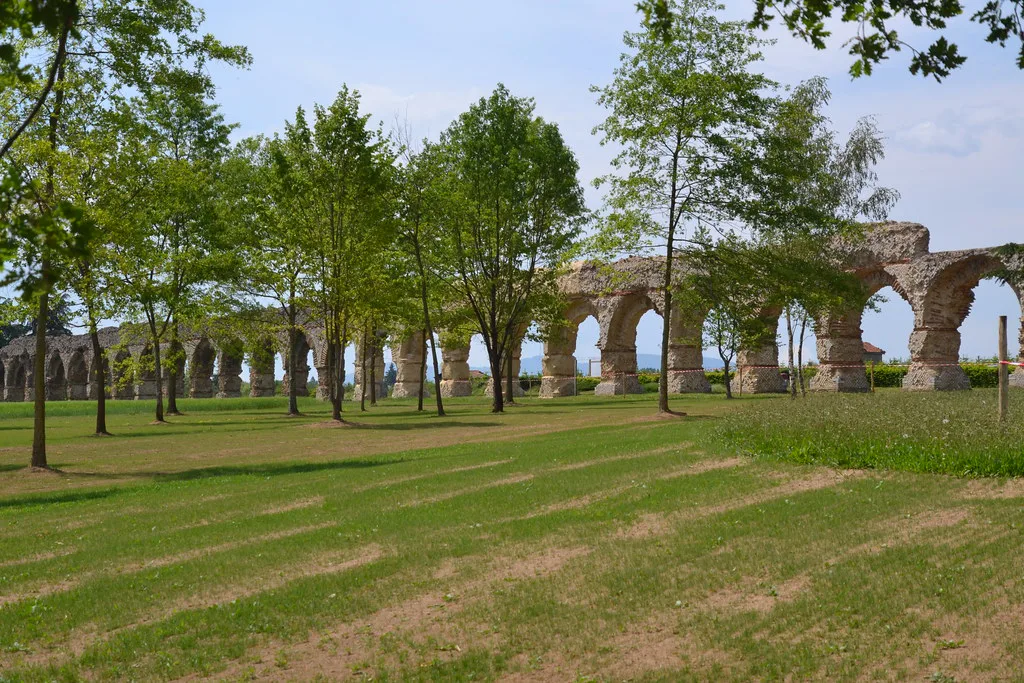
The garden attached to the Fine Arts Museum is the most convenient green pause in the centre, named on the city's parks and gardens listing alongside the Tête d'Or and Jardin Rosa Mir. It suits a short stop between galleries rather than a planned excursion, and it lets you break up a museum visit without crossing the city. If your day is built around the central squares, this is the garden you are most likely to use.
Use it as a timing tool: a twenty-minute sit outdoors between two exhibition halls keeps a museum-heavy day bearable. It is not a destination in its own right, and treating it as one would be a mistake. Combined with a walk along the Rhône, however, it gives the centre a green thread that needs no travel time. When you plan the rest of the day, the best restaurants in Lyon are usually within reach of these central stops, so lunch and a garden visit sit naturally together.
Jardin Pierre Dupont and Grand Parc: the further-flung options
Jardin Pierre Dupont and Grand Parc appear on Lyon's official parks and gardens listing, and both sit outside the tight centre you will likely cover on foot. That distance is the whole trade-off: they are quieter and more local in feel, but they cost you travel time that a short break may not have spare. Choose one only if you have a third day or you specifically want to see how Lyon lives away from the sights.
For a two-day trip, the honest answer is to skip them. For a three-day trip, pick one and pair it with whatever else draws you to that part of the city rather than making a return journey for the park alone. This is the same principle as choosing between parks in other French cities: the further out you go, the more the park needs to justify the trip on its own merits. Read the city's parks listing for what each one contains before committing.
Jardin Rosa Mir and the Croix-Rousse connection
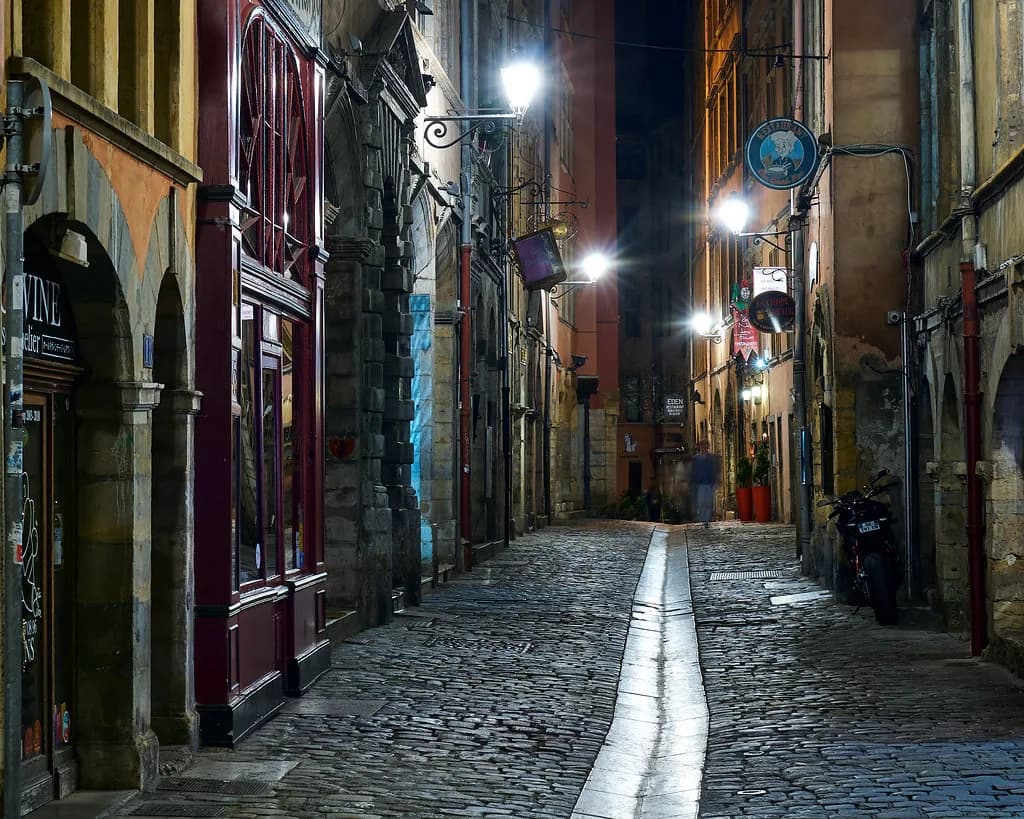
The Croix-Rousse slopes are the reason Jardin Rosa Mir works as a stop rather than a detour. The quarter's stairways, traboules and views over the city give the garden context, and the walk between them is the real activity. Build a half-day loop that takes in the slopes and the garden rather than travelling up specifically for a few minutes inside a small walled space.
The practical sequence is to walk up through the quarter, see the garden, and come down into the centre for the rest of the day. This pairs well with an evening in the old town, where Lyon old town walking is easiest before dinner. If your trip is short, this loop can replace a park visit entirely and still give you the green-and-view combination you were after.
How the parks fit a one-, two- or three-day Lyon plan
On a one-day trip, take the Fine Arts Museum garden as your only green stop and spend the rest of the day in the centre. On two days, give the Tête d'Or a half day and use the remaining time for the old town and a museum. On three days, add either Parc Blandan or the Croix-Rousse and Jardin Rosa Mir loop, depending on whether you want architecture or hillside views.
The parks are a supplement to Lyon's sights, not a substitute itinerary. Grouping green space with the quarter it sits in keeps travel time down and stops the day becoming a series of unconnected stops. The Lyon Attractions hub lists the individual guides for the major sights, which makes it easier to see what a park would be replacing.
Practical points: entrances, walking links and time allowances
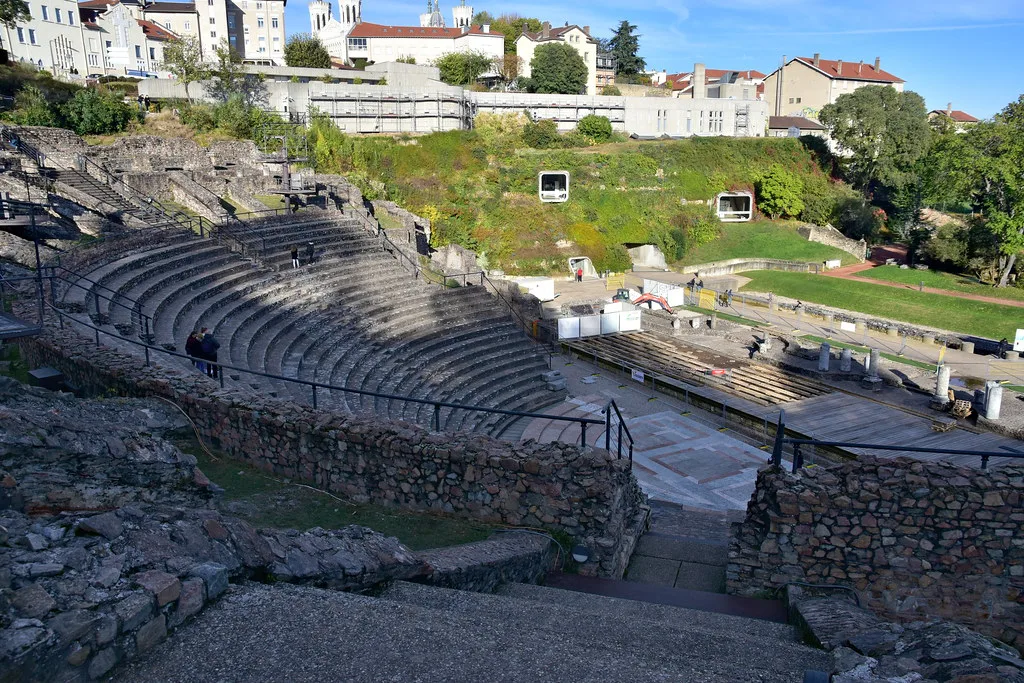
Work out your entrance before you leave, because a large park can put you a long walk from the part you wanted to see. For the Tête d'Or, decide whether you are heading for the zoo or the open lawns and approach from the matching side. For Jardin Rosa Mir, plan the approach on foot through the Croix-Rousse rather than expecting to arrive at a front door from a main road.
Time allowances are more useful than opening times when you are planning: about twenty minutes for the museum garden, an hour for Parc Blandan, ninety minutes to a half day for the Tête d'Or, and a half day for the Croix-Rousse loop including the garden. The city's parks and gardens listing is the place to confirm current access before you travel, particularly for the smaller gardens. Outside the parks, the same rule applies to Lyon's markets and museums, several of which keep set days.
Where parks sit against Lyon's other sights
Lyon's strengths are its old town, its museums and its food, and the parks sit behind all three in priority. That does not make them filler: a half day under trees in the Tête d'Or is one of the better ways to spend an afternoon in the city, and the Croix-Rousse loop gives you views that no museum can. The mistake is treating a park visit as a compulsory item on a checklist.
Use the parks to shape the rhythm of the trip rather than to fill gaps. A green stop after a heavy museum morning, or a hillside walk before a long dinner, does more for a weekend than a rushed circuit of every garden on the map. If you are still deciding how long to give the city, the best time to visit lyon guide covers seasons and how they change what is pleasant outdoors.
Plan Your Visit
Pick one large park and one small garden, place them next to the sights you already want to see, and let the rest go. Parc de la Tête d'Or earns a half day, Jardin Rosa Mir earns a place in a Croix-Rousse walk, and the museum garden earns a twenty-minute pause. That combination fits comfortably into a two-day break without crowding out the old town or a proper lunch.
Parks in Montpellier reward the same selective approach if you are comparing French cities for a short break, and the same logic of picking one large green space over many holds there too. In Lyon, the green spaces work best as the connective tissue of a weekend rather than its centrepiece.
Explore more Lyon guides
Frequently Asked Questions
What is a must-see park in Lyon?
Parc de la Tête d'Or is the one park that justifies a trip on its own, and it is listed first among the city's places to go for a stroll. It holds the Zoo de Lyon within its grounds, so decide whether the animals are part of your visit before you set out.
How long do you need at Parc de la Tête d'Or?
Allow about ninety minutes for a loop with a pause, or a half day if you add the zoo or a long lunch. It is large enough that you should decide your purpose in advance rather than wandering in without a plan.
Is Parc Blandan worth visiting?
Yes, if you have a second day or want a green space with an architectural character. It occupies a former military site and mixes lawns with retained barracks structures, so allow around an hour and treat it as a stop between other sights.
What is Jardin Rosa Mir?
It is a small garden on the Croix-Rousse slopes, listed on the city's official parks page. Its appeal is the densely decorated surfaces rather than scale, so fold it into a walk through the quarter instead of making a dedicated trip.
Do I need to book Lyon's parks in advance?
No booking is needed for the main parks, which you simply walk into. Check the current access arrangements before travelling, particularly for the smaller gardens on the Croix-Rousse slopes.
How do parks fit into a two-day Lyon trip?
Give the Tête d'Or a half day and use the rest for the old town and a museum, with the Fine Arts Museum garden as a short central pause. Add Parc Blandan or the Croix-Rousse loop only if you have a third day.
Sources
Notes for French city breaks
Optional updates to our guides.
You might also like
Continue reading
More guides you'll find useful