Lyon Itinerary: A Practical 3-Day Plan by Neighbourhood
Plan three days in Lyon by neighbourhood: Vieux Lyon, Fourvière, the Presqu'île and Croix-Rousse, with opening days and museum ticket prices.
On this page
Three days covers Lyon properly because the city splits into four easy pieces: Vieux Lyon and Fourvière on the west bank, the Presqu'île between the two rivers, and Croix-Rousse on the northern hill. Grouping sights by quarter rather than by category saves you from crossing the city twice in a day, and the metro and funicular link the pieces cheaply.
This plan runs Friday to Sunday or any three consecutive days, keeping each morning in one quarter and each afternoon either uphill or indoors. It is built around the museum and market rhythms that shape a Lyon weekend, so check the day of the week before you lock the order of the days rather than the content of them.
How Lyon is laid out, and why that decides your route
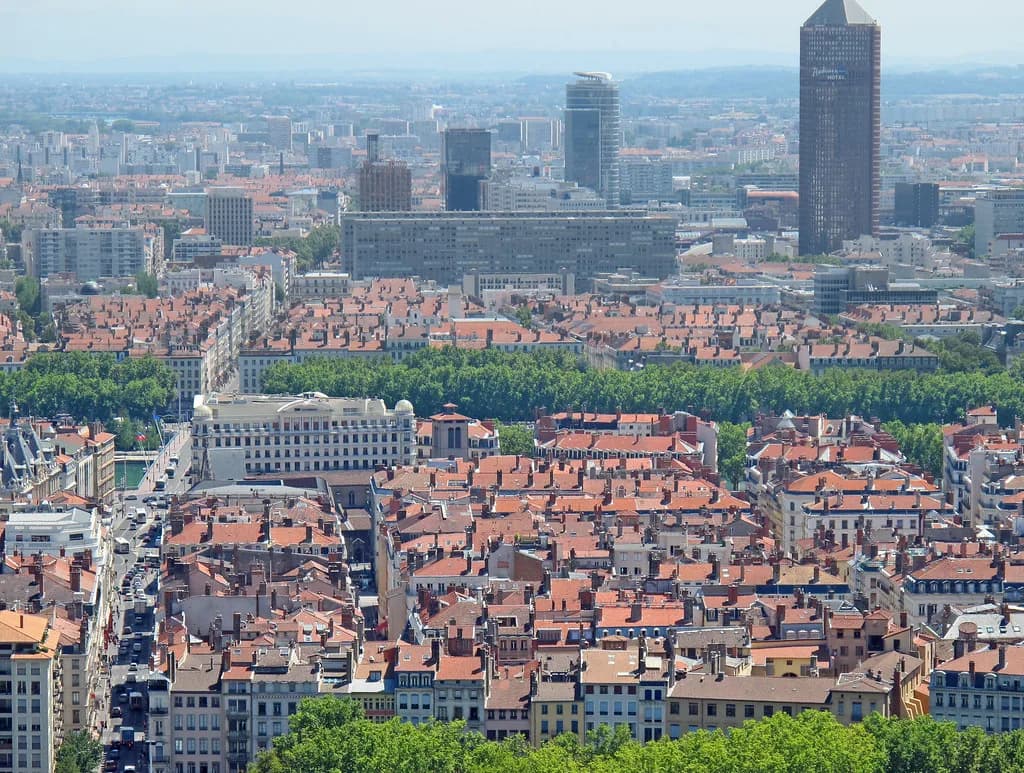
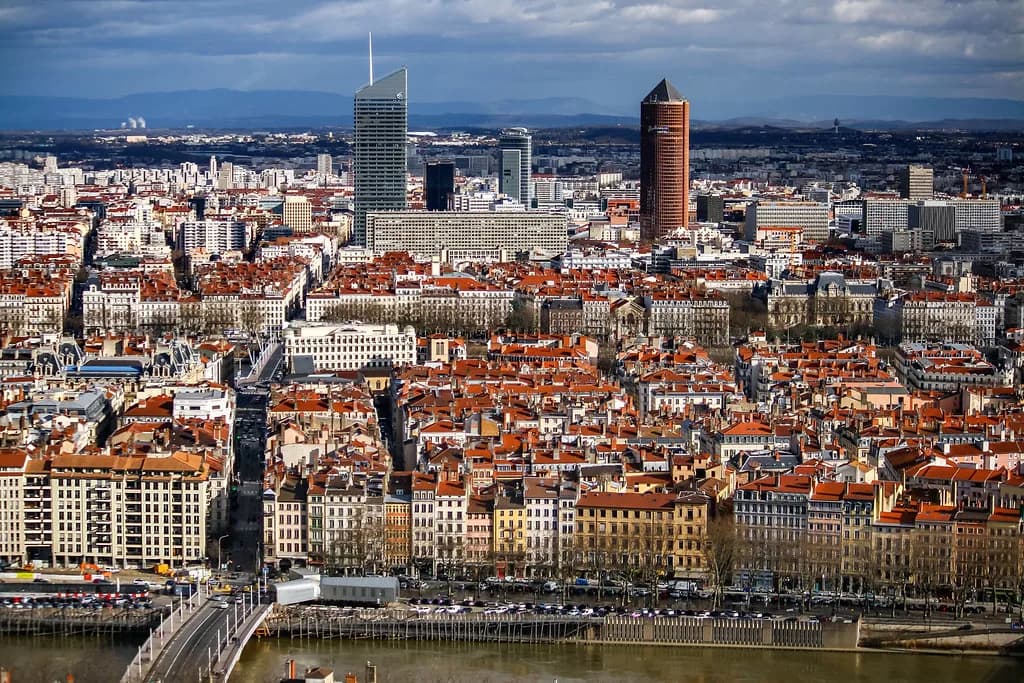
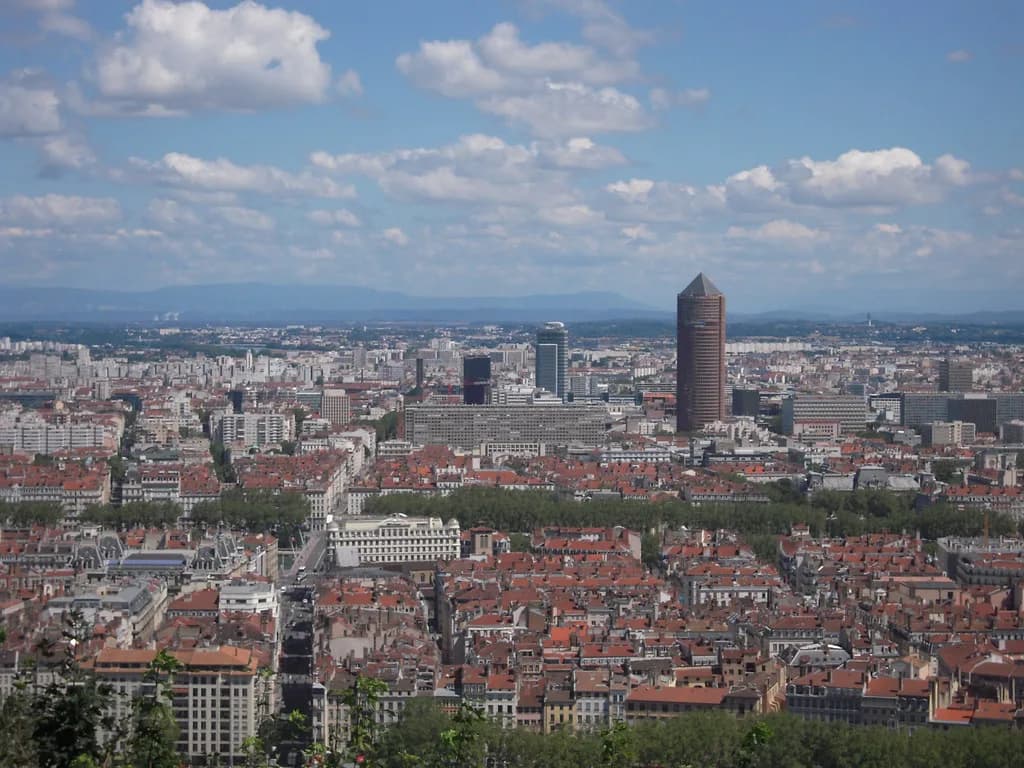
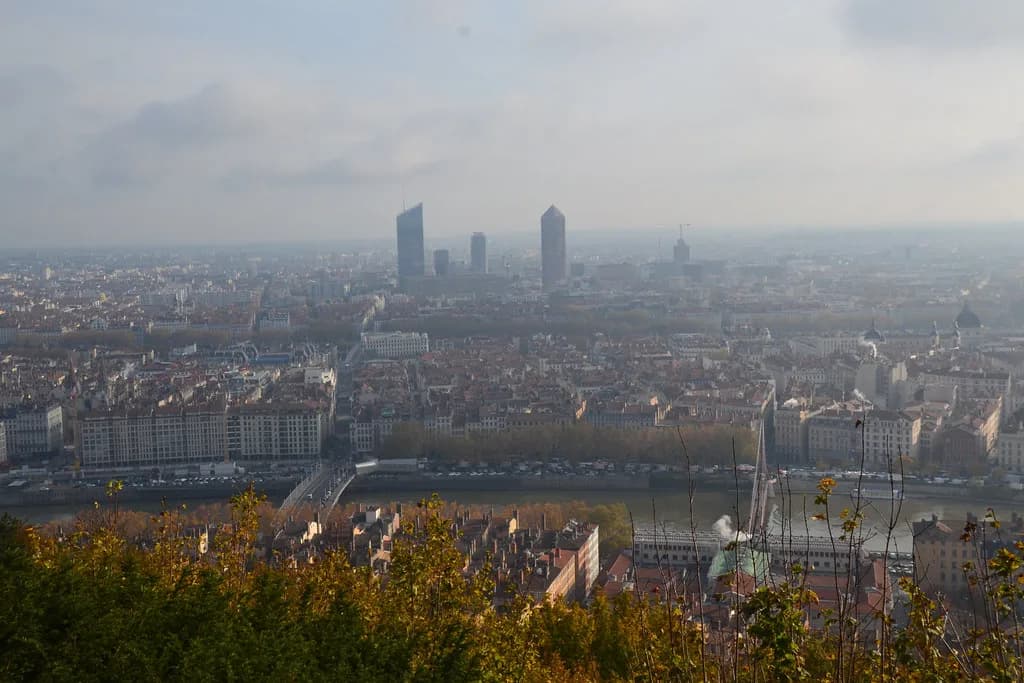
The Saône runs north to south through the city with Vieux Lyon along its west bank, and the Rhône runs roughly parallel to the east. The Presqu'île is the wedge of land between the two rivers, holding Place Bellecour, Place des Terreaux and the Musée des Beaux-Arts, while Croix-Rousse rises north of the Presqu'île above the Saône.
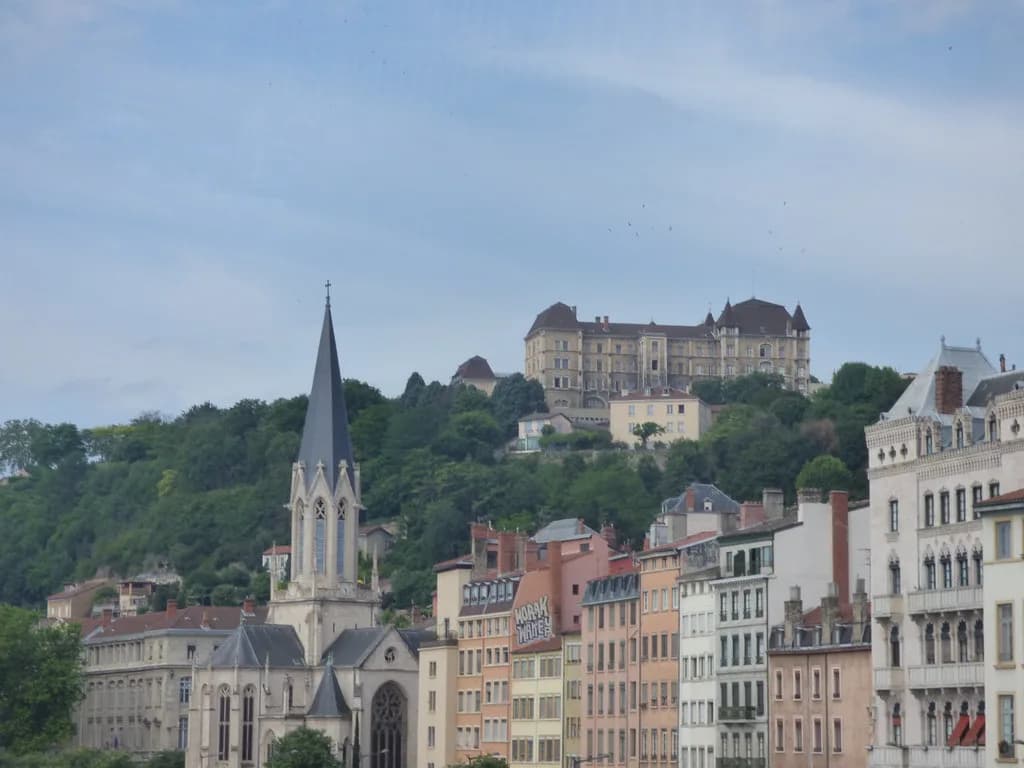
Fourvière is the hill directly above Vieux Lyon, reached by funicular from the Vieux Lyon metro station or on foot up steep lanes. Two funiculars leave that station: one runs all the way to Fourvière, the other stops part-way at Saint-Just and leaves a stiff climb, so take the Fourvière line if the basilica is your goal.
Think of the trip as one day west of the Saône, one day between the rivers and one day north, and the walking stays manageable without any long metro hops. The four quarters sit within a couple of kilometres of each other, which is what makes three days sufficient rather than rushed. If you want to compare how another French city fits into three days, our itinerary for 3 days in Cannes shows the same neighbourhood-first approach.
When to go: typical weather and what it does to the plan
Monthly averages put May at about 19°C and September at about 20°C, both comfortable for a full day on foot across the Presqu'île and up to Fourvière. January averages about 1°C, so the same itinerary becomes a series of shorter outdoor stretches with longer museum and café stops in between.
June and July are the busiest months in the city, so shoulder-season dates let you move between quarters without queues building ahead of published opening times. October is a sensible middle choice, sitting in a mid-range price band with light crowds and around 13°C.
A useful rule for this plan: the more you walk, the more you should push the trip into May, June, September or October. Winter works, but swap the Parc de la Tête d'Or afternoon for a ticketed museum and start each day later.
Day 1 morning: Vieux Lyon's three quarters and the traboules
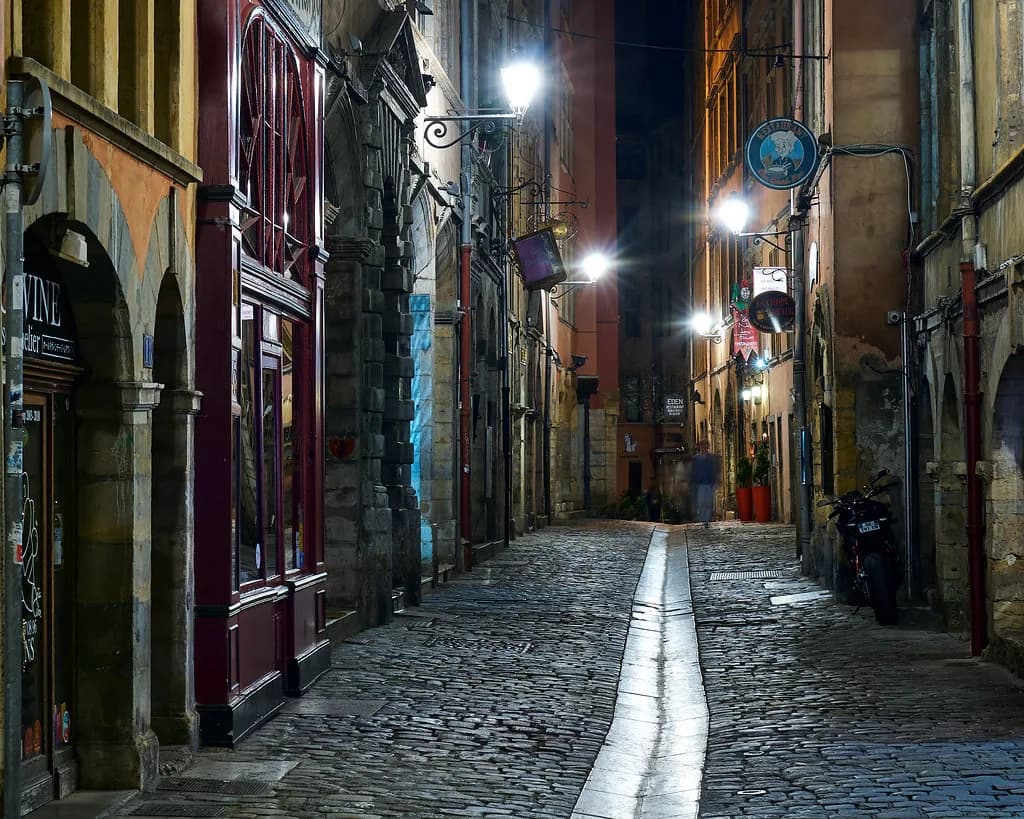
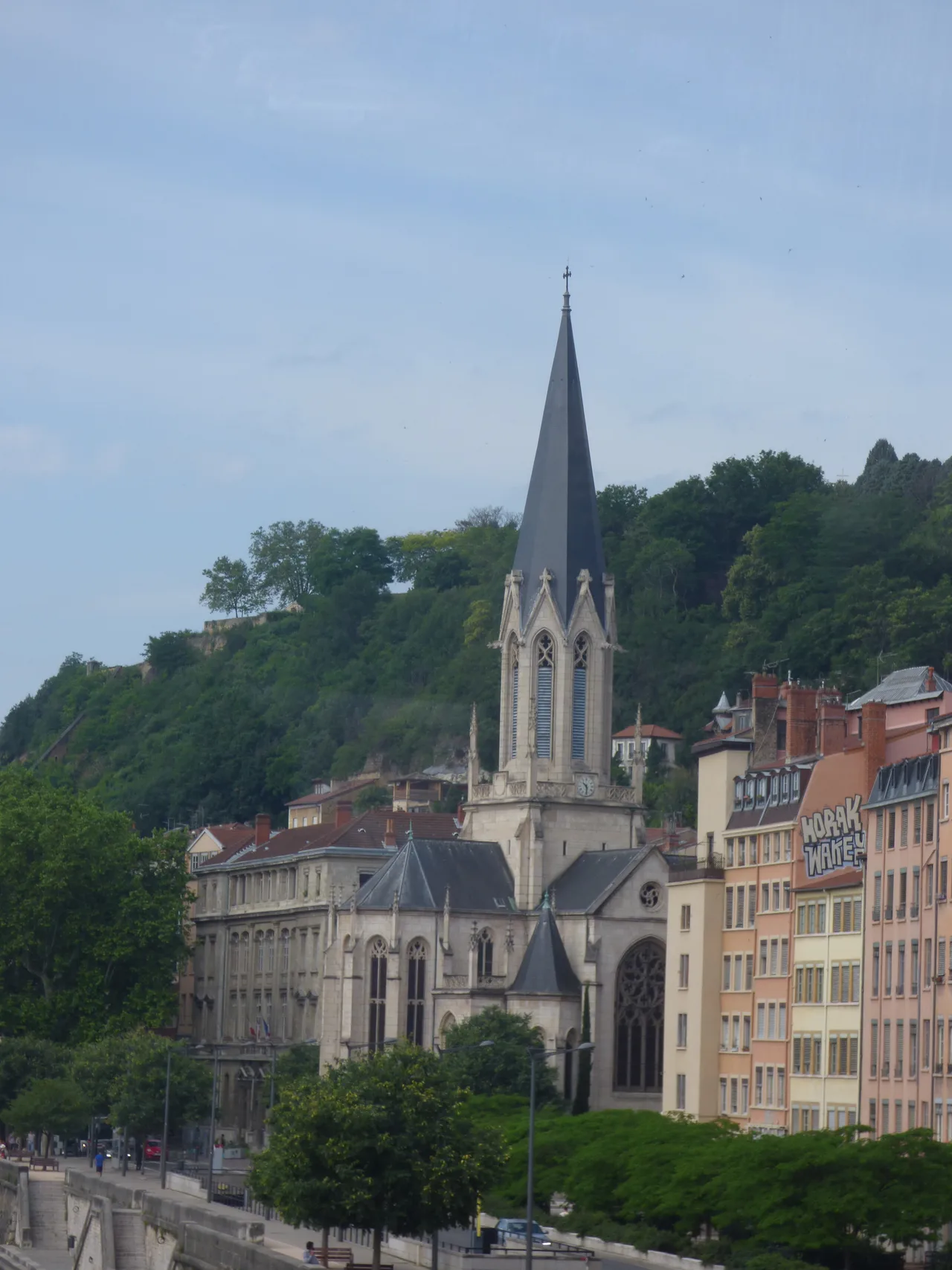
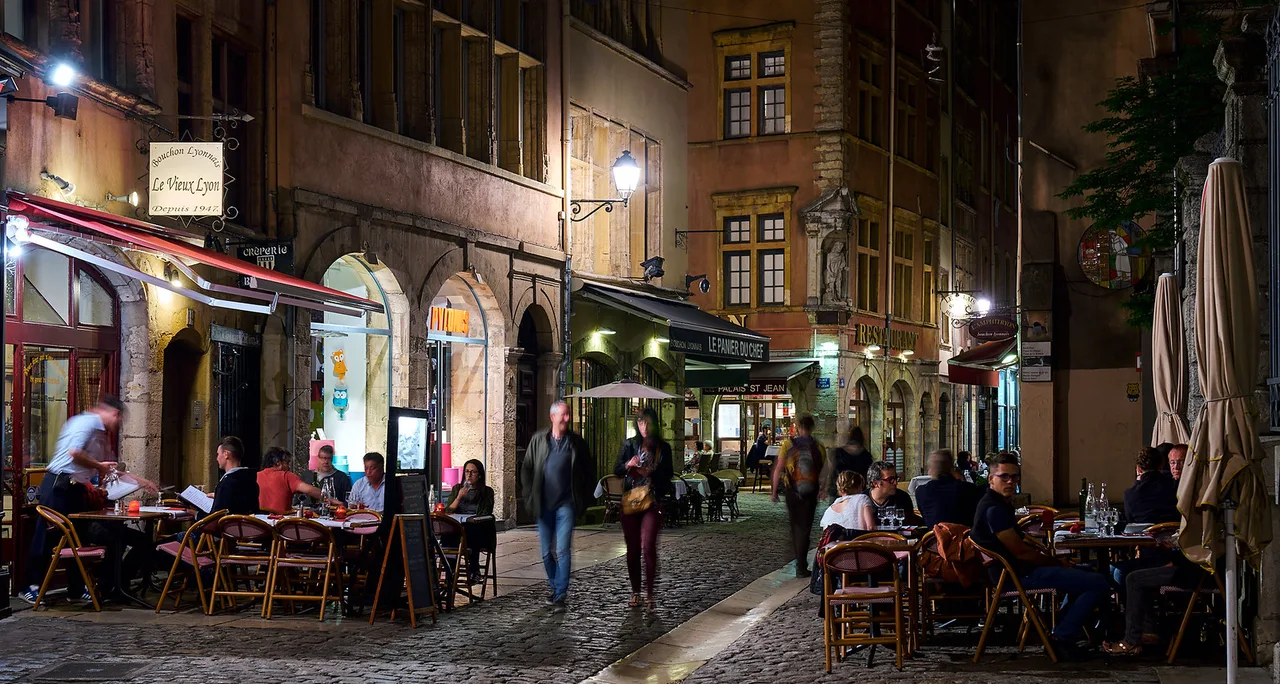
Start on the west bank in Vieux Lyon, the medieval old town that is split into Quartier Saint-Georges, Quartier Saint-Jean and Quartier Saint-Paul, each named for its church. The streets are pedestrianised and cobbled, so this is the day to be on foot early before tour groups fill the lanes.
In Quartier Saint-Jean, the Cathédrale Saint-Jean is the obvious first stop for its astronomical clock and stained glass, and your route should include the traboules, the covered passages that cut through buildings. More than 40 are open to the public, most of them inside residential blocks, so walk quietly and treat them as a shortcut rather than a sight in themselves.
Break for coffee or breakfast in the old town and leave Place du Change in Quartier Saint-Paul and the Renaissance facades on Rue Juiverie for the end of the morning. A La Marquise in Quartier Saint-Jean is known for the pink praline tarts that are a Lyonnaise speciality, and the tearoom is calmer before about half past ten.
If you have a sweet tooth, build that stop into the plan rather than squeezing it in later, because the afternoon moves uphill. For a fuller look at the quarter and its passages, our guide to the old town goes deeper than this itinerary.
Day 1 afternoon: the funicular to Fourvière, the basilica and the Roman theatres
Take the funicular from Vieux Lyon metro station to Fourvière rather than walking up, and you arrive level with the Basilique Notre-Dame de Fourvière, the Byzantine-style church with four towers that locals nickname the upside-down elephant. The basilica opens at 7am and the esplanade alongside it gives the wide city view, with the adjoining crypt reached through a small door at the back.
A one-way funicular ticket is quoted at €1.90, and the ride counts as part of the TCL metro system, so an all-day metro card or a single metro ticket started within the hour covers it. Buy at the Vieux Lyon station and follow the funicular signs once inside.
Ten minutes' walk from the basilica are the antique theatres of Fourvière, among the oldest Roman remains in France, and entry is free. The nearby Musée gallo-romain de Fourvière is the indoor option in poor weather, with entrance given as €4 by the same account, so confirm the current rate at the desk before you commit.
The hill area is known for pickpocketing, so keep bags in front of you on the esplanade and in the theatre seating. Give the afternoon about three hours including the ride up, and allow more if you want the museum as well as the ruins.
Day 1 evening: a bouchon dinner and what quenelles de brochet are
A bouchon is Lyon's own kind of restaurant: casual rooms serving Lyonnaise dishes, with quenelles de brochet, the pike dumplings in a creamy sauce, the plate to order at least once. Portions are generous rather than refined, so book a table instead of hoping for a walk-in on a weekend.
Le Garet has served Lyonnaise food since 1920, and Café Comptoir Abel is a reliable stop for quenelles; other classic names include Café des Fédérations, Bouchon Thomas and Daniel et Denise. In Vieux Lyon, Les Fines Gueules on Rue Lainerie, Le Bouchon des Cordeliers on Rue Claudia and Bouchon Les Lyonnais on Rue de la Bombarde are all worth considering.
Many Lyon restaurants, shops and cafés close on Sunday and Monday, so if your first night falls on either day, switch the plan and put the bouchon dinner on a different evening. Monsieur P, a selected restaurant in the Michelin Guide near the Célestins, is closed on Saturdays and Sundays for instance, so check its opening days before you book.
Day 2 morning: Place Bellecour, Place des Terreaux and the Musée des Beaux-Arts
Cross to the Presqu'île and start at Place Bellecour, one of the largest pedestrian squares in Europe and the place locals use as a meeting point, with the Louis XIV equestrian statue in the middle. From there walk north through Rue Victor Hugo or Rue de la République for the shopping stretch, or cut straight to Place des Terreaux for the Hôtel de Ville and the Bartholdi fountain.
The Musée des Beaux-Arts de Lyon faces Place des Terreaux and charges €8 full price for the permanent collections, €4 for 18 to 25-year-olds and several reduced categories, and nothing for under-18s. A timed ticket is valid once across a 92-day period, which makes it a flexible card to play if the morning slips. The museum's temporary show Musée sentimental runs from 11 September 2026 to 14 March 2027, with exhibition entry at €14 full price and €8 reduced, and it also includes the permanent collections. Exhibition tickets are timed in half-hour slots to manage crowd flow, so arrive within the slot you pick.
Two hours is realistic for the permanent collections if you are keeping the afternoon free, and the €11 combined entry-and-guided-tour rate is worth considering if you prefer context over wandering. For a shortlist of galleries beyond the Beaux-Arts, see our pick of museums in Lyon.
Day 2 afternoon: Les Halles de Lyon – Paul Bocuse, and why mid-morning beats lunchtime
Les Halles de Lyon – Paul Bocuse is the covered food market where more than 40 traders sell Lyonnaise specialities, from cheese to pâtisserie, and it works as a meal stop as well as a browse. Individual stalls keep different hours and many close over lunch, some not reopening in the afternoon, so the reliable window is mid to late morning rather than a 1pm arrival.
Take a taster plate of cheese or charcuterie and some bread and eat standing or at one of the counters, or sit down at a stall with a menu if you want a proper plate. Prices here run high for Lyon, so the market is best treated as a quality stop rather than a cheap lunch, with the outdoor street markets as the budget alternative.
Les Halles de la Martinière is a second covered hall closer to Croix-Rousse if your afternoon heads north, and the outdoor markets are where locals shop for produce. For the day-by-day options and what's on which morning, our guide to markets in Lyon covers the rest.
Day 2 evening: the Presqu'île squares and riverside
Spend the evening between the two rivers, moving between Place Bellecour and Place des Terreaux and along the Saône or Rhône quays as the light drops. This is the part of Lyon that reads as a 19th-century city, with broad boulevards and grand facades, and it rewards an aimless hour between dinner and a last drink.
Shops generally do not open on Sundays in this part of France, so if your evening is a Sunday, plan on restaurants and terraces rather than browsing. Saturday is the better shopping evening if that is part of the plan.
If your appetite for modern cooking runs beyond bouchons, the Presqu'île and its edges hold Sapnà on Rue de la Martinière, Carnet Gourmand on Rue Neuve and Paul Bocuse's namesake house north along the Saône at Collonges-au-Mont-d'Or. The last is a pilgrimage rather than a casual dinner, so treat it as a separate commitment.
Day 3 morning: Croix-Rousse, the Mur des Canuts and the boulevard market
Head north to Croix-Rousse, the hill district of the former silk workers, where steep streets and more traboules now sit alongside cafés and small shops. The Mur des Canuts is the mural to see here, a vast trompe-l'œil covering the side of a building, and it is free to look at from the street.
The street market along Boulevard de la Croix-Rousse, just down from the metro stop, is a typical French produce market with a local rather than tourist crowd. Go in the morning for the fullest stalls and buy your lunch components there rather than later in the day.
Note the slopes: Croix-Rousse is genuinely steep, and a route from the metro down through the traboules towards the Presqu'île is easier than climbing back up. If legwork is a concern, do the murals and market on the flat first and keep the descent for the end.
Day 3 afternoon: Parc de la Tête d'Or, or the Musée des Confluences instead
For the last afternoon you have a straight choice: green space or a big modern museum. Parc de la Tête d'Or covers 290 acres with a lake, a free zoo, flower gardens and plenty of room even on a busy day.
The park's published hours are roughly 6.30am to 10.30pm from mid-April to mid-October, closing around 8.30pm in winter, so an early-afternoon visit is safe in any season. The main gate is Porte des Enfants du Rhône, with a supermarket nearby if you want picnic supplies.
The alternative, the Musée des Confluences at the southern tip of the Presqu'île, is the better pick in rain or on a cold January afternoon, though its timed-entry queues lengthen at busy periods. Both fit comfortably in a half-day, and neither needs the whole afternoon.
If you have children in the group, the park is the easier win, with the free zoo and the lake. Our guide to parks in Lyon covers the rest of the city's green spaces if Tête d'Or is crowded.
Two days instead: which quarter to drop
With two days, keep Vieux Lyon and Fourvière together on day one and give the Presqu'île the whole of day two, including Les Halles in mid-morning and the Musée des Beaux-Arts in the afternoon. That is the version of Lyon most first-time visitors come for, and it needs no backtracking.
Drop Croix-Rousse and the Parc de la Tête d'Or, not the old town: the hill is rewarding but the mural and market take a half-day that you do not have. If you would rather swap the other way, cut the Presqu'île's museum and use the saved hours for the Croix-Rousse walk instead.
Rain and low-season days: swapping outdoor stretches for ticketed museums
Lyon's rain days run at roughly seven to ten a month across the year, so a wet day is a normal risk rather than a freak event. Build a swap into the plan: replace the Fourvière esplanade with the Musée gallo-romain, and the park with the Musée des Confluences or a second Beaux-Arts visit.
In January, when averages hover around 1°C and daylight is short, keep outdoor walking to midday and put the museum in the afternoon. The same trick applies in December, with roughly three hours of sunshine a day and the old town's traboules best seen before the early dark.
The Musée d'art contemporain de Lyon is a useful indoor option beyond the obvious two, and its programme changes, so look it up before travelling. Our wider guide to museums in Lyon covers the rest of the ticketed options.
What things cost: museum tickets, a funicular ride and a market lunch
Budget for the Musée des Beaux-Arts at €8 for the permanent collections, rising to €14 if you want the temporary exhibition, with free entry under 18 and €4 for 18 to 25-year-olds. Guided visits are priced separately, at €11 with entry for the collections on the same page.
The funicular is pocket change next to that: a one-way ticket is quoted at €1.90 and counts as part of the metro network. The antique theatres of Fourvière are free, which makes the hill the cheapest half-day in this plan.
Food is where the budget moves. Les Halles de Lyon – Paul Bocuse runs expensive for Lyon, so a picnic from a street market or a supermarket near the park gate keeps costs down, and dinner at a bouchon is the splurge worth planning.
Practical timing: Sunday and Monday closures, and August holidays
The single most useful rule for a Lyon weekend is that many restaurants, shops and cafés close on Sunday and Monday, so build the plan around your day of arrival rather than the other way round. Check a venue's website before you commit an evening to it, and keep one flexible dinner slot in reserve.
August is its own problem: Monsieur P closes for three weeks in August and the last week of the year, and other places follow similar habits. If your dates fall in August, expect a thinner restaurant list and confirm before booking travel around a specific table.
Museums need their own check. The Beaux-Arts ticketing page gives opening and exhibition dates but not daily hours, so look at the museum's own site for the day of your visit rather than guessing at a Monday or Tuesday closure.
Plan Your Visit
Book three days if you can, keep Vieux Lyon and Fourvière on one day and the Presqu'île on another, and use Croix-Rousse and the park as the flexible third. Put Les Halles in mid-morning, put the museum in the afternoon, and put the bouchon on a night that is not Sunday or Monday.
If you are still deciding on dates, our best time to visit guide weighs up the weather and crowds month by month, and the wider Lyon attractions hub links the individual sights covered here.
Explore more Lyon guides
Frequently Asked Questions
How many days do you need in Lyon?
Three days covers the old town, Fourvière, the Presqu'île and Croix-Rousse without rushing. Two days is workable if you drop Croix-Rousse and the Parc de la Tête d'Or and give Vieux Lyon one full day and the Presqu'île the other.
Is two days enough for Lyon?
It is enough for Vieux Lyon, the basilica and the Presqu'île, which is what most first-time visitors come for. What you lose is the hill district and the park, along with any slack for a wet afternoon.
What should you do on a first visit to Lyon?
Walk Vieux Lyon and its traboules in the morning, take the funicular up to Fourvière for the basilica and the Roman theatres in the afternoon, and eat in a bouchon in the evening. Give the Presqu'île a full second day for Place Bellecour, Place des Terreaux and the Musée des Beaux-Arts.
Are Lyon museums open on Mondays?
Opening days vary by museum, and the Beaux-Arts ticketing page does not list daily hours, so check the museum's own site for the day you plan to visit. Many Lyon restaurants, shops and cafés close on Sunday or Monday, which is the more common pitfall when planning a weekend.
What is there to do in Lyon for free?
The antique theatres of Fourvière are free to enter, the Mur des Canuts is on a public street, and the traboules of Vieux Lyon and Croix-Rousse cost nothing to walk through. The Musée des Beaux-Arts is free for under-18s.
When should you avoid visiting Lyon?
June and July are the busiest and most expensive months, and January averages about 1°C with short days. Late August brings thinner restaurant opening lists, with some places closing for several weeks.
Sources
- 28 Great Lyon Restaurants, Bouchons, Markets and Bars
- Move Over, Paris – Lyon Is The Weekend Break You Really Need! – My Life Long Holiday
- Find the best places to stay by seasons, probability of rain and the best things to do depending on your month of visit.
- Billetterie - Musée des Beaux Arts de Lyon | Produits billetterie
Notes for French city breaks
Optional updates to our guides.
You might also like
Continue reading
More guides you'll find useful