Is Lyon Worth Visiting? An Honest Weekend Break Verdict
Yes, Lyon is worth visiting for a short break: Roman ruins, traboules, murals and bouchon food sit close together. Here is who it suits and how long to allow.
On this page
Yes, Lyon is worth visiting for a two- or three-night break. It packs a Roman hilltop, a Renaissance old town, two rivers, a large pedestrian square and a serious food culture into a city you can cross on foot, and its main museums cost less than their Paris equivalents.
The honest caveats are physical rather than cultural. Fourvière and Croix-Rousse are genuine climbs, the funicular saves legs at the cost of a queue, and a Sunday or Monday arrival can meet shuttered shops and closed restaurants. Plan the days around those rhythms and Lyon delivers far more than a stopover.
What Lyon does better than most French cities
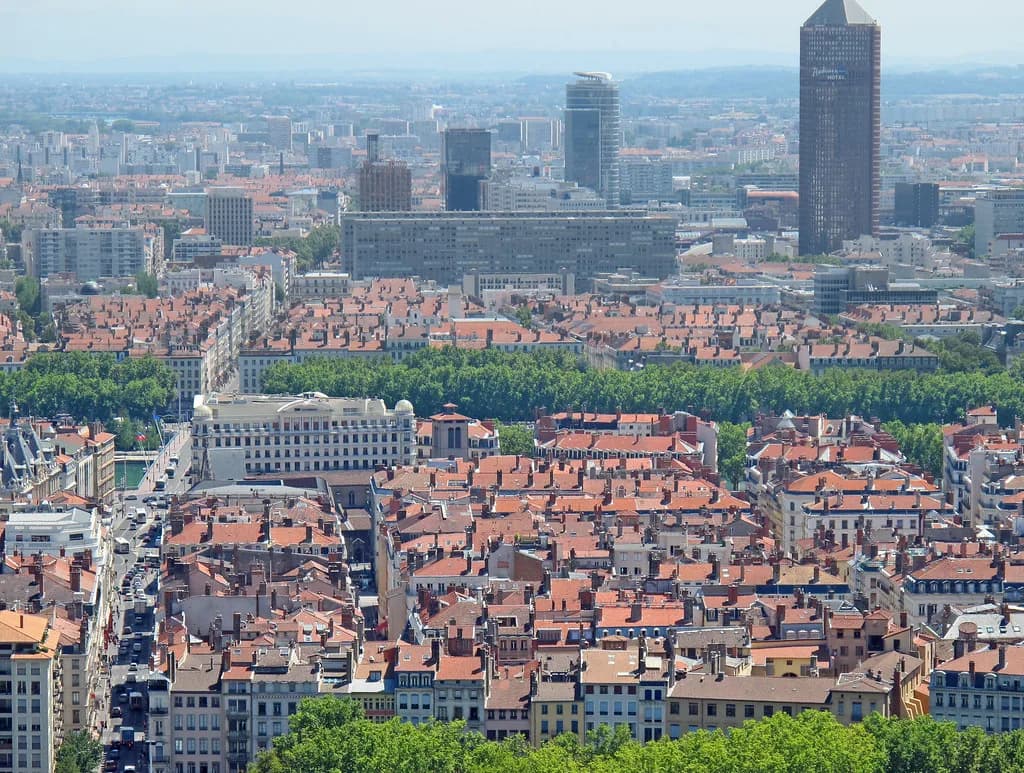
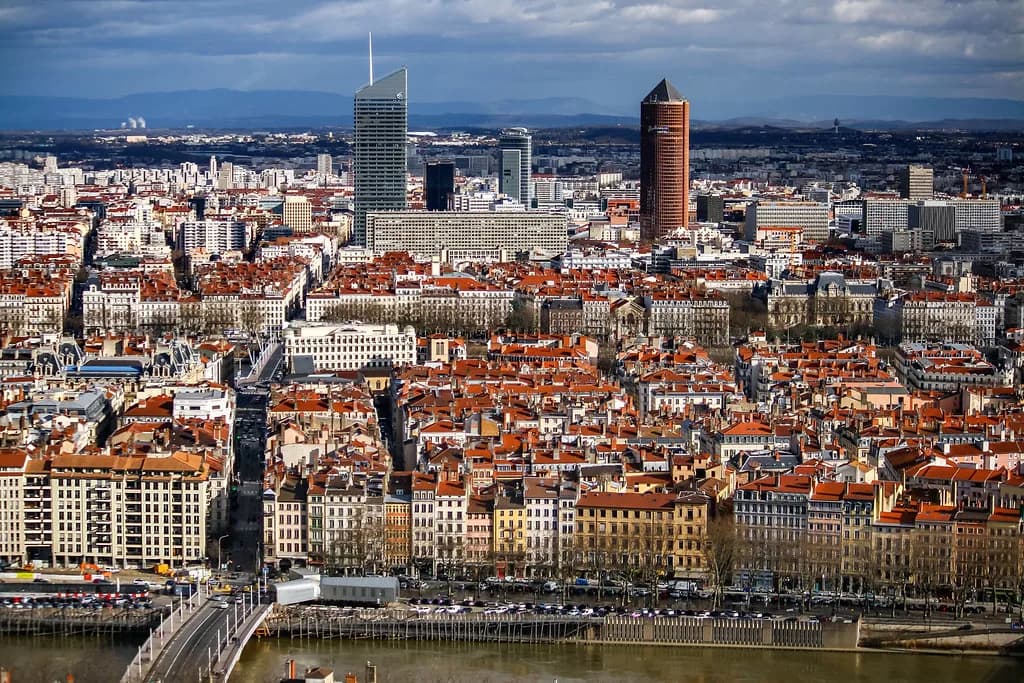
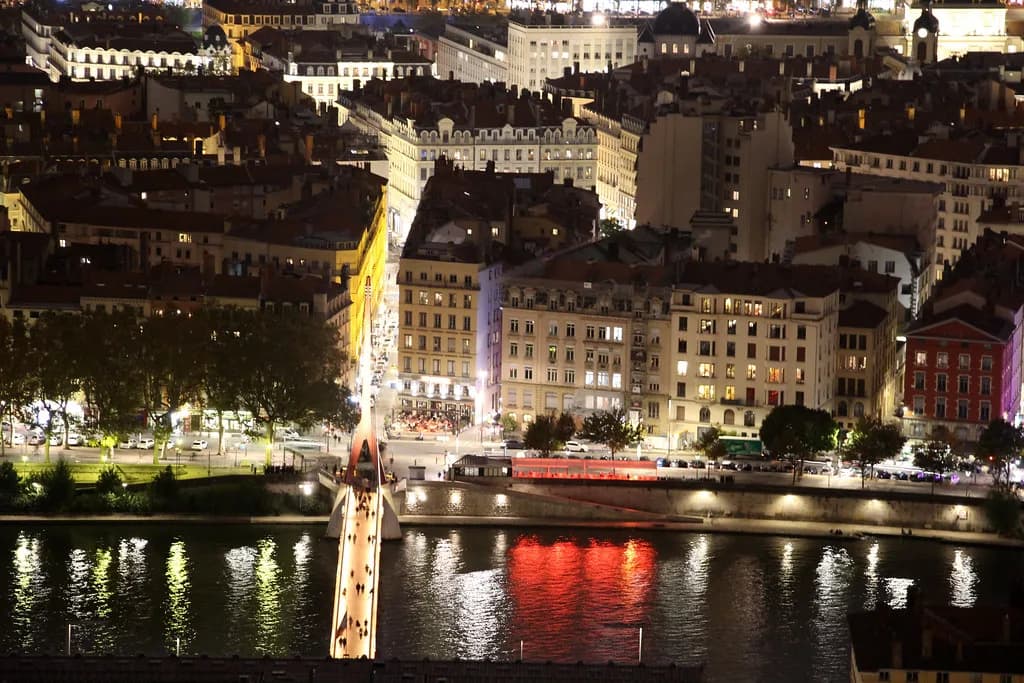
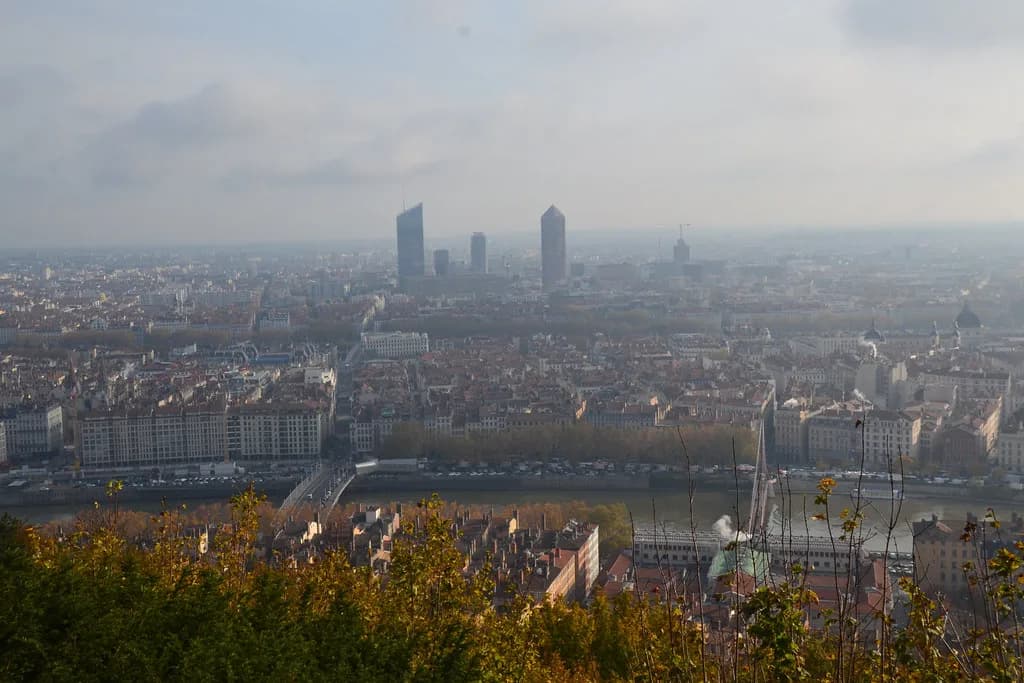
Lyon layers its history instead of polishing it into one postcard. On the west bank, the Théâtre Antique de Fourvière and the Basilique Notre-Dame de Fourvière sit on the hill above Vieux Lyon; across the Saône, the Presqu'île runs between the two rivers with Place Bellecour at its heart, and the Croix-Rousse slopes above hold the old silk workers' quarter.
Almost nothing on that list costs money. The Roman theatres are free to enter, the basilica is free to visit, and the traboules — the covered passages threading through buildings in Vieux Lyon and Croix-Rousse — are free short cuts through the city's fabric. A weekend here can be built around walking and looking rather than queueing for tickets.
The murals are the third thing Lyon does unusually well. CitéCréation, the cooperative behind the city's trompe-l'œil frescoes, has produced nearly 60 outdoor works, and the Mur des Canuts and La Fresque des Lyonnais are the two that reward a detour. They turn ordinary residential streets into the reason for a walk.
The layout: Fourvière hill, Vieux Lyon, Presqu'île, Croix-Rousse and Confluence
Think of Lyon as four pieces. Fourvière is the hill to the west, with the basilica and Roman theatres at the top; Vieux Lyon sits directly beneath it on the Saône's west bank; the Presqu'île is the long peninsula between the Saône and the Rhône, holding Place Bellecour, Place des Terreaux and the main shopping streets; and Croix-Rousse rises north of the Presqu'île, with the Confluence district at the peninsula's southern tip.
This compactness is Lyon's best practical asset. Vieux Lyon to Place Bellecour is a short walk across a bridge, and the funicular from Vieux Lyon metro station removes the climb to Fourvière. Two funiculars leave that station: one runs all the way to Fourvière, the other stops part-way at St-Just, leaving a steep walk, so check which one you are boarding.
TCL, the city transport network, runs four metro lines, trams and the two funiculars. A single funicular ride was reported at €1.90, and the same ticket counts as part of the metro system, so a day pass covers the hill and the city below.
How many days Lyon needs, and what gets cut on a two-day trip
Three nights is the comfortable answer. That gives you one day for Fourvière and Vieux Lyon, one for the Presqu'île and a museum, and one for Croix-Rousse's traboules and murals or the Confluence district. Because the sights sit close together, most of that time goes on looking rather than travelling.
A two-day trip means choosing between the two banks. Keep Fourvière, the basilica and Vieux Lyon, then add either the Presqu'île's squares and Musée des Beaux-Arts or the Croix-Rousse walk. With one day only, stay west of the Saône and treat the rest as a reason to return.
A free morning exists if you want it. The Parc de la Tête d'Or, with its lake, gardens and free section of the zoo, is reported to open from 6.30am to 10.30pm between mid-April and mid-October, closing at 8.30pm in winter. It is the obvious antidote to a museum-heavy itinerary.
The sights that justify the trip: Fourvière, the Roman theatres and the traboules
Fourvière is the one unmissable stop. The basilica's mosaics and stained glass reward a proper look, and the esplanade beside it gives the wide view back over the city. The basilica opens at 7am, which is the quietest window and pairs well with the sunrise over the rooftops.
Beside it, the Théâtre Antique de Fourvière is the oldest Roman remnant in France and free to enter. Sitting on the stone tiers, with the Gallo-Roman museum nearby (reported at €4 entry), is a better use of an hour than most paid attractions in the city. Keep bags close on the hill, which is known for pickpockets.
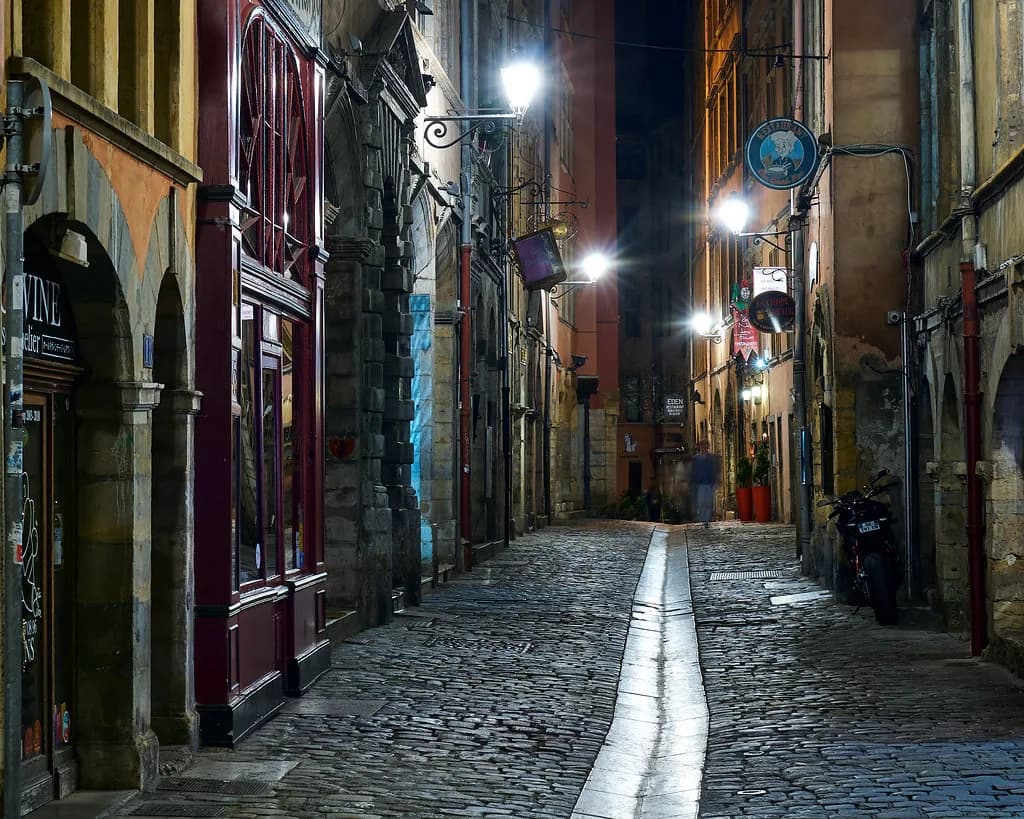
Back down in Vieux Lyon, walk the traboules rather than treating them as a checklist. Over 40 are open to the public, most inside residential buildings, so keep noise down and treat them as someone's hallway. The finest are split between Vieux Lyon and Croix-Rousse, which is why the two districts deserve separate outings.
Finish the old town at the Cathédrale Saint-Jean, where the astronomical clock and stained glass justify a short stop, then cross to Place du Change in the Saint-Paul quarter for a coffee. The pink praline tarts sold around Vieux Lyon are the local sweet to try before leaving the district.
Museums worth your morning: Musée des Beaux-Arts ticket prices and the Confluences
The Musée des Beaux-Arts de Lyon is the strongest argument that Lyon is cheaper than Paris. Permanent collections cost €8 at full price, €4 for visitors aged 18 to 25 and for several reduced categories including TCL and Confluences ticket holders, and nothing for under-18s. A ticket stays valid for one entry across a 92-day period.
Temporary exhibitions are priced separately. The Musée sentimental exhibition, running from 11 September 2026 to 14 March 2027, costs €14 at full price and €8 reduced, and the exhibition ticket also admits you to the permanent collections. Timed half-hour slots regulate entry, so book the slot you actually want.
If you prefer a guided visit, a full-price collection tour with entry comes to €11, or €7 for the 18-to-25 rate, which is modest for ninety minutes of context. The Musée des Confluences, at the peninsula's southern tip, is the other museum worth a morning, and its location makes it a natural pairing with the Confluence architecture.
Food as the main event: bouchons, quenelles de brochet and Les Halles de Lyon – Paul Bocuse
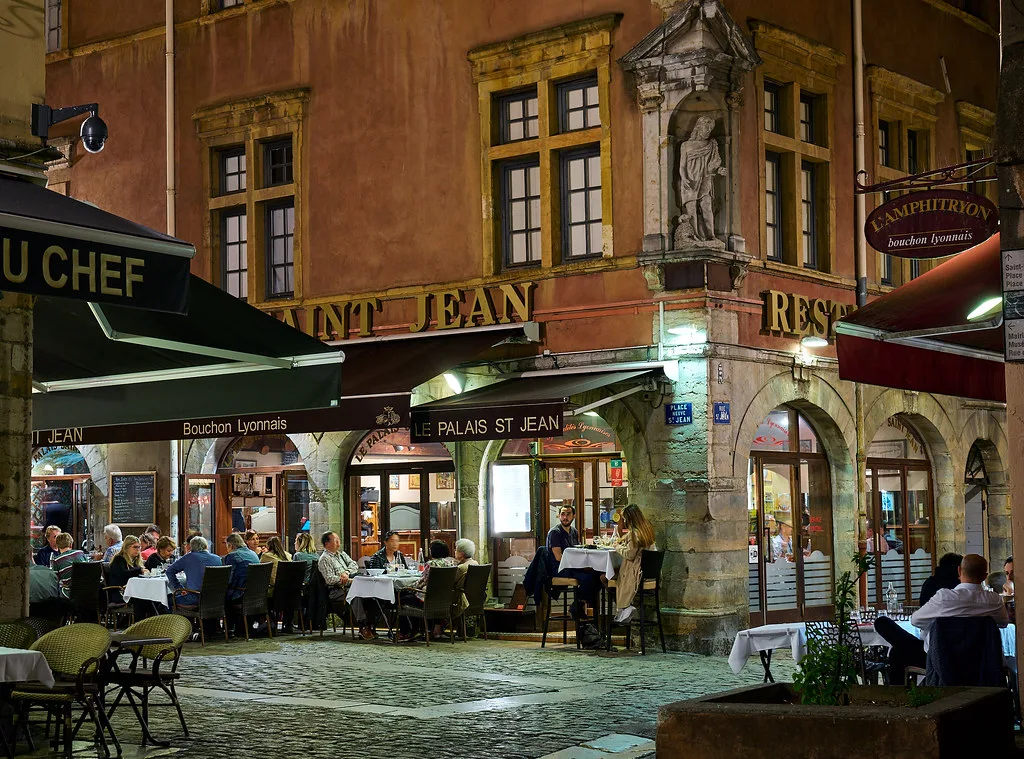
Bouchons are the reason many people come. These casual Lyonnais restaurants serve hearty local cooking, with quenelles de brochet — pike dumplings in a creamy sauce — as the dish to order at least once. Look for the Gnaffron marionette sticker or the red-and-white gingham tablecloths; only around 20 bouchons are considered authentic.
Les Halles de Lyon – Paul Bocuse is the covered market to build a morning around. Over 40 traders sell the region's cheese, charcuterie and pastries, and mid to late morning is the best window because stalls keep different hours and many close over lunch. Some you can eat at on the spot; others are for picnics.
Beyond the bouchons, Lyon's newer kitchens are worth a booking. The food scene now runs from Michelin-starred tasting menus to Asian street-food-inspired small plates, and the Croix-Rousse street market along Boulevard de la Croix-Rousse gives a local alternative to the covered halls. Reserve dinner ahead for weekend slots.
Where Lyon is weaker: hills, closed Mondays and quiet Sundays
The hills are not marketing. Fourvière and Croix-Rousse both involve real gradients, and the funicular queue at Vieux Lyon can eat a chunk of a short break. Build the climb into one part of the day and keep the other flat, rather than zig-zagging between the two levels.
Opening days need planning. Many Lyon restaurants, shops and cafés close on Sunday and/or Monday, and many shops in the city do not open on Sundays at all. A Sunday arrival is fine for walking the traboules and the riverside, but save the shopping and the serious meals for other days.
Book the restaurants you care about before you travel, especially for Friday and Saturday. A city this food-focused fills its best tables early, and arriving without a reservation in a weekend window is the most common way a Lyon trip goes flat.
When to go: typical monthly averages and the best-value window
May and September give the best balance, with typical averages around 19°C and 20°C respectively. July is the hottest month at around 26°C and also the busiest, while January averages about 1°C with short days. These are climate averages, not forecasts, so pack a layer either side of your dates.
October is the value pick: mid-range accommodation, light crowds and around 13°C with roughly seven rain days. January, February and November are cheaper still but cold, and June and July are the months to book well ahead if those dates are fixed.
The city's big draws can reshape a weekend. The Fête des Lumières in December and the Nuits de Fourvière performances in June and July pull crowds, so check dates before booking if you want a quiet weekend or specifically want the atmosphere.
What a weekend costs on the ground
On the ground, Lyon is moderate for a French city. Food is budgeted at roughly $75–110 per person per day on a mid-range trip, transport at roughly $25–35, and paid sights at $50–70 if you take in one or two ticketed attractions daily. These are indicative planning bands rather than quotes.
Accommodation swings widely by season. Budget stays are reported at roughly $80–120 per night in the low months, against $475–700 and up in the June and July peak, so shifting a trip by a few weeks can change the whole cost of the break without changing what you see.
The free sights are what keep a weekend affordable. The Roman theatres, the basilica, the traboules, the murals and the park cost nothing, so a tight budget still covers the essentials and leaves the spend for bouchon dinners and one museum.
Who Lyon suits and who should look elsewhere
Lyon suits food-led travellers, walkers happy with hills and anyone who prefers a compact city to a sprawling one. Couples and solo travellers do well here because the centre is easy to navigate and an evening can be built around a single restaurant.
Lyon is weaker for travellers who want blockbuster monuments or a beach. There is no headline single sight to match Paris's Eiffel Tower or a Riviera shoreline, and the appeal is cumulative: a square, a passage, a market, a view. If that sounds thin, Lyon will feel like a smaller version of somewhere else.
Families do well in the park and along the rivers, and the free zoo section helps on a tight day. Travel with very young children in summer heat, though, and the hills become a real drag; keep to the Presqu'île and Vieux Lyon and use the metro rather than walking between levels.
Lyon versus Paris for a two-night break
For two nights, Lyon wins on compactness and price. The centre fits into a few square kilometres, the museums cost less, and the food culture is more accessible without a booking culture that requires weeks of notice. Paris rewards a longer stay with more variety; Lyon rewards a short one with less travel between sights.
Paris still wins on sheer density of famous sights. If the goal is to tick off the Louvre, the Eiffel Tower and a day at Versailles, Lyon is not a substitute. If the goal is a weekend where the walk between sights is itself the pleasure, Lyon is the better use of two nights. For the same compact-weekend question further south, it is worth weighing whether Aix-en-Provence is worth visiting before you commit.
Verdict: book it, or skip it
Book it. Lyon justifies a weekend on its own terms: a Roman hill, a Renaissance old town, free murals and traboules, and food that is the reason to come rather than an afterthought. The hills and closed days are planning problems, not reasons to skip the city.
Skip it only if you want beaches, blockbuster monuments or a completely flat city. For a short French break built on walking, eating and looking, Lyon gives a better return than most of the competition, and three nights rather than two is the version that lets you slow down.
Plan Your Visit
Pick May, September or October for the best weather-to-cost balance, book Friday and Saturday dinners ahead, and keep the two hills in separate halves of the day. A three-night stay covers Fourvière, Vieux Lyon, the Presqu'île and either Croix-Rousse or the Confluence without rushing, and a two-night stay still captures the essentials if you keep to the west bank on the first day.
Check museum ticketing and transport fares close to your dates, because both change. Beyond that, Lyon is a city that rewards a plan built around opening days, meal reservations and one good pair of shoes.
Explore more Lyon guides
Frequently Asked Questions
Why go to Lyon?
Lyon combines a Roman hilltop, a Renaissance old town with hidden traboules, a wide peninsula of squares and shops between two rivers, and a food culture built around bouchons. Most of the best-known sights — the basilica, the Roman theatres, the murals and the traboules — cost nothing to visit, which makes a weekend here unusually good value for a major French city.
What is Lyon's signature dish?
Quenelles de brochet, pike dumplings served in a creamy sauce, is the dish to order in a bouchon. Bouchons are the casual Lyonnais restaurants serving this hearty local cooking, and the city also has a strong market culture around Les Halles de Lyon – Paul Bocuse and the street markets in Croix-Rousse.
Is Lyon worth visiting for tourists?
Yes, for a short break. The centre is compact enough to walk between Fourvière, Vieux Lyon and the Presqu'île, the museums cost less than Paris, and the free sights cover a full day. The honest trade-offs are hills, quieter Sundays and restaurants that close at weekends, so plan the days around reservations and opening times.
How many days do you need in Lyon?
Three nights lets you see Fourvière and Vieux Lyon, the Presqu'île and a museum, and Croix-Rousse or the Confluence without rushing. Two nights means choosing between the two banks, and a single day is best spent west of the Saône around Fourvière and the old town.
What can you do in Lyon for free?
The Théâtre Antique de Fourvière, the basilica, the traboules of Vieux Lyon and Croix-Rousse, the CitéCréation murals and the Parc de la Tête d'Or all cost nothing. Building a weekend around these frees the budget for bouchon dinners and one paid museum, such as the Musée des Beaux-Arts.
Is Lyon nicer than Paris?
For a two-night break, Lyon wins on compactness and price: the centre is walkable, museum entry is lower and the food culture is easier to access without weeks of planning. Paris has the denser set of famous monuments, so the choice depends on whether you want a long list of sights or a city that is pleasant to walk through.
When is the best time to visit Lyon?
May and September give typical averages around 19°C and 20°C, and October offers mid-range prices with light crowds at around 13°C. July is the hottest and busiest month, while January averages about 1°C. These are climate averages, so check current conditions before packing.
Sources
Notes for French city breaks
Optional updates to our guides.
You might also like
Continue reading
More guides you'll find useful