Best Time to Visit Marseille: A Season-by-Season Guide
Plan a Marseille weekend by season: typical temperatures, crowd patterns, value trade-offs and which months suit sightseeing, markets or the coast.
On this page
The best time to visit Marseille for most short breaks is mid-season, when comfortable typical temperatures line up with lighter crowds, according to the city's tourism office. Summer delivers the sunniest, hottest weather but also the fullest streets and waterfront. Winter is the quiet, lower-cost option, best treated as a sightseeing rather than a swimming trip.
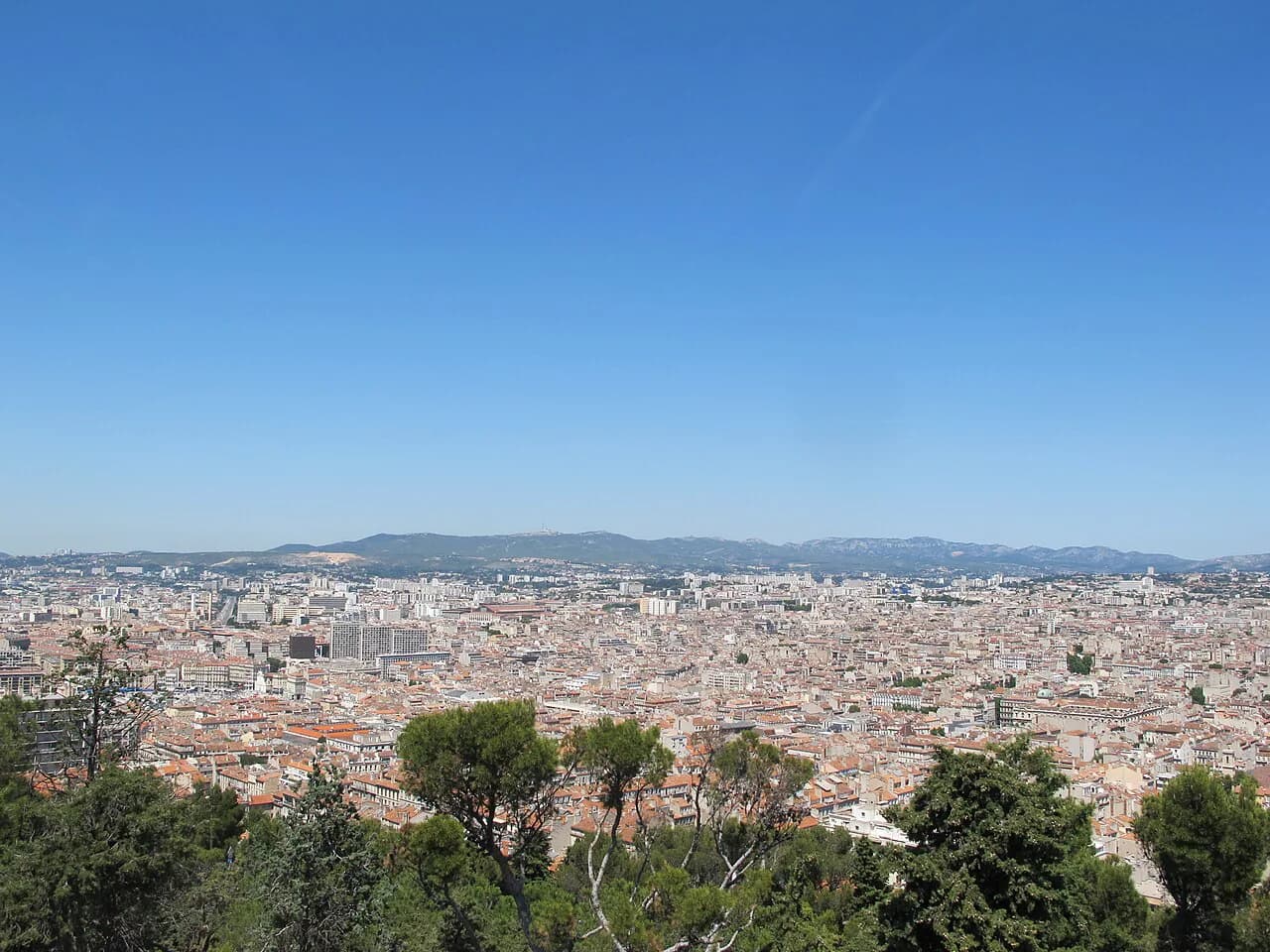
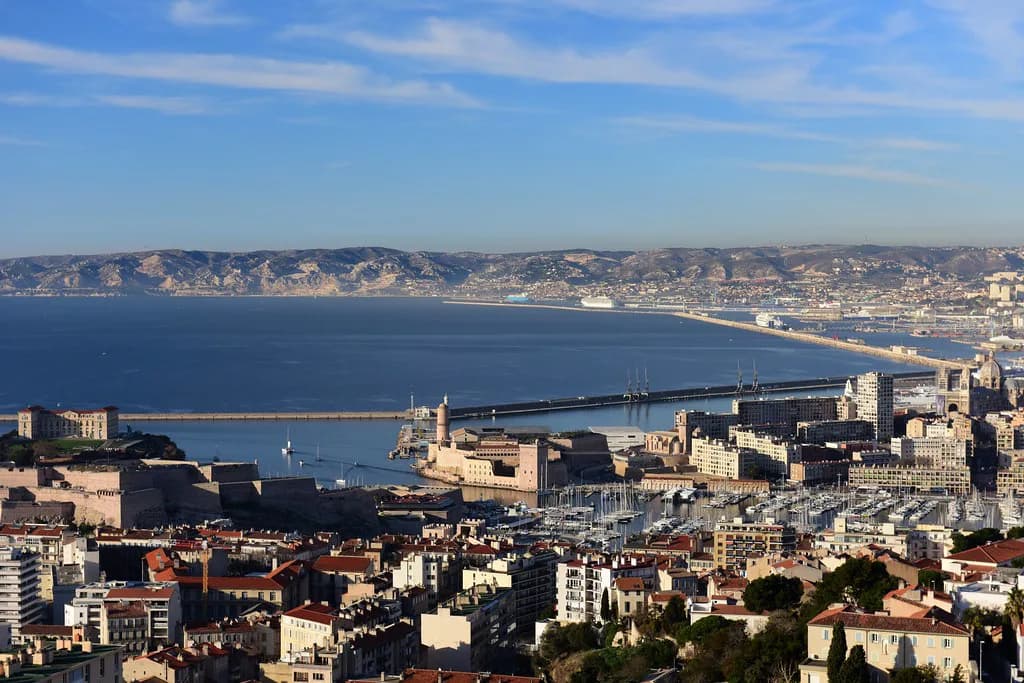
Marseille sits on the Mediterranean in Provence, so the season you pick decides how much of the city you experience outdoors. The Vieux-Port, Notre-Dame de la Garde and the MuCEM reward good weather, while the museums and markets work in any month. Match the season to the kind of weekend you want rather than chasing a single best month.
A weekend here is compact enough to plan around one or two anchor sights a day. The bigger constraint is timing: which months bring the crowds, when the sea is still warm, and when you get the best value. The guide below works through each of these before laying out how many days to allow and what a weekend costs.
When to go to Marseille: the short answer
Aim for mid-season, roughly spring and autumn, if you want the most pleasant balance of temperatures and crowds. Marseille Tourism describes this window as the most comfortable overall, with summer and winter each offering their own appeal. That makes April, May, late September and October the strongest candidates for a first weekend.
For outdoor days on the water or along the Calanques, the early-autumn window stands out: September and early October keep the sea warm while the peak summer crowds thin out, and the Calanques reopen for the season. That combination is hard to beat if coastal walks and boat trips are the point of your trip.
If your priority is low-cost sightseeing rather than sunbathing, December to February is the value season in Marseille. Lonely Planet frames the winter months as the time to see the city for less, with the trade-off of cooler, quieter days.
Marseille's climate and what each season feels like for a short break
Marseille has a Mediterranean climate: hot, dry summers and mild winters, with the mistral wind able to make a sunny day feel sharper. For a weekend, that means summer is best paced around shade, water and early starts, while spring and autumn let you walk the city comfortably through the day. Winter sightseeing is pleasant in the sun but needs layers.
Treat any temperature you read as a seasonal average rather than a forecast. The practical question is not the exact high but whether you will spend the day outdoors or ducking between museums, and each season shifts that balance. Build a wet-weather or wind option into any out-of-season plan.
March to May: mild days, carnivals and sailing
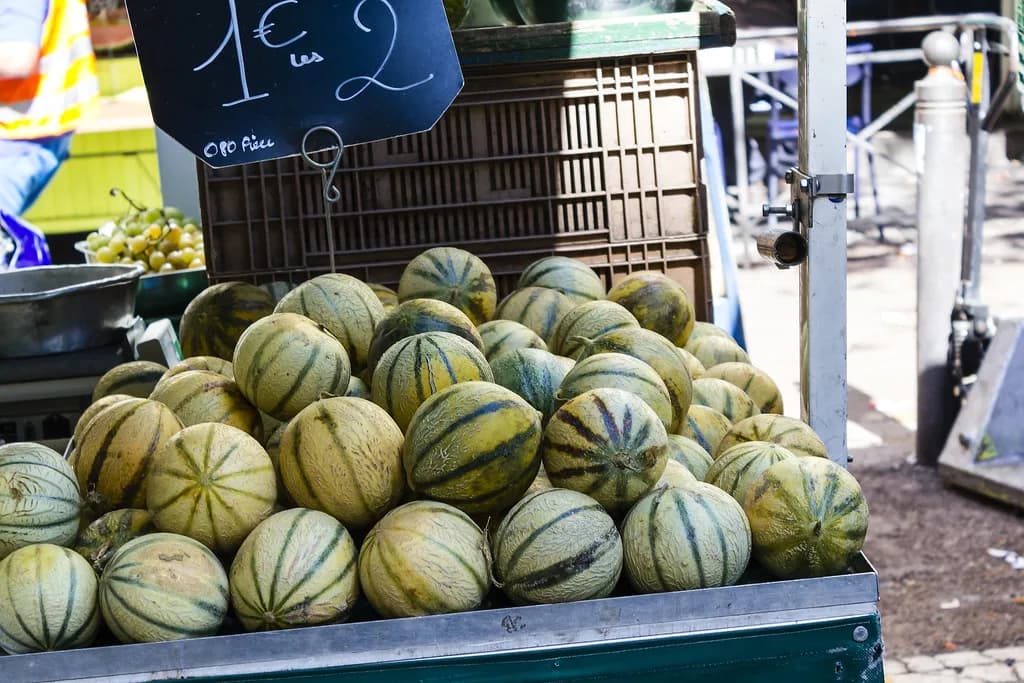
Spring is one of the best times to be in Marseille. Lonely Planet highlights this stretch for carnivals, sailing and abundant market produce, which suits a weekend built around the Vieux-Port and its daily life. Days are typically mild rather than hot, so walking between the port, Le Panier and the MuCEM is comfortable.
The catch is variability: spring can mix bright, warm afternoons with cool, windy ones, so pack for both. Book your anchor sights for the morning and keep afternoons flexible. This is also a good season to let the markets set your rhythm rather than a rigid schedule.
June to September: beaches, festivals and the busiest months
Summer is peak season. Lonely Planet places June to September as the best window for beaches, festivals and a lively atmosphere, and the city fills accordingly. Expect the waterfront and the most popular sights to be at their busiest, and plan around cooler morning and evening hours.
This is the season to trade quiet streets for reliable sunshine and warm sea. If you want the coast at its best without the peak crush, September and early October are the smarter compromise, when the sea is still warm and the crowds begin to thin.
October and November: crowd-free weeks and warm sea
Autumn is the connoisseur's pick for a Marseille weekend. Lonely Planet describes October and November as crowd-free, and the sea stays warm into early autumn, which keeps swimming and boat trips viable well after the summer rush. You get much of the summer experience with far fewer people around you.
November is the turning point: still mild by northern European standards, but cooler and quieter, and a good month for the city's indoor side. Plan museum time and long lunches, and treat the coast as a walk rather than a swim. Use the calmer streets to explore neighbourhoods you might skip in summer.
December to February: cheaper sightseeing in winter
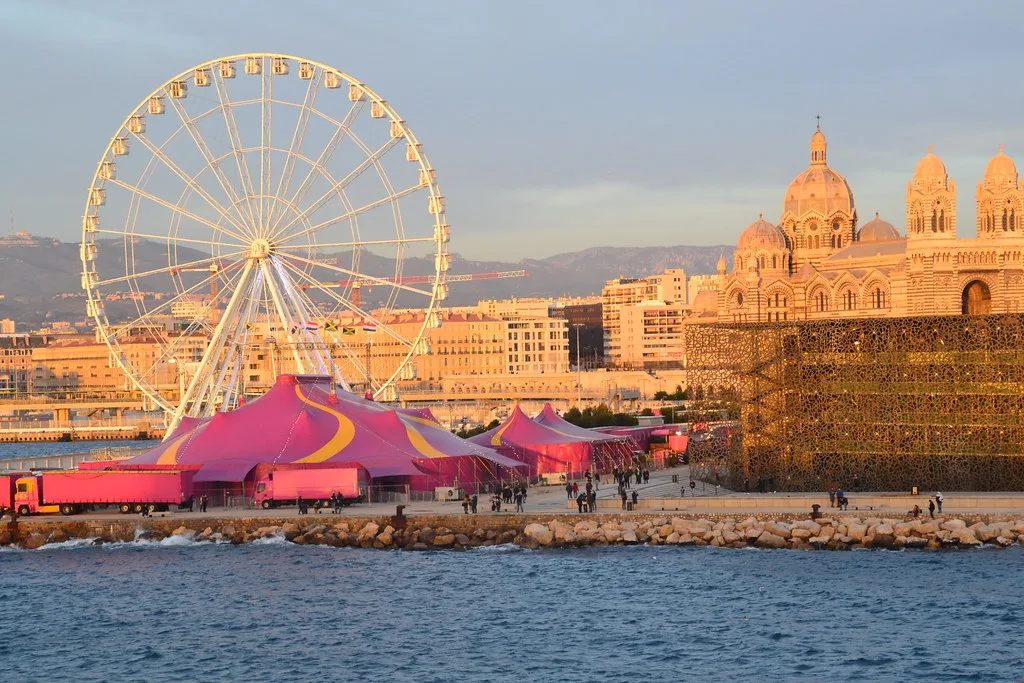
Winter is Marseille's value season for a city break. Lonely Planet recommends December to February for seeing the sights for less, when the summer crowds are gone and the focus shifts indoors and to the streets. It is a strong choice if you care more about the MuCEM, Notre-Dame de la Garde and the old quarters than sunbathing.
The honest trade-off is weather: short daylight, cool days and the occasional bracing mistral. In return you get a calmer city, easier tables and a more local feel. Pack warm layers and plan one indoor anchor per day.
Which months suit which kind of weekend
For a first visit covering the classic sights, spring or early autumn is the best all-round choice. You can walk the Vieux-Port, climb to Notre-Dame de la Garde and cross to the MuCEM without the summer heat or crush. If you are still weighing whether the city is for you, a shoulder-season trip is the fairest test.
For sun-seekers and swimmers, June to September is the obvious pick, with September to early October the clever compromise for warm sea and thinner crowds. For budget sightseeing, winter wins. Food-led weekends work in any month, but autumn is hard to beat for market produce and comfortable eating.
If Marseille is one stop on a wider Provençal trip, time your visit alongside nearby towns so the seasons align across your itinerary. Aix-en-Provence shares the same Mediterranean rhythms, so the same mid-season logic applies there. That makes this guide to the best time to visit Aix-en-Provence a useful companion when you are lining up the two cities.
How many days you need in Marseille
Two full days cover the essentials: the Vieux-Port, Le Panier, Notre-Dame de la Garde and the MuCEM, with time for one long waterfront lunch. Three days let you add a coastal outing or a slower neighbourhood and still keep a relaxed pace. Anything shorter leaves you choosing between the old city and the sea.
A sensible weekend shape is one day for the port and old town, and one for the museum quarter and the basilica. If you have a third day, give it to the coast or a market morning. That structure works in every season; only the balance of indoor and outdoor time changes.
What a Marseille weekend costs
Marseille is generally gentler on the wallet than Paris, but what you pay depends heavily on season and timing. Summer and major events push short-break costs up, while winter is the value window for sightseeing. Rather than quote figures, compare live rates for your dates when booking transport and any ticketed sights on Marseille Tourism or the individual sight's own website.
Budget by separating fixed costs from variable ones: travel, accommodation and any paid attractions are the fixed parts, while food and local transport you can flex. Off-season travel is where the savings concentrate. Prices for train tickets and museum entry are listed by the transport companies and attractions themselves, so compare those before committing.
What is open when: museums, markets and Sunday closures
Marseille's museums, markets and shops do not all follow the same weekly rhythm, so confirm opening days for your specific dates before you build an itinerary around them. Many French museums close one day a week and markets run on set mornings. Check the official page for each sight you plan to visit.
Base your days around the Vieux-Port and the Quai des Belges, where the fish market and waterfront life give the city its rhythm. Nearby streets such as La Canebière and the Cours Julien reward a wander between sights.
For a weekend, expect some shops and eateries to keep Sunday or lunchtime hours that differ from the rest of the week, so plan your shopping and eating around them. Check individual venues for the days you are there. Browse the city's flea and Brocante options if vintage hunting appeals.
Practical planning notes for UK, US and Irish visitors
Marseille has its own international airport and a TGV station at Saint-Charles, which puts the city within easy reach of Paris and other French hubs. Book rail and flights early for summer and school-holiday dates, when demand peaks. From the station, the Vieux-Port is a short metro ride or a walkable downhill stretch.
Pack for the season rather than the forecast: light layers and sun protection in summer, warm layers and a windproof jacket in winter and spring. Comfortable shoes matter on Marseille's hills and steps, especially around Notre-Dame de la Garde and Le Panier. Carry water in summer and keep an indoor plan for windy days.
Plan Your Visit
For most weekenders, the best time to visit Marseille is mid-season, when comfortable temperatures and lighter crowds line up. For warm sea and thinner summer crowds, target September into early October; for the lowest-cost sightseeing, go in winter.
Whichever season you choose, build the weekend around one or two anchor sights a day and leave room for the port and the old quarters. Check current opening days and ticket details for the sights you plan to visit, then commit to dates that suit the kind of trip you want.
Explore more Marseille guides
Frequently Asked Questions
What is the best month to visit Marseille?
Mid-season months such as April, May, late September and October typically give the most comfortable balance of temperatures and crowds. For outdoor days and warm sea, September and early October stand out. For lower-cost sightseeing, winter works well.
How many days do you need in Marseille?
Two full days cover the Vieux-Port, Le Panier, Notre-Dame de la Garde and the MuCEM at a relaxed pace. Three days let you add a coastal outing or a slower neighbourhood. Anything shorter means choosing between the old city and the sea.
Is Marseille very expensive?
Marseille is generally gentler on the wallet than Paris, but costs rise in summer and around major events. Winter is the value window for sightseeing. Check current transport fares and attraction tickets before booking.
Is Marseille worth a visit?
Yes, for a short break built around the port, the old quarters and the museum quarter. It rewards a mid-season weekend with comfortable walking weather and lighter crowds. Summer suits sun-seekers who accept the peak-season bustle.
Which is better, Marseille in September or October?
September and early October both keep the sea warm while the peak summer crowds thin out, making either a strong shoulder-season choice. October is typically quieter, and November turns cooler and calmer. Pick early autumn for the warmest sea and late autumn for the thinnest crowds.
What is Marseille like in November?
November is crowd-free and milder than northern Europe, but cooler than summer, so treat it as a sightseeing month rather than a swimming one. Plan museum time and long lunches, and enjoy the calmer streets.
Sources
Notes for French city breaks
Optional updates to our guides.
You might also like
Continue reading
More guides you'll find useful