Best Restaurants in Marseille: Where to Eat on a City Break
Plan where to eat in Marseille, from bouillabaisse on the Vieux-Port to Provençal street food and modern bistros, with named picks and honest trade-offs.
On this page
Marseille has the most varied food scene of any French city outside Paris: Provençal cooking, seafood, pizza, North African kitchens and Japanese menus all sit within a few tram stops of the Vieux-Port. Plan by dish and by budget rather than chasing a single ranked list, and you will eat better for less.
Eating well in Marseille is a communal sport, and much of it is cheap. The city's strength is the breadth of good-value tables, with a handful of three-star addresses for a blowout.
What to Eat in Marseille
Bouillabaisse is the dish people come for: a dark, intense fish soup built on small rock fish, sometimes served in two or three stages at the grander restaurants. Expect it to be the most expensive thing on many menus, and treat it as a set-piece lunch rather than a quick bite.
Beyond the famous soup, the everyday repertoire is Provençal and Mediterranean: fresh fish, vegetables, olive oil, aioli and grilled meat. The city also does excellent pizza and street food, and every immigrant generation has added a layer to what Marseille cooks.
Best for Bouillabaisse and Seafood
For the classic version, reserve a table at one of the Vieux-Port institutions and go at lunch, when the pace is calmer and the bill lighter. Chez Fonfon and L'Écaillerie both appear on shortlists of the city's best seafood addresses, and L'Épuisette serves bouillabaisse in a striking seaside setting that turns the meal into an occasion.
Two three-star restaurants, Le Petit Nice Passedat and AM par Alexandre Mazzia, sit at the top of the city's dining. Both are a serious spend, though the prices are gentler than equivalent tables in Paris. Book well ahead if either is the centrepiece of your trip.
If you want the full Marseille fish experience without the ceremony, look for simply grilled catch on the menu at the mid-range places around the port. A short walk from the water usually buys a better-value plate than a front-row table on the quay, and the Quai des Belges end of the harbour is the easiest place to start.
Best for Provençal and Mediterranean Cooking
Poule Noire, run by chef Damien Delgado and Fanny Sauvage, cooks locally sourced recipes with very fresh ingredients and is known for strong value at lunchtime. There is a mezzanine and an interior terrace, so it works whatever the weather does.
Sepia sits in a shaded garden on the Puget hill, under tall pines, with views across the city and a cellar of contemporary wines. The cooking is rustic and generous rather than delicate: cuttlefish stew, poached cod, beef braised in red wine. It is a lovely long lunch, but the setting rather than the location is the point, so plan how you get there.
Aix&Terra runs a forty-seat restaurant beside its grocery shop, serving seasonal dishes built around its own artisan products, with tapas if you want to graze. It is a sensible stop if you want Provençal flavours in a modern, comfortable room.
Best for Street Food and Lunch
Pain à l'ail serves Provençal street food from a small restaurant with a terrace: traditional dishes served in trays or as sandwiches, including an aioli sandwich with fresh fish, vegetables and homemade aioli. It is quick, filling and a good way to eat local flavours without a long sit-down.
Near the Cours Julien, GERARH combines a restaurant, wine cellar and exhibition space and runs market-to-plate experiences that start with a guided walk around the local market. The restaurant cooks locavore, organic dishes that shift with the seasons, with produce bought direct from growers, fishermen and cheesemakers.
For a cheap, excellent lunch, the city is full of good tables well under the special-occasion bracket; the value is concentrated in the mid-range rather than the very cheapest end.
Best for a Special Occasion
A three-star table is the obvious choice for a celebration, and Marseille has two. Beyond those, the seaside rooms and the hillside gardens give you the sense of an event without the same bill, so decide whether you are paying for cooking, for the view, or both.
Wherever you book, check the menu and reserve directly before you travel, since the city's top tables fill quickly and details change with the season.
Best for Modern Bistros and Varied Kitchens
La Mercerie, run by sommelier Laura Vidal and chef Harry Cummins, is one of the city's most popular modern bistros, cooking market-driven food in a relaxed room. It is the kind of place to book for a first night, when you want good cooking without a set-piece menu.
Tabi serves authentic Japanese cooking with a view of the Mediterranean, with three set menus and dishes such as temari sushi, a chawan mushi egg flan with lobster, and fried aubergine. It is a good change of register if you have eaten Provençal food for two days straight.
Alcyone, Lionel Levy's Michelin-starred restaurant at the Intercontinental Marseille-Hôtel Dieu, cooks in the same market-led southern idiom and is a strong pick near the museum quarter.
How to Choose by Area and Budget
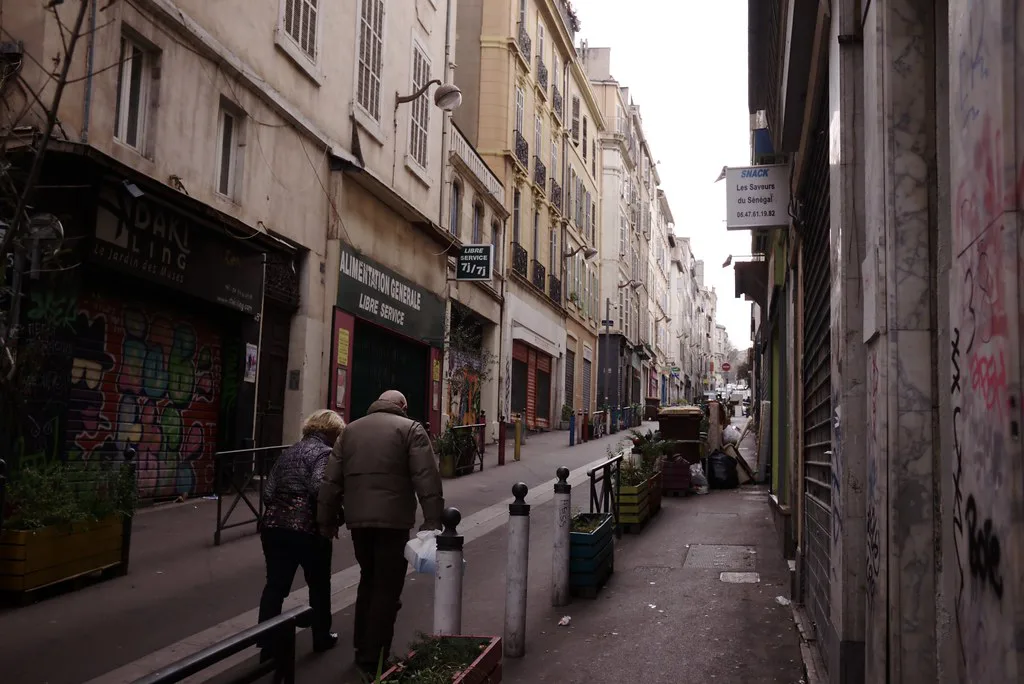
Around the Vieux-Port you get the seafood institutions and the ferry crowds; Le Panier and the Cours Julien reward a short walk with better value and more variety. Build your day around the area you are already seeing rather than crossing the city for a single meal.
Budget by meal rather than by day: one big lunch, one simple dinner and a street-food lunch will usually beat three mid-range dinners. Sort your shortlist into cheap, mid-range and blowout, then fill in the gaps as you go.
If you are tempted to eat your way around Provence, Arles has its own strong traditional tables, including La Gueule du Loup.
Practical Eating Advice for a Weekend
Reserve the restaurants you care most about before you arrive, especially for Friday and Saturday dinner, and keep one evening free for somewhere you discover on the day.
Many restaurants open for lunch at noon and close the kitchen mid-afternoon, so a late lunch is the safer plan if your morning runs over. Menus are posted and dishes change with the season, so a quick check of the menu board beats relying on a guide written months ago.
Plan Your Visit
Marseille rewards eating by dish and by mood: bouillabaisse once, a long Provençal lunch, a street-food sandwich and a modern bistro dinner will cover the city's range in a weekend. Group your bookings around the sights you are already seeing, and book the big tables before you travel.
Check the current menu and reservation policy directly with the restaurant, as hours and seasons change through the year.
Explore more Marseille guides
Frequently Asked Questions
What food is Marseille known for?
Bouillabaisse is the signature dish: a dark fish soup built on small rock fish, served in stages at the grander restaurants and priced as a set-piece meal. The everyday cooking is Provençal and Mediterranean, with olive oil, vegetables, aioli, grilled fish and meat, plus excellent pizza, street food and a wide spread of North African and other Mediterranean kitchens.
Where can I eat well in Marseille on a budget?
Value sits in the mid-range and in street food rather than at the very top. Pain à l'ail serves aioli sandwiches and Provençal dishes in trays from a small terrace, Poule Noire is known for a good-value lunch, and the modern bistros around the city cook market-driven food at prices well below the three-star tables. Budget by meal rather than by day: one big lunch, one simple dinner and a sandwich at noon usually beats three mid-range dinners.
How far ahead should I book restaurants in Marseille?
Book the tables you care most about before you travel, particularly for Friday and Saturday dinner, and reserve directly with the restaurant rather than through a third party. The three-star rooms and the most popular bistros fill first. Keep one evening unbooked so you can eat somewhere you find on the day.
Which parts of Marseille are best for eating out?
The Vieux-Port holds the seafood institutions and the busiest tourist tables. Le Panier and the Cours Julien are a short walk or tram ride away and give you more variety and better value, with the Cours Julien market feeding the restaurants around it. Plan meals around the quarter you are already visiting that day rather than crossing the city for a single booking.
Sources
Notes for French city breaks
Optional updates to our guides.
You might also like

Continue reading
More guides you'll find useful