Museums in Marseille: Which Are Worth Your Weekend?
Plan Marseille's museums around what each one holds: Mucem's Mediterranean collections, the Vieille Charité and the free natural history galleries.
On this page
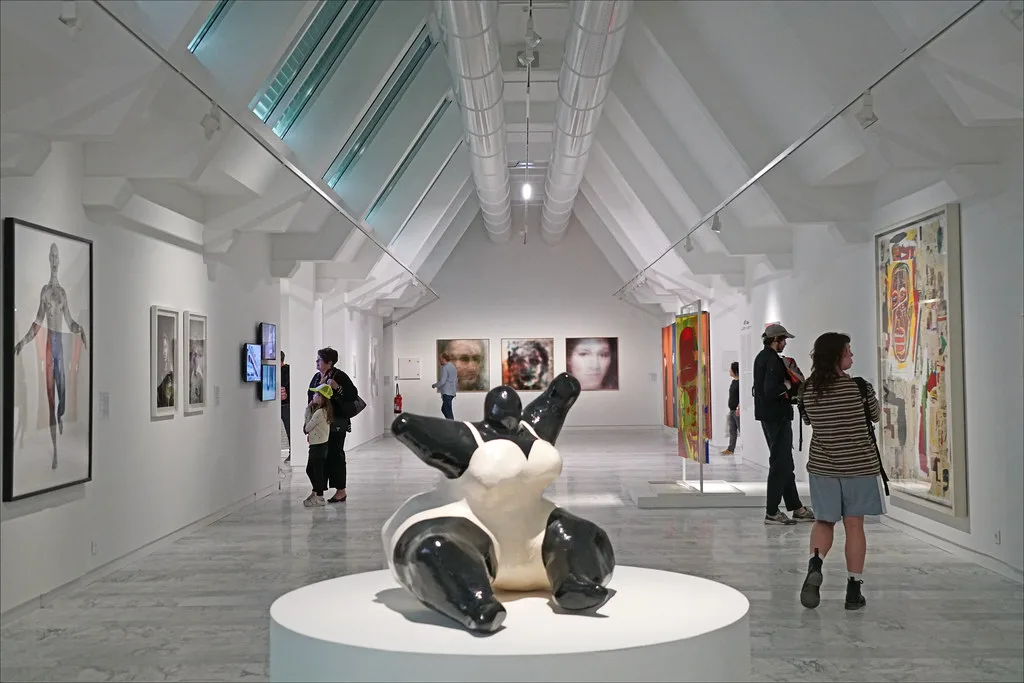
Marseille rewards two or three museums, not a full circuit. Mucem and the Vieille Charité sit close to the old harbour and Le Panier, while the Musée des Beaux-Arts and the Natural History Museum share the Palais Longchamp further inland, so you can group them into two half-days rather than criss-crossing the city.
The strongest single argument for spending a wet or slow morning indoors is Mucem, the museum of Mediterranean civilisations with a view over the water and a setting beside Fort Saint-Jean. If your time is tight, pick Mucem plus one of the Palais Longchamp museums and leave the rest for a return visit.
What Marseille's museums give you that a walking route doesn't
A walking day in Marseille gives you the Vieux-Port, Le Panier's lanes and the waterfront, but the city's history runs 2,600 years deep and much of it is underground or behind museum walls. The Marseille History Museum was built beside the excavations of the ancient Greek port, and you can see the old walls and quays by walking around the Jardin des Vestiges outside it.
Museums also solve the practical problem of a city where the weather decides your day. A morning at Mucem or the Vieille Charité costs you nothing in shoe leather and puts you back on the quays for the afternoon. If you are still weighing up whether the city deserves the trip at all, our answer to is Marseille worth visiting sets out the honest case.
Mucem: the Mediterranean collections and the Fort Saint-Jean setting
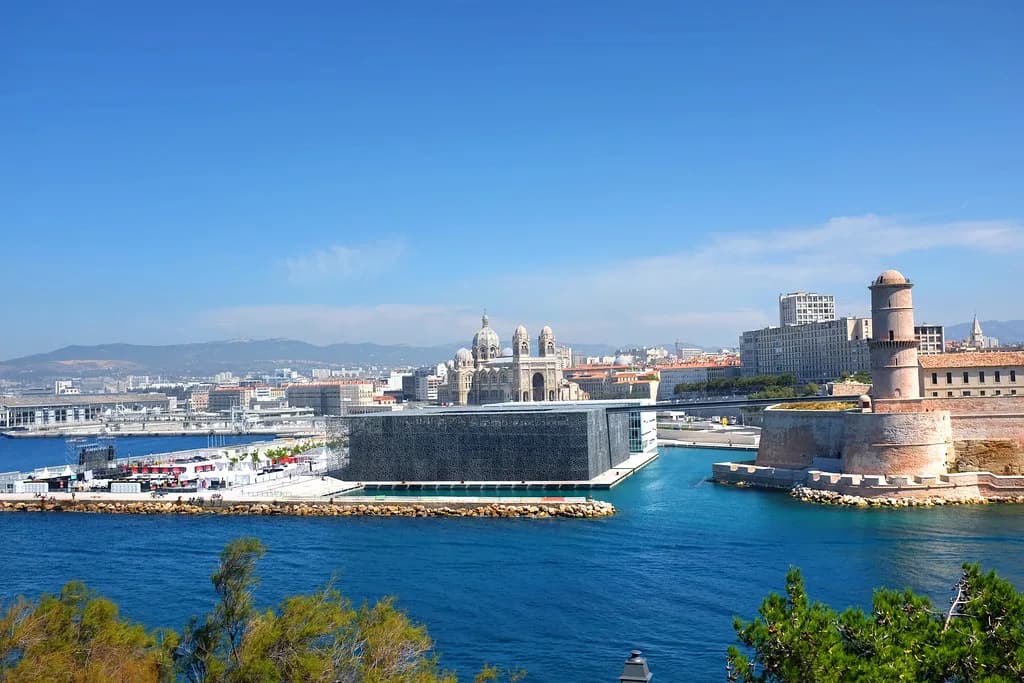
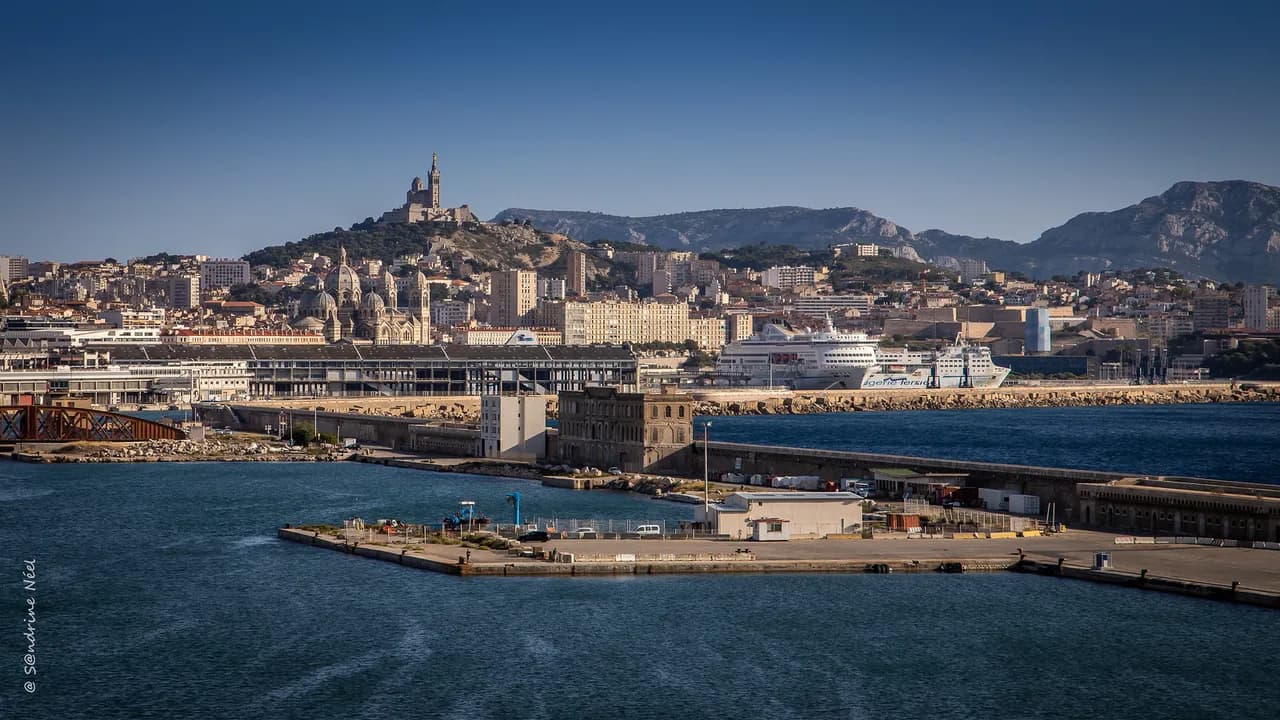
Mucem is the best-known museum in Marseille and the one to book your day around. It covers the Mediterranean through anthropology, history, archaeology, art history and contemporary art, so the displays move between ancient objects and present-day questions rather than following one tidy storyline. The building itself, with its lattice facade, is part of the visit, and the position near the Old Port and La Major cathedral gives you sea views between galleries.
Fort Saint-Jean, which now houses part of Mucem, connects the museum to the city's defences and is worth walking through on the way in. Give Mucem the best part of half a day if you want both the exhibitions and the outdoor passages.
Vieille Charité in Le Panier: Puget's 17th-century building and rotating exhibitions
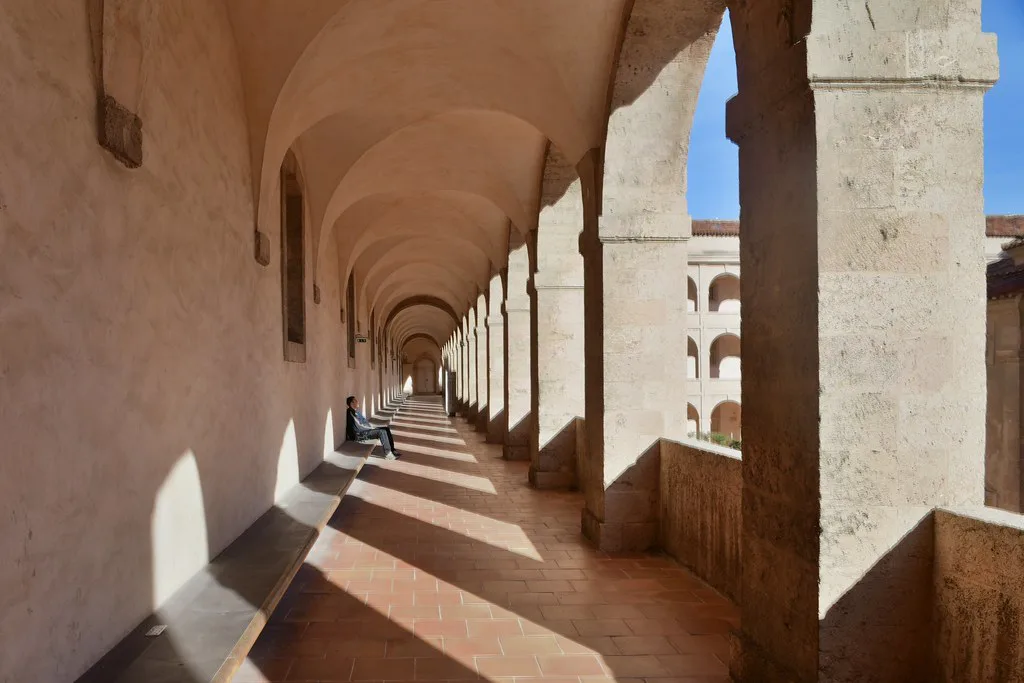
The Centre de la Vieille Charité is a 17th-century building in Le Panier, designed by the Marseille architect and sculptor Pierre Puget, and originally built to shelter the city's poor. Today it holds several cultural structures and stages temporary exhibitions through the year, from photography to sculpture across different periods.
Treat it as a building-plus-programme stop rather than a fixed collection: you go for the courtyard and chapel architecture as much as for whatever is hanging. Look at the current exhibition programme before you commit an afternoon, because what is on changes.
Musée des Beaux-Arts at Palais Longchamp: the permanent collection worth the trek
The Musée des Beaux-Arts de Marseille is one of the first fifteen museums created in France, founded under the Consulate in 1801, and it moved into the left wing of the Palais Longchamp in 1869. The permanent collection is the reason to come: late Renaissance to 18th-century Italian painters, Flemish works including Rubens's The Boar Hunt, a strong group of paintings, sculptures and drawings by Pierre Puget, and Rodin's The Inner Voice, donated by the sculptor himself.
Palais Longchamp is inland from the old harbour, so this is a deliberate trip rather than something you pass. Combine it with the Natural History Museum in the same building and the journey pays for itself.
Musée d'Histoire de Marseille: the ancient port and the practical details
The Marseille History Museum, founded in 1983 near the Old Port, displays finds from the excavations of the ancient Greek port at the bottom of the Lacydon cove. Thirteen chronological sequences take you from prehistory to the modern city, with reconstructions, models and digital displays, plus remarkably well-preserved fragments of 6th-century BC wrecks.
It is the one museum here with firm published hours: open Tuesday to Sunday, 9:30 to 18:00, closed on 1 January, 1 May, 1 November, 25 and 26 December. The address is 2 Rue Henri Barbusse, and the nearest metro stop is Vieux-Port on line 1, which makes it an easy fit into a harbour-side day.
Natural History Museum at Palais Longchamp: free permanent collections
The Muséum d'Histoire Naturelle de Marseille was created in 1819 and shares the Palais Longchamp with the fine arts museum. Its permanent collections cover European and Mediterranean natural spaces and reflect the scientific and economic life of the city since the early 19th century.
Entry to the permanent collections is free, which makes this one of the cheapest substantial museum stops in the city. Elsewhere in Marseille, admission charges apply, so check the venue's own site before you build a day around it.
Frac Sud: contemporary art at low-cost admission
Frac Sud, the regional contemporary art fund for Provence-Alpes-Côte d'Azur, was set up in 1982 as part of a national push to spread contemporary art beyond Paris. It runs a changing programme of exhibitions through the year in Marseille.
Admission is €2.50 for certain exhibitions, so this is a low-cost way to add contemporary work to a weekend. The charge applies to particular shows rather than everything, so check what is on and what it costs before you set out.
Pairing museums with the rest of a Marseille weekend
Split two days into one museum-heavy day and one street-and-port day. Start with the History Museum near the Vieux-Port, since the Jardin des Vestiges and the old port remains sit right there, then walk into Le Panier for the Vieille Charité in the afternoon.
Give the second day to Mucem and the waterfront, with Fort Saint-Jean and La Major on the same walk. Keep Palais Longchamp for whichever half-day suits you best, since it takes you away from the harbour. When you come back down to the old town, the best restaurants in marseille cluster around the port and Cours Julien, which makes an easy end to a museum day.
Free and cheap options, and where the savings actually are
The clear saving is the Natural History Museum's free permanent collections at Palais Longchamp, which lets you pair a paid fine arts visit with a free one in the same building. Frac Sud's €2.50 charge for certain exhibitions is the next cheapest way in.
Marseille became European Capital of Culture in 2013, and that legacy still shapes the city's cultural calendar. Treat any free-entry day as something to confirm for the specific museum you plan to visit.
Closing days, hours and what to confirm before you go
Only the Marseille History Museum has published days and hours you can plan around: Tuesday to Sunday, 9:30 to 18:00, with closures on 1 January, 1 May, 1 November, 25 and 26 December. For Mucem, the Vieille Charité, the Musée des Beaux-Arts, the Natural History Museum and Frac Sud, check the venue's own site for the day you plan to visit.
Build your weekend around the fixed point and leave the rest flexible: the History Museum's Tuesday-to-Sunday hours, with its Monday closure, are worth checking against the rest of your plan. If you are comparing cities for a short break, our museums in Aix-en-Provence guide covers the neighbouring option, including the Musée Granet.
Plan Your Visit
Two museums a day is realistic in Marseille if you group them geographically: Mucem and the Vieille Charité on one day, the Palais Longchamp pair on another, with the History Museum anchoring the Vieux-Port end. The free natural history galleries and the low-cost Frac Sud exhibitions keep the total down.
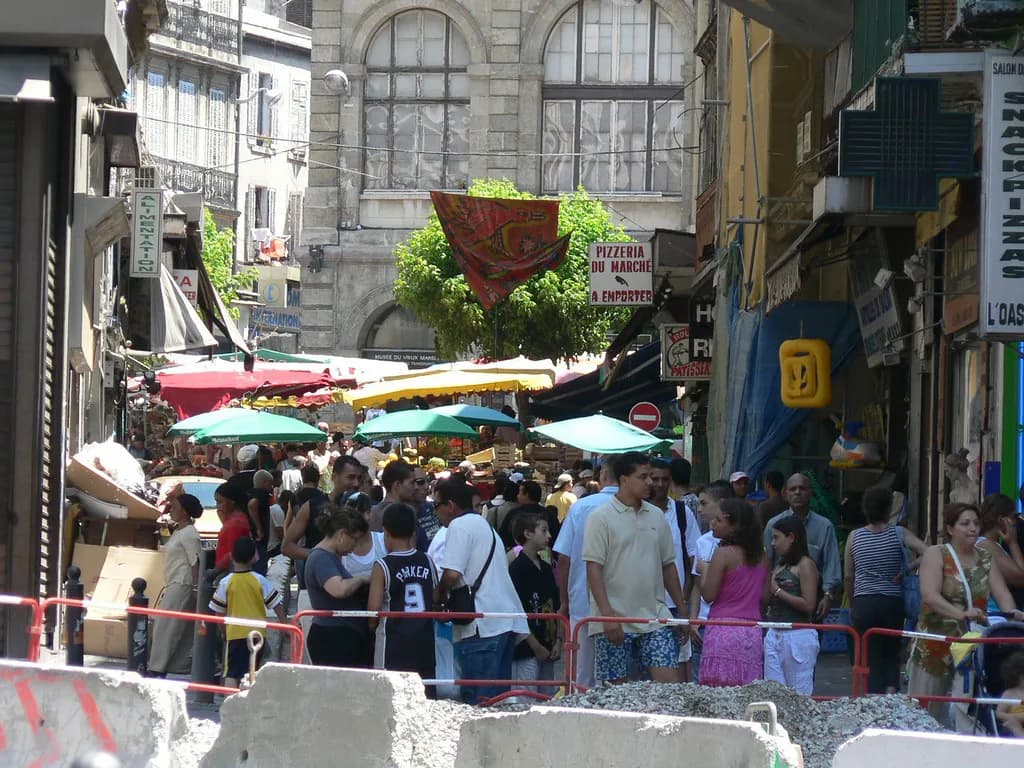
Once the museum days are set, fill the gaps with the markets and quays around the old port, which our markets in Marseille guide covers, and leave an evening free for the port itself.
Explore more Marseille guides
Frequently Asked Questions
Which Marseille museums are free?
The permanent collections of the Natural History Museum at Palais Longchamp are free to visit. Free entry covers the permanent displays, so check separately for temporary exhibitions. Elsewhere, admission charges apply, and many institutions open free on the first Sunday of the month; confirm this for the specific museum before you rely on it.
How long does Mucem take?
Allow the best part of half a day if you want both the exhibitions and the outdoor passages around Fort Saint-Jean. Mucem covers the Mediterranean through anthropology, history, archaeology, art history and contemporary art, so the displays reward more than a quick loop.
Is the Marseille History Museum open on Monday?
No. It opens Tuesday to Sunday, 9:30 to 18:00, and closes on 1 January, 1 May, 1 November, 25 and 26 December. It sits at 2 Rue Henri Barbusse, near the Vieux-Port metro stop on line 1, so it fits neatly into a harbour-side day.
What is there to see at the Vieille Charité?
The 17th-century building in Le Panier, designed by Pierre Puget, is worth the visit on its own, and it hosts temporary exhibitions through the year covering photography, contemporary art and sculpture from different periods. Look at the current programme before you go, since what is on changes.
Are the Musée des Beaux-Arts and Natural History Museum in the same building?
Yes. Both sit in the Palais Longchamp, which makes one trip worthwhile. The Beaux-Arts holds the deeper permanent collection, including Rubens's The Boar Hunt and Rodin's The Inner Voice, while the Natural History Museum's permanent galleries are free.
Sources
Notes for French city breaks
Optional updates to our guides.
You might also like
Continue reading
More guides you'll find useful