Museums in Menton: What to See and Which Days They Open
Museums in Menton are small and personal: Jean Cocteau's Bastion is the one to plan around, with gardens and Baroque sights filling the rest of a short break.
On this page
Menton's museums are small and personal, and one of them anchors a half-day: Musée Jean Cocteau Le Bastion, where a 17th-century fort doubles as the exhibit. Plan around its split opening hours rather than treating it as a rainy-afternoon extra, because a mid-day pause sends you back out into the old town. Everything else that counts as culture here — a Baroque basilica forecourt, a hilltop cemetery, two serious gardens — sits within walking distance.
The town sits on the Côte d'Azur close to the Italian border, roughly 30 km from Nice, with direct regional trains from Nice-Ville taking about 40 minutes. That makes it realistic as a weekend base or a long day out from Nice, and it means the centre is compact enough to cross on foot. If you are weighing up whether the town merits the trip at all, our guide to things to do in Menton sets out the wider case.
The short answer: one museum to build a half-day around
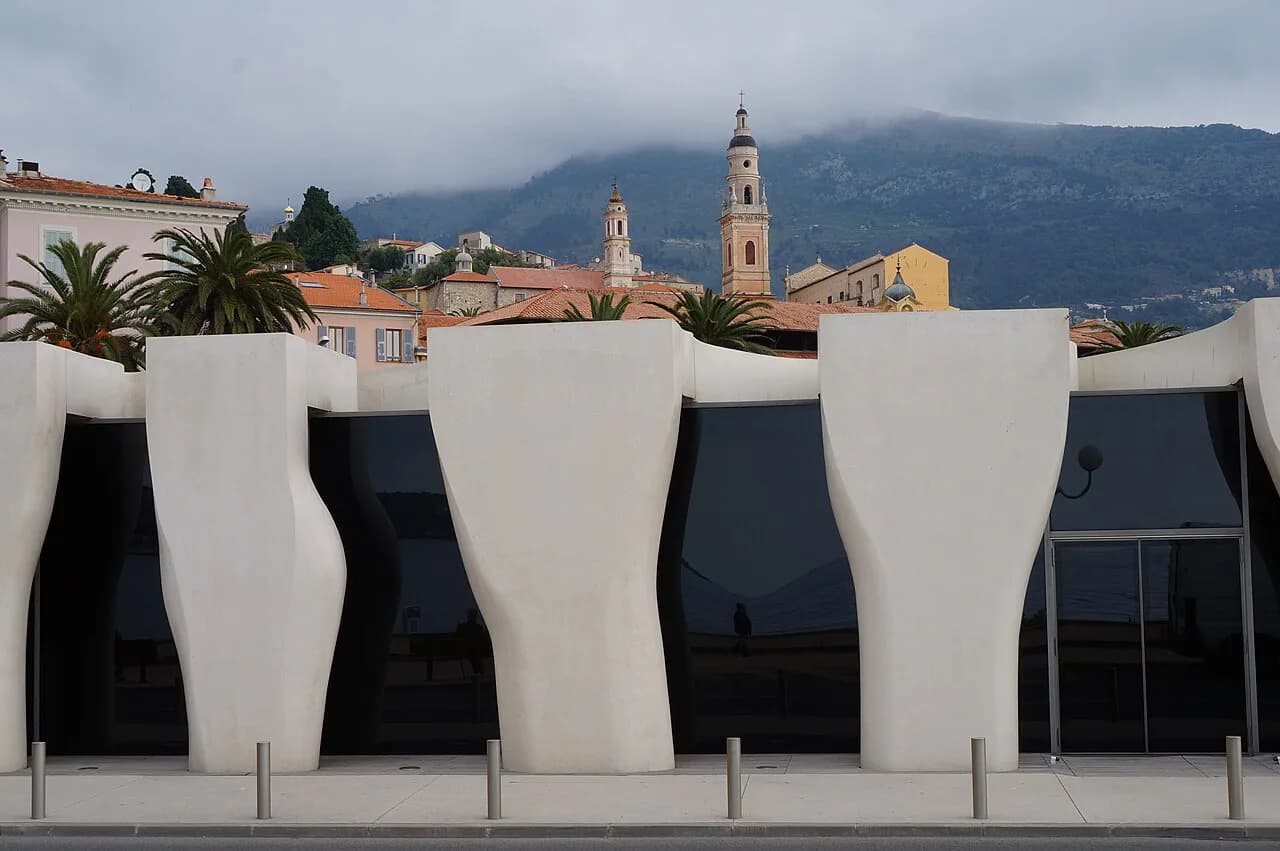
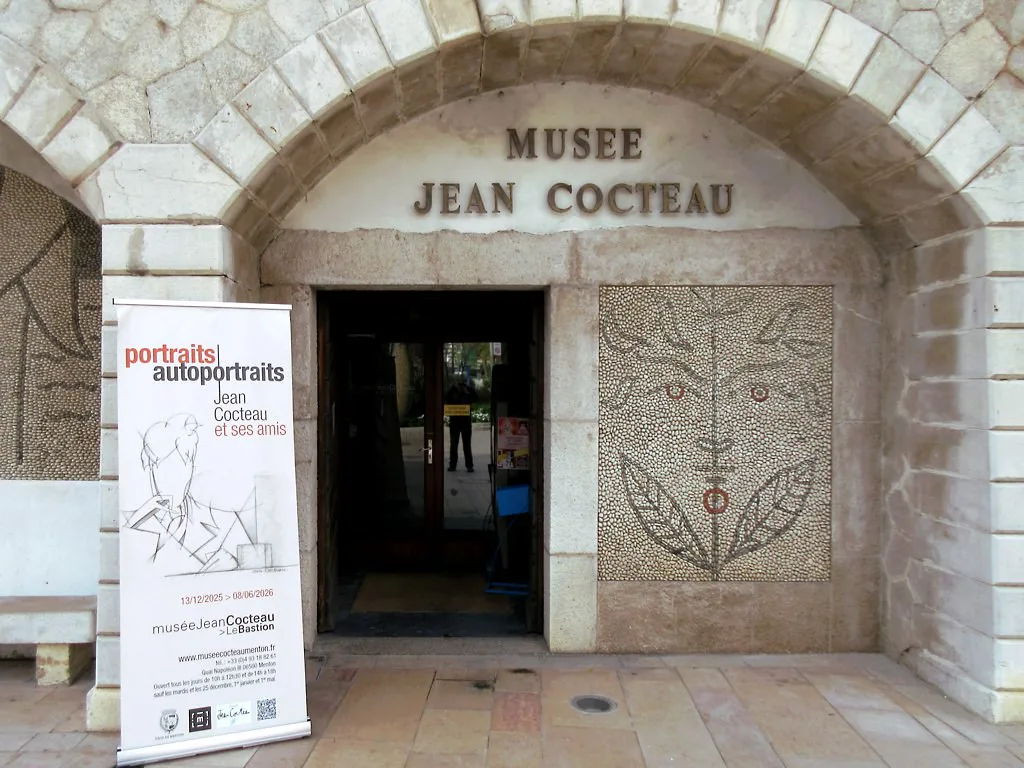
Musée Jean Cocteau Le Bastion is the museum to prioritise. It occupies a small fortress built in 1636, restored and redesigned in its entirety by Jean Cocteau as the setting for his own work, from the staircase and tapestry to the pebble decoration. The building is not a neutral shell around the art: Cocteau shaped the doorways, frontispiece and floors himself, so the rooms are part of what you came to see.
Budget around an hour and a half inside, then add the walk along the harbour. The collection now brings together more than 2,000 works from the Wunderman donation, shown through rotating displays rather than all at once. Because the museum changes its exhibitions regularly, in line with Cocteau's wishes, a second visit looks different from the first.
Menton's other draws are gardens and monuments rather than museum galleries, so treat the Bastion as the headline and the rest as a strong supporting programme. The town's cultural scene is often summarised through Cocteau's ceramics and graphic works alongside the villa gardens and the Basilica of Saint-Michel Archange. Anyone expecting a row of large municipal museums will be disappointed; anyone wanting one excellent small museum will not.
How Menton is laid out on foot
The centre is best handled on foot. From the seafront around Quai Napoléon III, where the Bastion sits, the old town lanes climb towards the Basilica of Saint-Michel Archange at Place de l'Église, roughly 15 minutes away. The old harbour and the Sablettes beachfront sit on the same level as the museum, so you can link all three without a bus.
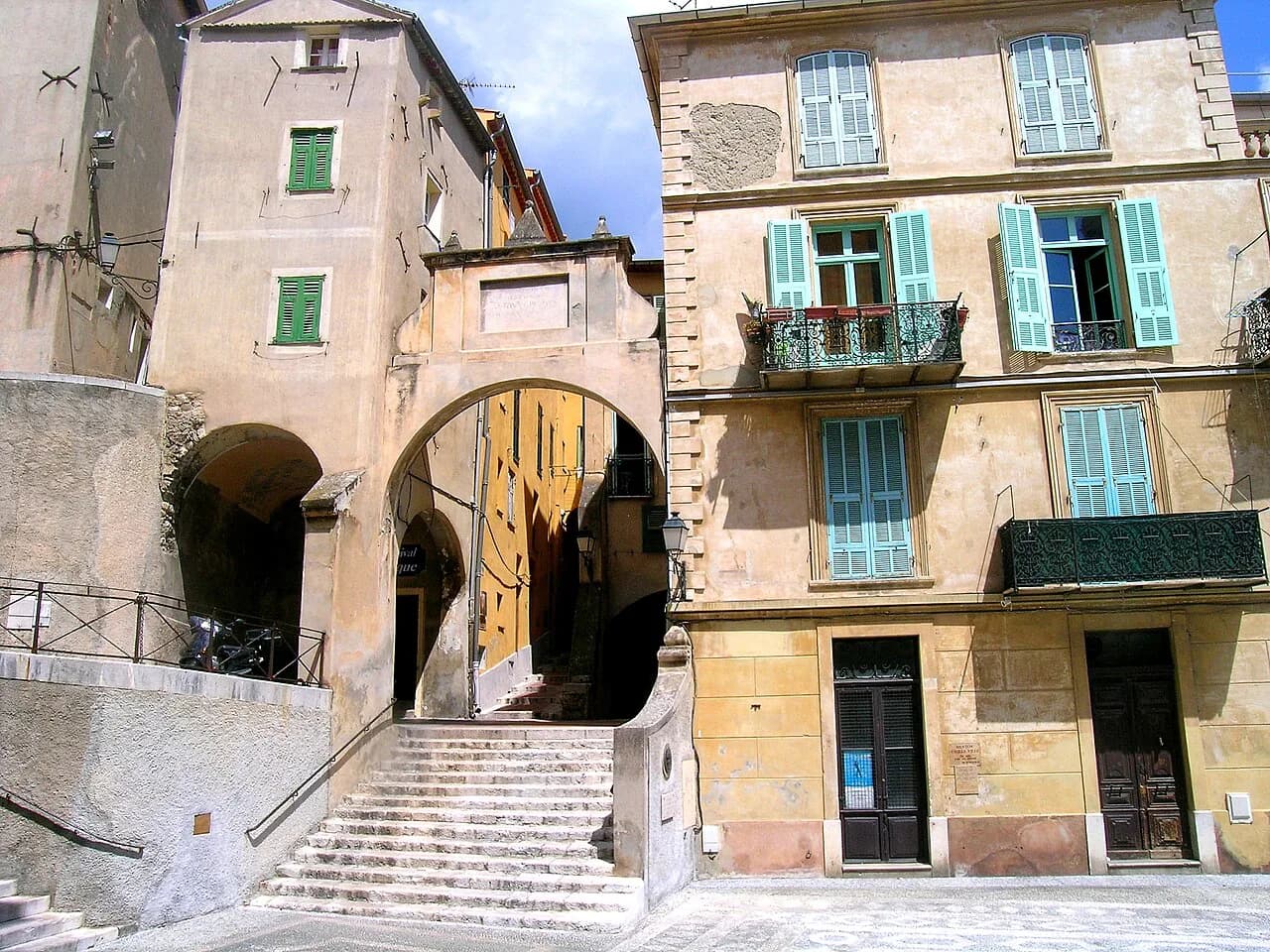
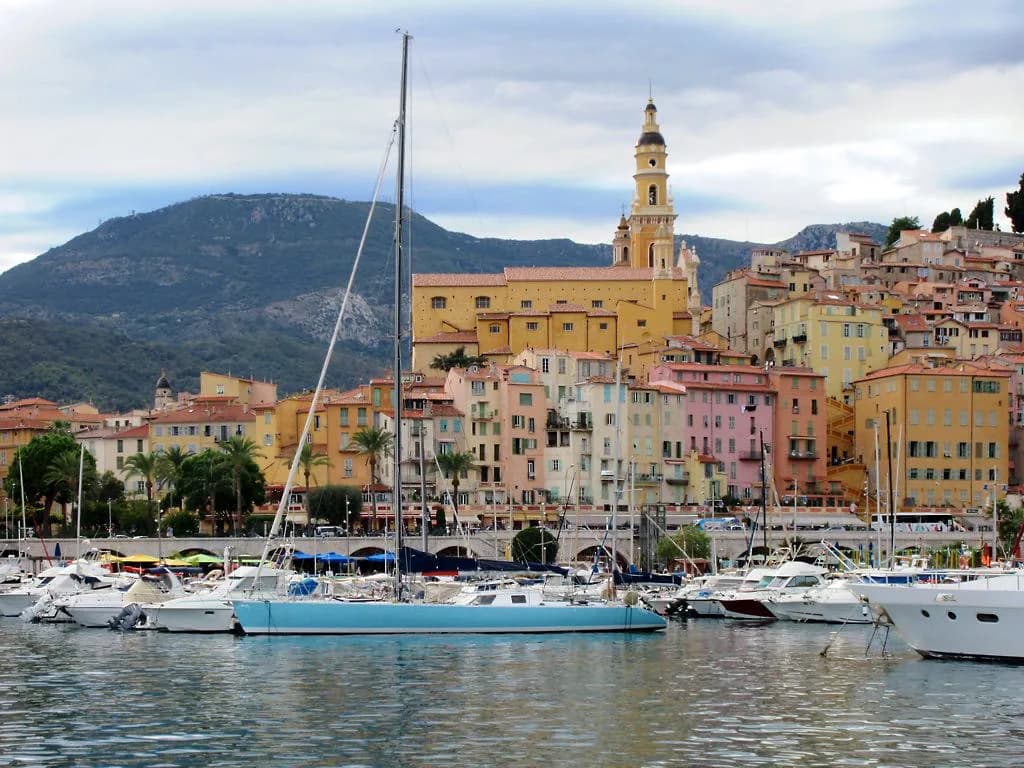
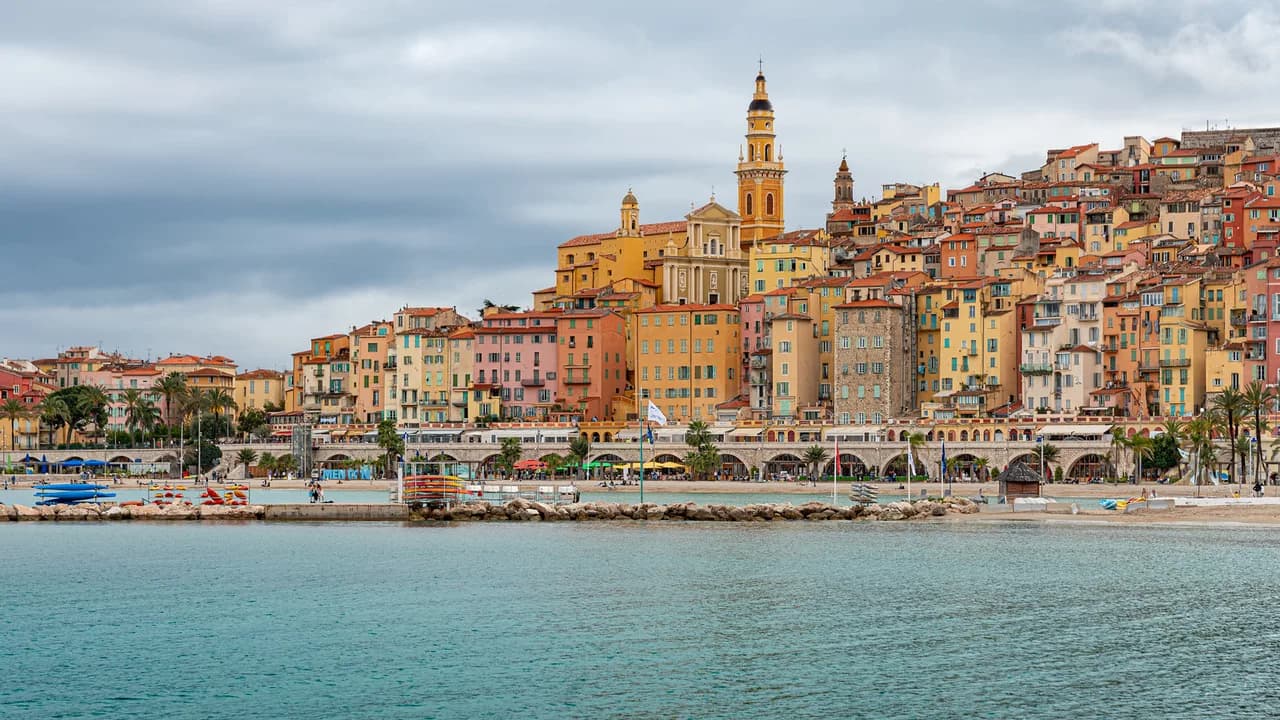
For orientation, the tourist office's own distances put the Bastion about 10 minutes from the seafront hotels, the basilica 15 minutes and the Old Castle Cemetery 18 minutes, all uphill in the last case. Those timings are a reasonable planning baseline rather than a promise. The lanes themselves are the point: ochre and pastel façades, steep steps and sudden sea views, best walked slowly.
Gardens sit further out. Serre de la Madone is up Route de Gorbio and reachable on bus line 7, while Val Rahmeh is on Avenue Saint-Jacques, roughly a 20-minute walk from the centre. If you plan to see both gardens and the Bastion on the same day, do the museum first and the gardens after, since the walking adds up.
Musée Jean Cocteau Le Bastion: the fort, the mosaics and the collection
The story behind the museum is unusually tidy. In 1957, while working on decorations for Menton's wedding hall, Cocteau noticed an abandoned 17th-century fort; the mayor of the day suggested he turn it into a museum of his works, and he accepted. He then supervised the details personally, including pebble mosaics on the ground floor that depict a lizard as a symbol of Mediterranean laziness.
The museum opened in 1966 as the first dedicated to Cocteau, inside that same fort. Exhibitions rotate each season, so check what is on before you go if a particular work matters to you; the displays change by design rather than because the museum is half-shut. Because the rooms are small, even a full house of visitors moves through quickly.
Cocteau never saw the finished museum. That detail is worth knowing because it explains the intensity of the interior: the artist designed it as a total work rather than a hang. Admission prices are not something to guess at, so check the museum's own ticket page before travelling, and allow for the fact that small museums often have reduced hours outside high season.
Opening pattern at Le Bastion and what the split day means
The museum opens daily except Tuesday, from 10am to 12:30pm and again from 2pm to 6pm. That mid-day break is the single most useful fact for planning: arrive at opening, take the lunch gap in the old town, and return if you want a second pass. Do not assume you can drift in at 1pm.
Tuesday is the day to route elsewhere. The gardens conveniently run on complementary patterns: Val Rahmeh opens Wednesday to Monday, while Serre de la Madone opens Tuesday to Sunday. A Tuesday in Menton therefore points you at Serre de la Madone and the old town rather than the Bastion.
Hours at small municipal museums can change for public holidays and between seasons. Confirm the day you intend to visit on the town's official site before setting out, particularly outside summer.
Why the collection rotates, and why a return visit differs
Cocteau's instructions were that the displays should change, and the museum honours them by rotating exhibitions of his works each season. That suits a small fort: rather than cramming 2,000 pieces into a few rooms, the museum shows a slice at a time. The practical consequence is that the museum rewards a repeat visit more than most places of its size.
If you are coming specifically for a known work, look at current exhibitions before booking travel, since the rotating display is the whole point rather than an inconvenience. The wider Riviera museum scene is well catalogued by region, and the Menton entry lists what is showing alongside the villa gardens and the basilica.
Val Rahmeh Botanical Garden: a national collection by the sea
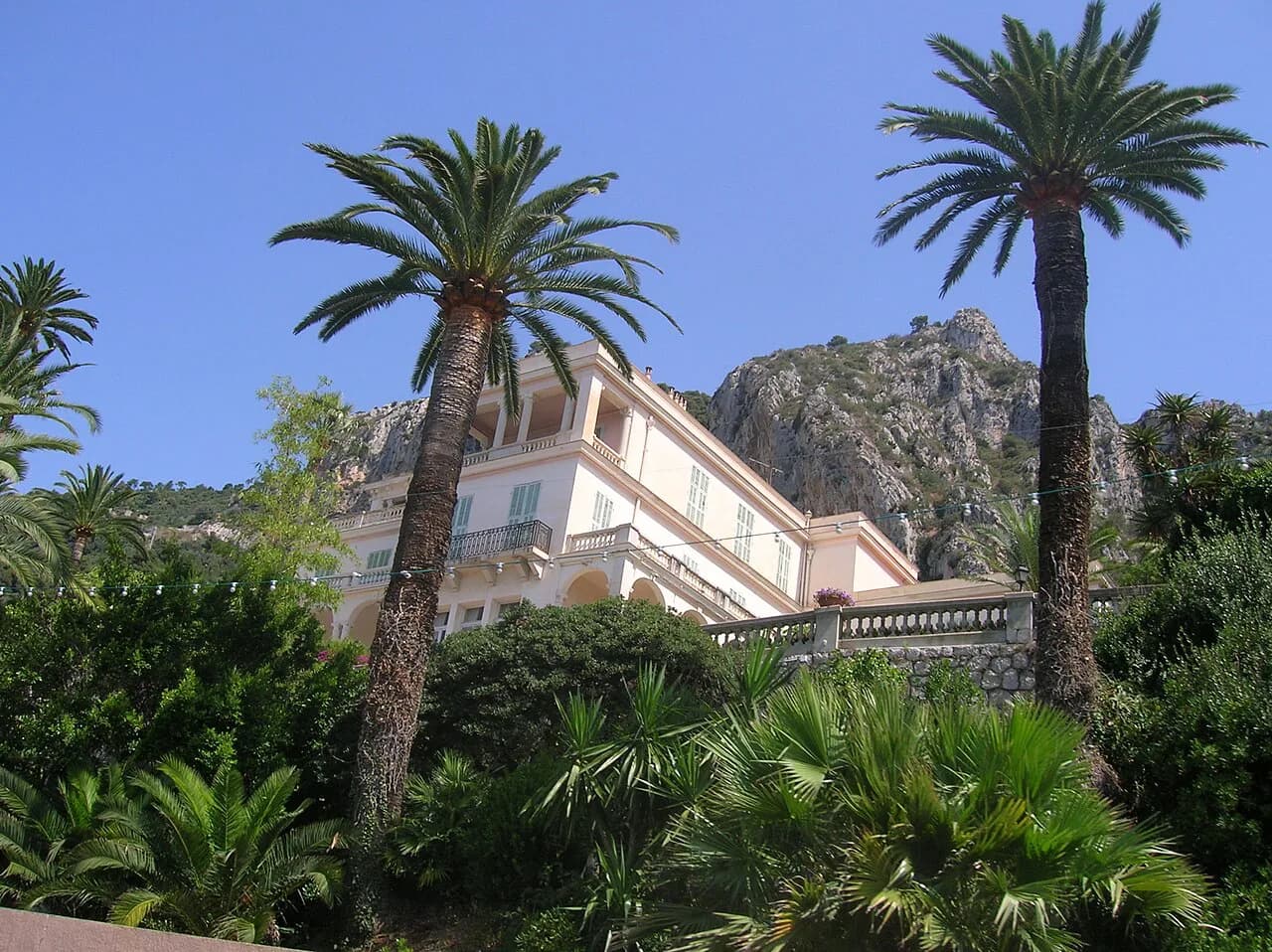
Val Rahmeh is the garden to choose if you only see one. It belongs to the National Museum of Natural History and holds nearly 1,800 subtropical, tropical and Mediterranean species across 1.1 hectares on Avenue Saint-Jacques. The estate dates to 1875, and from 1905 Sir Percy Radcliffe, a former Governor of Malta, enriched the planting and named it for his wife Rahmeh.
It opens Wednesday to Monday, 10am to 6pm, which pairs neatly with a Tuesday closure at the Bastion. Allow about an hour for a slow loop. Admission is charged, so check the current rate on the Muséum national d'Histoire naturelle site rather than relying on old figures.
Serre de la Madone: terraces, plant collections and a Tuesday option
Serre de la Madone is the connoisseur's garden. Listed as a historic monument and owned by the Conservatoire du littoral, it is laid out over six terraced levels created by Lawrence Johnston from 1924, and it holds three national plant collections including Araliaceae and Proteaceae. It sits at 74 Route de Gorbio, about 10 minutes by bus line 7 from the centre, with a stop named for the garden.
Its opening pattern, Tuesday to Sunday, 10am to 6pm, makes it the obvious answer to a closed Bastion. The terraces involve steps and slopes, so wear shoes you can climb in. Combine it with the old town lanes on the way back down rather than trying to pair it with Val Rahmeh, which sits in the opposite direction.
Jardins Bioves: the central garden and a flexible gap-filler
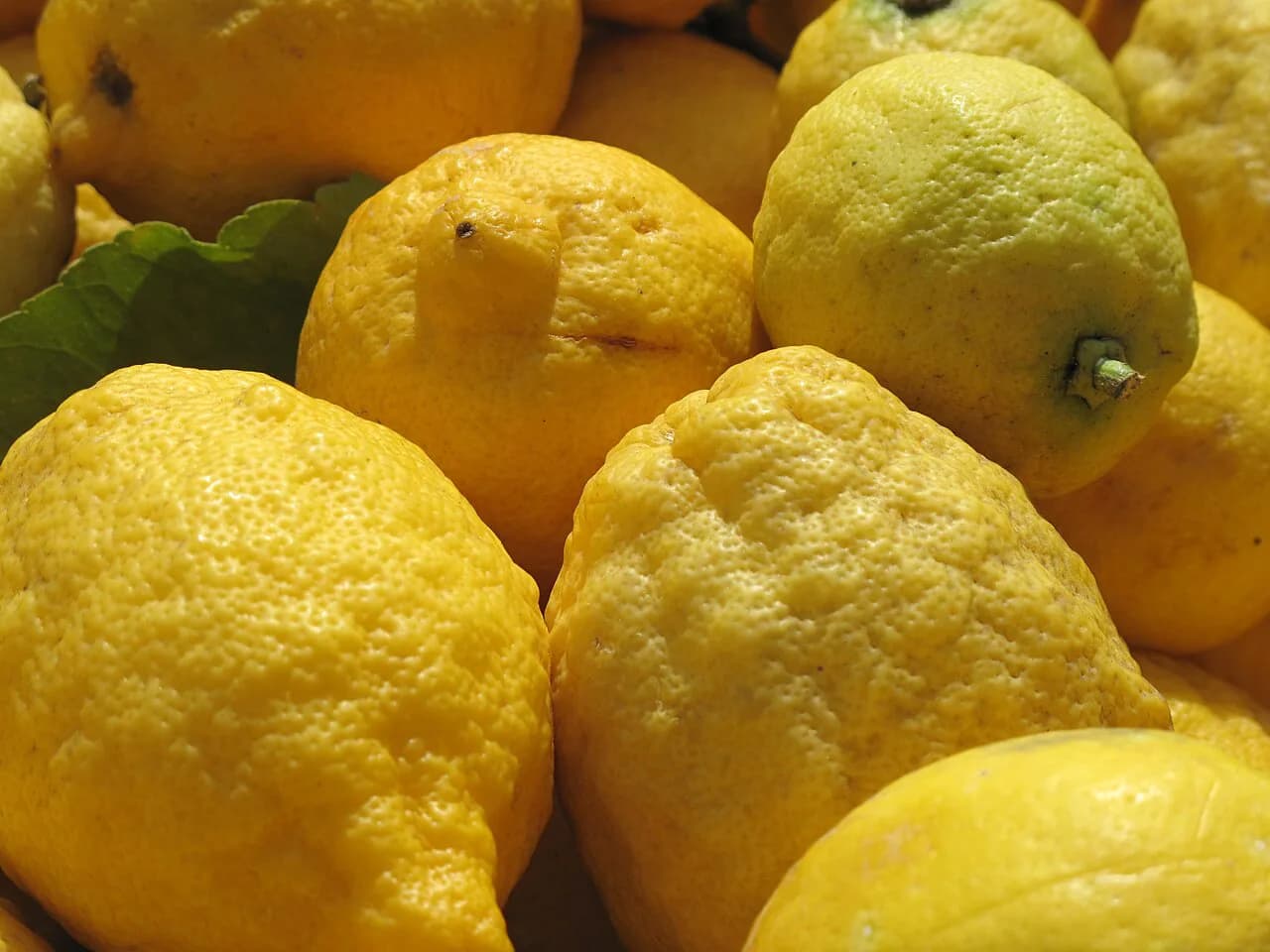
Jardins Bioves on Avenue Boyer is the town-centre garden, about six minutes' walk from the seafront hotels. It is where the Lemon Festival builds its monumental citrus sculptures each February, which makes it the one place in Menton whose character changes completely with the calendar. Outside festival time it works as a shady pause between sights rather than a destination in itself.
There is no published admission detail to plan around here, so treat it as a walk-through on the way to somewhere else. If the festival is the reason for your trip, check the current programme and dates with the town before booking, since the event runs for roughly two weeks in February.
Beyond the museums: the basilica, its forecourt and the summer festival
Basilica of Saint-Michel Archange, on Place de l'Église, is a Baroque building by the Genoese architect Laurent Lavagna, and its richly decorated interior is the reason to climb the steps. Its forecourt looks over the Mediterranean and hosts the Menton Music Festival each summer, one of the Riviera's established classical events. Even without a concert, the square is the best place in town to sit and look back down at the roofs.
The basilica is a working church, so treat it as a visit rather than a sight to tick off between museums. Its Baroque interior and position above the harbour are also what many visitors remember most from Menton. A short stop here fits naturally between the Bastion and a late lunch by the port.
Old Castle Cemetery: the hilltop viewpoint
The Old Castle Cemetery, on Parvis du Vieux-Château, dates from 1880 and is a Russian Orthodox burial ground. Its position gives a panoramic view over the town, the old harbour, the Bay of Garavan and the Italian border, which is the actual reason to walk up. Allow about 18 minutes from the centre.
This is a cemetery, so keep voices low and photography respectful. Go late in the day for the light over the harbour, then walk back down through the old town streets rather than retracing the road. It pairs well with the basilica on the same climb.
How to sequence a museum day on foot
Start at the Bastion for the 10am opening, walk the harbour afterwards, then climb to the basilica and, if legs allow, the cemetery. Take the 12:30pm to 2pm museum closure as your lunch cue instead of fighting it. This order keeps you on one side of town in the morning and uses the afternoon for the climb.
For lunch, the covered market hall on Quai de Monléon, about five minutes from the museum, brings together around thirty local producers and opens 8am to 1pm, Monday to Sunday. That window is tight, so buy before the museum rather than after. Our pick of the best restaurants in Menton covers sit-down options if you want a proper table instead.
Reserve a second morning for whichever garden suits your interests, and keep the afternoon for the basilica and the lanes. Trying to squeeze both gardens and the museum into one day involves a lot of uphill walking for little gain. The Menton Attractions hub collects the individual sight guides if you want to plan each stop in more detail.
When to go: spring gardens, February crowds and summer heat
The gardens are at their best in spring, from April to June, when the collections are in growth and the heat is manageable. February brings the Lemon Festival and the town's busiest weeks, which suits some travellers and frustrates others. The beach season runs from May to September, though beaches are not the reason to choose Menton over elsewhere on the coast.
Out of season, museums and gardens can reduce their hours, so check the specific place rather than assuming a summer pattern holds. If flexibility matters more than sun, weigh a quieter month against the risk of a closed wing. Our guide to the best time to visit menton weighs those trade-offs in more detail.
Trade-offs: small collections, mid-day closures and what to skip
The honest drawback is scale. Menton has one substantial museum rather than several, and if you want gallery after gallery, a larger city will serve you better. The trade-off is intimacy: the Bastion's rooms are small enough that Cocteau's design registers, which is not true of bigger institutions. Museums in Aix-en-Provence is a better fit if you want a heavier museum day.
If time is short, skip one of the two gardens rather than the Bastion. Val Rahmeh is the easier choice from the centre; Serre de la Madone rewards those willing to take the bus and climb the terraces. Do not attempt a garden and the museum on a Tuesday, when the Bastion is shut and the gardens' schedules diverge.
Plan Your Visit
Menton works as a short-break destination precisely because its cultural sights are compact. Build the weekend around the Bastion, add one garden and the basilica climb, and leave the rest of the time for the lanes and the harbour. The town rewards slow walking more than a tick-list approach.
Check the Bastion's hours and any garden admission on official sites in the week you travel, since small sites vary their schedules by season. Beyond that, the plan is simple: arrive for opening, eat at the market before one, and leave the afternoons for uphill views.
Explore more Menton guides
Frequently Asked Questions
Is Menton worth visiting for museums?
Yes, if you want one excellent small museum rather than many. Musée Jean Cocteau Le Bastion is the anchor, set in a 1636 fort that Cocteau redesigned himself, and the town's other culture is largely gardens, a Baroque basilica and a hilltop cemetery.
What is the Musée Jean Cocteau Le Bastion?
It is a museum dedicated to Jean Cocteau, housed in a 17th-century fort on Quai Napoléon III that he restored and decorated with pebble mosaics, tapestries and carved details. It opened in 1966 and rotates displays of his work.
When is the Bastion museum closed?
It closes on Tuesdays. On other days it opens 10am to 12:30pm and again 2pm to 6pm, so plan lunch around the mid-day gap rather than arriving at 1pm.
How long do you need at Menton's museums?
Allow about 90 minutes at Le Bastion, plus walking time. The gardens take roughly an hour each, and the basilica and cemetery are short stops on the same climb, so a full day covers the museum, the old town and one garden.
Do Menton's botanical gardens charge admission?
Both Val Rahmeh and Serre de la Madone are managed gardens with their own ticket arrangements. Check the current rates on the Muséum national d'Histoire naturelle site and the Conservatoire du littoral listing before you travel.
How far is Menton from Nice?
Menton is roughly 30 km from Nice, with direct regional trains from Nice-Ville taking about 40 minutes. Driving takes 45 minutes to an hour depending on traffic, so the train is usually the simpler option for a weekend.
Sources
Notes for French city breaks
Optional updates to our guides.
You might also like
Continue reading
More guides you'll find useful