Is Marseille Worth Visiting? An Honest Answer for a Weekend
Marseille suits travellers who want a gritty, multicultural port city with striking coastal views and good seafood. Here is who will love it and how long it needs.
On this page
Yes, Marseille is worth visiting for a weekend or short break, as long as you know what you are booking. The city pairs a working port and a multicultural, sometimes rough-edged street scene with sea views, a walled old quarter and a cluster of first-rate museums. It is not a polished Riviera resort, and travellers who want calm and order may prefer somewhere smaller.
What Marseille does better than most French cities
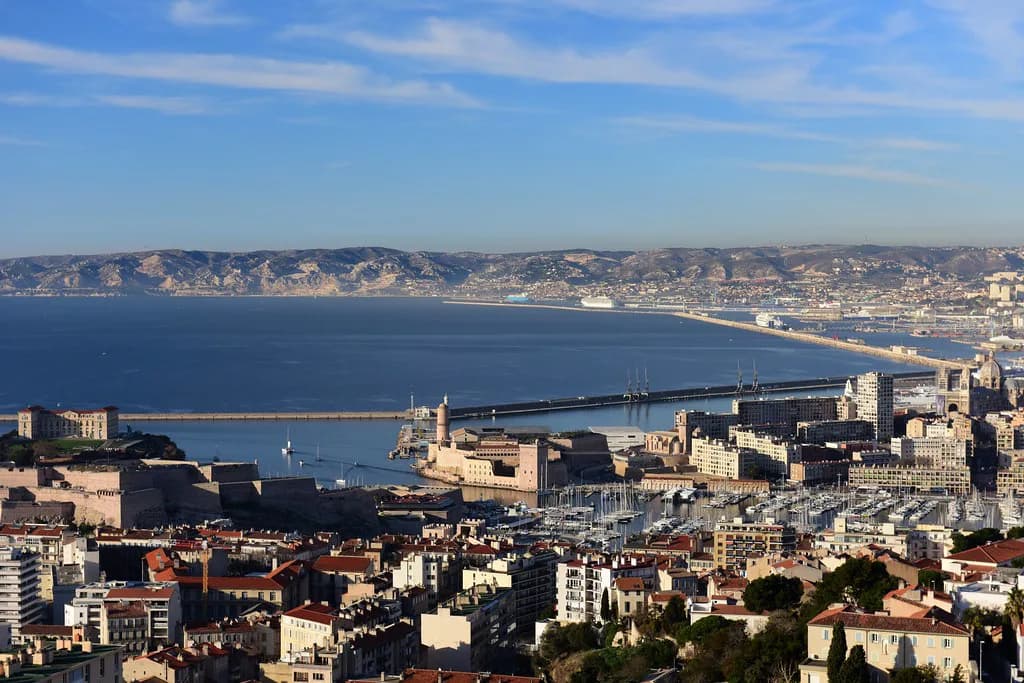
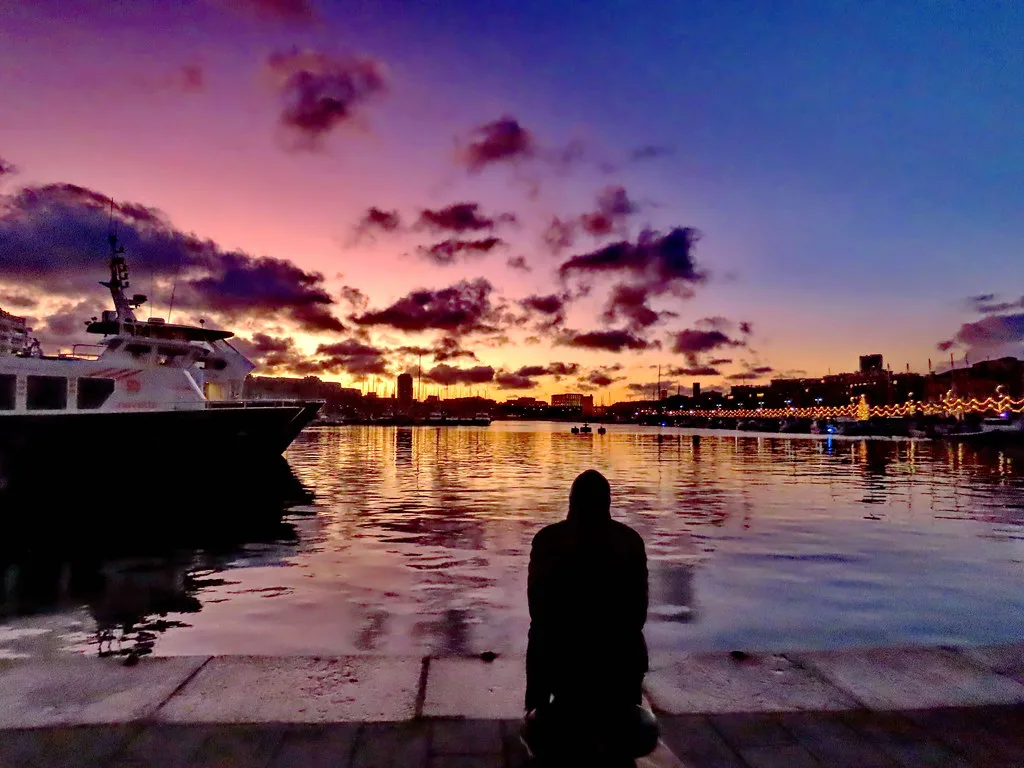
Few French cities give you this much coastline inside the city itself. From the Vieux Port you can see Notre-Dame de la Garde on its hill to the south, and the harbour basin fills with boats and people sitting along the quays. The port location also colours the food: seafood restaurants sit on side streets off the old port, with dishes such as scallop carpaccio and grilled fish.
The city also delivers culture with genuine weight rather than filler. La Vieille Charité, a 17th- and 18th-century complex in Le Panier, holds the Museum of African, Oceanic and Amerindian Arts and the Museum of Mediterranean Archaeology, and its Baroque chapel dome works as an orientation point across the quarter. Entry to the grounds and those museums is free, with tickets needed for the chapel and temporary exhibitions.
The two sides of the city: Le Panier and the Vieux Port versus the grittier quarters
Le Panier is the oldest neighbourhood, a maze of narrow streets with artist studios, craft shops and flowers on balconies, and it rewards slow wandering. Expect hills and plenty of steps, and use the chapel dome as your landmark when you lose your bearings. Place des Moulins, up a steep incline, is a quiet square with a fountain, benches and pastel shutters, and Place de Lenche is the livelier spot for a drink.
The Vieux Port is the beating heart and the easiest place to start. Inland from the waterfront you find Rue du Lacydon, lined with bars and restaurants, and the main square of Cours Honoré d'Estienne d'Orves at the southern end of the basin, lined with places to eat. The Marseille sign draws queues for photographs, so go early or accept people in the frame.
Cours Julien is where the city turns bohemian. The stairs of the Escaliers du Cours Julien are covered in street art, and at the top there is a green space with a fountain and trees. Galleries, vintage shops and cafés fill the surrounding streets, and the main square buzzes on a sunny Saturday afternoon; Time Out ranked it the coolest neighbourhood in the world in 2024. It is about a 15-minute walk from the Old Port.
The big sights that justify the trip
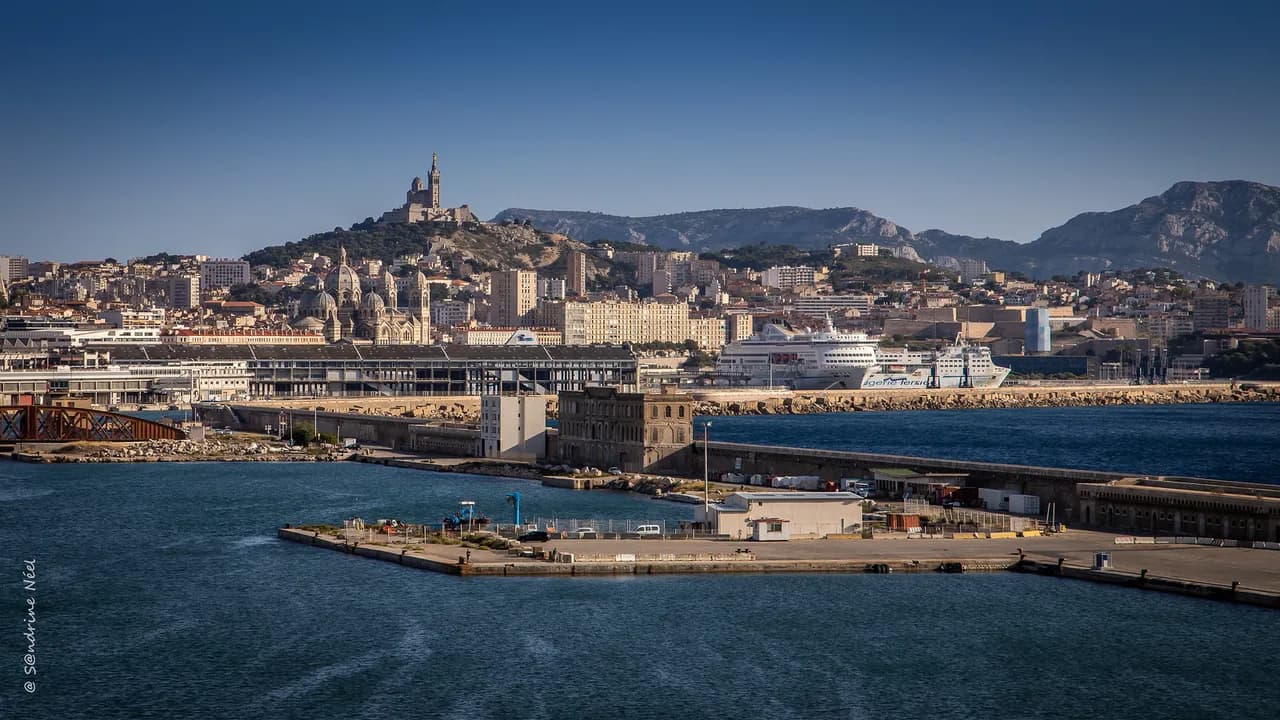
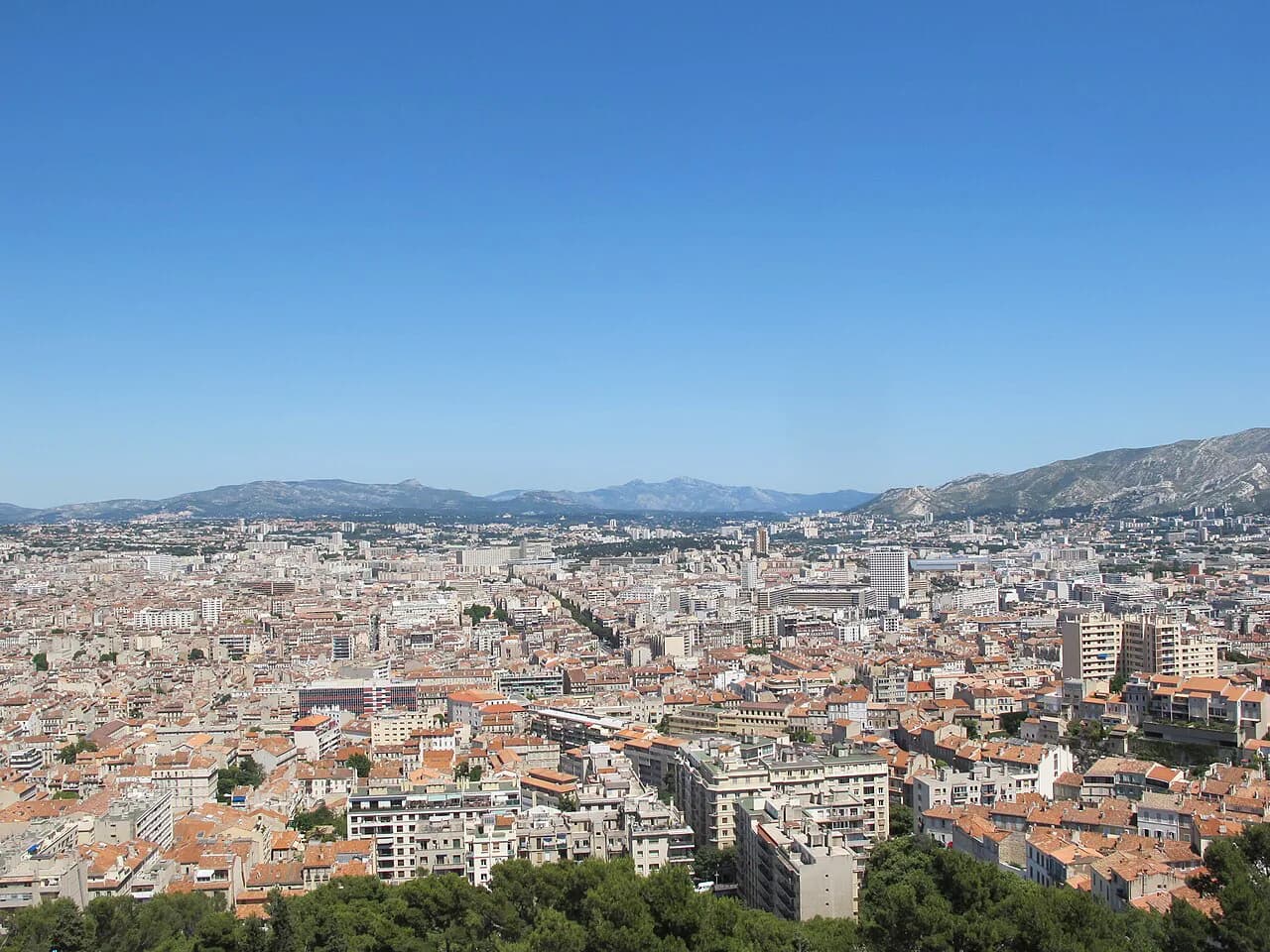
Notre-Dame de la Garde, known locally as La Bonne Mère, towers 154 metres above the city on its hilltop, with viewing platforms giving a 360-degree panorama over the sea and the islands of Frioul and If. The basilica dates to the 19th century, though a chapel stood on the site as far back as the 13th. If a 45-minute steep climb does not appeal, the no. 60 city bus runs up from the Vieux Port.
La Joliette is the unofficial museum quarter, where MuCEM, Cosquer Méditerranée and the Musée Regards de Provence sit within a few minutes of each other. MuCEM is fused into the 17th-century Fort Saint-Jean, and a walkway over the sea links the two with views in every direction. Entry to the fort grounds is free, and the walkway leads directly onto the museum's rooftop terrace and café, where a metallic horse from the Paris 2024 opening ceremony gallops every four minutes.
Cosquer Méditerranée is the standout for families. It recreates the Paleolithic cave discovered by diver Henri Cosquer at Cap de Morgiou, complete with a lift that simulates a descent and a 35-minute self-guided tour in a small wheeled module with synchronised headsets. Advance booking is advised, and the Galerie Méditerranée natural history museum on the upper floor is worth saving time for.
Musée Cantini, between the Vieux Port and Cours Julien, occupies an elegant private mansion and holds a small but strong collection of early 20th-century painting, including Picasso, Matisse, Derain and Dufy. The permanent collection is free to visit. Musée Regards de Provence, near Notre-Dame-du-Mont, focuses on the artistic heritage of Marseille, Provence and the Mediterranean.
Where the city gets awkward: hills, steps and getting between quarters
Marseille is compact enough to cover many sights on foot, but the topography is unforgiving. Le Panier climbs, and the walk up to Notre-Dame de la Garde is a 45-minute steep pull in the heat. Vauban, the neighbourhood around the basilica, is a district of very steep hills, and visitors regularly underestimate them. Comfortable shoes and a willingness to use the bus matter more here than in most French cities.
Distances between the main clusters are short but uneven. Cours Julien is roughly 15 minutes on foot from the Old Port, and La Joliette's museums sit within minutes of one another, so a sensible plan groups Le Panier and the Vieux Port one day and La Joliette the next. Cathédrale La Major, in Roman-Byzantine style, straddles La Joliette and Le Panier, and the Esplanade de la Tourette nearby gives a high view over the port.
How many days Marseille needs for a first visit
Two full days is the minimum for a satisfying first trip. One day covers the Vieux Port, Le Panier and the climb or bus ride to Notre-Dame de la Garde; the second takes in the La Joliette museums, Cosquer Méditerranée and Cours Julien. Three days lets you slow down, add the Musée Cantini and Musée Regards de Provence, and eat properly.
If you only have one day, choose between the old port and hill, or the museum quarter, not both. Marseille rewards depth over ticking off sights, and the walk between quarters eats time. The thing-to-do list is long enough that a single day leaves you picking highlights rather than enjoying the city.
Who will love Marseille and who should pick somewhere else
Marseille suits travellers who like authentic, multicultural cities with real character and are happy with a bit of grit. If you care more about seafood, street art and sea views than polished squares, the city delivers. Families do well here too: Cosquer Méditerranée is built for children, and the Vieux Port is easy to navigate with a pushchair for short stretches.
It is not for everyone. Travellers who want calm, tidy streets and a resort feel will find Nice or the smaller Provençal towns easier. If you are weighing a comparison, [is Aix-en-Provence worth visiting] covers a slower, more polished alternative within reach. Marseille asks you to tolerate noise, hills and a city that works for a living.
Is Marseille expensive for a short break?
Marseille sits in the middle for a French city break: wine is good value, beer can be pricey, and restaurant prices vary by neighbourhood. In 2025, one restaurant on the edge of Notre-Dame-du-Mont offered a set menu at 52 euros for five courses or 62 euros for six, with better value at lunchtime. The Musée Regards de Provence charged 8.50 euros for entry during the same trip, and La Vieille Charité's grounds and museums were free. Treat all of these as a 2025 snapshot.
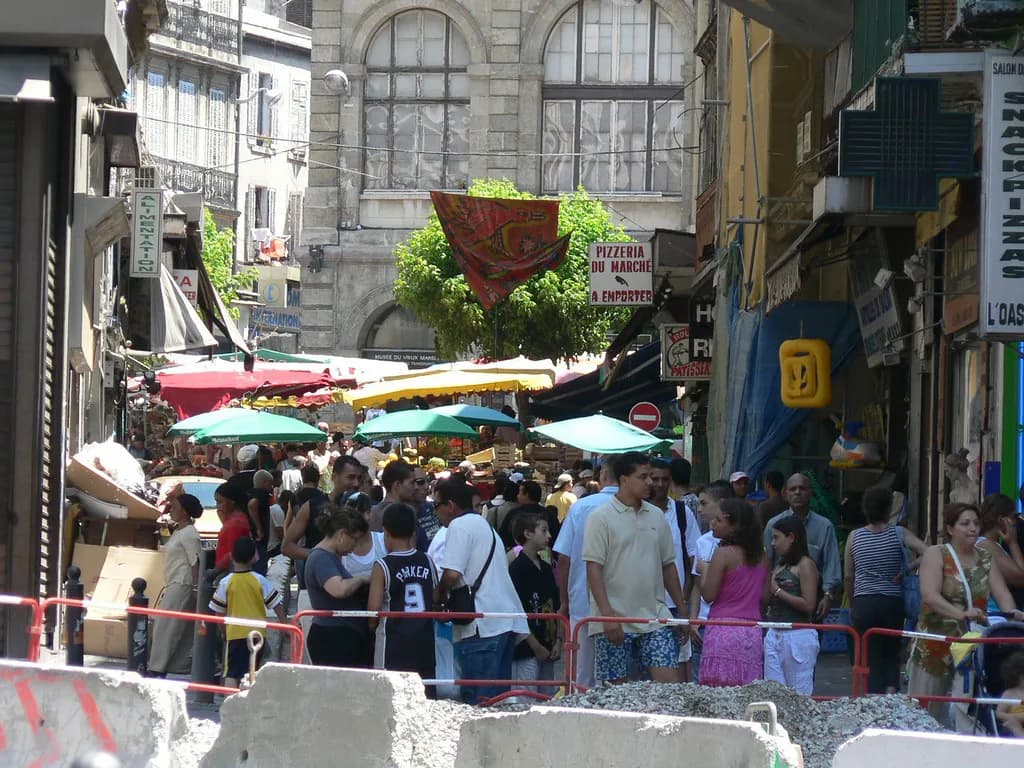
Seafood is the one area where costs climb, particularly at the established restaurants near the old port. For a cheaper meal, look at the pizzerias and neighbourhood spots around Cours Julien and Notre-Dame-du-Mont. The [best restaurants in marseille] guide covers where to eat by quarter.
Marseille or Nice for a weekend
Nice is the easier sell for a first trip to the Riviera: a long promenade, a compact old town and a beach you can walk to. Marseille is bigger, rougher and more interesting, with a stronger museum scene and a working port. Which one wins depends on whether you want a gentle introduction or a city with more friction and more reward.
For a shorter break, Nice's tighter centre makes it easier to cover on foot. Marseille's spread across hills means you will use buses or accept longer walks. If you are set on the south of France, [is arles worth visiting] offers a third option with Roman remains and a smaller footprint.
Practical planning: layout, walking times and when museums and markets open
Plan around the water. The Vieux Port is the natural hub, Le Panier rises behind it to the north, and La Joliette sits to the northwest along the docks. Cours Julien and Notre-Dame-du-Mont lie inland to the southeast, roughly 15 minutes from the port. Grouping by quarter rather than by sight saves a surprising amount of walking.
Check opening days before you go, particularly for museums, and check market days separately, since both follow set patterns. The [markets in Marseille] guide covers which days each market runs, and the [best time to visit marseille] guide covers seasonal weather and crowds. Book Cosquer Méditerranée in advance, as the guide recommends.
For seasonal planning, an [october] break trades beach weather for fewer crowds on the quays and easier tables. Summer brings heat and heavy demand at the big sights, and spring is pleasant for walking between quarters.
Verdict: book it or leave it
Book it if you want a real city with sea air, strong museums and food worth planning around, and you are willing to climb some hills. Leave it if you want a calm, polished resort or you have only a single day and want everything within easy walking distance. Marseille rewards two or three days and a bit of curiosity, and it punishes anyone who tries to see it in a hurry.
Plan Your Visit
Start with the Vieux Port, work up through Le Panier, and give the museum quarter its own half-day. Build in the bus to Notre-Dame de la Garde if the climb does not appeal, and book Cosquer Méditerranée ahead. Check current opening days, prices and market mornings before you travel, then leave room for a long lunch.
Explore more Marseille guides
Frequently Asked Questions
Is Marseille worth visiting for a weekend?
Yes, for most travellers who like a working port city with grit, sea views and strong museums. Two full days covers the Vieux Port, Le Panier, Notre-Dame de la Garde and the La Joliette museum quarter. Three days lets you slow down and add the smaller museums.
How many days in Marseille is enough?
Two full days is the practical minimum for a first visit. One day for the Vieux Port, Le Panier and the hill, one for La Joliette, Cosquer Méditerranée and Cours Julien. If you only have a day, pick one cluster and skip the rest.
Is Marseille expensive?
It sits in the middle for a French city break. Wine is good value, beer can be pricey and seafood restaurants near the old port charge more. Check current menu prices and museum entry fees.
Is Marseille good for families?
Cosquer Méditerranée is built for children, with a simulated descent and a 35-minute self-guided cave tour. The Vieux Port is easy to navigate, and La Vieille Charité's grounds are free to enter. Book Cosquer ahead, as the guide advises.
Is Marseille or Nice better for a weekend?
Nice is easier for a first Riviera trip, with a compact old town and a walkable promenade. Marseille is bigger, rougher and stronger on museums. Choose Nice for calm, Marseille for character and a working port.
What can you see in Marseille in one day?
Pick either the Vieux Port, Le Panier and Notre-Dame de la Garde, or the La Joliette museums including MuCEM and Fort Saint-Jean. Trying to do both means spending the day walking between quarters rather than seeing anything properly.
Does Marseille require a lot of walking?
Yes. Le Panier climbs, and the walk to Notre-Dame de la Garde is a 45-minute steep pull. The no. 60 bus runs up from the Vieux Port. Cours Julien is roughly 15 minutes on foot from the Old Port.
Sources
Notes for French city breaks
Optional updates to our guides.
You might also like
Continue reading
More guides you'll find useful