Nancy Old Town: A Walking Guide to the Vieille Ville
Plan a walk through Nancy Old Town, from Place Saint-Epvre and the Grande Rue to the Craffe Gate, the Ducal Palace and the Cordeliers Church.
On this page
Nancy's Old Town, the Vieille Ville, is the medieval heart of the former capital of the Dukes of Lorraine, and it fits neatly into a half day on foot. It sits north of Place Stanislas, stretching from the Porte de la Craffe to the Arc Héré and from the Pépinière to the edge of Cours Léopold. The quarter holds one of the city's three UNESCO-listed squares, the Place de la Carrière, so the walk can flow straight into the 18th-century city.
Come for the contrast rather than the checklist. The Old Town is a tight grid of cobbled lanes, Renaissance private mansions and a handful of heavyweight monuments, all within a few minutes of each other. The architecture dates from the 11th century onwards, when Gérard d'Alsace built a fortress and a town grew around it.
Where Nancy Old Town Sits and How Long It Needs
The Vieille Ville is compact. Its spine is the Grande Rue, a 250-metre street that was the main axis of the ducal city and still lines up the Ducal Palace, the Cordeliers church and the Craffe gate at its northern end. Because everything sits on that single line, half a day is enough to see the headline sights at a relaxed pace.
Budget a full day if you want the Old Town plus the museums and the UNESCO squares. The Lorraine Museum is housed in the Ducal Palace and is currently being renovated, so build the day around what is actually open when you go rather than assuming access.
The Best Walking Order: Place Saint-Epvre to the Craffe Gate
Start at Place Saint-Epvre, which was the main trading square of medieval Nancy and still has a market history at its centre. The statue in the middle depicts Duke René II, who defeated Charles the Bold of Burgundy at the Battle of Nancy in 1477. From there, head north up the Grande Rue and finish at the gates.
The walk ends at the Craffe Gate and, a few metres north, the Citadel Gate. That order keeps you moving through the fortifications in sequence, from the medieval trading square to the city's surviving gates, without doubling back.
Place Saint-Epvre and the Basilica of Saint-Epvre
The Basilica of Saint-Epvre dominates the square with a neo-Gothic facade and a main spire of 87 metres, one of the tallest bell towers in Lorraine. It looks medieval but was built in the 19th century by Prosper Morey, with donations from figures including Napoleon III and the Austrian Emperor Franz-Joseph.
The basilica is undergoing external renovation planned to last several years, so expect scaffolding on part of the exterior. The interior and the square are the reason to stop anyway: the stained glass and the monumental main staircase were among the notable gifts that paid for the building.
The Grande Rue: Boutiques, Restaurants and the Ducal Axis
The Grande Rue is one of the oldest streets in Nancy and remains the connective tissue of the quarter, with small boutiques and restaurants along its length. Walk it slowly in both directions rather than treating it as a corridor between sights.
The tourist office describes the Old Town as a neighbourhood that lives in the present, with cafés, boutiques, artisans and restaurants alongside the heritage. That mix is what makes the quarter worth more than a hurried photo stop.
The Renaissance Mansions: Three Door Numbers to Find
Turn off the Grande Rue onto Rue Monseigneur Trouillet, the second street on the right, to reach the Hôtel d'Haussonville at number 9. Built between 1528 and 1543 for Jean d'Haussonville, it has balustrades in two styles, flamboyant Gothic on the first floor and Renaissance above.
Rue des Loups takes its name from the Hôtel des Loups at number 1, built in the 18th century by Germain Boffrand for the Master of the Wolf Hunt of the Duke of Lorraine. Two stone wolves sit on either side of the gate. Continue to Rue Haut-Bourgeois for the Hôtel Ferraris at number 29, whose staircase and painted ceiling reward a pause in the porch.
The Ducal Palace and the Lorraine Museum
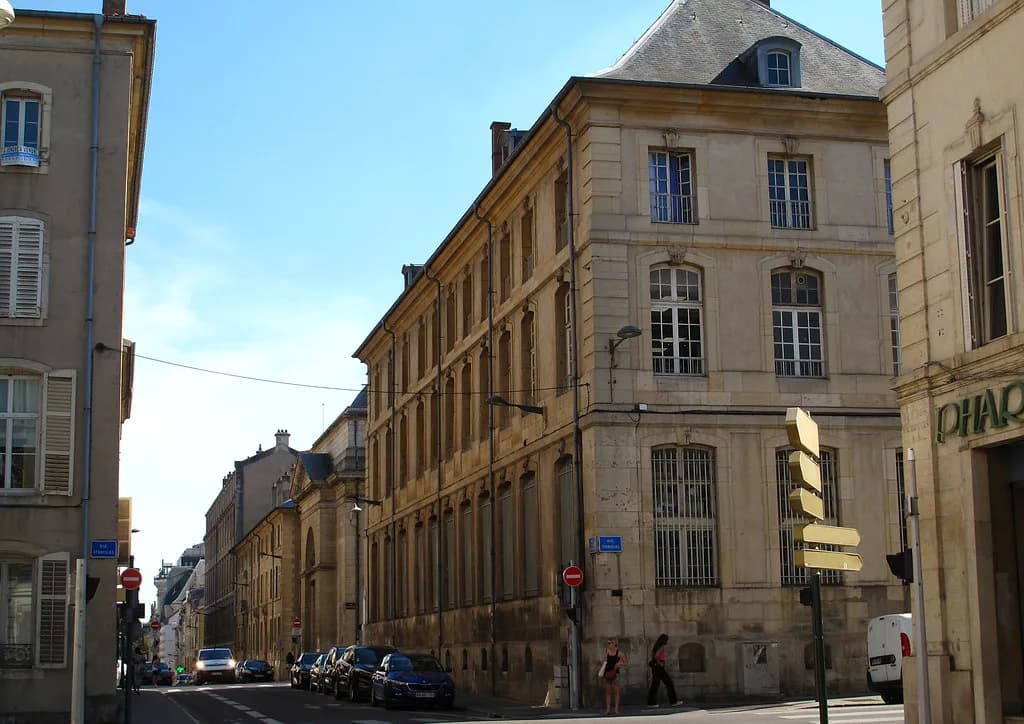
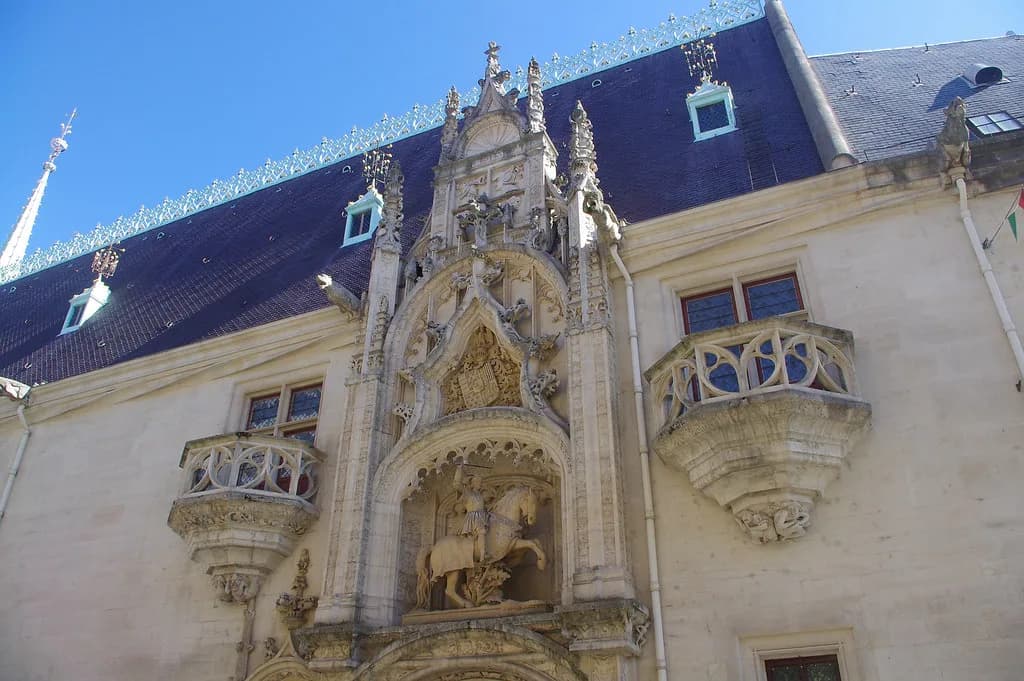
The long facade of the Ducal Palace along the Grande Rue was the seat of the Dukes of Lorraine's authority. The Renaissance building has a monumental gatehouse and a spire decorated with the ducal coat of arms, and it now houses the Lorraine Museum, currently under renovation.
A combined pass covering the palace, the Cordeliers Church and the museum collections is the sensible buy if you plan to see more than one. Check what the pass currently includes before paying, since renovation work changes what is accessible.
The Cordeliers Church and the Ducal Tombs
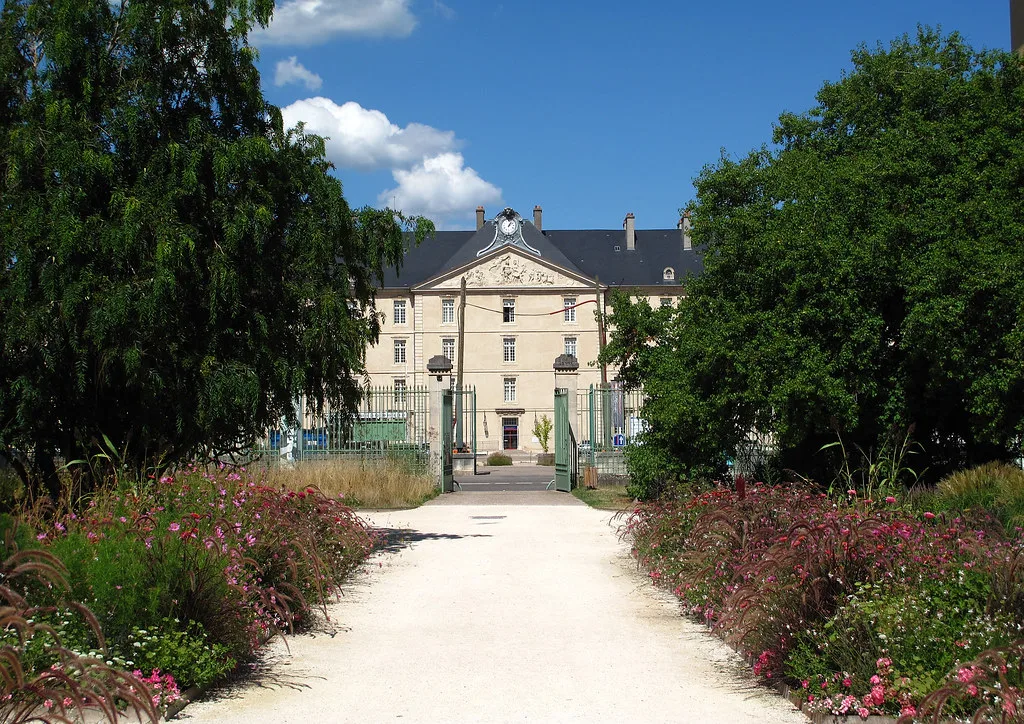
The Église des Cordeliers sits beside the Ducal Palace and was commissioned by René II in the 15th century to commemorate his victory at the Battle of Nancy. It holds no regular services and functions as a ducal necropolis, somewhere between a church and a museum.
The exceptional recumbent effigy of Philippe de Gueldre, widow of René II, is signed by the sculptor Ligier Richier and is the piece to seek out. Entry tickets are bought at the Ducal Palace a few metres away rather than at the church itself.
The Craffe Gate and the Citadel Gate
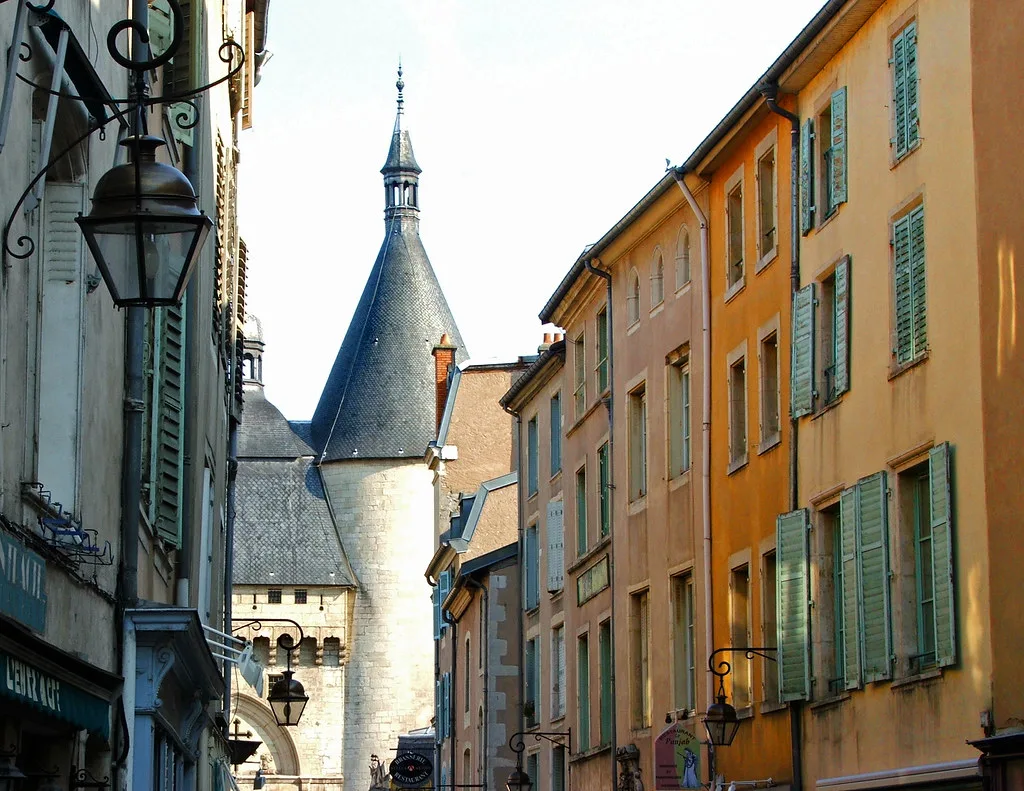
The Porte de la Craffe is the oldest surviving remnant of Nancy's medieval fortifications, built in the 14th century and later used as a prison until the 19th century. Its twin towers went up in 1463, with walls three metres thick pierced by firing windows.
Walk through the Craffe and you reach the Porte de la Citadelle a few metres north, commissioned by Duke Charles III in the 17th century. Look for the two original allegorical statues on its outer face, which survived when the ducal coat of arms between them was lost at the Revolution.
Rue de la Craffe Side Streets and the Street of the Deceiving Moor
The lanes off the Grande Rue and around the Craffe Gate hold the quarter's quieter corners, and the surrounding streets keep narrow medieval proportions that reward an unhurried detour.
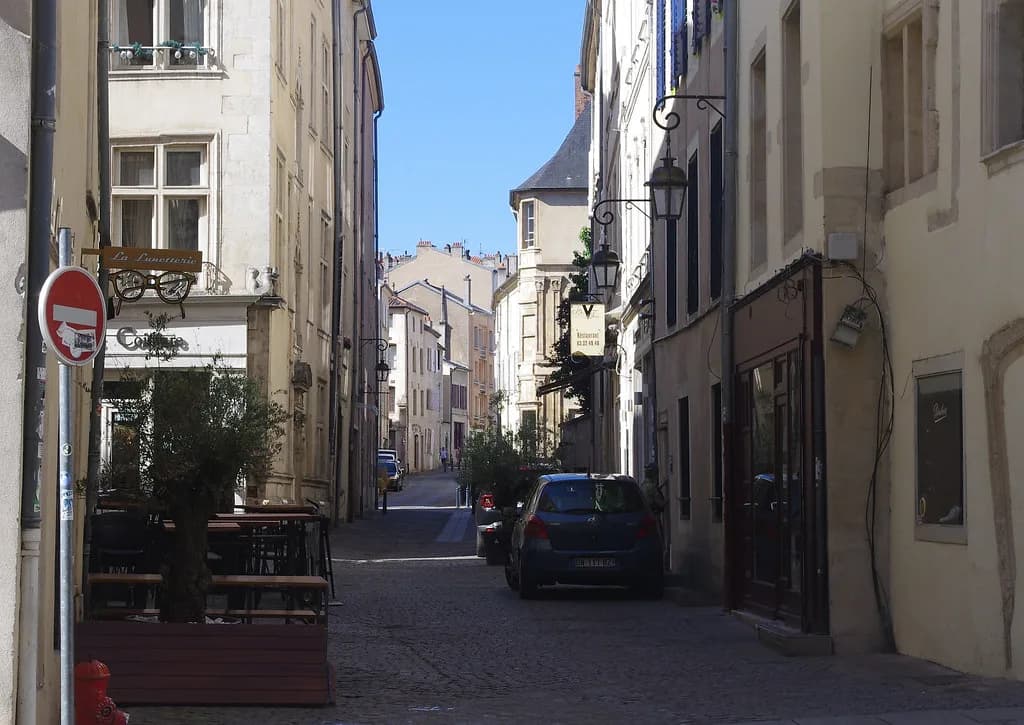
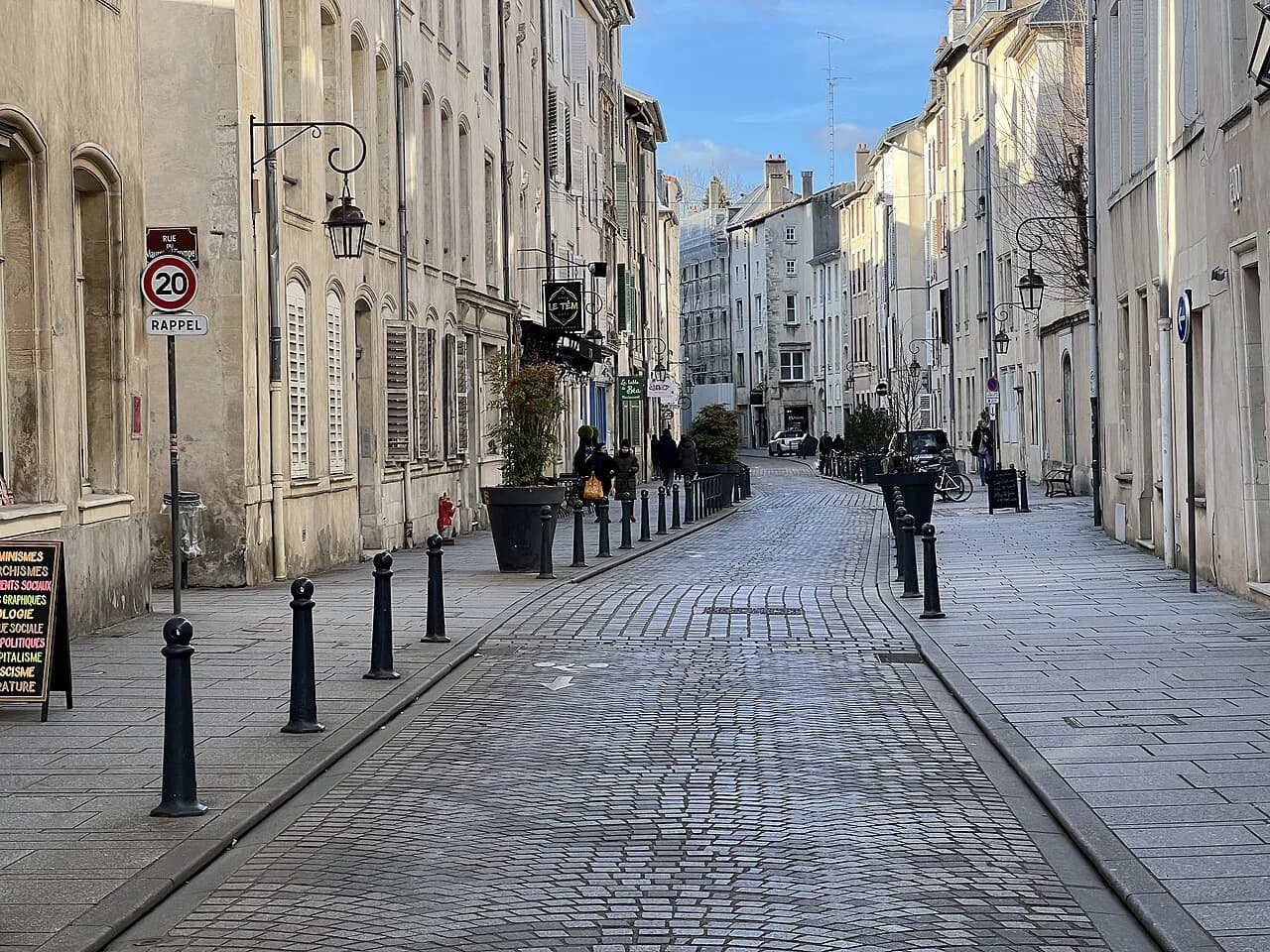
Seek out the Street of the Deceiving Moor, a small cobbled lane a stone's throw from the Grande Rue and the Ducal Palace. It is the kind of medieval pocket that gives the Vieille Ville its atmosphere, and it takes only a few minutes to see.
Where to Pause in the Old Town
Place Saint-Epvre is the natural coffee stop, either at the start of the walk or on the way back from the gates. The quarter is full of convivial cafés and restaurants, so you can eat without leaving the historic streets.
If you would rather eat a proper lunch than graze, keep the Old Town for coffee and move to the streets around Place Stanislas later. The Old Town and the squares are close enough that lunch plans do not constrain the route, and if you are weighing another old quarter on the same trip, the Aix-en-Provence old town is worth comparing for its own compact walking route.
Practical Trade-offs: Renovation Work and What It Changes
Two renovation projects shape a visit right now: the Basilica of Saint-Epvre's external works and the Lorraine Museum's renovation inside the Ducal Palace. Neither ruins the walk, but both mean you should check what is accessible before you set out rather than after you arrive.
The mansions are working buildings, not museums. The Hôtel d'Haussonville now houses a hotel, and courtyards such as the Hôtel Ferraris's are glimpsed through porches rather than toured, so treat them as architecture on the street rather than sights with tickets.
Pairing the Old Town with Place Stanislas and Place de la Carrière
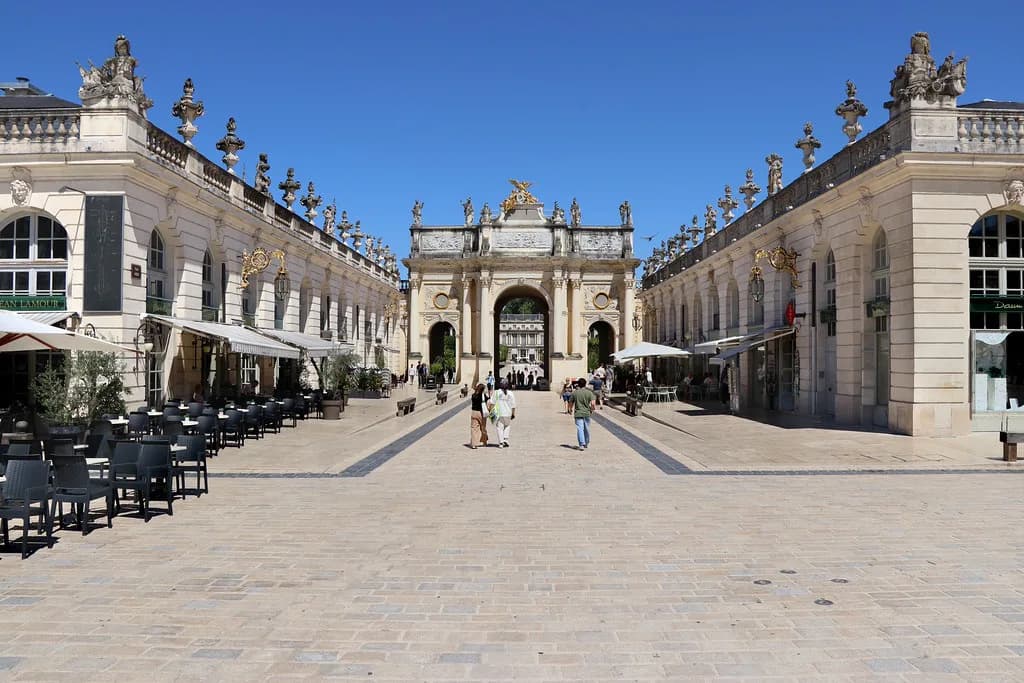
The Vieille Ville flows into the 18th-century city at the Place de la Carrière, one of the three UNESCO-listed squares. Walk the Old Town in the morning and the squares in the afternoon and you get the medieval and classical city in one day without rushing.
The Old Town is the historic centre of the former capital of the Dukes of Lorraine, inscribed on the UNESCO World Heritage List, and the squares are the showpiece of the later French city. Seeing both makes the point of Nancy clearer than either alone.
When to Go: Seasons and Crowds in the Old Town
The Old Town's cobbled lanes are at their best in spring and autumn, when the streets are comfortable to walk for a couple of hours. Summer brings the most visitors to the squares around Place Stanislas, and the Vieille Ville absorbs them better because the lanes are narrow and the sights are spread out.
Winter is quieter still, and the architecture reads well in low light, though you will want to plan indoor stops. The Cordeliers Church and the basilica interior work as shelter, while the gates and mansions are outdoor viewing whatever the season.
A Compact One-Day Old Town Plan
Start at Place Saint-Epvre for coffee and the basilica, walk the Grande Rue north, and detour to the three mansion door numbers on Rue Monseigneur Trouillet, Rue des Loups and Rue Haut-Bourgeois. Finish at the Craffe and Citadel gates, then double back to the Ducal Palace and the Cordeliers Church for the interior visit.
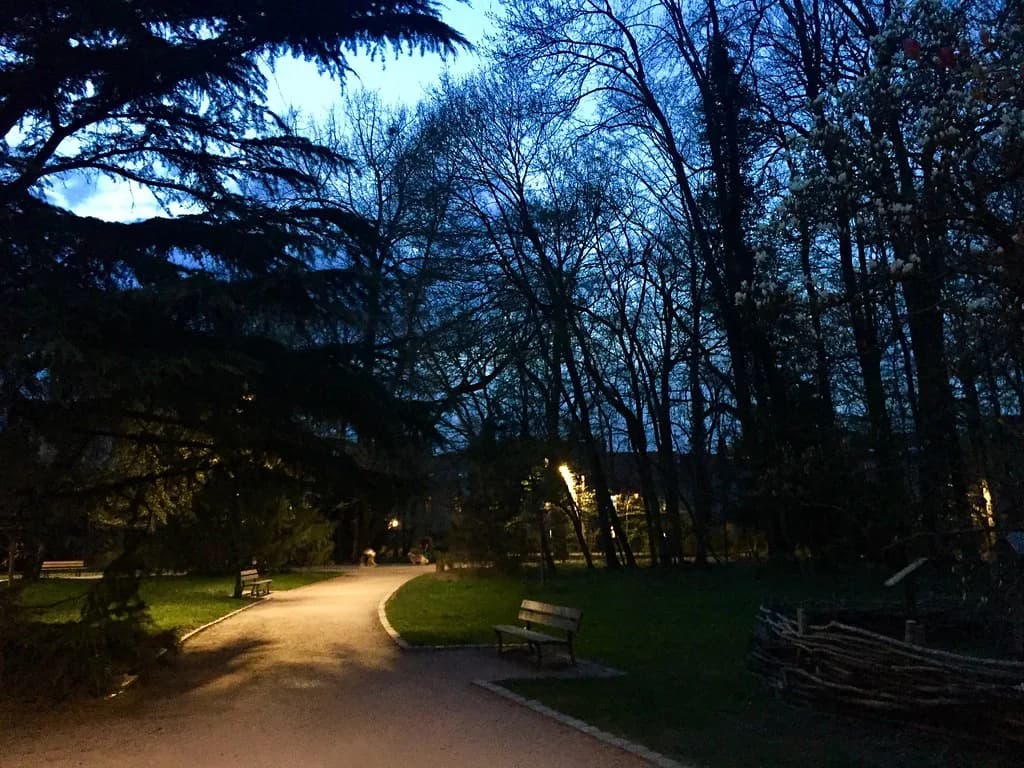
Leave the afternoon for the UNESCO squares and a park if the weather holds. That split keeps the heavier heritage in the morning and gives you an easy exit if the day runs short.
Plan Your Visit
Nancy Old Town is a half-day walk with real depth: a medieval square, a ducal palace, tombs by a named sculptor and two surviving gates, all within a few minutes of each other. Give it a morning, then use the afternoon for the squares.
Before you go, check the state of the Basilica of Saint-Epvre's external works and the Lorraine Museum renovation, since both affect what you can see. The tourist office publishes updates on what is open across the quarter.
Explore more Nancy guides
Frequently Asked Questions
Is Nancy Old Town worth visiting?
Yes. It is the medieval heart of the former capital of the Dukes of Lorraine, with the Renaissance Ducal Palace, the Cordeliers Church, the Basilica of Saint-Epvre and the Craffe Gate packed into a few cobbled streets. Half a day covers it properly.
What are the must-sees in Nancy Old Town?
Place Saint-Epvre and its basilica, the Grande Rue, the Hôtel d'Haussonville at 9 Rue Monseigneur Trouillet, the Hôtel des Loups at 1 Rue des Loups, the Hôtel Ferraris at 29 Rue Haut-Bourgeois, the Ducal Palace and Lorraine Museum, the Cordeliers Church, and the Craffe and Citadel gates.
How long does it take to walk Nancy Old Town?
Half a day is enough for the main sights at a relaxed pace, since the Grande Rue and the surrounding lanes are short and close together. A full day lets you add the museums and the UNESCO squares.
Where does Nancy Old Town start and end?
It runs north of Place Stanislas, from the Porte de la Craffe to the Arc Héré and from the Pépinière to the edge of Cours Léopold. A good route starts at Place Saint-Epvre and finishes at the Craffe Gate.
What is the Grande Rue in Nancy?
It is one of the oldest streets in Nancy and the main axis of the ducal city, at around 250 metres long. The Ducal Palace, the Cordeliers church and the Craffe gate all line up along it.
Which gate is the oldest part of Nancy's fortifications?
The Porte de la Craffe is the oldest surviving remnant of the medieval fortifications, built in the 14th century and used as a prison until the 19th century.
Can you visit the Ducal Palace and the Cordeliers Church on one ticket?
A combined pass covers the Ducal Palace, the Cordeliers Church and the museum collections. Check what the pass currently includes, because renovation work at the Lorraine Museum changes what is accessible.
Is Nancy Old Town flat and easy to walk?
The quarter is compact and its sights sit close together along the Grande Rue and the lanes off it, so the walk is short. Cobbled streets are the norm, so wear shoes that cope with uneven paving.
Sources
Notes for French city breaks
Optional updates to our guides.
You might also like
Continue reading
More guides you'll find useful