Things to Do in Orléans: A Practical Weekend Guide
Plan a weekend in Orléans with Joan of Arc landmarks, the cathedral, old-town squares and museums, plus ticket prices, opening days and how long you need.
On this page
Orléans rewards a weekend rather than a flying half-day. The centre is compact enough to cross on foot, with the Cathédrale Sainte-Croix, the Joan of Arc sights and the old-town squares within one loop, while the gardens and the Loire sit further out. One full day covers the core; two let you add a museum and a park without rushing.
Start Here: The Best of Orléans in a Weekend
Build the weekend around four things: the Cathédrale Sainte-Croix, the Joan of Arc story, one museum and one green space. The cathedral anchors the eastern end of Rue Jeanne d’Arc, the long straight street that runs down to the Loire, and most of the central sights sit within a short walk of it. That axis gives you an easy spine for a first morning.
The Joan of Arc thread runs through the city rather than sitting in one place. The Maison Jeanne d’Arc, the equestrian statue on Place du Martroi and the cathedral windows all tell parts of the same story, and a museum room adds context. Doing them in one day keeps the narrative straight and saves you doubling back.
If you only have a weekend, resist the urge to add châteaux. Orléans sits within the Loire Valley, but the surrounding castles eat a full day each in travel and visiting time, and the city itself justifies the trip. Treat the Loire as scenery for an evening walk rather than a reason to leave town.
How Orléans Is Laid Out, and What You Can Walk To
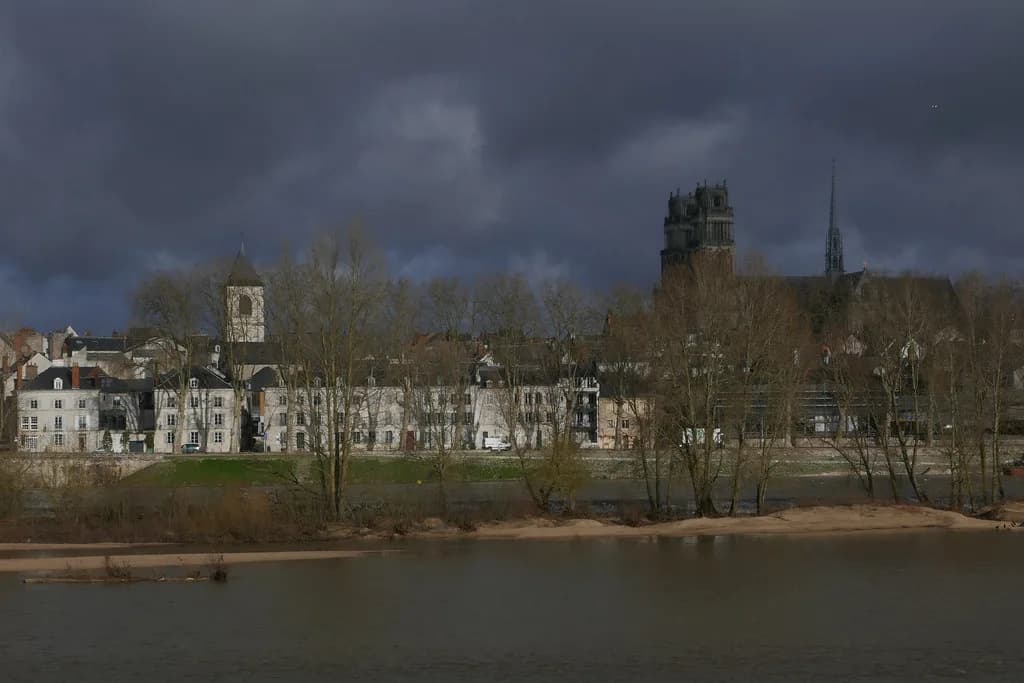
Orléans spreads across both banks of the Loire, but almost everything a visitor wants sits on the north bank in a walkable core. Rue Jeanne d’Arc links the cathedral to the river, Place du Martroi sits just west of that line, and the old streets fan out around it. From the cathedral to the river is a 15-minute walk at an unhurried pace.
Two sights sit clearly outside that core. The Parc Floral de la Source lies in the southern part of the city on Avenue du Parc Floral, and L’Île Charlemagne sits on the Loire at Levée de la Chevauchée in Saint-Jean-le-Blanc, across the river. Both need a bus, bike or taxi, so plan them as a half-day rather than a detour between museums.
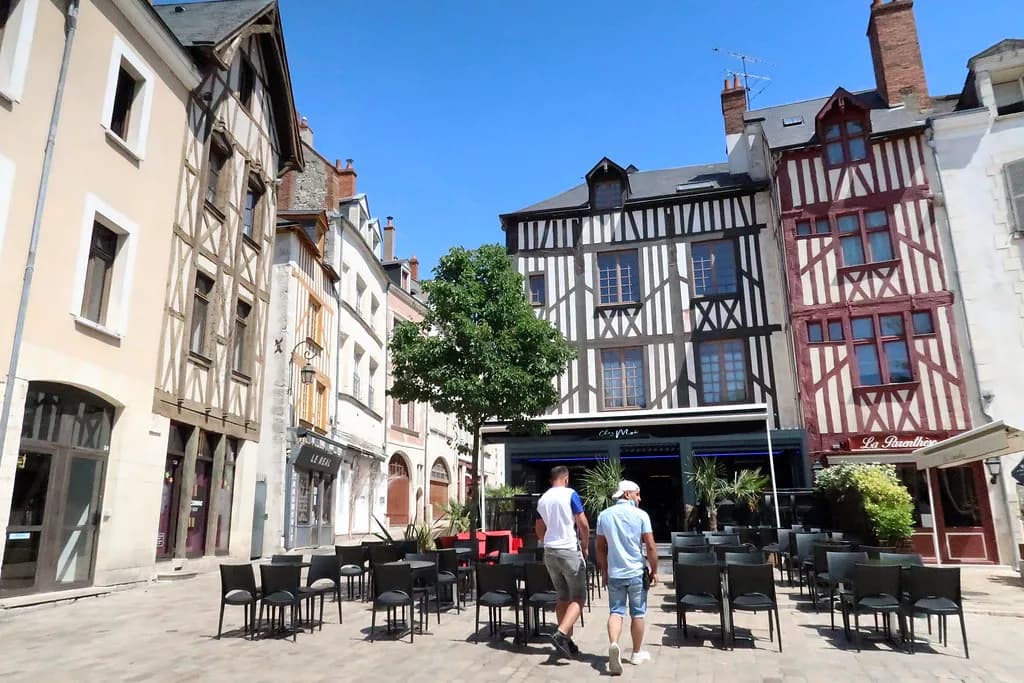
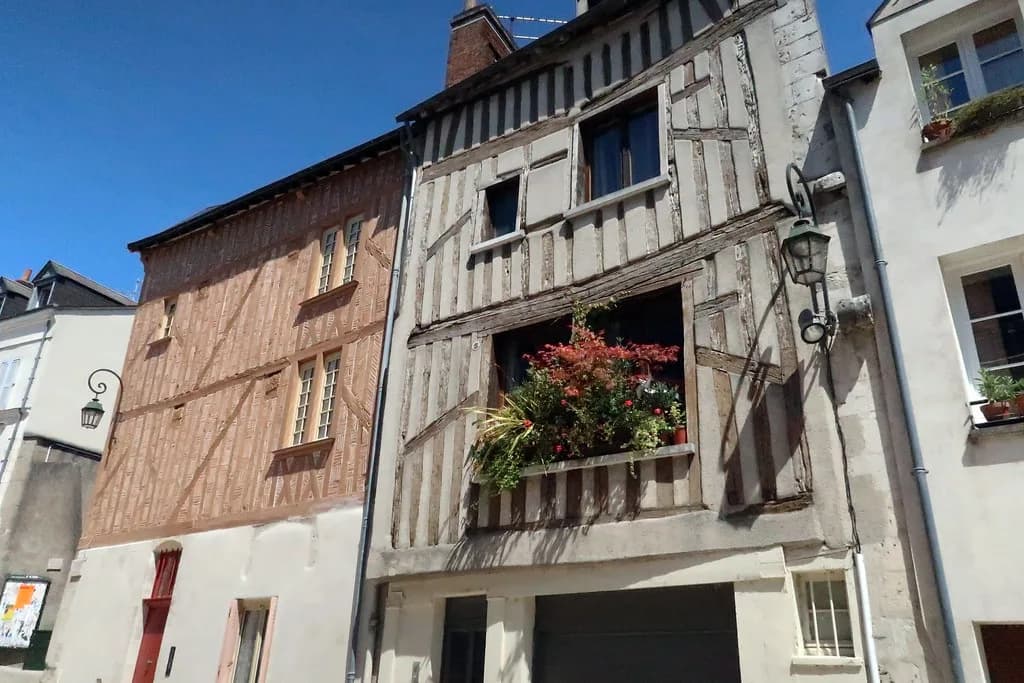
For the old-town streets and the cathedral quarter in more detail, a dedicated walk makes sense. The lanes between Place du Martroi and the river hold the half-timbered fronts and the small squares, and they reward slow wandering rather than a checklist. Set aside an hour just for that, separate from any museum time.
If you are weighing up whether the city justifies the journey from Paris, the honest answer is yes for a weekend, less so for a day. The train ride is short, the centre is compact and the museums are good, but the appeal is cumulative rather than built on a single blockbuster sight.
Joan of Arc in Orléans: The Cathedral, the House and the Statue
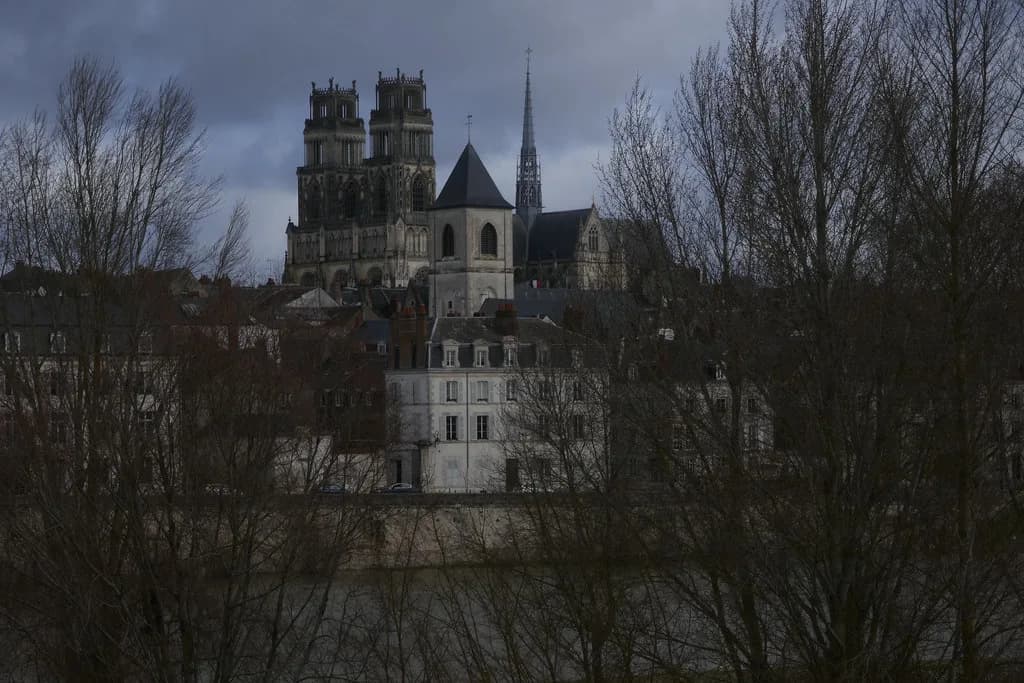
The Cathédrale Sainte-Croix d’Orléans is the city’s dominant building, a Gothic church built over centuries and standing at the top of Rue Jeanne d’Arc. It opens daily from 9 am, closing at 6 pm from November to March and at 7 pm from April through October, and entry is free. Look for the stained glass showing Joan of Arc and the siege, then walk the length of the nave to see how the building changes character.
The Maison Jeanne d’Arc at 3 Place du Général de Gaulle is a replica, rebuilt in the 1960s after the original was destroyed in Second World War bombing, so go for the story rather than the fabric. Inside, a multimedia film on Joan’s life, visions, victory at Orléans and trial runs every 30 minutes with headsets in languages other than French. It opens Tuesday to Sunday, with a lunchtime closure, and the collection rooms upstairs are visitable by appointment only.
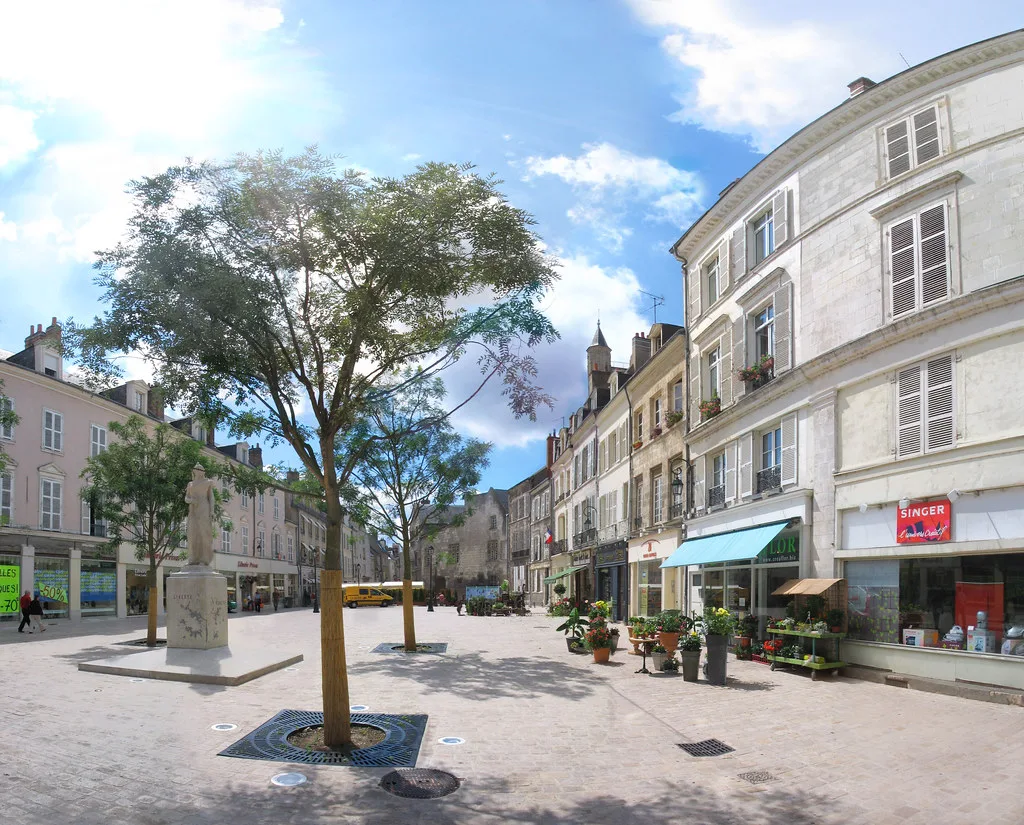
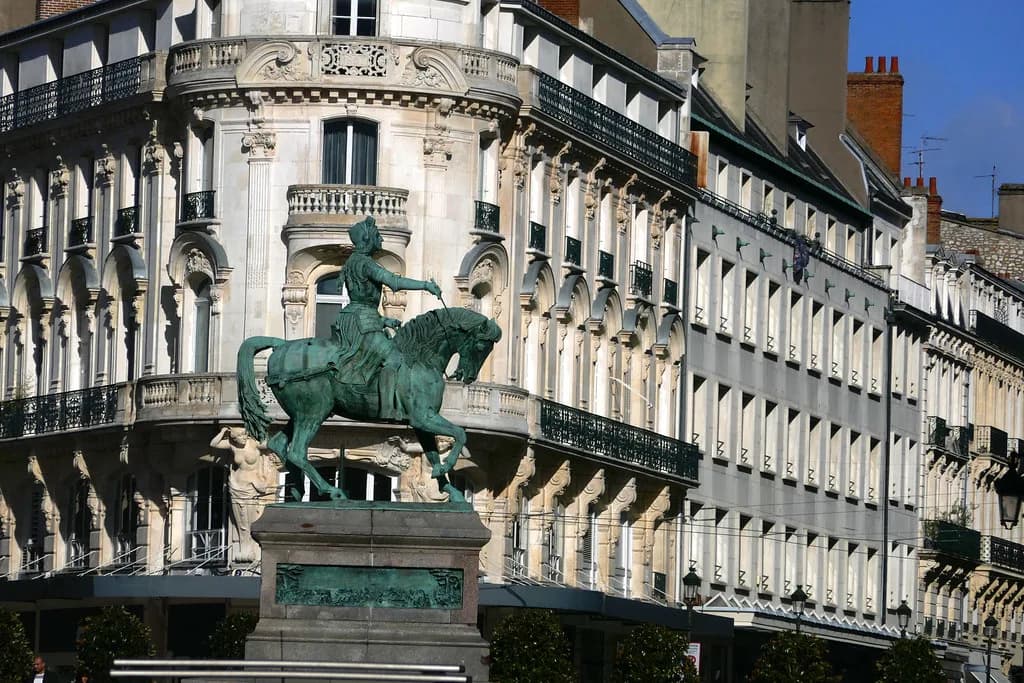
Place du Martroi holds the equestrian statue of Joan in armour on horseback at number 20, and it is the natural photo stop in the centre. The square itself has a carousel and fountains, and it works as a meeting point before or after the cathedral. Combine the statue with the house and the cathedral windows for a half-day that hangs together.
One ticket covers a lot of Joan of Arc ground. For eight euros you get same-day entry to the Maison Jeanne d’Arc, the Musée des Beaux-Arts, the MOBE natural history museum and the Musée Historique et Archéologique, which makes the story-and-museum day good value if you start early enough to use it.
Place du Martroi and the Old-Town Squares
Place du Martroi is the civic heart of Orléans and the easiest place to orient yourself, with cafés around the edges and the Joan of Arc statue at its centre. It is also the square to know for seasonal activity, whether a summer fountain or a winter ice rink and Christmas market. Sit here for coffee before pushing on to the cathedral or the river.
Beyond the main square, the old town is a set of small places rather than one grand piazza. The lanes around Rue de Bourgogne and Rue Royale hold the shopping streets and the everyday life of the city, and they are where you will spend an unhurried afternoon between sights. The street mosaics above the signs, made by the artist MifaMosa, are a small pleasure worth looking up for.
If markets are part of your weekend rhythm, plan around their set mornings rather than assuming a daily spread. The city’s market days and the covered halls decide how a Saturday or Sunday morning should be spent, and getting that wrong wastes the best shopping hours of the trip.
The Museums Worth Your Time, and the Combined Ticket
The Musée des Beaux-Arts d’Orléans at 1 rue Fernand Rabier holds European works from the fifteenth to twentieth centuries, and its pastel collection is the largest in France after the Louvre. It opens Tuesday to Saturday from 10 am to 6 pm, Sunday from 1 pm to 6 pm, and stays open until 8 pm on Thursdays. Thursday evening is the best slot if you want a long museum day without losing the afternoon light.
The Musée Historique et Archéologique de l’Orléanais at 1 square Abbé Desnoyers covers Gallic and Gallo-Roman Orléans and the city’s wine vinegar trade, housed in the Renaissance Hôtel Cabu. It opens Tuesday to Sunday too, with a shorter midday pause in winter, and entry is free on the first Sunday of the month. The Joan of Arc room, with festival posters and prints, rounds out the story from the house and cathedral.
The combined ticket is the practical lever here. Eight euros buys same-day entry to the Maison Jeanne d’Arc, the Musée des Beaux-Arts, the MOBE and the Musée Historique et Archéologique, so a single well-planned day of museums costs little more than one of them. Plan the order so you are not backtracking across the centre, and start at the Maison Jeanne d’Arc when it opens.
Monday is the weak point in the week. The Maison Jeanne d’Arc, the Musée des Beaux-Arts, the Musée Historique et Archéologique and the Cercil all open Tuesday to Sunday, so a Monday in Orléans is a day for the cathedral, the streets and the gardens rather than the collections.
The Cercil Musée-Mémorial des Enfants du Vel d’Hiv at 45 rue du Bourdon Blanc is a sober memorial to the Loiret’s wartime internment camps and the children held there. It opens weekdays with a midday break and Tuesday until 8 pm, plus Sunday afternoons, and costs four euros for adults with under-18s free. Give it time and treat it as the serious counterweight to the Joan of Arc story.
Free Sights in the Centre: Hôtel Groslot and Saint-Aignan
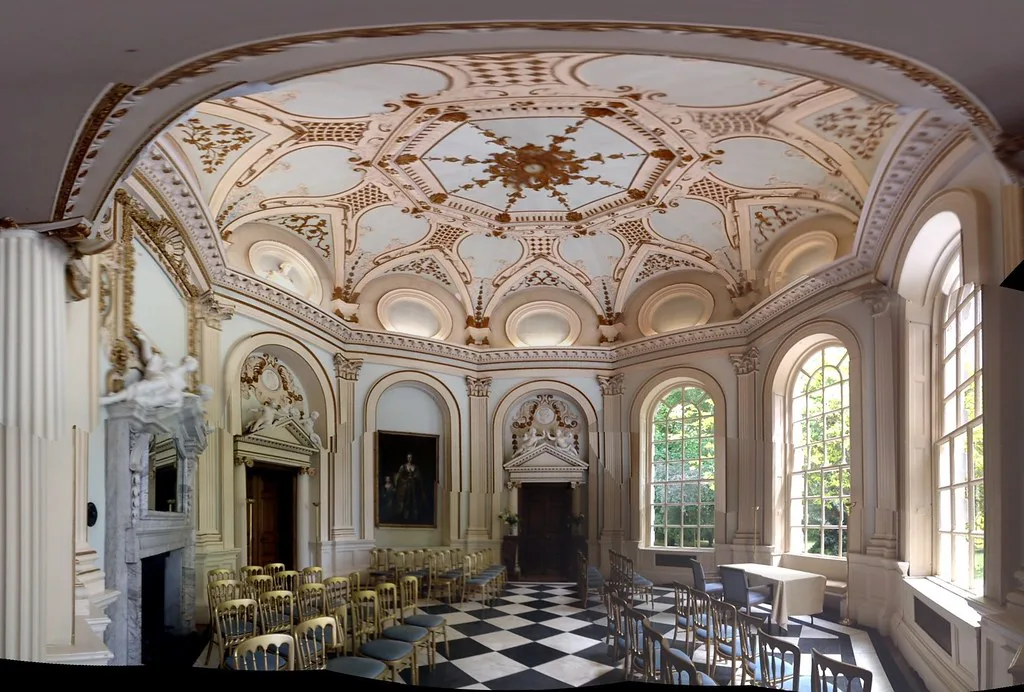
The Hôtel Groslot at 2 Place de l’Étape is a Neo-Renaissance townhouse where François II, Charles IX and Catherine de’ Medici were once hosted, later turned into the town hall, and it is free to enter. You see grand rooms, painted canvases and tapestries rather than museum cases, so it works well as a twenty-minute stop between the square and the cathedral. Hours vary by season, with longer daily openings from 9 am to 7 pm July through September.
The Collégiale Saint-Aignan on Rue Neuve Saint-Aignan stands on a site used for worship since the sixth century, rebuilt in the fifteenth and sixteenth, and entry is free. It is a quiet, short visit that pairs naturally with the old-town lanes nearby. Look for Saint Aignan in the stained glass.
Gardens, the Loire and Green Escapes
The Jardin des Plantes at Place du Jardin des Plantes is free and open daily, with seasonal hours that run later from April to September. It began as a working botanical garden and still experiments with planting techniques, and the rose garden nods to the city’s history as a major rose producer. An hour here is enough for a slow loop.
The Parc Floral de la Source on Avenue du Parc Floral is the bigger, ticketed green space, with a butterfly house, flamingos and themed gardens. Adult entry is six euros fifty, children aged 6 to 16 pay four euros fifty, under-sixes go free, and a family ticket for two adults and two children costs twenty euros. It sits away from the centre, so give it a half-day rather than squeezing it between sights.
L’Île Charlemagne on the Loire at Levée de la Chevauchée is the summer option, with a lake used for swimming in designated areas, boating and kayaking, plus beach volleyball and an adventure park. It is family territory and best in warm weather. Reach it by bike using the city’s self-service VELO+ scheme rather than a taxi.
Cycling suits Orléans better than most French cities, with 428 km of bike paths across the area and the long Loire à Vélo route passing through. Pick up a VELO+ bike from a city station, or rent from a local shop, and use the riverbank paths for a flat hour out of the centre.
How Many Days Does Orléans Need?
One full day is the minimum for a fair look: cathedral, Place du Martroi and statue, the Maison Jeanne d’Arc film, and a wander through the old town, with lunch in between. That pace leaves the museum ticket unused, which is a waste given how little it costs.
Two days lets you use the combined ticket properly: the Maison Jeanne d’Arc and one museum in the morning, the cathedral and the old town after lunch, and a garden or the Loire on the second morning. Add a third day only if you want both the Parc Floral and Île Charlemagne, which sit at opposite ends of the city.
A weekend works best with two nights so you get a full Saturday and a full Sunday morning. Sunday afternoon is quieter as shops close, which makes it the right time for the Jardin des Plantes or a slow river walk rather than shopping.
Where to Fill the Days: One-Day and Two-Day Plans
For one day, start at 10 am at the Maison Jeanne d’Arc for the first film, walk to the cathedral for the stained glass, then drop to Place du Martroi for the statue and lunch. Finish with the Hôtel Groslot and an old-town wander, or the Jardin des Plantes if the weather holds. In winter the house does not open until 2 pm, so reverse the order and give the cathedral your morning.
For two days, put the Musée des Beaux-Arts or the Musée Historique et Archéologique on the second morning with the same ticket, then use the afternoon for the Parc Floral or the riverbank cycle path. Keep Tuesday to Sunday as your working window, and treat Monday as a day for the cathedral, the streets and the free gardens.
If you are building a longer Loire trip around the weekend, Amboise is the natural next stop for châteaux country, with the Château Royal d’Amboise as the anchor. Keep it as a separate day rather than trying to bolt it onto an Orléans morning.
Local Food and Drink to Look for
Orléans is known for wine vinegar and a local mustard made from seeds soaked in that vinegar, both worth bringing home and both useful in dressings and marinades. Look for them in the city’s food shops rather than supermarket brands, and try dishes made with the vinegar while you are there. Brin de Zinc serves a poulet jaune made with Orléans vinegar if you want a restaurant that uses the local product.
The city’s shopping streets give you the places to buy these, along with the everyday shops that make an afternoon pleasant. Rue Royale and the surrounding lanes are the practical hunting ground, and a market morning is the best single block of time to find local producers.
For a sit-down meal, the area around Rue de Bourgogne gives you plenty of choice, and the lanes off Place du Martroi are handy before or after a museum. Book ahead for Saturday dinner, when the centre fills with weekend visitors.
Practical Points for British Visitors
Orléans sits within the Loire Valley and is an easy train ride from Paris, which makes it a good first stop on a Loire trip or a standalone weekend. Direct trains from Paris take roughly an hour, and the station is a short walk from the centre.
Plan around museum closing days. Several Orléans museums are closed on Mondays, and the cathedral runs a Sunday and holiday mass at 10:30 am and a Saturday evening mass at 6:30 pm, which changes the atmosphere inside.
Carry cash or a card for the small entry fees and check ticket prices and opening hours on each venue’s own website before you travel, since seasonal hours shift between summer and winter. The combined ticket is the best value if you plan two museums in one day.
Plan Your Visit
Orléans works as a two-night weekend with a single, well-planned museum day and a second day on the river or in the gardens. Start with the cathedral and the Joan of Arc house, use the combined ticket on a Tuesday-to-Sunday day, and keep Monday for the free sights.
The city is compact enough to walk, the tickets are cheap enough to be generous with, and the best moments are the ones between sights: the statue on Place du Martroi, the stained glass, the rose garden. Go with two full days and you will leave without feeling you missed something.
Explore more Orléans guides
Frequently Asked Questions
How far is Orléans from Paris?
Orléans is in the Loire Valley, south-west of Paris, and the train from Paris takes roughly an hour. It is an easy first stop on a Loire trip or a standalone weekend break.
Is Orléans worth visiting?
Yes, for a weekend. The cathedral, the Joan of Arc story, the fine arts museum and the free gardens give two full days of things to do, and the compact centre means you spend your time seeing rather than travelling.
What is there to do in Orléans in one day?
Start at the Maison Jeanne d’Arc for the film, see the stained glass at the Cathédrale Sainte-Croix, stop at the statue on Place du Martroi and lunch there, then visit the free Hôtel Groslot or walk the old-town lanes.
Are Orléans museums open on Mondays?
Most are not. The Maison Jeanne d’Arc, the Musée des Beaux-Arts, the Musée Historique et Archéologique and the Cercil open Tuesday to Sunday, so use Monday for the cathedral, the streets and the gardens.
What is Orléans famous for?
Joan of Arc, who lifted the English siege in 1429, and the Cathédrale Sainte-Croix that dominates the skyline. The city is also known for its wine vinegar and mustard.
How many days do you need in Orléans?
One full day covers the core sights. Two days let you use the combined museum ticket properly and add a garden or a river cycle, and two nights is the comfortable minimum.
Sources
Notes for French city breaks
Optional updates to our guides.
You might also like
Continue reading
More guides you'll find useful