Is Orléans Worth Visiting? An Honest Weekend Verdict
Yes, Orléans earns a weekend with Joan of Arc history, a free cathedral, riverside walks and gardens an hour from Paris, all at lower prices than the capital.
On this page
Yes, Orléans is worth visiting for a weekend if you want a walkable French city with genuine Joan of Arc history, a cathedral you can enter for free and a river you can stroll beside, all about an hour by direct train from Paris Austerlitz. It does not deliver the density of world-class museums or the big-city energy you get in the capital; it delivers an unhurried, affordable version of a French city break instead.
The trade-off is straightforward: Orléans is a rewarding base and a good short-break city, but it is not a substitute for Paris if you want a packed week of galleries and monuments. Travellers who treat it as one or two unhurried days of cathedral, old streets, gardens and riverbank, rather than a checklist, get the most out of it.
Who Orléans Suits, and Who It Does Not
Orléans suits couples and small groups who like walking, historic streets and a river at the end of the day, plus anyone travelling with children who wants free gardens and a street-level treasure hunt. It also works well for a first taste of the Loire Valley without committing to a rural stay.
It suits less well if your ideal city break means major galleries, late-night bars and a packed schedule of headline sights. The city's appeal is quieter: a handsome old town, good food, a cathedral and a river, rather than a list of must-see monuments.
Travellers from the UK and Ireland can reach it comfortably by Eurostar to Paris and onward by train the same day, which makes it a realistic long weekend rather than a project. Coming from the US, it fits neatly as a two-night stop between Paris and the châteaux of the Loire.
Why the City Earns Its Place: Joan of Arc and the Loire
Orléans is defined by 1429, when Joan of Arc helped lift the English siege and returned the city to French control, and that story is told everywhere from street names to stained glass. For anyone who finds her life interesting, this is the city where the story turns, not just another town that remembers it.
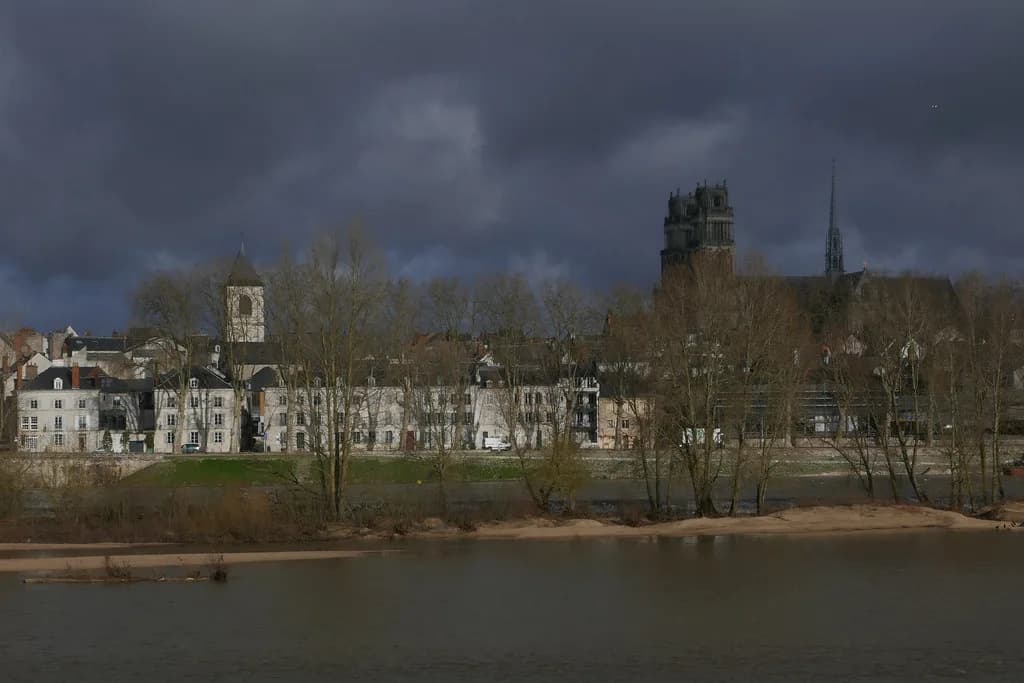
The second reason to come is geography: the Loire runs along the city, with riverside paths that stretch in both directions and a surprisingly wild, shifting atmosphere close to the centre. It is free, it is the best thing to do on a warm evening, and it sets Orléans apart from inland cities of a similar size.
The Historic Centre on Foot
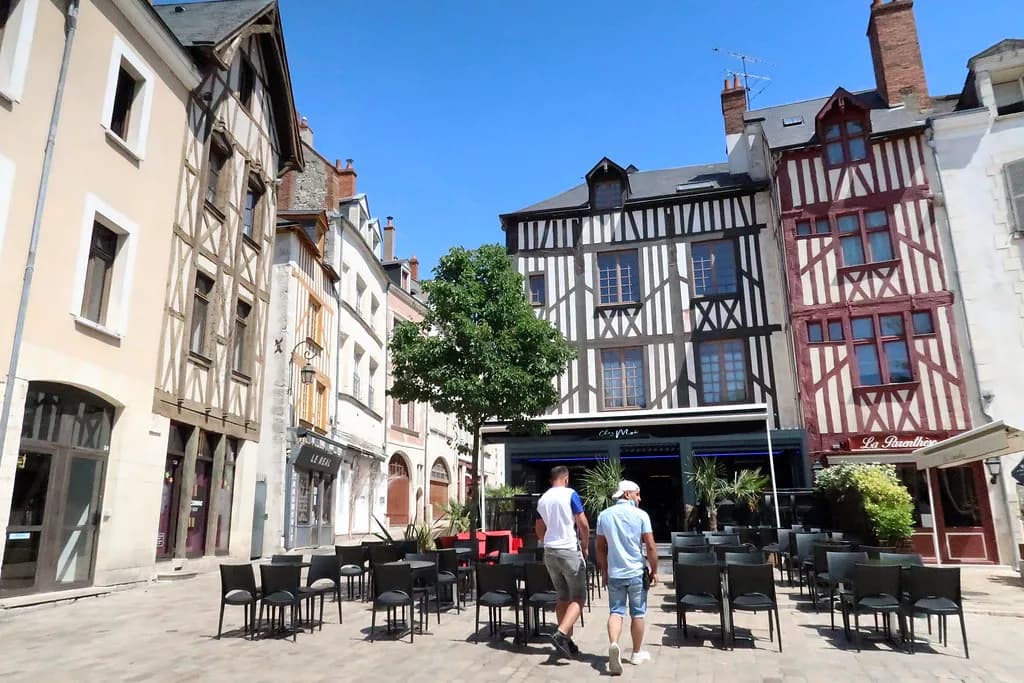
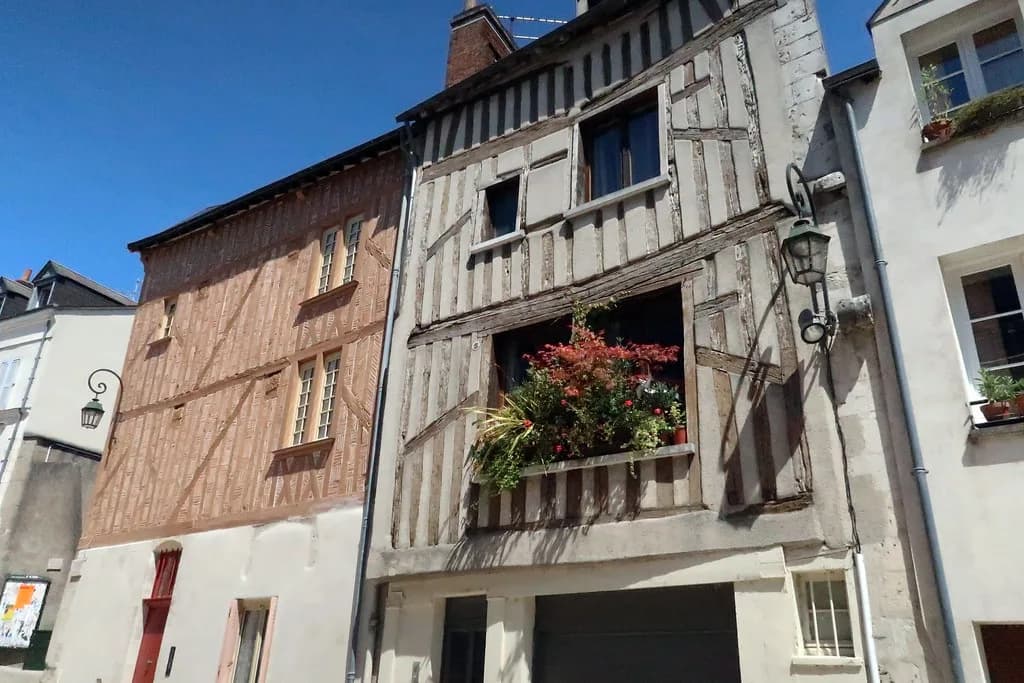
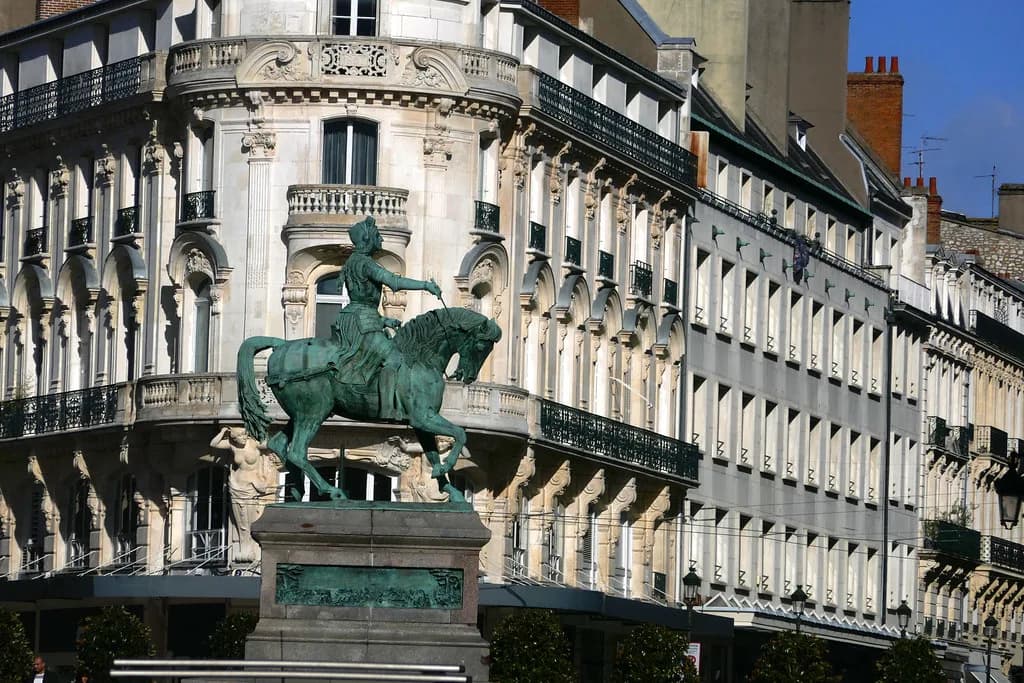
Start at Place du Martroi, the central square where the equestrian statue of Joan of Arc stands, and walk the length of Rue Jeanne d'Arc towards the cathedral. The walk takes about 15 minutes at an unhurried pace and passes timber-framed houses, boutiques and cafés, so it doubles as a first orientation.
Beyond the main axis, the old town repays wandering: elegant squares, restored buildings and free-to-visit corners such as the Jardin de l'Évêché behind the cathedral, which looks back over the spires. Give the centre a half-day on foot rather than trying to tick it off in an hour.
Pause at Hôtel Groslot on Place de l'Étape, a Neo-Renaissance residence that once hosted French kings and later served as the town hall. It is free to visit, which makes it an easy add-on to a centre walk rather than a destination in itself.
Cathédrale Sainte-Croix: Free Entry and Joan of Arc Glass
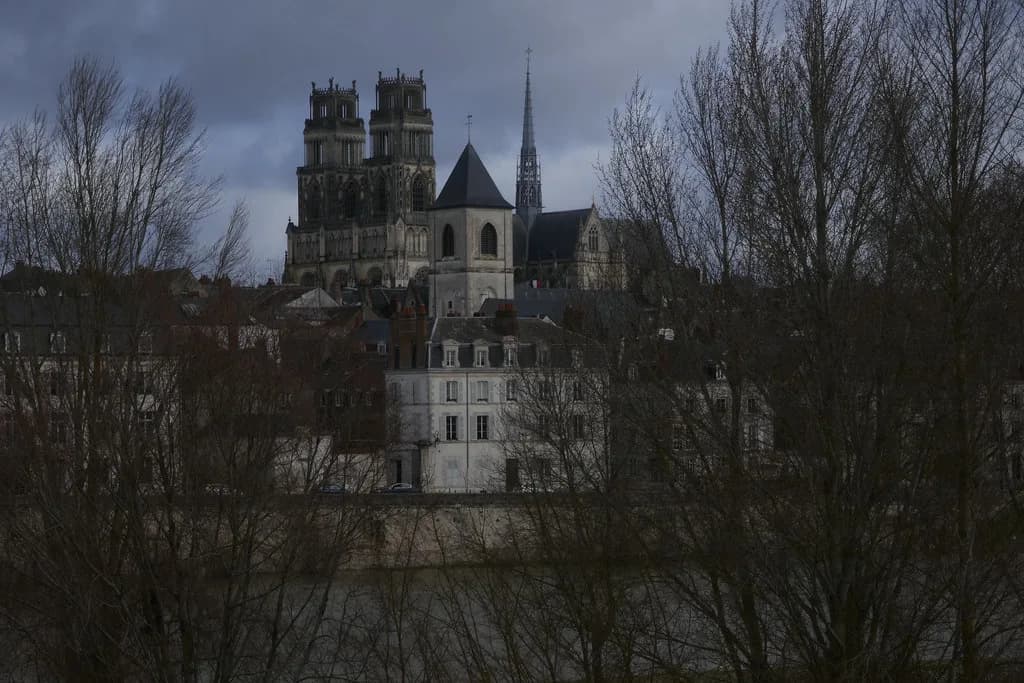
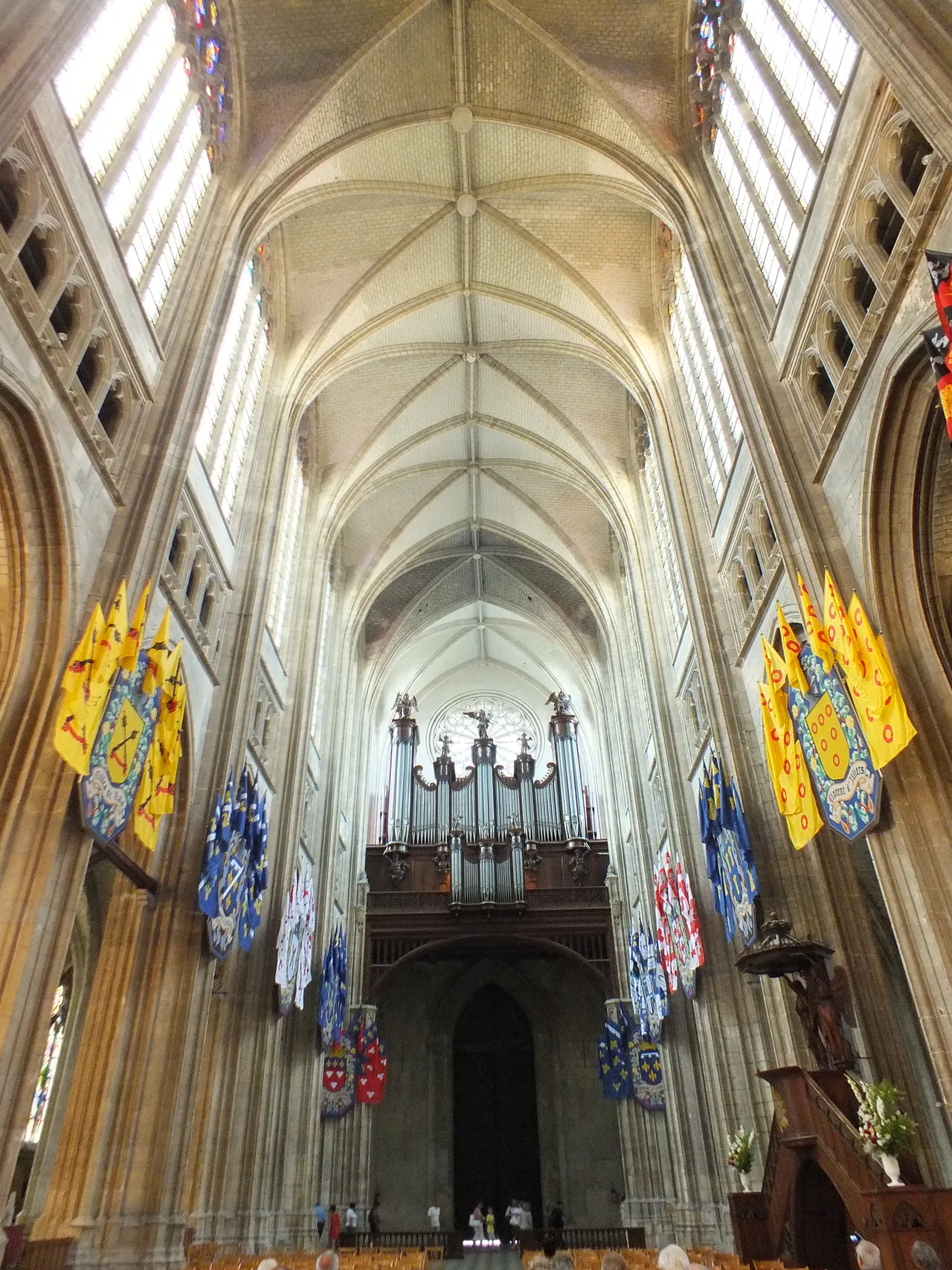
Cathédrale Sainte-Croix d'Orléans is the city's headline sight and an unusual one, because entry is free. The Gothic building sits at the top of Rue Jeanne d'Arc, and inside you will find stained glass that depicts Joan of Arc and the siege alongside the cathedral's older crests and flags.
Budget 45 minutes for the interior and the square outside, which gives you the best photographs of the façade. Sunday and holiday masses take place in the morning and Saturday mass in the early evening, so time a quiet visit around them if you want the aisles to yourself.
Joan of Arc Sights: the Maison and the Statue
The Maison Jeanne d'Arc on Place du Général de Gaulle is a half-timbered reconstruction of the house where she stayed during the siege, rebuilt after wartime bombing. Inside, a multimedia film runs regularly with headsets in languages other than French, which makes it the most efficient place to get the full story before you walk the rest of the trail.
Its ticket is the key to the city's paid sights: one entry price covers the Maison, the Musée des Beaux-Arts, the Musée Historique et Archéologique and MOBE, and it is valid for a single day. Plan those visits for the same day and the cost per sight drops sharply.
The equestrian statue on Place du Martroi is the obvious photograph, but the quieter memorial at the Cercil Musée-Mémorial des Enfants du Vel d'Hiv, which records the wartime internment camps of the Loiret, is the one that stays with people. It charges a modest adult entry with free admission for under-18s.
Museums That Justify a Wet Afternoon
Musée des Beaux-Arts d'Orléans, just behind the cathedral, is one of the oldest provincial art museums in France and holds a serious collection, including one of the largest pastel holdings in the country after the Louvre. It is the obvious choice when rain arrives, and the combined ticket means it costs little more than your Joan of Arc house entry.
For local context, the Musée Historique et Archéologique de l'Orléanais covers Gallo-Roman finds and the city's vinegar-making history in a Renaissance building, while MOBE handles the natural side. With one combined day ticket you can realistically fit two of the four included sights around a long lunch.
Check the museum day before you fix your itinerary. The Musée des Beaux-Arts opens Tuesday to Saturday and Sunday afternoons, closing all day Monday, so a Monday break leaves you with the cathedral, gardens and river instead.
Free Things That Fill a Day
Between the cathedral, the Jardin de l'Évêché and the old streets you can build a satisfying morning for nothing at all. Add the MifaMosa pixel-art mosaics, small ceramic characters by a French street artist fixed above street signs around the centre, and the walk becomes a free treasure hunt, especially with children.
Jardin des Plantes d'Orléans is the city's free botanical garden, with a rose garden that nods to the city's history as a major rose supplier, and it opens daily from early morning. Parc Floral de la Source, further out, charges adults and children separately but adds a butterfly house and a mini-farm for families.
The riverbank is the best free asset of all: paths run for miles, the Loire à Vélo route passes through, and there are beaches and picnic spots at Parc de Loire for a cheap lunch. Self-service bikes are available around the city if you want to cover more ground than walking allows.
Local Food and Drink: Vinegar, Mustard and Loire Wine
Orléans has a distinctive local product in wine vinegar, and Martin Pouret has been making vinegar and mustard in the city for generations; its shop is a good place to buy edible souvenirs. Mustard made here uses seeds soaked in wine vinegar, which gives it a sharper flavour than the Dijon-style jars you may be used to.
For a sit-down meal, look for dishes built around the local vinegar, such as poulet jaune, and expect Loire wines by the glass rather than a long wine list. Restaurants in the old town are generally cheaper than Paris equivalents, but reserve for weekend evenings in season.
Mame Café in the historic centre is a convenient starting point for coffee and a pastry before a day of walking. For markets, the central squares host regular food trading, including Place du Martroi, and the covered market is the place to assemble a picnic for the riverbank.
How Many Days Orléans Needs
One full day covers the cathedral, the old town, the Joan of Arc house and a riverside stroll, which is enough for a day trip from Paris or a stop en route south. Two to three days lets you add the museums on the combined ticket, the gardens and a slower meal, without ever feeling rushed.
For a weekend, arrive Friday evening, give Saturday to the centre and the paid sights, and keep Sunday for the river, gardens and a long lunch before the train home. That structure avoids the common mistake of scheduling the museums on a Monday, when the Beaux-Arts is shut.
Where Orléans Beats Paris, and Where It Does Not
Orléans wins on cost and calm: entry to the cathedral and gardens is free, the combined museum ticket covers four sights for one day, and a meal or a coffee rarely stings the way it does in the capital. It also wins on crowd pressure, since the centre rarely feels overwhelmed even on a summer weekend.
Paris still wins on depth: the sheer number of galleries, monuments and neighbourhoods cannot be matched by a city of this size. If this is your only trip to France, do Paris; if you have been before and want a slower second city, Orléans is the better use of a weekend.

Practicalities: Trains, Arrival and Getting Around
Direct trains run regularly from Paris Austerlitz to Orléans, with journey times typically around one hour, which makes it one of the easiest city breaks from the French capital. From the UK, take the Eurostar to Paris and continue by train the same day, or drive down and use Orléans as a natural overnight stop.
Once there, the centre is flat and walkable, with the cathedral, Place du Martroi and the museums within about 15 minutes of each other on foot. Bikes are a sensible option for the river and the parks, and the tram network covers the stretches that are too far to walk.
Book museum visits around opening days rather than hoping to fit them in: the smaller Loire châteaux nearby often close on Mondays or Tuesdays, and the city museums follow similar patterns. The cathedral is free and open daily, so it is always the safe anchor for a short break.
Common Mistakes to Avoid
The biggest error is assuming everything is open: museums close on set days and smaller sights run reduced hours out of season, so build the trip around what is actually open rather than a wish list. The second is overfilling the schedule; Orléans rewards two or three things done slowly rather than ten rushed.
The third is treating Orléans as a pure château base and spending the whole weekend in the car. The city itself is the reason to come, and squeezing in too many day trips leaves no time for the cathedral, the river and a proper dinner.
Verdict: Book It, Skip It or Use It as a Base
Book Orléans if you want an honest, affordable French city break with real history and a river, and give it a weekend rather than a hurried day. Skip it if this is your first and only trip to France and you want the full weight of Paris, or if you need big-city nightlife and a dense gallery circuit.
Use it as a base if you want to see the Loire châteaux without rural hotel prices, but plan around Monday and Tuesday closures and keep day trips to one or two. For anyone weighing up other short-break cities, Orléans sits comfortably alongside southern alternatives in value and pace.
Plan Your Visit
Orléans is worth visiting for a weekend, and the case is simple: a free cathedral, a walkable historic centre, a genuine Joan of Arc story, free gardens and a river, all an hour from Paris and noticeably cheaper than the capital. Plan around the museum opening days, group the paid sights on one combined ticket, and leave room for the riverbank.
Expect to spend your money on food and the occasional museum rather than on entry fees, and expect the city to reward a slower pace than Paris. If that sounds like your kind of weekend, book the train and keep the itinerary light.
Frequently Asked Questions
Is Orléans worth visiting for a weekend?
Yes. The cathedral is free, the old town is compact and walkable, and the Joan of Arc story gives the city a clear focus. A weekend gives you time for the cathedral and old town, one or two museums on the combined ticket, the gardens and a riverside walk without rushing.
How many days do you need in Orléans?
One full day covers the cathedral, the Maison Jeanne d'Arc and the old town on foot. Two to three days lets you add the Musée des Beaux-Arts and the other sights on the combined ticket, the botanical gardens and the river, and still leave time for proper meals.
Is Orléans cheaper than Paris?
Yes. Entry to Cathédrale Sainte-Croix is free, the gardens cost nothing, and a single combined ticket covers several museums for one day. Restaurants and cafés in the old town are generally cheaper than their Paris equivalents, which is a large part of the city's appeal for a short break.
What is Orléans famous for?
Joan of Arc, who helped lift the English siege of the city in 1429, and the Loire River setting. It is also known for wine vinegar and mustard production, with Martin Pouret among the local names, and for its rose-growing history celebrated in the botanical garden.
Can you visit Orléans as a day trip from Paris?
Yes. Direct trains run from Paris Austerlitz with journey times typically around one hour. One day is enough for the cathedral, the Maison Jeanne d'Arc and the old town, though a night or two makes for a far more comfortable visit.
What are the best free things to do in Orléans?
Cathédrale Sainte-Croix has free entry, and the Jardin de l'Évêché and Jardin des Plantes cost nothing either. Walking the old town, hunting for MifaMosa pixel art and strolling the Loire riverbank are all free, and the Parc de Loire adds a river beach and picnic space.
Is Orléans a good base for the Loire Valley châteaux?
Yes, if you keep day trips short. Several châteaux lie within easy reach, and using Orléans as a base gives you the city itself alongside a day out. Check opening days carefully, as smaller châteaux often close on Mondays or Tuesdays.
Sources
Notes for French city breaks
Optional updates to our guides.
You might also like
Continue reading
More guides you'll find useful