Is Perpignan Worth Visiting? An Honest Weekend Verdict
Yes, Perpignan earns a short break for Catalan history, red-brick monuments and Pyrenean views rather than beach glamour. Here is what it does well.
On this page
Yes, Perpignan is worth visiting if you want Catalan history, a walkable old centre and mountain views rather than a polished beach resort. The city packs a gatehouse, a royal palace and a cathedral into a compact core you can cross on foot. No if you want sand at the hotel door and a promenade of confident glamour.
Budget a day and a half for the essentials and two nights to avoid rushing. Perpignan rewards travellers arriving by train from Carcassonne or heading on to Barcelona, because the station sits about 15 minutes' walk from the centre past the Dali statue on Place de Catalogne. Beaches lie around 15 kilometres away, reached by bus, car or bike rather than on foot.
What Perpignan is: a French Catalan city with a Spanish past
Perpignan sits close to the Spanish border in French Catalonia, and street names appear in both French and Catalan. Catalan is spoken alongside French, and the food mixes French staples with Catalan tapas and seafood. That bilingual, cross-border character is the main reason to choose Perpignan over another southern French stop.
The city became the capital of the Kingdom of Majorca in the thirteenth century and only became French in the seventeenth. The Palais des Rois de Majorque, completed in 1309, is the surviving statement of that royal period. Look for the red marble among its stonework as you climb.
The walkable core: from the station into the centre
Arriving at Perpignan station, walk into the centre rather than hunting for transport; the stroll takes roughly 15 minutes. On Place de Catalogne, outside the FNAC in the old Dames de France building, a statue of Dali sits on a tall red chair facing the station. Dali claimed the station lobby was the centre of the world, a piece of local mythology worth knowing before you arrive.
The old town is compact enough to cover on foot, with the tourist office on Place de la Loge a sensible first stop for a map and local questions. The Hôtel de Ville shares that building and is free to look inside, including its ornate marriage room. Use the office to confirm opening days before you commit to a museum plan.
Le Castillet: the red-brick gate and its museum
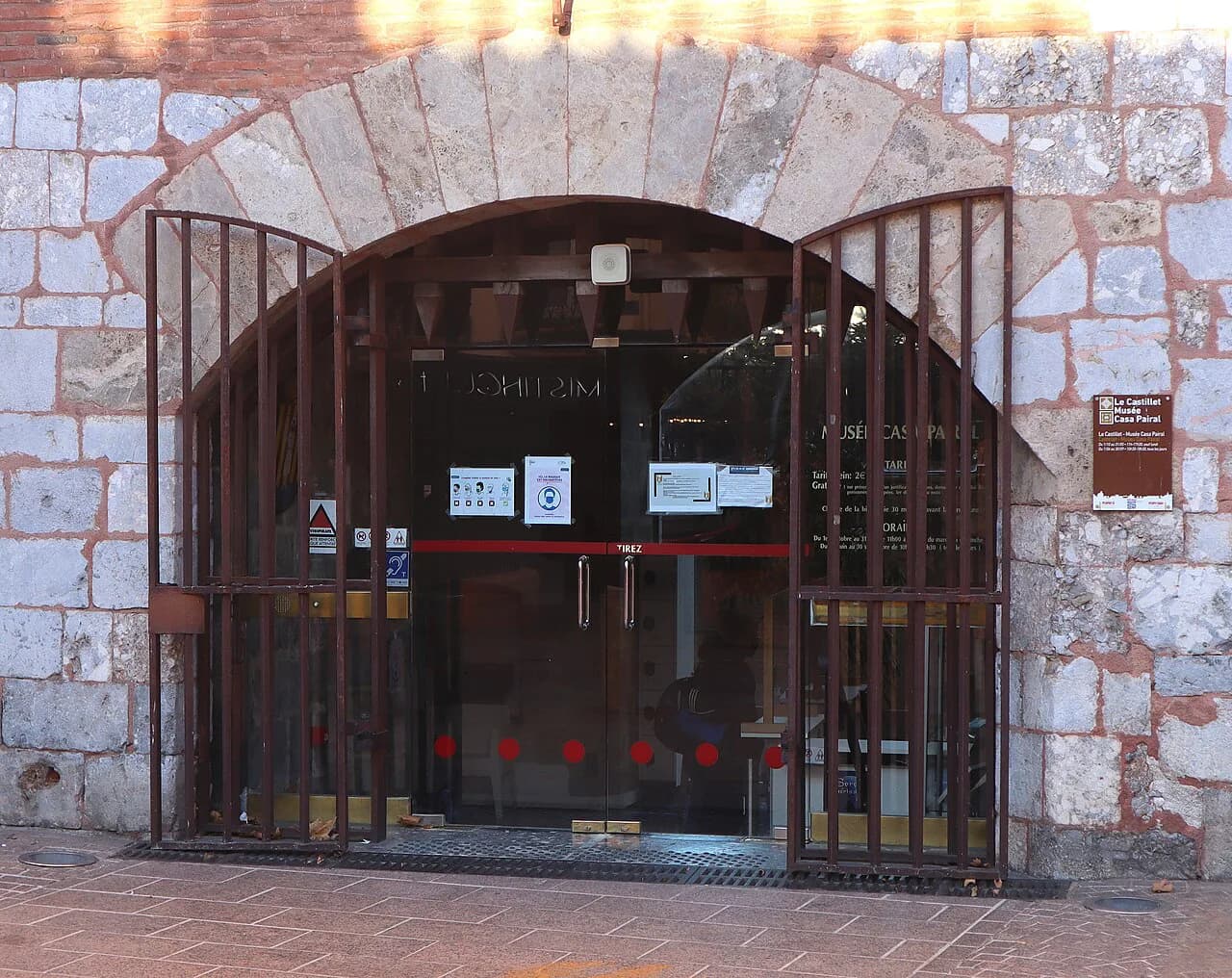
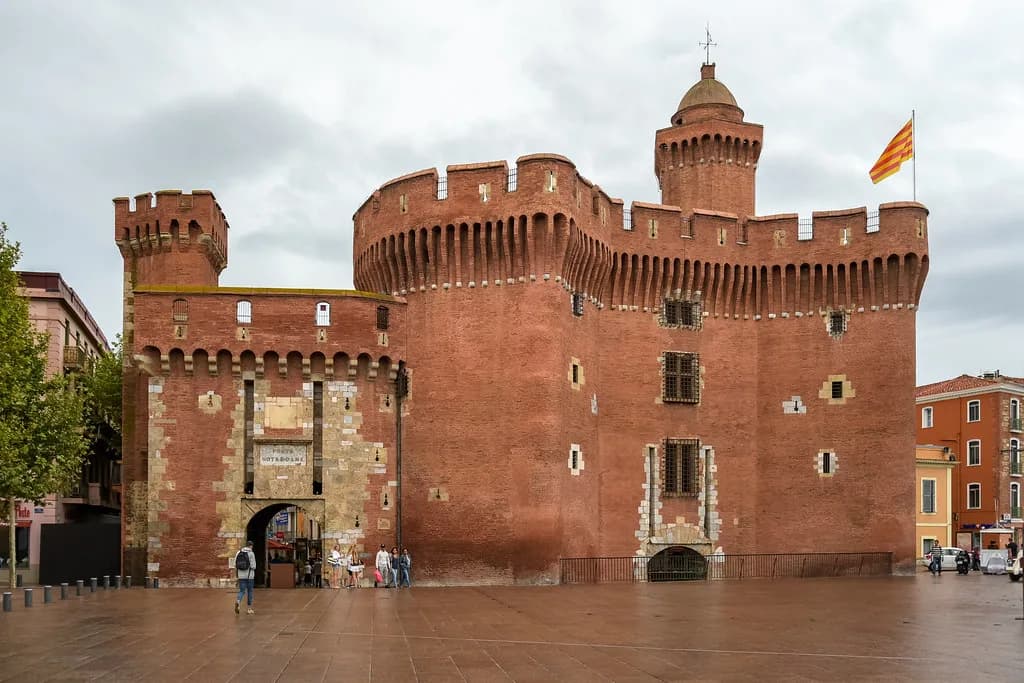
Le Castillet is the city's signature red-brick tower, built in 1368 as a gate into the city and later used as a prison. It now houses the Casa Pairal museum of Catalan arts and traditions, so one ticket covers both the building and the collection. With admission at 2€, budget under an hour if you skip the climb and longer if you make it to the top.
The climb is the payoff: a 2019 account counted 142 stone steps to the top and rated the rooftop view the highlight. Around the corner, the Castillet cinema of 1911 is an art nouveau curiosity worth two minutes. Check the tower's current ticket and opening times at the entrance or with the tourist office before you plan the day around it.
Palais des Rois de Majorque and the view to the Pic du Canigou
The Palais des Rois de Majorque is the other essential stop, a Gothic palace with zigzagging steps up to gardens that open onto the Pic du Canigou. A 2019 visitor took the self-guided route and found plenty to see, with the gardens giving the best of the mountain backdrop. Confirm the admission price and opening hours at the gate or with the tourist office before you go.
The climb is worth it for the mountain backdrop rather than the interiors alone, and the gardens make a good pause on a warm afternoon. If your time is tight, take this palace and Le Castillet and leave the smaller sights.
Cathédrale Saint-Jean-Baptiste and the Campo Santo
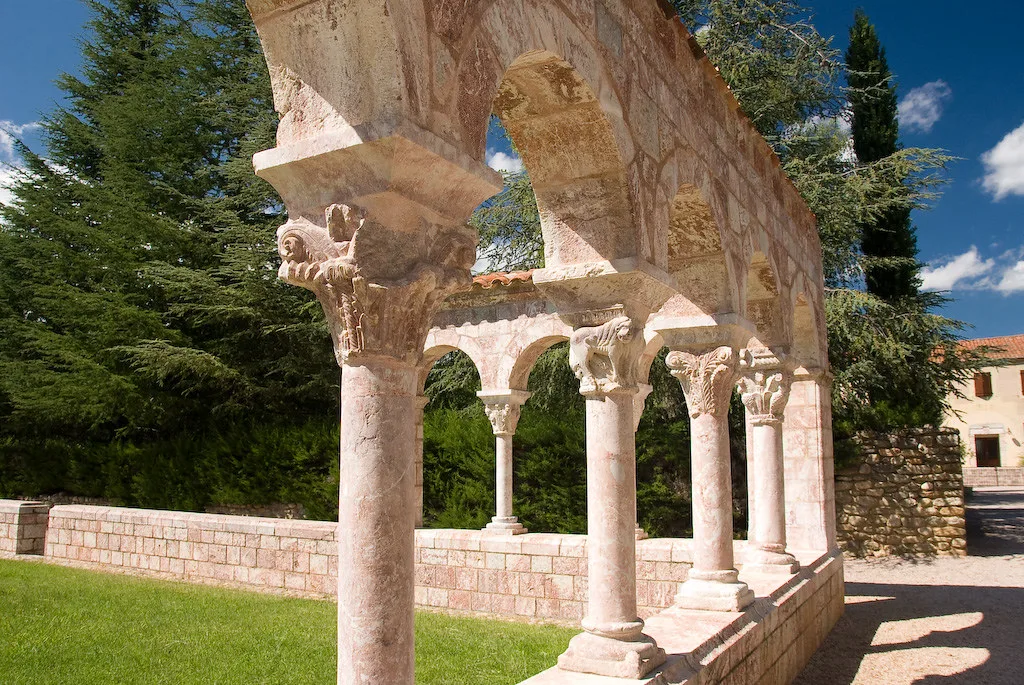
Cathédrale Saint-Jean-Baptiste has foundations from 1324 and was raised to cathedral status in 1601, with a Gothic nave, side chapels and stained glass. Next door, the Campo Santo is a cloister cemetery with Gothic galleries, an unusual pairing that takes little time to see. Both sit in the old town, so slot them between the squares.
Inside the cathedral, a rotating art exhibit gives you a reason to look beyond the architecture. Keep the visit short and use the saved time for the palace gardens or a longer lunch.
Museums for a wet or cold day
The Musée d'Art Hyacinthe Rigaud, named after the local painter, holds baroque art and collections tracing Perpignan's history from the fifteenth to the twentieth century. The natural history museum offers taxidermy and a mummy, a good option with children. Between them they fill a rainy half-day without repeating the monuments.
Opening days decide your itinerary more than distance does, so check the tourist office listings before you build a day around a museum.
Les Halles Vauban and eating in Perpignan
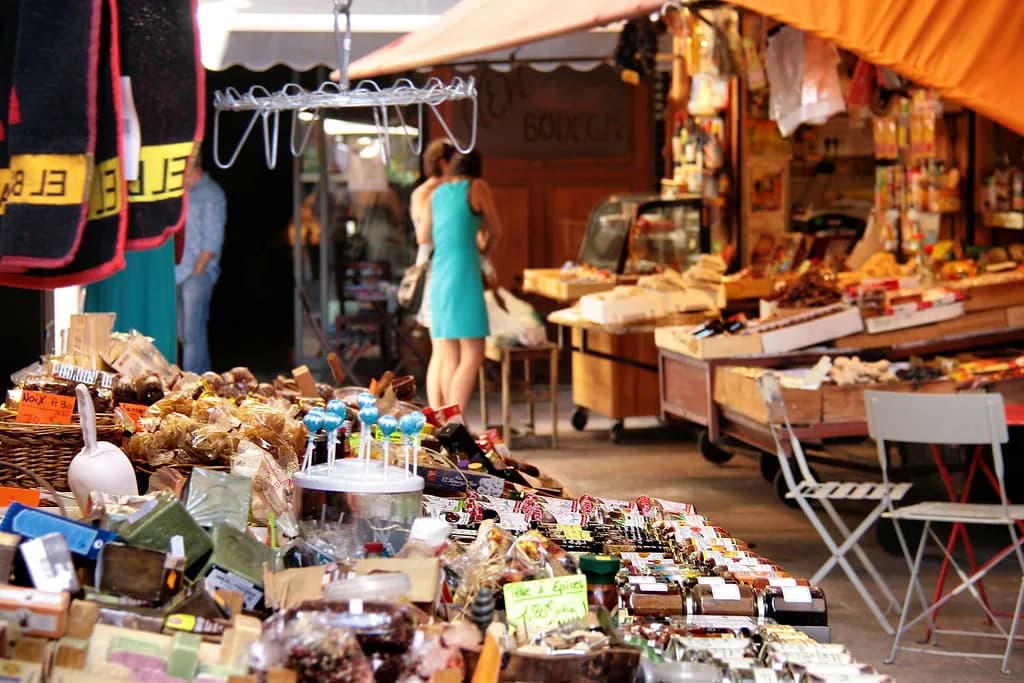
Les Halles Vauban is the indoor food market, with stands running from French dishes to tapas and a back patio for eating or a drink. It solves the group problem: everyone orders from a different counter and meets at one table. Go hungry and treat it as lunch rather than a quick browse.
For a sit-down Catalan meal, Casa Santa is a long-established restaurant dating to 1846, with tight tables and a devoted following. Casa Sansa is the other name that comes up for Catalan cooking, and a vegetarian in the party should note that it had no vegetarian dishes when one visitor checked. Reserve ahead for dinner in both cases, since the popular rooms fill.
Squares for a pause
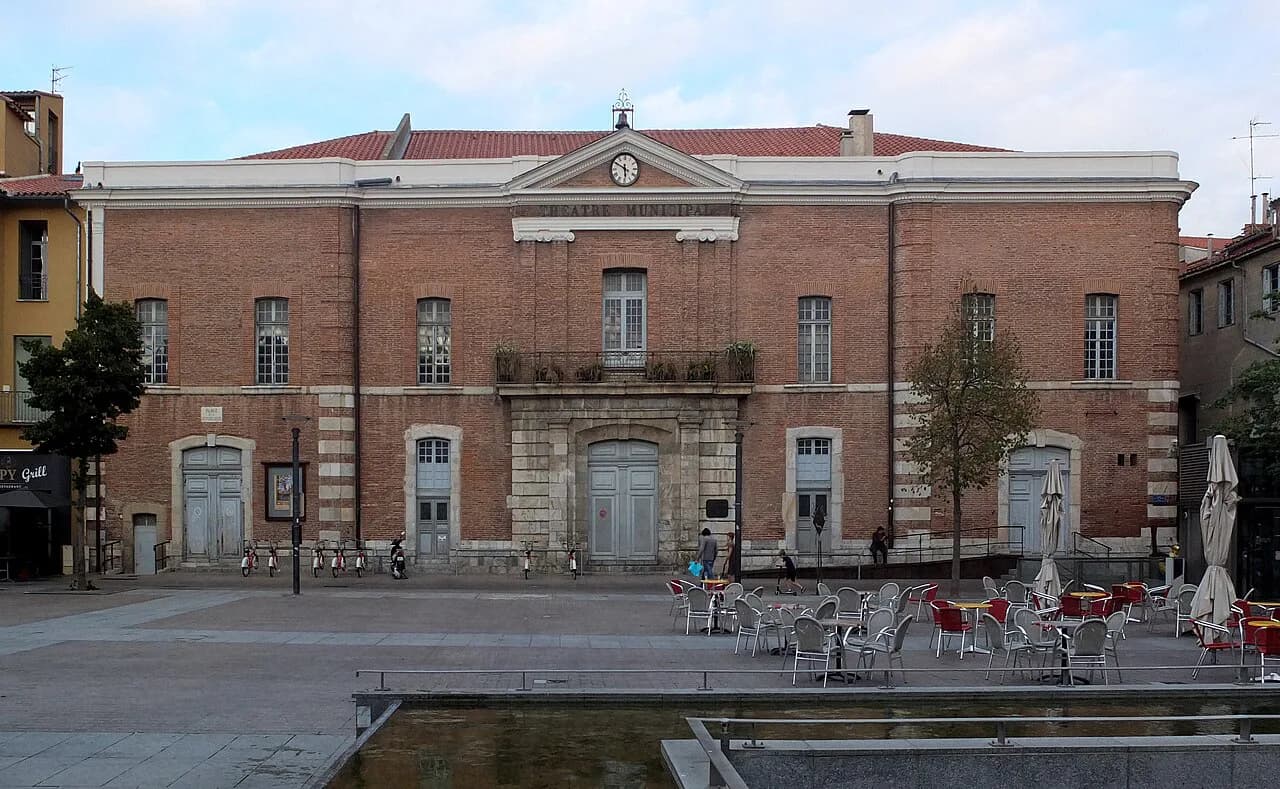
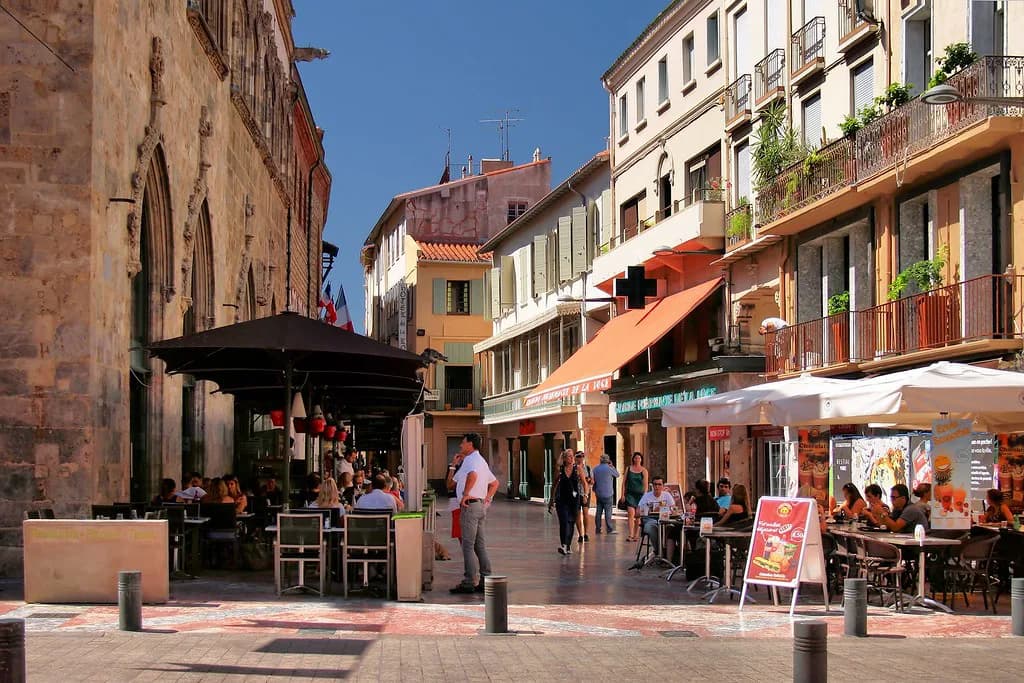
Place de la Loge is the practical square, with the tourist office and Hôtel de Ville in the same building and Le Castillet a minute away. Place de la République is the one for sitting still, with café terraces, a carousel and room to people-watch. Southern squares tend to be broad and open, so a coffee here is a proper part of the day rather than a stop.
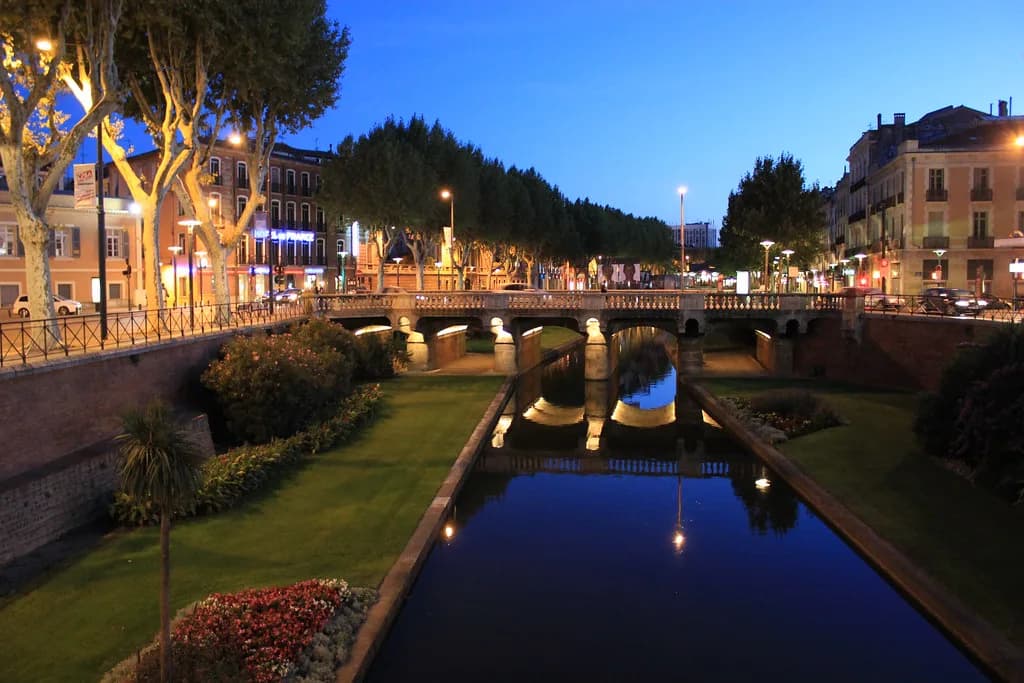
Pair the pause with a wander north through the lanes toward the Basse, where the Pont de Guerre gives a view back to the Canigou. For shade, the Allées Maillol lead to Square Bir Hakeim and its cactus garden.
Catalan souvenirs and boutique streets
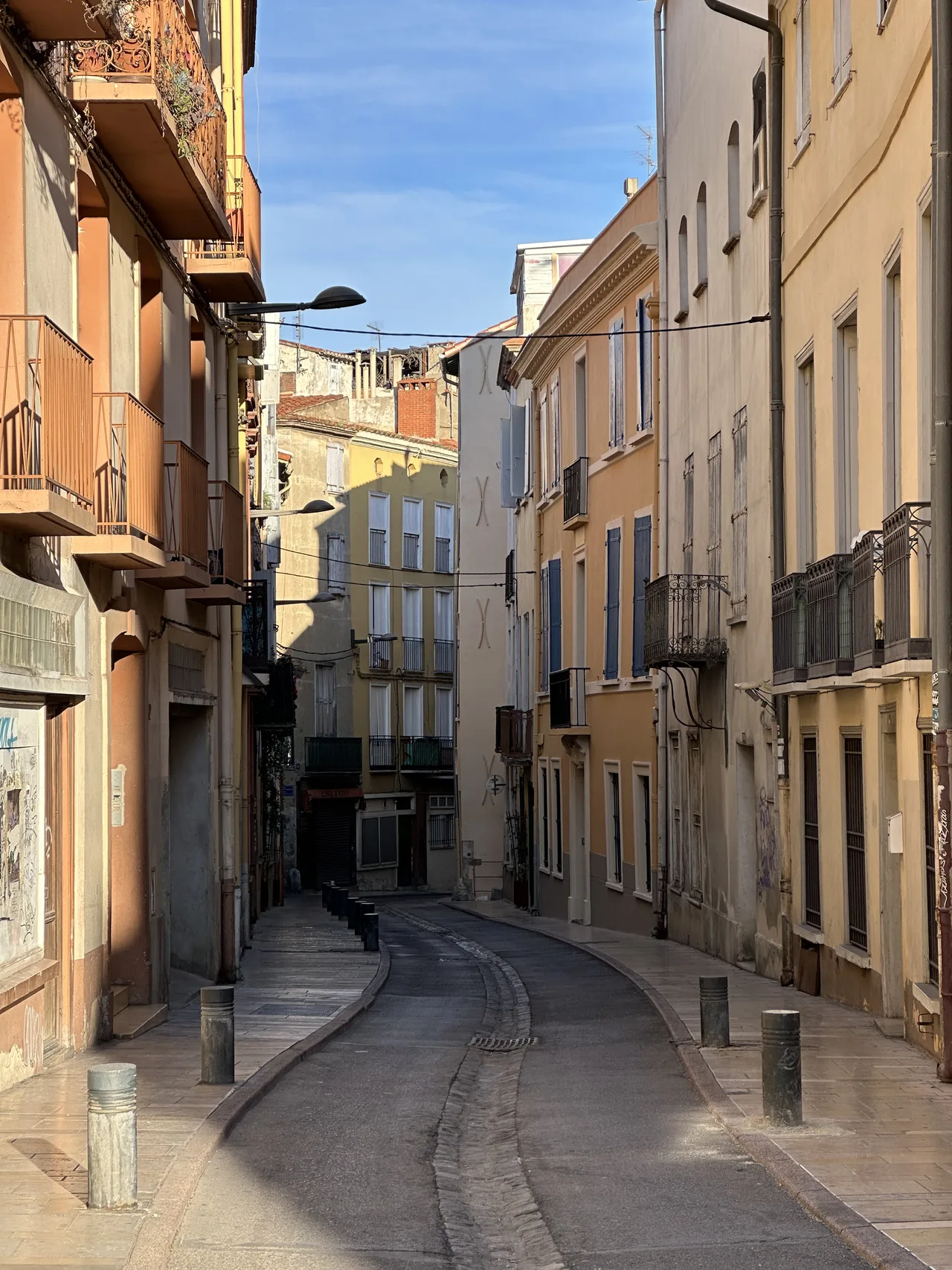
The boutique streets of the centre are rue de l'ange, rue de la cloche d'or and rue Mailly, where small shops sell local goods. Épicerie Detal Sala stocks Catalan spices, turrón and rousquilles, the ring-shaped Catalan biscuits worth carrying home. Espadrilles, which originated in Catalonia, are the other obvious buy.
Getting your bearings fast: the petit train
Le petit train de Perpignan works as an orientation tool rather than an attraction. A 2019 ride lasted about 50 minutes over roughly 34 sites, which gives you the shape of the city before you walk it. Take it early in a short break, then spend the rest on foot.
How many days Perpignan needs
A day and a half covers Le Castillet, the palace, the cathedral and one market meal. Two nights is comfortable and leaves room for a museum and an unhurried lunch. Treat the city as a 36-hour stop between Carcassonne and Barcelona, both linked by direct train, and it fits neatly.
If you want a full holiday of beach days, this is the wrong base: the coast is a bus or bike ride out and the city's own appeal is indoor and historical.
Who will love it and who should skip it
History and food travellers will get the most from Perpignan: bilingual street signs, a royal palace and a market hall reward curiosity within a small radius. Travellers wanting polish and promenade glamour will find the city's economic strain visible and the sights dispersed. If you are weighing up a Provençal alternative, it is worth asking is Aix-en-Provence worth visiting for the contrast in polish and pace.
Visitors describe a lively, useful city with a helpful tourist office and easy access to the Pyrenees, which suits a short break more than a beach holiday.
When to go
Spring and autumn beat high summer, when the city can feel crowded and hot. Visa Pour l'Image, the photojournalism festival, draws visitors in early September and puts photography in venues across the centre. Confirm the current programme and venues before booking around it.
Practical trade-offs
Perpignan is a working city with visible poverty and unemployment, not a stage set, and that honesty is part of its character. Sights are spread enough that you will walk a lot, so pace the day and use the squares for rests. Keep a museum and the market hall as wet-weather fallbacks, and check opening days with the tourist office on Place de la Loge before committing.
Verdict
Book Perpignan as a standalone short break or a stop between Carcassonne and Spain, and give it two nights. Prioritise Le Castillet, the Palais des Rois de Majorque, the cathedral and a meal at Les Halles Vauban. Skip it if you want a beach resort with polished seafront glamour.
Explore more Perpignan guides
Frequently Asked Questions
What are the must-do things in Perpignan?
Start with Le Castillet and the Palais des Rois de Majorque, then the Cathédrale Saint-Jean-Baptiste and the adjoining Campo Santo. Add Les Halles Vauban for lunch and one museum, the Musée d'Art Hyacinthe Rigaud or the natural history museum.
How many days do you need in Perpignan?
A day and a half covers the monuments, the cathedral and a market meal. Two nights is comfortable and leaves room for a museum and an unhurried lunch. The centre is compact, so most of your time goes on walking rather than transport.
Is Perpignan good for tourists?
It suits travellers interested in Catalan history, architecture and food. Travellers wanting a beach resort should look elsewhere, since the coast sits around 15 kilometres from the centre and needs a bus, car or bike.
Is Perpignan worth visiting in September?
September brings the Visa Pour l'Image photojournalism festival to venues across the centre, which gives the city a reason to walk it. Confirm the current programme before booking around it.
Is Perpignan a good stop between France and Spain?
Yes. Direct trains link Perpignan with Carcassonne in about an hour and continue toward Barcelona. The station is roughly 15 minutes' walk from the centre, which makes a 36-hour stop practical.
Do you need a car in Perpignan?
No for the city itself, since the old town is walkable and the station sits close by. A car or bus helps only if you want the beaches or the Pyrenees.
Sources
Notes for French city breaks
Optional updates to our guides.
You might also like
Continue reading
More guides you'll find useful