Markets in Orléans: Which Day to Go and What You'll Find
Markets in Orléans run most days of the week, from Place du Martroi to residential quarters. Here is which day each pitch trades and how to plan around it.
On this page
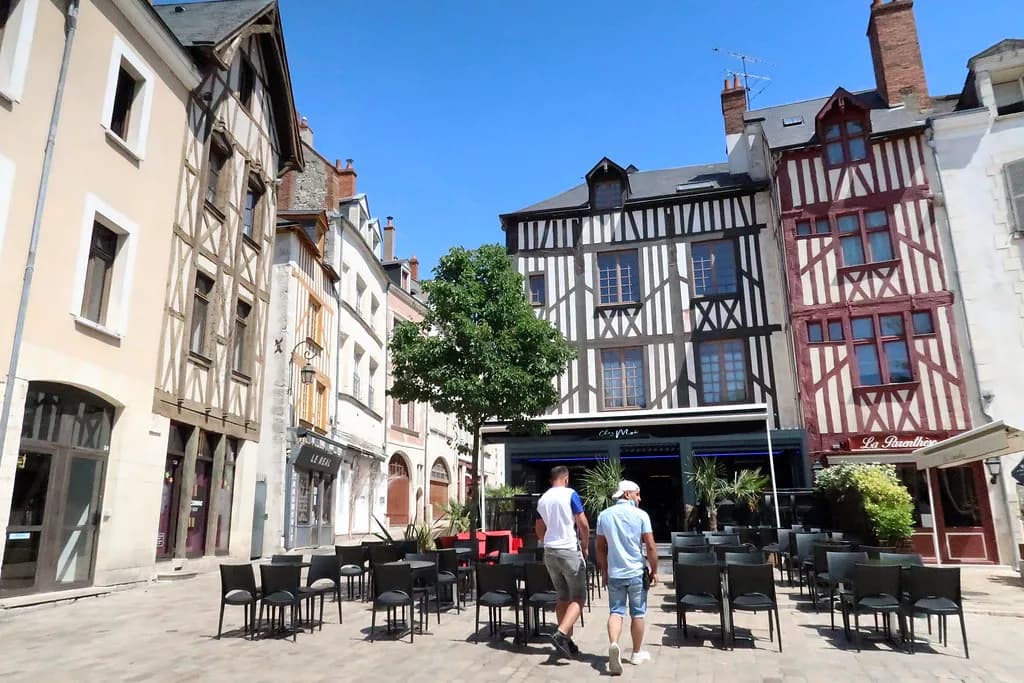
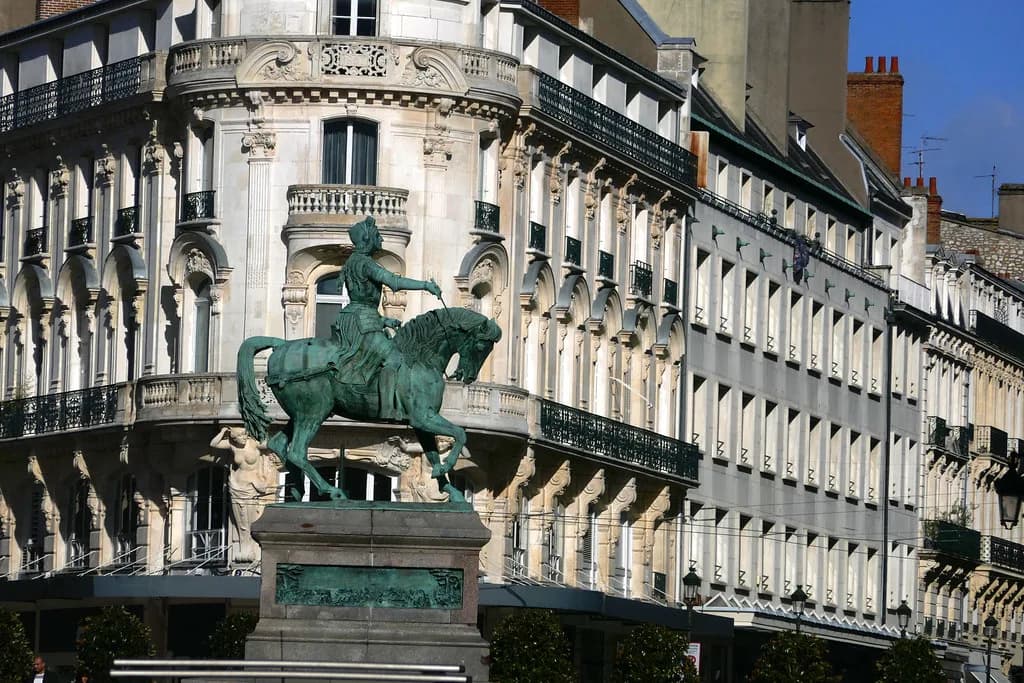
Orléans has no single market day you have to build a trip around. Its street markets are spread from Tuesday to Sunday in different squares and residential streets, so a weekend visitor can pick a morning that suits rather than rearranging the itinerary. Saturday carries the widest choice, with pitches on Quai Roi, Place A. Camus and Boulevard Alexandre Martin, while Place du Martroi in the centre trades on Friday and Sunday.
The pattern rewards a little planning. The central pitches are easy to fold into a morning of sightseeing, but the neighbourhood markets in Argonne, the Boissières and the Madeleine quarter are where you shop alongside residents rather than other visitors. Pair a market with the rest of your things to do in Orléans and the morning stops feeling like a detour.
Why plan a weekend morning around an Orléans market
These are working street markets, not visitor attractions with set opening hours. Stalls appear in a named square or street on a named weekday, then move on, so the market you find depends entirely on when you go. That makes the market calendar more useful than a single address.
The trade-off is coverage. Place du Martroi is in the centre and easy to reach on foot, but it only trades on Friday and Sunday. Saturday gives you the most pitches overall, though several sit in residential streets a walk from the old town rather than beside the cathedral.
How the market days are spread across the week
The week runs from Tuesday to Sunday in the published Orléans listings. Wednesday, Thursday, Friday and Saturday each carry multiple pitches, Sunday has three, and Tuesday has two. Nothing appears on a Monday, which makes it the day to plan a museum or a long walk instead.
Think of it as a grid: a day, a street, a quarter. Once you know which quarter you are staying in or passing through, the day follows. The residential markets cluster in Argonne, the Boissières, the Madeleine and around Place A. Camus, so they suit a morning when you are already heading that way.
Tuesday: two pitches in the northern quarters
Tuesday opens the week with two markets, both away from the centre. One sits in the Boissières quarter on Rue St Charles le Chauve, the other at Résidence Dauphine on Rue des Jacinthes. Neither is a reason to cross the city, but they are useful if your accommodation is nearby.
Treat Tuesday as a thin day on the market front and give the rest of the city the time instead. The old town, the cathedral and the riverfront do not depend on a market being open, and a quiet weekday morning is often the easiest time to walk them.
Wednesday: Rue Émile Zola and Place de la République
Wednesday brings two central-ish pitches: Rue Émile Zola and Place de la République. Place de la République is the more practical of the two for a visitor moving between the station, the old town and the shopping streets, since it is a proper square with room around it rather than a narrow lane.
If your Wednesday has a shopping bias, the market makes a good first stop before the shops open up. Carry on along Rue Royale and the surrounding streets for the covered retail side of the city, which pairs naturally with a food market morning.
Thursday: Place A. Camus, Rue E. Turbat and Place des Dunois
Thursday is the busiest weekday, with three pitches spread across the city. Place A. Camus hosts the Marché de la Source in the east, Rue E. Turbat serves the St Marceau area, and Place des Dunois covers a third quarter. Only Place A. Camus also trades on Saturday, so Thursday is your sole chance at the other two.
Three markets in one day does not mean you should attempt all three. Pick the quarter closest to where you are sleeping or eating, spend the morning there, and keep the afternoon free. The distances between these pitches are not walkable in a single loop without eating the day.
Friday: Place de la Bascule, Quartier Argonne and Place du Martroi
Friday gives you the first central chance of the week, with a pitch on Place du Martroi, plus Place de la Bascule and the Argonne quarter on Rue J. Louvet. If you only have one weekday morning in Orléans, this is the one to take, because the market sits in the middle of everything else you want to see.
Argonne is the outlier here, residential and away from the tourist circuit. It is worth the walk if you want a market with fewer visitors and more of a neighbourhood feel, but budget the time for getting there and back rather than squeezing it between two central sights.
Saturday: the widest choice, from Quai Roi to Boulevard Alexandre Martin
Saturday carries the most pitches of any day: Quai Roi, Place A. Camus and Boulevard Alexandre Martin. Quai Roi is the one to aim for if you want the river alongside your shopping, and Boulevard Alexandre Martin gives you a second central option if the quay is crowded. Place A. Camus, out east, is the quieter alternative.
Saturday is also the day to think about lunch. Buy bread, cheese and fruit at the stalls, then eat by the Loire rather than committing to a restaurant table. If you would rather sit down, the Loire Valley cooking in the centre is a short walk from the quay pitches.
Sunday: Place du Martroi and the Madeleine quarter
Sunday has three markets: Place du Martroi, Avenue de la Recherche Scientifique and Allées Pierre Chevalier in the Madeleine quarter. The central pitch at Martroi is the obvious pick if you are leaving later in the day, since you can shop and still catch the rest of the old town.
The Madeleine pitches are residential and quieter, which suits a slow final morning. Do not assume everything else is open around them; a Sunday market morning works best when the market itself is the plan and the afternoon is left loose.
Matching market days to the rest of your itinerary
The workable pattern is one market morning, one museum or cathedral morning, and one long walk. If your weekend falls Friday to Sunday you get three consecutive days with a central option, which is the easiest version of the trip. A Tuesday-to-Thursday break means heading out to the quarters instead.
Build the market in first and the sights around it, not the other way round. A market that closes by midday leaves the afternoon open, and the city's main sights are close enough together that a half-day is enough for the core of them.
Practical points: cash, bags and getting between squares
Bring cash in small notes and a sturdy bag. Street markets of this kind are built for people shopping for a household, not for visitors buying a single punnet, and a foldable tote takes up no space in a day bag. Reusable bags are also the norm in French food shopping generally.
The published listings give days and street addresses but not opening hours, so plan to arrive in the morning rather than late afternoon. If a specific pitch matters to your trip, confirm the day and location before you travel, since street markets can be relocated or suspended.
Where the markets sit in the city and how to walk between them
Place du Martroi is the anchor, a central square within walking distance of the cathedral and the river. Quai Roi and Boulevard Alexandre Martin are both a short walk from the centre, which makes Saturday the most walkable market day for a visitor without a car.
The residential pitches in Argonne, the Boissières, St Marceau and the Madeleine need more effort. They sit in the ring of quarters around the centre rather than in it, so allow a proper walk or a bus ride each way rather than treating them as a five-minute add-on.
If you are comparing Orléans with other market towns on a Loire trip, the format is familiar. The Amboise market and the Loire markets further west follow the same rhythm of named squares on set weekdays, with the same need to check which day before you go.
Plan Your Visit
Orléans markets work best as a morning rather than a destination. Pick Saturday for the widest choice along the river, Friday or Sunday for Place du Martroi in the centre, or Thursday if you want to see the residential quarters at their busiest.
Check the day and street against the published listings before you set out, then build the rest of the morning around the stalls rather than the other way round. A market, a cathedral and a walk along the Loire is a full and satisfying day in a city this compact.
Explore more Orléans guides
Frequently Asked Questions
Which day is the main market day in Orléans?
Saturday has the most pitches, with markets on Quai Roi, Place A. Camus and Boulevard Alexandre Martin. Friday and Sunday are the best days for a central pitch, since Place du Martroi trades on both.
Is there a market in Orléans on Sunday?
Yes. Three pitches are listed for Sunday: Place du Martroi, Avenue de la Recherche Scientifique and Allées Pierre Chevalier in the Madeleine quarter. Place du Martroi is the easiest for a visitor staying centrally.
Where is the market in Orléans on a Saturday?
Saturday markets are listed on Quai Roi, at Place A. Camus and on Boulevard Alexandre Martin. Quai Roi and Boulevard Alexandre Martin are both within walking distance of the centre; Place A. Camus sits further east.
Are Orléans markets open in the afternoon?
The listings give days and street addresses but not opening hours. Plan to shop in the morning and keep the afternoon free for sights, rather than relying on stalls still being there later.
How many markets does Orléans have each week?
The published listings show 16 pitches across the week, running from Tuesday to Sunday. Wednesday, Thursday, Friday and Saturday each carry several, while Tuesday has two and Monday has none.
Is there a covered market hall in Orléans?
The published listings cover street markets in named squares and streets rather than a covered hall. If a hall is part of your plans, check the city's own tourism pages before you travel, as the listings here do not cover it.
Sources
Notes for French city breaks
Optional updates to our guides.
You might also like

Continue reading
More guides you'll find useful