Best Restaurants in Orléans: Where to Eat on a City Break
Where to eat in Orléans, from rue de Bourgogne tables to summer guinguettes, and the vinegar and mustard dishes worth ordering on a short break.
On this page
Orléans eats best in a compact triangle: rue de Bourgogne for a proper dinner, Place du Martroi for anything central and quick, and the Loire banks on a warm evening. Two dinners and two lunches is the realistic frame for a weekend, so spend them where they fit your sightseeing rather than crossing the city for a single address.
The city's own flavours are vinegar and mustard, and Martin Pouret has been producing traditional French vinegar and mustard for generations, with a boutique that doubles as an edible souvenir stop. Order the local vinaigre d'Orléans with a dish rather than treating the shops as the main event.
What Orléans Tastes Like
Orléans vinegar is the defining local product, and the city also makes its own mustard: the seeds are soaked in wine vinegar before being milled, which gives a sharper, more acidic finish than a standard Dijon. That means anything dressed, pickled or marinated is a safe order wherever you end up.
Being in the Loire Valley, expect local wine and goat cheese alongside the vinegar, and restaurants serve regional wines by the glass, which keeps a short break's drinks bill modest. A starter built on vinegar and a main with a Loire white is the most honest introduction to the city's kitchen.
How the Eating Map Works
Treat rue de Bourgogne as the dinner street: it is the restaurant and bar street, always busy with locals, and it sits close enough to the old town that you can walk there after a day of sightseeing. Book your main evening here and you can wander between terraces without planning transport.
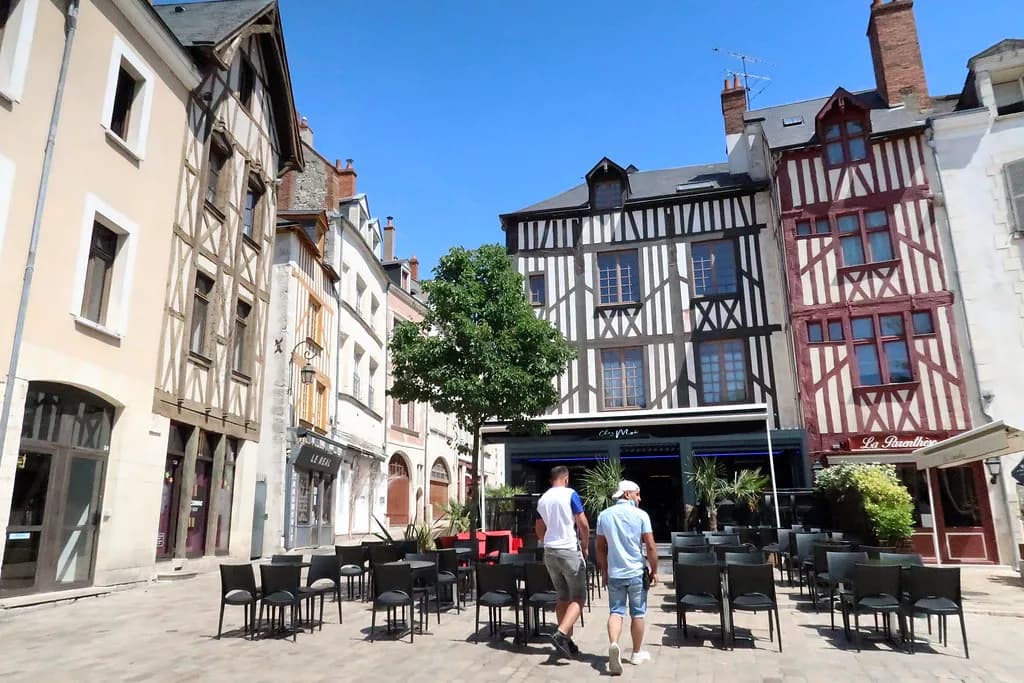
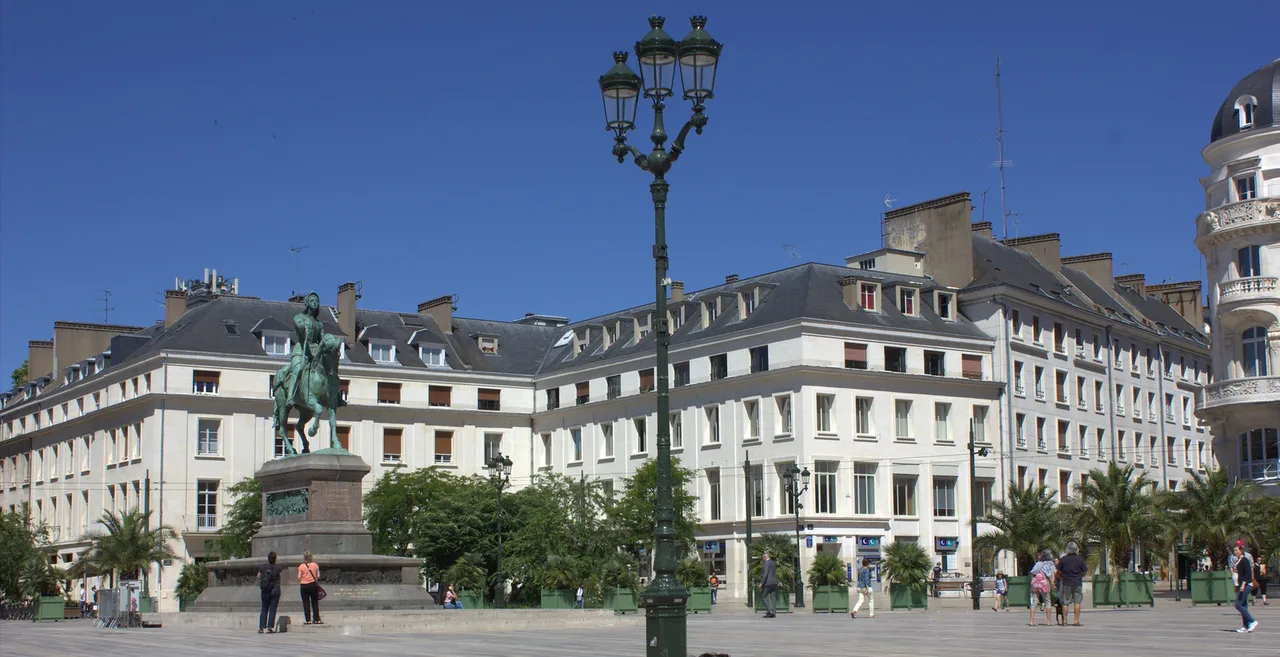
Place du Martroi is the centre you will keep returning to, with restaurant terraces spilling onto the pavement in summer. It works for lunch between the cathedral and the riverside, and it is the obvious anchor for an evening when nobody wants to walk far.
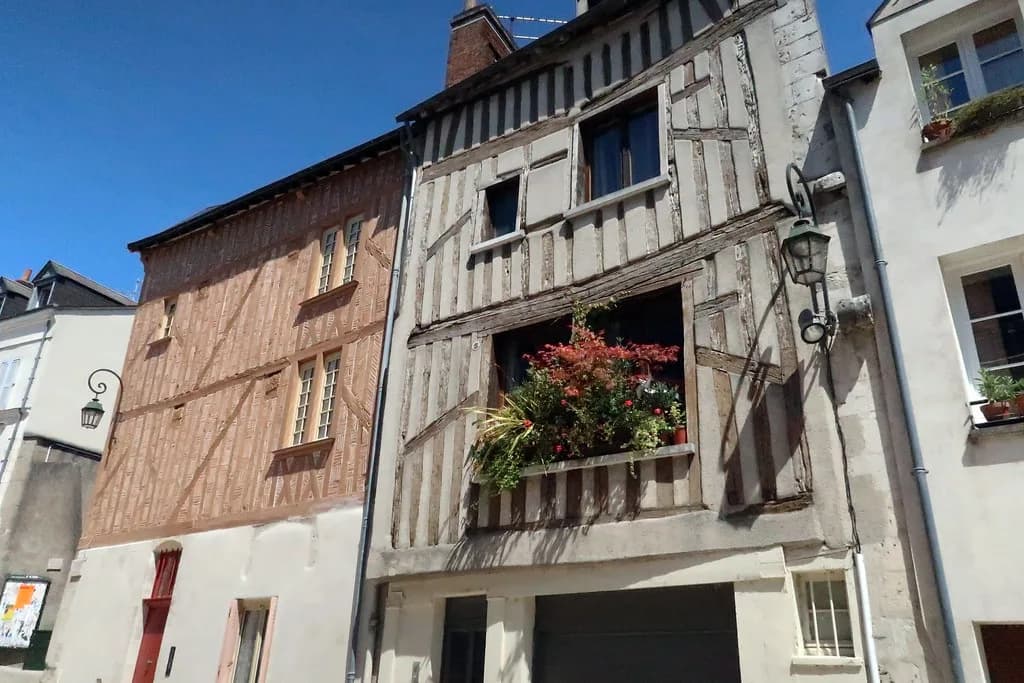
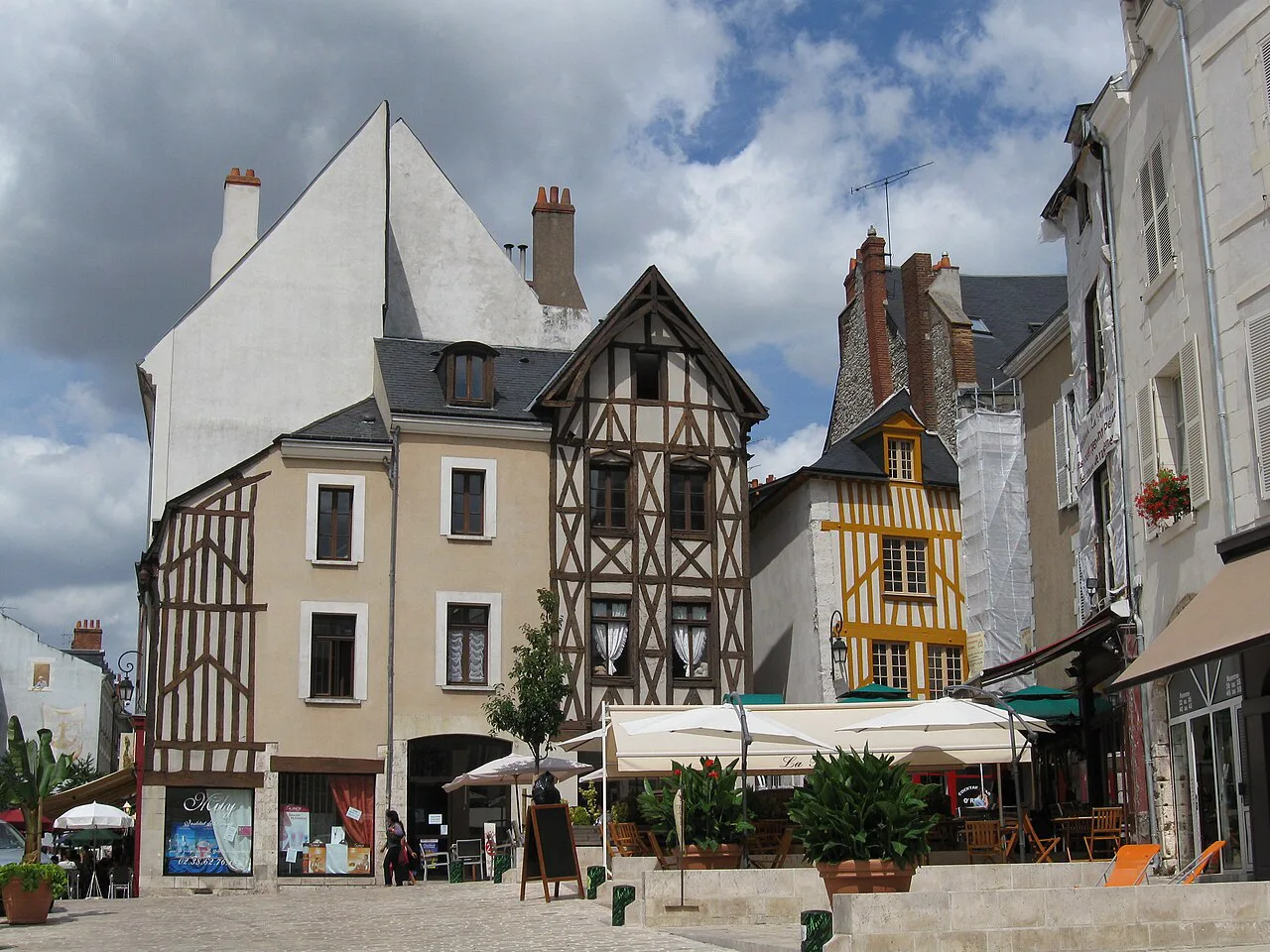
Place du Châtelet and the lanes around it suit a daytime stop: the square grew up in the 1880s around four metal halls built for the city's wholesale market, and the timbered façades survived alongside them. Plan your market browsing and your lunch as the same outing rather than two separate trips across town.
Bistros and Sit-Down Dinners
Paul et Juliette on rue de Bourgogne is the guide's pick for a planned dinner, serving French cooking as a set three-course format that one visitor reported at €42. Treat that as an example of the price level rather than the restaurant's current published rate, and confirm the day's menu when you reserve.
For traditional French dishes done properly and in cosy surroundings, La Dariole is the other name worth building an evening around. Between the two you cover a modern set menu and an older bistro register, which is a sensible split across two dinners.
L'Hibiscus and La Chancellerie are the picks for a dinner with a bit more ceremony: La Chancellerie sits on one of the city's prettiest squares, so the setting does as much work as the plate. Go early enough to eat while the architecture is still lit.
Lunch and Casual Stops
Donna Mia covers the pizza-and-pasta slot when you want a break from French menus, and Oh Terroir version Fast Good applies the fast-food format to local ingredients and drinks. Both are lunch solutions rather than destinations, which is exactly what a two-day break needs.
Near Parc de Loire, Chez Meumeu is the straightforward lunch stop for generous portions and an alfresco table, with dogs allowed outside and vegetarians catered for on request. Ask for the daily specials when you sit down, and combine the meal with a wander along the riverbank afterwards.
Coffee and Brunch Before Sightseeing
Start at Mame Cafe in the historic centre: a coffee and a pastry there leaves you within walking distance of the old town and the cathedral, so no transport is needed before your first sight. It is the most efficient way to open a morning.
Maison Canelle does a fuller brunch with both sweet and savoury options, and Mame Brunch Café runs a vegan brunch that works even for committed meat-eaters. Choose the first if you want to sit down properly, the second if the group includes a vegetarian.
Le Kiosque by Christophe Hay turns patisserie into a treat, with cakes priced as a splurge for a birthday or a final morning. It is a small stop rather than a meal, so fit it in before or after a museum rather than making it the outing.
Vegetarian and Non-French Options
Närenj in the old town serves Middle Eastern cooking with fresh flavours, a welcome change from meat-heavy French menus and the easiest vegetarian meal to plan. Put it on the second evening if your first dinner is a traditional bistro.
Italian, fast-good and vegan brunch choices all sit within the centre, so nobody in the group has to travel for a meat-free or non-French plate. The trade-off is that you give up some of the vinegar-and-mustard local colour, which is why one dinner of each makes sense on a short stay.
Riverside Guinguettes in Summer
In summer, the thing to do is a guinguette along the Loire: open-air riverside cafés and restaurants with a festive atmosphere, very French and very relaxed. Swap one restaurant dinner for this when the weather is warm, and walk the riverbank promenade first so you arrive as the light softens.
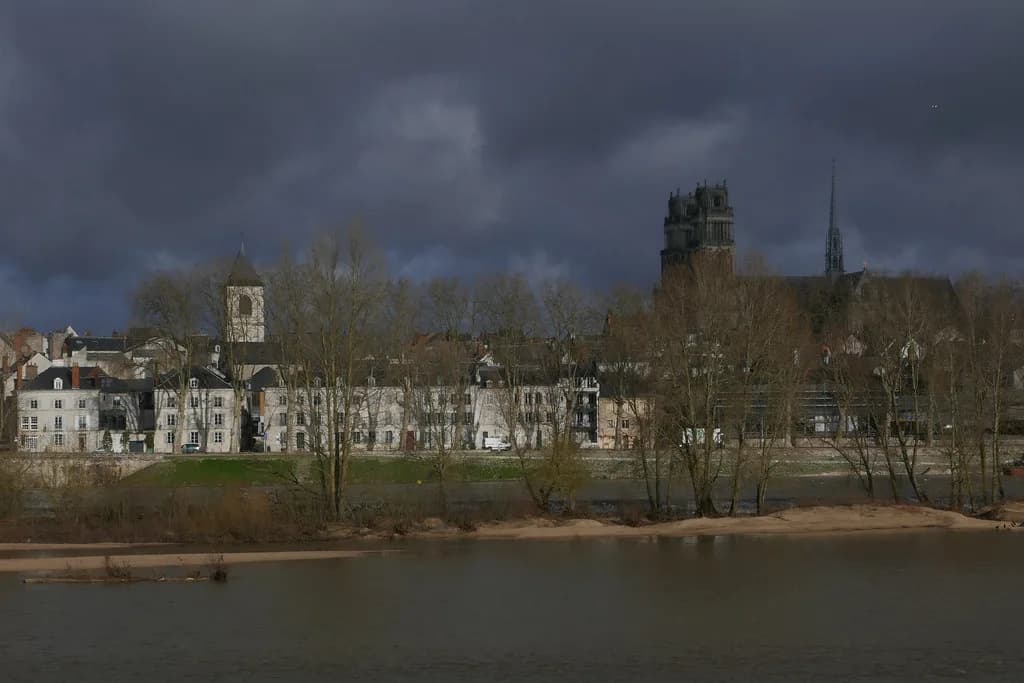
The Loire banks make a promenade worth planning around, with a restaurant on a boat and moored boats along the edge. If you eat riverside, the meal doubles as the evening's sightseeing, which is a good use of a short break.
Budget Tactics: Lunch Menus and Picnics
Lunch is where you save: look for lunch menus and daily specials rather than ordering à la carte in the evening. Chez Meumeu is the sort of local place where that advice pays off, with generous portions and friendly service.
The cheapest good lunch in Orléans is a picnic on the Loire: pick up supplies from a bakery or market, find a bench overlooking the water and eat for very little. This works best on the day you are heading to Parc de Loire, where picnic areas and walking trails give you somewhere to settle.
Many of the city's best experiences cost nothing, which leaves more room in the budget for one proper dinner: the cathedral, the old town streets, the Évêché gardens, the botanical gardens and the riverside trails are all free. Spend on the evening table and keep daytime eating simple.
The Vinegar and Mustard Shops
Martin Pouret is the shop to browse for traditional vinegar and mustard, and the boutique sells local products worth carrying home. It is a five-minute look rather than an attraction, so slot it beside a sight you are already seeing.
Orléans vinegar suits dressings, dips and marinades, and the local mustard is made from seeds soaked in that vinegar, so buying both gives you a matched pair. If you only have cabin baggage, the mustard travels better than a bottle.
How Many Meals a Two-Day Break Needs
Two dinners and two lunches is the realistic plan: one dinner on rue de Bourgogne, a second either riverside in summer or at a bistro, and lunches kept central and simple. Anything beyond that is eating for eating's sake, and you will want the time for the things to do in Orléans rather than a third sit-down meal.
One full day covers the main sights, but two to three days allows time for the Loire, the restaurants and nearby castles. If you are staying three days, add a guinguette evening or a brunch morning rather than a third heavy dinner.
Before you travel, look at what the Orléans tourist office lists for restaurants and local producers in the area; it is the easiest way to confirm a place is trading and see what is currently open. Otherwise, keep your plan loose enough to swap a dinner if a street looks better than your shortlist.
Plan Your Eating Round the Sights
Build the weekend around rue de Bourgogne for dinner, Place du Martroi and Place du Châtelet for daytime eating, and the Loire banks for a summer evening, and you will spend your time eating rather than crossing town. Keep one lunch as a picnic and one dinner as a splurge, and the budget looks after itself.
For the wider picture of the city, read is Orléans worth visiting and weigh two hours of old-town strolling against a full weekend. Then match your table bookings to the days your museums are open, not the other way round, and check current opening times and prices with the Orléans Métropole tourist office before you finalise anything.
Explore more Orléans guides
Frequently Asked Questions
What food is Orléans famous for?
Vinegar and mustard. Orléans vinegar is used in dressings, dips and marinades, and the local mustard is made from seeds soaked in that wine vinegar, which gives it a sharper edge. Martin Pouret has been producing both for generations and has a boutique in the city where you can buy them. Being in the Loire Valley, you will also see local wine and goat cheese on menus.
Where is the best area to eat in Orléans?
For dinner, rue de Bourgogne is the restaurant and bar street and is always busy with locals. Place du Martroi is the central square with terraces that spill onto the pavement in summer, useful for lunch between sights. Place du Châtelet and the surrounding lanes suit a daytime stop, and the Loire banks are the place to be on a warm summer evening.
What vegetarian options are there in Orléans?
Närenj in the old town serves Middle Eastern cooking and is the easiest vegetarian meal to plan. Mame Brunch Café runs a vegan brunch, and Chez Meumeu near Parc de Loire caters for vegetarians on request. Italian and fast-good options in the centre give further meat-free choices without crossing the city.
Is Orléans expensive for eating out?
It is generally cheaper than Paris for restaurants and attractions, which is part of its appeal for a short break. Paul et Juliette serves French cooking as a set three-course format; the restaurant's own menu is the place to confirm what that costs, and lunch menus, daily specials and riverside picnics all keep the overall bill down.
Do you need to book restaurants in Orléans?
Book the dinner you care about, particularly on rue de Bourgogne, where the street fills with locals in the evening. Lunch places and coffee stops can usually be decided on the day, and a riverside guinguette in summer is a walk-in kind of evening. Ask about the day's menu when you reserve rather than relying on a website.
Can you eat well in Orléans on a budget?
Yes. Lunch menus and daily specials are the main saving, and a picnic on the Loire built from a bakery or market is the cheapest good lunch in the city. Many of the best things to do are free, including the cathedral, the old town streets, the Évêché gardens and the botanical gardens, so the budget can go on one proper dinner.
Sources
Notes for French city breaks
Optional updates to our guides.
You might also like
Continue reading
More guides you'll find useful