Things to Do in Perpignan: Old Town & Catalan Sights
Plan a short break in Perpignan with the Castillet, the old town, the Palace of the Kings of Majorca, Catalan food markets and realistic timings for one or two days.
On this page
Perpignan is a compact Catalan city where the main sights sit within a short walk of each other, so a weekend covers the old town comfortably and a single day hits the highlights if you keep moving. The city sits between the Mediterranean and the Pyrenees, and the mountains frame the view from the Palace of the Kings of Majorca.
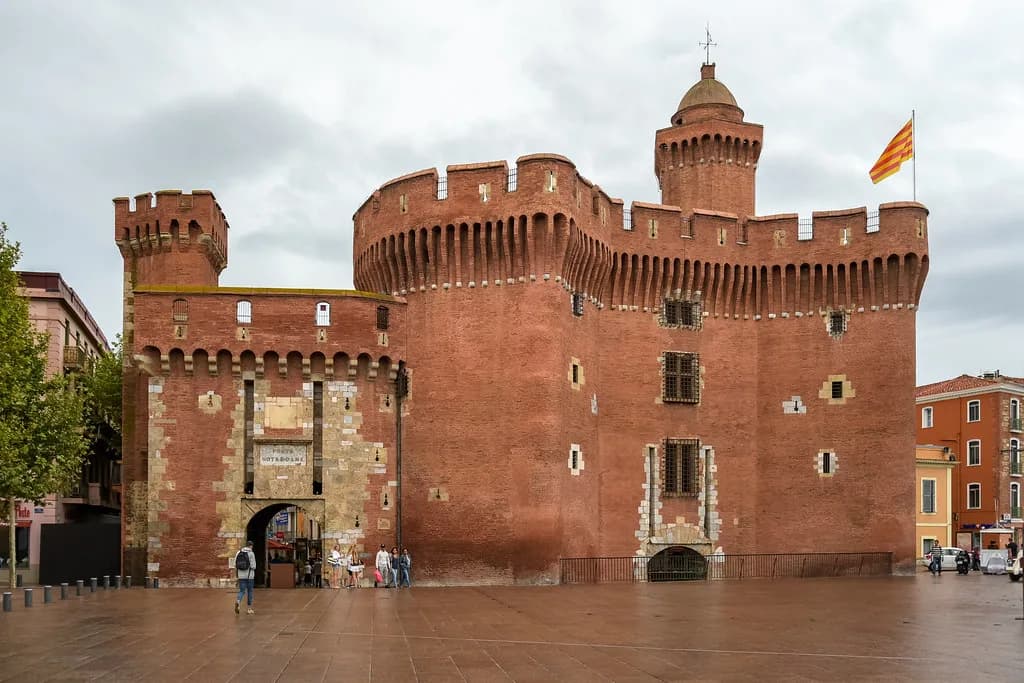
The reason to come is the mix: bilingual street signs, Catalan tapas alongside French pastry, and a red-brick gate that doubles as a small museum. If you are still deciding whether it justifies the trip, our honest verdict on is Perpignan worth visiting sets out what a short break really delivers.
Why Perpignan is worth a weekend: French Catalonia and the Pyrenees backdrop
Perpignan is one of the southernmost cities in France, close to the Spanish border, and it belongs to French Catalonia. You will hear French most of the time, but Catalan is spoken by a good number of residents and many street signs are bilingual, which gives the centre a different feel from other southern French cities.
The food follows the same split: French wine, cheese and pastries sit alongside Catalan tapas and seafood. The city also has a rough economic edge that tourism has not smoothed over, which is part of why it feels lived-in rather than staged.
How Perpignan is laid out: the old town core and the Basse riverside, on foot
The historic centre is small enough to cross in twenty minutes, and the sights chain together naturally: the Castillet stands at the edge of the old town, Place de la Loge is a minute away, and the cathedral and Campo Santo are a few minutes further. Plan your day as a loop rather than a list of separate trips.
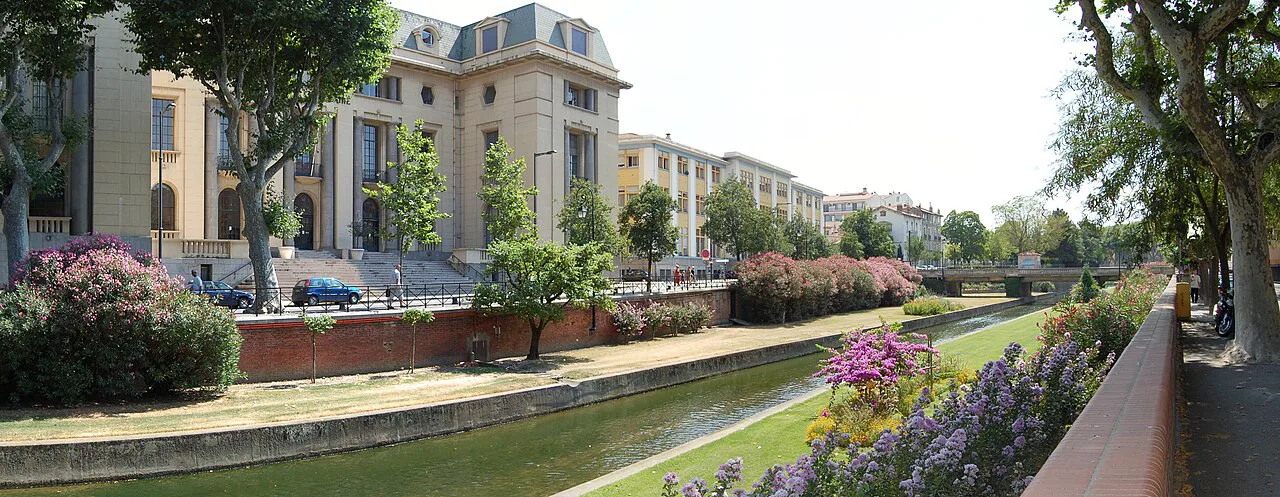
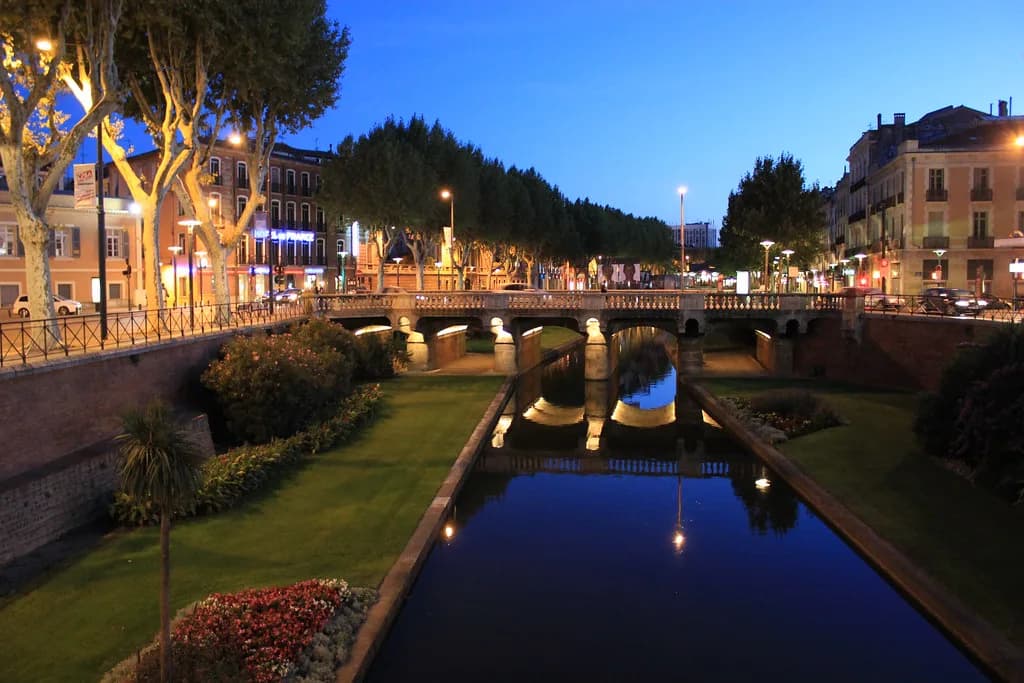
The Basse, a tributary of the Têt, runs along one side of the centre, and the Pont de Guerre gives a view towards the Canigou mountain. For a fuller picture of the streets and squares, our Perpignan old town guide covers the core quarter by quarter.
Start at the Castillet: the red-brick gate and the Museu Català
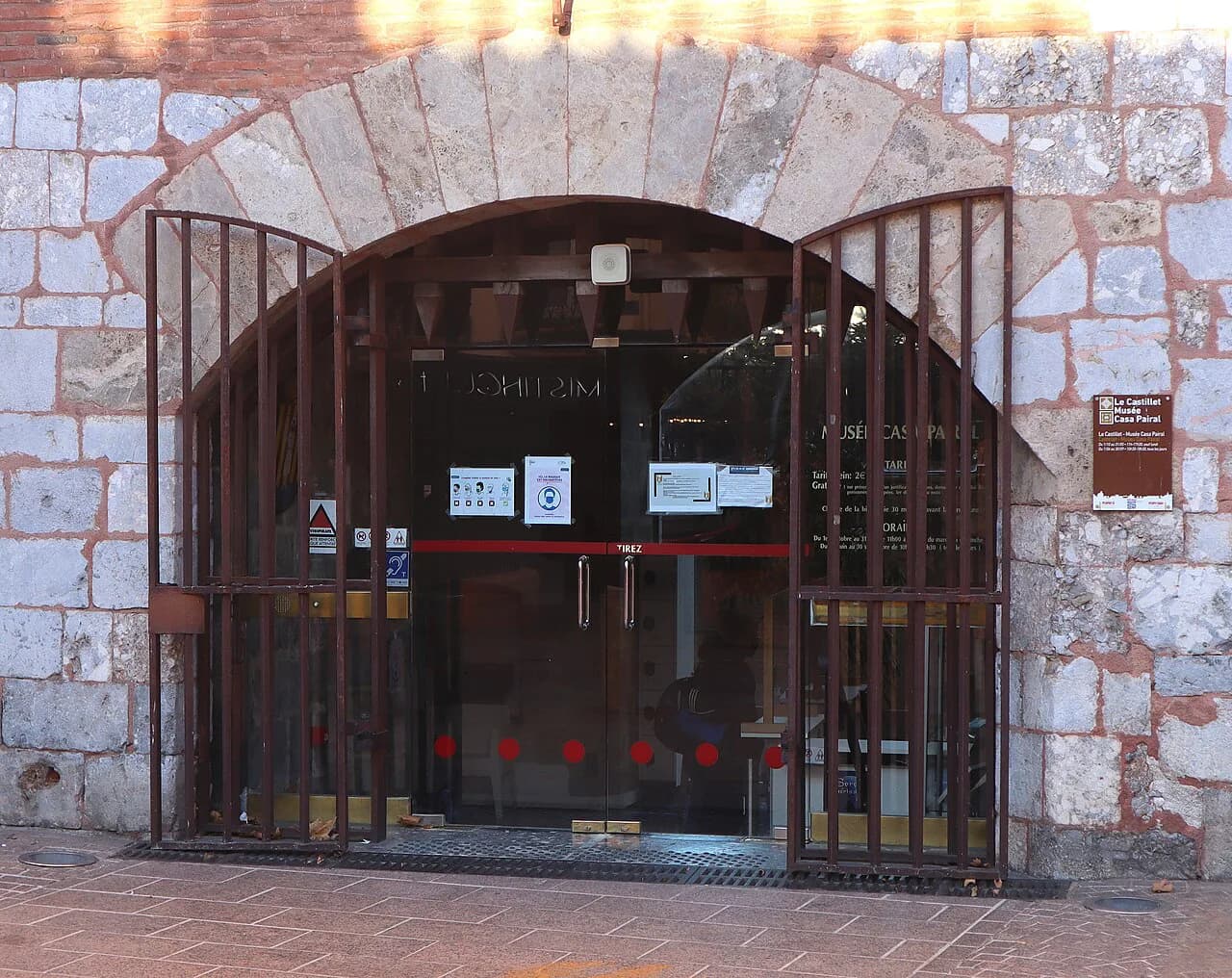
The Castillet is the city's most recognisable monument, a small fortified gate that now houses the Museu Català de les Arts i Tradicions Populars. Entry was 2€ when the guide was published, and the ticket buys you the fort, a display on local history and a panoramic view over the city; check the current price and hours at the museum before you go.
It makes a sensible first stop because it sets the history in context before you walk the streets. The old town hub, Le Castillet, sits at the start of the walking route and is easy to pair with Place de la Loge.
Place de la Loge and the Hôtel de Ville: maps and the ornate salle des mariages
Place de la Loge holds the tourist office, a minute from the Castillet, where you can pick up a map and ask about guided walks or the petit train. The Hôtel de Ville is in the same building and free to visit, and the interior is worth a look for the salle des mariages, the room where local couples have their civil ceremony.
Cathédrale Saint-Jean-Baptiste and the Campo Santo cloister cemetery
The Cathédrale Saint-Jean-Baptiste is the church to prioritise if you only visit one, and it holds a rotating art exhibit inside. Immediately beside it is the Campo Santo, a cloister cemetery with Gothic galleries, which is an unusual stop and free to walk through. Both are among the free things to do in Perpignan that fill an hour without a ticket.
The cathedral also appears as the Basilique-Cathédrale Saint-Jean-Baptiste in some listings, and if you are visiting later in the year our Perpignan in october notes cover what changes with the season.
Palais des Rois de Majorque: the Gothic palace completed in 1309
The Palace of the Kings of Majorca is the other unmissable monument alongside the Castillet. This Gothic palace was completed in 1309 and built from various stones including red marble, and it gives the best view in the city, with the Pyrenees visible from the upper levels.
Allow an hour for the palace and the ramparts, and go in the morning or late afternoon when the light is better for the mountain view. It is a ten-minute walk from the cathedral, so it slots naturally at the end of the old-town loop.
Museums worth your time: Musée d'Art Hyacinthe Rigaud and the natural history collection
The Musée d'Art Hyacinthe Rigaud is named after the local painter and holds Baroque art plus collections covering Perpignan's history from the fifteenth to the twentieth century. The natural history museum is the quirkier option, with taxidermy and a mummy, and suits families or anyone who wants a break from religious art.
Opening days vary between French museums, so check each museum's own site before you build a day around it. Our museums in Perpignan guide compares the collections and helps you choose if you only have time for one.
Les Halles Vauban: an indoor market for a mixed-group lunch
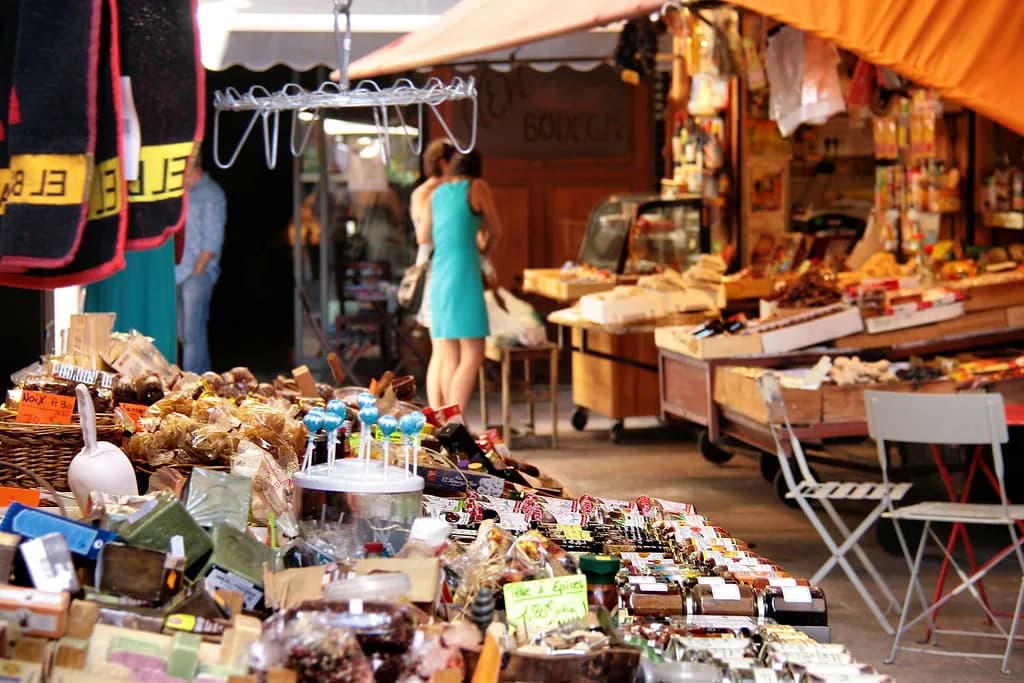
Les Halles Vauban is an indoor food market with stands ranging from traditional French cooking to tapas, and a back patio for eating or drinking. It solves the problem of a group that cannot agree on lunch, since everyone can order from a different counter and meet at one table.
Market days and lunch service hours are worth confirming before you rely on it for a specific meal. Our Perpignan market guide covers the halls and the wider market scene.
Walking the Basse and the Allées Maillol to Square Bir Hakeim
For a post-lunch walk, follow the Basse along the edge of the centre; from the Pont de Guerre you get a view of the Canigou mountain. For shade and quiet, head down the Allées Maillol to Square Bir Hakeim, where the cactus garden is the highlight.
Shopping: rue de l'Ange, rue de la Cloche d'Or and rue Mailly for Catalan food and espadrilles
The best boutiques cluster in the city centre on rue de l'Ange, rue de la Cloche d'Or and rue Mailly. Look for Catalan spices, turrón, rousquilles and espadrilles, which originated in Catalonia; Épicerie Detal Sala is a good single stop for edible souvenirs and donkey milk soap.
An afternoon on Place de la République: café terraces and the carousel
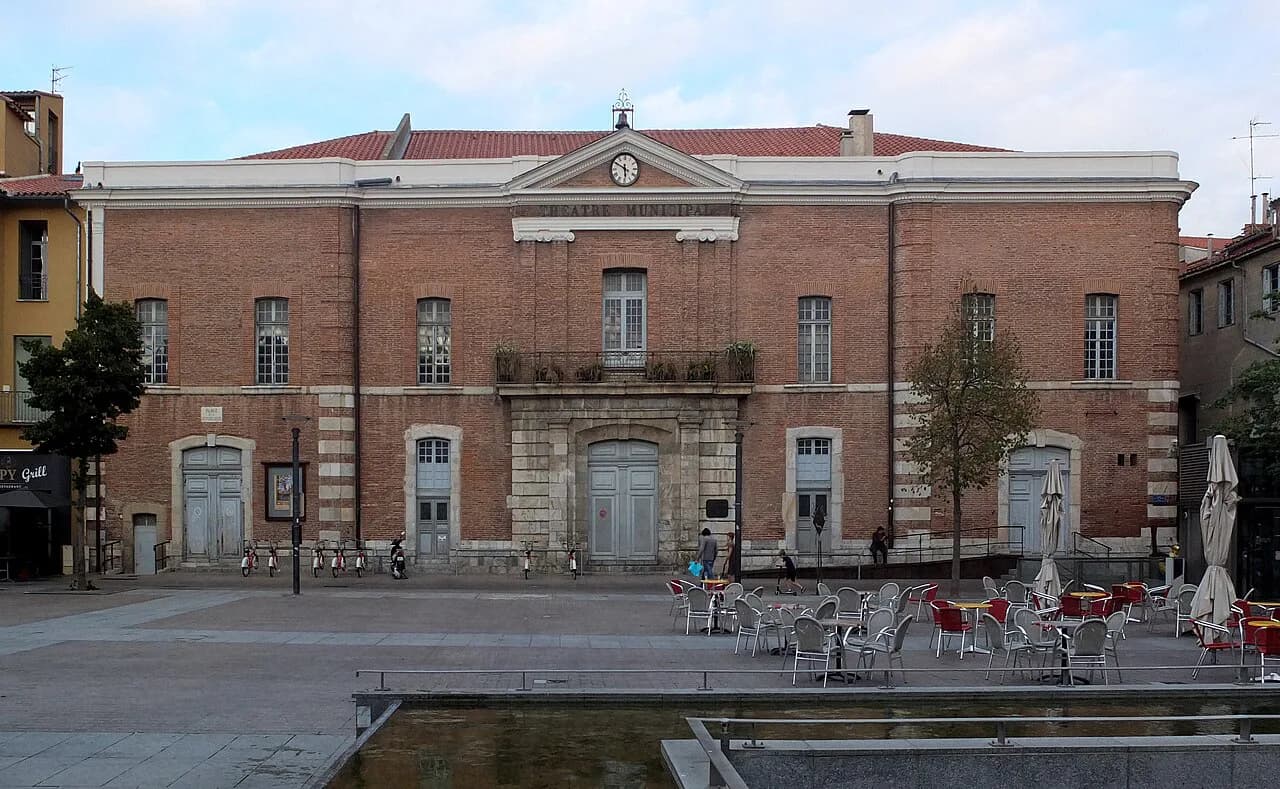
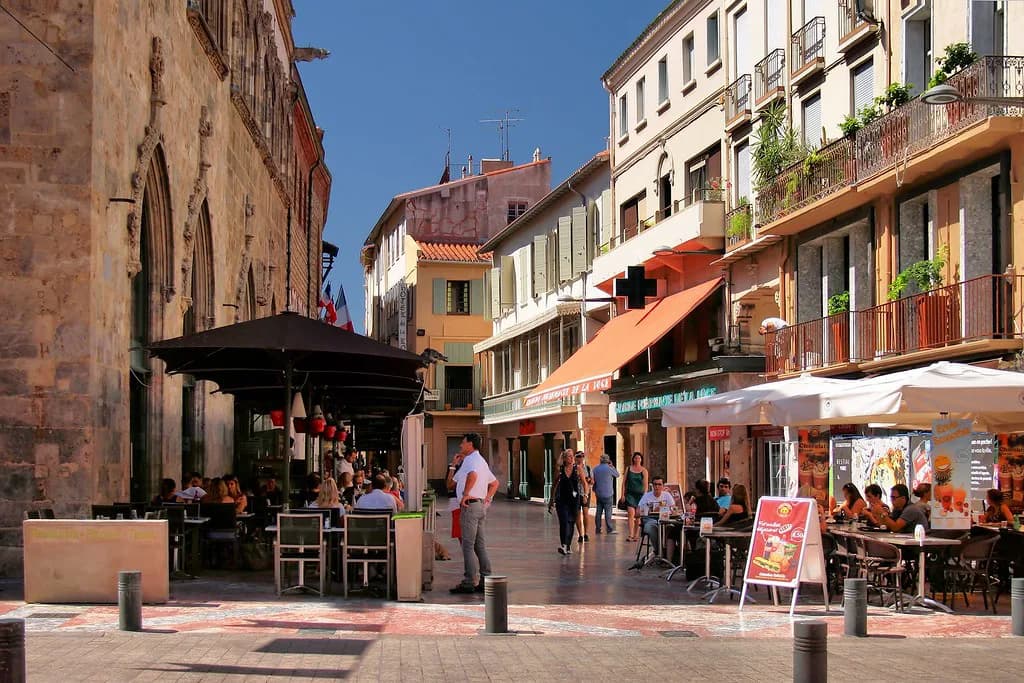
Place de la République is the city's big open square, with café terraces, a carousel and space for people-watching even in winter. It is the natural place for an afternoon coffee or an apéro, and it gives you a break between the museums and dinner.
Where to eat: bakeries, burgers and Catalan dinner spots
For breakfast, Le Levain d'Hélios is a bakery for croissants or a baguette to share, and Coffee Mood serves brunch if you want to sit down. For lunch, Torcatis en Ville does burgers, including a veggie option, and Les Halles Vauban covers the mixed-group case.
For dinner, Casa Sansa is the pick for Catalan food, though it has no vegetarian dishes, and Naïve is a low-key option with a changing menu of local food and natural wine. Our best restaurants in perpignan guide sorts them by occasion and budget.
One day versus two days: what fits and what gets cut
With one day, do the Castillet, Place de la Loge, the cathedral and Campo Santo, lunch at Les Halles Vauban, then the Palais des Rois de Majorque for the view. That is a full but comfortable day on foot, and it leaves the museums for a return visit.
With two days, add the Musée d'Art Hyacinthe Rigaud or the natural history museum on the second morning, then spend the afternoon shopping the centre streets and sitting on Place de la République. The city rewards a slower pace rather than more stops.
Practical points: arriving from the coast or the Pyrenees, and what to confirm
Perpignan is close enough to the coast for a beach trip and close enough to the Pyrenees for a mountain day, but keep those as single mentions rather than the point of the trip. The city itself fills a weekend or a long day.
Confirm opening days for each museum, the cathedral and Les Halles Vauban before you travel, since French museums often close one day a week and market hours vary. For the full set of attraction guides in one place, see Perpignan Attractions: 6 Visitor Guides.
Day trips beyond the city: beaches, the Little Yellow Train and the Spanish border
If you have a spare day in Perpignan, the city's position between the Mediterranean and the Pyrenees makes short excursions easy. From the city centre you can take the bus, rent a car or cycle to the beaches, which are less than 15 kilometres away. For walkers heading the other direction, a bus costing 1€ will carry you into the heart of the Pyrénées catalanes for a hike. Those who want to cross into Spain will find the French-Spanish border close by, so Perpignan can be worked into an itinerary that continues south.
Among the region's best-known outings is the Little Yellow Train of the Pyrenees, a scenic rail journey that appears on lists of things to do from Perpignan. Closer to home, Frenzy Waterpark is one of the area's popular attractions, an option worth noting for families or anyone visiting in warm weather. Both sit alongside the old-town sights as alternatives when you want a break from churches and museums.
The surrounding countryside rewards a slower pace too. Visitors often use Perpignan as a base for exploring the beautiful villages of the region, which pairs naturally with a day that combines a coastal stop and an inland drive. Given how much sits within easy reach, the question is less whether to leave the city for a day than which direction to choose.
Plan Your Visit
Perpignan works best as a walking city: start at the Castillet, follow the old town through Place de la Loge and the cathedral, then finish at the palace for the Pyrenees view. Build lunch around Les Halles Vauban and leave the afternoon for shopping or a square-side coffee.
If you are comparing it with other southern cities, our things to do in Aix-en-Provence guide and our things to do in Ajaccio guide show how Perpignan differs in scale and feel. For a short break, the old town and the palace are enough to justify the trip.
Explore more Perpignan guides
Frequently Asked Questions
Is Perpignan worth visiting?
Yes, if you want a compact Catalan city with a Gothic palace, a red-brick gate, a cloister cemetery and a good indoor food market, all within walking distance. It suits a weekend or a long day rather than a week.
Why do people go to Perpignan?
The mix of French and Catalan culture is the main draw, with bilingual street signs, Catalan tapas and a strong local history. The Palace of the Kings of Majorca and the Castillet are the headline monuments.
Is Perpignan expensive?
The city has a reputation for being less polished than some southern French destinations, but costs vary by what you do. Museum and meal prices are best checked before you go.
What can you do in Perpignan in one day?
Start at the Castillet, walk to Place de la Loge and the cathedral, see the Campo Santo, have lunch at Les Halles Vauban, then finish at the Palais des Rois de Majorque for the view. That fills a day without rushing.
What is there to see in Perpignan's old town?
The Castillet, Place de la Loge with the Hôtel de Ville, the Cathédrale Saint-Jean-Baptiste and the Campo Santo are the core. The shopping streets rue de l'Ange, rue de la Cloche d'Or and rue Mailly are close by.
Is Perpignan good for a weekend?
Yes, two days lets you add a museum and still have time for the squares and the market. One day covers the highlights; the second day is for the collections and a slower lunch.
Sources
Notes for French city breaks
Optional updates to our guides.
You might also like
Continue reading
More guides you'll find useful