
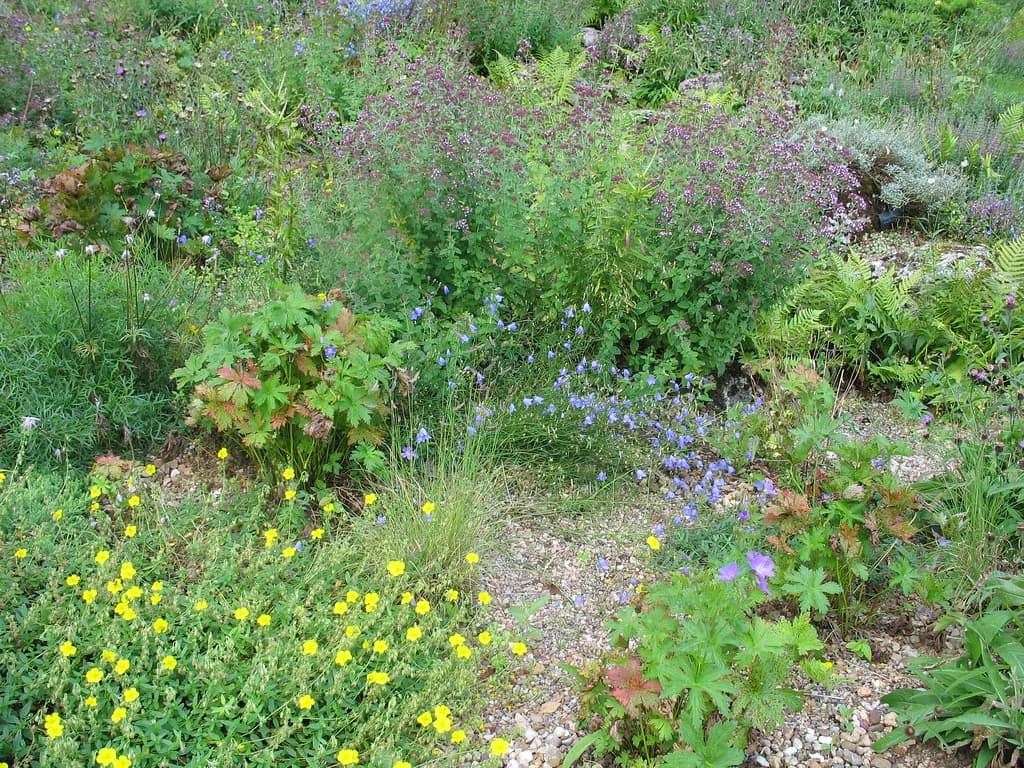
Parc Floral de la Source: Orléans' Garden Park
The Parc Floral de la Source is a 35-hectare garden park in the south of Orléans, arranged around the Source du Loiret, the spring where the Loire bubbles back to the surface after running underground for roughly 40 kilometres. It is a half-day rather than a full day: the Loire Valley tourist board puts a complete visit at about 1.5 hours, which leaves time for the city centre afterwards.
What the Parc Floral de la Source is and why it is worth a half-day
This is not a single formal garden but a collection of different ones: a contemporary iris field nicknamed the blue sea, natural meadows of tall grasses, and showcase beds of roses, dahlias and fuchsias. The gardening team works without toxic products, using plant oils, predatory insects and fragrant plants instead. That range is what makes the park worth the trip rather than a pleasant green space you could find anywhere.
Two features give the park a character no city square can match. The first is the spring itself, reached through a misted Source Garden of bamboo, giant petasites leaves and Wolfhart's blue lovers sculptures. The second is a heated greenhouse where exotic butterflies fly free among banana, papaya, ficus, hibiscus and orchids.
Where it sits and the trip from central Orléans
The address is avenue du Parc Floral, 45100 Orléans, on the southern edge of the city. Reviewers on TripAdvisor describe it as roughly 20 minutes from the centre of Orléans — treat that as a rough estimate rather than a timetable and check your own route from where you are staying.
Because the park sits away from the historic core, it works best as the first or last stop of a day rather than something you slot between two central sights. Go early, then return to the centre for the Cathédrale Sainte-Croix d'Orléans and the old streets around Place du Martroi, which are within walking distance of each other.
Opening hours across the two seasons
The park publishes two seasonal windows and opens seven days a week in both. From 20 March to 1 November 2026 it opens 10:00 to 19:00 daily; from 2 November 2026 to 19 March 2027 the closing time moves to 18:00. Check the day's closing time before you set out in the late afternoon, particularly in the shorter months.
Those windows matter for planning what you will actually see. A November to March visit gives you shorter days and a garden in its winter state, while the spring and summer months bring the iris field, the rose beds and the dahlias in sequence. Your season should decide whether the gardens or the indoor butterfly house and tropical zone carry the visit.
Tickets, booking and what to confirm
The Loire Valley listing invites visitors to save time by booking a ticket online before arriving, and the park runs its own ticket desk. Entrance is paid rather than free, so budget for it, but confirm the current rates for your dates and any reductions on the official ticket page before you buy.
Booking ahead is most useful for weekend afternoons in spring and summer, when gardens and families arrive together. If your plans are loose, buy on the day and treat the online option as insurance for a fixed arrival time.
The Source du Loiret
The spring is the reason the park exists. A path leads through damp, shaded planting to a pool where the Loire emerges after its underground course. Budget ten to fifteen minutes here rather than rushing past, because it is the one sight in the park you will not find elsewhere in the city.
The Chilean flamingos stand near the source and are the most photographed residents. They share the park with free-roaming peacocks, donkeys, a Vietnamese pot-bellied pig called Teddy and miniature goats, so the area around the water is the busiest with children.
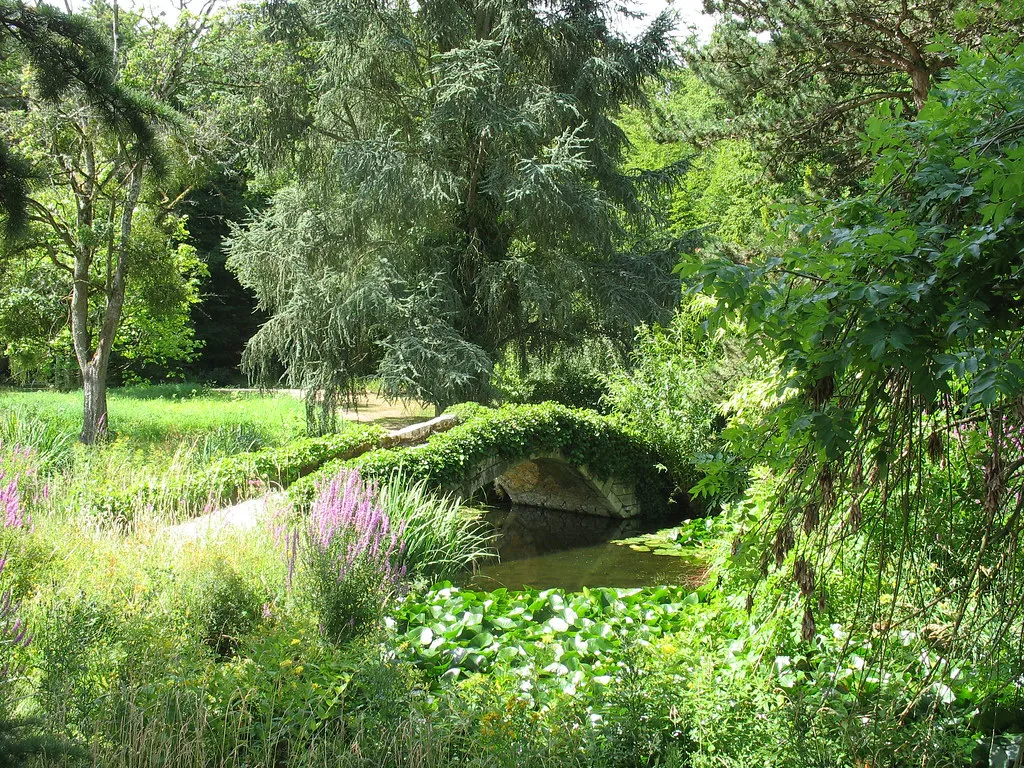
The gardens: iris field, meadows, roses and dahlias
The iris field, known locally as the blue sea, and the surrounding contemporary gardens are the park's showpiece in late spring. Elsewhere the planting is deliberately looser: meadows where tall grasses reach your legs, plus collections of camellias, rhododendrons, azaleas, hydrangeas and chrysanthemums that shift the colour through the year.
Allow time to wander rather than working through beds in order. The kitchen garden and orchard are worth a look if you want practical growing ideas, and the open lawns are where picnics happen.
The tropical greenhouse and butterfly house
The Serre aux Papillons is the park's indoor highlight: a hot, humid greenhouse of banana, papaya and ficus trees, hibiscus and orchids, with butterflies landing on visitors. It doubles as shelter on a wet or cold day, which makes it the anchor of an off-season visit.
The tropical zone continues the theme with exotic birds alongside the butterflies. Give the greenhouses 20 to 30 minutes if you have children, less if you are moving briskly.
The animal areas: flamingos, mini-farm, tropical zone and birds of prey
Beyond the flamingos, the park runs a mini-farm and a birds of prey section, and the animal care team takes part in conservation work — including a breeding programme for the rare Cou-clair du Berry goat and a national butterfly monitoring scheme. For families, the feeding times and the animals themselves absorb more time than the planting does.
A soigneur d'un jour workshop lets visitors see the keepers' work up close. Ask at the ticket desk or on the park's activity pages whether it is running on your date and whether you need to reserve, since it is not a walk-up offering in every season.
Family extras: train, quadracycles, mini-golf and play areas
A little red train runs through the flowered paths, and quadracycles and mini-golf are available for anyone who wants to cover ground faster or keep children occupied. There is a children's play area as well. These are paid extras on top of entrance, so decide before you arrive whether you need them or whether the gardens and animals are enough.
For a straightforward family visit, the train plus the butterfly house plus the flamingos fills a morning comfortably. Adding mini-golf stretches it towards a full half-day.
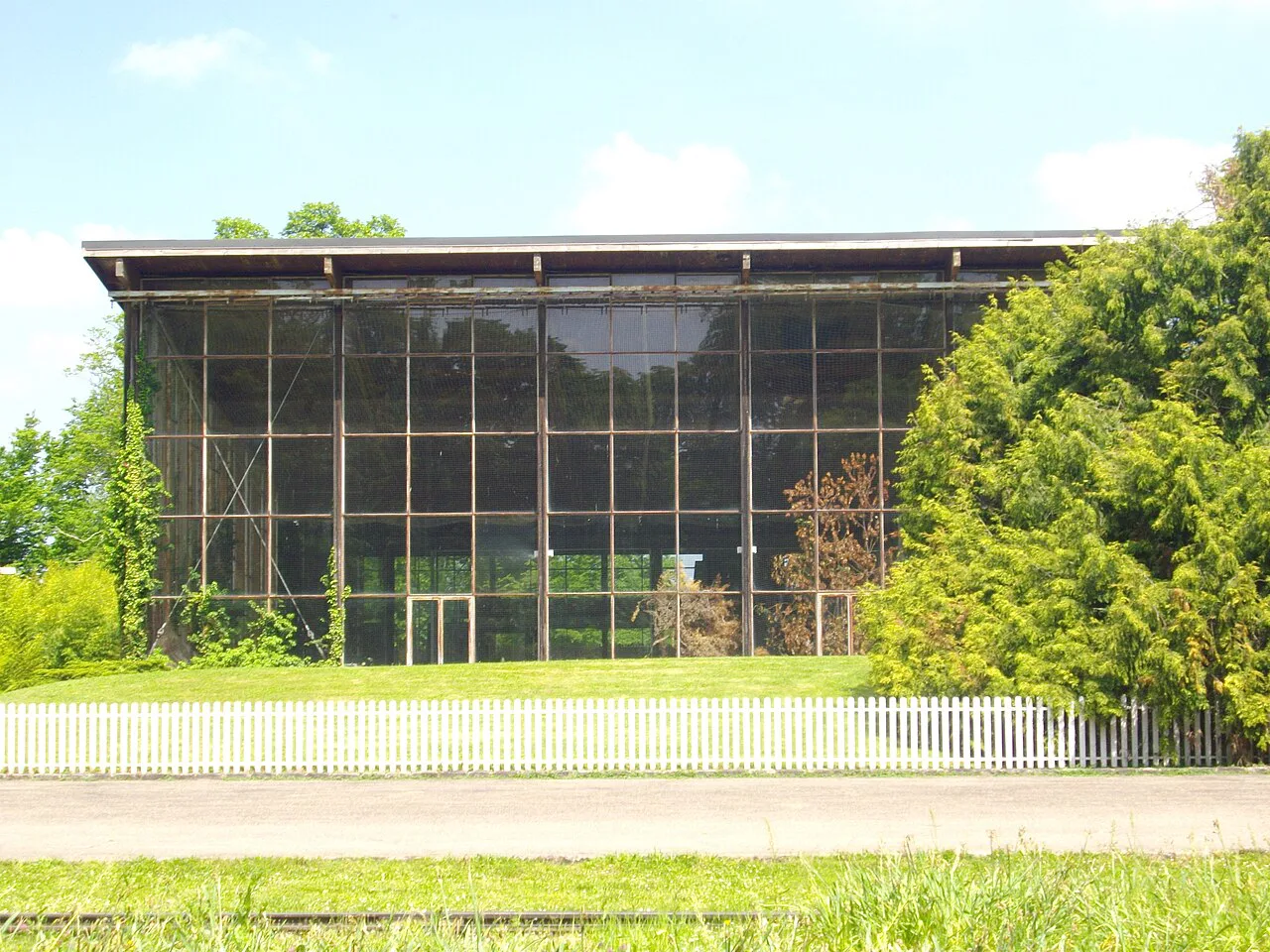

Food inside the park: Les Parasols du Parc and the food trucks
Les Parasols du Parc serves quiches, croque-monsieurs and paninis, and up to six food trucks selling galettes, pizzas and snacks rotate through the season. That means you can eat on site without leaving, but the truck line-up changes, so do not count on a specific one being there on your date.
Picnics on the grass are part of how the park is used, which makes bringing lunch a sensible, cheaper option. If you would rather eat in town, head back towards the centre after your visit.
How long to allow and a sensible order
The tourist board's own figure is 1.5 hours for a complete visit, while a TripAdvisor reviewer recommends two hours to see every zone properly. Split the difference: plan 90 minutes for the source, the greenhouses and a loop of the main gardens, and two hours if you have children or want the animal areas and a sit-down lunch.
A workable order is the Source Garden and the Loiret spring first, while it is quiet, then the butterfly house and tropical zone, then the iris field and long borders, finishing at the animal areas. Doing the indoor spaces in the middle means you are under cover if the weather turns.
Nearby: what to pair with a visit
Back in the centre, the Cathédrale Sainte-Croix d'Orléans and the Maison de Jeanne d'Arc in Orléans anchor a half-day of sightseeing, and the Musée des Beaux-Arts d'Orléans on place Sainte-Croix fills a wet afternoon. Together with the park they make a solid two-day Orléans itinerary.
If you want a second green space closer to the centre, the Parc Pasteur in Orléans is an easier add-on than a return trip south. Pick one park per day rather than trying to fit both around the museums.
Plan Your Visit
The Parc Floral de la Source rewards a focused half-day: the Loiret spring, the butterfly house and the flamingos are the three things to build around, with the iris field and long borders in season. Check the day's closing time and book your ticket ahead if you want a fixed arrival slot.
Explore more Orléans guides
Frequently Asked Questions
How long does it take to visit the Parc Floral de la Source?
The Loire Valley tourist board puts a complete visit at about 1.5 hours, and a reviewer on TripAdvisor suggests two hours to see every zone. Allow 90 minutes for the spring, the greenhouses and a loop of the main gardens, and two hours if you are visiting with children or stopping for lunch.
Are there places to eat in the Parc Floral de la Source?
Yes. Les Parasols du Parc serves quiches, croque-monsieurs and paninis, and food trucks selling galettes, pizzas and snacks rotate through the season. Picnics on the grass are common, so bringing lunch is a practical alternative.
What are the opening hours of the Parc Floral de la Source?
The park opens daily from 10:00 to 19:00 between 20 March and 1 November 2026, and daily from 10:00 to 18:00 between 2 November 2026 and 19 March 2027. Confirm the closing time for your date before a late-afternoon visit.
Is the Parc Floral de la Source good for children?
It is one of the better family stops in Orléans. Children get the Chilean flamingos near the source, a butterfly house, a mini-farm with donkeys, miniature goats and a pot-bellied pig called Teddy, plus a little train, quadracycles, mini-golf and a play area.
How far is the Parc Floral de la Source from central Orléans?
It sits at avenue du Parc Florid in the south of the city, which reviewers describe as roughly 20 minutes from the centre. Treat that as a rough estimate and check your own route from where you are staying.
Do you need to book tickets for the Parc Floral de la Source?
Booking online is offered as a way to save time on arrival, and it is most useful for weekend afternoons in spring and summer. You can also buy on the day if your plans are flexible.