
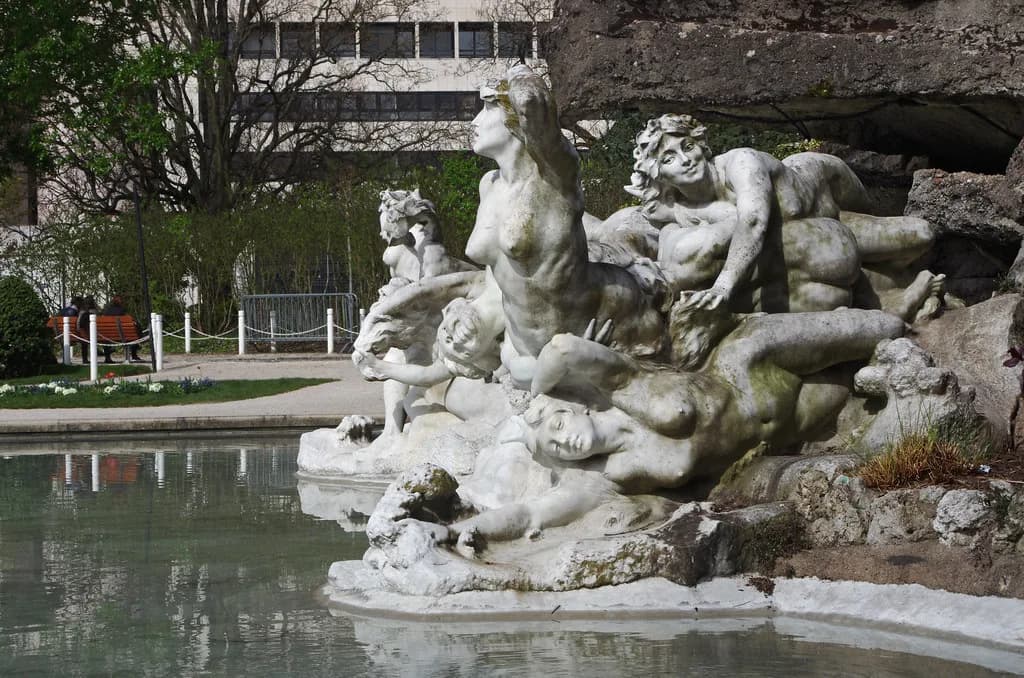
Parc Pasteur, Orléans: A Practical Visitor's Guide
Parc Pasteur is the central green space locals use between errands: an ordinary city park on Boulevard Alexandre-Martin in Orléans, with lawns, shade and paths, not a ticketed attraction. Its draw for a short break is a quiet hour away from the cathedral crowds, plus a small train with a genuine American backstory. Entry is free because it is a public municipal park, and you can walk in from the old town in roughly 15 minutes.
What Parc Pasteur is and why it earns an hour
This is a municipal park rather than a heritage site with a ticket desk: think mature trees, open grass, benches and the low hum of a French city going about its day. It suits travellers who want a breather between the Orléans Attractions that fill a weekend, especially on a warm afternoon when the old streets hold the heat. Treat it as a short, low-cost stop rather than the headline of your day.
The park's quirk is the Petit Train du Parc Pasteur, a miniature railway that has carried generations of Orléanais. For a visitor, that story gives the park a reason to seek out beyond a simple rest stop. It is also the element most likely to change between visits, so plan the park itself first and the train second.
Where Parc Pasteur is: Boulevard Alexandre-Martin
Parc Pasteur, also listed as Parc Louis-Pasteur, has its address on Boulevard Alexandre-Martin in Orléans 45000, on the north side of the centre. It sits close enough to the historic core that you can combine it with the Cathédrale Sainte-Croix d'Orléans and the Maison de Jeanne d'Arc in one loop. Use the boulevard as your landmark and the park gates will be easy to find.
How to get there and how long the walk takes
From the old town, walking is the simplest approach: the park is a short stroll north of the centre via Boulevard Alexandre-Martin, and most visitors will cover it in around 15 minutes from the cathedral area. Orléans is compact and flat, so this is an easy add-on to a walking day rather than a separate excursion. If you are arriving by tram or bus, aim for stops along the northern boulevards and walk the last few minutes.
The park is also a natural companion to the Musée des Beaux-Arts d'Orléans near place Sainte-Croix, so you can pair a gallery morning with a park afternoon without crossing the city twice. Check the museum's own opening days before you build the plan around it.
Opening hours: low season and high season
Parc Louis-Pasteur keeps daily seasonal hours: the listing gives low-season opening from 7h30 to 18h30 and high-season opening from 7h onwards, so the closing time in summer is not stated in the source. Plan a daylight visit and you will rarely be caught out. Check the current times on the day you go, since seasonal schedules shift.
What to see in the park: lawns, paths and slow wandering
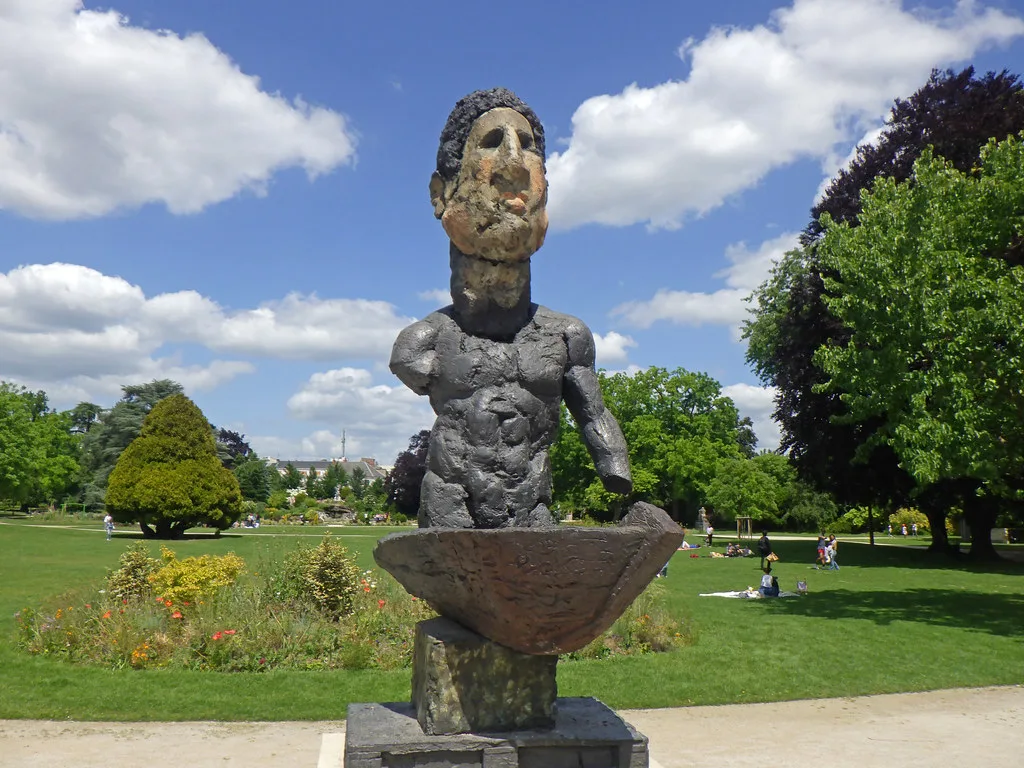
There is no checklist inside the gates. The pleasure is the setting itself: broad lawns, shaded paths and the pace of a city park where people read, jog and let children run. Bring a book or a picnic and give it the time you would give a square rather than a museum. Photographers will find the tree-lined walks and the open green worth a few frames.
The little train: Wichita origins and the 1952 inauguration
The Petit Train du Parc Pasteur arrived as a gift: the locomotive and its passenger carriages were given to Orléans by the city of Wichita in 1952, following the twinning of the two cities. Schoolchildren in Wichita raised the money in 5- and 10-cent coins. The train was officially inaugurated on 7 May 1952, and you may still hear it called the Wichita train.
Rides have historically been free, with a free ticketing system used simply to manage queues at busy times. The Association des Modélistes Ferroviaires du Centre has maintained the train and driven it voluntarily since 2016, when the first run under its care took place on Ascension Day, 5 May 2016, carrying 1,143 passengers.
The train today: rides currently suspended
Do not plan your visit around a train ride. The AMFC states that significant mechanical work is required on the locomotive and that the activity is on hold for the time being. That makes the park a walk-and-picnic stop rather than a family outing built on the railway. If the train matters to you, check the association's page before travelling.
How long to allow and the best time of day
An hour covers a relaxed circuit, a sit-down and a look at the train area. If you are picnicking or travelling with children, allow ninety minutes; if you are simply passing through, thirty minutes is enough. Late morning and late afternoon are the pleasantest slots, with softer light and fewer people on the paths, and the seasonal opening times make an early start safe in either season.
Nearby: what to pair with a Parc Pasteur stop
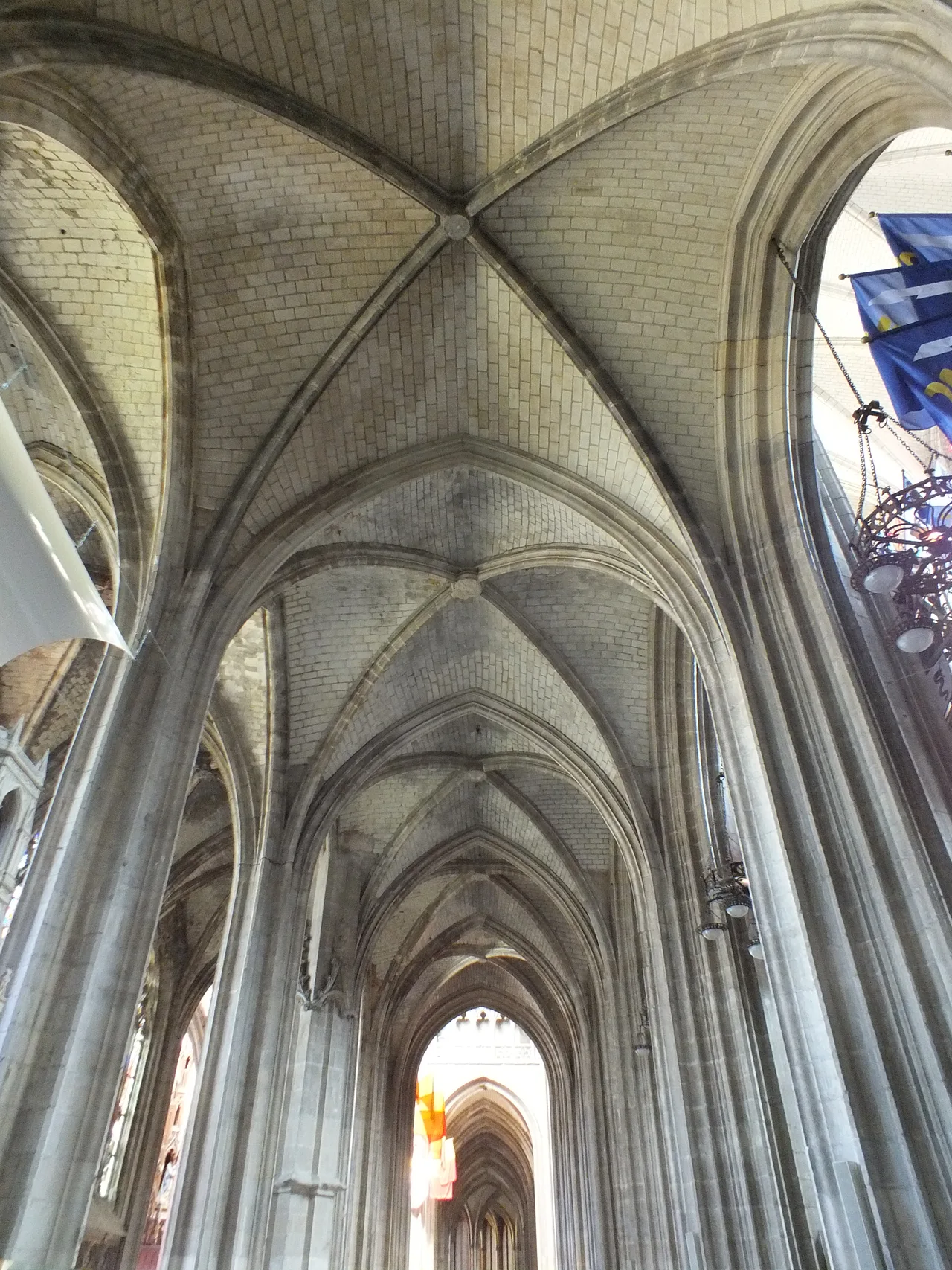
The obvious pairing is the historic centre: the cathedral, the Maison de Jeanne d'Arc and the streets around Place du Martroi are all within walking distance. For a longer green contrast, the Parc Floral de la Source lies further out and needs its own half-day rather than a quick add-on. If you are mapping the city's quarters, the Orléans Neighborhoods guides help you decide which side of the river to base your wandering.
Practical points: seating, toilets and what the park does not offer
Expect the basics of a French municipal park: benches, open lawns and paths rather than cafés, shops or ticketed facilities. There is no admission charge because the park is public, so the main cost of a visit is your time. Bring water in summer, and treat the park as a pause in your Orléans day rather than a destination with a programme of events.
Plan Your Visit
Parc Pasteur is a modest, free hour in Orléans: a real city park on Boulevard Alexandre-Martin, a short walk from the cathedral and the Maison de Jeanne d'Arc, with a seasonal timetable that rewards a daylight visit. Come for the shade, the lawns and the story of the Wichita train, and keep the ride as a bonus rather than the plan. For the wider picture of what to see across the city, start with Things to Do in Orléans.
Frequently Asked Questions
When is Parc Pasteur open?
The park keeps daily seasonal hours, with a low-season schedule of 7h30 to 18h30 and a high-season opening from 7h. Confirm the current closing time on the day, since the seasonal timetable changes.
Does the little train at Parc Pasteur still run?
No. The association that maintains the train states that significant mechanical work is needed and that rides are on hold for the time being, so plan the park as a walk rather than a train outing.
How much does it cost to visit Parc Pasteur?
There is no admission charge because it is a public municipal park. Rides on the little train have historically been free, but they are currently suspended.
How long should I spend at Parc Pasteur?
Allow about an hour for a relaxed circuit and a sit-down. Thirty minutes is enough for a quick pass, and ninety minutes suits a picnic or a visit with children.
Where is Parc Pasteur in Orléans?
It sits on Boulevard Alexandre-Martin, north of the historic centre. The cathedral and the Maison de Jeanne d'Arc are within walking distance, roughly 15 minutes away.
What is the story of the Wichita train?
The locomotive and carriages were a 1952 gift from Wichita, Orléans' twin city, paid for by schoolchildren's coin collections. The train was inaugurated on 7 May 1952 and has been maintained by volunteers since 2016.