
Musée des Beaux-Arts d'Orléans: What to See and How Long to Allow

The Musée des Beaux-Arts d'Orléans is an hour or two of high-quality French painting in the middle of the old centre, and its position next door to the cathedral makes it easy to slot into a weekend without crossing town. It rewards a focused visit rather than a full afternoon: pick a period or two and leave room for the pastels.
Where the museum sits: place Sainte-Croix, beside the cathedral
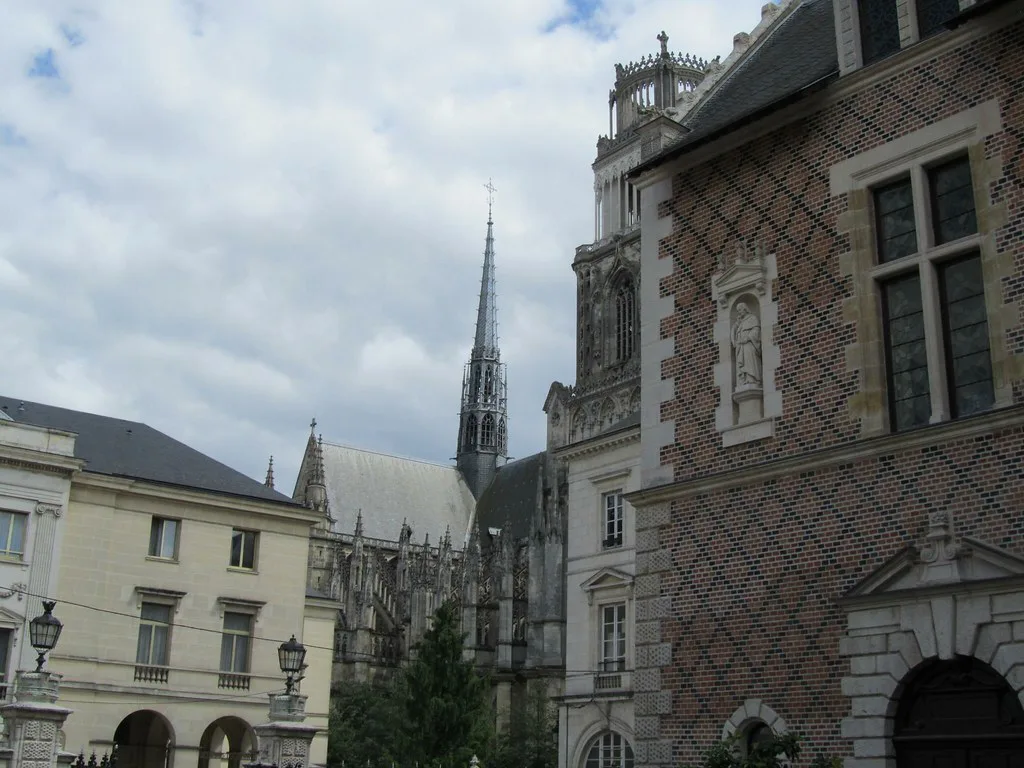
The museum's address is place Sainte-Croix in the 45000 postcode, which puts it on the same square as the Cathédrale Sainte-Croix d'Orléans in the historic heart of the city. You do not need transport to reach it from the central streets: it is a walkable stop rather than a trip out to the suburbs, and the square itself gives you an obvious landmark to navigate by.
Because the museum shares the cathedral's square, the sensible approach is to treat the two as one outing: cathedral first while you are fresh, then the galleries. If you are building a wider plan for the city, the Orléans Attractions: 6 Visitor Guides gives you the surrounding sights in one place.
How to get there and what to expect on arrival
Arriving on foot from the shopping streets and squares of the centre takes only minutes, and the building announces itself by its position on the cathedral square rather than by a grand separate forecourt. The museum holds the Musée de France designation granted in January 2002, and its setting sits within the protected surroundings of a historic monument, so expect a historic rather than purpose-built modern shell around the collection.
Check the day's opening and any ticket price on the museum's own site before setting out, because the practical details are the one thing worth confirming rather than assuming. If you are staying in the centre, the walk from the main squares to place Sainte-Croix is short enough to combine with a morning in the Orléans Neighborhoods: 4 Area Guides rather than making a separate journey.
Why it is worth an hour or two
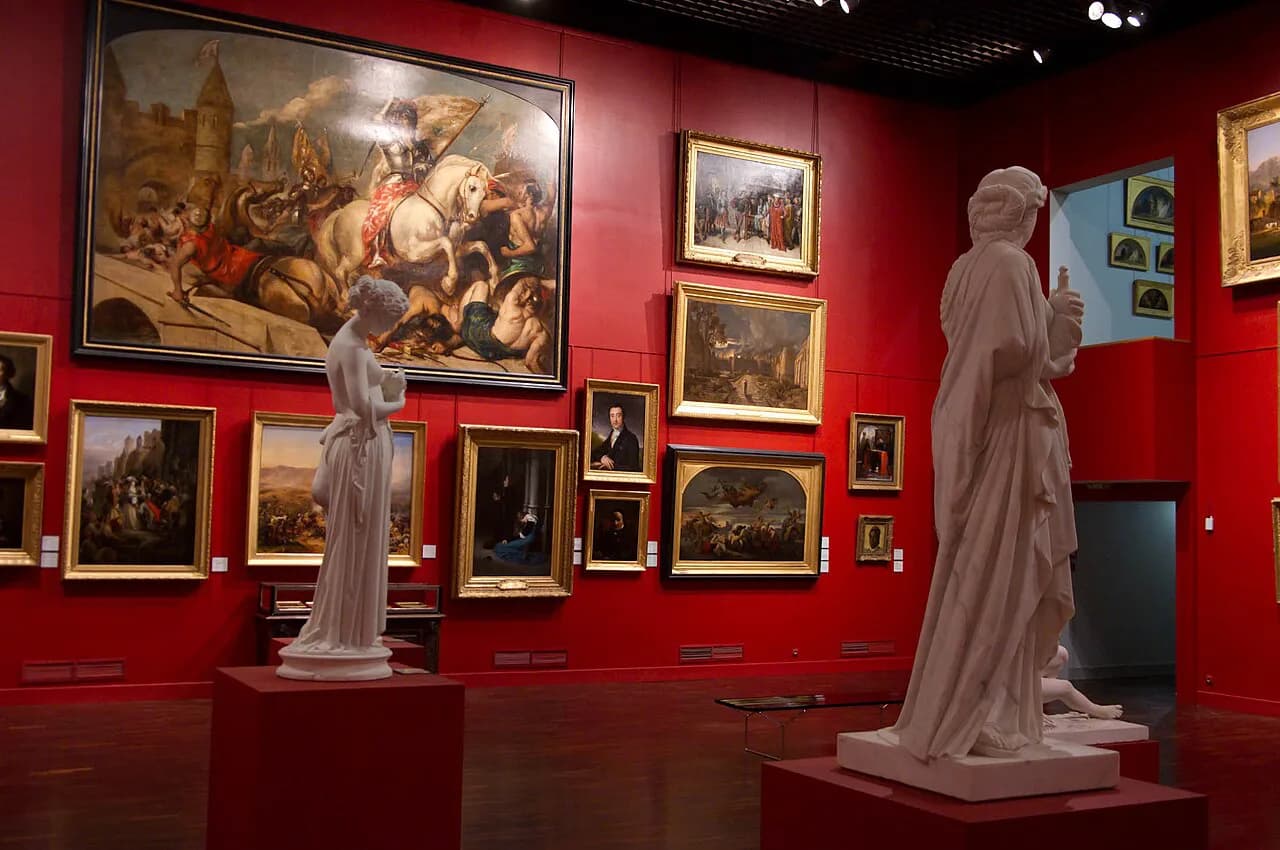
With around 700 French, Dutch, Flemish and Italian works on permanent display, the museum holds one of the richest public collections in the French provinces. That figure matters for planning: you cannot see everything at a weekend pace, so treat the visit as a selection rather than a survey.
What to see: French painting of the 17th, 18th and 19th centuries
French painting of the 17th, 18th and 19th centuries is the collection's declared strength, alongside drawings, prints and decorative arts. If you only have time for one thread, follow that line through the rooms and let the Dutch and Italian works be bonuses rather than obligations.
The named artists on the museum's own record include van Dyck, Ruisdael, Jan Brueghel, Le Corrège, the Carracci, Vélasquez, Le Nain, Champaigne, Delacroix, Courbet, Gauguin and Soutine, among others. Use that list as a hunting order: seek out the Courbet and Delacroix, then let the Flemish and Italian rooms slow you down on a second pass.
The pastels cabinet, drawings and prints, and the Max Jacob room
Beyond the paintings, the museum keeps a Cabinet des pastels with 18th-century works, a drawings collection dominated by French and Italian schools from the 16th to the 19th century, and prints of the same broad span. There is also a room devoted to Max Jacob and his circle, gathering documents on his literary and visual work, which makes a quiet change of register after the grand formats.
The museum's origins: Desfriches, Bardin and the Revolutionary seizures
The founding stock came from the collector Aignan-Thomas Desfriches and the painter Jean Bardin, who gathered works seized from religious houses during the French Revolution. Later donations, bequests and state deposits built on that base, which explains why a provincial museum ends up with this breadth of old master and 19th-century material.
Temporary exhibitions and what they add
The museum also mounts temporary shows drawn from private collections, and these can change the shape of a visit entirely. One recent example, L'Art de transmettre. La collection Antoine Béal, ran at the museum from 15 November to 29 March and gathered paintings from a private holding of around sixty works, fifteen of which had already been promised to French museums. That exhibition is history rather than a current fixture, so check what is on during your dates before you build the day around it.
How long to allow and a sensible order
Budget 90 minutes for the permanent collection at a reasonable pace, and add 30 to 45 minutes if a temporary exhibition is running. Start with the French 19th-century rooms while your attention is high, move to the 17th- and 18th-century works, then finish with the pastels cabinet and the Max Jacob room as a calmer close.
If you are squeezing the museum into a packed weekend, put it on the same morning as the cathedral rather than trying to pair it with sights across the river. Save the Loire-side walking and the city's other stops for a separate block, and see Things to Do in Orléans for how those pieces fit together.
Tickets, opening hours and closures
Ticket prices, opening days and any seasonal closures are published by the museum and by Orléans Métropole rather than fixed here, so confirm them on the museum's own site for the dates you have in mind. The museum's registered contact number is 02 38 79 21 55 if you need to check by phone.
What is nearby: the cathedral, the old streets and the Loire
The cathedral on the same square is the obvious companion piece, and the old streets around place Sainte-Croix lead you back towards the centre's squares on foot. The Maison de Jeanne d'Arc in Orléans is another compact stop in the historic quarter and suits the same half-day as the museum.
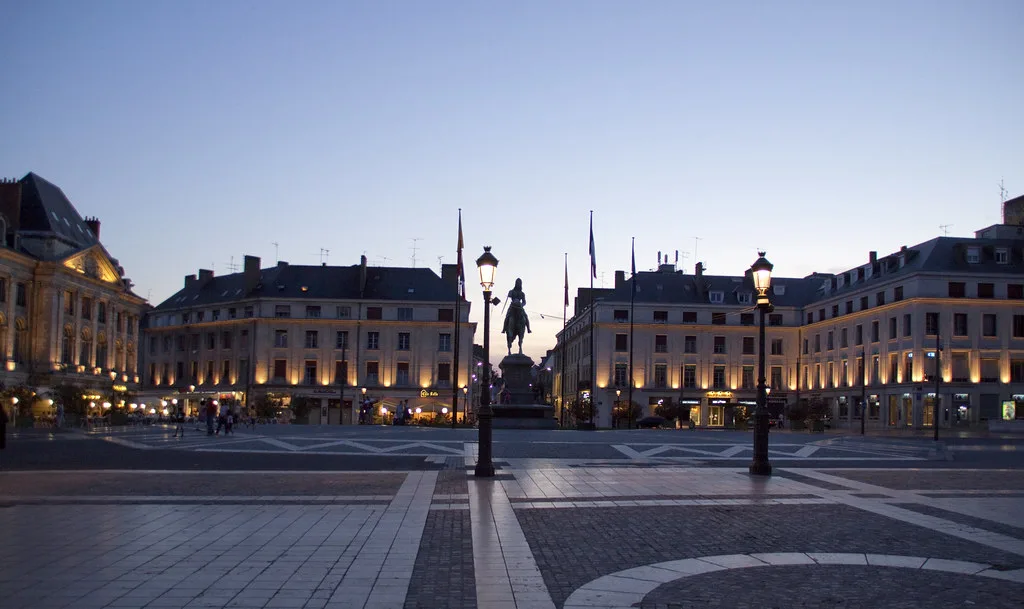
If you want green space after the galleries, the Parc Floral de la Source sits away from the old centre and works better as its own outing than as a stroll from the museum. Closer in, Place du Martroi is the central square to aim for when you reorient yourself for the rest of the day.
Practical mistakes to avoid
The commonest error is turning up without checking the day's opening, since French museums routinely close on a fixed weekday and this one's calendar is published rather than assumed. A second is trying to cover all 700 works: pick two periods, see them properly, and leave the rest for another visit.
A third is treating the museum as a rainy-day afterthought when it is one of the strongest collections in provincial France and deserves a scheduled slot. If you enjoy this kind of museum, the Musée des Beaux-Arts de Dijon offers a comparable old-master experience on another city break.
Plan Your Visit
The Musée des Beaux-Arts d'Orléans works best as a focused 90-minute stop beside the cathedral, built around French painting of the 17th to 19th centuries with the pastels cabinet and Max Jacob room as a quieter finish. Confirm opening days and ticket prices directly before you travel, then pair the visit with the square outside and a walk back through the old centre.
Explore more Orléans guides
Frequently Asked Questions
Where is the Musée des Beaux-Arts d'Orléans?
It is at place Sainte-Croix in the 45000 postcode, on the same square as the Cathédrale Sainte-Croix d'Orléans in the historic centre of the city. You can reach it on foot from the central streets, and the cathedral square is the landmark to navigate by.
How long does it take to visit the Musée des Beaux-Arts d'Orléans?
Allow around 90 minutes for the permanent collection at a steady pace, and add 30 to 45 minutes if a temporary exhibition is running. With around 700 works on permanent display, choose two periods rather than trying to see everything.
What can you see at the Musée des Beaux-Arts d'Orléans?
The strength is French painting of the 17th, 18th and 19th centuries, with named artists including Delacroix, Courbet, Gauguin, Poussin, Ingres and Champaigne. There are also Dutch, Flemish and Italian works, a Cabinet des pastels, drawings and prints, and a room devoted to Max Jacob and his circle.
Is the Musée des Beaux-Arts d'Orléans worth visiting on a weekend in Orléans?
Yes, if you want old master and 19th-century painting without leaving the old centre. Its position beside the cathedral makes it easy to combine with the square and the surrounding streets in a single half-day.
When is the Musée des Beaux-Arts d'Orléans open?
Opening days and any weekday closures are published by the museum and by Orléans Métropole, so check the museum's own site for your dates before setting out. The registered contact number is 02 38 79 21 55 if you need to confirm by phone.
Do I need to book tickets in advance?
Book only if the museum's own site says a timed slot is required, which is typical for some temporary exhibitions rather than the permanent collection. Check the current ticketing page before you travel so you know whether to reserve or simply turn up.
What else is near the museum?
The Cathédrale Sainte-Croix d'Orléans is on the same square, and the Maison de Jeanne d'Arc is another compact stop in the historic quarter. Place du Martroi is the central square to aim for when you head back into the shopping streets.