
Musée des Beaux-Arts de Dijon: A Visitor's Guide to the Palace Museum
The Musée des Beaux-Arts de Dijon is the one sight in Dijon that rewards a proper half-day, because the building and the collection are the same attraction. It occupies the former palace of the dukes of Burgundy, and its star exhibits, the carved tombs of two dukes, sit in a former banqueting hall rather than a neutral white gallery. Plan for three hours if you want the medieval rooms and the paintings done properly, and less if you only want the tombs.
Where the museum is in Dijon
The museum stands in the historic centre of Dijon, inside the Palace of the Dukes of Burgundy, which also incorporates the Hôtel de Ville. That means you can walk to it from the old streets rather than needing transport, and you enter a working civic building as much as a museum. The palace is not a UNESCO site on its own: the city's historic centre is listed as part of Burgundy's climats, the vineyard parcels south of Dijon, for the political and regulatory system that shaped them.
Arriving from the old town, you approach through the palace courtyard, the Cour de Bar, named for a duke once imprisoned in its tower. The courtyard is worth a few minutes before you go in, since a modern lift structure with a golden roof was added here during the renovation, deliberately nodding to the region's glazed roof tiles. Use the Cour de Bar as your meeting point and your bearings; the museum entrance and the Hôtel de Ville are part of the same complex.
What the palace building is worth
Treat the architecture as part of the visit, not as a container for it. The museum occupies a medieval ducal residence that was extended over six centuries, and the renovation set out to unify those layers without erasing them. The second stage of a decade-long programme, reported at some €60m, was completed in May 2019, and the museum's own director argued that you cannot understand the collection without understanding the building and its relationship with the city.
The result added roughly 50 per cent more space, partly by moving the library and offices out, which brought the permanent collection to about 50 rooms and added two galleries for temporary exhibitions. That is a large museum by regional French standards, and it explains why a quick dash past the highlights shortchanges the place. The broader collection runs to more than 130,000 objects, most of which are stored off site, so what you see is a selection rather than everything.
The tombs of the dukes of Burgundy
The single unmissable sight is the Salle des Gardes, the former banqueting hall that now holds the monumental tombs of Philip the Bold and of John the Fearless with Margaret of Bavaria. The recumbent figures lie well above eye level, so the real focus is the parade of alabaster mourners, the pleurants, carved in the round and shown in different poses of grief under a framework of cloisters. The hooded cloaks they wear were the ones handed out at funerals, and the treatment was strikingly realistic for medieval art.
The tombs came from the Charterhouse of Champmol, founded just outside Dijon by Philip the Bold in 1385 as a dynastic mausoleum; they moved to the palace after the monastery was dissolved during the Revolution. Along one side is a group of nine 19th-century reproductions of individual mourners, carved in the 1820s by a former pupil of the Dijon art school to replace originals dispersed after the Revolution, with a few recognisable faces worked in. Knowing that mix of original and replica helps you read the room accurately rather than assume every figure is medieval.
Medieval and Flemish treasures
Before the tombs, the Galerie de Bellegarde sets up the ducal story with portraits of four successive Burgundy dukes, including Philip the Good from the studio of Rogier van der Weyden after a lost original. Its main event is a pair of Flemish altarpieces commissioned by Philip the Bold in 1390: Jacques de Baerze carved the wood relief scenes, and Melchior Broederlam painted the wings, whose panels on the Life of Christ are his only surviving paintings. It is a rare chance to see sculpture and painting from the same commission side by side.
The medieval galleries also hold 15th-century work by Swiss and Rhenish artists, including panels by Konrad Witz, which survived the Reformation and later came to Dijon through a collector's gift in 1916. The Renaissance rooms lean on a large bequest from two Lyonnais painters in 1878, bringing Limoges enamels and an early Lotto portrait. If your taste runs to gold ground and carved wood rather than big French canvases, this stretch and the Salle des Gardes are where to spend your time.
The paintings: de la Tour, Rubens and the Granville bequest
The best-known painting is Georges de la Tour's candlelit Boy Blowing on a Firebrand, which came with the Granville family bequests made between 1969 and 1986. That same gift brought canvases by Courbet, Delacroix and Odilon Redon, and a large group of 20th-century works running from Juan Gris and the cubists to Nicolas de Staël and the Écoles de Paris. Outside the medieval rooms, this is the strongest reason to give the museum several hours.
Earlier layers include Napoleonic-era deposits from the Louvre: Rubens' Virgin Presenting the Infant Christ to St Francis of Assisi, Guido Reni's Adam and Eve and Veronese's Finding of Moses, the last previously at Versailles. In the Louis XIV rooms, look for a gilded marquetry clock attributed to André-Charles Boulle, rediscovered in store during the renovation and restored at the Louvre. The hang deliberately mixes decorative arts with fine art of the same period, so read across a room rather than hunting single labels.
Sculpture and the Salle des Statues
The neoclassical Salle des Statues dates from an east wing added to the ducal palace in the 1780s to display casts and copies sent home by Dijon's Prix de Rome students. Some of those student copies of ancient sculptures still stand there, among them the Borghese Gladiator, the Apollo Belvedere and the Venus de' Medici, under a ceiling canvas by Pierre Paul Prud'hon. It is one of the few rooms where the 18th-century display survives more or less in place, which makes it worth slowing down for.
François Rude, the Dijon-born sculptor, is represented both by his plaster model for the Marseillaise relief on the Arc de Triomphe and by Hebe and the Eagle of Jupiter, which stands in the Salle des Statues itself. A whole room is given over to Rude and his wife Sophie Rude, a pupil of Jacques-Louis David, whose 1841 painting The Duchess of Burgundy Halted at the Gates of Bruges hangs nearby. On the top floor you will also meet François Pompon, another sculptor associated with the city.
Modern and contemporary rooms
The modern and contemporary sequence continues the Granville story, with African masks and Cycladic sculptures set alongside the cubist and École de Paris canvases rather than isolated in an ethnographic section. The most recent work in the permanent collection is an oil of 2013 by Yan Pei-Ming, who studied at Dijon's art school in the 1980s and has lived in the city since. His presence links the museum to the drawing school that predated it, which is a thread worth following through the galleries.
How long to allow, and how to pace it
Across roughly 50 permanent-collection rooms, a focused visit takes about three hours: the Salle des Gardes and Galerie de Bellegarde first, then the medieval and Renaissance rooms, then the paintings, with sculpture and the modern rooms as the final stretch. If you have only 90 minutes, go straight to the Salle des Gardes, take in the Bellegarde altarpieces, add the de la Tour, and leave the rest. The museum opened to the public in 1799 with 287 paintings and 240 sculptures, making it one of the oldest public museums in France, so there is more here than a single short stop can cover.
Tickets, opening times and closures
Ticket prices, free-entry rules, opening days and any annual closures are not fixed here; consult the museum's own site or the tourist office before you travel, since French museums commonly close one weekday and hours shift between seasons. The museum is listed on major travel guides with its address and contact details, which is a reasonable cross-check for the basics. Build the visit around the day you have confirmed, not around an old blog post.
Practical points for a short break
The museum sits within the Palace of the Dukes of Burgundy, which is also the Hôtel de Ville, so expect to pass through civic space rather than a standalone gallery entrance. Allow the Cour de Bar for orientation, and check accessibility and bag rules with the museum before you go if these matter to you. Visitor reviews consistently single out the medieval rooms as the highlight, which supports putting them first if time is tight.
What is nearby for the rest of your day
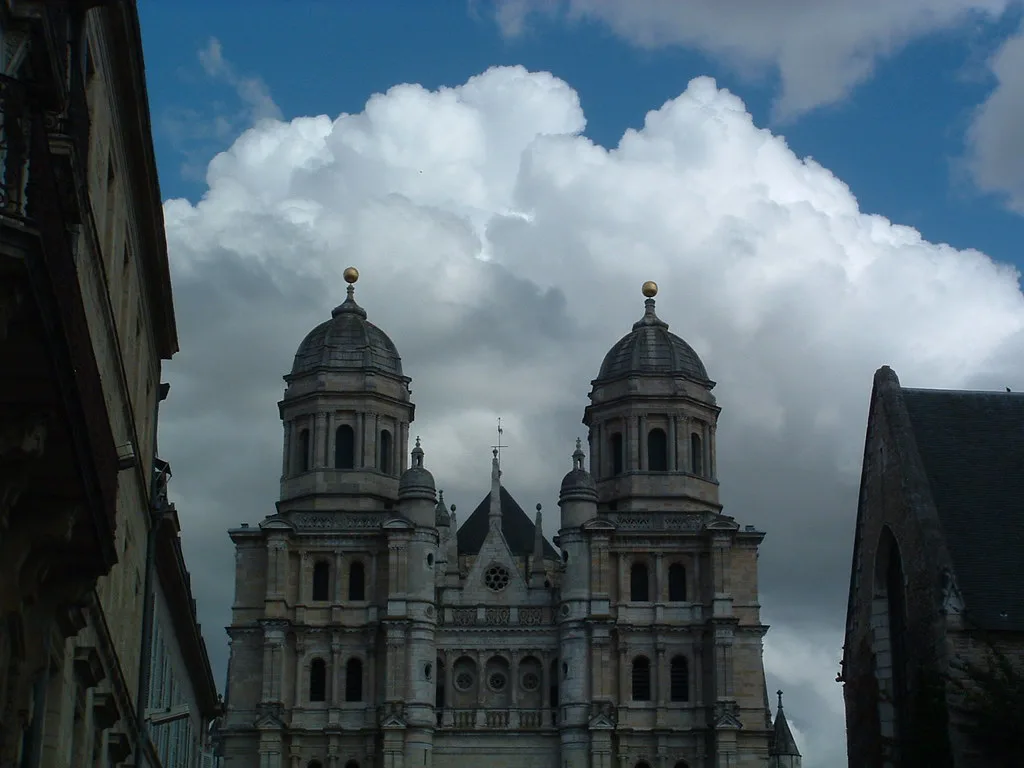
The museum sits in the historic centre, so you can pair it with the Cathédrale Saint-Bénigne, whose crypt and Gothic front are a short walk through the old streets. The Place de la Libération, the semicircular square in front of the palace, is the obvious spot to sit afterwards before moving on. For a full day, see more of our Dijon attractions guides and build the walking route around the palace.
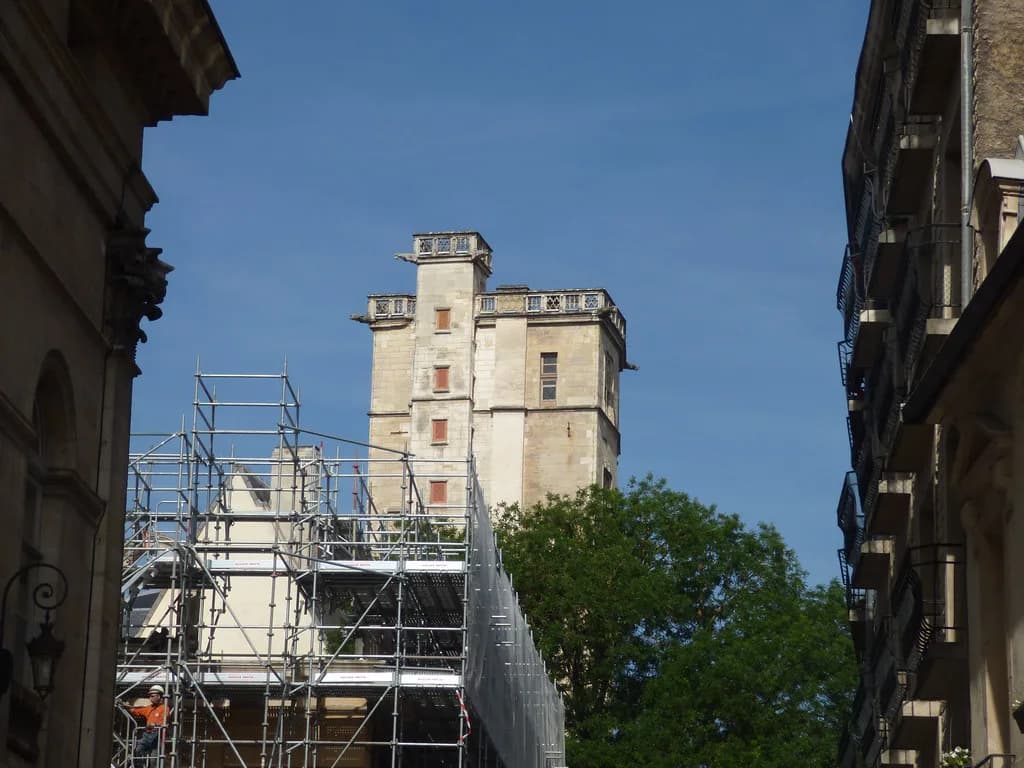
If you want the city's famous market, the Halles de Dijon is the place to head on a market morning, and the covered hall is a short walk from the palace quarter. The Tour Philippe le Bon, the palace tower, offers a different view of the same complex. Cross-check opening days and market mornings locally, then let the museum anchor the middle of your day.
Verdict: who should prioritise it
Prioritise the Musée des Beaux-Arts if you care about medieval sculpture, the Burgundian dukes, or French painting from the 17th to 19th centuries; the tombs alone justify the trip upstairs. Skip it or shorten it if you have only an afternoon in Dijon and prefer streets, squares and food, in which case the old town and market will serve you better. It is also a good rainy-day option given the size of the building, but it deserves better than being treated as a filler.
If you are comparing museum cities, our guide to the Musée des Beaux-Arts d'Orléans covers a smaller, quieter collection in a different setting, which makes a useful contrast. Dijon's strength is the marriage of palace, tombs and Flemish panels in one visit, and that combination is hard to match elsewhere in the region.
Plan Your Visit
Book your day around the museum's confirmed opening and give it three hours, starting with the Salle des Gardes and the Bellegarde altarpieces before moving to the paintings. Confirm current prices and any weekday closure on the museum's own site, then keep the rest of the day light with the cathedral and the Place de la Libération nearby.
Frequently Asked Questions
How long should I spend at the Musée des Beaux-Arts de Dijon?
Allow about three hours for the permanent collection, which runs to roughly 50 rooms after the renovation. If you only want the ducal tombs and the Flemish altarpieces, 90 minutes is enough. Put the Salle des Gardes first so a shorter visit does not miss the highlight.
What is the Musée des Beaux-Arts de Dijon famous for?
It is known above all for the tombs of Philip the Bold and John the Fearless in the Salle des Gardes, with their carved alabaster mourners, the pleurants. The museum also holds Flemish altarpieces commissioned in 1390 and Georges de la Tour's Boy Blowing on a Firebrand.
Where is the museum located?
It occupies the former palace of the dukes of Burgundy in Dijon's historic centre, in the same complex as the Hôtel de Ville. You enter from the old town, and the Cour de Bar is the courtyard to aim for as a meeting point.
Is the museum worth visiting?
Yes, if medieval sculpture, the Burgundian court or French painting interest you; the tombs alone justify the trip. If you have only an afternoon in Dijon and prefer streets and food, the old town and market may serve you better.
What can I see in the Salle des Gardes?
The monumental tombs of Philip the Bold and of John the Fearless with Margaret of Bavaria, moved there after the Charterhouse of Champmol was dissolved during the Revolution. Look for the pleurants under the marble dais, plus a group of 19th-century reproductions that replaced mourners dispersed from the tombs.
Is the museum free, and what are its opening hours?
Check the museum's own site or the tourist office for current prices, free-entry rules and opening days, as these change and closures vary by season. French museums often close one weekday, so confirm before you build your day around it.