
Halle aux Grains, Carcassonne: What to Know Before You Go

The Halle aux Grains in Carcassonne is a grain hall, a market building from the city's trading past, and it is not a food market where you stop to eat. Visitors who arrive expecting stalls of produce and cheese are thinking of the covered halls elsewhere in town. Treat it as a piece of the Bastide's commercial fabric: something to look at on a walk, not a destination that fills an afternoon.
The practical version of the visit is short. You find the building, read its setting against the surrounding streets, take a few photographs and carry on into the Bastide Saint-Louis, which is the grid of streets on the left bank of the Aude. Plan it as one stop of twenty to thirty minutes rather than a standalone outing, and you will get far more from it.
What the Halle aux Grains Is - and What It Is Not
The name says what it was built for: grain. A halle in French town planning is a covered market hall, and Carcassonne's Halle aux Grains belongs to that family of civic buildings rather than to the tourist market circuit. Do not confuse it with La Halle Aux Grains listed at 1020 boulevard Denis Papin in the ZI La Bouriette, which is an animal feed business and a separate concern entirely. Both appear under similar names in local directories, and mixing them up sends you to the wrong edge of the city.
It is also not a food hall in the sense that British and American visitors usually mean. There is no row of counters selling plates of charcuterie, and you should not build a lunch stop around it. If you want provisions, the reliable option is the Cours des Halles shop on chemin de Maquens, covered further down.
Where It Sits in Carcassonne
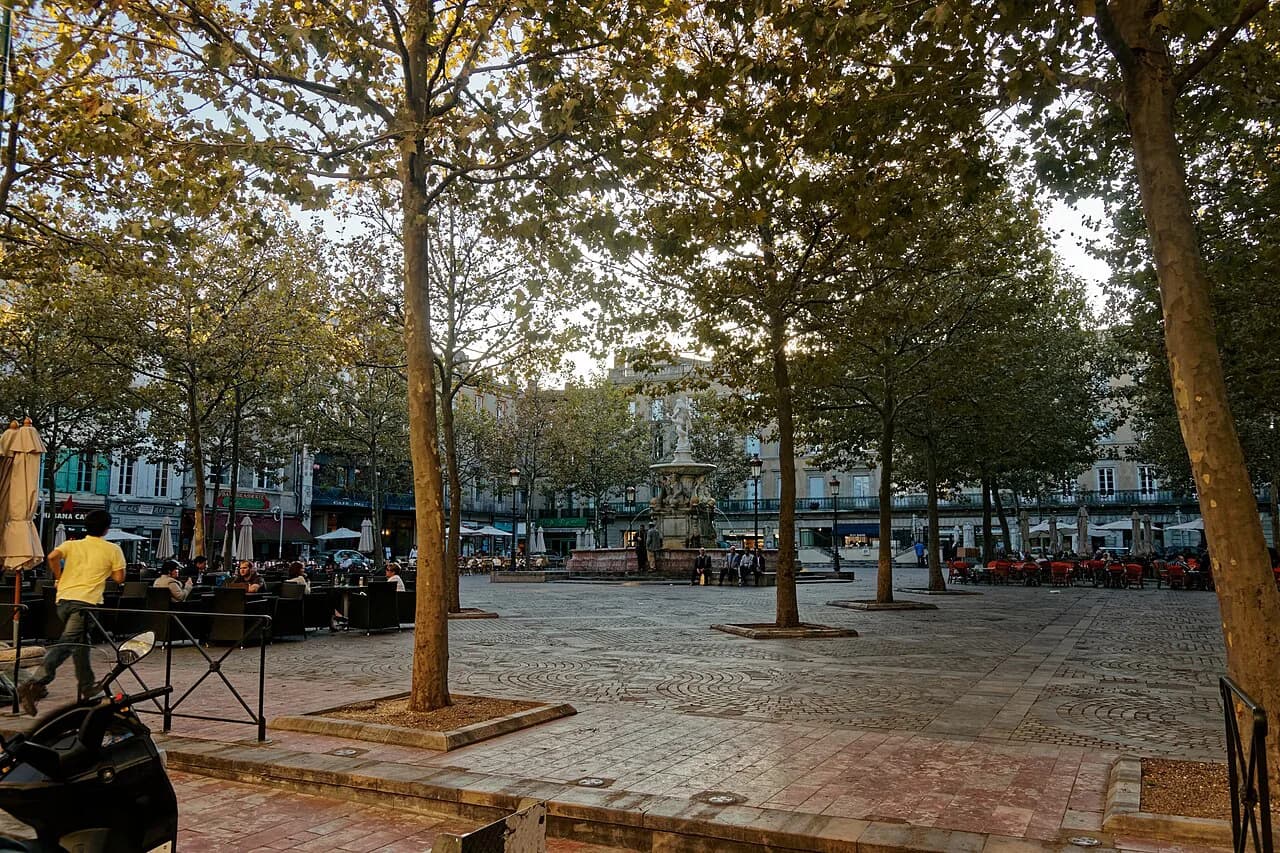
Carcassonne splits into two halves that visitors need to keep straight. The Cité de Carcassonne is the walled medieval ensemble on the right bank, and the Bastide Saint-Louis is the planned grid town on the left bank, laid out around the Place Carnot. The Halle aux Grains belongs to the Bastide's commercial story, so plan it into a left-bank walk rather than a climb up to the walls.
Getting there on foot is straightforward if you are already in the Bastide. Streets in this grid run straight and the blocks are short, so most addresses inside the Bastide sit within a ten to fifteen minute walk of the Place Carnot. Come over the Pont Vieux from the Cité side and you are on the Bastide's doorstep within minutes.
What to Look For in the Building and Its Setting
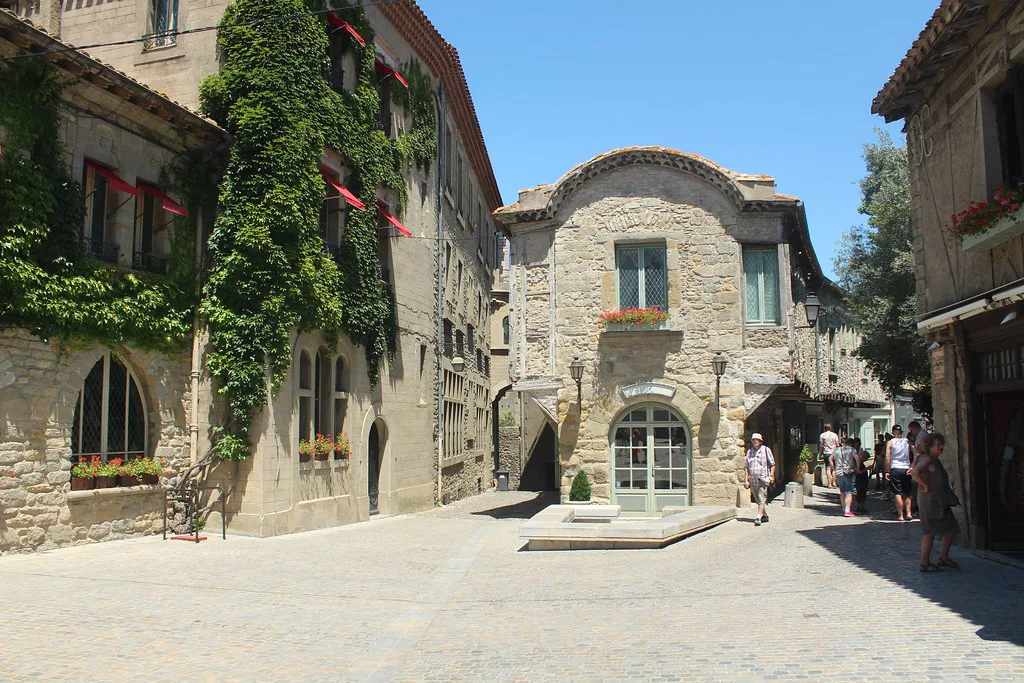
Approach the Halle aux Grains as townscape rather than as an attraction with a turnstile. Read the facade against the street line, note how the roofline sits among the neighbouring buildings and look at how the hall opens onto its surroundings. That is the whole experience, and it is a good one if you arrive with the right expectations.
The building rewards a slower look at the detail: stonework, the rhythm of any openings and the way the structure was sized for bulk goods rather than for shoppers. Keep your reading general and let the building tell you what it is. If you want a formal interpretation of the structure and its history, ask at the tourist office in the Bastide, where staff hold the local architectural record.
How Long to Allow
Give the Halle aux Grains twenty to thirty minutes, and that includes the walk-up and the photographs. There is no queue, no ticket desk to negotiate and no route to follow inside, so the stop expands or contracts to fit your mood. Treat any longer visit as time spent in the surrounding streets rather than at the building itself.
The sensible way to slot it in is as part of a Bastide loop rather than a standalone trip. Pair it with the Place Carnot market square, a coffee stop and a look at the grid streets, and the morning fills itself. If you are building a fuller weekend, the wider set of things to do in Carcassonne gives you the pieces to arrange around it.
Nearby: The Cours des Halles Food Shop
If the name halle has put you in the mood for produce, the Cours des Halles shop at 100 chemin de Maquens is the practical stop. It trades as a greengrocer with cheeses, fresh and local products, fine groceries and wines, and the team describes itself as welcoming customers every day. Note that chemin de Maquens is not in the Bastide grid, so check the route before setting out.
Its published hours are Monday to Saturday 8h30 to 20h00 and Sunday 8h30 to 13h00, which makes it useful on a Sunday morning when much else in a French town slows down. The shop also lists a phone number and an email address on the same page. Confirm the current timetable before a special trip, since shop hours move with the season.
Practical Checks Before You Travel
Local listings put a La Halle Aux Grains at 1020 boulevard Denis Papin in the ZI La Bouriette, on the north-east side of the city, and describe it as serving pet owners with animal feed. That listing is a business address, not a visitor attraction, and it is worth knowing about only so you can rule it out. Keep the two names separate when you type an address into a map.
No source consulted here publishes opening hours, ticket prices or access rules for the historic Halle aux Grains itself, so leave those details out of your planning and read the building from the street instead. If interior access matters to you, ask at the tourist office on arrival. That is the one point in this guide where a check on the ground is worth the effort.
Fitting the Halle aux Grains Into Your Weekend
The Halle aux Grains works best as a ten-minute pause inside a longer Bastide walk, placed between the Place Carnot and the streets around it. Build the rest of the day around the Cité de Carcassonne and its Château Comtal, which carry the heavyweight sightseeing, and let the grain hall be the quieter counterpoint. That balance is what makes a Carcassonne weekend feel complete rather than rushed.
Go with the right name in your head, a realistic time budget and the Cours des Halles hours noted for a Sunday, and the stop pays off. Anything more elaborate belongs to the walls across the river, not to this corner of the Bastide.
Explore more Carcassonne guides
Frequently Asked Questions
Is the Halle aux Grains in Carcassonne a food market?
No. It is a grain hall, a civic market building from the city's trading past, and it does not function as a food market where you buy lunch. Visitors looking for produce should head to a food shop or the city's market squares instead. The similar-sounding La Halle Aux Grains on boulevard Denis Papin is an animal feed business and a separate address.
Where is the Halle aux Grains in Carcassonne?
It sits in the Bastide Saint-Louis, the grid town on the left bank of the Aude, rather than inside the walled Cité on the right bank. Streets in the Bastide are short and straight, so most points in the grid are within a ten to fifteen minute walk of the Place Carnot.
Can you go inside the Halle aux Grains?
There is no published information on interior access, opening hours or tickets for the historic building, so plan to see it from the street. Ask at the tourist office in the Bastide if interior access matters to you. Treat the exterior and its setting as the visit.
How long do you need at the Halle aux Grains?
Allow twenty to thirty minutes, including the walk up and photographs. There is no set route and no queue, so the stop fits easily into a Bastide wander without eating an afternoon. Most visitors will spend longer in the surrounding streets than at the building itself.
What else is near the Halle aux Grains?
The Bastide grid, the Place Carnot and the streets around it are the immediate context. Across the river, the Cité de Carcassonne and the Château Comtal hold the main sightseeing, reached over the Pont Vieux. For provisions, the Cours des Halles shop on chemin de Maquens is a short trip away.
When is the Cours des Halles shop open?
It publishes hours of Monday to Saturday 8h30 to 20h00 and Sunday 8h30 to 13h00. Confirm the current timetable before making a special journey, because shop hours shift with the season.