Shopping in Colmar: Where to Shop and Browse
Shopping in Colmar means half-timbered streets, made-in-Alsace food, a covered market and independent shops, not big brands or outlet malls. Plan it here.
On this page
Shopping in Colmar works best as browsing rather than a dedicated retail trip. The rewards are made-in-Alsace food, tableware, textiles and décor sold in independent shops along a compact, largely pedestrianised historic centre, according to the Colmar tourist office. Big brands and outlet malls are not what this city is about, so budget half a day rather than a whole one.
Why Colmar suits browsing over big-brand shopping
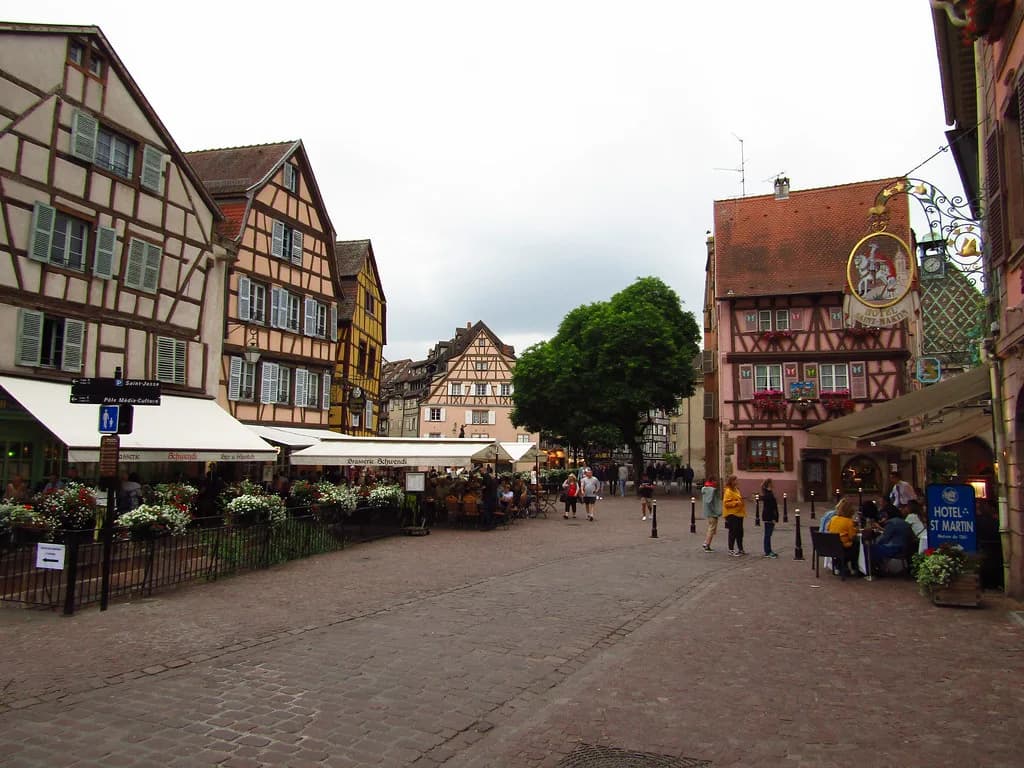
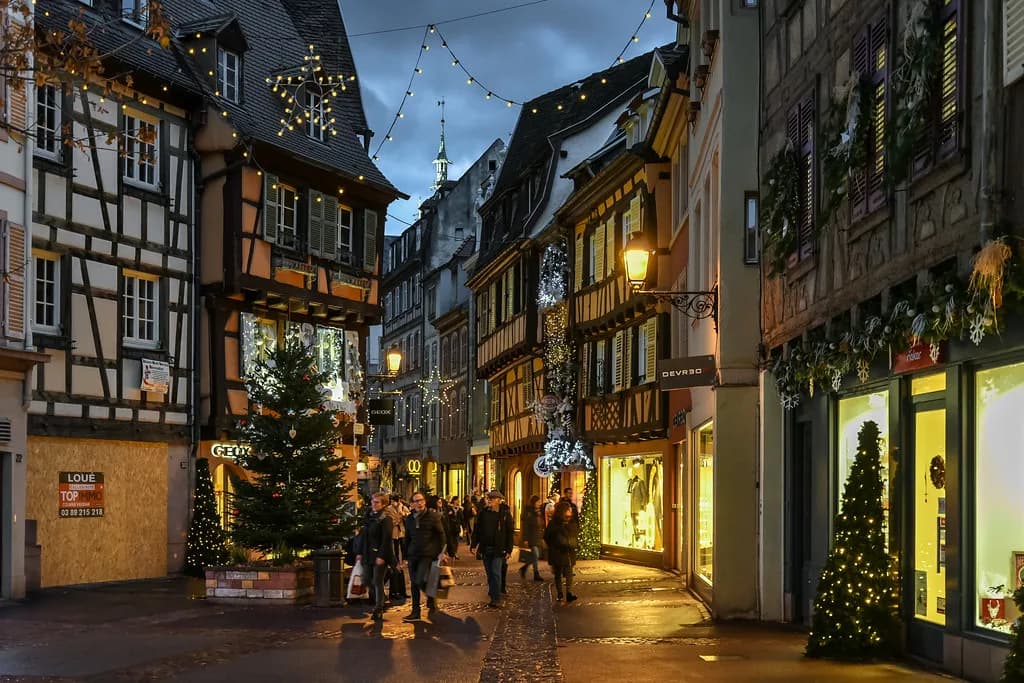
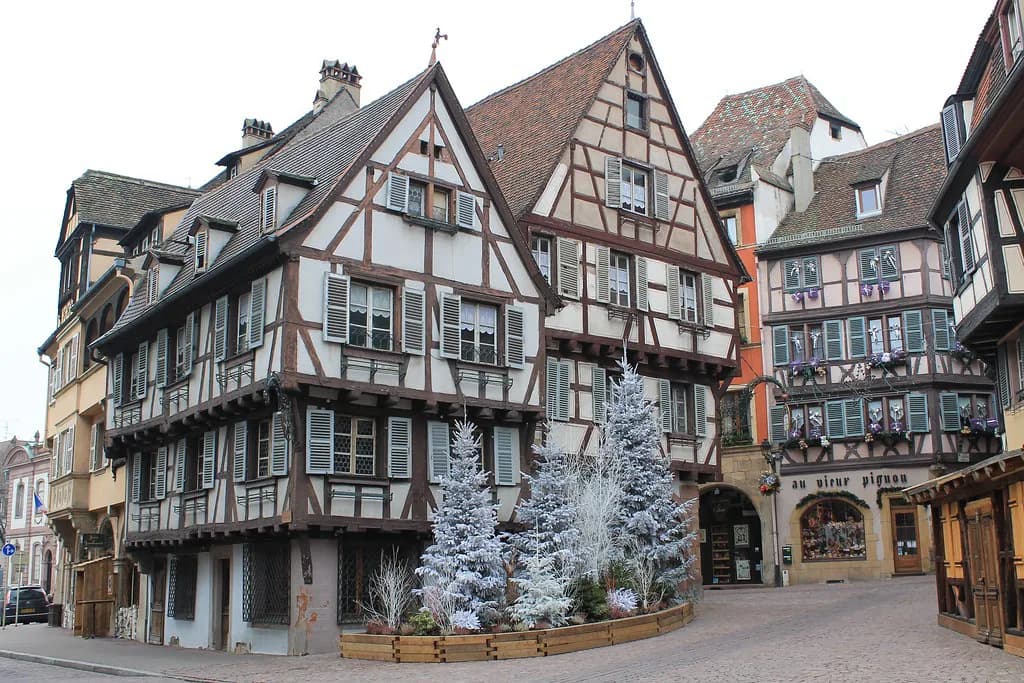
Colmar's population sits at roughly 70,000, which the tourist office credits for the town's lingering country-town atmosphere. Its historic centre is classed as a protected area and has been restored over more than twenty years, so the shopping is woven into old streets rather than concentrated in a mall. That means you shop in short bursts between sights, which suits a weekend far better than a single long retail session.
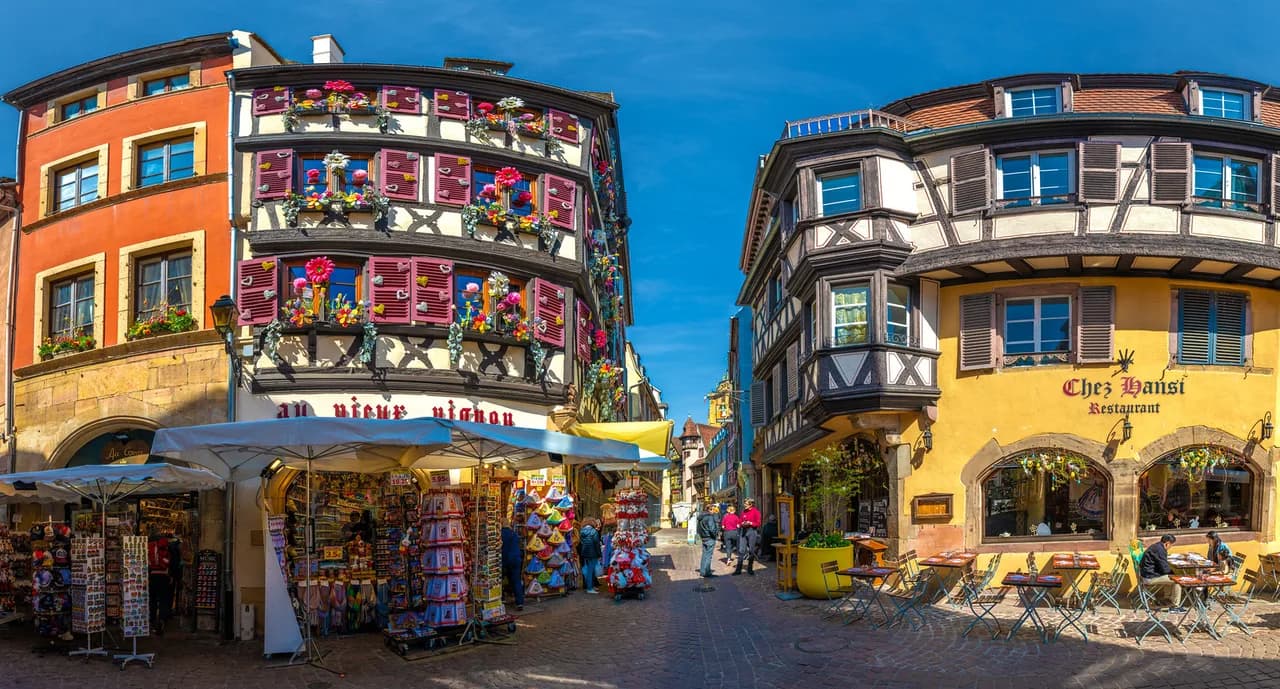
Treat the trip as food-and-craft shopping with sightseeing attached. The tourist office points visitors to shops on almost every street of the historic centre selling made-in-Alsace products: food, table accents, textiles, décor, accessories and soft furnishings. Those categories are the realistic target; anything resembling a British or American high street is not.
How the centre is laid out: Grand Rue, Rue des Marchands and the pedestrian zone
The old town is a walkable grid, and two streets carry most of the shopping interest. Grand Rue runs from Rue des Clefs in the north to Rue des Blés in the south, passing the Koifhus, the 1480 customs and warehousing building that anchored medieval trade. Rue des Marchands is the other spine, home to Maison Pfister and the Musée Bartholdi, with shops packed around both landmarks.
Because the centre is a protected pedestrian sector, you cover ground slowly and without traffic. Plan on ten to fifteen minutes of walking between the far ends of the shopping streets, but allow an hour or more once you start dipping into shops. Pick one spine per outing rather than trying to sweep both in a single push.
What to buy in Colmar: made-in-Alsace food, tableware, textiles and décor
Food is the strongest buy. The tourist office lists sauerkraut, flammenkuchen or tartes flambées, munster and kugelhopf among the region's specialities, and shops across the centre sell jarred, boxed and baked versions you can carry home. Table accents, textiles and soft furnishings fill the gap between edible souvenirs and proper homeware.
Alsace wine is unavoidable as a theme — Colmar calls itself the capital of Alsace wines, with 37 wine-growing communities and 30 Grands Crus in its wine country. If bottles are impractical for a short break, the same shops lean on wine-adjacent gifts and local food instead. Set a rough budget before you start, because small independent shops add up faster than chain stores.
The covered market on Rue des Écoles: what stalls sell and when to go
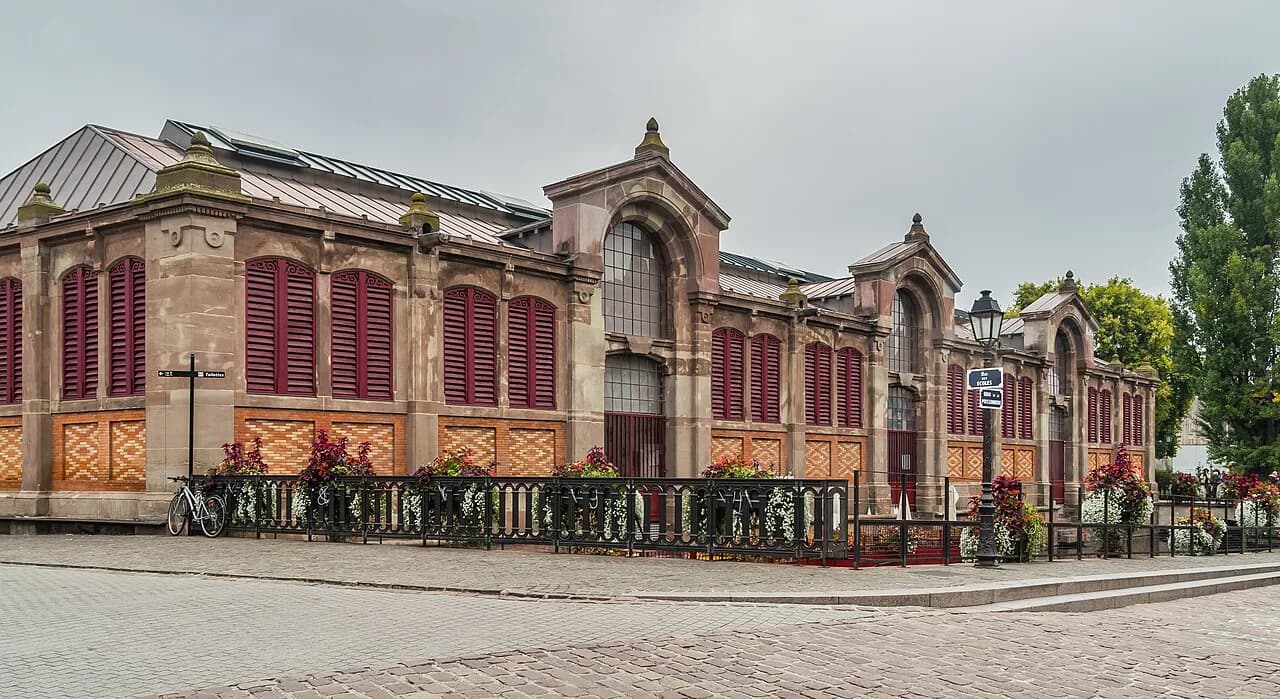
The Marché Couvert at 13 rue des Écoles is the single most useful shopping stop in Colmar. Built in 1865 in brick with a metal frame, it has returned to its original market-hall purpose and holds around twenty merchants selling fruit and vegetables, butchery, cheese, bakery and pastry, fish and other regional produce. Come hungry and come early in the day, when a food hall is at its most stocked.
Two distinct markets operate in Colmar: this permanent hall and an outdoor market where around twenty local merchants sell regional delicacies, according to the tourist office. The covered market works as a food-hall visit and picnic assembly point; the outdoor version is a separate morning errand. Check the tourist office's market calendar for the days each one runs before you build a morning around it.
Rue des Marchands: Maison Pfister, Musée Bartholdi and the shops around them
Rue des Marchands is the street where shopping and sightseeing overlap most tightly. Maison Pfister, the Renaissance mansion built in 1537 for Ludwig Scherer, stands at number 11, and the Musée Bartholdi at number 30 occupies the sculptor's family house with three floors of his work. The shops between and around them make this the most efficient browsing street in the city.
Use the street as a slow loop: shop, visit a house, shop again. The Musée Bartholdi is a small museum, so it slots between shops without eating your afternoon, and you can leave purchases at that end of the street rather than carrying them across town. If museums are the priority, a separate session is better — the city's collections deserve more than a gap between shops.
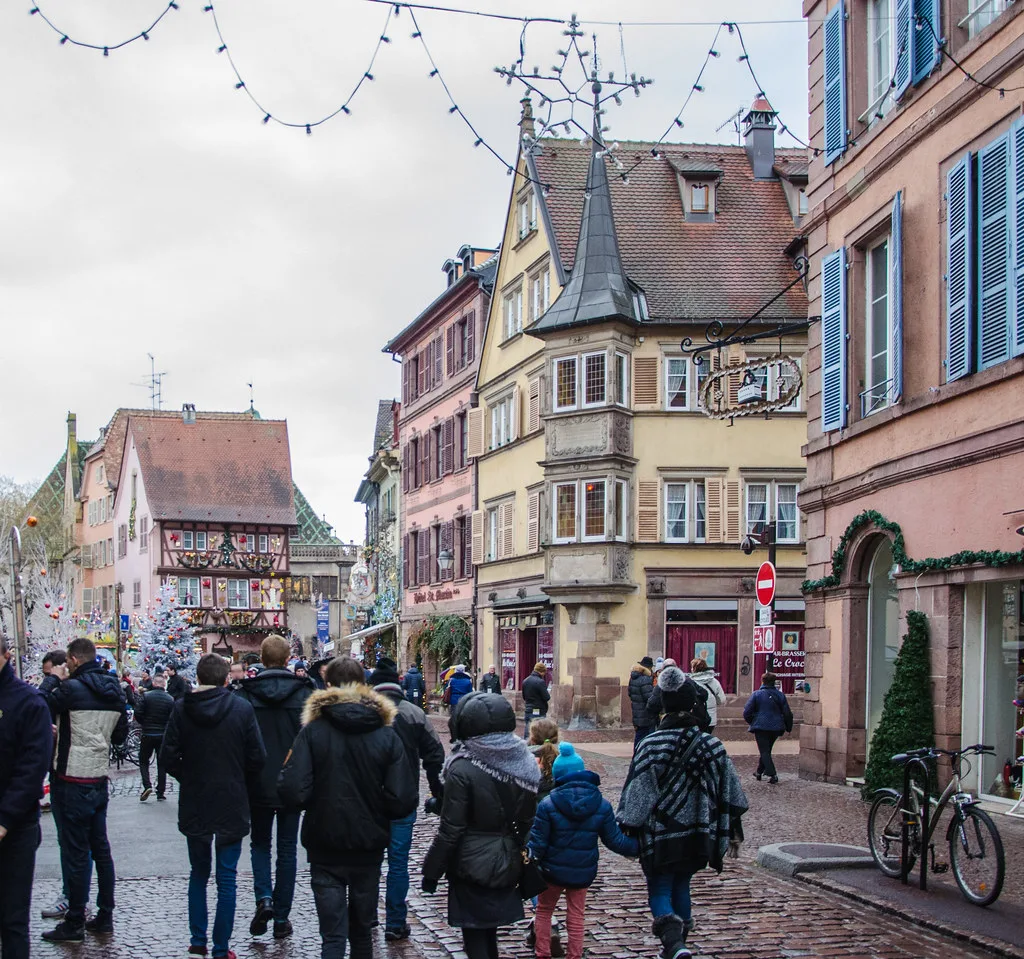
Grand Rue and the Koifhus end of the old town
Grand Rue carries the grander end of the old town, passing the district court and the Koifhus, the 1480 building that once served as the city's economic hub for trade and storage. It is a natural first walk for anyone arriving from the station side, and it sets up the scale of the centre before you start shopping in earnest.
Friday is worth knowing about: the tourist office flags Friday specials for bargain hunters, alongside the town's many antique shops. If your weekend includes a Friday, spend it on Grand Rue and the antique dealers rather than saving everything for Saturday. Otherwise, treat Grand Rue as the orientation walk and Rue des Marchands as the buying street.
Quai de la Poissonnerie and Petite Venise: the photo stop, not the main shopping stretch
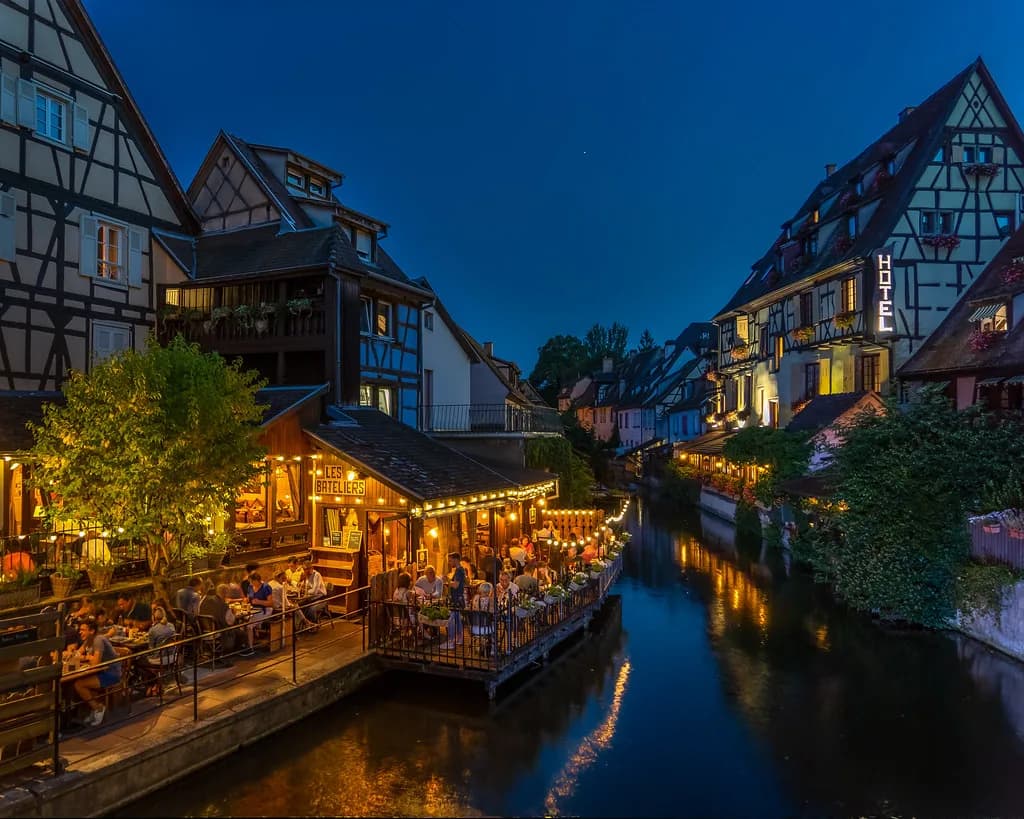
Petite Venise and the Quai de la Poissonnerie are the postcard: half-timbered fishermen's houses from the sixteenth and seventeenth centuries along the River Lauch, with the Tanners district nearby recognisable by its white-fronted houses. It is the busiest photography ground in Colmar and belongs on the itinerary, but it is not where you do your shopping.
Give the canals half an hour for photos and a coffee, then walk back into the grid for shops. Trying to combine a canal stroll with serious browsing means carrying bags through the most crowded lanes in the city. Keeping them separate makes both better, and it leaves the waterside for early morning when the light and the crowds are kinder.
Food shops worth a detour: biscuits and cheese
Two specialist food shops justify walking beyond the main spines. Maison Alsacienne de Biscuiterie at 16 rue des Boulangers sells locally sourced biscuits along with chocolates and pastries, and La Fromagerie Saint Nicolas at 64 rue du Logelbach is a family-run cheese shop in a seventeenth-century timbered building, strong on goat and sheep cheeses. Both are the kind of purchase that survives the journey home.
Rue du Logelbach sits away from the core loop, so pair it with a walk through the Tanners district rather than making a separate trip. Buy cheese late in the day and biscuits early, and check what will survive a train or flight before you commit to a large piece. These are small shops, so a short queue at peak times is normal.
Antiques and Friday specials in the old town
Antiques are a genuine Colmar thread rather than a afterthought, with dealers scattered through the centre. Antiquités Guy Caffard at 56 rue des Marchands specialises in antique furniture and vintage pieces, which gives the street a second reason beyond Maison Pfister and the Musée Bartholdi. Combine the two on one pass rather than treating antiques as a detour.
Friday specials and the antique shops together make Friday the best shopping day of the week in Colmar, per the tourist office. If your break runs Saturday to Monday, you lose that edge and should plan your browsing for Saturday instead. Either way, leave bulky antique purchases until the end of the day so you are not carrying them around museums.
Sunday and lunchtime: planning your browsing around closures
Do not assume weekday patterns hold at the weekend. The tourist office's own opening hours — Monday to Saturday from 9am to 6pm and Sunday from 9am to 1pm from April to the end of November, with shorter hours on public holidays — apply to the tourist office itself, not to shops or the market. Use it as a place to ask about specific shops rather than as a guide to retail hours.
For any individual shop, check its own signage or website the day before, and put the fixed points — the covered market, the museums — at the centre of Sunday and holiday plans. A Sunday morning gives you the outdoor market and the tourist office before 1pm; the afternoon is better spent on architecture. Build a fallback list of two or three shops you would happily revisit if the first choice is shut.
A half-day shopping route that fits around sightseeing
Start at the Marché Couvert on rue des Écoles when it opens, buy picnic pieces, then walk five minutes to the Quai de la Poissonnerie for photos before the crowds build. Head into Rue des Marchands for Maison Pfister and the Musée Bartholdi, browsing as you go, then finish on Grand Rue past the Koifhus. That is a comfortable three to four hours with one museum stop and one coffee.
Keep the specialist shops as an optional extension: rue des Boulangers for biscuits and rue du Logelbach for cheese, both easily reached from the Tanners district. If you have a second day, split shopping from museums entirely — the Unterlinden and the toy museum deserve full attention. Two days gives you one shopping half-day and one proper sightseeing day without rushing either.
Common mistakes: expecting outlet malls or high-street chains
Colmar is not an outlet destination. The city's retail identity is independent shops selling made-in-Alsace products, plus antiques and food. If that model appeals, shopping in Annecy follows a similar browsing-over-brands logic worth comparing. Arriving expecting Zara, H&M or a mall will leave you disappointed and waste a morning you could have spent on the canals.
The second mistake is over-scheduling. Shopping here is slow by design — small shops, narrow lanes, a food hall rather than a department store. Give it a half-day, keep the rest for the old town and the museums, and treat a few shut doors as a reason to come back rather than a failure of the plan.
Where shopping fits in a two-day Colmar weekend
On a two-day break, put shopping on the first afternoon, once you know the layout and the weather. Day one: old town orientation, Grand Rue, Rue des Marchands, canals at dusk. Day two: covered market in the morning, Musée Unterlinden after lunch, with the specialist food shops slotted in before you leave.
If your weekend falls on a Friday, push all buying to Friday and keep Saturday for sights. Sunday arrivals should shop on Saturday, since Sunday hours are restricted and the tourist office closes at 1pm from April to November. Shopping here is a supporting act to the old town, not the main reason to come — and that is exactly what makes it pleasant.
Plan Your Visit
Shopping in Colmar rewards a modest plan: one half-day, the covered market first, Rue des Marchands and Grand Rue as the browsing spines, and the specialist food shops as extras. Leave the canals for photos and give the museums their own slot. Check each shop's own hours the day before, since Sunday and public-holiday opening varies by business.
Explore more Colmar guides
Frequently Asked Questions
What is there to buy in Colmar?
The strongest buys are made-in-Alsace food and drink: sauerkraut, tartes flambées, munster and kugelhopf appear among the region's specialities listed by the Colmar tourist office, and shops across the historic centre sell jarred, boxed and baked versions. Alongside food, expect table accents, textiles, décor, accessories and soft furnishings carrying a made-in-Alsace label. Antiques and biscuits are the two specialist threads worth hunting out.
Where are the main shopping streets in Colmar?
Grand Rue and Rue des Marchands carry most of the interest, both inside the pedestrianised historic centre. Grand Rue runs from Rue des Clefs to Rue des Blés and passes the Koifhus, while Rue des Marchands holds Maison Pfister and the Musée Bartholdi with shops packed around them. Smaller streets just off these spines, such as rue des Boulangers and rue du Logelbach, hold specialist food shops.
Is the covered market in Colmar worth visiting?
Yes, if you treat it as a food hall rather than a souvenir arcade. The Marché Couvert at 13 rue des Écoles occupies an 1865 brick and metal building and holds around twenty merchants selling fruit and vegetables, butchery, cheese, bakery and pastry, fish and regional produce. Go early in the day for the best selection, and check the tourist office's market calendar for the outdoor market, which runs separately.
Are shops in Colmar open on Sundays?
Do not assume weekday patterns hold on Sundays or public holidays. The tourist office publishes its own hours, which shorten at weekends and on holidays, but those apply to the tourist office and not to shops or the market. Check each shop's own website or door notice the day before, and keep the covered market and museums as fixed anchors for a Sunday or holiday plan.
Can you buy local Alsace food products in Colmar?
Yes. Food shops are scattered through the historic centre, with Maison Alsacienne de Biscuiterie on rue des Boulangers selling locally sourced biscuits, chocolates and pastries, and La Fromagerie Saint Nicolas on rue du Logelbach specialising in goat and sheep cheeses. The Marché Couvert adds fresh produce, cheese and charcuterie from around twenty merchants under one roof.
How long do you need for shopping in Colmar?
Half a day covers it comfortably. A realistic loop is the covered market first, then a short walk to the quays for photos, then Rue des Marchands and Grand Rue with one museum stop. Add an hour if you want the specialist food shops on rue des Boulangers and rue du Logelbach, which sit slightly off the main route.
Sources
Notes for French city breaks
Optional updates to our guides.
You might also like
Continue reading
More guides you'll find useful