Best Time to Visit Colmar: A Season-by-Season Guide
Compare Colmar by season: summer highs and crowds, cold winters, rainy spring and autumn, plus how long a weekend break in Alsace really needs.
On this page
The best time to visit Colmar depends on whether you want heat, colour or empty streets. Spring and autumn bring typical highs of 16–20°C and thinner crowds, summer brings 24–26°C with peak-season pressure, and winter is cold with average minimum temperatures just below freezing. Pick the season to match the trip you actually want, then build the days around it.
Colmar is small and walkable, so a day trip covers the headline sights and a single overnight unlocks the best of it. Stay one night and you get Petit Venice at blue hour and early morning, when the same quay that is packed on a sunny afternoon is almost yours. That trade-off matters more than the month you choose.
Best time to visit Colmar: the short answer
Go in late spring or early autumn for the most comfortable balance. Typical highs sit between 16°C and 20°C, the light is good for the canals, and you avoid the summer festival crush. Summer is warmer but busier, and winter is genuinely cold, with average minimums just below freezing.
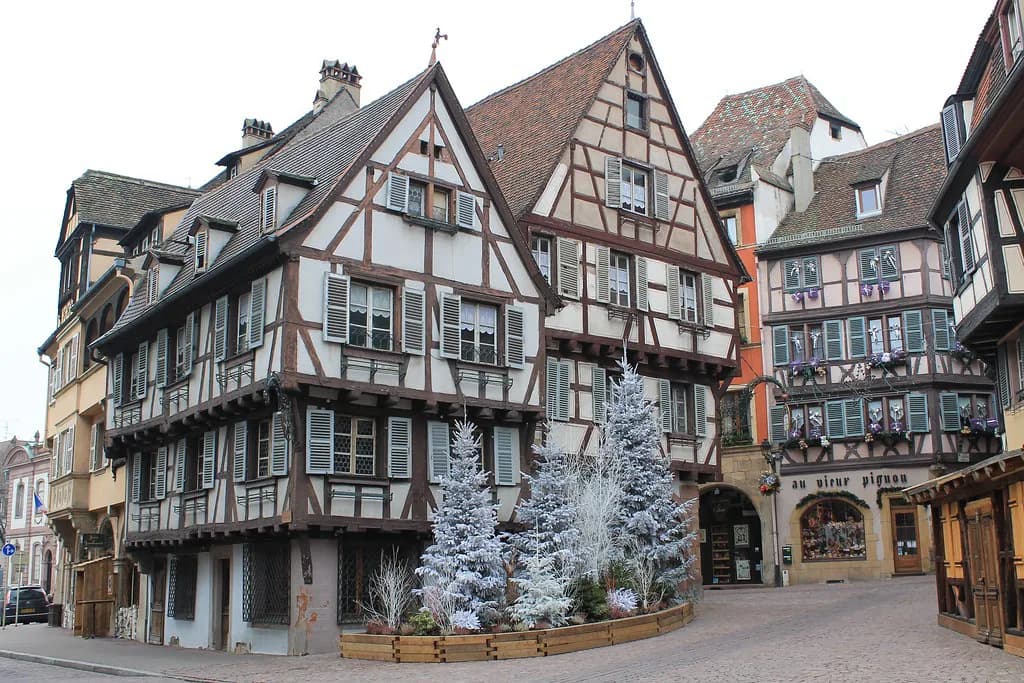
If quiet streets matter more than warm weather, aim for January or February. The town is much calmer then, and you may see Petit Venice under snow. The cost is short daylight and a coat you will not take off all weekend.
If you want long evenings and outdoor dining along the water, June to August is the obvious window, but treat it as peak season and plan the key sights for early morning. The town fills with visitors in summer, so an overnight stay is what makes the crowds bearable.
Colmar in spring (March to May)
Spring is one of the two strongest windows for a weekend break. Typical highs climb into the 16–20°C range, which is comfortable for walking the length of the centre without overheating. Rain is common, so pack a light waterproof rather than an umbrella you will fight with in the narrow lanes.
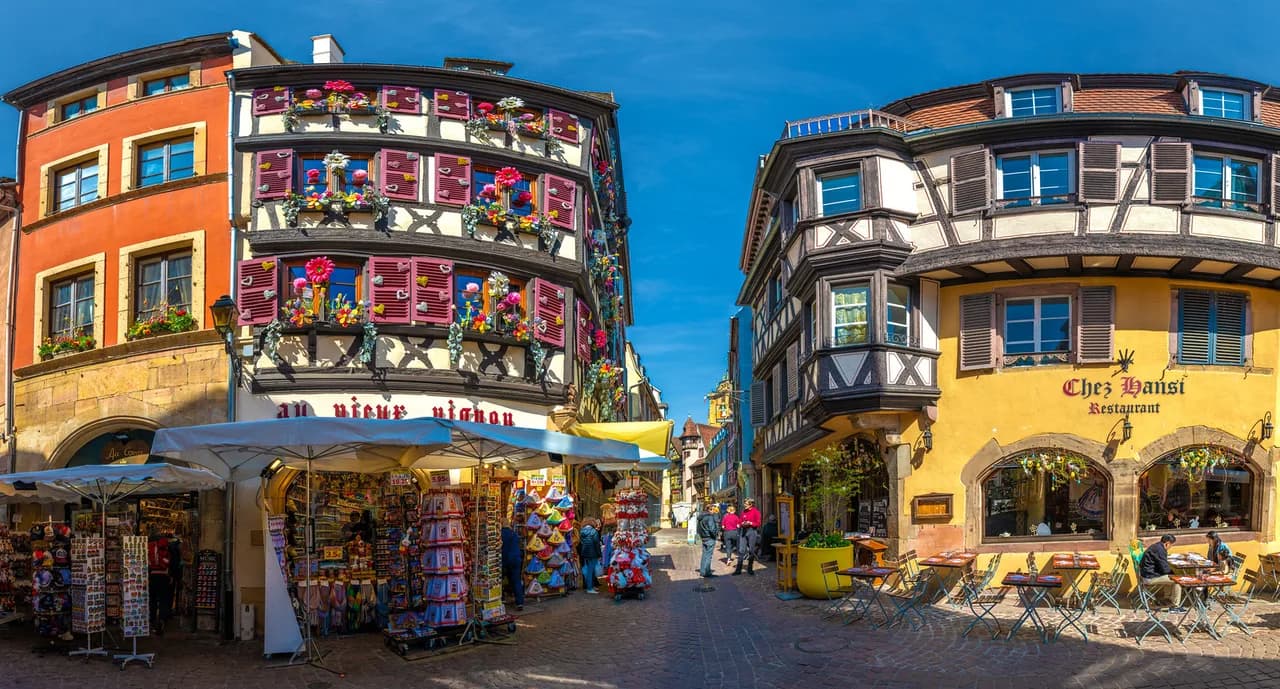
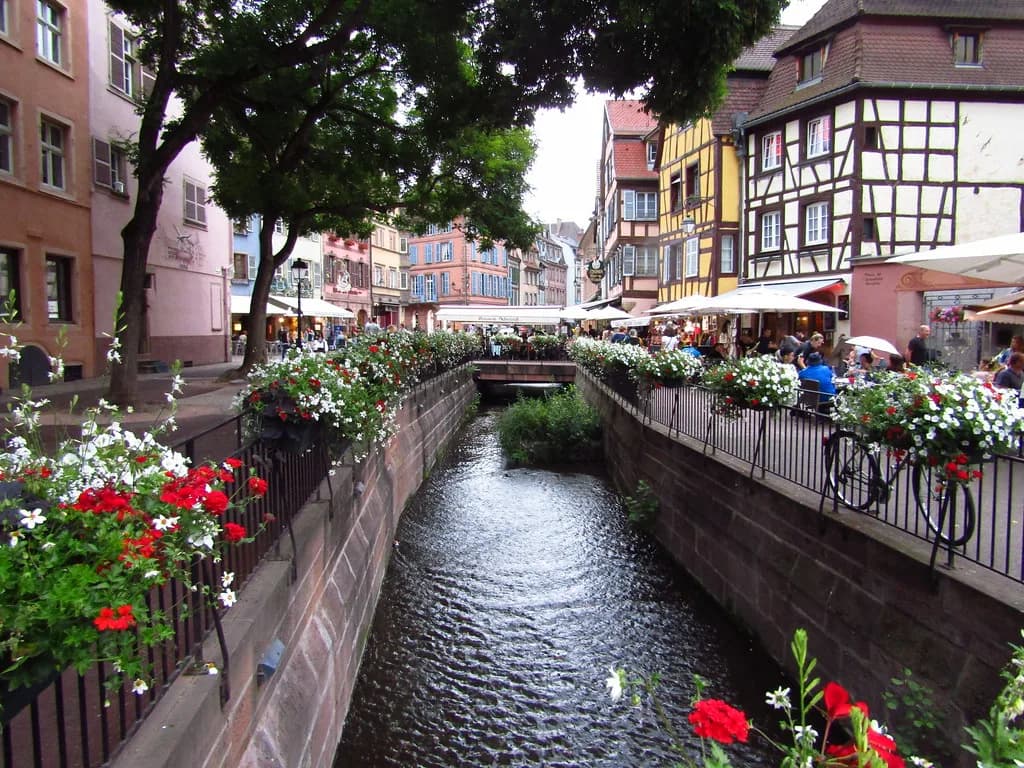
The compensation for unsettled weather is colour: window boxes and canalside planting come into their own, and the half-timbered facades look their best against fresh green. This is also when the old town rewards slow wandering, with fewer people blocking the view down the Grand Rue.
Book ahead for late spring weekends. The town is popular with visitors combining it with Strasbourg, and accommodation tightens as the season builds.
Colmar in summer (June to August)
Summer delivers the warmest conditions, with typical highs of 24–26°C and occasional thunderstorms. This is peak season, and the town gets very busy thanks to a run of summer events. Expect to share Petit Venice with day-trippers from Strasbourg and further afield.
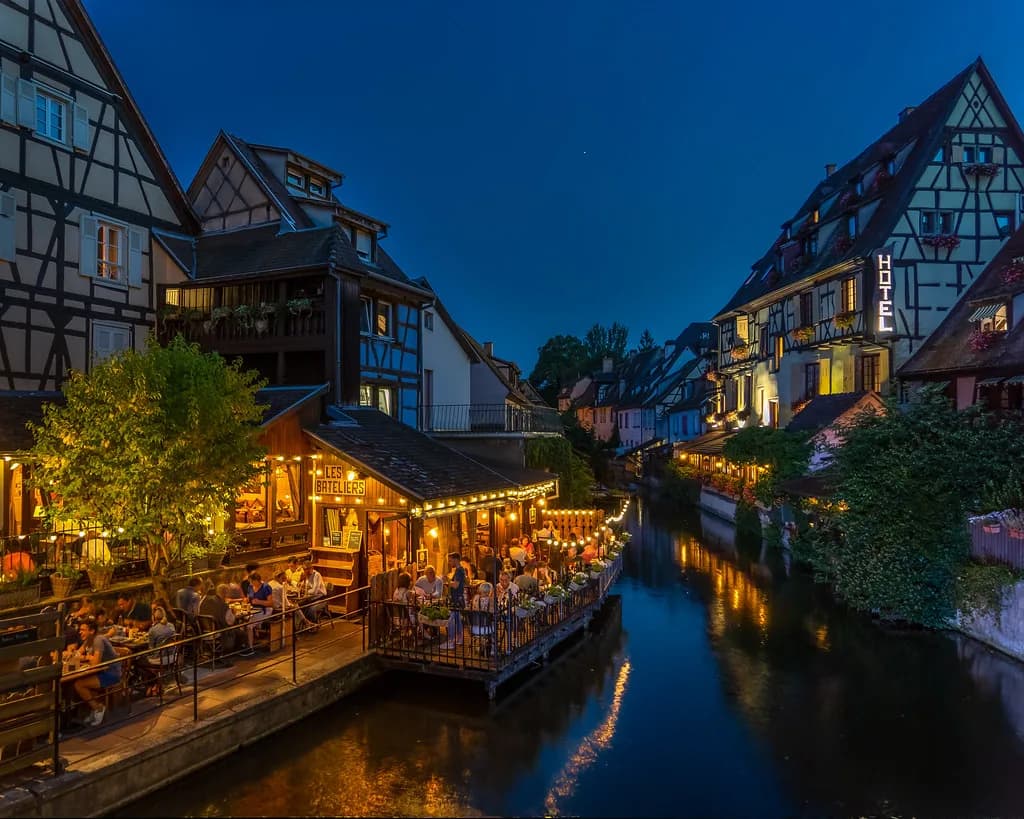
The fix is timing rather than avoidance. Walk the Quai de la Poissonnerie before breakfast and again at blue hour, and use the middle of the day for covered ground such as the museums. Staying overnight is what makes this possible, and it turns the busiest season into the most enjoyable one.
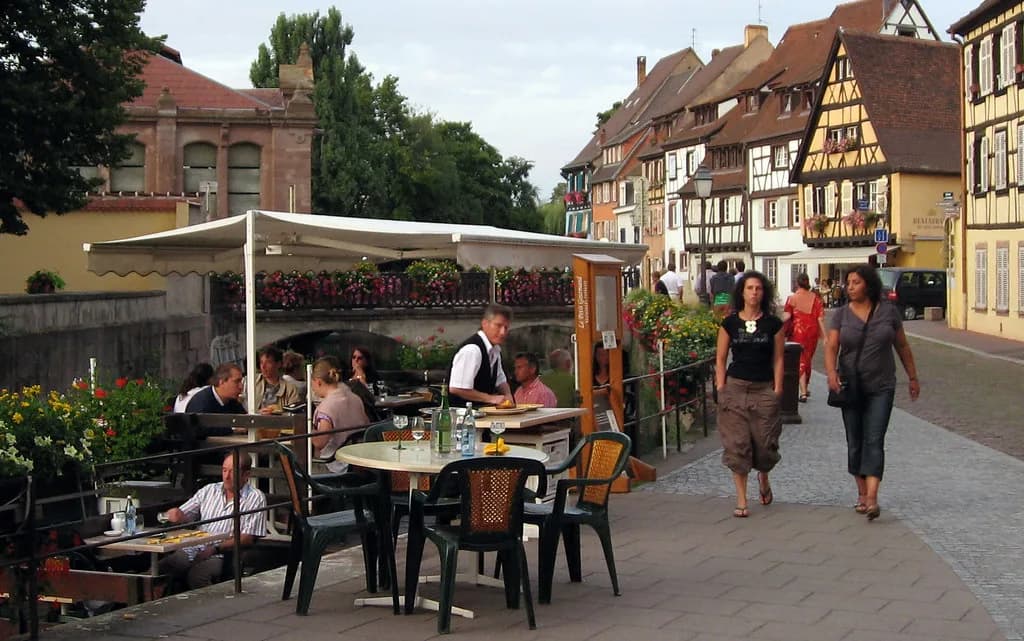
Summer is also when waterside cafés and cellar restaurants are at their best, with outdoor tables along the canal. If you plan to eat somewhere specific, reserve rather than turn up at eight and hope.
Colmar in autumn (September to November)
Autumn mirrors spring in temperature, with highs from 16°C to 20°C and a fair chance of rain. It is our pick for a first visit: the light is softer, the summer crowds have thinned, and the streets feel like a working town again rather than a queue.
Early autumn keeps enough warmth for canal-side lunches, while late autumn turns crisp and clear, which suits photography along the River Lauch. Colour in the vineyards around town builds through October, though the exact peak varies with the summer weather.
Autumn is a sensible month for the indoor sights too. The Unterlinden Museum and its Isenheim Altarpiece make a natural wet-afternoon stop, and the Toy Museum and Bartholdi Museum give you alternatives if the rain sets in.
Colmar in winter (December to February)
Winter is cold, with typical minimum temperatures just below freezing, and December brings heavy visitor pressure. January and February are much quieter and cheaper-feeling, and you may get Petit Venice under snow, which is the version most photographs promise.
Treat winter as a short-daylight trip. Plan one indoor anchor such as the Unterlinden Museum, one outdoor loop through the old town, and a long lunch, rather than trying to fill every hour. The reward is the town at its least crowded and most atmospheric.
When to go for quiet streets and lower prices
Quiet and cheap point to the same months: January and February. The cold keeps casual visitors away, so you can eat without booking far ahead and walk the centre without crowds. Outside December, the demand that pushes prices up in peak season drops away.
The trade-off is real. Some of the pleasure of Colmar is sitting outside by the water, and in midwinter you will be doing your admiring from behind glass. If that matters, choose the shoulder months instead and accept a bit of rain.
For a wider comparison of French city breaks by season, our guide to the best time to visit Aix-en-Provence shows how the same logic plays out in the south, where heat rather than cold is the constraint.
How many days in Colmar do you need?
One day covers the centre comfortably, because Colmar is compact and easy to walk. The station is only around ten to fifteen minutes on foot from Petit Venice, which makes a day trip genuinely practical. Many visitors do exactly this, arriving late morning and leaving after dinner.
One night is the better answer. Staying over gives you early mornings and dusk on the canals, when the fairytale version of the town appears and the day-trippers have gone. Two nights lets you add a museum and a long lunch without squeezing anything.
If you are weighing up whether the town justifies the journey at all, our honest verdict on whether Colmar is worth visiting sets out what a short break here actually delivers.
How to get to Colmar for a short break
Colmar sits in northeast France near the German and Swiss borders, and the train is the simplest approach. It is 30 minutes from Strasbourg, 45 minutes from Basel and around 2.5 hours from Paris Gare de l'Est, with some direct services and others changing at Strasbourg.
By air, Strasbourg has a small airport, while Basel is about 60km south and Zürich is a longer rail hop away. For a weekend from the UK or Ireland, the Basel route usually means one short train ride after landing, which keeps the journey day manageable.
Book rail tickets as soon as your dates are fixed, since the Paris trains carry the longest journey and the least flexibility. Check current times and prices on the SNCF Connect site for your travel date before committing to a schedule.
What to see in a weekend: Petit Venice, Koïfhus and St Martin's Church
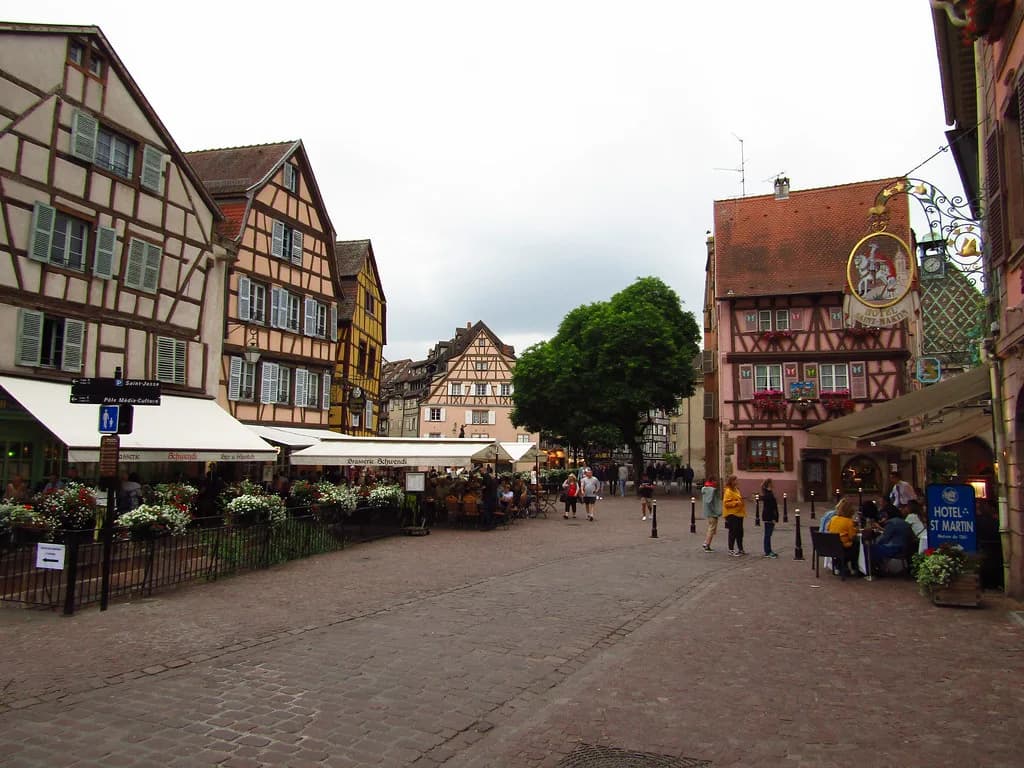
Start with the canals. The Quai de la Poissonnerie is the picture-postcard row of pastel half-timbered houses, and the bridge where the road meets Rue des Écoles is the classic viewpoint. Go early, and remember these are people's homes rather than a set.
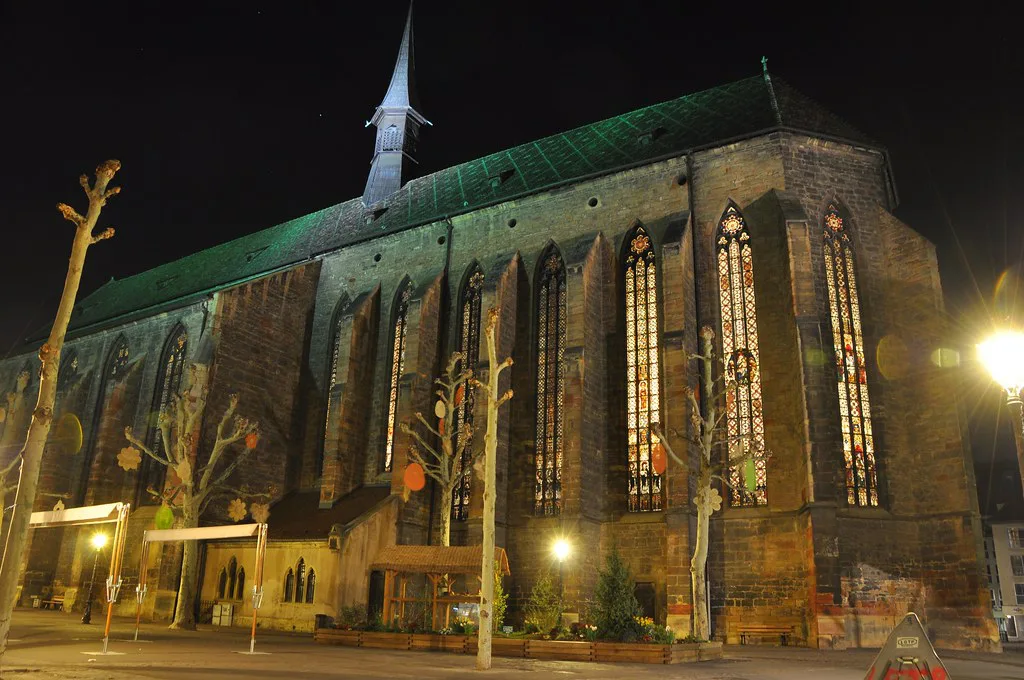
From there, walk to the Koïfhus, the former customs house built where two major streets meet, then on to the Pfister House with its wraparound wooden balcony and octagonal turret. St Martin's Church, with its coloured tiled roof and 13th-century stained glass, is the third fixed point of the circuit.
Give the museums a slot if the weather turns. The Unterlinden holds the Isenheim Altarpiece, the Bartholdi Museum occupies the birthplace of the sculptor behind the Statue of Liberty, and the Toy Museum suits a family stop. Check each museum's opening days online before you set out, as French museums often close early in the week.
For a different angle on Petit Venice, take the 25-minute boat trip from the bridge by Saint-Pierre, which runs through the canals and out to a leafy residential stretch. It costs €9 for adults and €4 for children aged 4–10, a small fixed outlay for a view you cannot get on foot.
Where to eat and what to try
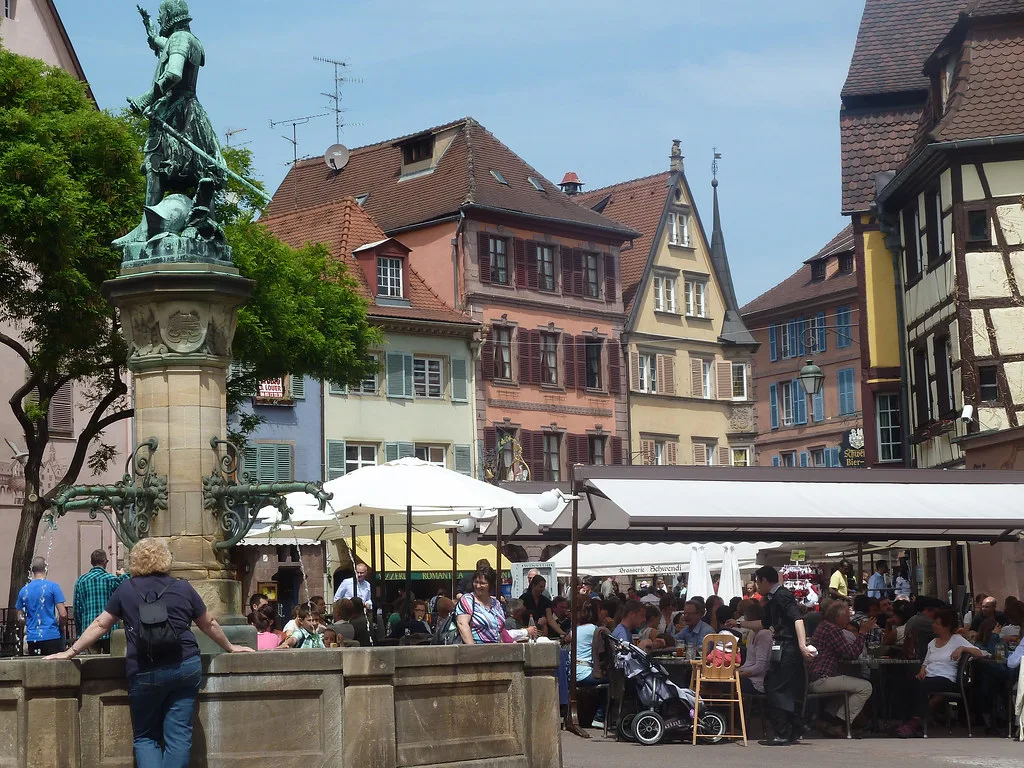
Colmar's food mixes French and German influences. Look for flammekueche, the thin base topped with bacon, onion and crème fraîche, along with baeckeoffe, choucroûte garnie and bretzels. These are hearty dishes built for cold months as much as warm ones.
For a casual plate, La Soi does tarte flambée, while Le Caveau Saint Pierre is the traditional Alsatian option near the boat departure point. Save room for Pâtisserie Gilg, which is the obvious stop for cakes. Our guide to the best restaurants in Colmar covers more ground if you want to plan the evenings properly.
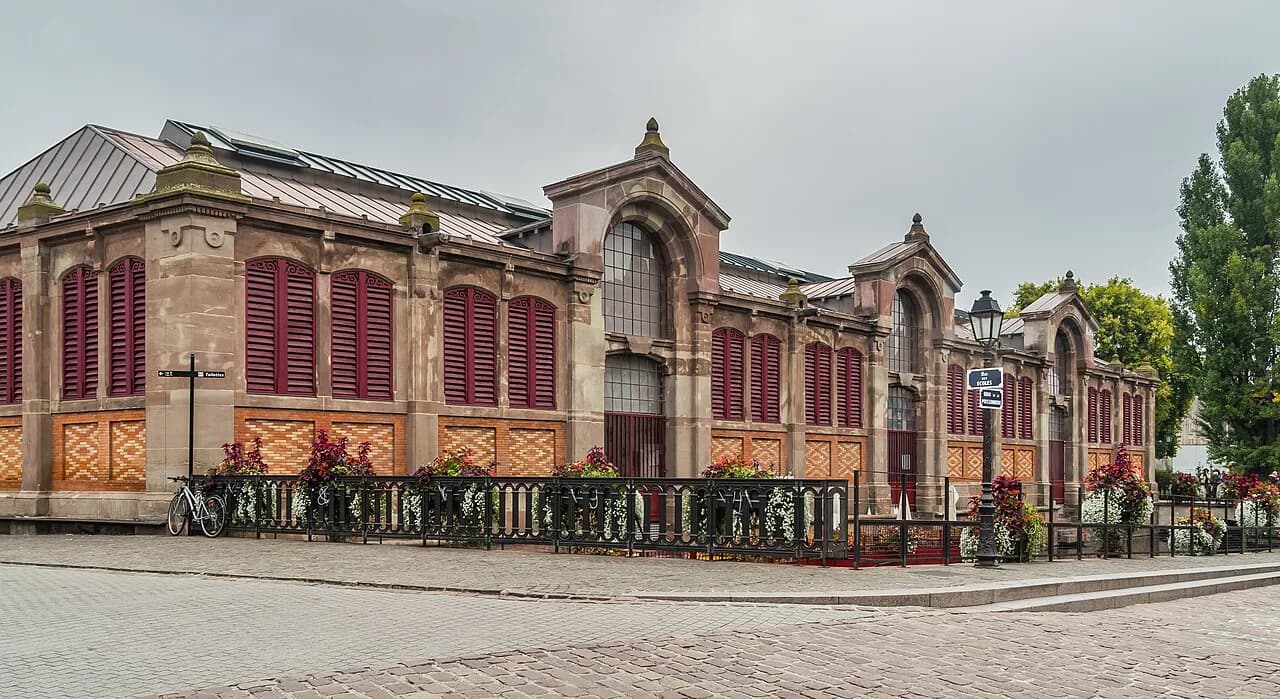
A practical alternative is self-catering from the covered market, picking up bread, cheese and fruit for a canal-side lunch. That keeps costs down and lets you eat at the water rather than inside.
When to visit Colmar: a quick month-by-month summary
March to May brings typical highs of 16–20°C, rain and growing colour, making it a strong choice for a spring weekend. June to August is warmest at 24–26°C but busiest, with thunderstorms possible. September to November returns to the 16–20°C band with softer light and fewer people.
December is cold and crowded, with average minimums just below freezing. January and February are the quietest, cheapest-feeling and coldest months, and the ones to pick if you want the town to yourself.
Colmar in the wider Alsace context
Colmar works as a base for the surrounding Alsace, with Eguisheim about 7km away by bike and the wine route running through the villages beyond. Keep any excursion to a half-day so the town itself still gets your best hours.
Strasbourg is half an hour away by train and shares the half-timbered, canalside character, but with bigger-city attractions. Colmar is smaller and quicker to walk, which is exactly why it suits a short break better than a single day trip from the larger city.
Pick a Season, Then Stay the Night
Late spring and early autumn give the best balance of weather and breathing room, while January and February reward anyone who can handle the cold with genuinely quiet streets. Summer is warm and lively but needs early starts and a booked bed. Whatever month you choose, the single overnight is what turns Colmar from a photo stop into a place you remember.
Build the weekend around the canals at dawn and dusk, the Koïfhus and Pfister House in between, and one museum as a wet-weather anchor. Confirm train times and museum opening days for your dates before booking, then let the town fill the rest.
Explore more Colmar guides
Frequently Asked Questions
What is the best month to visit Colmar?
Early autumn and late spring give the most comfortable conditions: typical highs of around 16–20°C, softer light on the canals and fewer people than in midsummer. Autumn is our first choice for a first visit, because the summer crowds have thinned and the town still feels lived-in rather than staged.
Is Colmar crowded in summer?
Yes. Typical highs reach 24–26°C and the town fills with day-trippers, including many arriving from Strasbourg. Walk the Quai de la Poissonnerie before breakfast and again at blue hour, put museums in the middle of the day, and stay overnight so you get the canalsides almost to yourself in the early morning.
When is the quietest and cheapest time to visit Colmar?
January and February are the calmest months, with cold weather keeping casual visitors away and demand well below the peak season. You will be admiring the canals from behind glass rather than sitting outside, but you can eat without booking far ahead and walk the centre without crowds.
How many days do you need in Colmar?
A day covers the centre, since the station is around ten to fifteen minutes on foot from Petit Venice. One night is the better answer: it gives you the canals at dusk and early morning, when the fairytale version of the town appears. Two nights adds a museum and a long lunch without rushing.
What is Colmar like in autumn?
Temperatures return to the 16–20°C range with a fair chance of rain, and the light turns softer as the summer crowds thin. Vineyard colour builds through October, though the exact peak varies with the summer weather. It is a good month for mixing outdoor wandering with the Unterlinden Museum.
How do you get to Colmar for a weekend?
The train is simplest. Colmar is 30 minutes from Strasbourg, 45 minutes from Basel and around 2.5 hours from Paris Gare de l'Est, with some direct services and others changing at Strasbourg. Basel airport, about 60km south, puts you one short train ride from town.
Sources
Notes for French city breaks
Optional updates to our guides.
You might also like
Continue reading
More guides you'll find useful