Best Restaurants in Dijon: Where to Eat on a City Break
Plan where to eat in Dijon with our pick of bistros, wine bars and Burgundian dishes, from a quick lunch to a splurge, plus what to order and when to book.
On this page
Dijon is a compact eating city: the historic centre is pedestrianised and UNESCO-protected, so a lunch, an afternoon drink and a dinner can all sit inside one easy walk. It also has a serious culinary reputation, with a free-entry fine arts museum in a former ducal palace and, since 2022, the Cité Internationale de la Gastronomie et du Vin. For a short break, that density is the point. Other French cities reward the same approach, so if your plans stretch further south the best restaurants in Aix-en-Provence follow a similarly walkable logic.
This is not a ranking. It is a shortlist organised by what you need at a given hour: a fast lunch, small plates with wine, a big evening, or the one dinner you book before you travel. Every venue named here is tied to a specific address, and where a dish is worth ordering by name, it is named too.
What Dijon does well
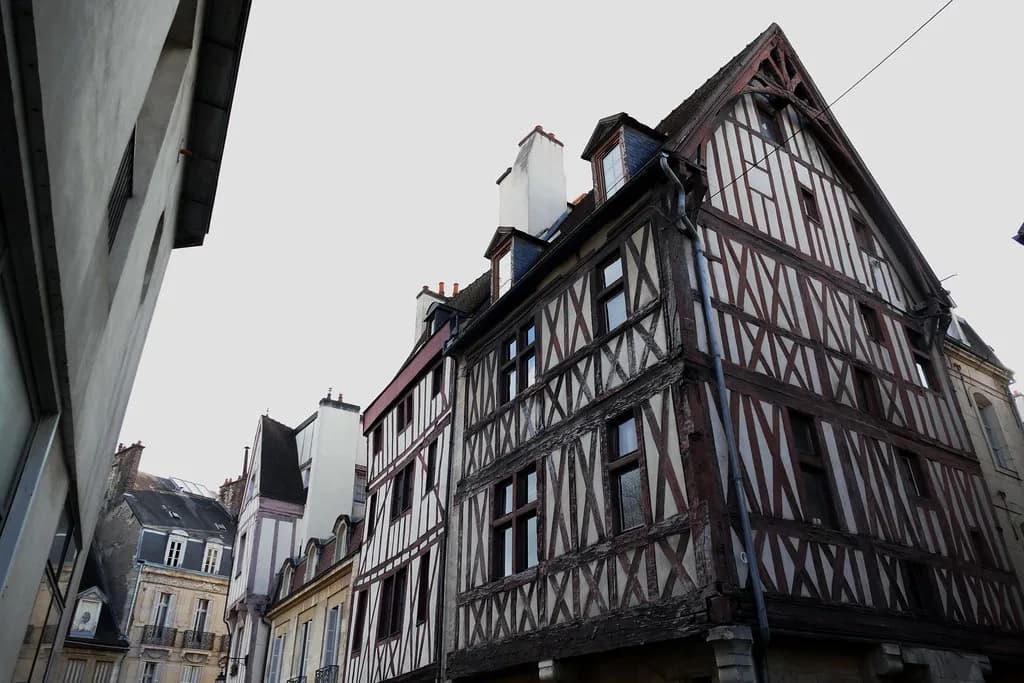
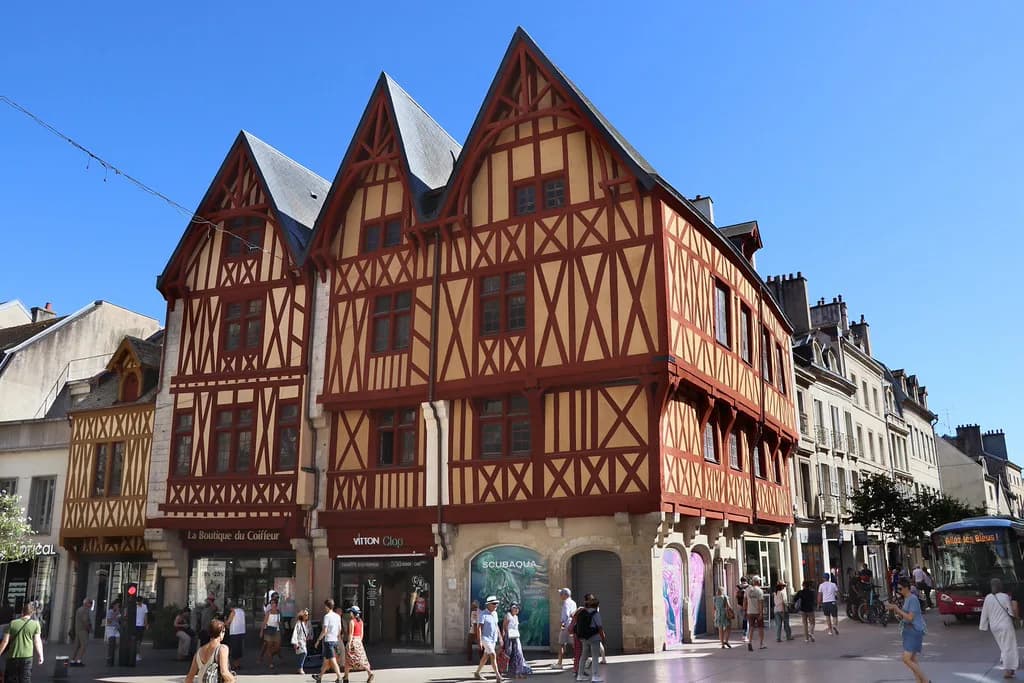
Burgundian cooking is the main event: bœuf bourguignon, escargots and mustard-based sauces appear on the city's tables, and mustard itself is a local industry with roots going back centuries. The centre's medieval, gothic and Romanesque buildings sit close together, so you can eat well without crossing town. That makes Dijon a good fit for a two-night break where food is the reason you came.
The eating map is small enough to learn in an afternoon. Rue Monge, Rue Jeannin, Rue Amiral Roussin, Rue Jean Jacques Rousseau and Rue des Forges all sit inside the same central grid, and the Cité Internationale de la Gastronomie et du Vin occupies a modern complex at 12 Parvis de l'UNESCO. Build your day around the old town and the walk from one table to the next turns into the sightseeing: the Palace of the Dukes of Burgundy, the Parcours de la Chouette and the museum quarter are all in reach.
The dishes to order first
Start with the classics and let the kitchen tell you the rest. Bœuf bourguignon, escargots and pâté en croûte are the Burgundian standards to look for, and mustard turns up in dressings, sauces and, at Le Comptoir de la Cité, in a tripe sausage served with mustard sauce. Order one heavy dish per sitting rather than stacking three; portions here are built for appetite, not tasting flights.
Snail is worth trying in its brioche form: Le Comptoir de la Cité serves a brioche swirled with garlicky snail alongside gougères and pâté en croûte on its sampler plates. If mustard is your reason for visiting, note that the best-known producer, Edmond Fallot, has its moutarderie in Beaune rather than Dijon, so a mustard-focused detour means leaving the city.
How a Dijon eating day works
Treat lunch as the main meal and keep dinner later and lighter, the way the city's restaurants are set up. Restaurant de l'Île de la Réunion serves no menu at all: the owner asks whether you have eaten Réunionaise food before and whether you can take spice, then brings what she is cooking. On a short break that is a memorable lunch rather than an evening you need to dress for.
Book the dinners you care about before you travel and leave lunches loose. Dijon's shortlist is small, and a two-night stay leaves only two evening slots, so a splurge and a wine-bar night cannot both be spontaneous. A booking also settles the practical question of whether your chosen address fits the day you have planned.
Old town picks: Le Chat Qui Pense and Monsieur Moutarde
Le Chat Qui Pense, at 18 Rue Monge, is the bistro to book for inventive, elegant cooking in the bistronomique mode: refined plates in a charming room, at bistro scale. It suits a proper dinner in the old town, close enough to the centre that you can walk back through the streets afterwards. Monsieur Moutarde, at 40 Rue des Forges, is the contrast: a craft cocktail bar that is creative and on the pricey side, and the obvious stop before or after a Rue Monge dinner. Both addresses sit inside the same few streets, which is why one evening can cover dinner and a drink without a taxi.
The splurge: CIBO on Rue Jeannin
CIBO, at 24 Rue Jeannin, is the shortlist's haute-cuisine address, and its kitchen is led by Angelo Ferrigno, described as one of France's youngest-ever Michelin-starred chefs. A starred kitchen changes the shape of an evening: expect a longer sitting, a tasting-style structure and less of the shared, casual rhythm you get in a wine bar.
On a two-night break, one dinner at CIBO costs you a second big dinner elsewhere. The honest trade-off is one ambitious meal against two relaxed bistro nights; if food is the reason for the trip, take the splurge and keep the other evening at wine-bar level.
Casual and set-price: Monique on Rue Amiral Roussin
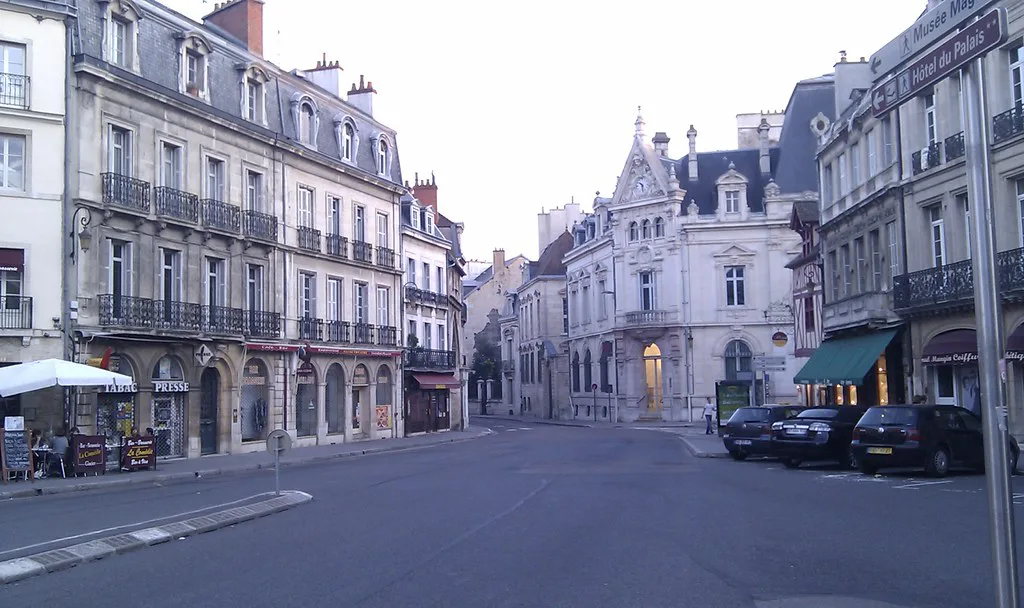
Monique, at 33 Rue Amiral Roussin, is listed for its original chef's menu, which in French bistro terms means the kitchen cooking what it wants rather than a fixed à la carte. Le Fooding's Dijon listings place Monique in the 16 to 35 euro price band, which is the guide's filter rather than a confirmed menu price. Ask the restaurant for its current menu before you budget.
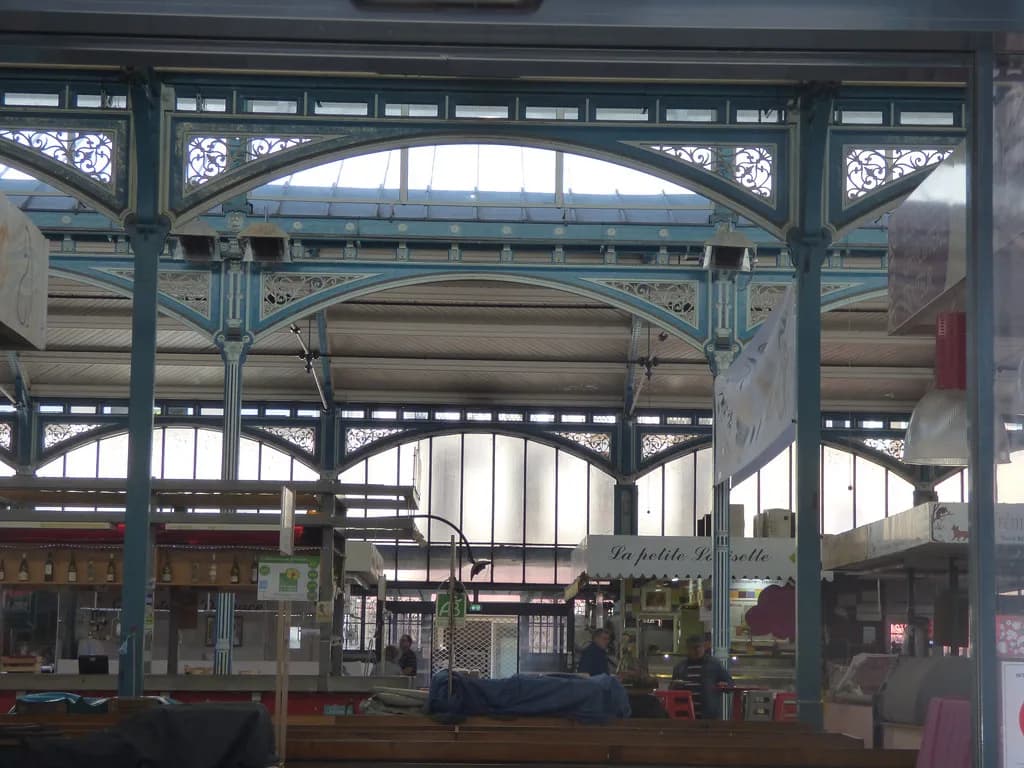
This is the category that makes Dijon work for a weekend: a chef-led menu at bistro prices, booked for the night you arrive so you are not hunting for a table with luggage. Pair it with a morning at the Dijon market and you have a day that costs little beyond the meal itself, with the Halles and the surrounding streets doing the work.
Chez Bruno: wine-bar plates instead of a full dinner
Chez Bruno, at 80 Rue Jean Jacques Rousseau, is a wine bar in the small-plates mould, so it fills the slot between a big lunch and a late dinner. Le Fooding places it in the same 16 to 35 euro band as Monique, again as the guide's filter rather than a quoted bill. This is the pick when you want Burgundy by the glass and a plate or two rather than a three-course sitting.
Wine-bar dining is also the most flexible option in a city where evenings book up: plates come as they are ready and you can leave when you like. Build the night around a couple of glasses and a shared board, then walk the old town rather than committing to a second sitting.
The Cité Internationale de la Gastronomie et du Vin
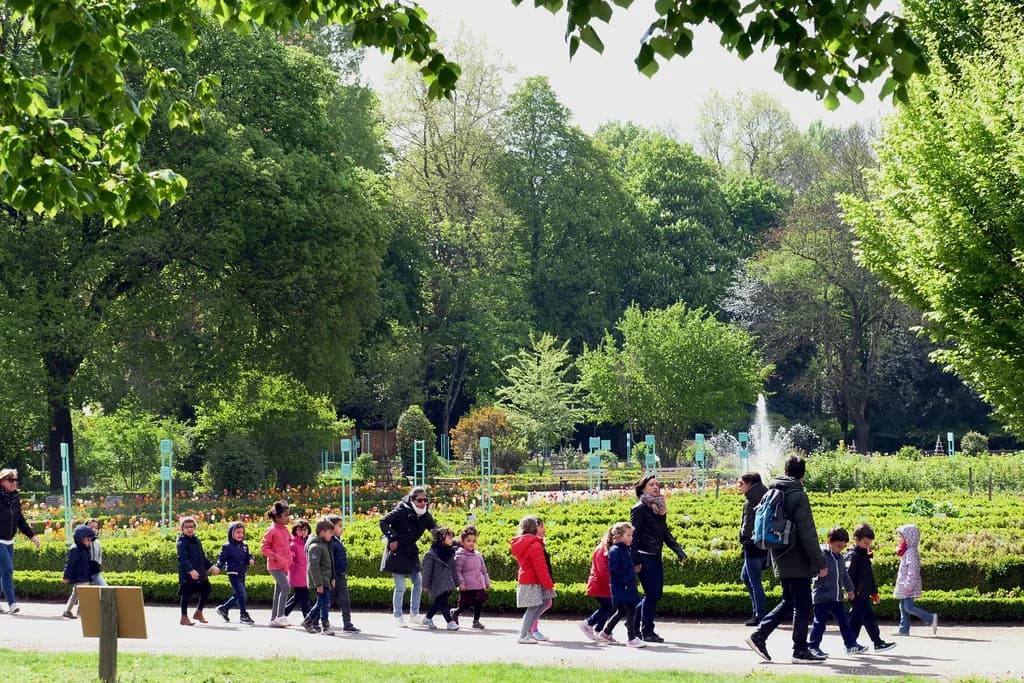
The Cité Internationale de la Gastronomie et du Vin opened in 2022 and houses six restaurants and bars, rotating exhibits, a food court, a wine school and a culinary school. It is a destination in its own right rather than a museum with a cafe attached, and it sits at 12 Parvis de l'UNESCO. If you are arriving by train, the walk from Dijon-Ville station through the botanical gardens reaches it comfortably.
Inside, Le Comptoir de la Cité is the casual, wine-oriented option, serving regional delicacies including brioche with snail, gougères and pâté en croûte, plus Burgundian plates such as beef stew. It works as a first meal on arrival day, when you want something good without a formal booking. The complex's culinary director, Éric Pras, earned three Michelin stars at Lameloise in Chagny, not in Dijon.
Eating something other than French: Restaurant de l'Île de la Réunion
Restaurant de l'Île de la Réunion, at 6 Rue Jean Renoir, is a small family-run place serving food from the Indian Ocean island, with no menu and no website. Expect flaky cheese-filled samosas, spicy curried chicken over rice and lentils, and coconut pie with coconut ice cream. The whole meal came in at under 30 euros, which is the one firm price figure worth carrying into your planning.
It is the best value on this list, and the least predictable: because there is no menu, you eat what the kitchen has made that day. Go hungry, answer the spice question honestly, and treat it as a lunch so the rest of your day is not rearranged around a heavy evening.
Budget reality
Only two figures here are cited, and they are different kinds of number. Le Fooding's 16 to 35 euro band is a guide filter covering Monique and Chez Bruno, while the Réunionaise meal came in under 30 euros for a full lunch. Everything else on this list needs a price check with the restaurant itself before you budget.
A workable split for a two-night stay is one splurge, one chef's-menu bistro and the rest carried by lunches and wine-bar plates. That keeps a single expensive dinner from swallowing the whole food budget. Dijon's compact centre means you are not paying for taxis between meals either.
A two-night eating plan
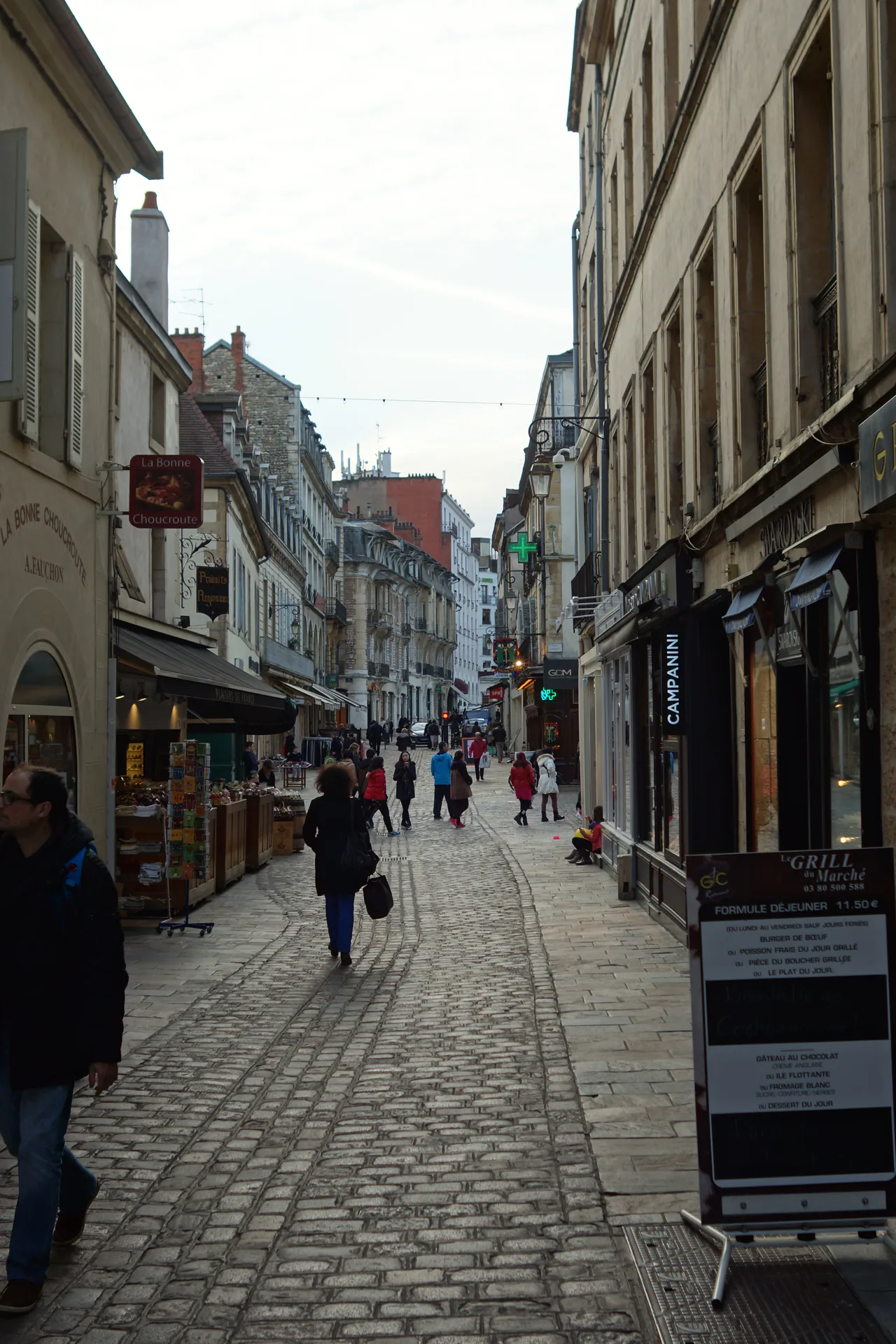
Night one: land, walk from the station through the gardens, and eat at Le Comptoir de la Cité inside the Cité Internationale, which needs no ceremony after travel. Day two: a market morning, then Restaurant de l'Île de la Réunion for lunch, Monsieur Moutarde for a drink on Rue des Forges, and Le Chat Qui Pense or CIBO for dinner, depending on budget. Night three: wine-bar plates at Chez Bruno if you are staying a third night.
If you only have two nights, drop the third-night entry and put Monique in place of one bistro dinner for the set-menu value. Book the splurge and the bistro before you leave home and leave the rest to the day. That order of operations costs you twenty minutes and saves the trip's worst risk: a hungry walk round a booked-out centre.
Mistakes to avoid
The first is treating lunch as an afterthought. In Dijon the midday meal is where the value sits, and a no-menu family kitchen is a better use of an afternoon than a rushed sandwich. The second is turning up at a named address without a booking: the shortlist is short, and a small room fills quickly.
The third is assuming everything is open when you want it. Restaurants here keep their own hours, and neither the city nor this guide sets them for you; ask the restaurant directly about the day you plan to eat there, particularly at the start of the week. Treat a booked table as the anchor of each day and build the museums and shopping around it, whether that means the Musée des Beaux-Arts de Dijon or an hour on Rue de la Liberté.
Dijon, Beaune or Lyon as a base
Dijon gives you a walkable, UNESCO-listed centre with a serious food scene and far fewer tourists than Paris. Beaune is the mustard town, home to the Fallot moutarderie with its tastings, tours and shop, and it sits deeper in the vineyards; Lyon is a bigger city with its own bouchon tradition. Choose Dijon for a compact weekend where food and architecture sit within the same few streets.
Plan Your Eating Around Two Bookings
Book one big dinner and one chef's-menu bistro before you travel, then let lunches, wine bars and the Cité Internationale carry the rest. Use the Rue Monge, Rue Jeannin and Rue des Forges addresses as your central cluster and you will never be far from a table. If you want to see how the meals fit between sights, the Dijon itinerary lays the days out street by street.
Two evenings is enough to eat well here if you spend them deliberately. Spend the money where the kitchen does something you cannot get at home, and spend the time on the walk between meals, which in Dijon is the attraction itself.
Explore more Dijon guides
Frequently Asked Questions
What food is Dijon known for?
Burgundian classics lead: bœuf bourguignon, escargots, pâté en croûte and mustard-based sauces and dressings. Mustard itself is the city's signature product, and snail appears in modern forms too, such as the garlicky snail brioche served on sampler plates at Le Comptoir de la Cité. Wine from the surrounding region is the natural accompaniment.
Which restaurants in Dijon old town should I book?
Le Chat Qui Pense at 18 Rue Monge is the bistro to book for inventive cooking, and CIBO at 24 Rue Jeannin is the haute-cuisine splurge. Monsieur Moutarde at 40 Rue des Forges is a cocktail bar rather than a restaurant, best used before or after dinner. Book these before you travel, since the central shortlist is small.
Is Dijon expensive to eat out?
Le Fooding's Dijon listings place Monique and Chez Bruno in a mid-range band that is the guide's own filter rather than a confirmed menu price. Restaurant de l'Île de la Réunion is the value option, with a no-menu kitchen cooking a fixed run of dishes. For any other address, ask the restaurant for current menu prices before you budget.
Do you need to book restaurants in Dijon?
Book the dinners you care about, especially the splurge and the chef's-menu bistro, because a two-night stay offers only two evening slots. Lunches and wine-bar plates are easier to take as they come. Ask each restaurant directly about the day you plan to visit and whether it takes bookings.
Where can you eat well on a budget in Dijon?
Restaurant de l'Île de la Réunion at 6 Rue Jean Renoir offers the strongest value, with no menu and a set arrangement for whatever the kitchen has cooked. Chez Bruno and Monique sit in Le Fooding's lower price band. Lunch is generally the meal to spend on rather than dinner.
What is the Cité Internationale de la Gastronomie et du Vin?
It is a culinary complex that opened in 2022 at 12 Parvis de l'UNESCO, housing six restaurants and bars, rotating exhibits, a food court, a wine school and a culinary school. Le Comptoir de la Cité inside it serves regional plates and is a good first meal on arrival day. The complex is a destination in its own right rather than a museum with a cafe.
Should I choose Dijon, Beaune or Lyon for a food break?
Dijon is the compact choice: a walkable UNESCO-listed centre with the restaurants above within a few streets of each other. Beaune is smaller and is where the Edmond Fallot moutarderie sits, so it suits a mustard-focused visit. Lyon is a larger city with its own distinct bouchon tradition.
Can I eat something other than French food in Dijon?
Yes. Restaurant de l'Île de la Réunion on Rue Jean Renoir serves food from the Indian Ocean island, including samosas, curried chicken with rice and lentils, and coconut desserts. There is no menu, so the owner asks about your experience with the cuisine and your tolerance for spice before bringing out the food.
Sources
Notes for French city breaks
Optional updates to our guides.
You might also like
Continue reading
More guides you'll find useful