Markets in Dijon: What to See, Sell and Which Days to Go
A practical guide to Dijon's markets, from the 19th-century covered hall to Place Notre-Dame's creators' market, with days, hours and what each one sells.
On this page
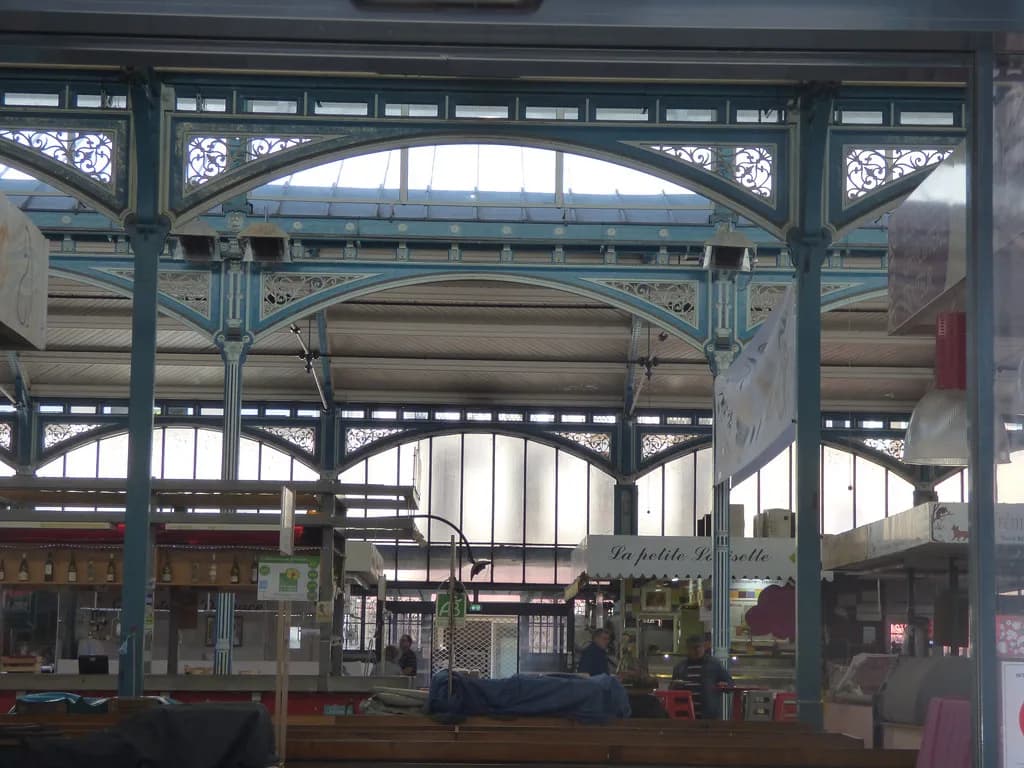
Dijon has two markets worth planning a morning around. The Halles de Dijon is the city's 19th-century covered market, a metal-frame hall built between 1873 and 1875 and the place to go for food shopping. The Marché des créateurs 100% local on Place Notre-Dame is a craft market that runs only on the third Sunday of each month, from 10am to 5pm, and skips May and September.
The distinction matters for a weekend. Plan around the creators' market and you get stalls of local craft on a single Sunday each month; the covered hall is the food market in the old town. Decide which one your trip can actually deliver before you build a route, and use the wider set of things to do in Dijon to fill the rest of the day.
How Dijon is laid out for market browsing
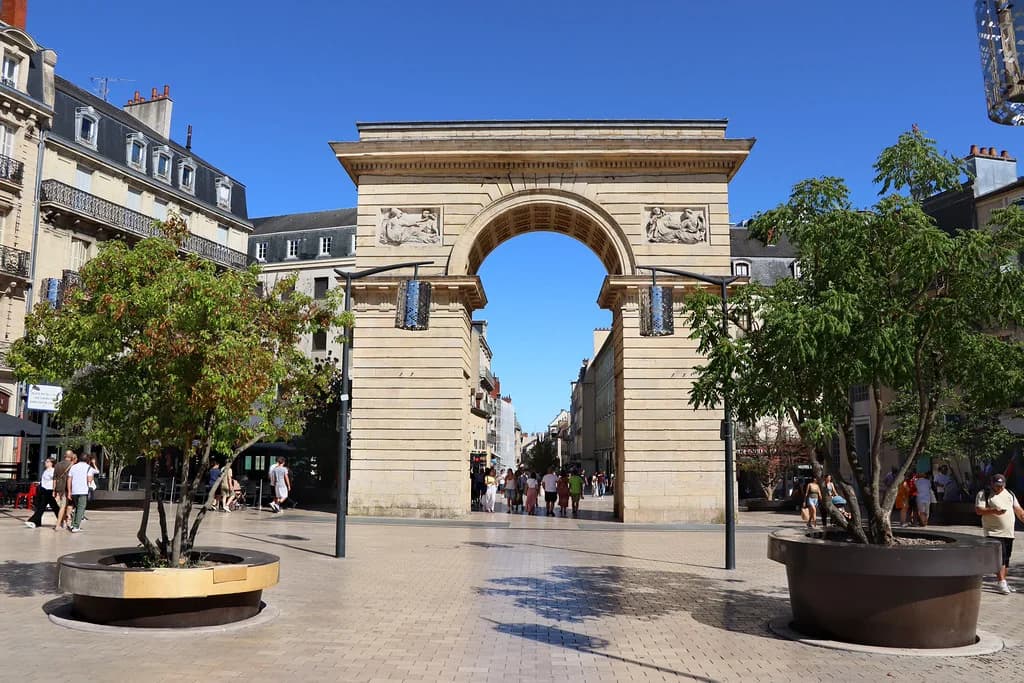
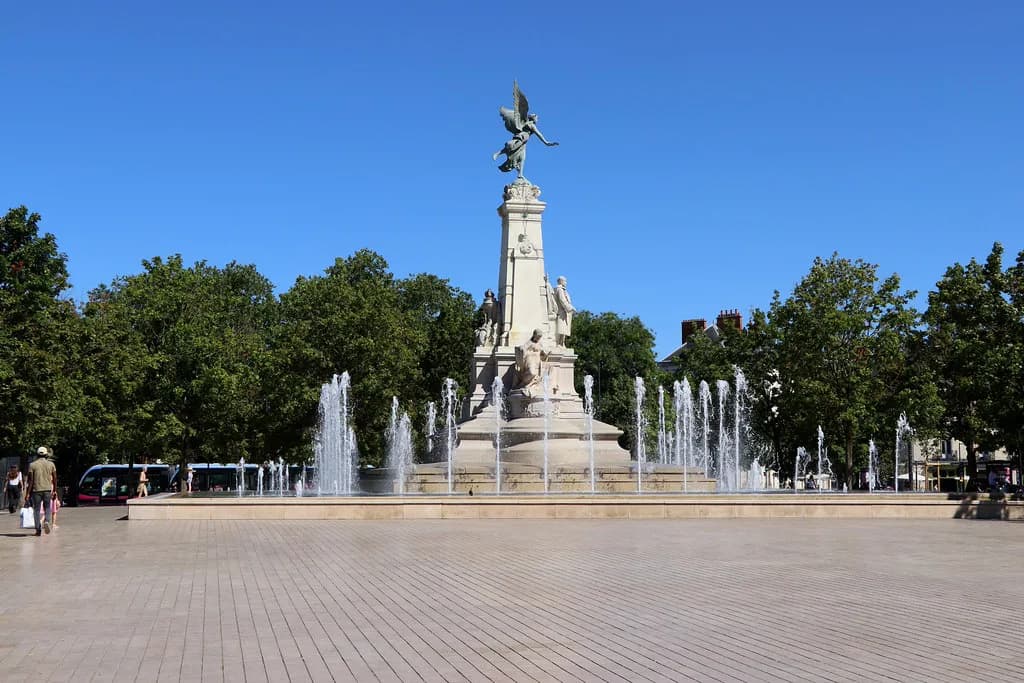
Dijon's old town is compact enough to cross on foot, and the market geography follows the same spine. Place Darcy, west of the old town and close to the station, marks the start: the 18th-century Porte Guillaume arch stands at its edge and opens onto Rue de la Liberté. That pedestrianised street runs east to Place de la Libération, the semicircular royal square designed in the 17th century by Jules Hardouin Mansart.
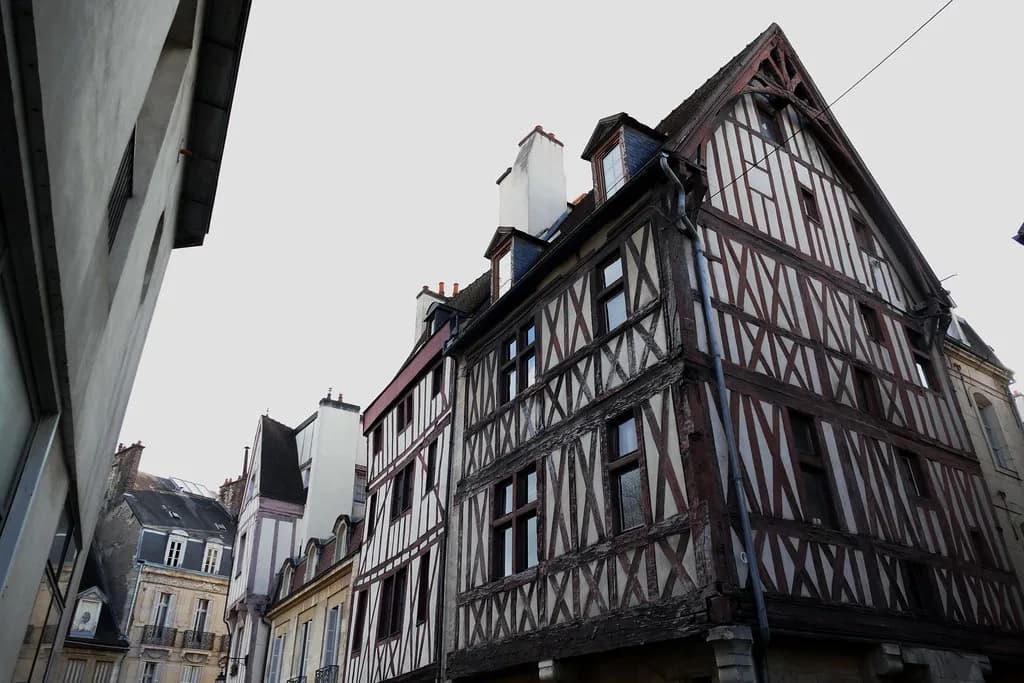
Between those two squares sits Place François-Rude, a small square of late-medieval and Renaissance mansions now holding tearooms, cafés and shops. Place de la Libération is bordered by the Palais des Ducs et des États de Bourgogne, and the covered hall sits within this same old-town fabric rather than out on the ring road. Reading the layout this way means a market visit slots into a walk rather than requiring a detour.
Halles de Dijon: the covered market
The Halles de Dijon is a 19th-century covered market, notable for its metal-frame hall built between 1873 and 1875. That structure is the reason to go inside even in poor weather: a covered hall gives you a dry, wind-free circuit of stalls instead of an exposed square. Treat it as the default food-market stop on any Dijon weekend.
What a covered hall gives you is choice under one roof: you can compare producers, buy in small quantities and change your mind without crossing town. The trade-off is atmosphere, since an indoor hall lacks the sprawl of an open-air market, but for a short break that is usually a fair swap. If you only have time for one market in Dijon, make it this one and pair it with the surrounding squares.
What to buy in the covered hall
Shop for Burgundy produce you can carry: cheese, charcuterie and the Dijon staples that travel well in a weekend bag. Buy soft cheese on your last morning rather than your first, and ask for it wrapped for transport. A covered hall rewards a browse before you commit, so walk the full circuit once and note what looks good before buying anything.
Mustard is the obvious Dijon purchase, and a hall is the place to buy it from a producer rather than a souvenir shelf. Keep weight and liquid limits in mind if you are flying home, since jars count against your allowance. If food shopping is the main event, the wider shopping in dijon picture will help you decide what is worth carrying and what to leave.
Marché des créateurs 100% local on Place Notre-Dame
The Marché des créateurs 100% local sets up on Place Notre-Dame on the third Sunday of each month, from 10am to 5pm. There is no designers' market in May and September, so those two months break the pattern entirely. Everything else about the monthly rhythm holds, which makes it the one Dijon market you can predict from a calendar rather than a hope.
This is a craft market, not a food one, so adjust expectations: you come for made objects rather than lunch. Seven hours is generous for a square of stalls, and most visitors will see it comfortably inside an hour or two. The value is in being there on the right Sunday at all, which is why the date check comes before anything else in your planning.
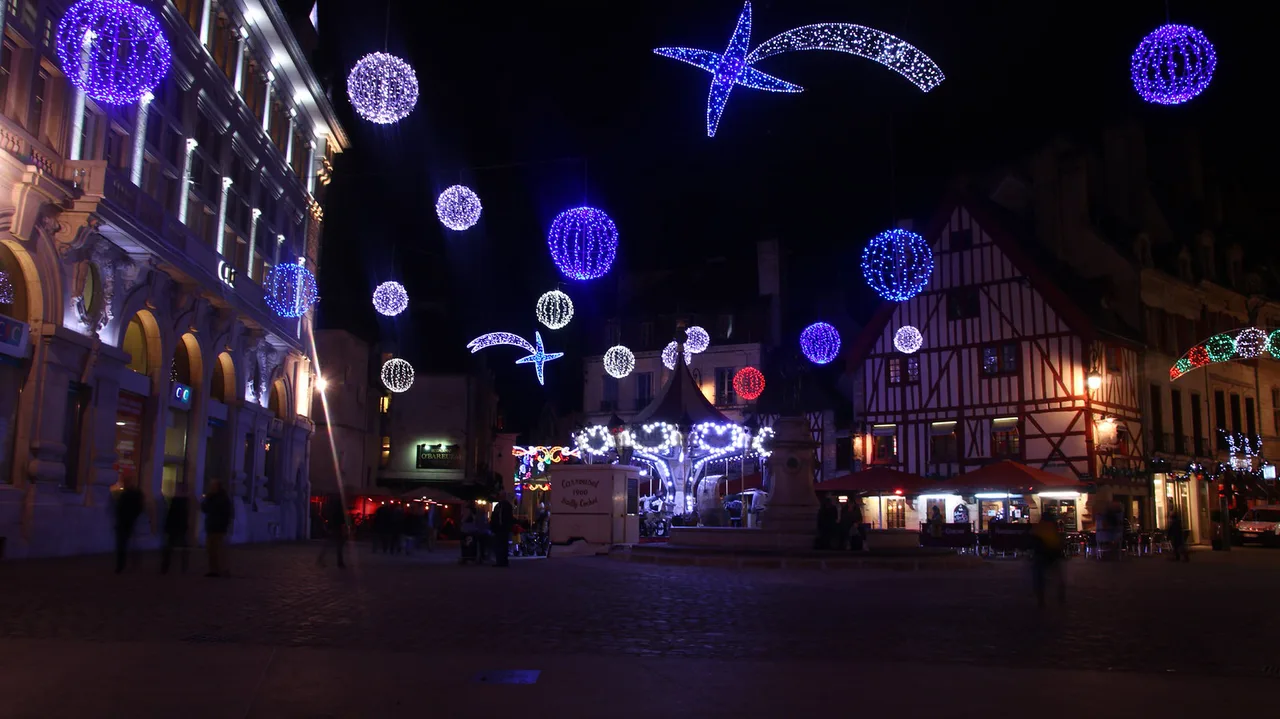
Food shopping as sightseeing
Build a picnic from the covered hall and eat it on one of the old-town squares rather than queueing for a table. Bread, cheese and a couple of tomatoes weigh little and cost less than a sit-down lunch, and Dijon's squares give you somewhere to eat them. This works best on a day when the weather is settled enough to sit outside.
If self-catering is part of your trip, the market becomes a practical errand rather than a sight, and that changes how much time it deserves. Buy for two days at most, since a short break rarely needs a full pantry. For sit-down meals instead, the best restaurants in Dijon covers the other half of the eating decision.
Matching market days to your weekend
Start with your dates and work backwards. If your weekend includes the third Sunday of a month other than May or September, put Place Notre-Dame in the plan and build the rest of the day around it. If it does not, the creators' market is simply off the table this trip, and no amount of route-tweaking will change that.
The covered hall carries no such constraint, so it can absorb whatever slot you have left. A sensible split is the hall on your arrival day for provisions and the craft market on Sunday if the calendar cooperates. A ready-made Dijon itinerary helps you see where a market stop fits without squeezing out the museums.
Timing and money
Mornings are the better half of the day for food shopping: stalls are fully stocked and you are not competing with lunchtime crowds. Afternoons suit browsing rather than buying, especially in a covered hall where the light fades early in winter. The creators' market has fixed hours of 10am to 5pm, so arrive before the middle of the day if you want the fullest selection.
Budget by what you can carry rather than by a fixed figure, since market spending is entirely optional and varies by stall. Carry cash as a backup even where cards are accepted, and set yourself a ceiling before you go in. For a wider sense of what a Dijon weekend costs, start with whether is Dijon worth visiting and work out what you actually want to spend on.
Practical trade-offs
A market stop earns its place if you were going to buy food or gifts anyway; it earns less if you are only walking past. Crowds build in a covered hall around lunch, and bags get heavy fast, so a market visit is best early in the day rather than at the end of a long walk. Leave the shopping until you are heading back towards Place Darcy and the station side.
The honest trade-off is time. An hour in the hall is an hour not spent in the Musée des Beaux-Arts de Dijon, so decide which you value more before you arrive. If art wins, the museums in dijon guide will help you build a route that still passes the market squares.
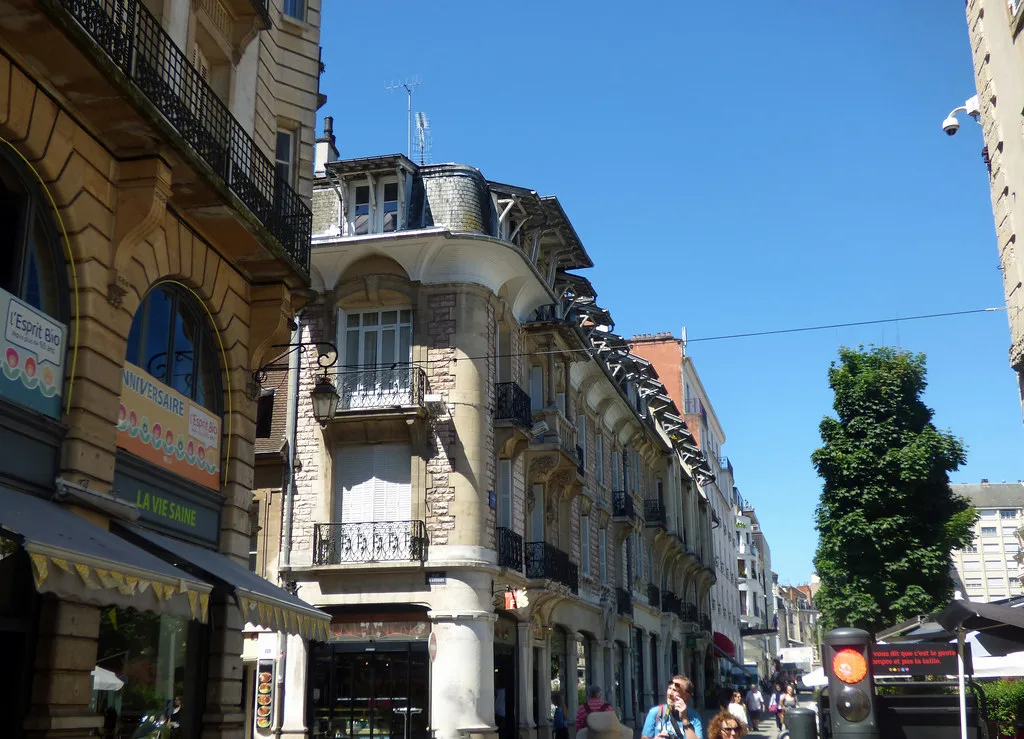
A two-hour market-and-old-town loop
Start at Place Darcy, walk through Porte Guillaume and up Rue de la Liberté, then cut through Place François-Rude to Place de la Libération and the Palais des Ducs et des États de Bourgogne. From there, work towards the Halles de Dijon for the food stop, then finish on Place Notre-Dame if it happens to be creators' market Sunday. Two hours covers the walking comfortably with a proper browse in the hall.
If you want the walk narrated rather than self-planned, a Dijon self guided walking tour covers the same spine of streets and squares. The Parcours de la Chouette, Dijon's marked trail, is the other option for combining the squares with the old town's landmarks. Either way, keep the market as a stop on the route rather than a separate expedition.
Beyond the stalls: the squares themselves
The squares do the heavy lifting on a market day. Place François-Rude holds tearooms and cafés in its surrounding mansions, Place de la Libération frames the ducal palace, and Place Darcy near the station is a natural start and finish point. Even on a day when no market is running, the walk between them is the reason to be in this part of Dijon.
Notre-Dame, Saint-Michel and Saint-Bénigne cathedral sit within the same old-town grid, so a market morning slides easily into church-visiting. The Philippe-le-Bon Tower gives a rooftop view over the roofs and squares if you want the layout explained from above. For a verdict on whether the city justifies the trip at all, Is Dijon Worth Visiting? What a Short Break Actually Gives You sets out the case.
Plan Your Market Morning
Pick your market by date first: the third Sunday of most months means Place Notre-Dame, anything else means the covered hall. Then place it on the Place Darcy to Place de la Libération spine so the shopping happens on the way through the old town rather than as a separate trip. Buy early, carry light and leave the bags at your base before the afternoon.
Check the city's own listings for the creators' market dates, since the monthly pattern is the one thing that can shift your weekend. The rest of the plan holds either way.
Explore more Dijon guides
Frequently Asked Questions
What days are markets in Dijon held?
The Marché des créateurs 100% local runs on the third Sunday of each month from 10am to 5pm, with no market in May and September. The Halles de Dijon is a covered market in the old town that you can visit on any day of your trip.
Is there a Sunday market in Dijon?
Yes, but only once a month. Place Notre-Dame hosts the creators' market on the third Sunday, from 10am to 5pm, except in May and September. On other Sundays the covered hall is your option.
What can you buy at the Dijon covered market?
The Halles de Dijon is a food market, so expect Burgundy produce, cheese, charcuterie and Dijon mustard from producers rather than souvenir shelves. Buy soft items late in your trip and pack them for the journey home.
Where is the Dijon central indoor market hall?
The Halles de Dijon sits in the old town, within walking distance of Place de la Libération and the Palais des Ducs et des États de Bourgogne. Walk up Rue de la Liberté from Place Darcy and you are close by.
Is the Dijon creators' market open every month?
No. It skips May and September, and otherwise runs on the third Sunday of the month. Check the city tourism listings before booking a weekend around it.
How much time do you need for the Dijon markets?
Allow an hour for the covered hall and up to two hours for a loop that takes in Place Darcy, Rue de la Liberté and Place de la Libération. The creators' market runs from 10am to 5pm, but most visitors see it in an hour or two.
Sources
Notes for French city breaks
Optional updates to our guides.
You might also like
Continue reading
More guides you'll find useful